
The American labor market just experienced its worst year since the COVID-19 collapse. With employers announcing 1.17 million job cuts through November 2025, up 54% from last year, workers face mounting uncertainty despite moderate unemployment figures. This marks the fifth-worst year for layoffs since 1993, driven by AI, government restructuring, and sweeping consolidation. The pattern becomes clearer when you trace what set 2025 in motion.
A Perfect Storm Behind The Layoff Surge
2025 brought no single catastrophe but multiple converging pressures. Government workforce reductions through DOGE resulted in 293,753 cuts, accounting for 25% of the total. AI eliminated 54,694 positions explicitly, although thousands more were lost to automation. Tariff uncertainty and market softness drove 245,086 additional cuts. EV disappointment blindsided automakers. Together, it reshaped corporate planning in a revealing way.
Tech Giants Cut Jobs While Profits Hold

The technology sector announced 153,536 job cuts through November, representing a 17% increase from the same period last year. Amazon cut 14,000 corporate positions in October, citing AI and efficiency gains. Microsoft eliminated 15,000 jobs. Intel announced 15,000 cuts despite receiving $8.5 billion in federal semiconductor grants. Salesforce eliminated 4,000 roles as it deployed AI agents. The retail fallout soon made the shift undeniable.
Retail’s Stunning Collapse In 2025

Retail employers announced 91,954 job cuts through November, up 139% from last year. Target eliminated 1,800 corporate positions. Seasonal hiring plunged: only 372,520 seasonal positions were announced for the 2025 holiday season, down 44% from 660,150 last year. The National Retail Federation projected 265,000 to 365,000 hires, the lowest since 2009. What happens when factories face the same demand shock?
EV Hype Meets A Hard Reality Check
General Motors permanently laid off 1,145 workers at Factory Zero in Detroit, effective January 5, 2026, the same facility promoted as America’s EV future. Ford closed its entire BlueOval SK battery plant in Kentucky, eliminating over 1,500 jobs just months after production began. Nissan announced 11,000 global cuts. “They treat their employees like we’re disposable,” one laid-off GM worker told researchers. The government’s role was bigger than most realized.
DOGE Cuts Reshaped More Than Agencies

The Department of Government Efficiency eliminated 293,753 federal jobs, nearly 25% of all federal layoffs in 2025. Federal employment fell 271,000 from January through November, the fastest peacetime reduction on record. An additional 20,976 jobs were lost when nonprofits and contractors lost federal funding. “Without reliable access to funding needed to cover payroll, many organizations may have no choice but to cut back on services or close,” warned nonprofit leaders. Why did the timing suddenly intensify?
October Delivered A Jolt To Workers

In October 2025, 153,074 job cuts were announced, representing a 183% increase from September and the highest October total since October 2003. Amazon’s 14,000-cut announcement came on October 2. Intel announced 15,000 cuts. Verizon’s 13,000 cut hit in October. Andy Challenger called the pace “much higher than average,” driven by “AI adoption, softening consumer and corporate spending, and rising costs.” The sector breakdown illustrates the widespread nature of the issue.
The Industries That Took The Biggest Hits

Technology: 153,536 cuts, up 17% YoY. Telecommunications: 38,035 cuts, up 268% YoY. Retail: 91,954 cuts, up 139% YoY. Food and beverage: 34,165 cuts, up 26% YoY. Media: 17,163 cuts, up 18% YoY. Nonprofits: 28,696 cuts, up 409% YoY. Manufacturing has lost 42,000 jobs since April 2025. One shutdown captured the betrayal most vividly.
When BlueOval SK Promises Became Dust

Ford announced the closure of BlueOval SK in Kentucky on December 16, 2025, just 11 months after production began. The company invested $5.8 billion and promised to create 5,000 jobs in Kentucky. The facility would cease operations on February 14, 2026, resulting in the termination of all 1,500+ workers. Executives blamed “slower near-term EV adoption” and “changing customer preferences.” “The promises made to us were lies,” one worker posted online. Could logistics be next to feel the edge of automation?
UPS Shows What Automation-First Looks Like
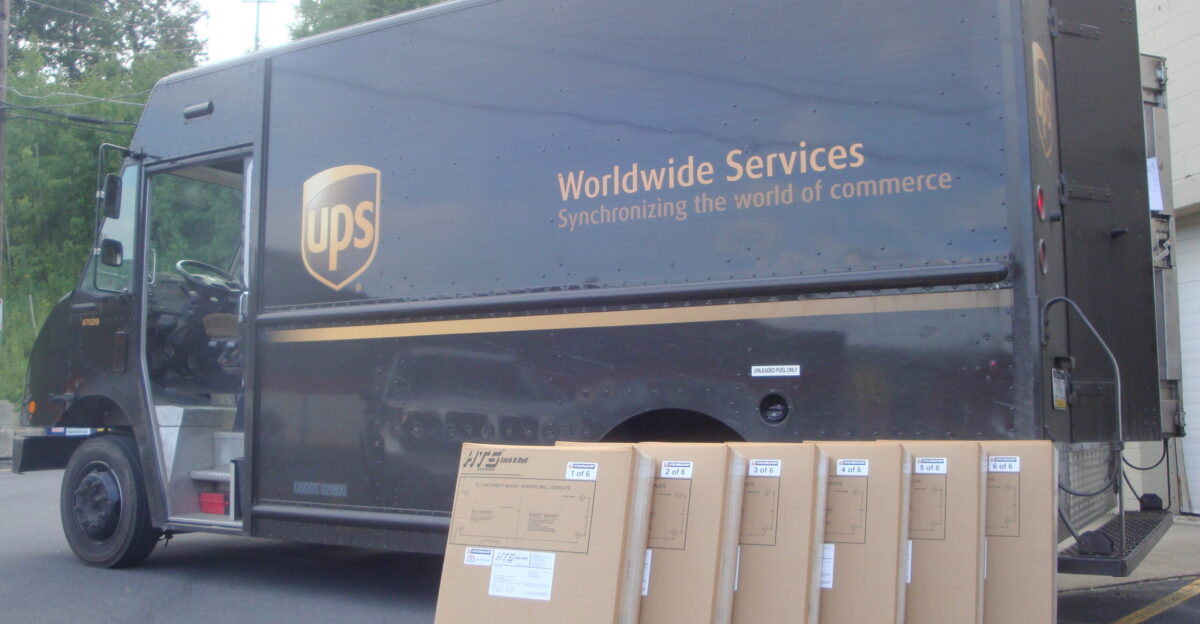
UPS announced its largest workforce reduction to date, with 48,000 jobs cut in 2025. The breakdown was 34,000 operational positions and 14,000 management roles. The company closed dozens of facilities and shifted toward automation, robotics, and AI-assisted route planning. UPS also reduced Amazon shipment handling following a January 2025 agreement, concentrating traffic elsewhere. For workers, it felt like competing directly against machines. Telecom delivered another shock with a different cause.
Verizon’s Cuts Exposed A Telecom Reset

Verizon announced 13,000 layoffs in November 2025, resulting in 15,139 cuts overall in November. CEO Hans Vestberg said the company had “lost like 500 to 700 basis points of market share in the last five years.” Verizon converted 179 company-owned retail stores to franchises and shut 1 store. It offered a $20 million retraining fund, equivalent to approximately $1,538 per worker. Was AI becoming the common thread across sectors?
AI Layoffs Jumped Faster Than Expected

In 2024, companies attributed 12,700 job cuts to AI. By 2025, the number had surged to 54,694, with October alone accounting for 31,039. Since 2023, AI has been linked to 71,683 total job cuts. “Tech firms are undergoing incredible disruption with AI that is not only costing jobs, but also making it difficult to land positions, particularly for entry-level engineers,” said Andy Challenger. MIT estimates 11.7% of the workforce could be automated. Yet spending data told a confusing story.
A K-Shaped Economy Hid Real Strain
Aggregate consumer spending looked resilient in 2025, but it masked a two-tier economy. The top 10% drove nearly 50% of the expenditure and absorbed tariff-driven costs. Lower- and middle-income households drew down their savings, piled on credit card debt, and cut back on discretionary spending. Real disposable income grew 1.9% YoY while inflation exceeded 2.7% core PCE. Survey data showed 50% expected to delay discretionary purchases. So why did unemployment still look “fine”?
Why 4.6% Unemployment Felt Misleading
In November 2025, unemployment stood at 4.6%, but long-term unemployment rose to 24.3% of all unemployed individuals. The hiring rate hit its lowest level since 2013. Initial jobless claims stayed low while continuing claims rose.
Labor force participation ticked up to 62.5% as more people searched for work in a tightening market. “I’ve never seen anything like it,” said KPMG Chief Economist Diane Swonk. “The hiring rate is scraping its lowest depths.” What pushed firms to cut even without a recession headline?
Tariff Uncertainty Quietly Forced Decisions

Tariffs were explicitly blamed for 7,908 job cuts, but the broader impact was larger. “The trade war has cost companies at least $34 billion in lost sales and higher costs,” Reuters analysis found. Procter & Gamble projected a $600 million tariff hit in 2026, resulting in 7,000 layoffs over a two-year period.
Small businesses with 50 employees or fewer cut 32,000 jobs in November. Manufacturing lost 42,000 jobs from April through August 2025. Holiday hiring revealed how cautious employers had become.
The Holiday Hiring Engine Stalled Out

Retailers usually hire heavily for the holidays, but not in 2025. Only 372,520 seasonal positions were announced through November, the lowest since tracking began in 2012. Last year, 660,150 seasonal hires were planned, a 44% decline.
“This year may be more about doing more with less,” Challenger predicted. Bath & Body Works announced 32,000 positions, and Spirit Halloween announced 50,000. Target leaned on existing staff and 43,000 “On-Demand” workers. The quieter cuts were even harder to spot.
The Rise Of “Forever Layoffs”
Beyond 1.17 million announced layoffs, companies pursued “forever layoffs” by refusing to backfill vacancies. Retirements and quits became permanent headcount reductions without WARN Act headlines. Glassdoor research found that layoffs affecting fewer than 50 workers rose to 51% of WARN notices in 2025, up from 38% in 2015.
These rolling cuts fueled constant anxiety about asking for raises, vacation, or flexibility. “The era of infrequent mass layoffs is giving way to frequent, smaller workforce reductions,” researchers noted. Many of today’s announcements were also only the beginning.
The 2026 Layoff Pipeline Is Already Set

The 1.17 million layoffs are announced, and many take effect in 2026. GM’s Factory Zero reductions begin January 5. Ford’s BlueOval SK closure is scheduled for February 14. Other firms also set delayed timelines. “The job market seems to have significant downside risks,” warned Federal Reserve Chair Jerome Powell in December.
The Fed projects unemployment at 4.4% by the end of 2026, assuming no acceleration in implementation. Some economists forecast 6% if AI automation speeds up. December 2025 data had not yet been released. Could worker morale withstand that threat?
A Year Defined By Workplace Fatigue

Glassdoor named “fatigue” the word of 2025, reflecting burnout across workplaces. Mentions of “disconnect” rose 24% from 2024 to 2025, while “misalignment” surged 149%. Trust in senior leadership fell across technology, media, and consulting.
Employee comments captured the mood: “I’m constantly anxious about my job.” “Leadership doesn’t care about us.” “We’re just replaceable.” Layoff anxiety exceeded March 2020 levels. Remote and hybrid workers saw career growth ratings fall to 3.5 stars in 2025 from 4.1 in 2020. What happens to communities when insecurity becomes normal?
Can Communities Absorb This Much Loss?
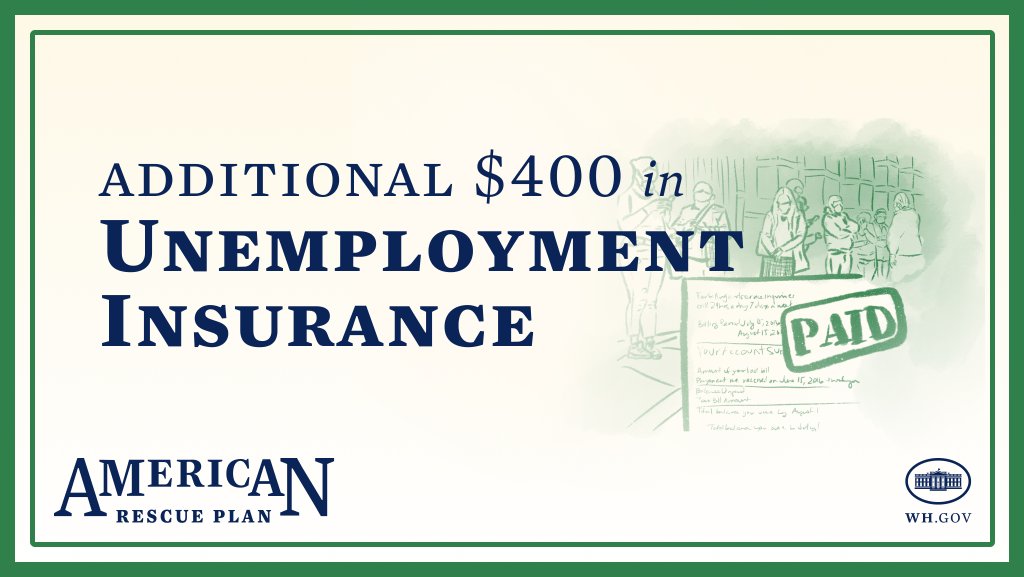
The American social contract of stable employment tied to health insurance and retirement is unraveling. Ford’s BlueOval and GM’s Factory Zero joined other broken promises. Unemployment insurance typically covers only 26 weeks in most states, while severance pay averages 2 to 4 weeks’ worth of pay.
Outplacement services struggle in a low-hiring market. Congressional AI retraining proposals have gained limited traction. Small business failures may rise as laid-off workers cut spending, weakening local demand. The downstream effects could reshape entire regions. The bigger question is whether the current model can last.
Is The 2025 Layoff Model Sustainable?

The core question from 1.17 million 2025 job cuts is whether the U.S. can sustain corporate workforce reduction while maintaining profitability and growth. Past technology waves created new jobs even as they displaced others. However, if AI enables companies to raise output while reducing payrolls, that assumption is broken.
Record profits and mass layoffs now coexist in a capital-concentration economy. Without policy interventions, such as direct income support, reduced workweeks, and antitrust enforcement, the K-shaped economy may deepen in ways few expected.
Sources:
Challenger, Gray & Christmas. Monthly Layoff Report, December 4, 2025
U.S. Bureau of Labor Statistics. Employment Situation Summary – November 2025, December 16, 2025
Federal Reserve. Federal Reserve Statement, December 24, 2025
Reuters. Global Trade Analysis and Tariff Impact Assessment, June 2025