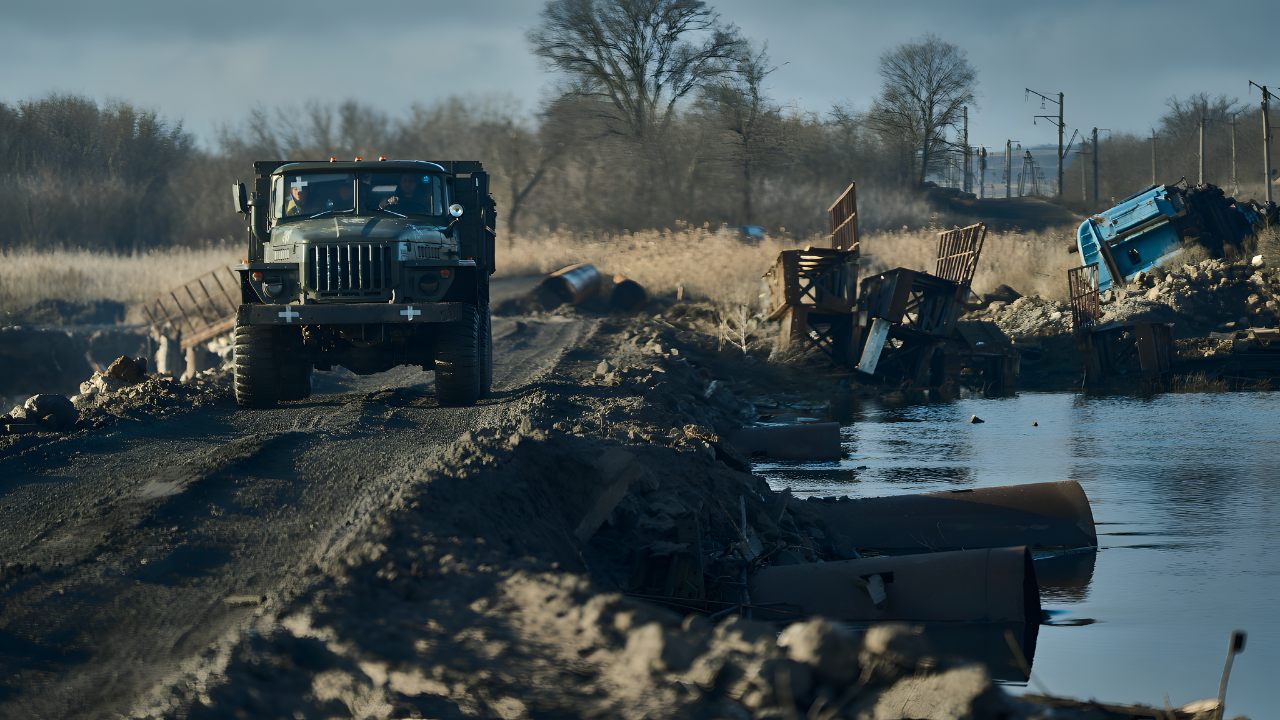
One drone regiment just shattered Russia’s secret infiltration weapon. On December 13, Ukraine’s 429th Separate Drone Regiment “Achilles” destroyed the underground gas pipeline, Russia’s last hope. For months, troops moved undetected beneath Ukrainian skies, using what commanders called a “safe route that allowed Russia to build up strength while bypassing Ukrainian fire.”
But it was never safe. Since April 2025, this single unit has killed 998 Russian soldiers and wounded 879 others—1,877 casualties in eight months.
Russia Went Underground
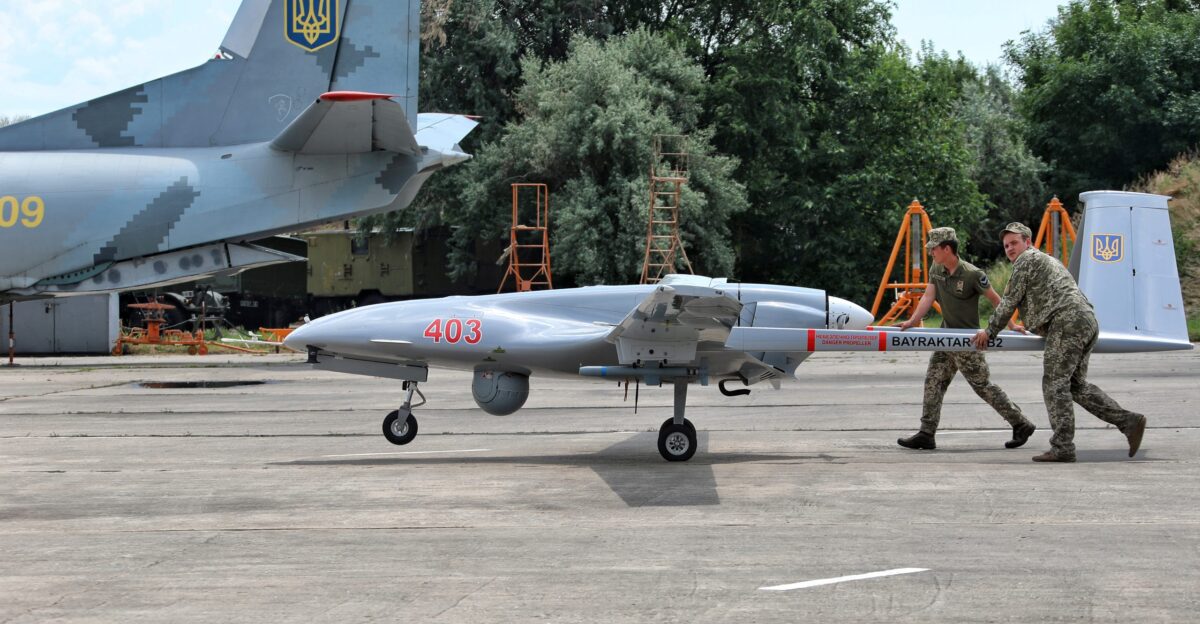
You can’t fight an enemy you can’t see. Ukrainian drones hunted exposed troops with relentless precision, so Russian forces moved soldiers through abandoned Soviet gas pipelines instead. Soldiers rode through 13-kilometer passages on electric scooters and wheeled benches, making supply stops along the way.
The tactic enabled Russian units to position their troops without being detected by aerial surveillance and launch surprise attacks.
Battle of Avdiivka
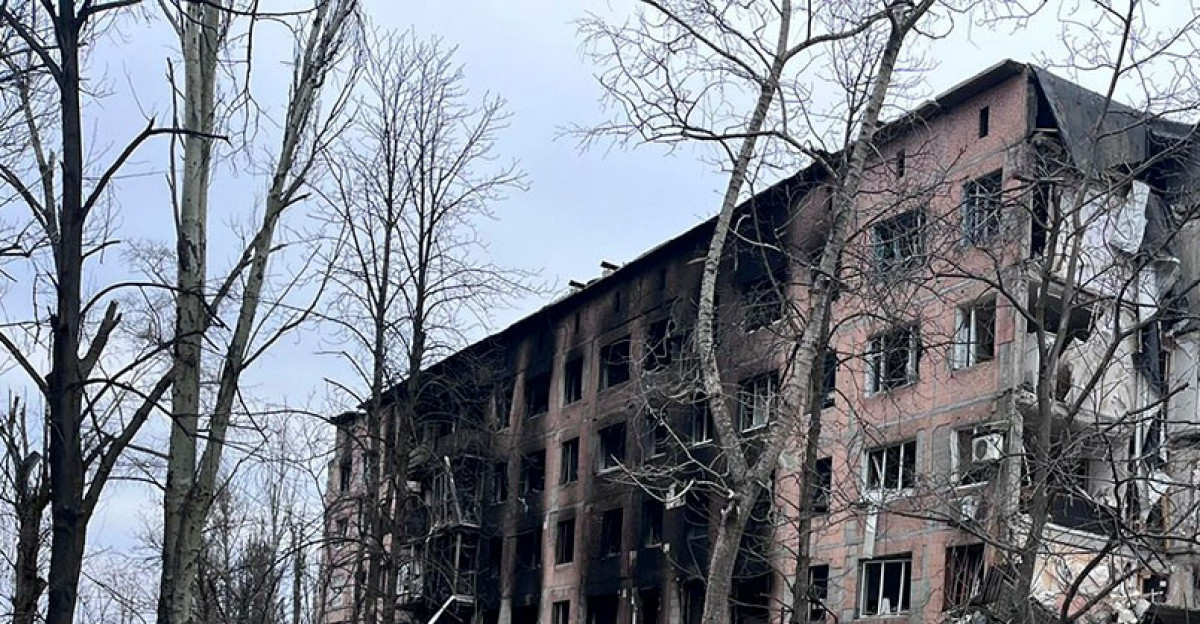
During the 2024 Battle of Avdiivka, Russian soldiers crawled through flooded water drainage pipes with oxygen tanks and power tools, clearing ice while mortar fire covered the noise. They advanced roughly one kilometer before detection. The city fell in February 2024.
In March 2025, Russia used the same tactic near Sudzha, moving over 600 troops through a gas pipeline. When Ukrainian intelligence spotted the pattern emerging near Kupiansk in September, commanders recognized it immediately.
The Town That Refused to Stay Captured
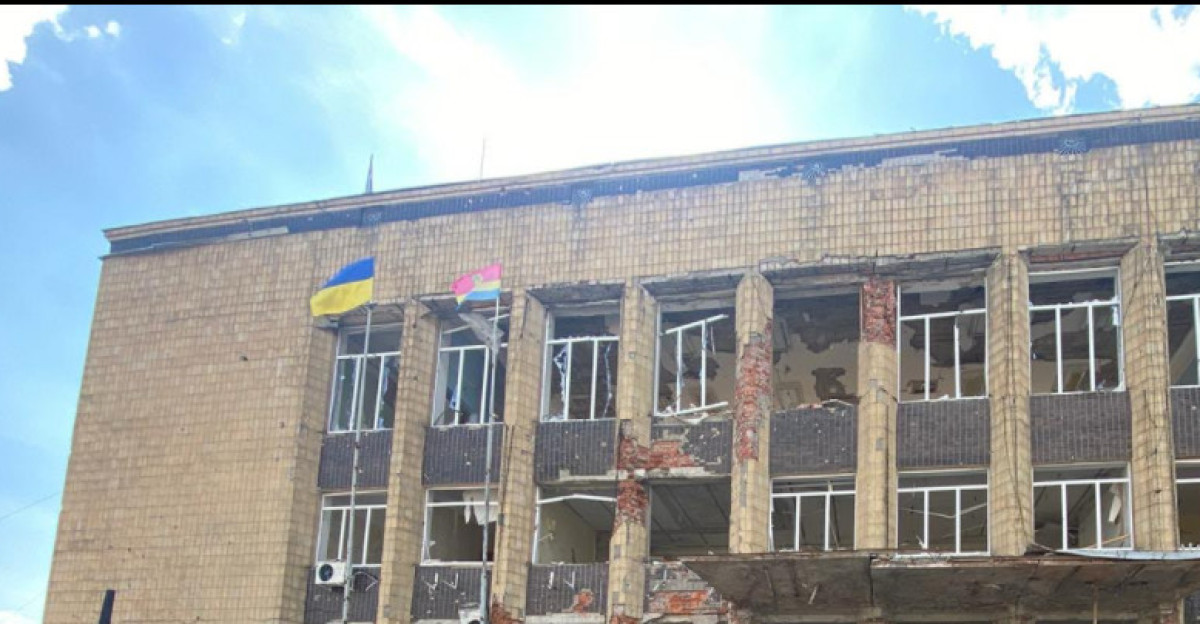
Kupiansk sits 65 miles east of Kharkiv, a strategic rail hub Russia seized on February 24, 2022. Ukrainian forces liberated it in September 2022 in a stunning counteroffensive. But the victory proved temporary.
For three years, the town remained bitterly contested with neither side achieving lasting control. Soldiers bled into rubble month after month. Russian generals claimed victory. Ukrainian defenders refused to break.
Untrained Rifleman to Regiment Commander
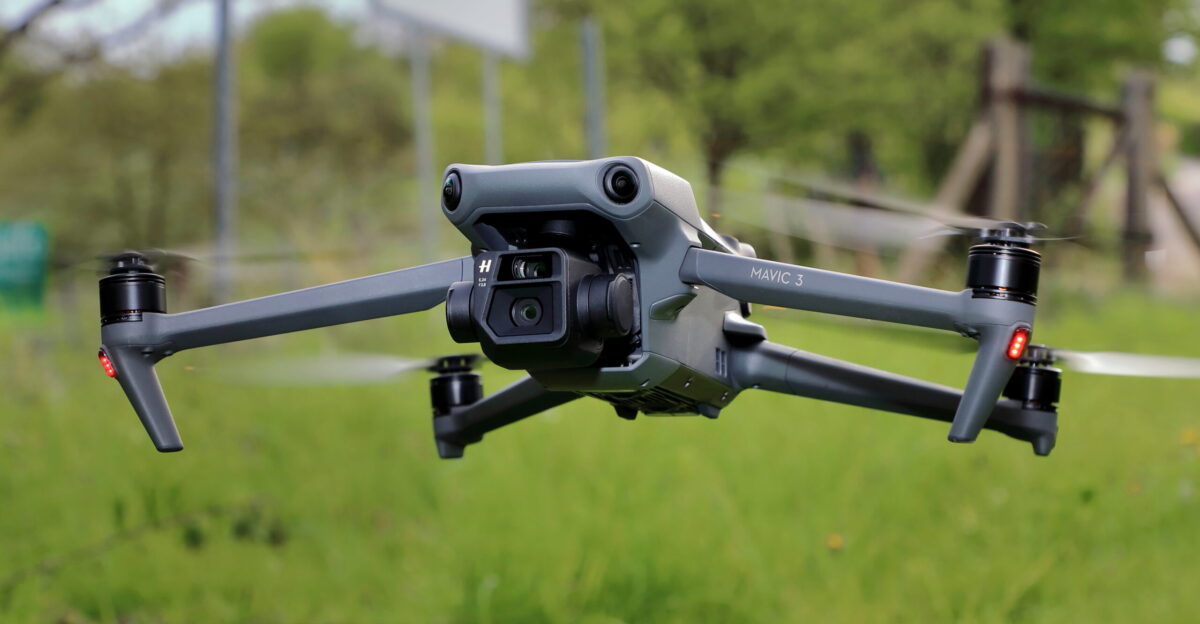
Yuriy Fedorenko joined the Territorial Defense Forces on February 24, 2022, with basic rifles and zero military training. When Russian artillery made traditional combat suicidal, Fedorenko improvised. In May 2022, his squad acquired Mavic 3 drones and taught themselves drone warfare through trial and error.
No formal instruction. No playbook. Just civilians figuring it out. Achilles expanded from a squad to a battalion to a full regiment. By 2025, this unit inflicted casualties equivalent to multiple brigades—998 killed, 879 wounded.
Achilles Statistics
In August 2025, Achilles released statistics that should have terrified the Russian general staff. In one month, the regiment struck 4,623 Russian targets and killed 550 soldiers—equivalent to eliminating two full infantry battalions.
Their air defense unit shot down 110 drones, a 70% jump from July. Russian supply networks in the Kupiansk sector were collapsing. Supply convoys failed. Officers died regularly.
Russians Found a Way Forward

Ukrainian intelligence first documented the pipeline operation in early September 2025. Roughly 50-100 Russian troops used the route daily, traveling underground for four days to reach the outskirts of Kupiansk. A captured Russian soldier described the conditions—suffocation, darkness, officers using force to maintain discipline.
Yet Russia persisted. Soldiers were appearing in Ukrainian-held territory without warning, launching attacks from unexpected positions. It seemed that Russia had finally found a way past drone dominance.
December 12: Ukraine Strikes
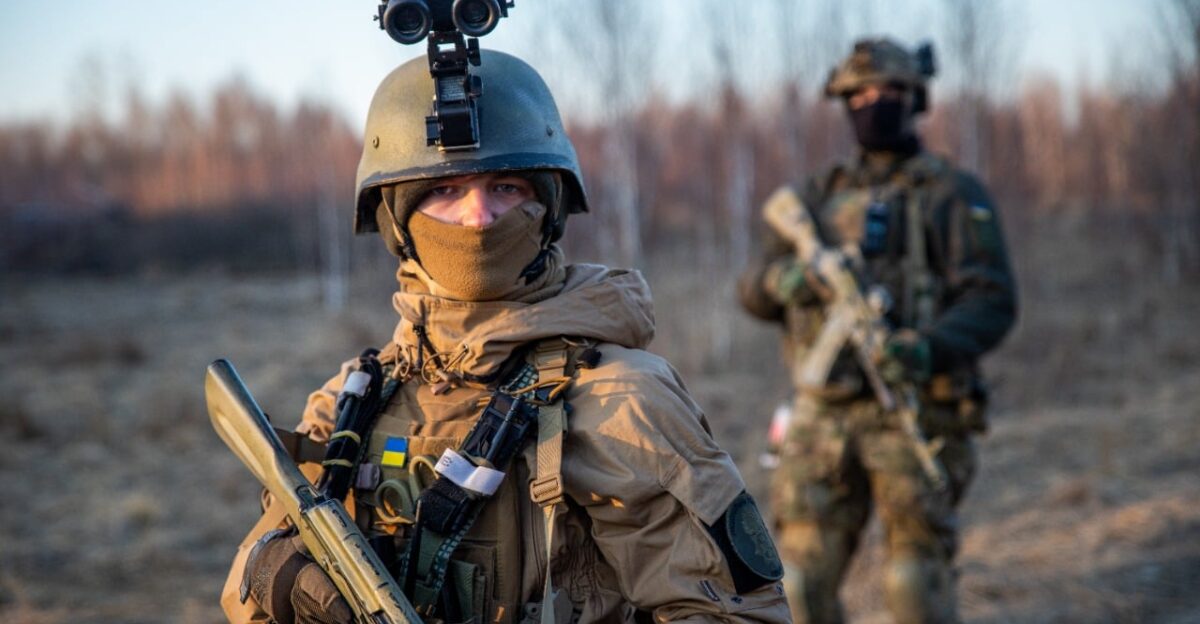
On December 12, Ukraine’s National Guard 2nd Khartiia Corps launched a coordinated counteroffensive that changed everything. Under General Oleksandr Syrskyi’s command, multiple brigades breached Russian lines north of Kupiansk.
They liberated Radkivka and Rashka villages and severed ground supply lines. Commander Ihor Obolienskyi announced: “The Russians in the city are completely cut off and surrounded.”
December 13: Route Becomes a Dead End
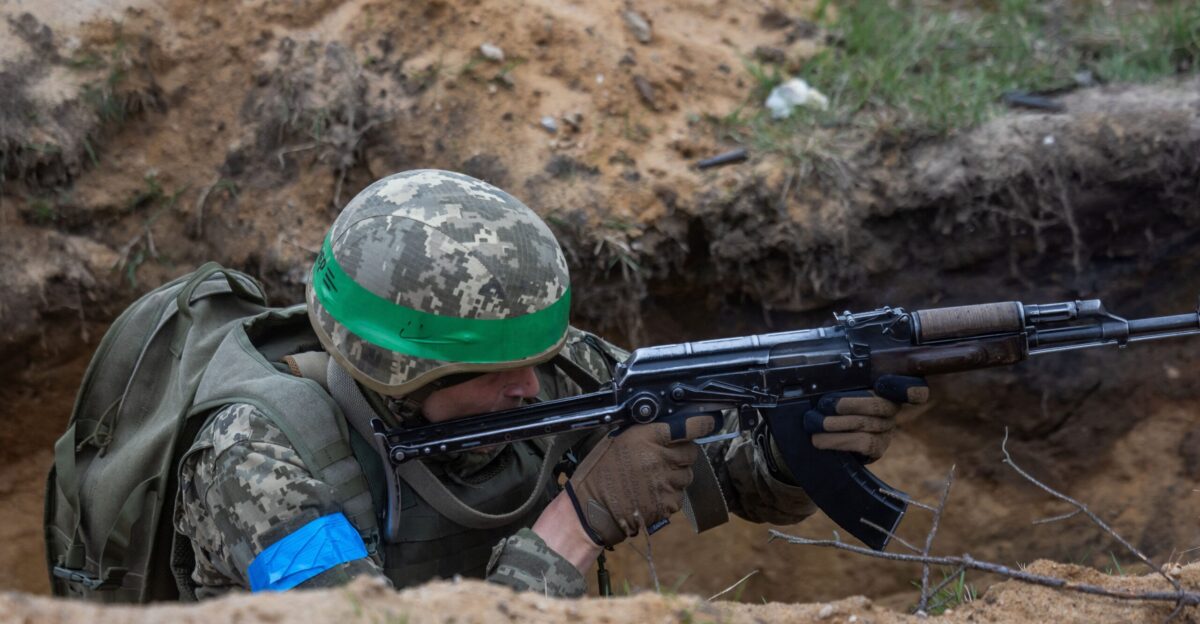
At dawn on December 13, Achilles executed a precision strike against the pipeline network. As Russian forces faced encirclement above ground, pipeline destruction cut off subterranean escape and reinforcement routes. The “safe route” became a trap with no exit.
This wasn’t an isolated strike. It was the culmination of months of reconnaissance, intelligence gathering, and coordinated ground assault—all timed to converge on the same day.
The Casualty Count

The Achilles regiment killed 998 Russian soldiers and wounded 879 others since April 2025. That’s roughly 230 monthly casualties, or eight daily deaths from one unit. A typical Russian motorized rifle battalion has 500 combat personnel.
Across all Russian forces, average monthly casualties from January through November 2025 reached 34,600 soldiers. Russia recruited only 32,800 monthly. The math doesn’t work.
Russia’s Recruitment Problem Has No Easy Fix

Russian official Sergey Belousov reported 410,000 volunteers for 2025—roughly 32,800 monthly. Against an average monthly casualty rate of 34,600, Russia faces a growing personnel deficit. President Zelenskyy put it plainly: “Russia spends 30,000 soldiers every month. Not wounded. 30,000 killed.”
Commander Fedorenko told Ukrainian television channel Novyny.LIVE on December 21: “What should be the seed from which a negotiation process and a halt to hostilities could grow? I do not see it. The enemy is currently continuing to launch strikes and carry out assaults along the line of contact while at the same time talking about a peace process.”
What Happened to Russia’s “Victory”

On November 20, General Valery Gerasimov announced the “full liberation” of Kupiansk before President Putin. Russian war correspondents celebrated. Medals were awarded. Then Zelenskyy appeared on camera in Kupiansk. By December 15, Russian official Leonid Sharov’s claims contradicted his own military bloggers on Telegram.
The channel “Rybar” admitted: “The situation is worse than critical.” By December 24, only “several dozen” Russian troops remained, supplied by tiny drone drops—Russia’s victory narrative dissolved in real time.
What Actually Happened
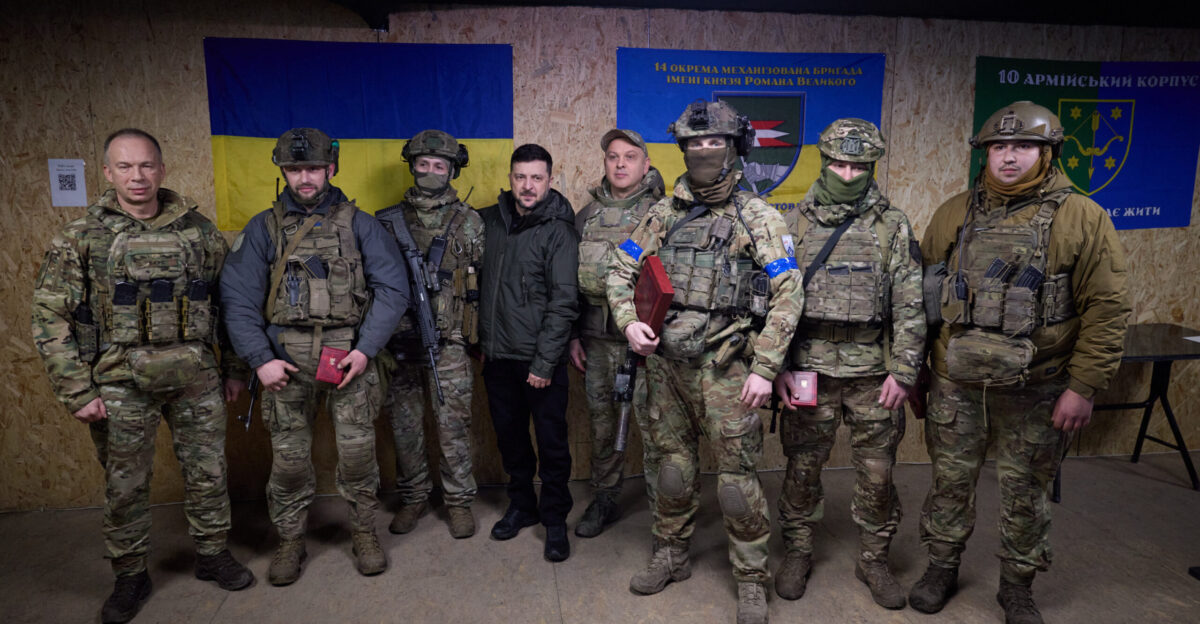
On December 22, Ukraine’s Defense Intelligence released an official assessment. The statement praised “skill and coordination on the battlefield” and emphasized how “effective counterattacks, clear command and control, technological solutions, high morale, and determination” led to the “systematic destruction of the enemy.”
The pipeline destruction wasn’t presented as an isolated victory. It was evidence of a larger strategy at work—where drones, intelligence, ground forces, and precise timing converged.
Precision Over Attrition
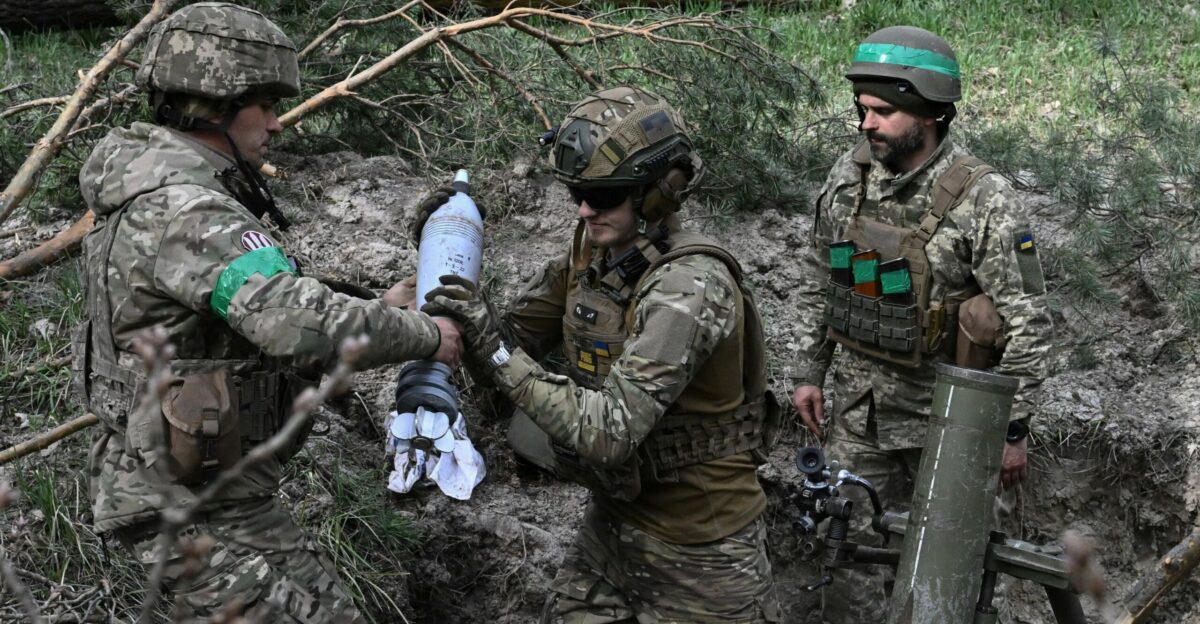
The destroyed pipeline represents more than a tactical win. It demonstrates how Ukraine combines technological advantage with intelligence gathering and coordinated execution to overcome Russian numerical superiority. A unit of civilians trained in drone warfare inflicted casualties comparable to entire brigades.
Ukraine is winning through precision rather than attrition, through strategy rather than mass. It’s a fundamental shift in modern warfare—not throwing more soldiers at problems, but knowing where enemies are vulnerable and striking with exact coordination.
How Ukraine Turned Russia’s Advantage Into a Liability
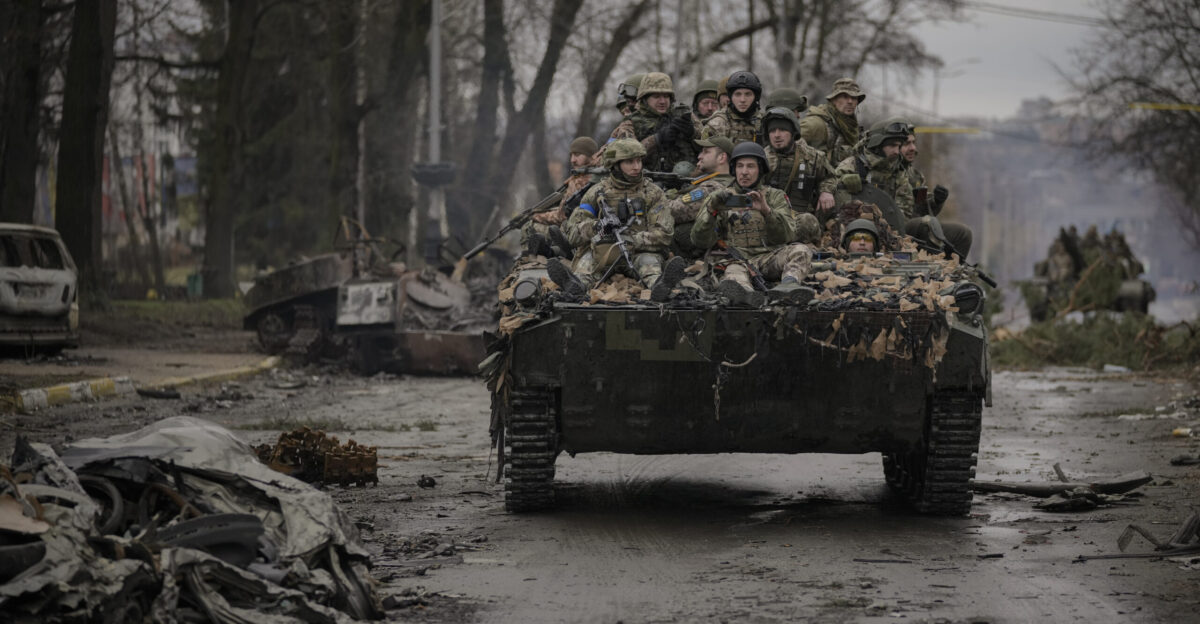
Russia had strategic advantages: artillery, numbers, and entrenched positions. Ukraine had something Russia couldn’t match: air superiority that forced forces underground. Rather than let Russia exploit underground routes, Ukrainian forces mapped them, monitored them, and destroyed them at exactly the right moment.
This is high-level operational coordination—ground assault, drone strikes, intelligence work, strategic timing, converging perfectly. The result: 1,877 Russian casualties from one unit in eight months, and a strategic stalemate at Kupiansk broken in Ukraine’s favor.
Sources:
Kyiv Independent – “Ukraine’s drone regiment releases video of pipeline destruction Russia used to infiltrate Kupiansk”
Reuters – “Zelenskiy visits Kupiansk as Ukraine retakes parts of key frontline city”
Al Jazeera – “Moscow’s narrative wobbles as Ukraine takes back Kupiansk”
Ukrinform – “Only several dozen Russian troops remain in Kupiansk – Trehubov”
Ukraine’s Defence Intelligence (HUR) – Official December 22, 2025 battlefield assessment on Kupiansk sector