Microsoft’s latest Windows update deploys warning banners that interrupt Chrome downloads via Edge, urging users toward what the company calls superior protection. These screens, appearing only for specific paths, add layers of persuasion without outright blocking access, sparking debate over competition in the browser market.
How the Warnings Unfold
Users browsing to google.com/chrome in Edge first see a banner stating “Protect privacy with Microsoft,” paired with a link to the company’s online safety page. Dismissing it reveals a second screen with tables marking Edge positively for security, speed, and Windows tuning, while crossing out Chrome. A third banner follows, stressing “the added trust of Microsoft” and noting Edge’s Chromium base. Each step builds resistance, aiming to sway decisions through repeated emphasis.
The 1.8 Billion Users in Context
Headlines cite 1.8 billion Chrome users, drawn from U.S. Department of Justice antitrust documents on Google’s dominance. This total does not mean all face blocks; the banners hit only Windows users reaching Chrome’s site via Edge, a narrower group. Chrome retains 68% global market share as of July 2025, with Edge at 5% overall and 11.79% on desktops. Safari trails at 17% globally. Mobile sees Edge at just 0.53%, underscoring its Windows reliance.
Security Claims Under Scrutiny
Microsoft highlights Edge’s SmartScreen, Windows Defender ties, hardware isolation, and password tools. Yet both browsers share Chromium roots, exposing them to parallel threats like infostealers. In December 2025, Google patched 13 Chrome flaws, including high-severity CVE-2025-13633 in Digital Credentials. Edge contends with its own issues, challenging claims of unique safety.
A Decade of Tactics
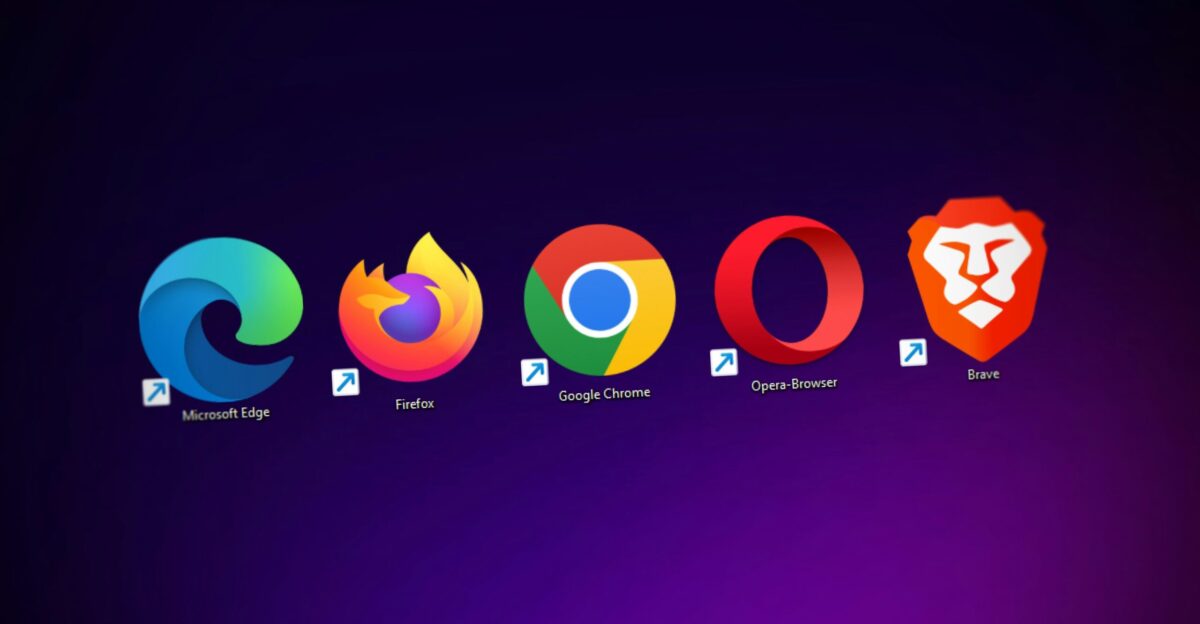
Such interventions echo years of Microsoft efforts: 2023 banners on Chrome’s page, throttled downloads, and compatibility alerts. None have dented Chrome’s lead significantly. Edge thrives in enterprises, where IT policies enforce it alongside Windows and Office via group settings on Microsoft Learn. Consumer shifts remain elusive.
Regulatory and User Pushback
Critics label the screens dark patterns, manipulative designs noted in forums like X and Reddit. Developers decry exploitation of Edge’s Windows default status. Europe’s Digital Markets Act probes gatekeeper advantages, questioning if safety talk conceals favoritism. U.S. scrutiny may intensify. Google counters with Chrome promotions on Android and safe browsing pushes, mirroring the rivalry. Savvy users sidestep via direct Chrome access or Firefox, per tech discussions. Edge does offer Copilot AI, vertical tabs, Teams links, faster site loads, and strong password handling for Microsoft accounts.
These measures test platform neutrality, as users expect unbiased access amid security needs. Windows users globally, including in South Africa, install Chrome after extra clicks, but friction persists. Forward, Microsoft may soften to privacy pitches, with AI like Copilot versus Gemini sharpening divides. Success could inspire ecosystem-wide persuasion, drawing regulator eyes on competition and choice.
Sources:
“Microsoft Updates Windows ‘To Stop Users From Downloading Google Chrome.’” Forbes, 18 Dec 2025.
“Microsoft’s Edge Safety Banners Target Chrome Downloads Over Security Concerns.” WebProNews, 16 Dec 2025.
“Microsoft Edge Statistics By Market Share And Trends (2025).” ElectroIQ, Aug 2025.
“Browser Download Restriction Policies and Edge Feature Documentation.” Microsoft Learn, 2025.
“Antitrust Findings of Fact – Google Search Monopoly.” U.S. Department of Justice, May 2025.