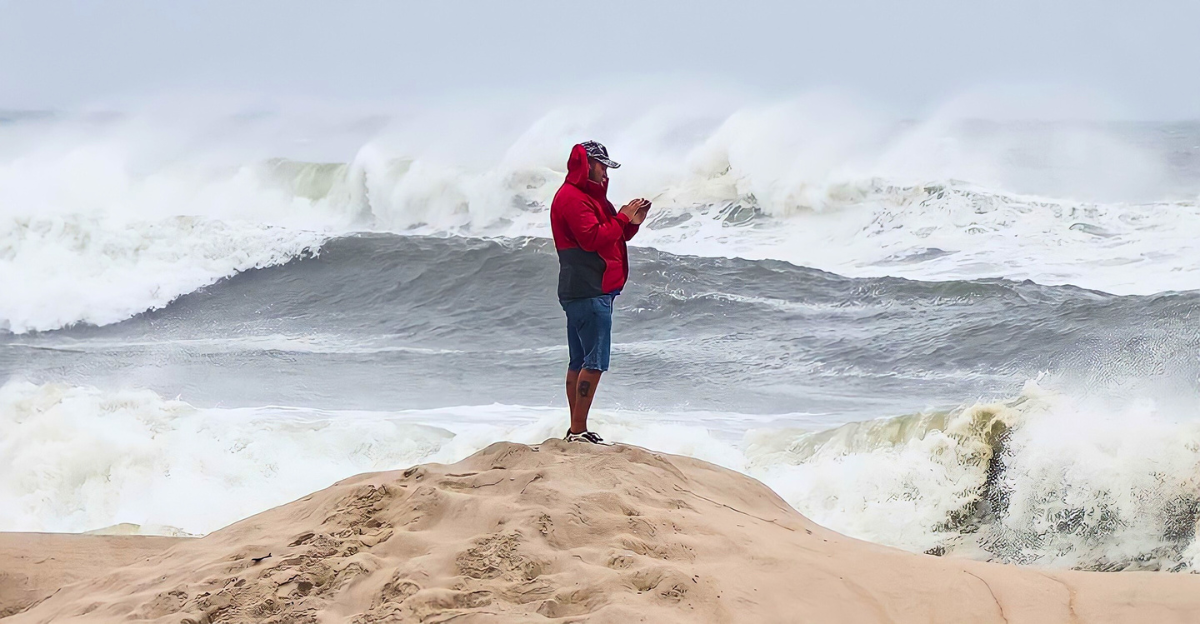
Along America’s vulnerable coastlines, the threat posed by a Category 5 hurricane is both real and staggering, despite how rarely such storms have made landfall at their peak intensity.
According to the National Hurricane Center, only four Category 5 hurricanes have struck the mainland United States since records began. Each brought catastrophic damage, upending entire regions and challenging our understanding of coastal resilience.
These rare but ferocious storms can unleash winds exceeding 157 mph, shatter infrastructure, and cause billions in economic losses in just hours. As coastal development accelerates and climate change turbocharges extreme weather, experts warn that certain cities today face a greater risk than ever before.
1. Miami, Florida
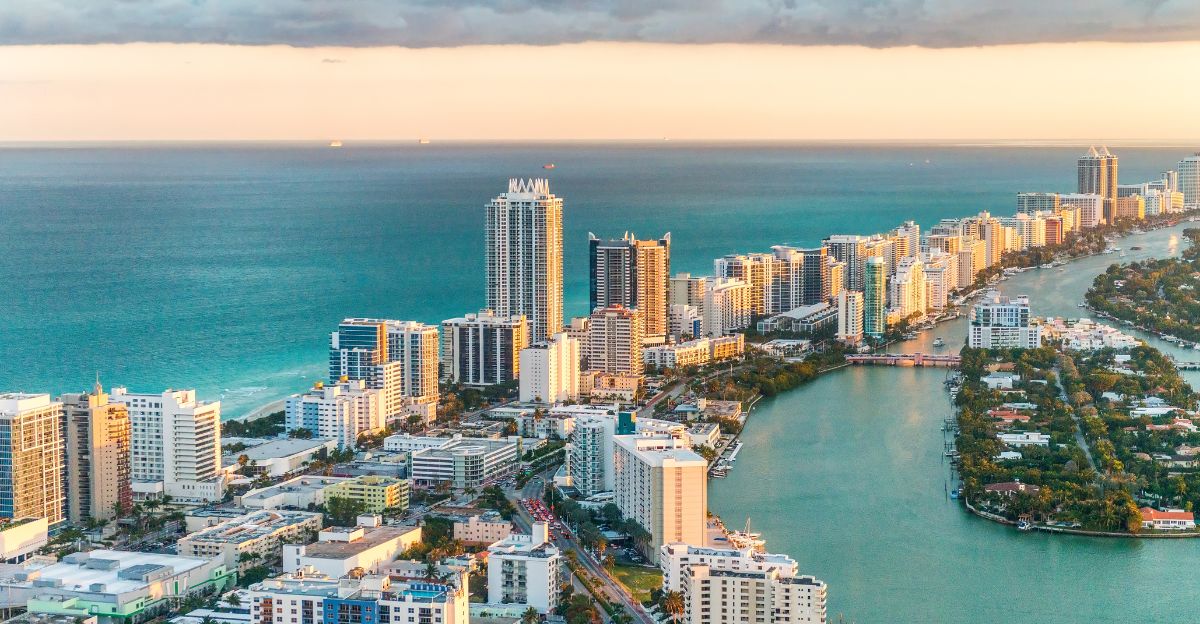
If Miami suffered a Category 5 landfall, the city’s gross metro product could plummet 30%, a decline even steeper than a severe recession. Billions in insured and uninsured losses would send shockwaves through national property markets.
The private insurance sector might retreat, leaving entire neighborhoods stranded and the state’s finances exposed. “A single storm could bankrupt Florida’s insurance fund,” warns Moody’s, making Miami’s hypothetical wipeout a possible trigger for regional economic crisis.
2. New York, New York
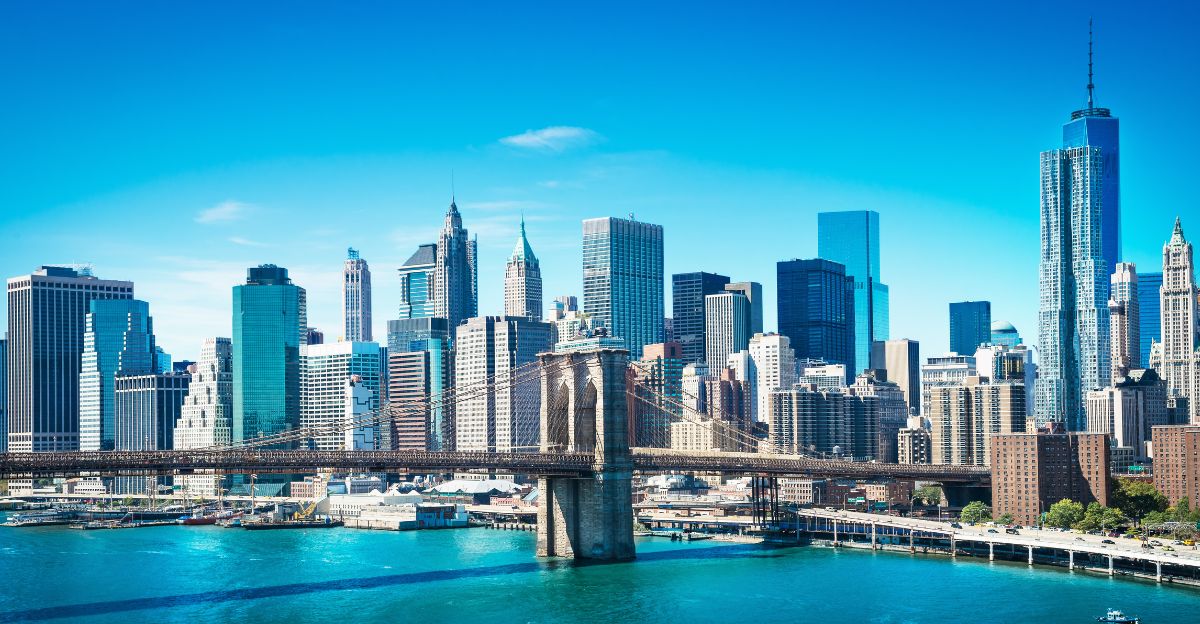
New York’s dense urban landscape means a Category 5 hurricane wouldn’t just flood subway tunnels and streets; it could threaten millions with cascading infrastructure failures.
“It’s not a question of if a major hurricane will strike New York, but when,” asserts hurricane engineer Max Mayfield.
Such an event would dwarf the impact of Sandy, redefine disaster preparedness, and expose massive holes in the city’s aging flood defenses—potentially rendering entire boroughs uninhabitable.
3. Tampa, Florida
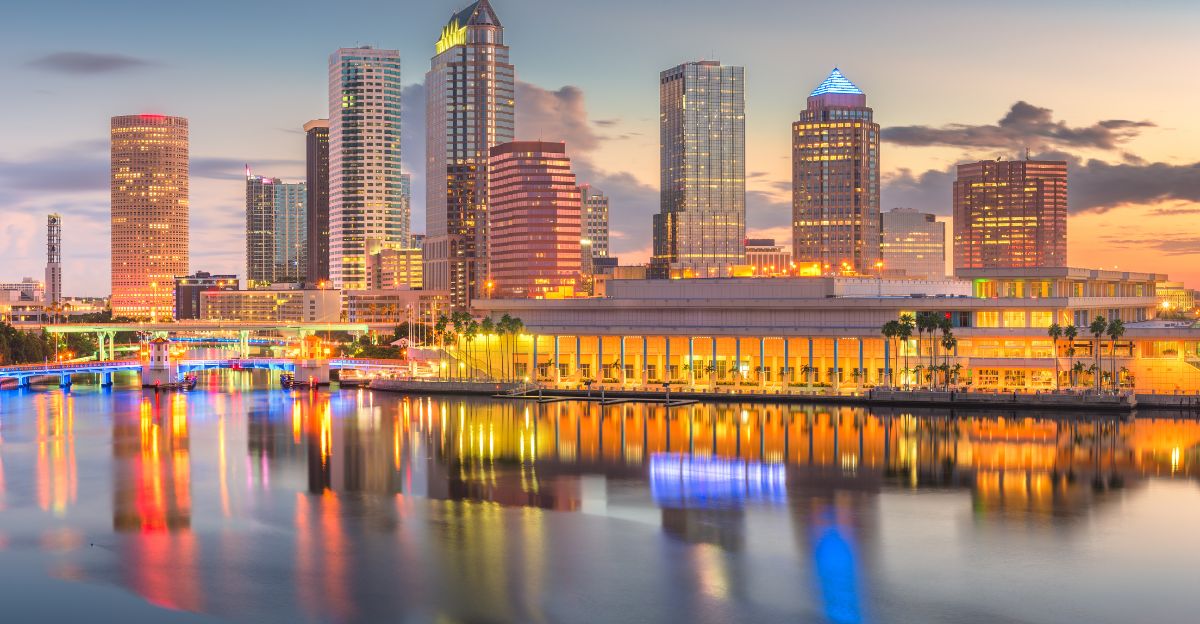
With Gulf waters warmer than ever, storms like Hurricane Milton proved that explosive Category 5 intensification near Tampa could bring storm surges of 10 feet and unprecedented rainfall in mere hours. FEMA data shows over seven million local residents at evacuation risk.
“Most people don’t realize just how quickly a ‘normal’ hurricane can ramp up to catastrophic,” says WWA lead analyst Dr. Friederike Otto. Tampa isn’t just vulnerable—it’s a real-world laboratory for extreme, unpredictable storm behavior.
4. New Orleans, Louisiana
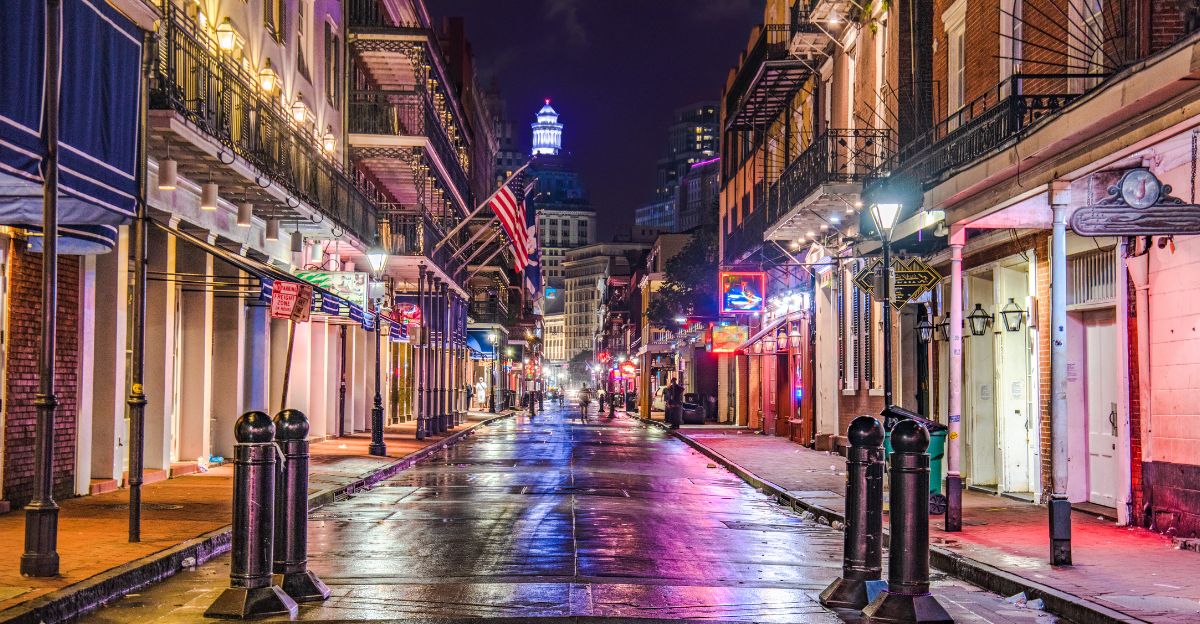
Katrina revealed that a city’s risk isn’t merely physical. The disproportionately high poverty rate and vulnerable communities in New Orleans mean a Category 5 strike would devastate the most marginalized first.
“Houston and New Orleans have been built on swamps—without strategic mitigation, the poorest now face the greatest peril,” warns Dr. Katharine Hayhoe of Texas Tech.
Here, obliteration is tantamount to large-scale displacement, with entire neighborhoods potentially erased from future census maps.
5. Virginia Beach, Virginia
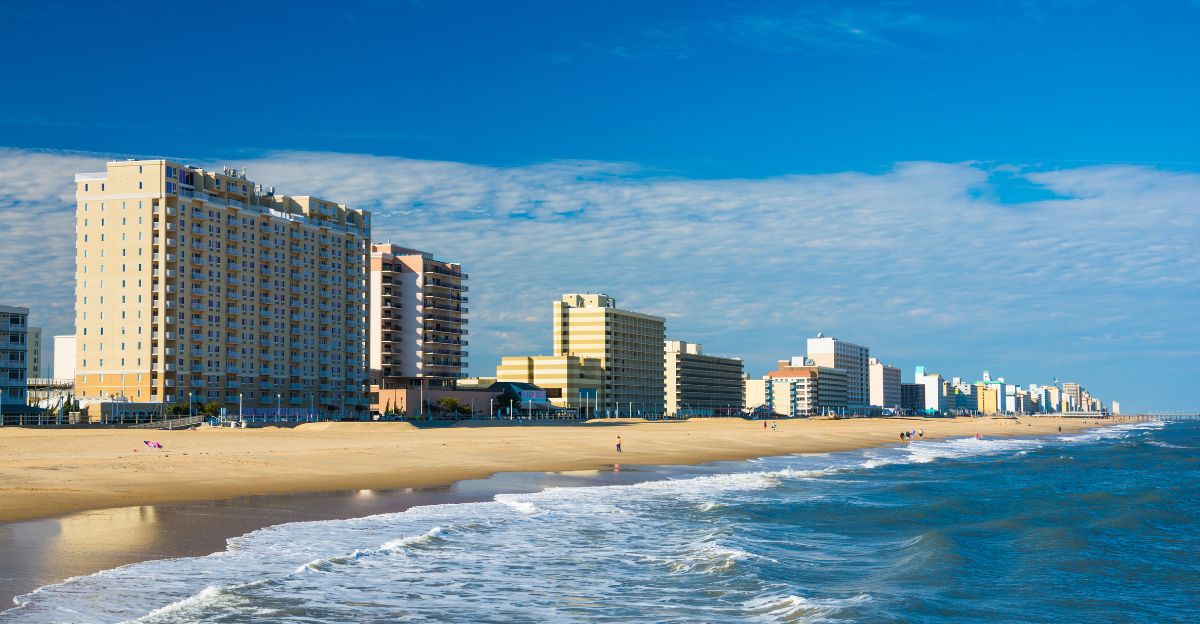
Beyond homes and resorts, Virginia Beach’s strategic role in US naval operations means any Category 5 “obliteration” could expose military vulnerabilities, disrupt east coast defense logistics, and threaten national security.
“Every season, the Pentagon revisits its Virginia Beach contingency plans,” notes Navy meteorological specialist Capt. Reed McMasters.
The city’s blend of military, civilian, and infrastructure assets make it a uniquely critical pinch-point in the country’s storm risk calculus.
6. Fort Myers, Florida
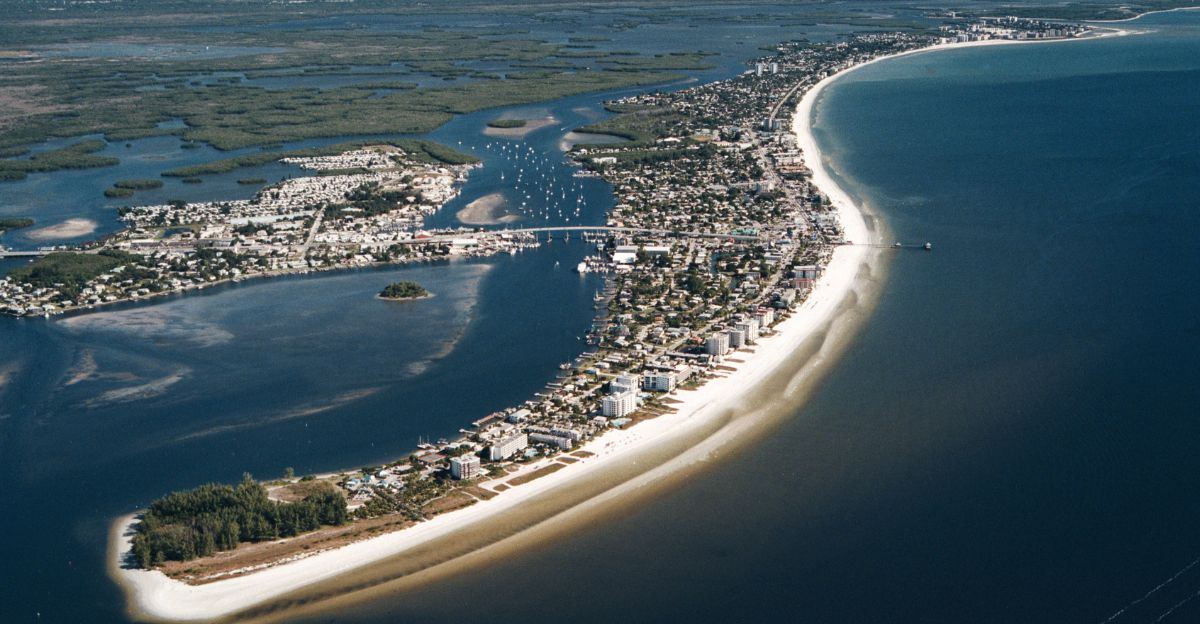
Fort Myers’ rapid real estate development has put more than $50 billion in new property value at direct risk from extreme surge events.
Developers have transformed marshland into high-density housing, intensifying susceptibility to floods and wind damage.
“The hurricane risk is outpacing all new construction codes,” states insurance expert Angela Johnson of Universal Property. Entire suburban expansions could face instant obliteration even with mitigation efforts underway.
7. Houston, Texas
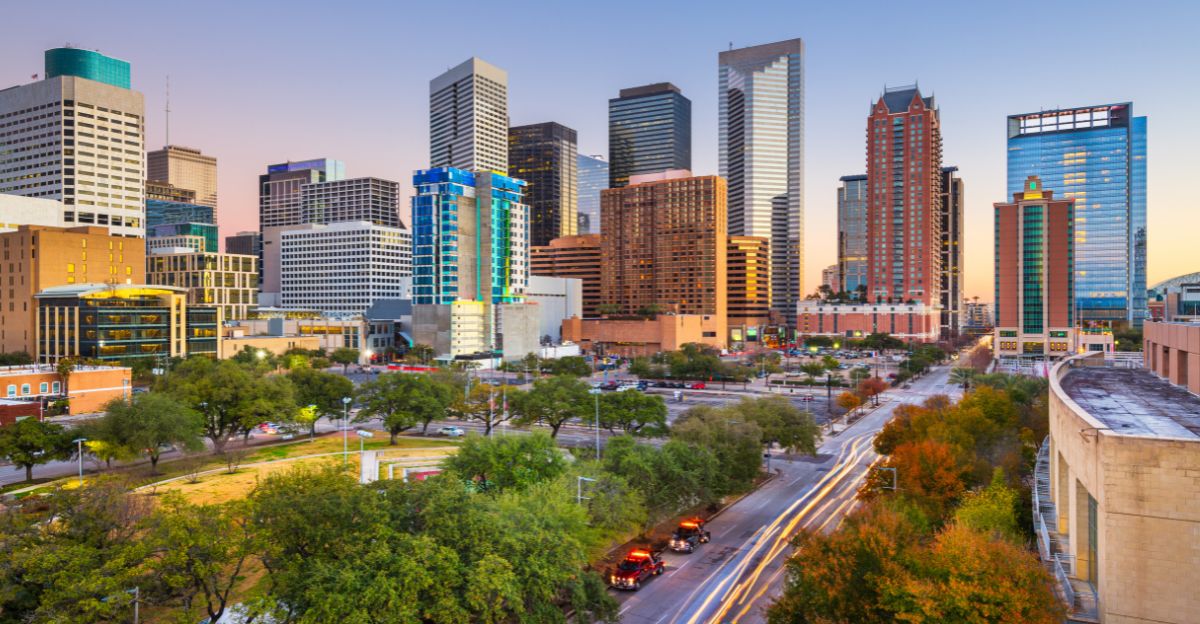
Houston embodies the dangers of unchecked growth—after Harvey, experts warned that paving over wetlands would leave neighborhoods acutely exposed to future Category 5 devastation.
“Houston was built on a swamp, and relentless expansion means floodwater now has nowhere to go,” confirms risk analyst Dr. Amanda Sethi.
Obliteration for Houston would mean whole districts under water for weeks, with long-term health and economic fallout surpassing even Katrina’s legacy.
8. Bradenton, Florida
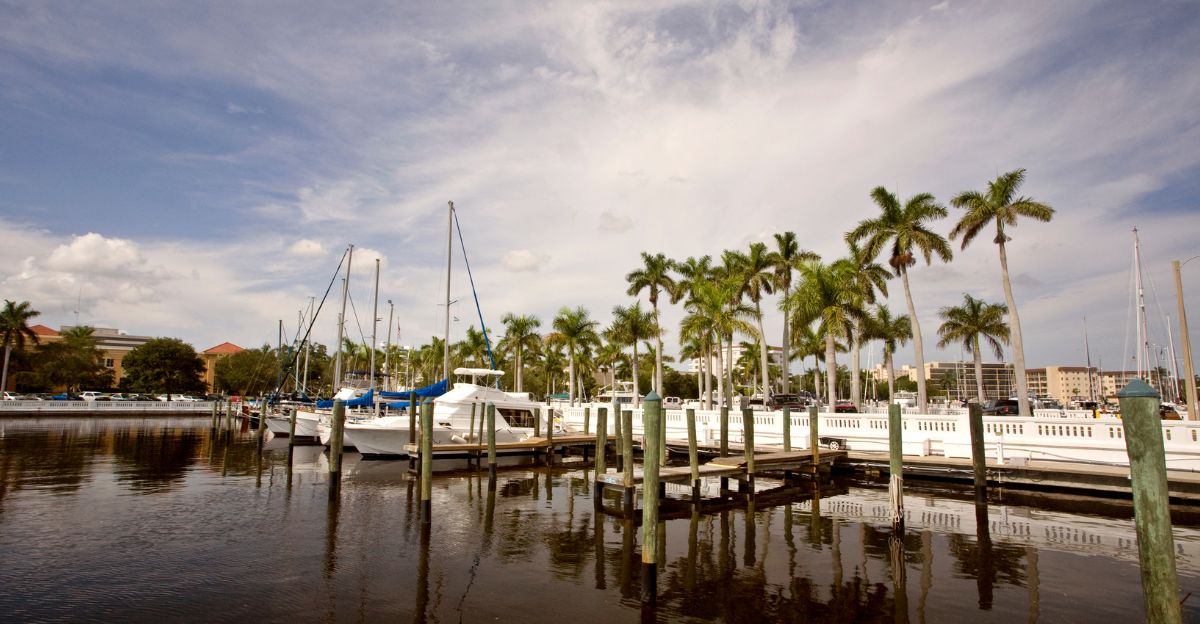
Though less famous, Bradenton faces one of the nation’s highest storm surge threats relative to its modest size, putting schools, hospitals, and historic sites in the crosshairs.
Local response capacity is limited; FEMA data forecasts Bradenton could be “erased from the map” by flooding and wind.
“Residents tend to underestimate storm impact in smaller communities—Bradenton is statistically even more at risk than Orlando,” says NOAA field manager Lisa Brooks.
9. Naples, Florida
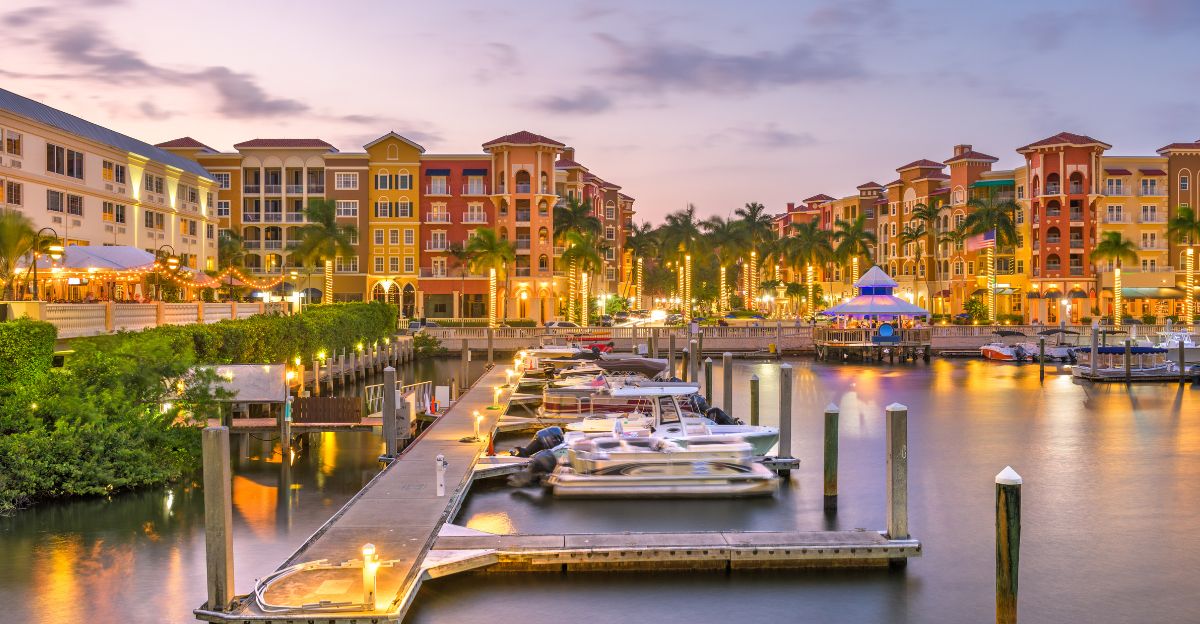
Known for retirement and luxury living, Naples stands out because high-value older property owners are least likely to evacuate and most likely to incur uninsured damage in a Category 5 event.
“Naples combines wealth and vulnerability—elderly residents drive real estate value but struggle to adapt or relocate,” Bloomberg Insurance reports.
Obliteration here is not just structural, but generational, reshaping the area’s entire demographic footprint.
10. Jacksonville, Florida
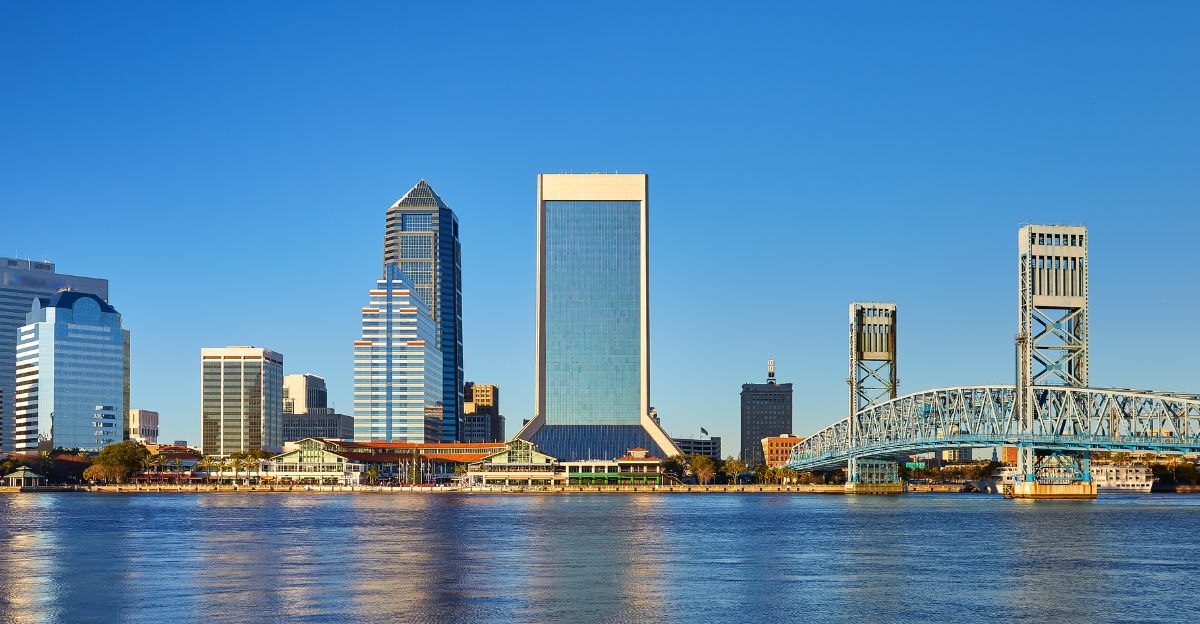
Jacksonville’s extensive riverfront and under-funded levee system connect ocean risk with inland flooding, creating a “hidden vulnerability” that could see bridges, neighborhoods, and key commerce corridors destroyed by a powerful hurricane.
“Infrastructure upgrades in Jacksonville have lagged behind rapid growth,” reports engineering consultant Mark Bradley.
An extreme storm could interrupt national supply chains and leave the city cut off for weeks, upending conventional assumptions about storm risk.[8]