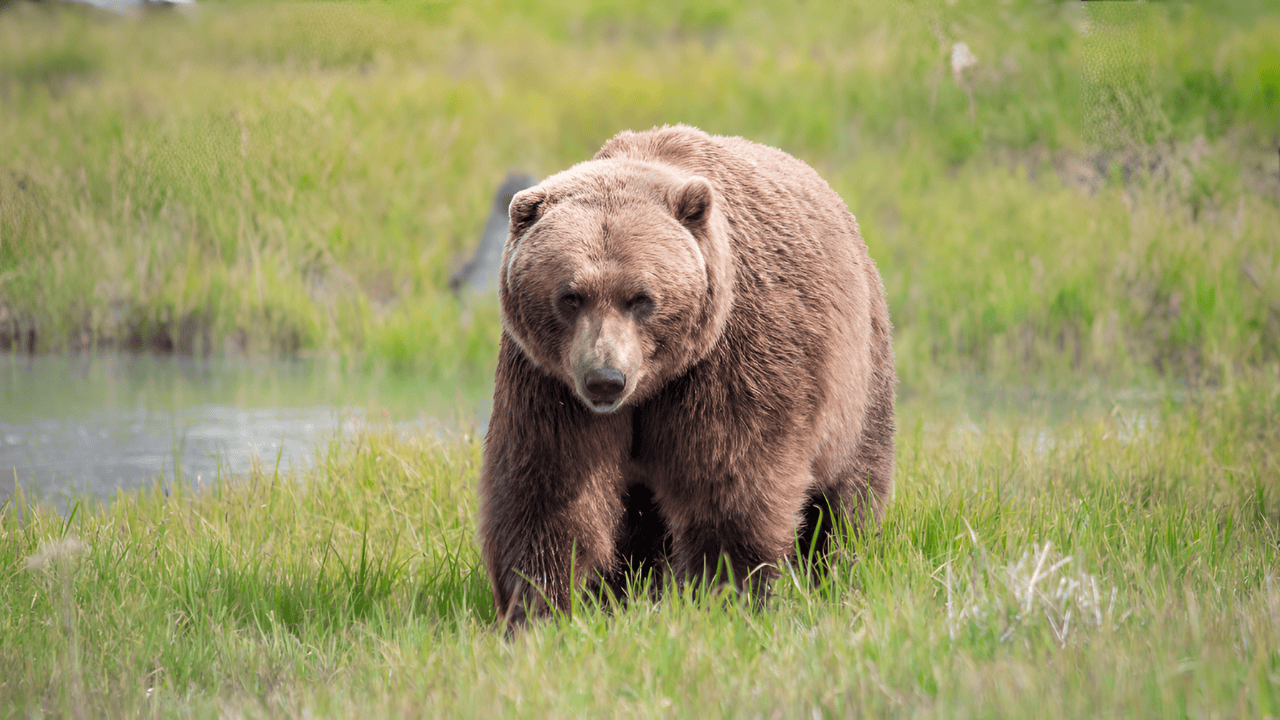
Every year in the United States, about 10 million people run into wild animals, especially in national parks and remote areas. Many visitors feel drawn to lock eyes with these creatures out of curiosity or to snap a photo. But wildlife experts say this habit often backfires. Animals can mistake a steady human gaze for a threat, sparking sudden attacks from at least 10 common species across American landscapes.
Studies in the Journal of Wildlife Management point to wild boars, bears, badgers, wolves, moose, bison, elk, raccoons, opossums, porcupines, and various hoofed animals like deer as the most sensitive to stares. These creatures see a fixed look as a sign of hostility. Take wild boars: these heavy beasts can tip the scales at hundreds of pounds and sprint up to 30 miles per hour. If they feel cornered or need to protect their young, your direct stare might prompt a charge from their sharp tusks.
Bears, especially grizzlies guarding cubs or food, react the same way. A long stare, paired with standing stiff or stepping closer, often leads to a defensive rush. Experts advise staying calm, talking softly, backing up slowly, and never staring down a bear. Even smaller animals pack a punch up close. Badgers fiercely guard their burrows and may lunge if you face them head-on with eyes locked.
Raccoons and opossums, frequent sights near campsites and suburbs, turn aggressive when trapped and stared at with no way out. Porcupines move slowly but unleash barbed quills in defense if your gaze and stance feel threatening. Large plant-eaters like moose and elk charge at full speed, especially males in mating season or mothers with calves, when a straight-on stare signals a rival or danger. Bison top the list for injuring park visitors, more than bears do, often when people crowd in for photos, stare, or yell.
Why Stares Feel Like Threats to Animals
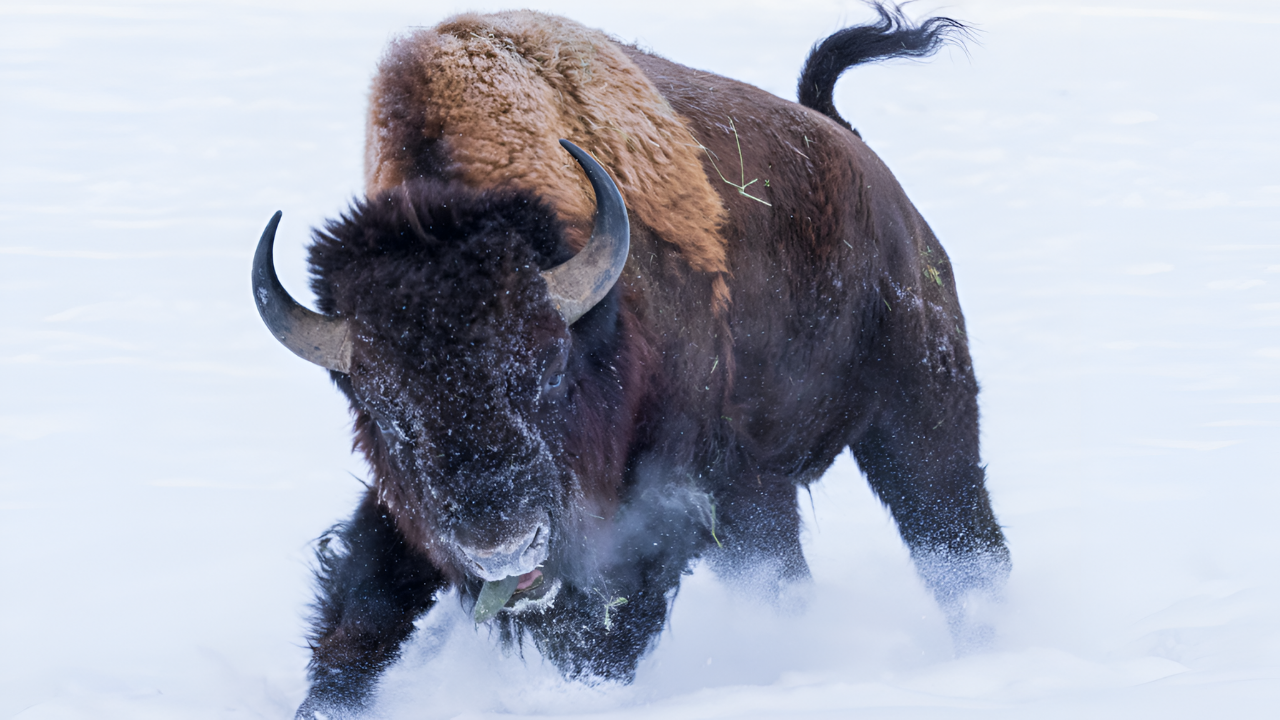
In nature, a direct gaze almost never means friendliness. Predators have spent millions of years staring down prey right before the strike. Rivals lock eyes to battle for top spot. So most wild animals read a human’s unbroken stare as either a hunt in progress or a dominance grab, not admiration.
People often think eye contact shows respect. Animals don’t see it that way; they follow hardwired instincts. The reaction ramps up around young. Mothers from bears to elk view a stare aimed at their offspring as a predator’s cue, triggering fierce protection that overrides fear.
How Body Language and Distance Amp Up Danger
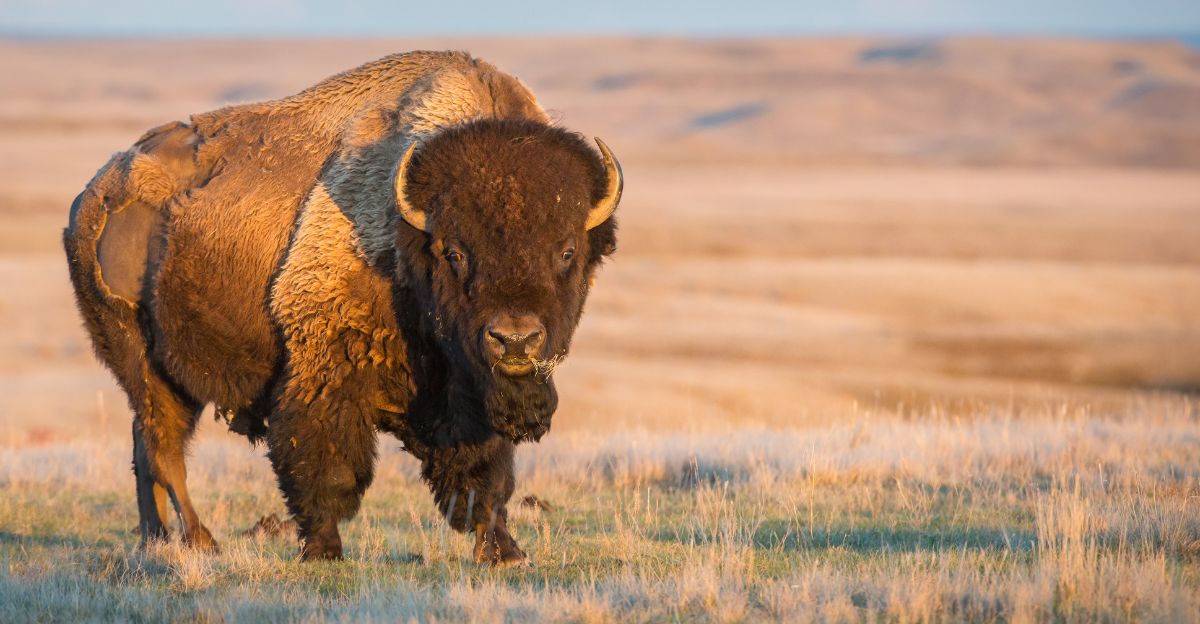
Eye contact alone doesn’t seal the deal, animals judge your full vibe. They scan your body angle, steps, voice tone, and hand moves. Facing them square, marching forward, waving arms, yelling, and staring scream fight. Turn sideways, whisper, glance away, and tension drops fast.
Distance changes everything. From 100 yards out, your eyes barely register. At 25 yards, the stare hits home. Up close, say 10 feet, it screams challenge. Too many injuries happen when folks ditch safety signs for that perfect shot. U.S. parks urge 25 yards from most wildlife, 100 from bears and wolves, since closer means your gaze and posture provoke more.
Smart Rules for Different Animals

Not every encounter plays by the same rules. For predators like mountain lions or coyotes, hold that gaze while easing back slowly. Looking away or bolting might mark you as easy prey; a firm look says you’re no snack.
That tactic fails for territorial types like bears, elk, moose, and big herbivores, a steady stare reads as a power play. Defensive fighters such as badgers or porcupines strike anyway if spooked, so drop your eyes, shrink your threat profile, and retreat. Even in zoos or wildlife centers, guides warn against staring at wolves, big cats, or bears. Human exposure doesn’t wipe out wild reflexes.
The key takeaway stays simple: honor an animal’s space by watching how you watch it. Skip long stares at big mammals and risky species, especially nearby. As more folks hit the trails, grasping a gaze’s power could save lives, for people and wildlife alike.
Sources:
Backpacker Magazine – “Ask A Bear: Never Look a Bear in the Eyes?” – 2020
National Park Service – Wildlife Safety Pages
UC Santa Cruz – Wildlife Safety Guidelines – accessed 2025
Journal of Wildlife Management – Behavioral studies