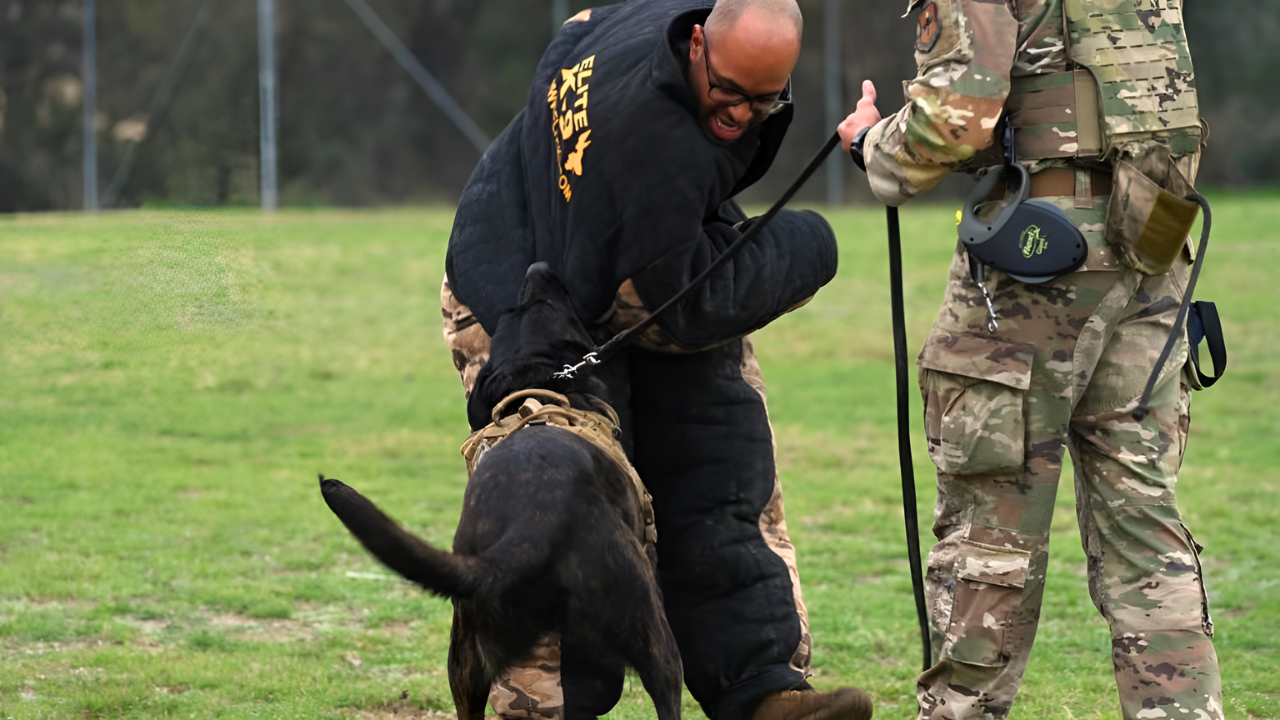
A trainer clips a leash on an energetic dog and gives a firm command. The dog ignores it and looks away. Across the US, dog trainers, vet experts, and breed groups spot certain dogs that fight training the most. Studies from Stanley Coren’s 1994 book and fresh reports from kennel clubs back this up. It’s not bad behavior, it’s genes built over thousands of years.
These dogs come from lines bred for jobs like working alone, lasting long hunts, guarding, or chasing prey. They weren’t picked for quick obedience. Today, people want fast-following pets, but these breeds follow their gut first. Experts say the key is to work with their natural traits. Use patience and build a real bond instead of strict rules.
Breeds like Siberian Huskies pulled sleds across icy lands on their own. Afghan Hounds chased lions without much help. Their history makes them tough to train in homes now.
Tough Traits of Siberian Huskies
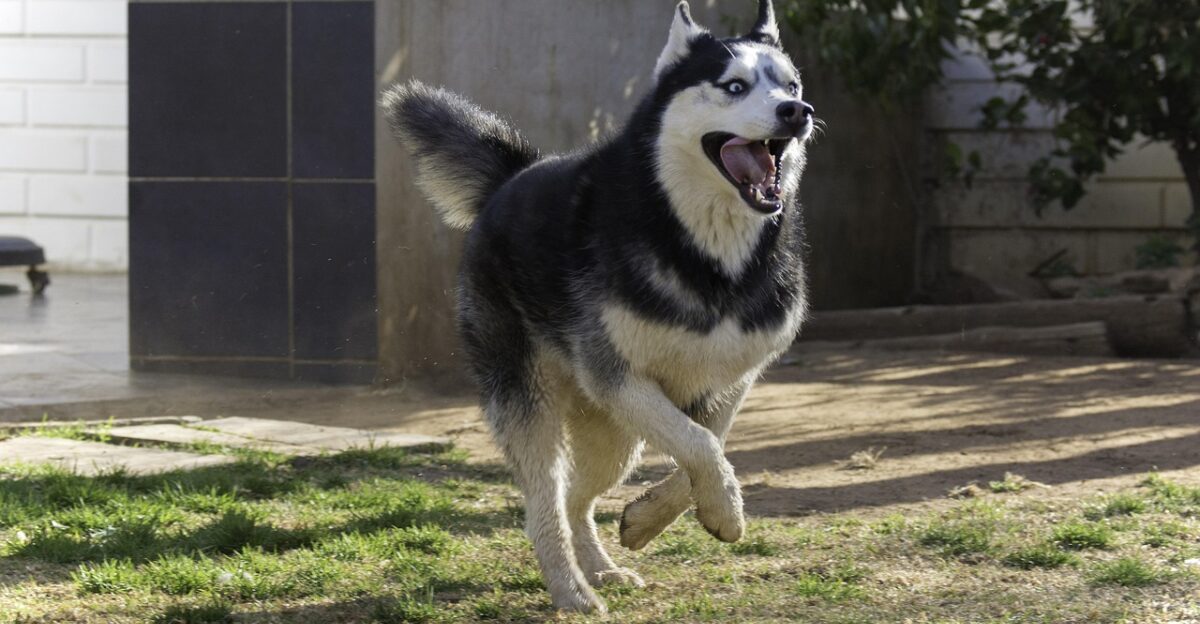
Siberian Huskies handled daily trips up to 100 miles in freezing Siberia. They pulled sleds with little direction from people. Trainers see their strong will to go solo. They love to escape fences and don’t care much about pleasing humans. This helped them survive harsh cold.
They have tons of energy and make wolf-like howls. A big prey drive means they chase small animals and ignore “come” calls when excited. Food treats don’t work well, they pick fun adventures over snacks. Huskies look stunning with their fluffy coats and bright eyes, but they need owners ready for the challenge.
Scent Hounds That Tune Out Commands

Beagles and Bloodhounds live for smells. Beagles hunt in packs and get hooked on a scent trail. They block out your voice completely outside. They learn basic commands fast indoors, but recall stays hard. Bloodhounds follow smells for miles. No treat or toy pulls them off a hot trail.
These dogs love people at home and show tons of affection. But outdoors, their nose rules. Pros suggest short training bursts. Make sessions fun by using their smell skills, not fighting them.
Independent Hunters and Guards
Afghan Hounds need 80 to 100 tries, or more to learn a new command. Coren’s rankings show this. They hunted alone long ago, so they act distant and picky. Training feels like a choice to them, not a must.
Chow Chows and Akitas pick one or two favorite people. They ignore strangers and see humans as equals, not bosses. Shar-Peis and Great Pyrenees guard homes on instinct. They only follow orders if you prove they’re smart. Pushing hard makes them dig in or shut down. Start calm training young with lots of new people and places.
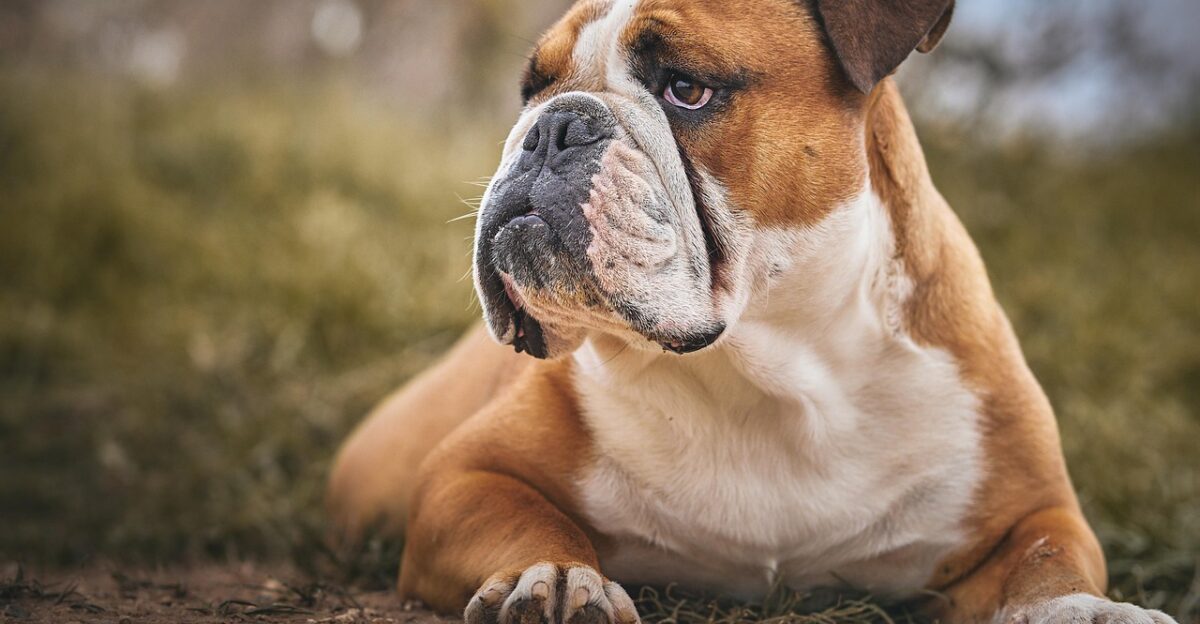
Dachshunds dig after badgers with grit. That turns into slow house training, often over six months, and stubborn sits. English Bulldogs move slow and sweet but quit when bored. Keep sessions super short or they tune out.
Jack Russell Terriers and Weimaraners hunt with wild energy. They skip commands for play and need brain games plus runs to stay focused. Rottweilers and Alaskan Malamutes run like a wolf pack. Show real leadership, not just food, to win them over.
Smart Tips from the Pros

Basenjis are old breeds that don’t bark, they yodel. They find sneaky ways to skip tasks. Pekingese and Borzois get moody if pushed and need fun twists to build trust. Basset Hounds chase smells like Beagles. Malamutes hate dull repeats.
Kennel clubs praise their freedom-loving ways. Behaviorists note their inner drive. Trainers say they skip boring drills. These 19 breeds include Huskies, Beagles, Afghan Hounds, Basenjis, Chow Chows, Dachshunds, Bulldogs, Jack Russells, Rottweilers, Akitas, Bloodhounds, Borzois, Weimaraners, Pekingese, Shar-Peis, Malamutes, Bassets, Great Pyrenees, and Bulldogs’ kin.
Pick a breed that fits your life. Match what you expect to their built-in traits. This builds tight bonds and skips the fights.
Sources:
The Intelligence of Dogs — Stanley Coren | Published 1994 (republished 2006)
Dealing with Separation Anxiety — Weimaraner Club of America | Published (no specific date listed)
A Realistic, Honest Siberian Husky Training Guide — BestMate Dog Training | Published 2018
Bulldog Puppy Training Timeline: What to Expect and When to Expect It — American Kennel Club (AKC) | Published 2021
Afghan Hound Dog Breed Health and Care — PetMD | Published 2025