
Used car shopping demands vigilance because deceptive dealership practices continue to cost buyers billions each year. Common schemes include odometer manipulation, bait-and-switch advertising, fake certifications, and pressure tactics designed to rush decisions.
These behaviors exploit urgency and fear of missing out, leading to overpayment and long-term repair costs. Beyond individual losses, repeated fraud erodes confidence in the used car market. Understanding ten major red flags—and how they operate—helps buyers slow the process, verify claims, and protect both their finances and long-term resale value.
Red Flag 1 – Odometer Fraud Surge

Odometer fraud remains one of the most damaging scams, with hundreds of thousands of vehicles sold annually with altered mileage. Modern digital dashboards are easier to manipulate than many buyers realize. Lower mileage inflates price while hiding wear on engines, transmissions, and suspension components. The result is immediate overpayment followed by costly repairs.
Comparing service records, inspection reports, and vehicle history data against the displayed mileage is essential. Any inconsistency should be treated as a serious warning sign and a reason to walk away.
Red Flag 2 – Bait-and-Switch Tactics

Bait-and-switch schemes start with unrealistically low online prices meant to draw buyers onto the lot. Once there, the advertised vehicle is suddenly “sold,” unavailable, or revealed to have undisclosed issues. Sales staff then redirect buyers toward higher-priced alternatives.
This tactic relies on sunk-cost psychology after time and travel investment. If a dealer refuses to confirm availability or price in writing before a visit, it signals risk. Reputable sellers honor listings or clearly explain changes upfront without pressure to upgrade.
Red Flag 3 – No Pre-Purchase Inspection

A dealership that discourages or refuses an independent inspection is signaling potential hidden problems. Inspections uncover issues like frame damage, flood exposure, engine leaks, or worn components that are expensive to fix later.
Legitimate dealers expect informed buyers and usually cooperate. Blocking inspections often means the seller is relying on ignorance or haste. Buyers should insist on a third-party inspection by a trusted mechanic. Resistance, excuses, or time pressure at this stage is one of the clearest indicators to walk away.
Red Flag 4 – Fake Certified Pre-Owned Claims

Only manufacturer-authorized dealers can offer true Certified Pre-Owned vehicles backed by factory programs. Independent lots sometimes use “certified” language or stickers to justify higher prices without providing manufacturer warranties or inspections.
This exploits the halo effect, where buyers overtrust labels. Always verify certification directly through the automaker’s website or documentation. If the certification cannot be confirmed or lacks detailed inspection records, it provides little real value. Paying a premium for an unverified label exposes buyers to unnecessary financial risk.
Red Flag 5 – Yo-Yo Financing Scam

Yo-yo financing occurs when a dealer allows a buyer to take the car home before financing is finalized, then later demands worse terms. Interest rates may increase, loan lengths extend, or additional fees appear.
Buyers with weaker credit are most vulnerable, and trade-ins may already be sold, limiting leverage. To avoid this, buyers should secure financing beforehand or refuse delivery until all terms are final and signed. Any promise that “paperwork will be fixed later” should be treated with caution.
Red Flag 6 – Missing Buyers Guide

Federal rules require used cars at dealerships to display a Buyers Guide disclosing warranty coverage or “as-is” status. Missing, incomplete, or altered guides signal non-compliance and potential deception.
The Buyers Guide is a legal document that defines buyer rights and dealer obligations. If a dealer downplays its importance or removes it during negotiation, that’s a warning sign. Buyers should read it carefully and ensure it matches the sales contract. Discrepancies often foreshadow disputes after the sale.
Red Flag 7 – Rust and Mismatched Paint
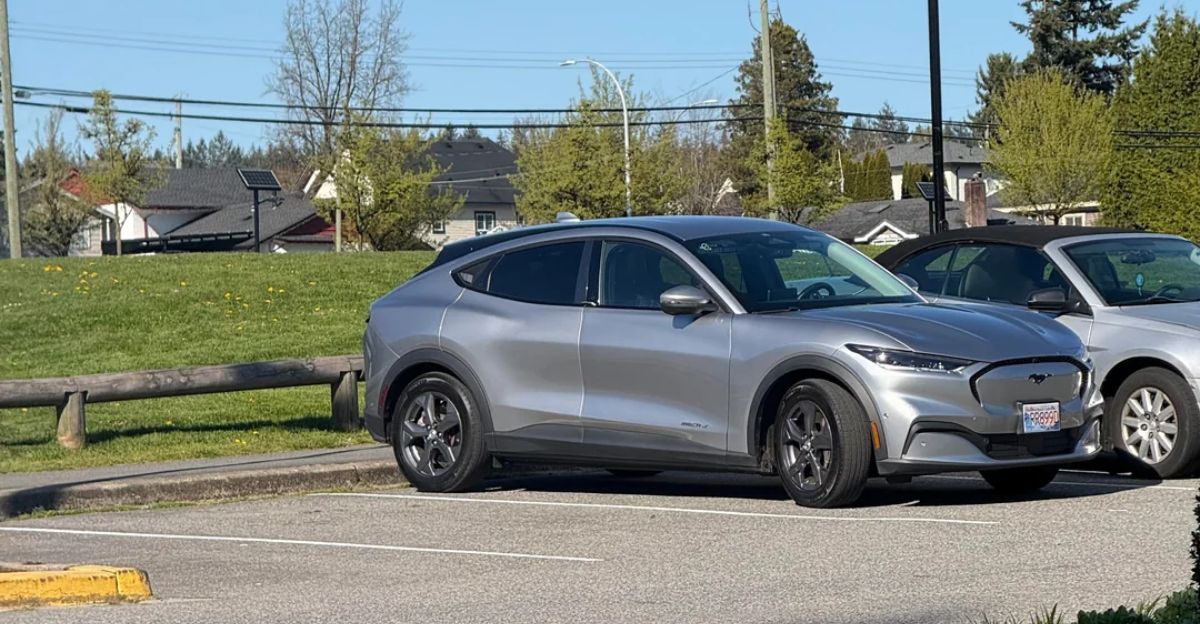
Visible rust, mismatched paint panels, or fresh overspray can indicate prior accidents, poor repairs, or flood damage. Cosmetic fixes are often used to mask structural issues. Uneven panel gaps, different paint textures, or inconsistent color shades deserve scrutiny.
Musty odors or corrosion in unusual places can point to water intrusion. These issues reduce safety and resale value. A careful walk-around in good lighting, combined with an inspection, helps reveal whether a vehicle’s appearance matches its history.
Red Flag 8 – Sketchy Seller Pressure

High-pressure sales tactics aim to override careful judgment. Statements like “this deal is only good today” or resistance to test drives and inspections are classic manipulation techniques. Some sellers push immediate cash payments or discourage questions. Pressure often signals that scrutiny would expose problems. Buyers should control the pace, take breaks, and be prepared to leave. A legitimate deal will still exist after thoughtful consideration. Discomfort or hostility from the seller is itself valuable information.
Red Flag 9 – Uneven Tires and Wear

Uneven tire wear, mismatched brands, or bald tread can indicate poor maintenance, alignment problems, or prior collision damage.
Tires reflect how a vehicle has been treated over time. Replacing them adds immediate cost, while underlying suspension or steering issues can lead to ongoing expenses. Checking tread depth and wear patterns is quick and revealing. Sellers who ignore obvious tire issues may have ignored other maintenance as well, increasing the likelihood of hidden mechanical problems.
Red Flag 10 – No Service History

A lack of service records makes it difficult to assess how well a vehicle was maintained. Missing or inconsistent documentation may signal skipped oil changes, neglected repairs, or mileage discrepancies. While not every car has perfect records, a complete absence should prompt caution.
Comparing maintenance dates, mileage entries, and inspection stickers can reveal inconsistencies. Buyers should factor unknown history into pricing or walk away. Reliable records reduce uncertainty and support long-term reliability.
Historical Fraud Evolution

Used car fraud has evolved from simple mechanical tricks to sophisticated digital manipulation. As technology advanced, so did the methods used to misrepresent vehicle condition and history. Regulatory rules were created to counter these practices, but enforcement gaps remain.
Each new generation of vehicles introduces new vulnerabilities. Understanding this evolution helps buyers recognize that scams are not isolated incidents but recurring patterns that adapt to market conditions and consumer behavior.
2025 Market Trends

Online marketplaces and social media listings have expanded reach but also increased exposure to misleading ads. Digital listings can disappear or change quickly, making accountability harder. High demand and limited inventory encourage rushed decisions. Meanwhile, regulatory scrutiny continues to rise, targeting deceptive fees and advertising.
Buyers should expect more polished scams alongside legitimate options. The safest approach combines skepticism with verification, especially when deals seem unusually favorable or urgent.
Psychological Traps

Fraud often succeeds by exploiting cognitive biases rather than hiding facts. Fear of missing out, authority bias, and perceived scarcity push buyers to ignore warning signs. Sales environments amplify these effects through urgency and emotional framing.
Recognizing these psychological traps allows buyers to pause and reassess. A calm, methodical approach reduces the power of manipulation. Walking away is not failure—it is a rational response when pressure replaces transparency.
Actionable Buyer Framework

Smart buyers rely on structure, not instinct. Start with a clear budget and insist on out-the-door pricing. Verify vehicle history, demand independent inspections, and secure financing independently. Document all promises in writing and avoid same-day pressure.
Comparing multiple vehicles builds perspective and leverage. This framework transforms the process from reactive to deliberate, reducing the likelihood of costly mistakes while improving confidence and negotiation outcomes.
The Role of Independent Inspections

Independent inspections provide objective insight that sales staff cannot. Mechanics identify safety concerns, estimate repair costs, and validate claims about condition.
Even newer vehicles benefit from scrutiny. The modest inspection fee often saves thousands by uncovering deal-breaking issues. Buyers should choose inspectors with no connection to the seller. A clean inspection doesn’t guarantee perfection, but it dramatically reduces uncertainty and shifts negotiating power back to the buyer.
Pricing Transparency and Hidden Fees

Some dealers advertise attractive prices while relying on hidden fees to inflate final costs. Documentation charges, add-ons, and mandatory packages can significantly raise the total. Asking for a full price breakdown early exposes these tactics.
If fees are vague or constantly changing, transparency is lacking. Clear, consistent pricing signals professionalism. Buyers should compare out-the-door prices across dealers, not just sticker prices, to make fair comparisons.
Knowing When to Walk Away

Walking away is one of the strongest consumer protections available. Red flags rarely resolve themselves after purchase. If information is withheld, pressure escalates, or trust erodes, leaving is the correct decision. Emotional attachment to a specific vehicle can cloud judgment. Reminding yourself that there are always alternatives helps maintain objectivity. A deal that feels wrong usually is. Confidence comes from knowing you can say no without regret.
Long-Term Impact of Smart Buying

Avoiding scams doesn’t just save money upfront—it protects long-term reliability, resale value, and peace of mind. Well-documented vehicles with verified histories cost less to own and are easier to resell. Informed buyers also contribute to a healthier market by refusing to reward deceptive practices.
Each cautious decision reinforces higher standards across dealerships. Over time, knowledge and discipline compound into measurable financial and emotional benefits.
Empowering Verdict

Recognizing these ten red flags transforms buyers from vulnerable targets into informed decision-makers. Used car fraud persists, but it thrives on haste and ignorance.
By inspecting carefully, verifying claims, and resisting pressure, buyers protect themselves from costly mistakes. The ultimate power lies in preparedness and the willingness to walk away. Knowledge doesn’t just reduce risk—it actively dismantles deception, ensuring that the final purchase reflects value, safety, and informed choice.
Sources:
NHTSA (odometer estimates, safety risks, convictions)
FTC (Used Car Rule, settlements, penalties, sweeps, Vroom case)
Experian (title washing, odors)
RateGenius (curbstoners)
Point Predictive (fraud spikes)
Regions Bank (rust/paint issues)