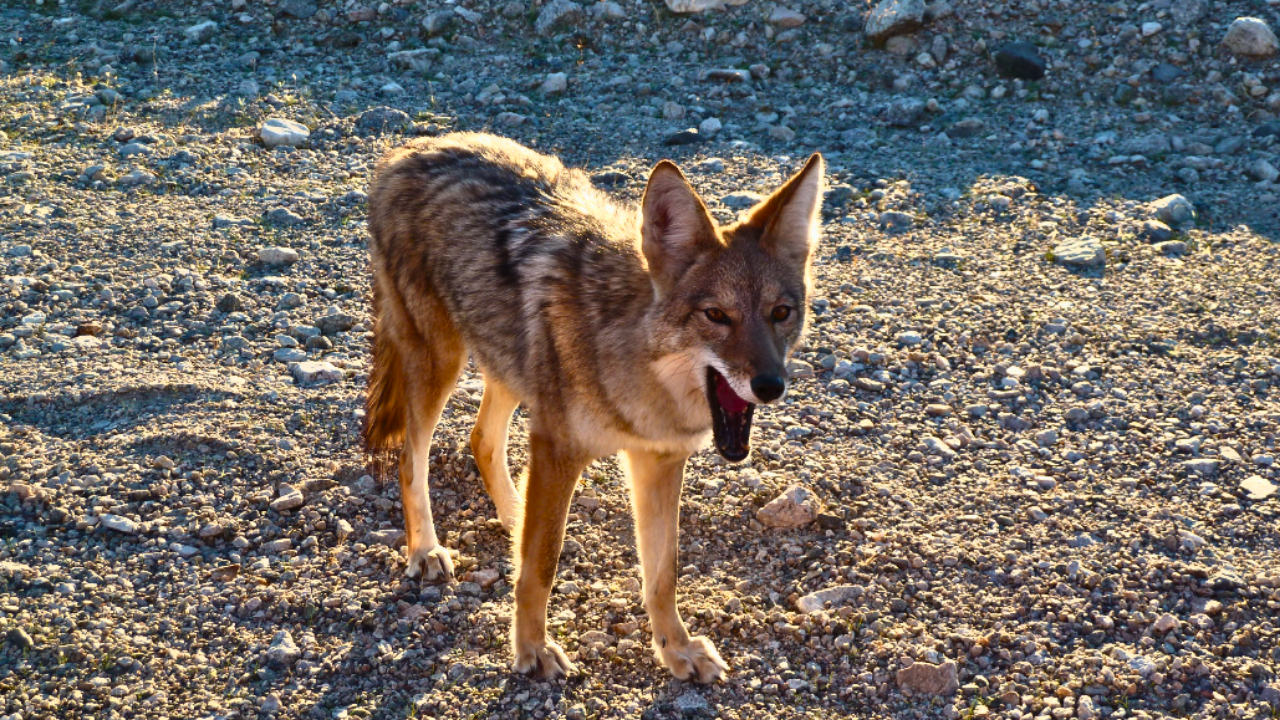
Death Valley National Park stands as one of America’s most formidable ecosystems, holding the distinction of being the hottest, driest, and lowest point in the contiguous United States. Despite these devastating environmental extremes, the park shelters an astonishing diversity of wildlife, hosting over 400 animal species.
From massive desert bighorn sheep scaling rocky peaks to microscopic organisms inhabiting underground springs, Death Valley demonstrates nature’s remarkable capacity for resilience and adaptation in hostile landscapes.
The Park’s Incredible Biodiversity Breakdown
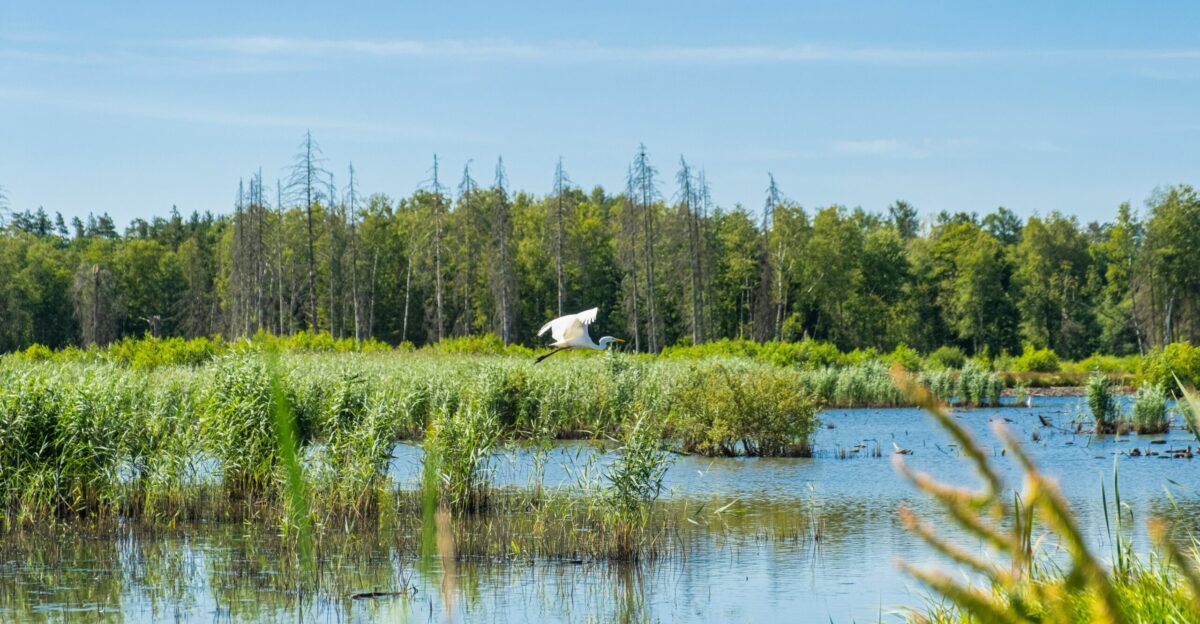
The sheer variety of species inhabiting Death Valley reflects its unique geographical diversity. The park encompasses 56 different mammal species, 36 species of reptiles, approximately 300 bird species, five amphibian species, and six fish species.
This biodiversity exists across the park’s 3.4 million acres, which span elevations from below sea level in the salt flats to peaks exceeding 10,000 feet in the Panamint Range.
1. The Devil’s Hole Pupfish: Earth’s Rarest Fish
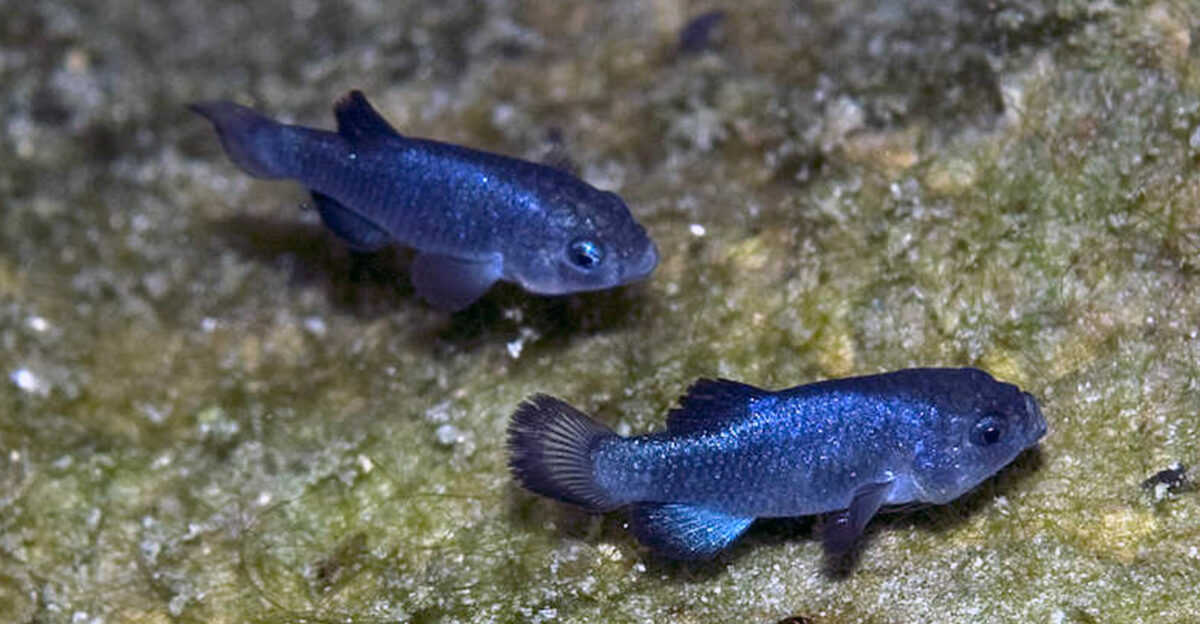
Among Death Valley’s most extraordinary residents is the Devil’s Hole pupfish, the world’s rarest fish species. Found exclusively in a single water-filled cavern within Devil’s Hole, a detached unit of Death Valley National Park, this critically endangered species survives in astonishingly limited numbers.
Scientists estimate fewer than 100 wild Devil’s Hole pupfish remain in their natural habitat, making this tiny one-inch fish one of the most precious vertebrate species on Earth.
The Devil’s Hole Pupfish: Surviving Extreme Conditions
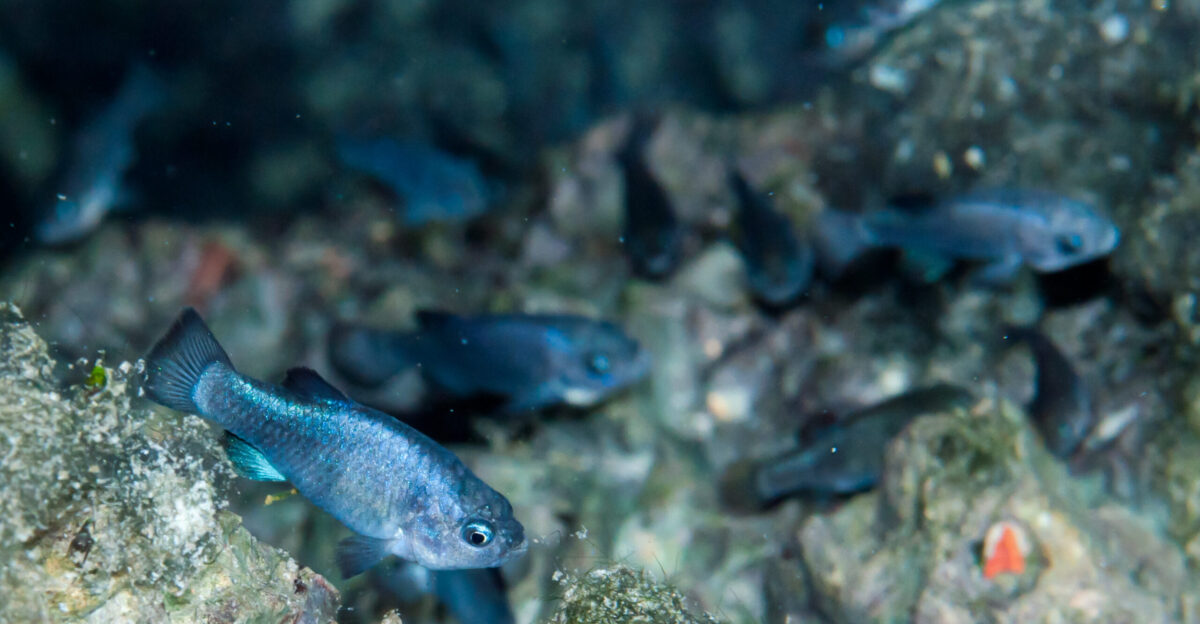
The Devil’s Hole pupfish endures conditions that would prove fatal to virtually all other fish species. The water in Devil’s Hole maintains a constant temperature around 92 to 93 degrees Fahrenheit, existing in a nearly oxygen-deprived state.
Despite these hostile conditions, the pupfish has persisted for thousands of years, representing a remarkable evolutionary achievement.
2. Desert Bighorn Sheep: Mountains’ Majestic Guardians
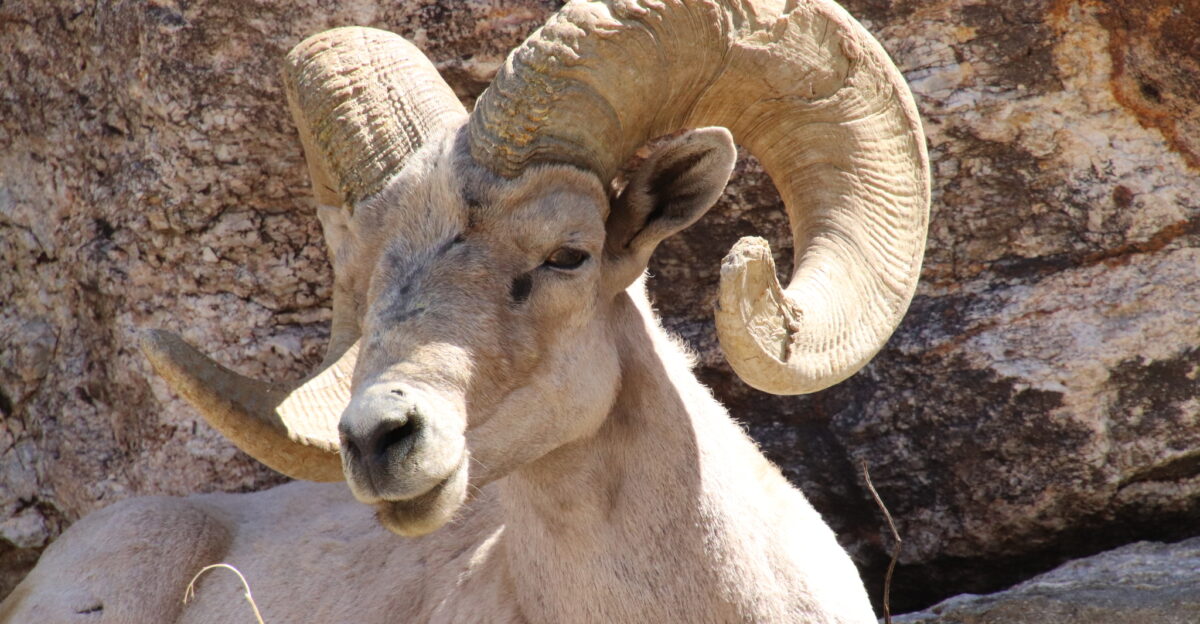
Desert bighorn sheep represent Death Valley’s largest native mammal, commanding respect through their impressive horns and powerful build. These specialized mountain dwellers possess unique, concave elastic hooves, enabling them to climb steep, rocky terrain with extraordinary speed and agility.
Found throughout the park’s mountainous regions, particularly in the Panamint, Cottonwood, and Grapevine ranges, bighorn sheep can survive extended periods without water by extracting moisture from sparse desert vegetation.
Bighorn Sheep: Water Conservation Masters
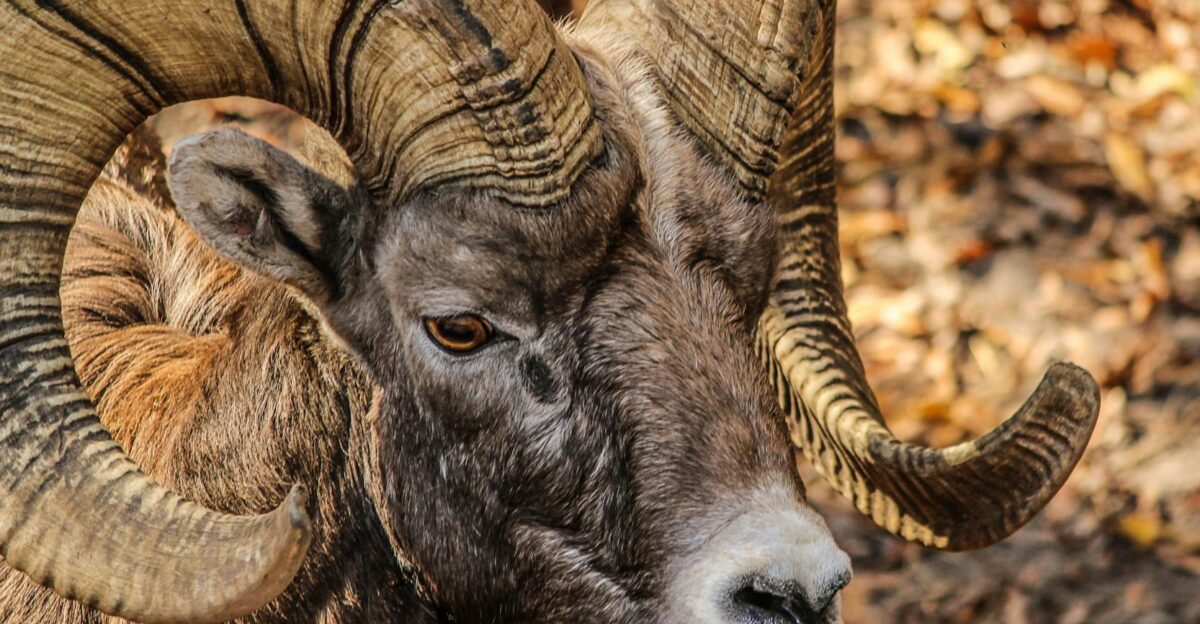
The water conservation abilities of desert bighorn sheep remain one of nature’s greatest achievements in arid environments. These remarkable mammals can survive for months without access to water sources by efficiently extracting moisture from desert plants and storing it internally.
Their iconic status among Death Valley explorers stems from the challenge of spotting these elusive animals perched on seemingly impossible vertical cliff faces high above the park’s valleys below.
3. The Desert Tortoise: A Threatened Survivor
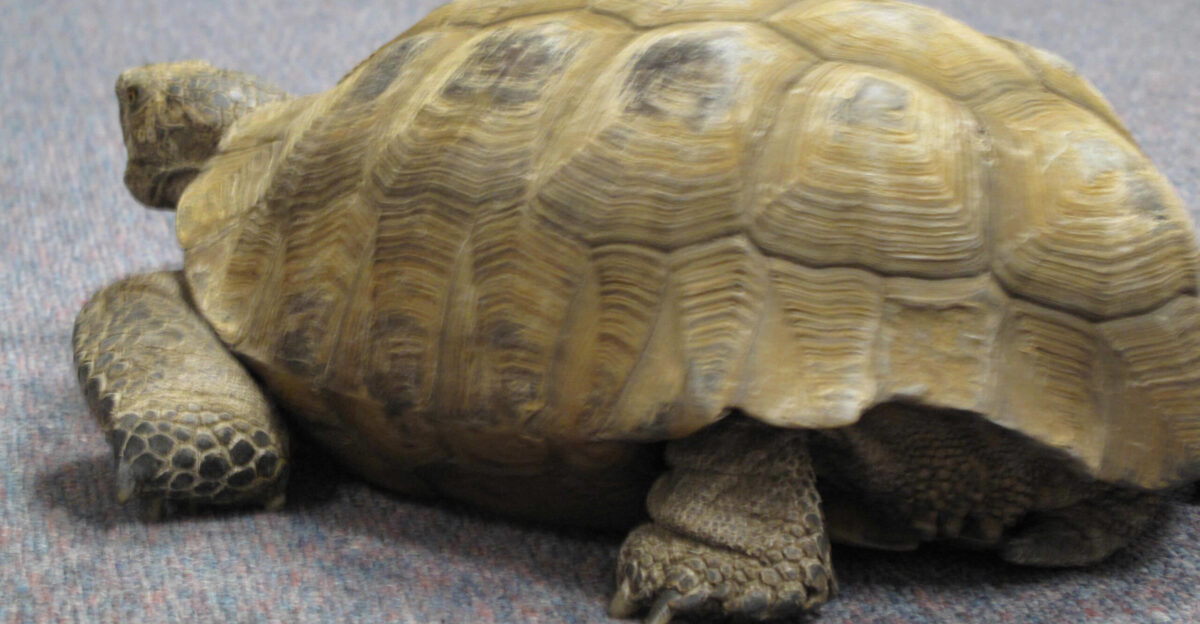
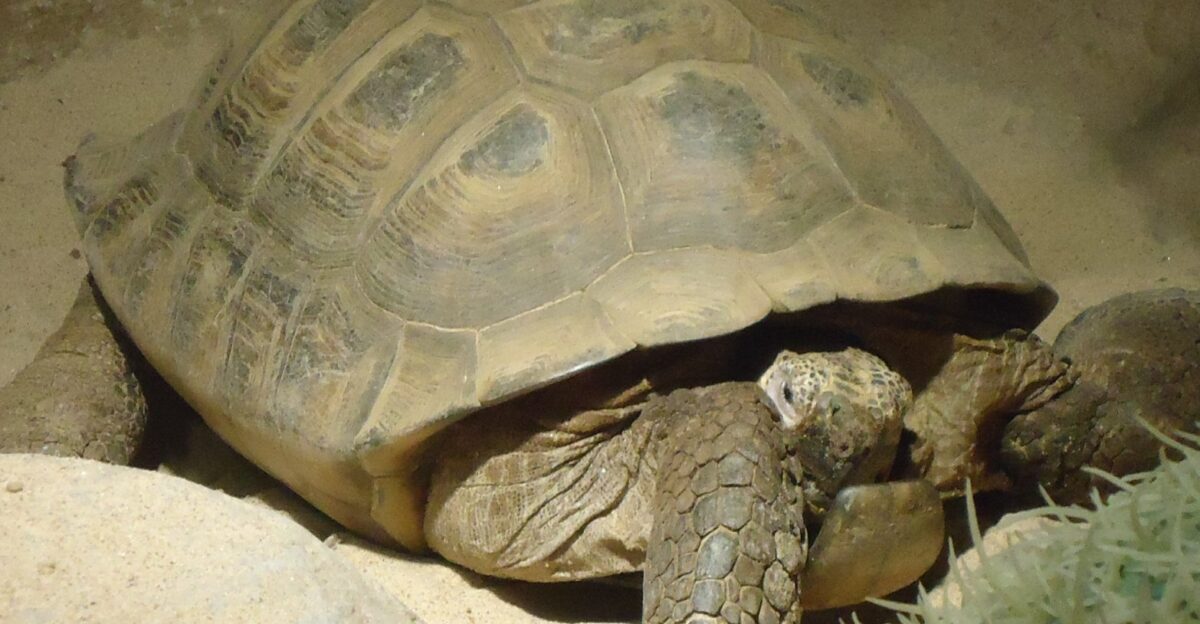
The desert tortoise ranks among Death Valley’s most protected species, listed as threatened under the Endangered Species Act since 1990. These ancient reptiles inhabit the park’s Mojave sections, storing water within their bladders for survival during prolonged drought periods.
Living 50 to 100 years in the wild, desert tortoises face mounting threats from habitat loss, raven predation on juveniles, and climate-induced challenges.
4. Kangaroo Rats: Desert Night Hoppers
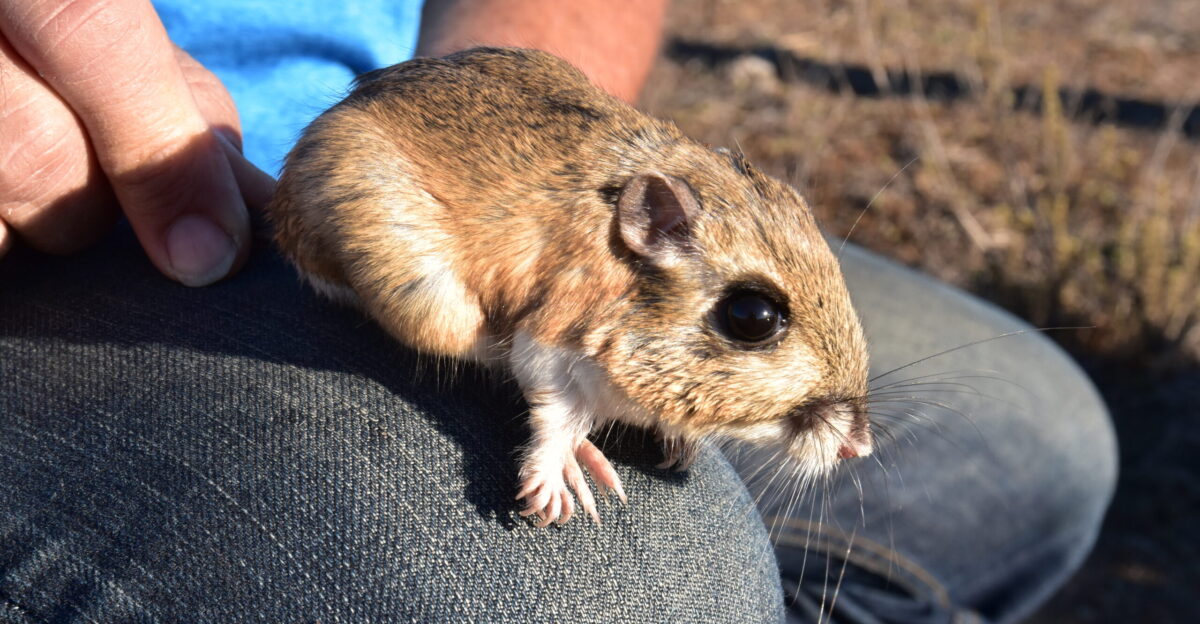
Kangaroo rats represent a marvel of desert adaptation, surviving in Death Valley’s most arid regions without ever needing to drink water. These small, primarily nocturnal rodents metabolize moisture directly from seeds they consume, eliminating the need for water sources.
Equipped with powerful hind legs, kangaroo rats can jump up to nine feet in a single bound to escape predators. Their complex burrow systems feature separate chambers for sleeping, nesting, and storing seeds, showcasing a remarkable architectural instinct.
5. The Sidewinder Rattlesnake: Desert’s Venomous Dancer
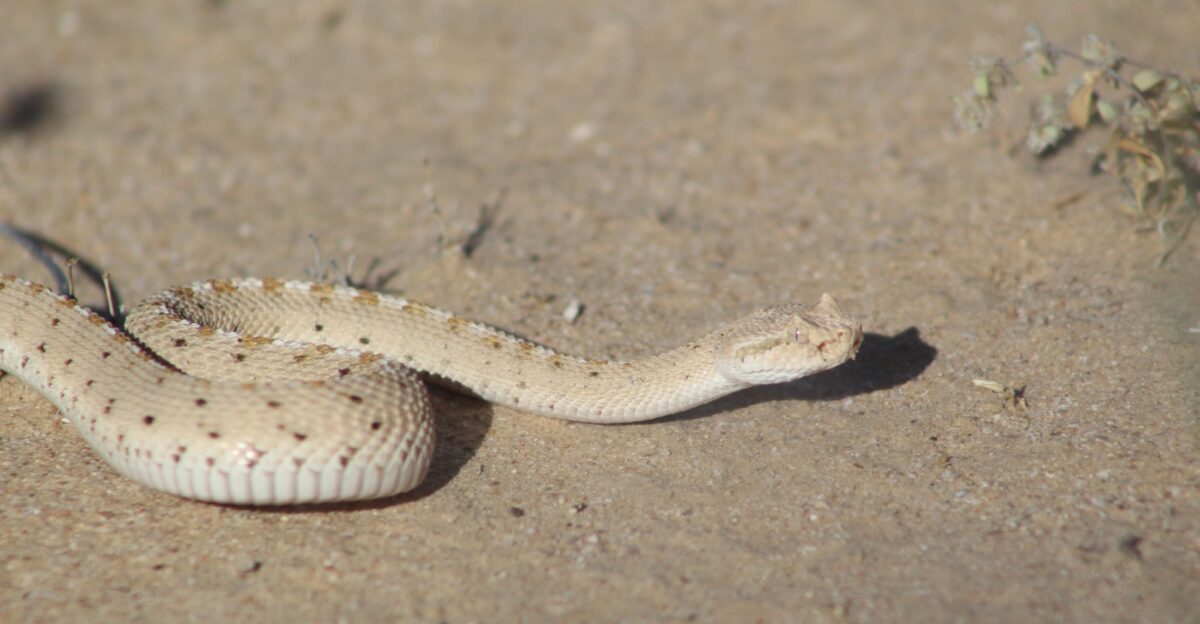
The venomous sidewinder rattlesnake demonstrates extraordinary adaptation to the scorching sands of Death Valley. This specialized pit viper moves sideways across dunes at speeds up to 18 miles per hour, a locomotion technique that minimizes contact with burning sand while maximizing speed.
The sidewinder’s distinctive horn-like scales protect its eyes during burrowing, while its venomous fangs and heat-sensing pit organs enable efficient nocturnal hunting of small mammals and lizards.
6. Roadrunners: Desert’s Swift Runners
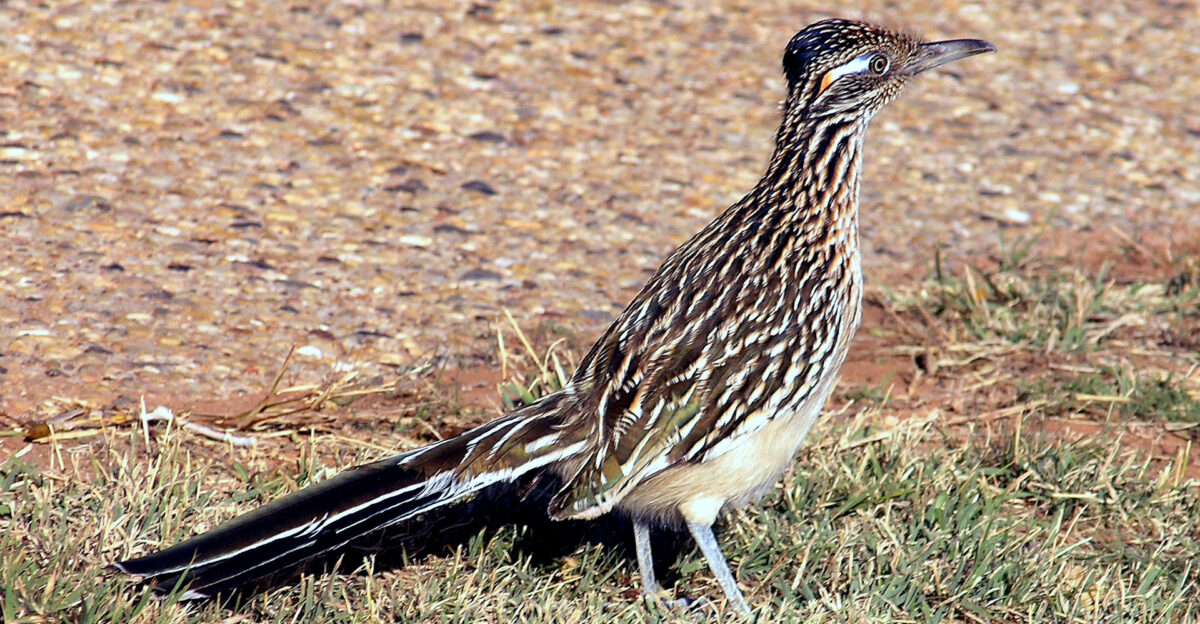
Greater roadrunners have earned their reputation as one of Death Valley’s most beloved year-round residents, capable of sprinting up to 20 miles per hour across the desert floor. These ground-dwelling cuckoos prefer running to flying, using their distinctive long tails as rudders to change direction at high speeds.
Roadrunners hunt efficiently during daylight hours, feeding on lizards, insects, small snakes, and bird eggs, while employing a clever thermoregulation strategy of dropping body temperature at night to conserve energy.
7. Coyotes: Intelligent Predators of the Pack
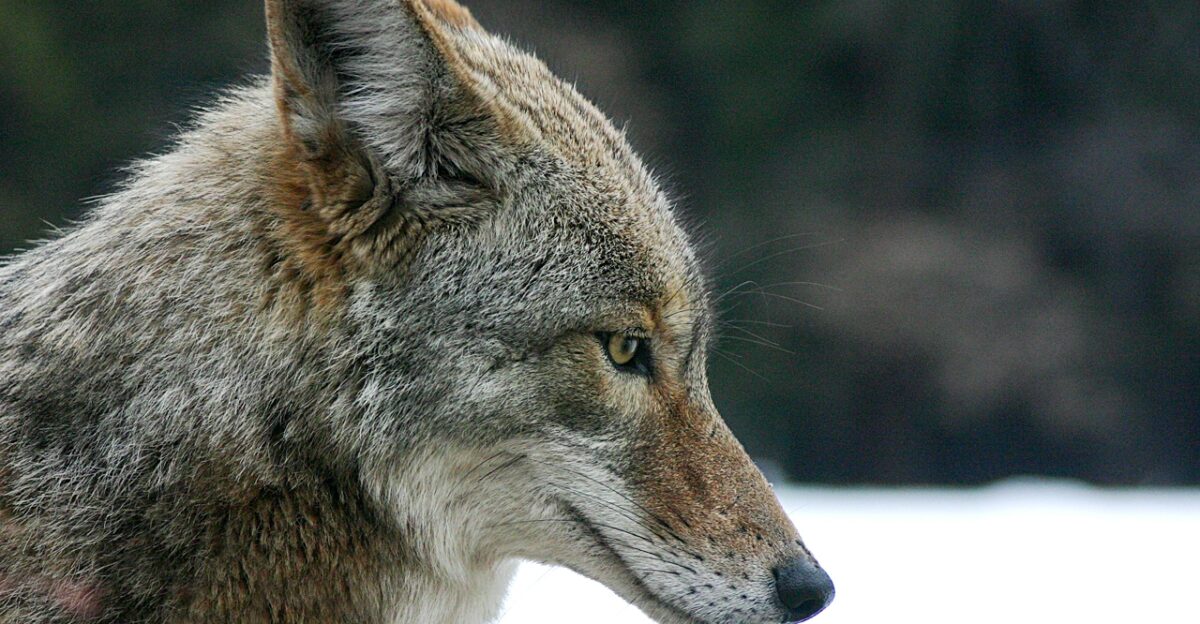
Coyotes prowl the mountains and desert flats of Death Valley, adapting boldly to their harsh environment through intelligence and flexibility in their hunting strategies. While often solitary hunters or hunting in pairs, coyotes occasionally form small pack configurations to pursue larger prey.
These nocturnal predators play a crucial role in maintaining ecological balance by controlling rodent populations and scavenging carcasses.
8. Mountain Lions: The Apex Shadows
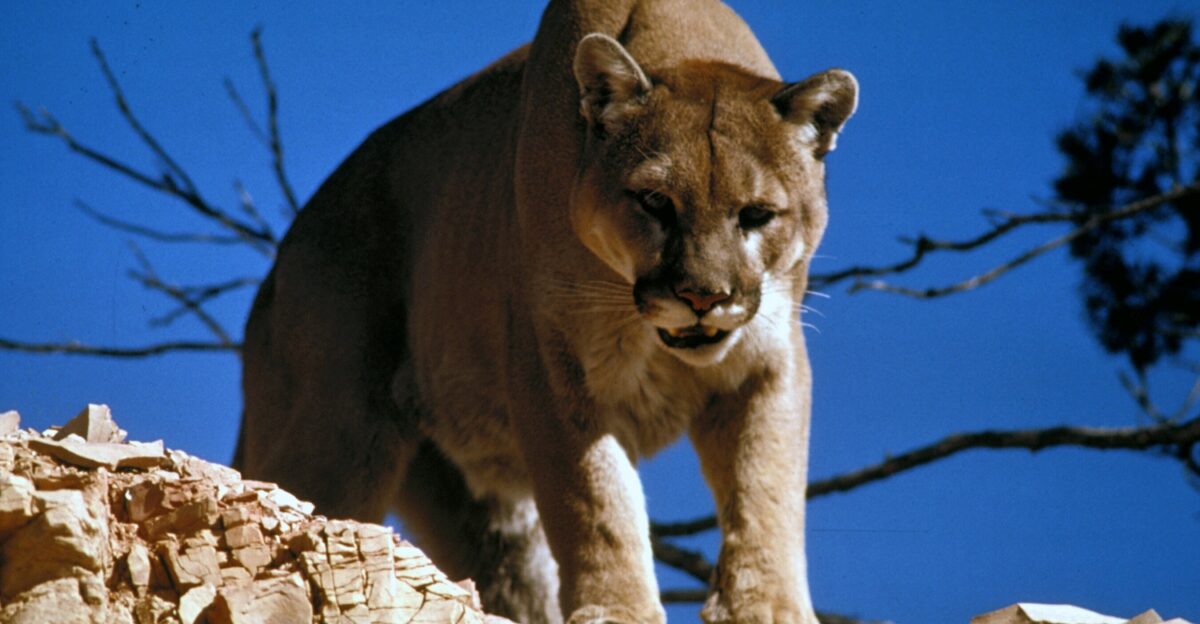
Mountain lions, also known as cougars or pumas, represent Death Valley’s most elusive top predator, commanding respect through their prowess as skilled hunters. These solitary carnivores typically hunt alone under the cover of darkness, preying upon desert bighorn sheep, mule deer, and increasingly upon invasive burros.
Recent wildlife studies documented mountain lions efficiently controlling wild donkey populations, demonstrating their evolving role in Death Valley’s emerging food web and offering potential ecological benefits through predation management.
9. Desert Cottontails: Nocturnal Foragers
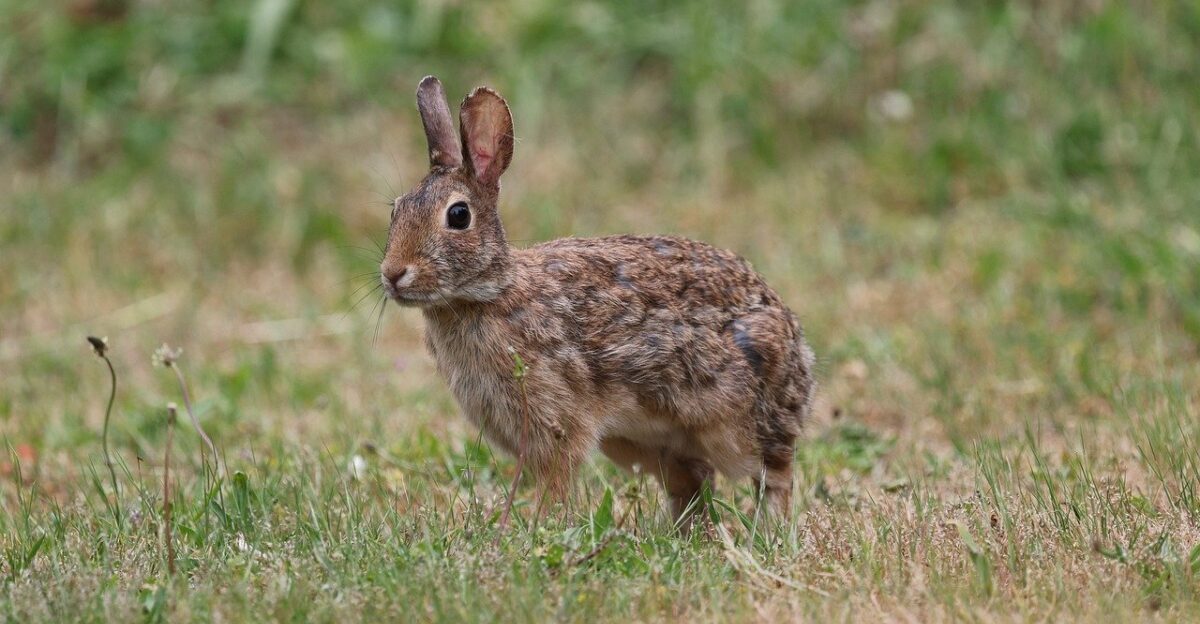
Desert cottontails inhabit Death Valley’s varied habitats, taking refuge during daylight hours in burrows vacated by other mammals or in shallow scrapes they create themselves. These small lagomorphs employ an innovative thermoregulation strategy, radiating excess body heat through their ears to maintain optimal temperatures.
Active primarily during dawn and dusk hours, cottontails feed on grasses, herbs, and vegetation while serving as critical prey species for numerous desert predators, including snakes, hawks, and mammalian carnivores.
10. Banded Geckos: Nocturnal Hunters
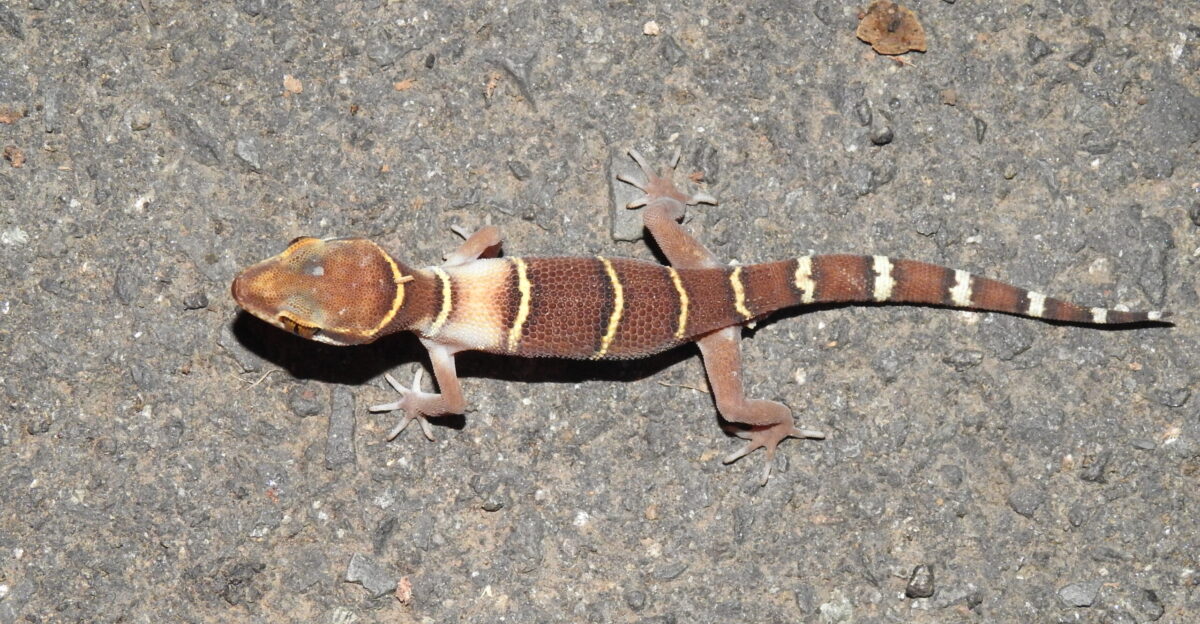
Banded geckos emerge as one of Death Valley’s most fascinating reptiles, perfectly adapted to nocturnal desert life through specialized eyes that function efficiently in darkness. These small lizards spend daylight hours sheltered within burrows or beneath rocks, emerging after sunset to hunt insects and spiders.
Their reflective eyes glow like a cat’s eyes when illuminated by light, a distinctive feature visible to nocturnal observers. Banded geckos employ strategic burrow systems to escape extreme daytime temperatures while maintaining energy through careful predation.
Hidden Gems: Ravens and Desert Amphibians
Death Valley hosts numerous lesser-known species that showcase the park’s incredible biodiversity, which extends beyond the ten primary species featured. Common ravens inhabit the park year-round, recognized for their remarkable intelligence and opportunistic feeding habits that include scavenging carcasses and raiding tortoise nests.
Additionally, five amphibian species defy the park’s arid reputation by thriving in ephemeral desert pools that appear after rare precipitation events, completing their entire life cycles within days.
Mule Deer and Desert Iguanas: Specialized Inhabitants
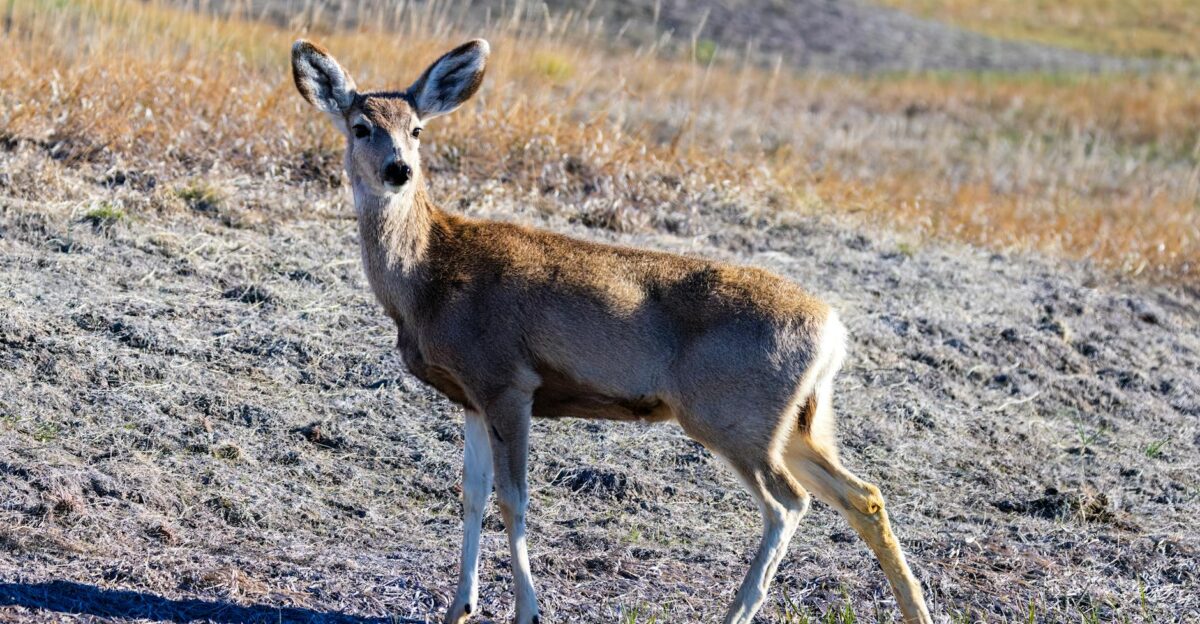
Mule deer inhabit Death Valley’s higher elevations within the Panamint, Cottonwood, and Grapevine mountain ranges, navigating steep terrain with remarkable agility while browsing sparse vegetation. Desert iguanas represent exceptional examples of thermoregulation in reptiles, actively basking during the hottest daylight hours when competing species seek shelter underground.
These specialized lizards tolerate body temperatures exceeding 115 degrees Fahrenheit, allowing them to feed during peak solar radiation when few other creatures venture into Death Valley’s harshest zones.
Invasive Species Management and Ecological Balance
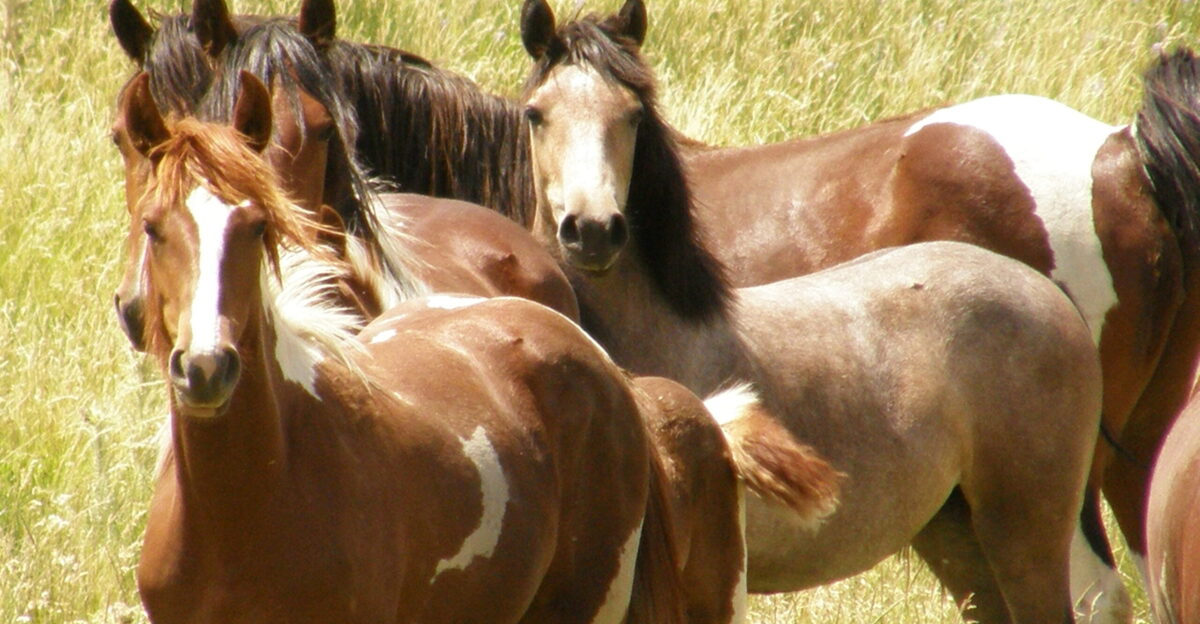
Feral burros, introduced to Death Valley over a century ago, present complex management challenges that reflect the changing dynamics of wildlife in altered landscapes. Recent ecological research reveals unexpected benefits from mountain lion predation on burros, which reduces grazing pressure on native vegetation and desert wetlands.
This emerging predator-prey relationship illustrates how ecological systems adapt and reorganize when native predators are present, providing valuable insights into conservation management strategies.
Ecosystem Interdependence and Food Web Complexity
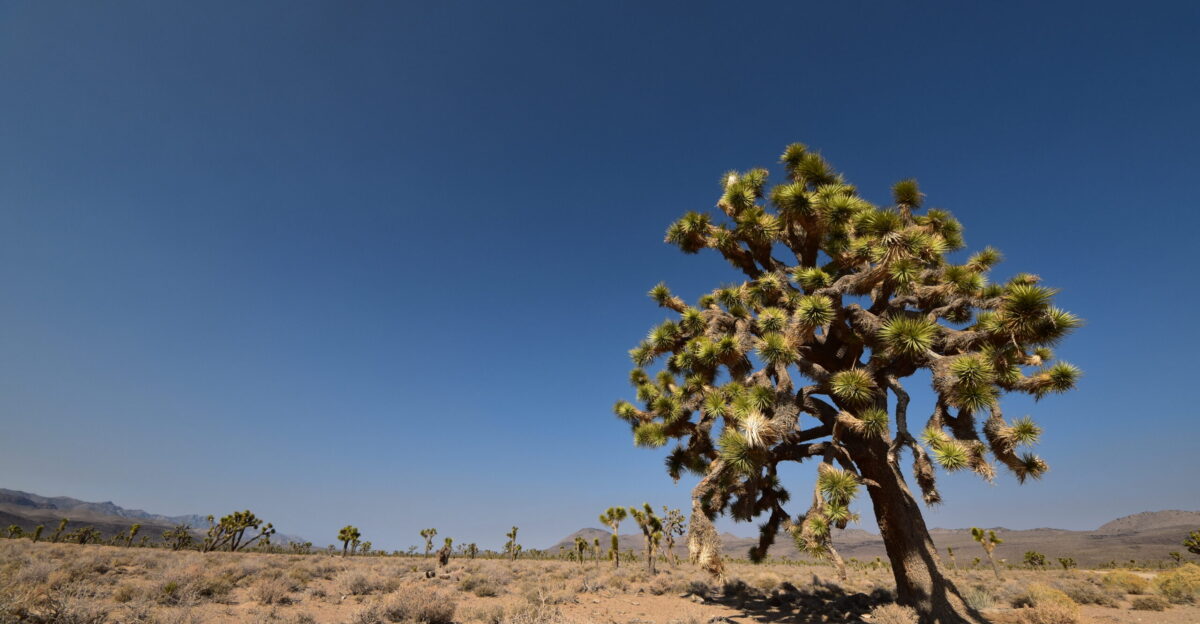
Death Valley’s wildlife ecosystem demonstrates extraordinary interdependence among species across multiple trophic levels. Predators such as coyotes, mountain lions, and sidewinder rattlesnakes rely on prey species, including kangaroo rats, rabbits, and lizards, for survival.
Plant-eating species, such as desert tortoises, bighorn sheep, and mule deer, maintain vegetation balance while providing sustenance for carnivorous predators. This intricate web of relationships illustrates how every creature contributes to the stability of the ecosystem.
Conservation Success and Future Challenges
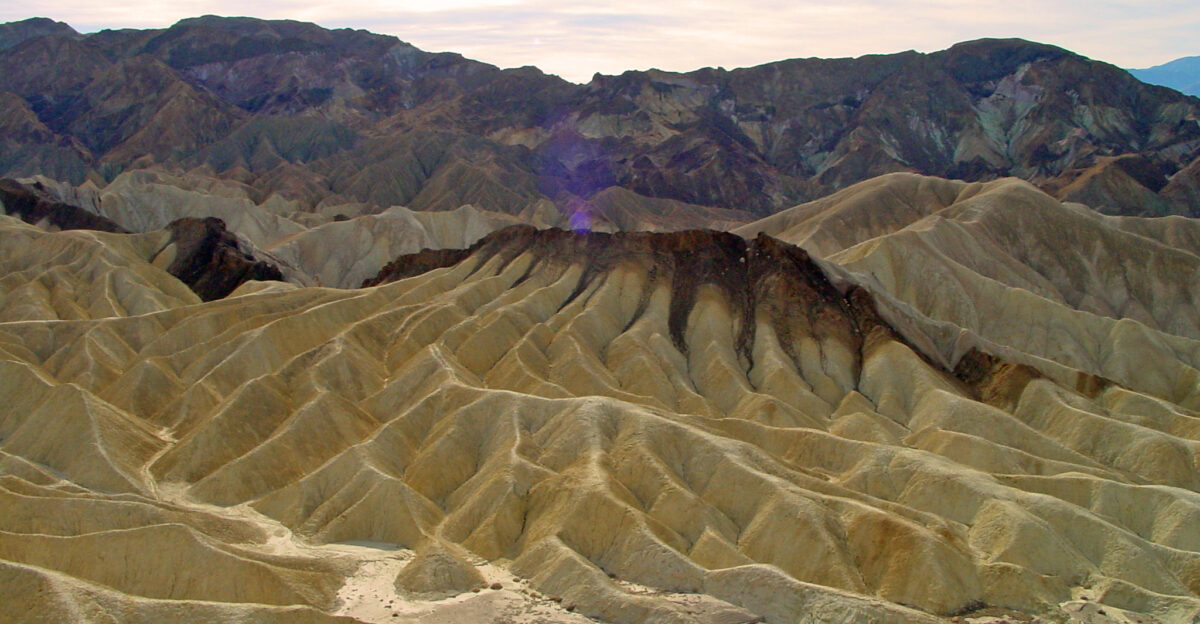
Death Valley National Park represents America’s commitment to safeguarding biodiversity on public lands, protecting over 400 animal species through comprehensive management strategies and scientific research. From captive breeding programs ensuring Devil’s Hole pupfish survival to habitat restoration initiatives supporting desert tortoises, conservation achievements demonstrate institutional dedication to species preservation.
Climate change, water resource pressures, and habitat fragmentation present ongoing challenges threatening Death Valley’s delicate ecosystem balance, requiring sustained scientific research and adaptive management approaches ensuring wildlife resilience for future generations.
Planning Your Death Valley Wildlife Adventure

Visiting Death Valley offers nature enthusiasts unprecedented opportunities to witness remarkable wildlife adaptations firsthand within America’s most extreme environment.
The park welcomes visitors year-round, though spring and fall provide optimal conditions for wildlife observation when temperatures remain manageable. Guided ranger programs, visitor centers, and interpretive trails throughout the park provide comprehensive education about Death Valley’s incredible fauna, ensuring memorable experiences that inspire conservation commitment.
Sources:
”Death Valley Wildlife Overview.” National Park Service official documentation
“Endangered Devils Hole Pupfish.” U.S. Fish and Wildlife Service species recovery program
“Biologists Try to Dig Endangered Pupfish Out of Its Hole.” Berkeley News, 2014
“Desert Bighorn Sheep Habitat and Mountain Adaptation.” Wikipedia Desert Wildlife documentation
“Dipodomys Deserti (Desert Kangaroo Rat) Information.” Animal Diversity Web scientific database
“Crotalus Cerastes (Sidewinder) Thermoregulation and Behavior.” Animal Diversity Web herpetological research