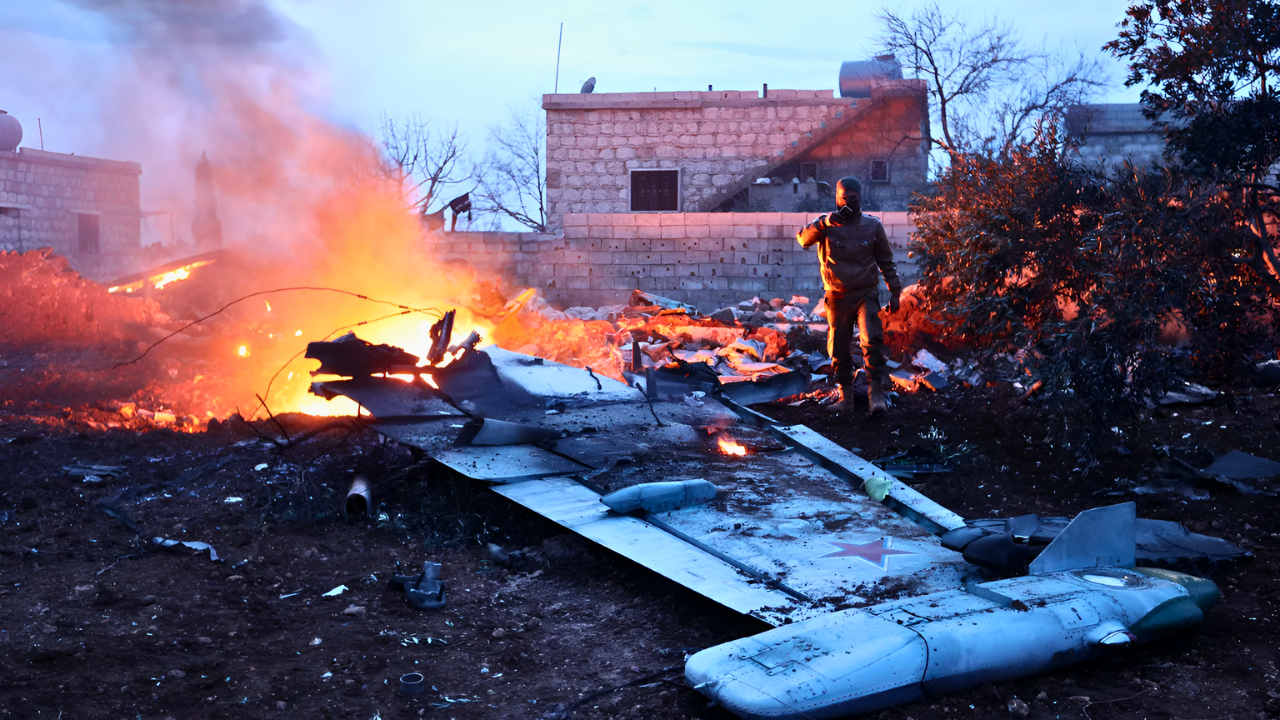
A Ukrainian operative slipped deep into Russian territory, igniting two multimillion-dollar fighter jets inside a secure hangar at Lipetsk military airfield on December 20-21, 2024, exposing profound vulnerabilities in Russia’s rear defenses.
Ukraine’s Defense Intelligence Directorate (HUR) verified the destruction of Su-27 and Su-30 aircraft, marked with tail numbers 12 and 82, at this base 400 kilometers from the front lines. The agent departed undetected after the sabotage, as confirmed by HUR statements.
Two-Week Planning Operation
The mission demanded two weeks of precise preparation, including surveillance of patrol patterns and guard shifts at Lipetsk, Russia’s leading combat training hub. This intelligence uncovered weak points, allowing the operative to map entry and exit paths free of detection. HUR-released footage captured the jets ablaze within the hangar, their open cockpits indicating close-range access to amplify destruction.
Part of Coordinated 72-Hour Campaign
This strike formed part of a three-day offensive from December 18-21, which also hit Belbek airfield in occupied Crimea. Ukrainian forces there disabled or destroyed four more jets, including two Su-27s—one fully armed and ready for takeoff on the taxiway. Coupled with losses of radar and air defense units at Belbek, the campaign inflicted damage estimated at $300-400 million to Russian assets.
Strategic Radar Systems Neutralized
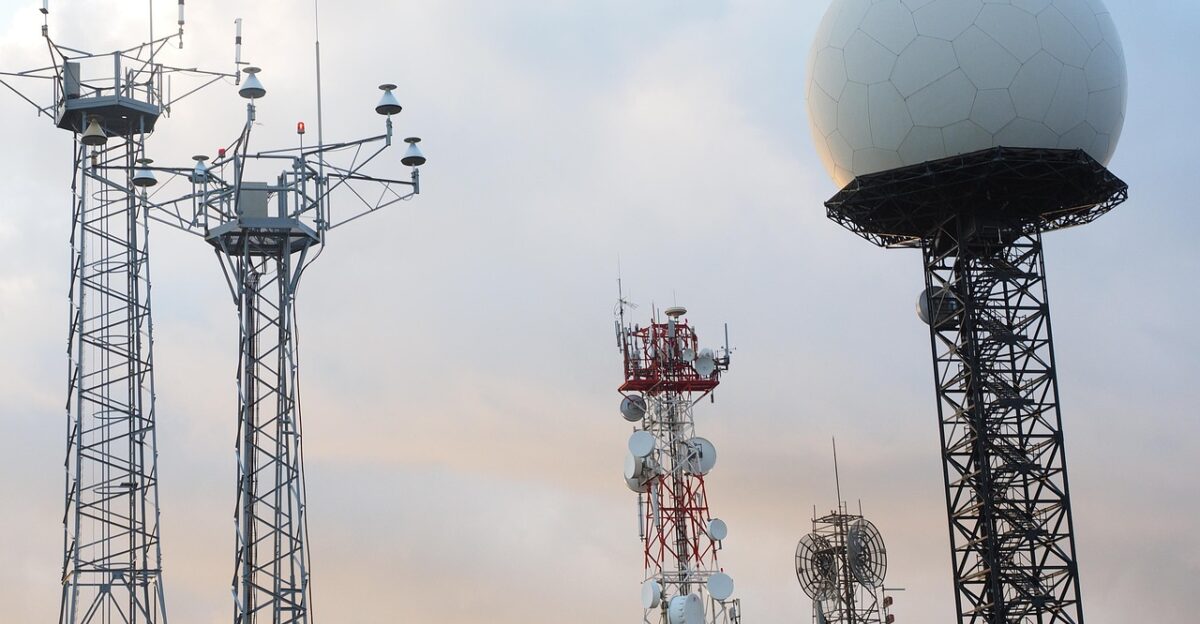
Ukraine’s Security Service (SBU) initiated the Belbek assault on December 17-18 with drones that obliterated two Nebo-SVU radars, each worth $60-100 million and capable of detecting high-altitude targets at 400 kilometers. Additional hits eliminated an S-400 fire-control radar ($30-60 million) and a Pantsir-S2 system ($12-19 million), fracturing Crimea’s air defense coverage.
Lipetsk: Russia’s Premier Training Center
Lipetsk Air Base mirrors the U.S. Nellis Air Force Base as Russia’s top facility for Aerospace Forces pilot training, home to the 4th State Centre for Aircrew Training and the Russian Falcons aerobatic team. Since February 2022, it has shifted from rear training to staging combat units for strikes on Ukraine, heightening its strategic role.
Systemic Security Failures Revealed

The breach highlighted breakdowns in Russia’s airfield protections, with the operative accessing and torching jets unchallenged. Russian military channels decried the lapses, one noting agents had infiltrated, entered cockpits, set fires, and escaped leisurely. Critics demanded commanders face frontline reassignment for failing to secure such sites.
Resistance Networks Inside Russia
Ukraine relies on embedded networks of sympathizers and trained agents within Russia for sabotage and intelligence. U.S. assessments from 2023 affirmed SBU and HUR cells using pro-Ukrainian recruits, ideological drives, payments, and secure apps for coordination.
Unsustainable Aircraft Attrition
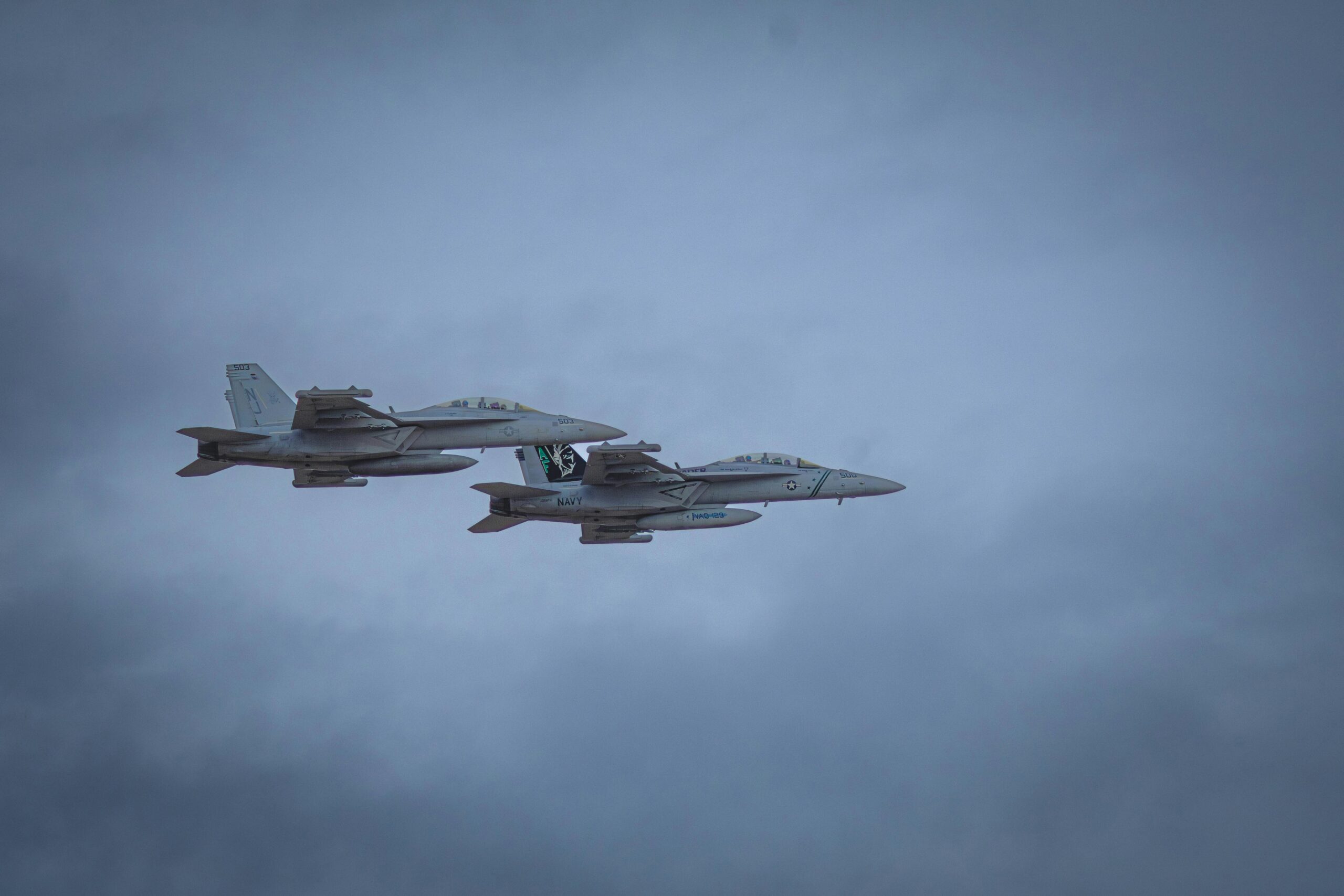
Russia’s output of just 20-30 fighters yearly fails to replace losses, with around 550 of its 1,200 tactical jets nearing obsolescence. Ukraine reports 434 such aircraft downed since 2022, making each Lipetsk or Belbek loss a lasting gap. The destroyed Su-30s, vital for air superiority and glide bomb drops—fired at 3,500 monthly—curtail Russia’s sortie rates, with attacks down 50% after Western approval for deep strikes.
Evolution of Ukrainian Deep-Strike Capabilities
These actions mark Ukraine’s shift to orchestrated campaigns, building on efforts like Operation Spiderweb in June 2025, where 117 drones hit five bases, harming 20 aircraft. Combining infiltrations with drones yields layered impacts in tight timelines, leveraging low-cost tools—a single agent with incendiaries or cheap drones—for outsized effects, often at 1:10,000 cost ratios.
The operations underscore that distance alone does not guarantee safety; institutional weaknesses dictate vulnerability. As Ukraine sustains such penetrations, Russia confronts mounting pressure to overhaul defenses, while Kyiv signals enduring asymmetric reach amid protracted conflict.
Sources:
“Ukraine strikes Su-27 and Su-30 fighter jets deep inside Russia at Lipetsk airbase.” Kyiv Independent, December 21, 2024.
“Ukraine steps up attacks on Russian air bases to counter Russian strikes.” CNN, December 22, 2024.
“Russian Su-30 and Su-27 fighter jets destroyed at Lypetsk airfield.” Ukrinform, December 21, 2024.
“SBU drones strike Russian air defense systems and MiG-31 at Belbek airfield.” Ukrinform, December 17, 2024.
“Russia Delivers Just 1 of 15 Planned Jets in 2025 as Sanctions Cripple Aviation Industry.” United24 Media, August 7, 2025.
“Damaged Su-57 Emphasises the Vulnerability of Russian Airbases Near Ukraine.” Royal United Services Institute (RUSI), March 8, 2024.
“Ukraine has cultivated sabotage agents inside Russia and occupied areas.” CNN, June 5, 2023.