
Beneath Bermuda’s clear blue waters and pink beaches hides a massive geological mystery that has confused scientists for years. Deep underground, about 31 miles below the surface, sits a 12-mile-thick layer of rock that is unusually light. This structure acts like a buoy, holding the island above sea level despite its volcanoes going quiet 30 million years ago. Seismologists discovered it by studying vibrations from big earthquakes far away, captured at Bermuda’s only seismic station.
The research appeared in the December 2024 issue of Geophysical Research Letters. It shows the layer sits between the ocean crust and the upper mantle. Unlike rocks in quiet tectonic areas, this one is less dense than the material above and below it. That lightness lifts the ocean floor by more than 1,600 feet. Without this support, Bermuda would likely sink like other old volcanic islands.
Unmatched Size and Lifting Power
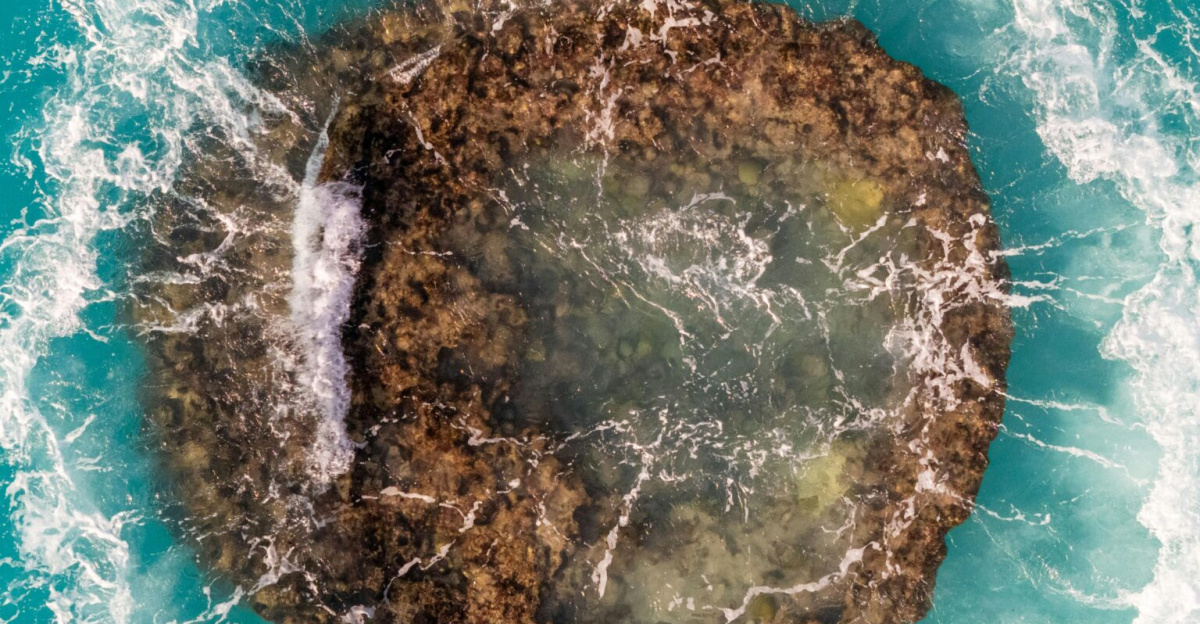
This rock layer stands out because of its huge thickness, over 12 miles, or as tall as stacking more than 60 Empire State Buildings on top of each other. Scientists have checked seismic data from islands around the world and found nothing like it under other mid-ocean spots. When earthquake waves passed through it, their speeds changed sharply. This confirmed clear edges and a different makeup from nearby rocks.
The find challenges old ideas that rock density stays even in calm tectonic zones. Bermuda now looks like a special case with much more change in its crust than experts thought possible. Such a thick, light layer creates strong upward push, known as buoyancy, that keeps the island from sinking.
Bermuda’s Remote Position on the Plate
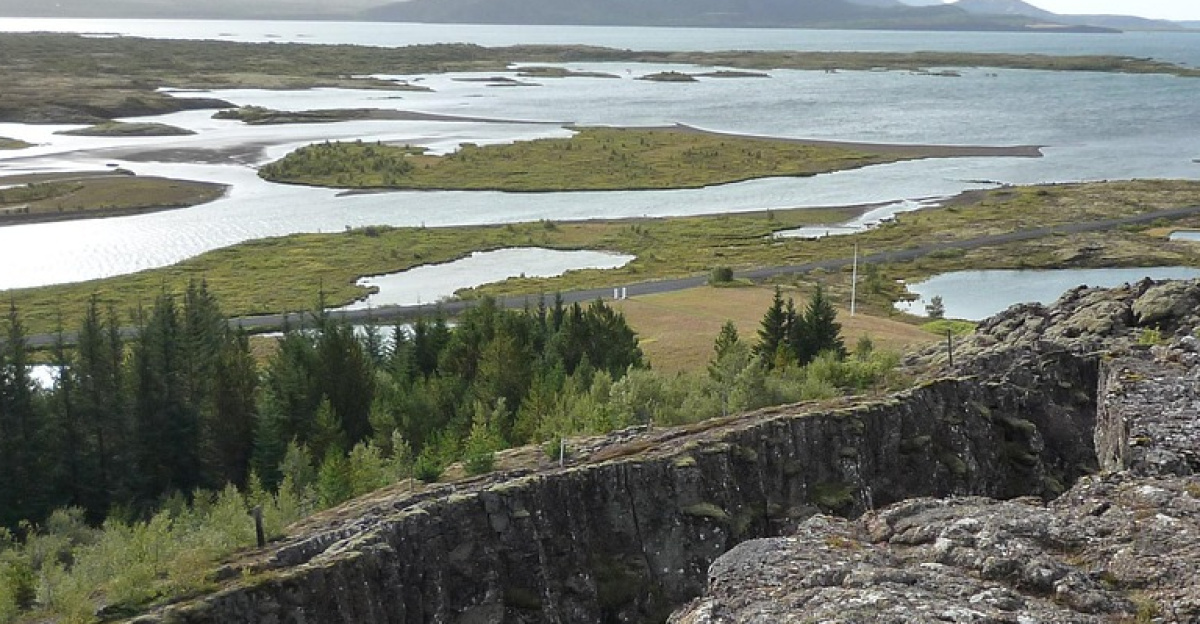
Bermuda rests in the middle of the North American tectonic plate, deep in the North Atlantic Ocean. It sits far from the edges where volcanoes erupt and earthquakes shake the ground most often. Unlike Hawaii, which has an active hotspot feeding new lava, Bermuda’s volcanoes stopped during the Eocene epoch. The seafloor around it has slowly sunk over millions of years.
Yet this buried light layer offers steady isostatic support, balancing the island’s height without any fresh tectonic activity. The discovery proves that even isolated ocean spots can hold big surprises deep below. It shows how past events shape what we see today on the surface.
How Earthquake Waves Uncovered the Secret
Scientists used powerful waves from major earthquakes around the globe to peer under Bermuda. These waves traveled deep into the Earth and hit the island’s seismic station. At the mystery layer, the waves suddenly slowed down, revealing a zone lighter than the rocks on either side. Traditional methods like drilling or surface scans could not spot this for decades because it lies so deep.
The seismic approach mapped details down to 31 miles without digging. It highlights the strength of worldwide seismic networks sharing data. Now, researchers want to apply the same method to other mid-ocean islands, expecting more hidden features to emerge.
Origins in Ancient Mantle Activity
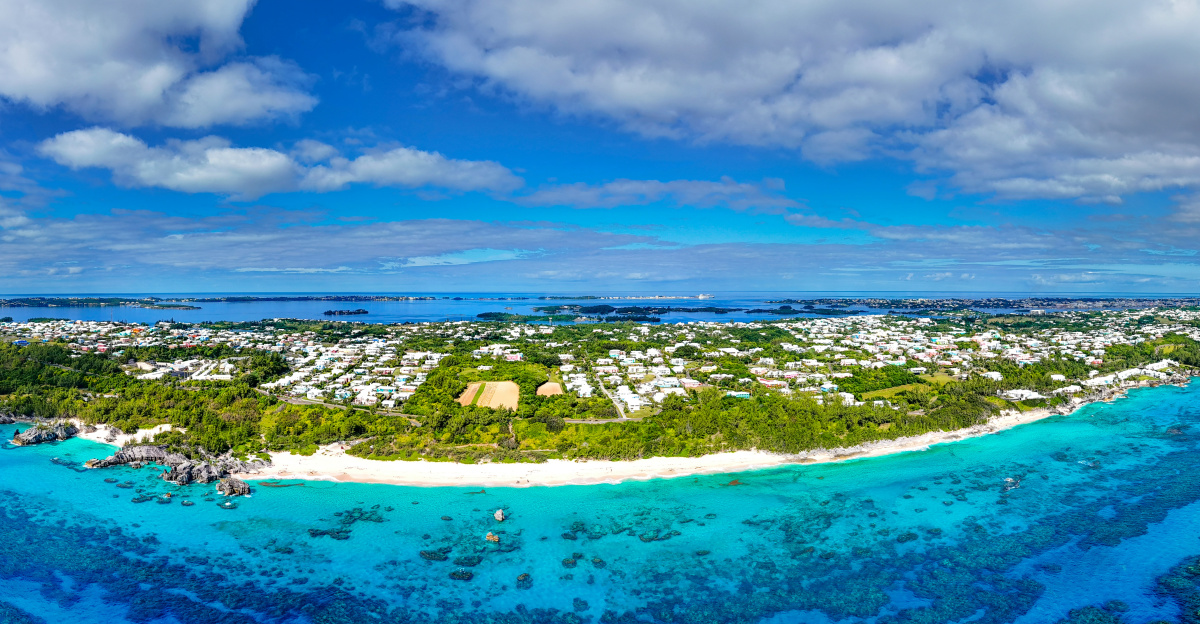
The layer probably formed from a giant intrusion of mantle rock during Bermuda’s last volcanic burst 30 million years ago. That hot material cooled quickly and hardened into a low-density block, like a floating raft. It stayed put even as the surrounding mantle churned with convection currents that pull heavy rock down. This setup flips the usual pattern where denser material sinks.
Experts think similar frozen remnants might lie under other old volcanic islands, such as the Azores or Canaries. They call for more seismic studies across the oceans, which cover 70% of Earth. Such work could reveal a network of these ancient supports.
Why Bermuda Stays Above Water
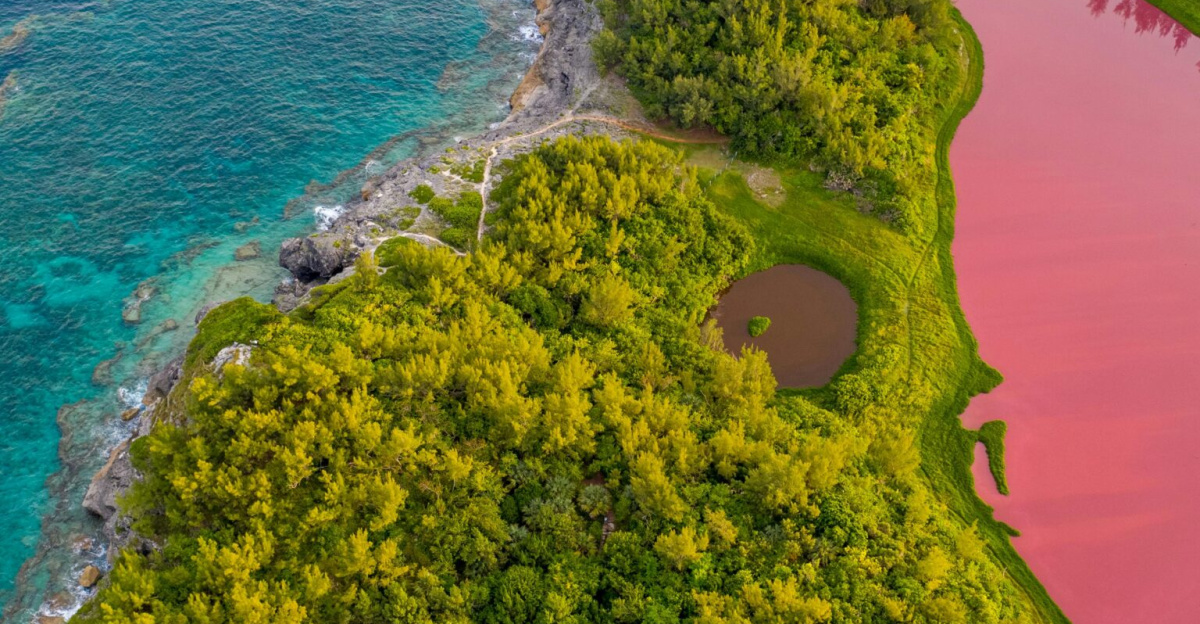
Most dead volcanic islands erode away and turn into ring-shaped atolls below sea level. But Bermuda’s light rock raft has kept its 64,000 people on dry land for 30 million years. The 1,600-foot boost equals the height of a 150-story building, protecting its famous beaches and wildlife. On human time scales, the island feels stable with no active tectonics or unusual heat from below.
The structure shows no signs of giving way. This discovery changes how scientists model why mid-plate islands last so long. It adds the idea of preserved buoyancy to geophysics textbooks. It also pushes for scans of unmapped underwater mountains. For Bermuda and other spots, it reveals how old oddities control today’s ocean landscapes. Wider surveys may rewrite our grasp of sea floor geology.
Sources:
Geophysical Research Letters, Thick Underplating and Buoyancy of the Bermuda Swell – 2025, 2025-12.
Times of India, 20-km-thick rock layer found beneath the surface, 2025-12-14.
Phys.org, Massive rock layer beneath Bermuda may explain island’s elevation, 2025-12-15.
Yahoo News, 12-mile structure never seen before found underneath Bermuda, 2025-12-15.
Discover Magazine, A Hidden Rock Layer Beneath Bermuda Explains Mysterious Swell, 2025-12-14.
ABC News, Why does Bermuda appear to float? Scientists’ discovery may have answer, 2025-12-15.