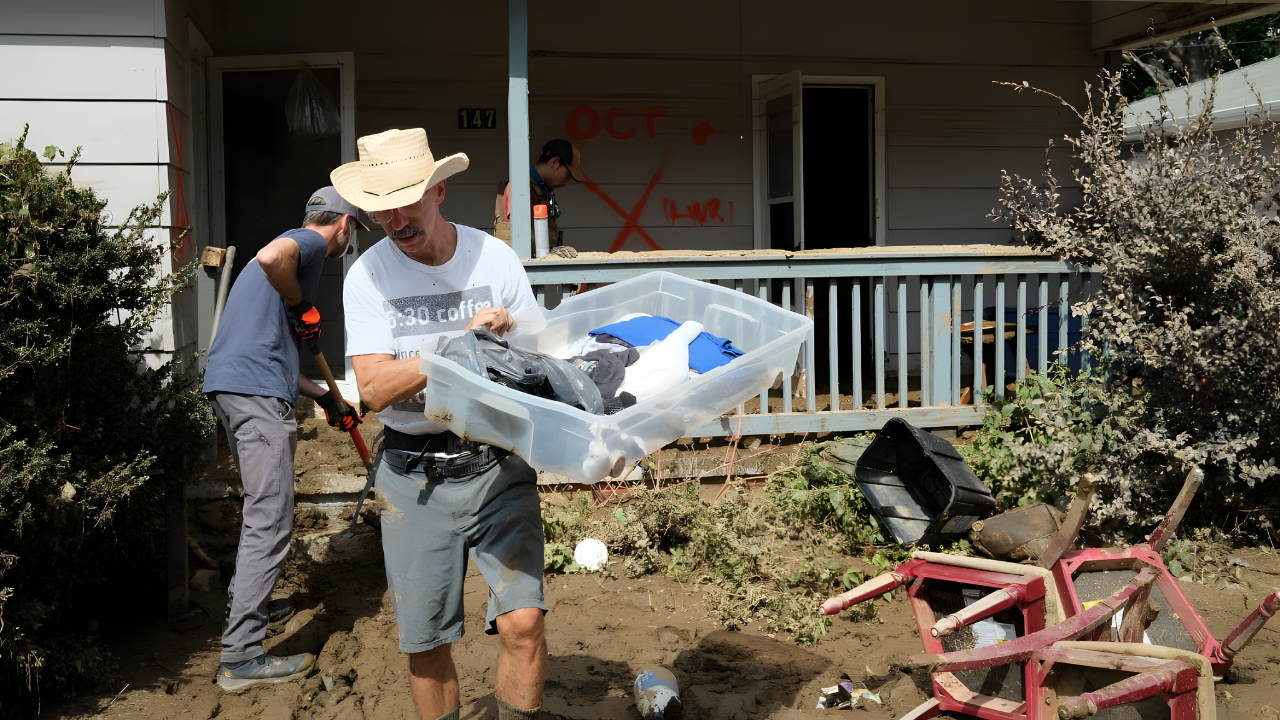
Gastonia, North Carolina, was once a quiet town with peaceful neighborhoods and tree-lined streets. Now it faces major change. Charlotte’s growth is expanding rapidly into Gaston County.
County officials report that 30,000 new homes are planned throughout the county. Over 220 developments are proposed or already approved.
This is the largest building boom in the county’s history, reshaping a community that seemed immune to growth just two years ago.
A Regional Magnet Effect
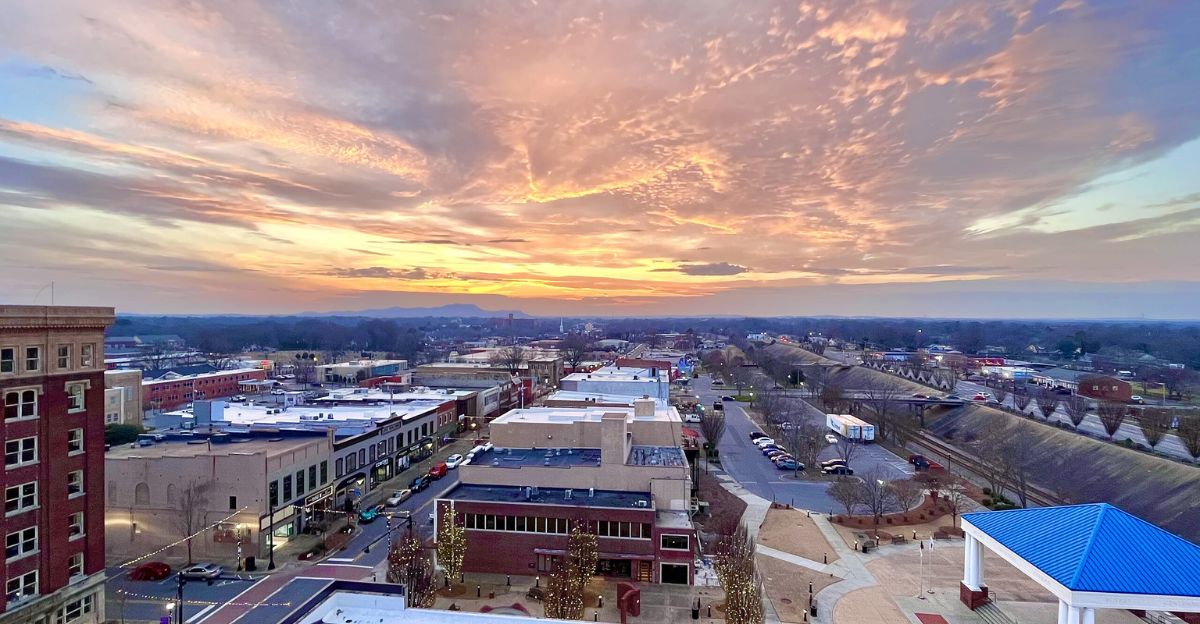
Charlotte has become America’s top relocation destination. From July 2023 to July 2024, the Charlotte region gained 57,300 residents through migration, averaging 157 new residents per day. Charlotte itself added 23,423 residents, ranking sixth among all U.S. cities for growth. This constant flow triggered a ripple effect throughout the six-county region. Every county, including Gaston, is experiencing population growth as housing demand extends beyond Mecklenburg County’s borders.
Breaking Point Infrastructure
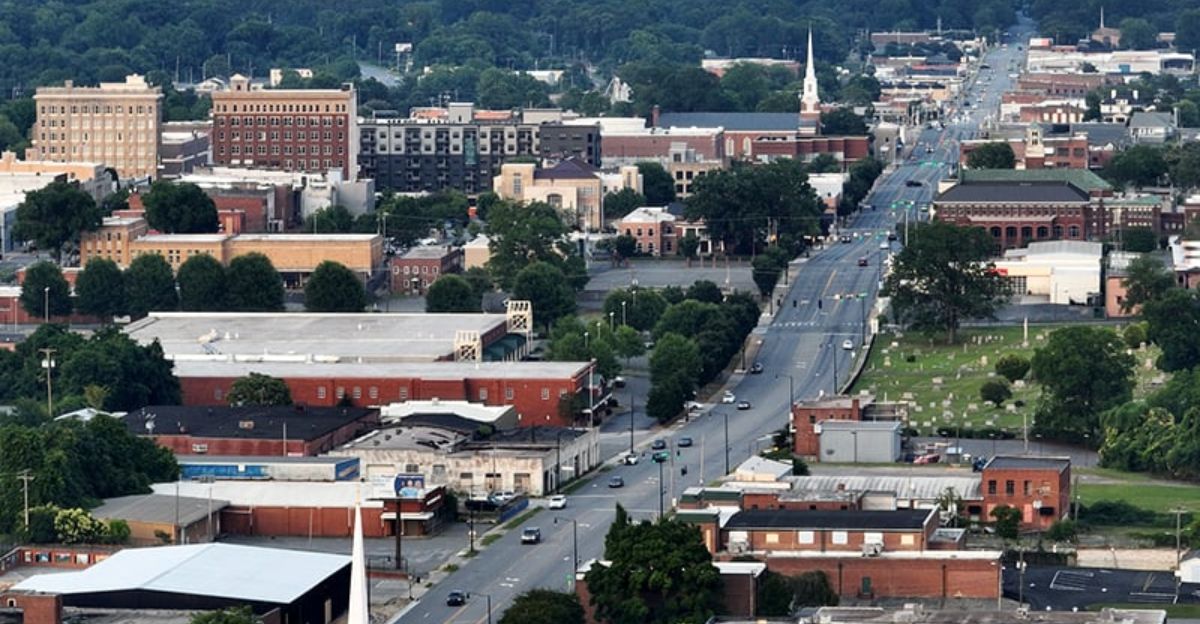
Growth is straining the regional infrastructure badly. More than 136,000 vehicles travel Interstate 85 daily through Gaston County.
This corridor was never designed to handle such a high volume. North Carolina’s transportation department awarded Lane Construction a $337 million contract to widen I-85.
The project expands from 4.1 miles to 6.1 miles, increasing from six to eight lanes between NC 7 and NC 273. Construction is scheduled to run from early 2026 through 2029.
The 30,000-Unit Wave

Jamie Kanboroglu, Gaston County’s planning director, confirmed the county manages one of its most aggressive development pipelines. The 30,000 planned homes represent an enormous scale, like adding a city the size of Gastonia itself.
These homes are spread across 220-plus distinct developments, resulting from county rezoning. The speed distinguishes this boom from past growth cycles.
Kanboroglu said, “It’s happening much faster. We currently have over 220 projects in proposal stages or already approved.”
The Avalon Project Exemplifies Scale
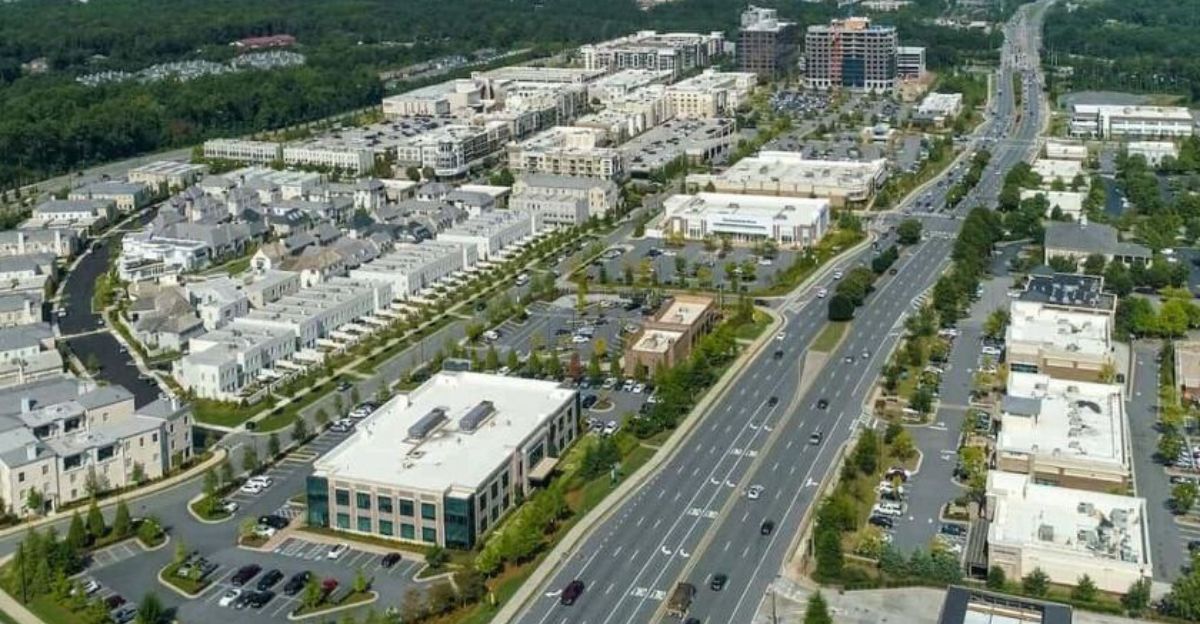
The Avalon development on New Hope Road exemplifies mega-projects reshaping the county. Hopper Communities developed it with major builders D.R. Horton and Meritage Homes.
Avalon has 362 homesites and represents one large residential community within the broader countywide expansion. Land development activity started in April 2024, with construction machinery and infrastructure work visible.
Similar projects across dozens of concurrent developments create the compression effect residents experience.
Residents Face Rapid Transformation

David Keim, a 20-year resident of southeastern Gaston County, experienced shock that many longtime residents feel. He bought his home expecting a peaceful retirement in a quiet community.
Construction equipment now operates next to his property, with new home developments across the street.
“So large, it was rumbling our house,” Keim told reporters. “Cheated, really, we have a lot of neighbors that are moving out.” His experience reflects rapid neighborhood transformation.
The Erosion of Character

Nearby resident April Jakel captured another transformation dimension: loss of visual identity. “You drive down the road, and you don’t know if you are on the right street because everything that looked familiar to you is gone,” she said.
Tree removal, open space replacement with structures, and a shift from low-density to higher-density patterns fundamentally altered the landscape.
Public Facebook groups document tree removal and nostalgia for the area’s pre-development appearance.
Officials Acknowledge Unprecedented Scale
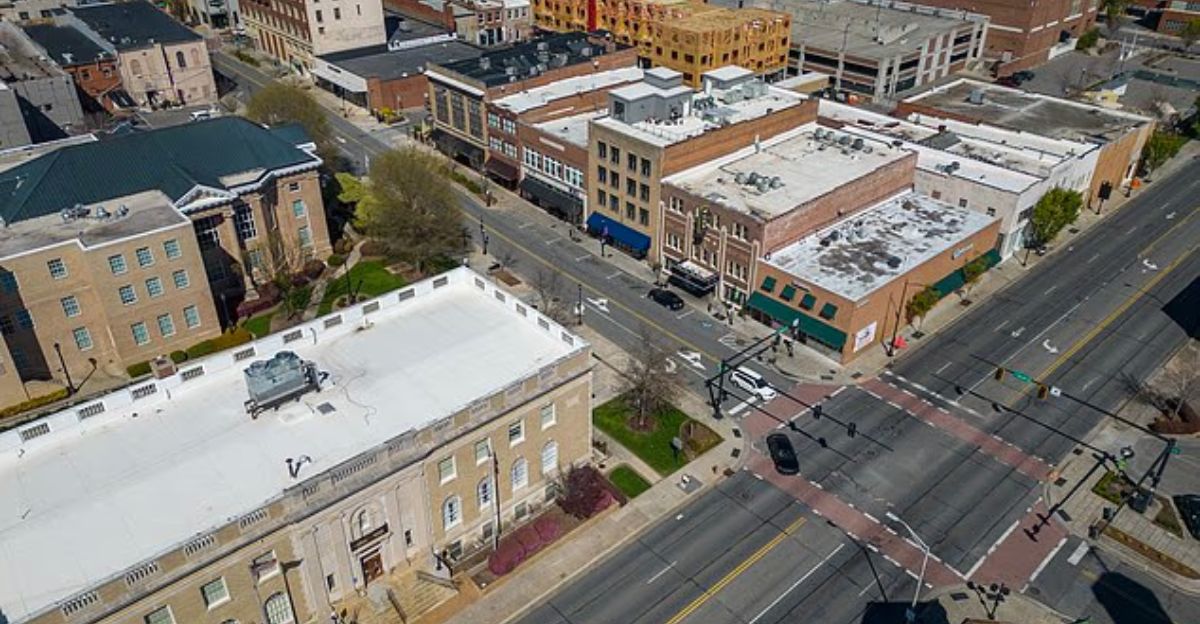
Former North Carolina state representative Wil Neumann acknowledged this development scale as historically significant. “The projects coming in are some of the biggest that this county has ever seen,” Neumann stated.
He explained the boom through regional dynamics: Charlotte expanded to its natural limits, constrained by the Catawba River.
Developers redirected their focus to adjacent counties, such as Gaston, where land remained available, and development costs were lower. This explains the growth shift.
School Capacity and Service Concerns
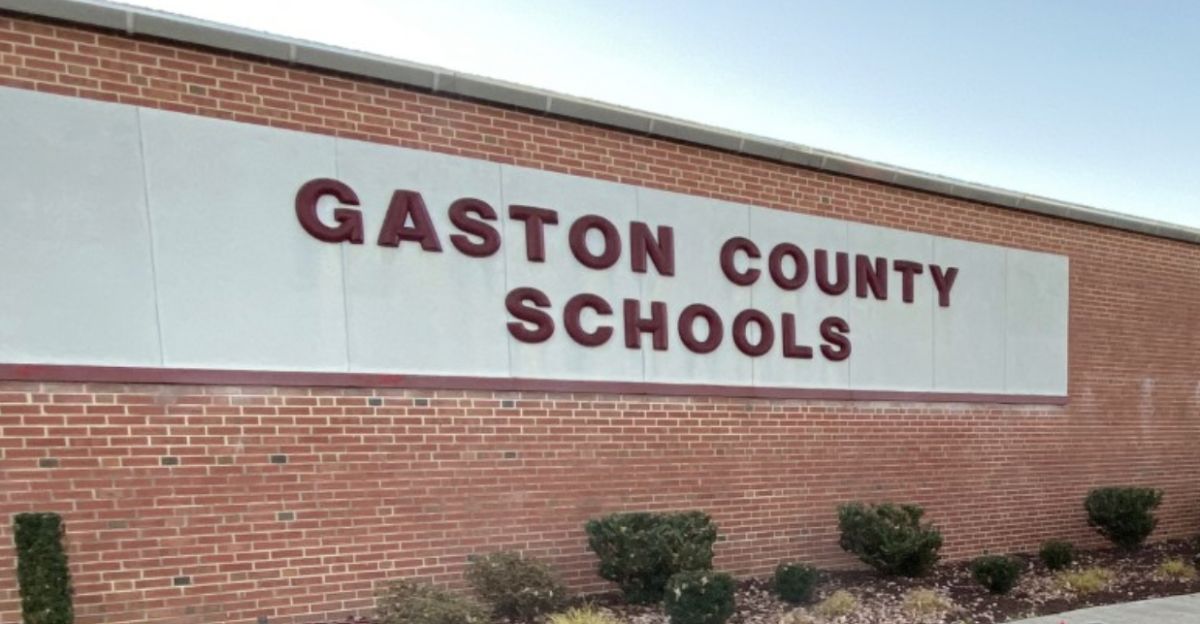
Gaston County Schools serves over 31,000 students across 56 schools. The district operates with typical capacity constraints in rapidly growing areas. The potential 30,000 new residential units could theoretically add thousands of school-age children.
District response capacity remains uncertain. Beyond schools, emergency services, water and wastewater infrastructure, and municipal services, there is an increased demand. Kanboroglu noted these pressures.
The county hired consultants to completely revise the comprehensive land use plan, addressing growth systematically.
Housing Costs and Affordability Challenge
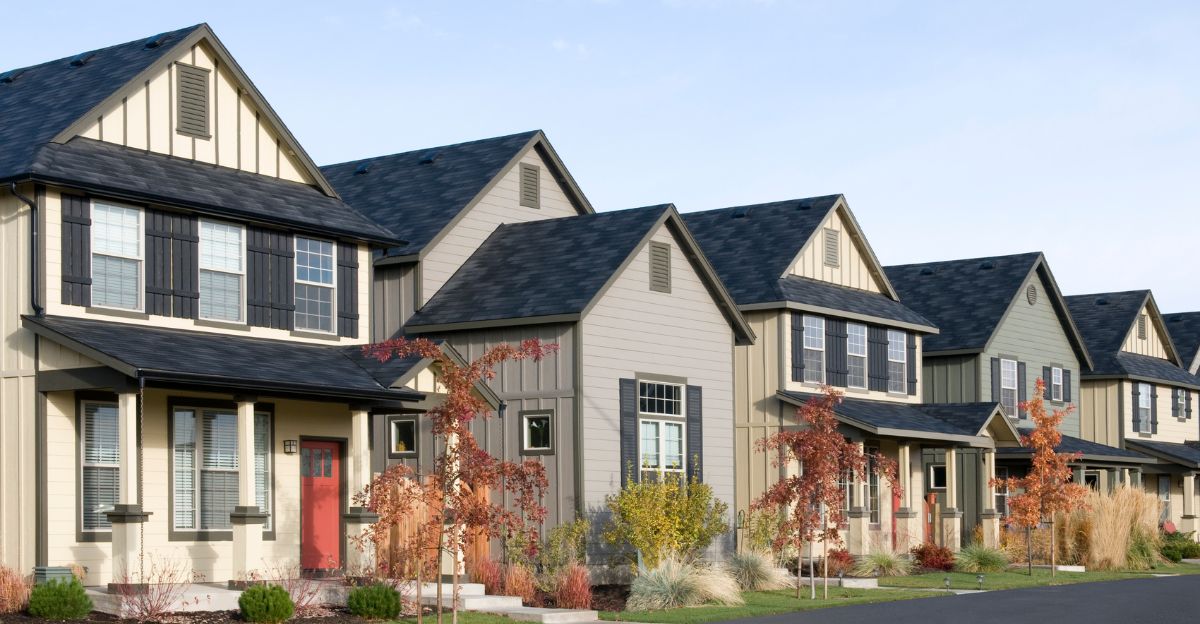
Gastonia’s existing housing stock shows moderate affordability compared to Charlotte. Average home prices hover around $300,000 for three-bedroom homes, making the market accessible to middle-income households.
However, the influx of development and rising land costs threaten this affordability advantage. The City of Gastonia has developed a comprehensive affordable housing plan to preserve access to low- and moderate-income housing.
Rapid growth typically prices out lower-income populations unless active preservation strategies are in place. This represents a critical policy challenge.
Charlotte’s Growth Strategy Shapes Neighboring Counties

Charlotte’s growth trajectory explains spillover effects. The city added 23,423 residents from July 2023 to July 2024—the sixth-largest numeric increase among all U.S. cities.
Within Charlotte’s corporate limits, land constraints and property costs create development bottlenecks. Surrounding counties, such as Gaston, offer substantially lower land acquisition costs, more developable parcels, and fewer regulatory constraints.
Developers naturally gravitate toward these lower-friction markets. This dynamic repeats across Sun Belt metros: development spreads outward in rings.
Regional Context: South’s Migration Advantage
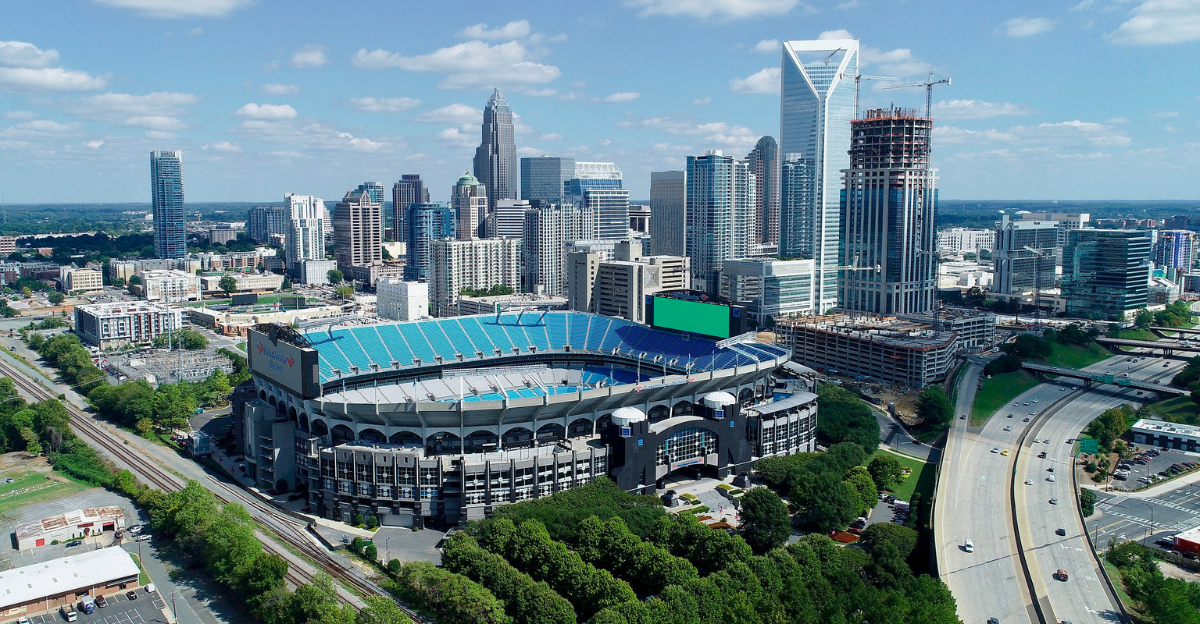
Gaston County’s boom reflects broader regional patterns. The Charlotte-Concord-Gastonia metropolitan area ranked ninth nationwide in net migration between 2020 and 2024.
The South generally became America’s primary population magnet. Nine of the ten fastest-growing metro areas sit below the Mason-Dixon Line. Gastonia’s transformation is less an isolated phenomenon than a reflection of massive regional reorientation.
Capital, talent, and families move south and concentrate in emerging secondary markets, such as Gastonia, as primary markets reach saturation.
Planning Overhaul Underway

Gaston County started a major planning effort in 2025, recognizing that traditional frameworks could not accommodate such rapid change. The county hired consultants to completely revise the land use plan, essentially retooling its development strategy.
Kanboroglu explained: “We have hired a consultant to assist us with redoing the comprehensive land use plan.”
This process, branded “Envision Gaston,” attempts to maintain control over development patterns, density distribution, and infrastructure coordination. Expected completion is summer 2026.
Density and Traffic Projections

The 30,000 new homes are expected to generate substantial traffic. Industry standards estimate that each new home generates approximately two-thirds of a vehicle trip per day.
Thirty thousand homes would theoretically generate roughly 20,000 additional vehicle trips daily—comparable to an entire new freeway’s traffic spread across existing local roads.
Density changes fundamentally alter neighborhood character. Kanboroglu hoped the comprehensive plan would “help them keep the growth spread out with resources to support each new development.”
Resident Opposition and Voice Deficit
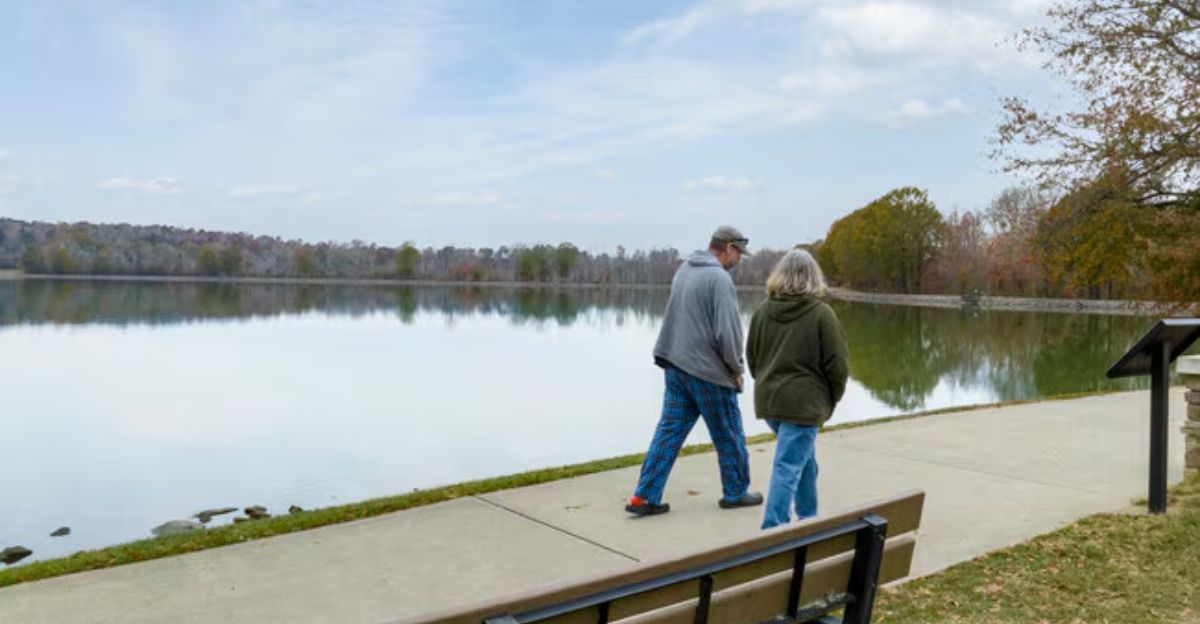
Some residents expressed concern about the lack of input. The development approval process proceeded with limited public debate.
David Keim acknowledged that he was “not opposed to growth,” but he objected to density and speed near his property. Many residents learned of the developments only after rezoning approval, when construction equipment began to appear.
This inadequate community input reflects a broader challenge: planning timelines are compressing, rezoning meetings are receiving limited notice, and simultaneous applications are overwhelming participation capacity.
National Trend: Secondary Markets Attract Investment

Gaston County’s experience mirrors patterns observed in secondary American metropolitan areas.
Real estate investors, major homebuilders such as D.R. Horton and Meritage Homes, and land developers shifted capital from expensive coastal markets to inland secondary cities. Land acquisition costs are 60 to 80 percent lower, and regulatory approval timelines are shorter.
Gaston County’s proximity to Charlotte, lower development costs, and available land make it an attractive destination for institutional capital. This suggests growth acceleration may continue for years.
Infrastructure Lag and Long-Term Challenges

The I-85 widening project, although significant, highlights a broader infrastructure lag. A $337 million project serving 4.1 miles represents a targeted response to one bottleneck.
Gaston County faces system-wide infrastructure pressures, including water and wastewater treatment, stormwater management, electricity generation and distribution, and broadband capacity, all of which are escalating. Most municipalities assume an annual growth rate of 2 to 3 percent.
Gaston County experiences multiples of that. This mismatch results in service degradation, higher per-capita costs, and extended timelines for improvement.
Community Response and Social Media Documentation

Social media has become the primary venue for residents’ responses to rapid change. Facebook groups dedicated to Gaston County growth, Gastonia community forums, and neighborhood pages host hundreds of posts documenting tree removal, traffic congestion, and the impact of construction.
Some posts compare aerial photographs taken in 2022 with those from 2025, visually documenting the transformation of the landscape.
While some commenters express enthusiasm for economic growth and new housing, others voice frustration about environmental loss and the pace of development.
National Precedent: Sun Belt Growth Patterns
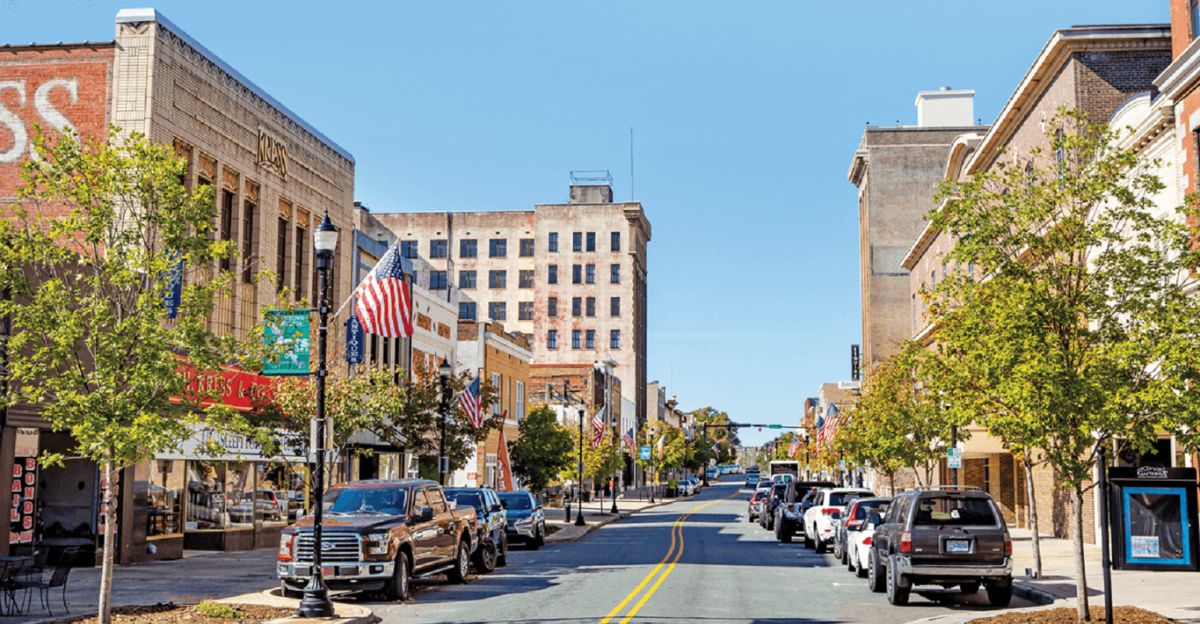
Gastonia’s transformation echoes precedents in other secondary Sun Belt markets. Raleigh, Austin, Nashville, and Charlotte itself experienced similar compression during previous growth cycles: rapid development, infrastructure strain, loss of historical character, and resident backlash.
However, most secondary markets ultimately stabilized as infrastructure caught up, zoning adapted, and growth moderated to sustainable levels. Gaston County has the advantage of observing these precedents.
The comprehensive plan revision demonstrates institutional recognition that proactive planning is more effective than reactive crisis management.
Managing Rapid Transition
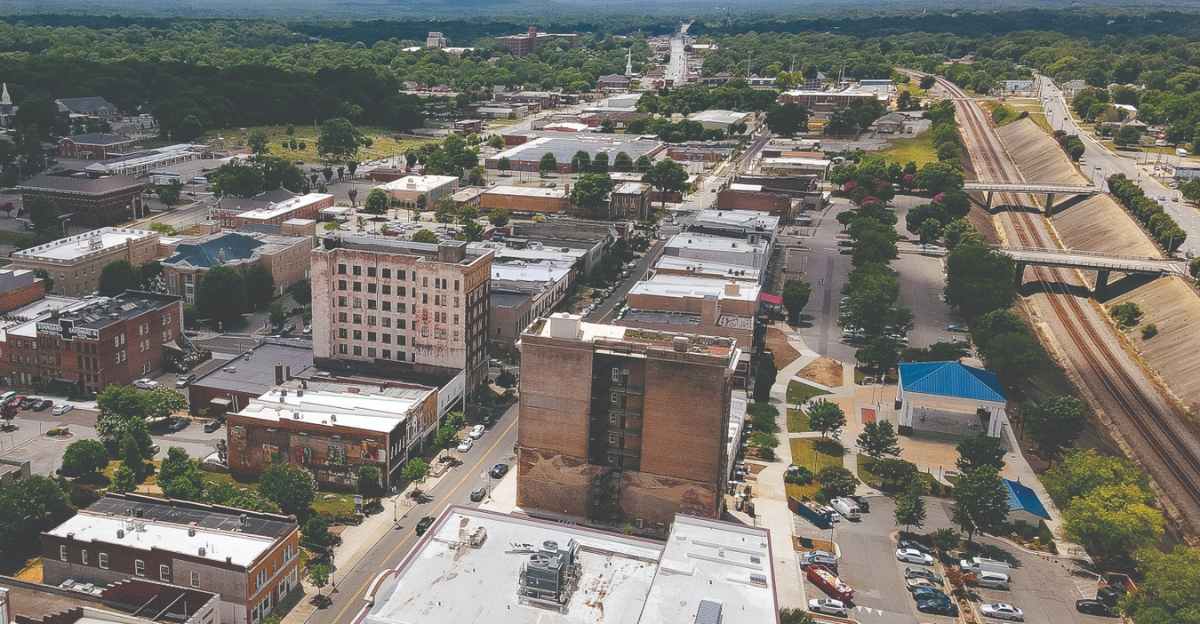
Gastonia faces a fundamental challenge shared by many American secondary markets: how to accommodate substantial growth while preserving livability and community character.
The 30,000 planned homes represent real economic opportunity—construction jobs, increased tax revenue, expanded commercial activity, and housing supply addressing regional shortages.
Yet that opportunity brings genuine costs: environmental change, traffic congestion, service strain, and rapid cultural transformation. The outcome depends on how deliberately and equitably growth is planned and managed.
Sources:
- WSOC-TV, Growing Gastonia: Charlotte’s population boom spreads across the Catawba River, November 17, 2025
- U.S. Census Bureau, Population and Migration Data (Referenced multiple slides), 2024-2025
- Lane Construction Corporation, Lane Awarded Major I-85 Widening and Reconstruction Project in Gaston County North Carolina, July 15, 2025
- Charlotte Regional Business Alliance, Charlotte Regional Migration and Population Analysis, November 2025
- City of Gastonia, City of Gastonia Comprehensive Affordable Housing Plan, 2023
- Gaston County Schools, Gaston County Schools Facts and Figures, 2023-2025