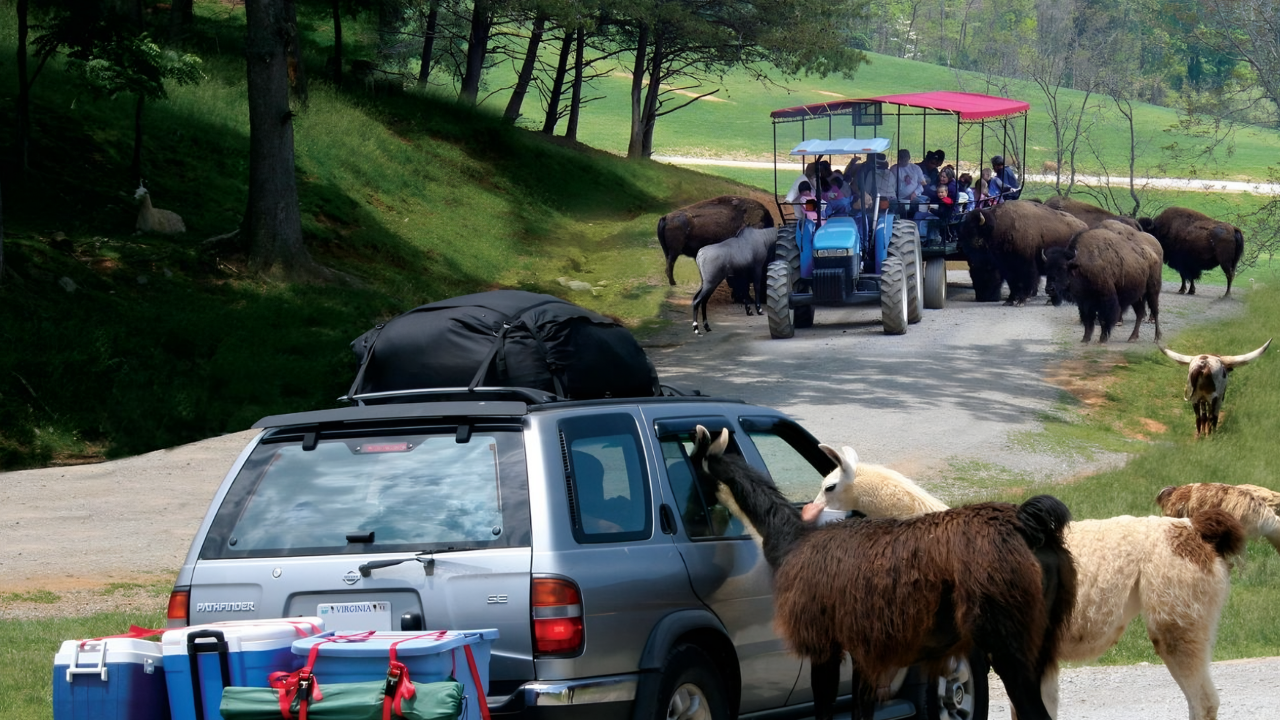
America’s national parks and state areas burst with wildlife on stunning drives. Bison munch grass by the road, grizzly bears wander valleys, and elk calls fill rainy forests. These spots pull in millions of visitors yearly to see nature up close.
Custer State Park: Bison on the Plains
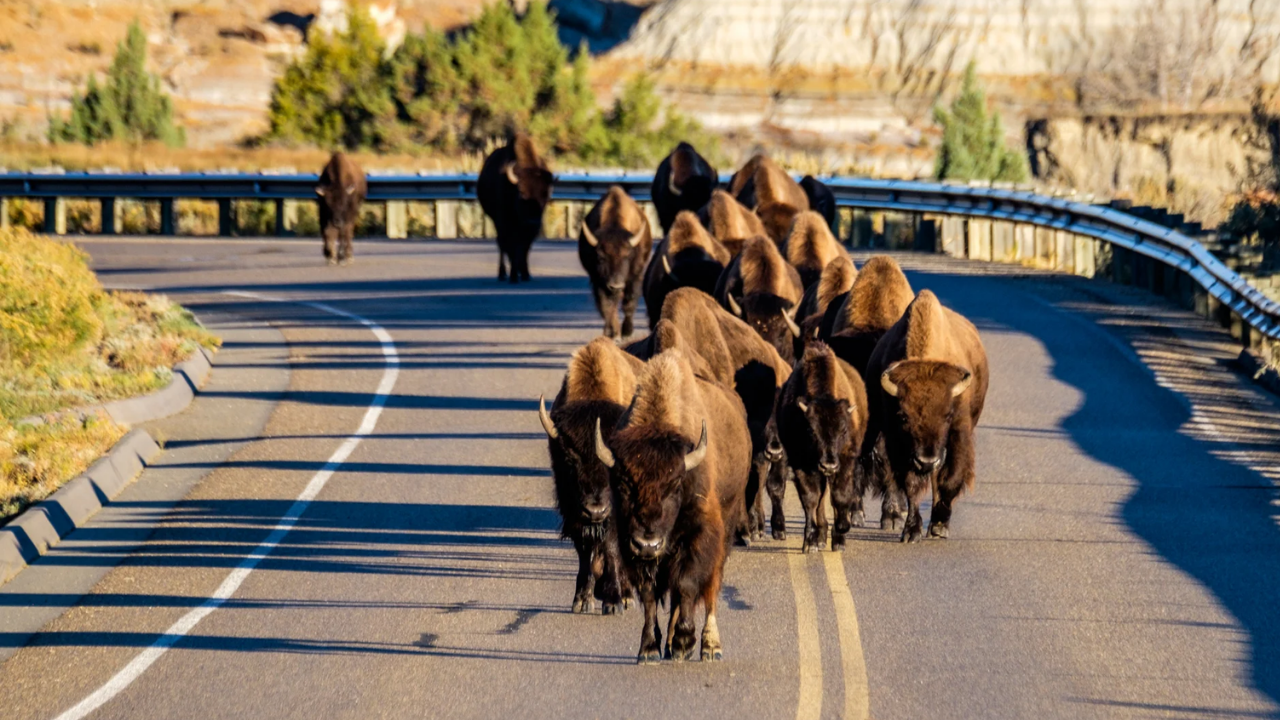
Custer State Park in South Dakota holds one of the biggest free-roaming bison herds in the United States. The herd counts between 1,300 and 1,500 animals, each weighing up to 2,000 pounds. Drivers on the 18-mile Wildlife Loop Road get eye-level views of these giants grazing next to pronghorn antelope and wild burros.
Hikers tackle the Cathedral Spires trail for rugged views, while guided jeep tours offer deeper access. Close by, Mount Rushmore and the Crazy Horse Memorial add layers of American history. Camping sites and lodges let visitors stay overnight. Park staff have managed the bison since the 1960s to keep numbers steady.
More than 1.5 million people visit each year. Head out early in the morning to dodge crowds. Safety rules matter: stay 25 yards from elk and 100 yards from any bears.
Yellowstone and Denali: Grizzlies and Vast Herds
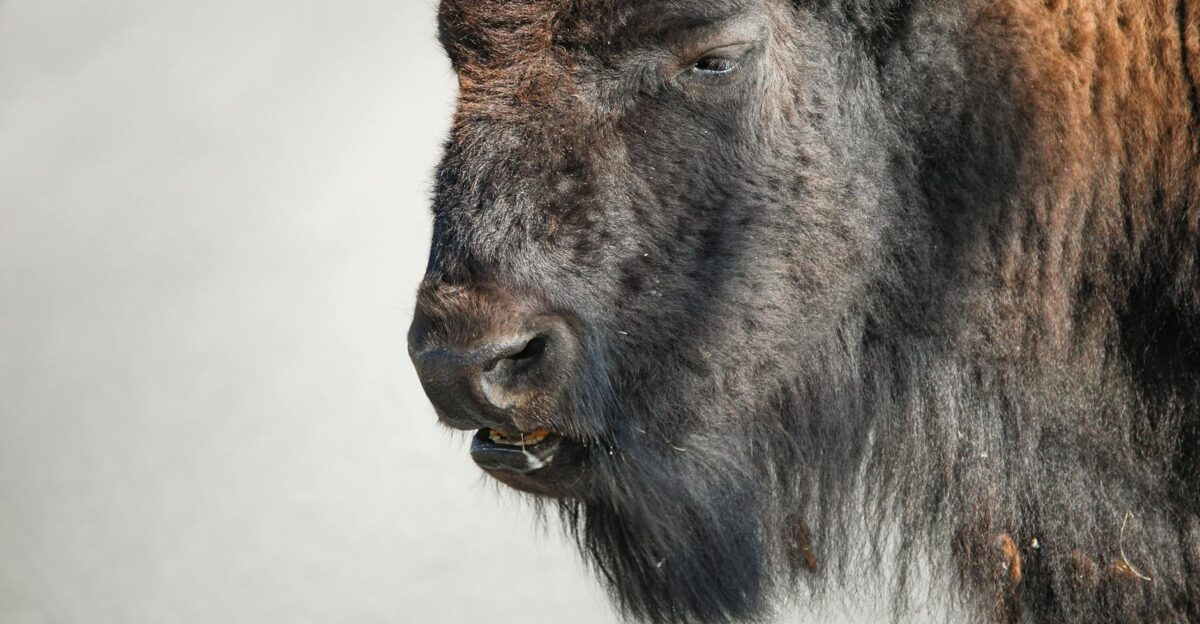
Yellowstone National Park in Wyoming protects the country’s largest bison herd, around 5,000 strong. Geysers bubble nearby, and grizzly bears prowl the landscape. Lamar and Hayden Valleys stand out as hotspots where herds cross roads, sometimes halting traffic. Wolves often appear from boardwalks.
Ranger programs across the park’s 2.2 million acres teach about bison recovery from near wipeout. Stay at the historic Old Faithful Inn. Over 4 million visitors flock here annually.
In Alaska, Denali National Park covers 6 million acres with grizzlies, moose, Dall sheep, and caribou. The 92-mile park road provides views, but private cars stop at mile 15. Narrated bus tours last up to 12 hours. Habitat safeguards have steadied grizzly numbers. Keep 300 yards from bears and carry bear spray.
Great Smoky Mountains and Olympic: Bears and Elk in Forests
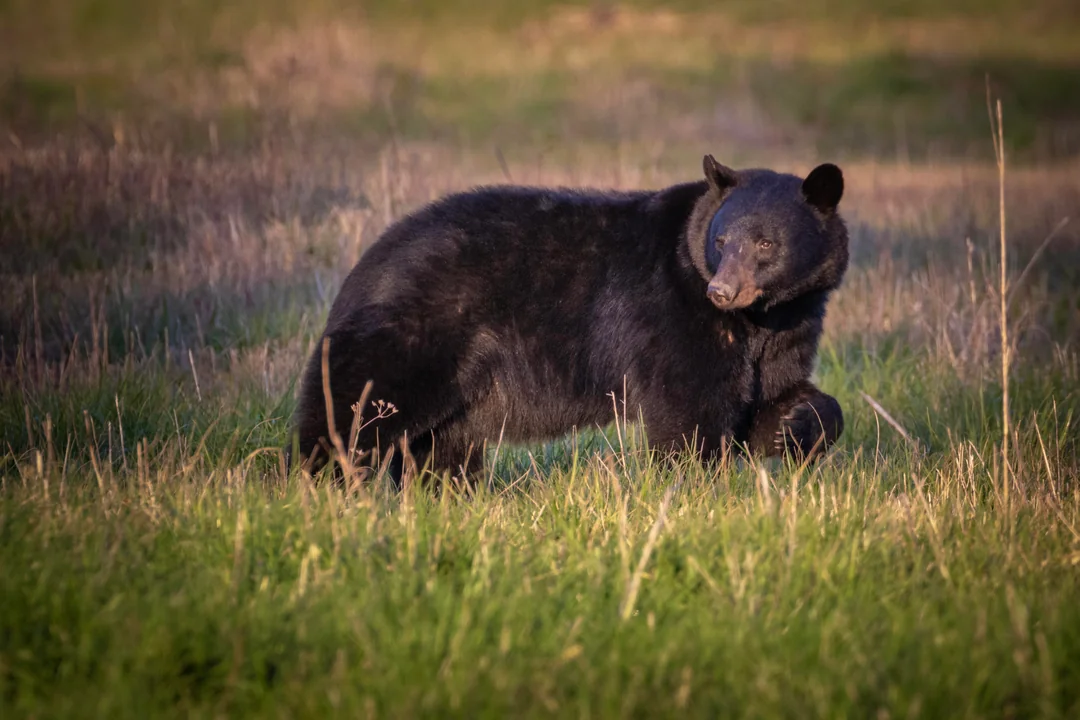
Great Smoky Mountains National Park stretches across Tennessee and North Carolina over 522,000 acres. It shelters more than 1,800 black bears and reintroduced elk. The Cades Cove Loop Road shows bears hunting food and elk munching grass. Visitors must keep 50 yards away.
Free entry draws 14 million people a year for trails like Porters Creek. The park hosts 19,000 species. Elk returned in the 2000s, creating prime viewing areas.
Washington’s Olympic National Park guards North America’s largest Roosevelt elk herds in the Hoh Rainforest, which gets 140 inches of rain yearly. Trails lead close to bugling males during fall mating season, plus black bears and river otters. Kayak the Hoh River to spot seal pups. Fences aid conservation, supporting over 300 bird species. Watch from 25 yards and beware aggressive elk in rut.
Acadia, Glacier, Everglades, and More: Coasts to Mountains

Acadia National Park in Maine blends ocean cliffs and carriage roads where white-tailed deer and moose roam near Jordan Pond. Seals lounge on Sand Beach below Otter Cliffs, and porpoises swim off Cadillac Mountain. The Island Explorer shuttle makes car-free trips easy. Over 4 million seasonal visitors explore restored roads. Stay 150 feet from seals.
Montana’s Glacier National Park wows on the Going-to-the-Sun Road. Grizzlies, black bears, mountain goats, bighorn sheep, and wolves appear at Logan Pass and St. Mary Lake. Wildlife corridors protect grizzlies. About 3 million visitors use scopes from 100 yards away.
Florida’s Everglades National Park, a UNESCO site, brings alligators right to Anhinga Trail boardwalks and manatees to Shark River Slough. Tram tours spot panthers and crocodiles. Python hunts help native species, boosting panther numbers by 20%. It attracts 1 million visitors; keep 15 feet from gators.
Grand Teton in Wyoming offers elk and moose at Jenny Lake, bison on Teton Park Road, and otters in the Snake River. Protections reversed past overhunting. Over 2.5 million visitors watch from Jackson Lake Lodge at dawn or dusk, staying 75 feet from bison.
Colorado’s Rocky Mountain National Park has over 1,000 elk bugling in Moraine and Horseshoe Parks along Trail Ridge Road, America’s highest continuous paved park road. Transplants keep herds going; 4 million chase the September rut from 75 feet away.
Virginia’s Shenandoah National Park reveals black bears near Big Meadows on Skyline Drive, with steady populations over 200, deer, and bobcats. South Dakota’s Badlands shows bighorn sheep on Sage Creek Rim and revived black-footed ferrets among bison. California’s Point Reyes National Seashore brings back tule elk on Drakes Beach from 1970s efforts. North Dakota’s Theodore Roosevelt National Park mixes wild horses, bison, and prairie dogs on its Scenic Loop Drive.
These drives highlight conservation wins, like herd comebacks and invasive species fights, even as crowds grow. Parks face the task of blending visitor access with wildlife safety to preserve these sights for years to come.
Sources:
NPS.gov Homepage (U.S. National Park Service)
NPS.gov HomepageCuster State Park | South Dakota Game, Fish, and Parks
Custer State Park | South Dakota Game, Fish, and ParksYellowstone National Park’s Bison Population Status Report
Yellowstone National Park’s Bison Population Status ReportRoosevelt Elk – Olympic National Park (U.S. National Park Service)
Roosevelt Elk – Olympic National Park (U.S. National Park Service)Custer State Park Buffalo Roundup
Custer State Park Buffalo RoundupAnimals – Glacier National Park (U.S. …
Animals – Glacier National Park