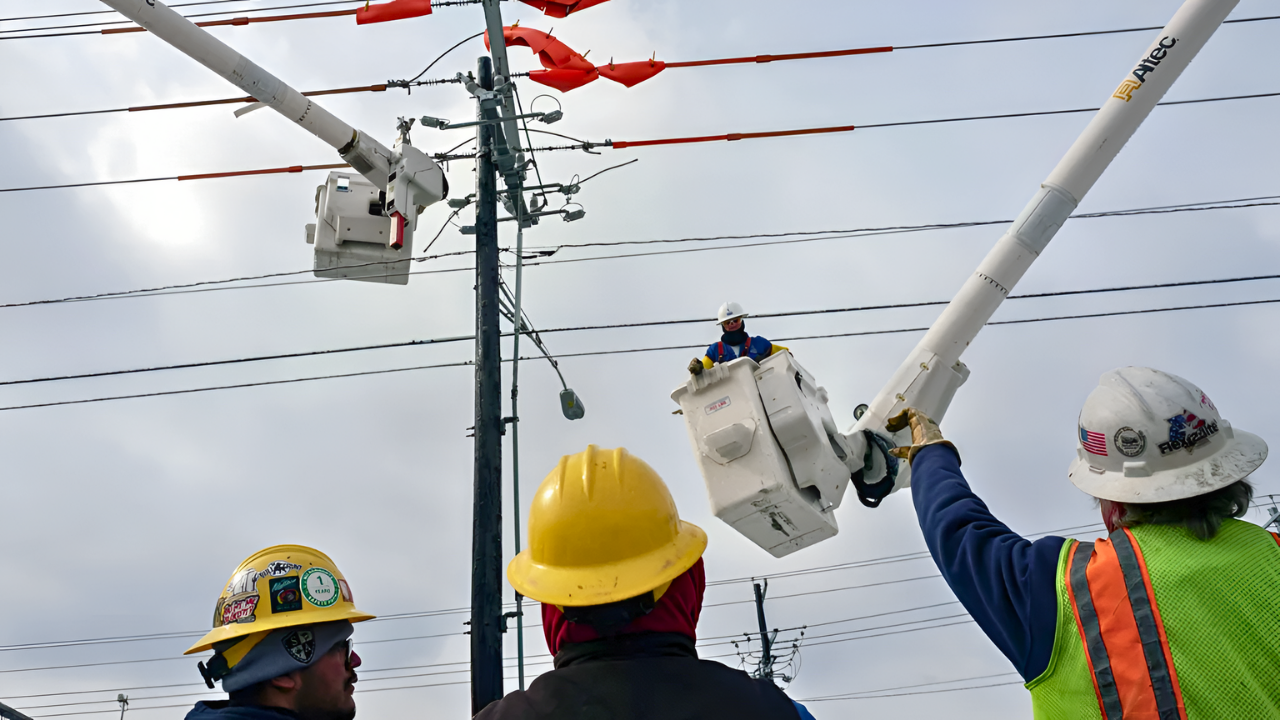
Millions of homes in the Midwest and Mid-Atlantic regions now face sharp increases in their electricity bills. These hikes do not stem from bad weather or rising fuel costs. Instead, they result from the fast growth of AI data centers that overload old power grids. A new state report shows that planners failed to predict this boom, forcing regular customers from Illinois to Virginia to pick up the tab.
In Illinois, a detailed 222-page study by regulators came out on December 15. It highlights how data centers sparked an electricity shortage that caught everyone off guard. Back in 2021, when Governor J.B. Pritzker signed the Climate and Equitable Jobs Act, experts expected only slow growth in power use. Then AI exploded, changing everything. The report states these demand jumps “were not foreseen.” They hit 4 million customers of ComEd, the big utility in northern Illinois. That area already has around 80 data centers, with more than 30 others in the works. State Senator Bill Cunningham admitted the mistake: “We tried to expect the unexpected. The unexpected turned out to be data centers.”
This surge strains the whole system. Data centers gulp massive amounts of power around the clock to run AI servers. Planners based their forecasts on past patterns, like steady home and business use. But AI’s rise flipped the script, creating needs far beyond what anyone imagined just a few years ago.
Rising Costs Hit Households Hard
Families felt the pain first last summer. In June 2025, ComEd bills jumped 10% to 15% for typical homes. That added $10.50 to $10.60 a month for many. Some saw bills triple in just one month. The Citizens Utility Board, a consumer watchdog, points straight at data center demand as the cause.
Worse news lies ahead. A 22% hike in capacity prices kicks in June 2026. In the Chicago area, this could mean bills rise by $70 over three years, roughly $23 to $24 extra each month until 2028. ComEd’s 4 million customers and Ameren’s 1.2 million in southern Illinois feel the squeeze most. These increases pile on top of other money worries, like inflation and daily expenses, making life tougher for working families.
Utilities pass these costs to customers because data centers sign big power deals that drive up wholesale prices. Everyday users end up subsidizing tech giants’ growth without seeing direct benefits.
Strain Spreads Across Regional Grids

The problem does not stop at Illinois borders. It ties into the PJM Interconnection grid, which powers 67 million people in 13 states and Washington, D.C. Right now, data centers use 4% of PJM’s electricity. By 2030, that could climb to 12%.
Virginia feels it keenly in its “Data Center Alley.” Prices there rose 13%, and Dominion Energy predicts peak demand will jump 75% by 2039, compared to just 10% without all the new centers. In Maryland, homes pay about $18 more per month; Baltimore folks saw over $17 hikes after a recent PJM auction. Ohio braces for $16 monthly increases, while New Jersey deals with about 20% jumps year over year.
PJM’s capacity auction on December 17 fell short of reliability goals and hit price ceilings. What started as a local headache in Illinois has become a shared regional crisis, as grids link states together.
Policy Changes and Path Ahead
Illinois once rolled out the red carpet for data centers. The state announced $3 billion in investments and handed out $5 billion in tax breaks. Now, attitudes have shifted. Governor Pritzker wants developers to shoulder their “disproportionate energy burden” by building upgrades, storage, and their own power sources.
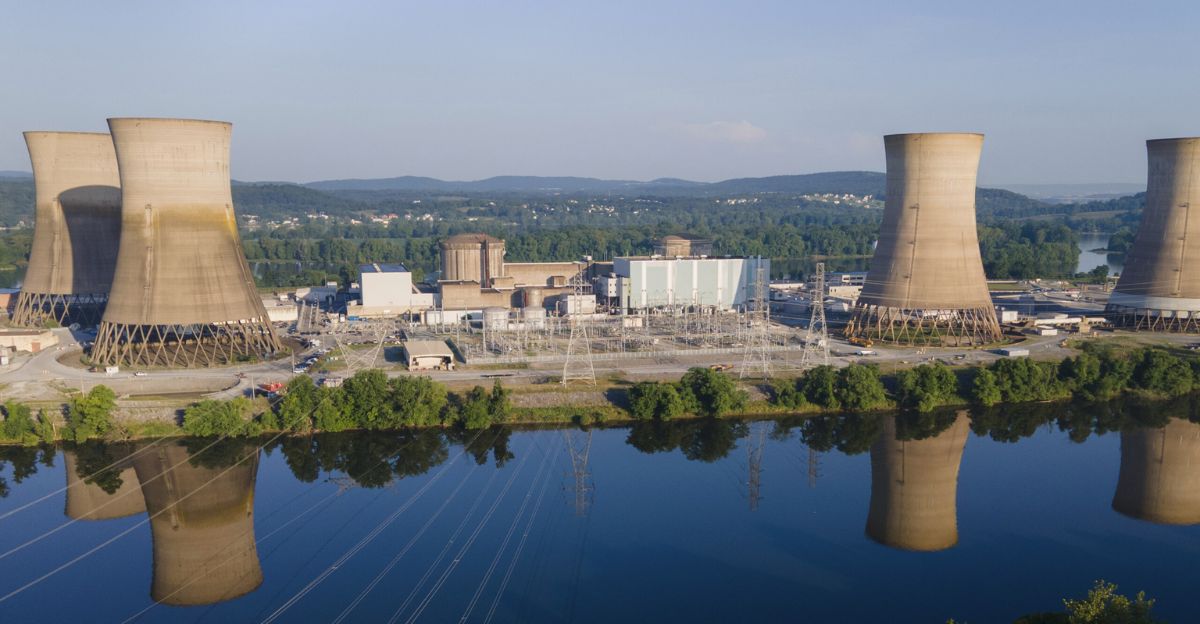
The state ended its ban on new nuclear plants in October. It eyes small modular reactors that could add 300 to 500 megawatts, though they take 5 to 8 years to build. A new Clean and Reliable Grid Affordability Act plans for 3,000 megawatts of batteries, and it extends licenses for existing nuclear plants. The 2021 law aims for 100% carbon-free power by 2045, but shortfalls might force keeping some fossil fuel plants longer.
Projections paint a grim picture. Northern Illinois (ComEd) risks capacity shortfalls by 2029 and full deficits by 2032. Southern Illinois (Ameren) faces gaps from 2031 to 2035. Retiring coal and gas plants worsen it, 12.3 gigawatts leave in 2025, a 65% jump from 2024. Renewables fall short too, with delays cutting expected wind by 2.7 gigawatts and solar by 1.3 gigawatts by 2035. Deals like Meta’s 1.1-gigawatt nuclear pact with Constellation Energy start in 2027, saving 530 jobs and $13.5 million in taxes yearly, but help only spot areas.
By 2026, the Illinois Commerce Commission must lock in new resource plans. PJM states, including Pennsylvania Governor Josh Shapiro, push to share costs fairly. Nationally, data centers could claim 9% to 12% of U.S. electricity by 2030, double earlier estimates. Leaders must juggle AI growth, reliable power, clean energy goals, and fair bills for millions.
Sources
2025 Resource Adequacy Study, Illinois Power Agency, December 15, 2025
New Report Warns Illinois Could Face Electricity Shortages, CBS Chicago, December 16, 2025
As AI Booms, Data Centers May Create Electricity Scarcity Among Users, Forbes, December 15, 2025
Data Centers Are Sending Power Bills Soaring, Bloomberg, September 29, 2025
Data Centers Added $9.4 Billion in Costs on Biggest U.S. Grid, Bloomberg, June 3, 2025
Electricity Bills in States With the Most Data Centers Are Surging, CNBC, November 14, 2025