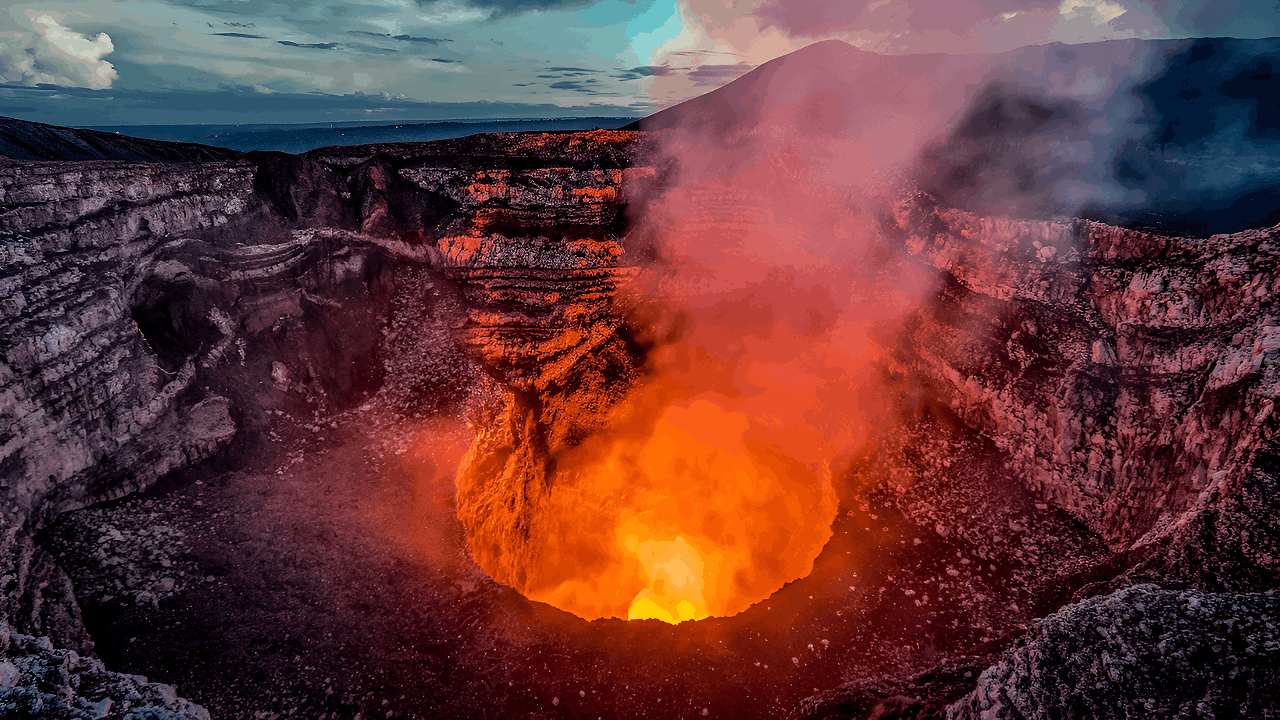
Five times before, life on Earth nearly vanished. Each extinction reset the planet, killing almost every living being. Now, evidence suggests a sixth extinction has begun, but this time, it’s human-made.
The signs are everywhere: eroding forests, collapsing oceans, disappearing species. The question isn’t whether we can stop it; it’s whether we’ve already crossed the threshold. Let’s take a look at 14 warning signs that Earth’s next mass extinction is already here.
1. Extinction Speeds Beyond Imagination
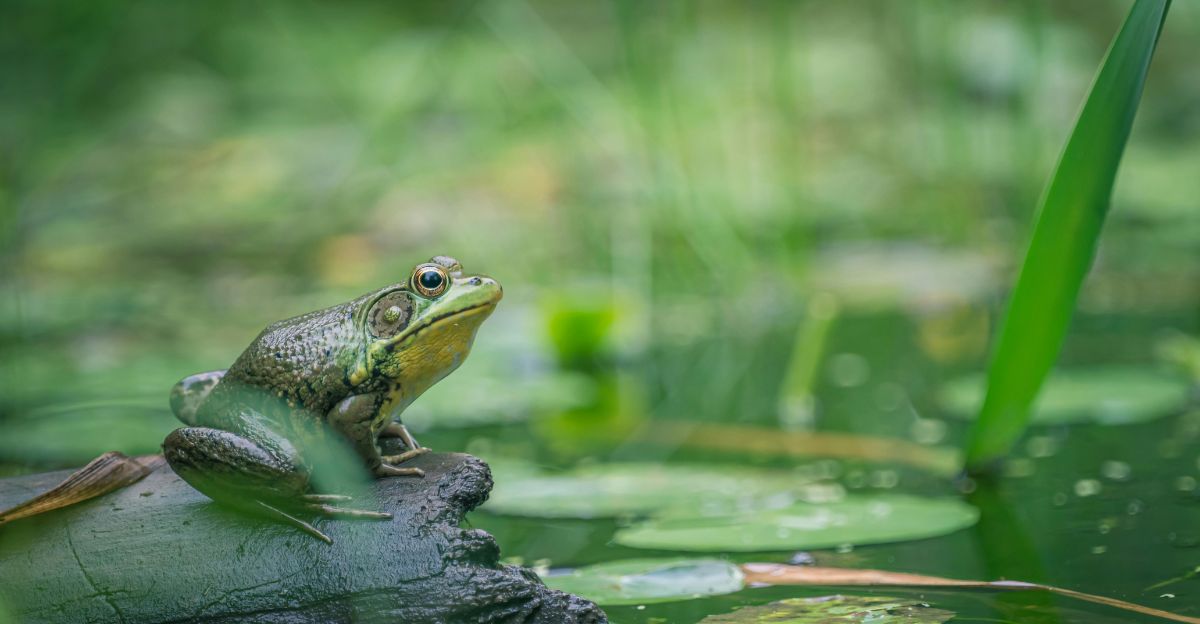
Species are disappearing a hundred times faster than usual. Frogs, elephants, and insects are disappearing before most are even named. Conservationists refer to it as “biological annihilation.”
Every extinction breaks a strand in the web of life, destroying systems that keep the Earth stable. When species disappear faster than evolution can replace them, nature’s safety net begins to collapse.
2. Oceans Running Out of Breath
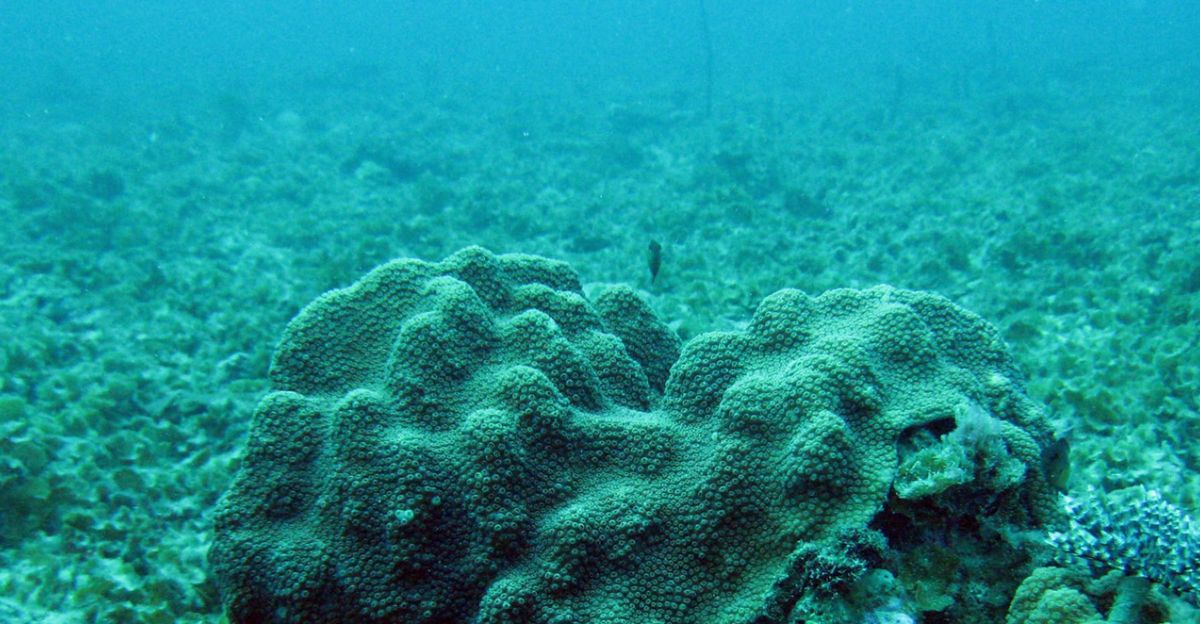
Across the globe, massive “dead zones” are spreading in once-living parts of our oceans. Fertilizers feed algae, which in turn choke oxygen, and entire regions suffocate as a result.
Coral nurseries, fish populations, and plankton blooms are vanishing at an alarming rate. Our oceans are turning into watery deserts. The ocean, our planet’s lungs, is now left gasping for air in humanity’s shadow.
3. The Great Insect Collapse
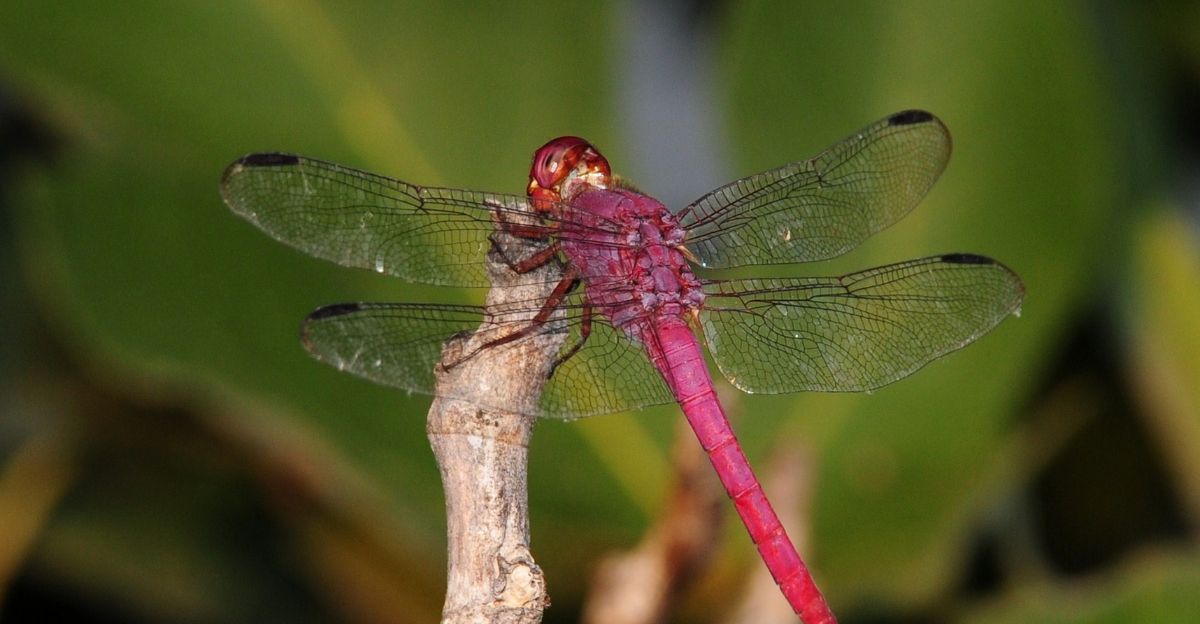
Three-quarters of insect populations have vanished in some regions around the world. Scientists refer to this as the “windshield phenomenon,” meaning fewer bugs end up on windshields simply because there are far fewer of them left.
But insects are pollinators and decomposers, meaning that they’re the first link in the chain. Without them, ecosystems unravel from the ground up. The quiet fields and empty skies aren’t peaceful; they’re evidence of something very important vanishing.
4. Pollinators Under Siege

Bees and butterflies are the invisible architects of global hunger prevention. However, pesticides, invasive species, and climate change are decimating their numbers.
Each hive lost leads to fewer fruits, grains, and vegetables. Food security depends on these pollinators. It’s no exaggeration: our ability to eat may now depend on whether the last pollinators survive this century.
5. Coral Reefs on Life Support
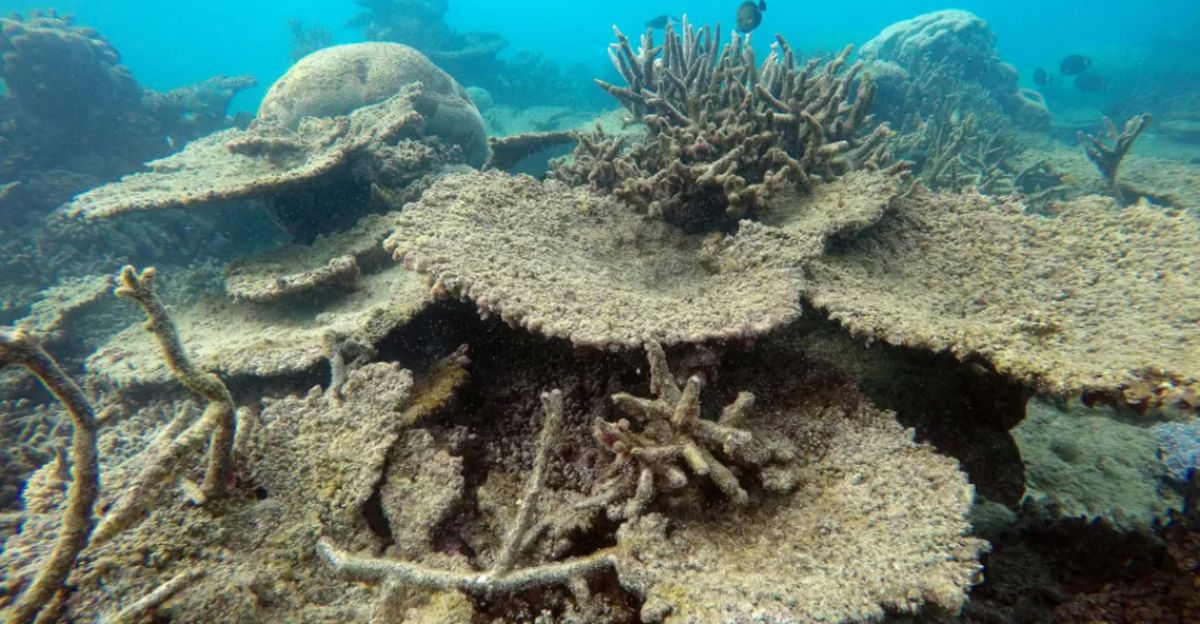
Coral reefs were once full of color and sound in our oceans. Now, half of them lie bleached and lifeless. They have become victims of overheating seas. These reefs are home to a quarter of ocean life.
Their death could lead to famine for coastal communities and extinction for countless species. When coral dies, it’s not just the ocean that changes; it’s civilization itself.
6. Forests Erased by Human Hunger
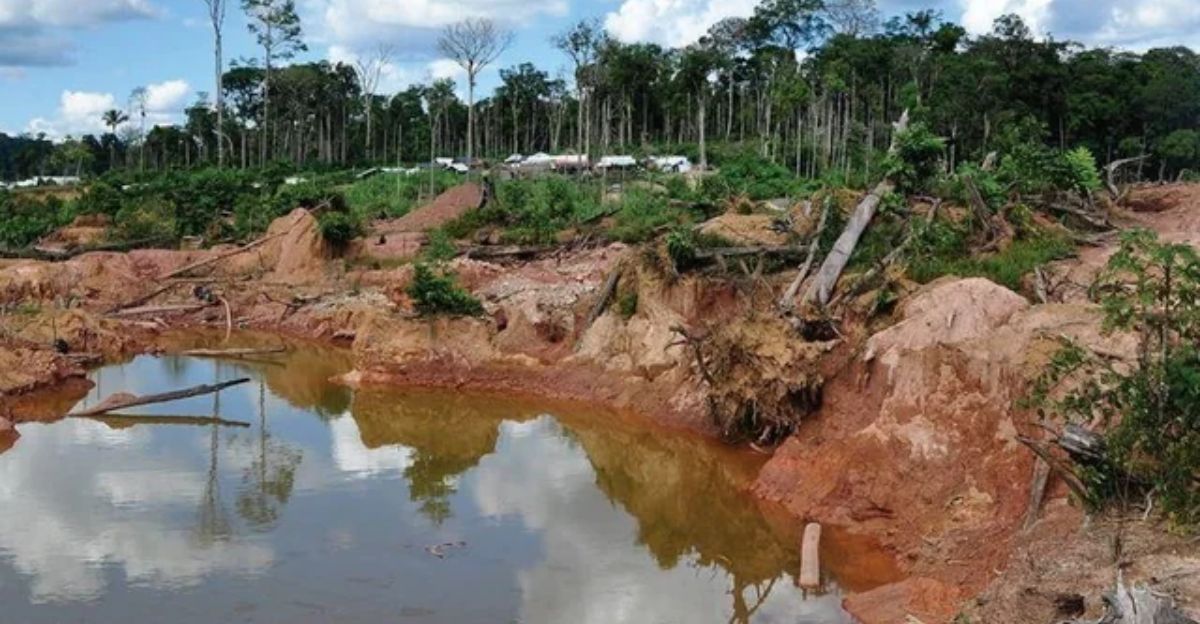
Every second, forests the size of soccer fields are destroyed by chainsaws and flames. These green lungs once pulled carbon from the air; now they release it.
Deforestation drives species from their homes, drying rivers, and shattering climate cycles. When the last tree falls, we’ll realize too late that we’ve cut our own air supply.
7. Toxic Seas and Microplastic Mutations
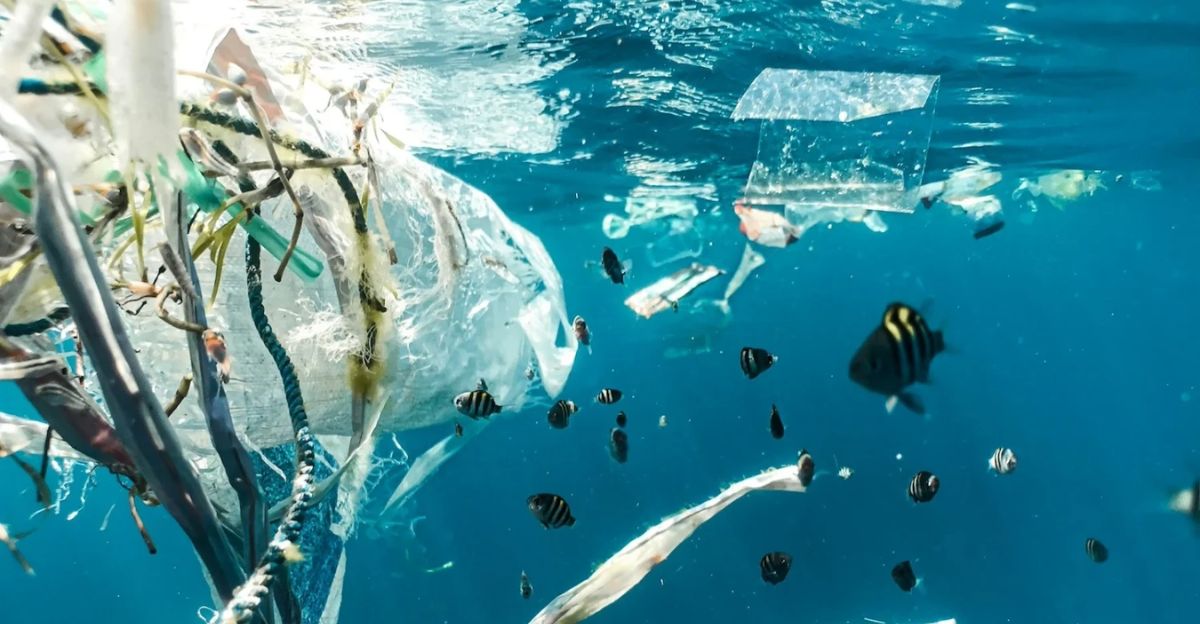
Plastic has infiltrated every corner of the Earth, from the Arctic ice to the deep-sea trenches. Microscopic pieces infiltrate fish, soil, and human bloodstreams. They deform plankton and poison coral larvae.
Our waste circulates through every living organism, rewriting biology. The planet’s new geological signature isn’t stone or fossil; it’s plastic dust.
8. Unprecedented Carbon Levels
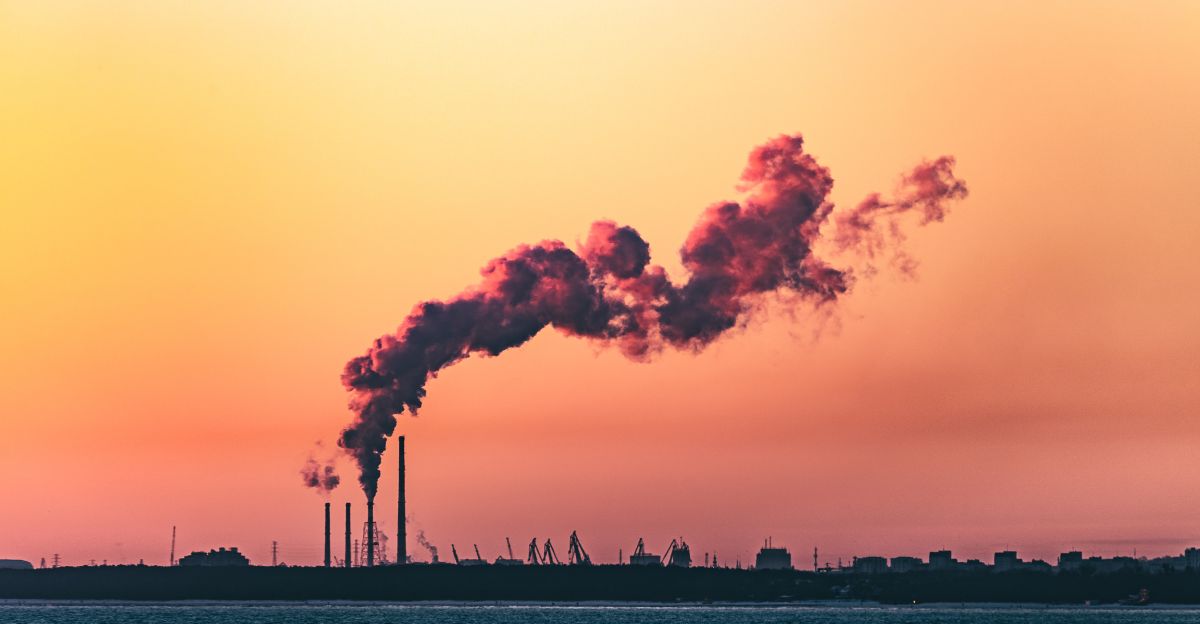
Carbon dioxide now tops 420 parts per million, which is a number Earth hasn’t seen in millions of years. Ice cores, tree rings, and fossils all tell the same story: at this level, ancient seas swallowed continents.
Melting poles, raging storms, and collapsing glaciers signal that climate systems might be entering a self-reinforcing death spiral.
9. Soil Death Spreading Across Continents
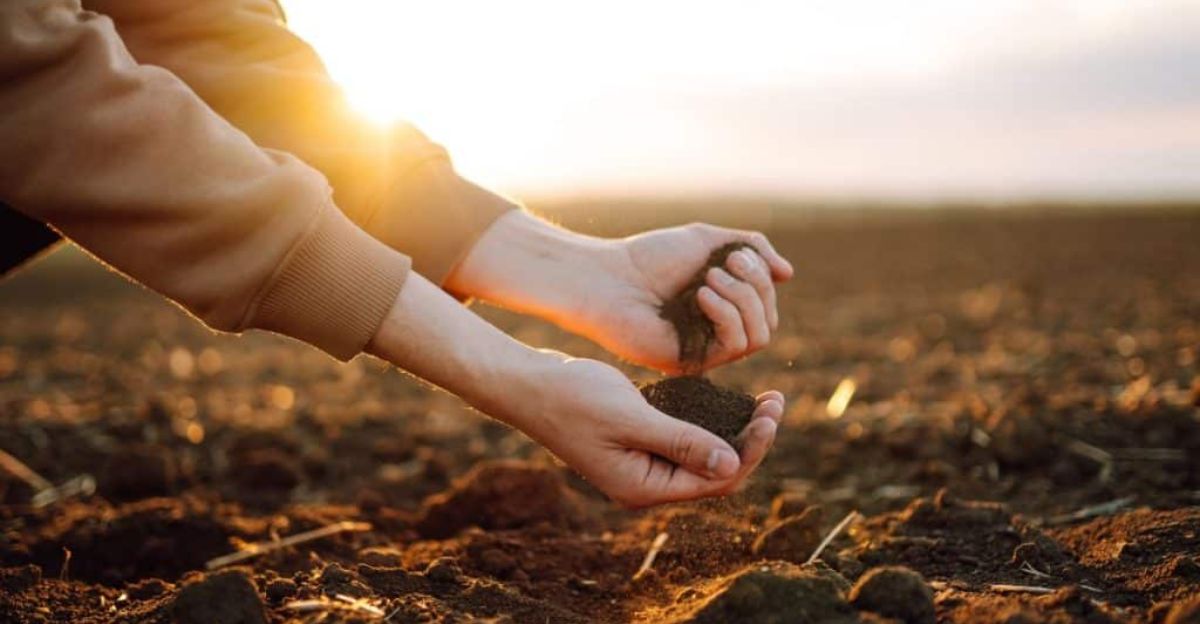
Farmlands, once thriving with earthworms and nutrients, are turning sterile. Overplowing, chemicals, and droughts strip soil of life. Without living dirt, crops can’t survive, rivers dry up, and dust storms rise.
Scientists have warned of a coming “soil extinction.” When the ground dies, civilization’s foundation crumbles quietly, grain by grain.
10. Wildlife Corridors Severed
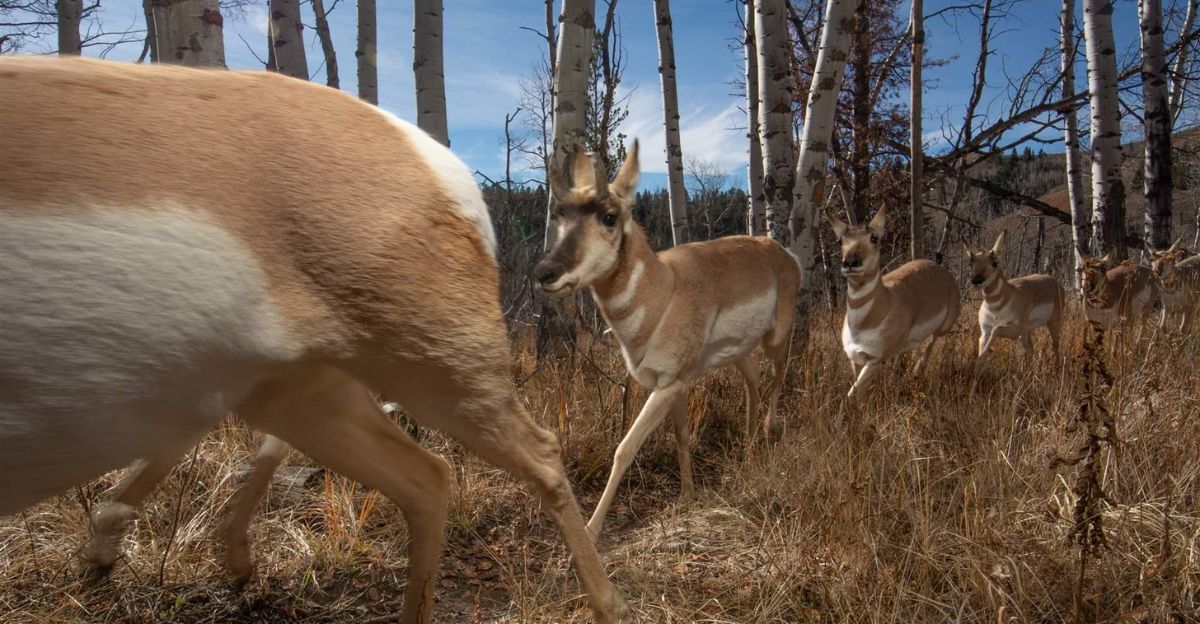
Migration paths once connected continents. Now, highways, farms, and cities cut through them. Animals are now starving mid-journey or are colliding with human sprawl.
Each fragmented habitat becomes a death trap. Leopards prowl parking lots; elephants wander suburbs. As nature’s routes vanish, so does the balance that kept predator and prey in check.
11. Oceans Turning Acidic
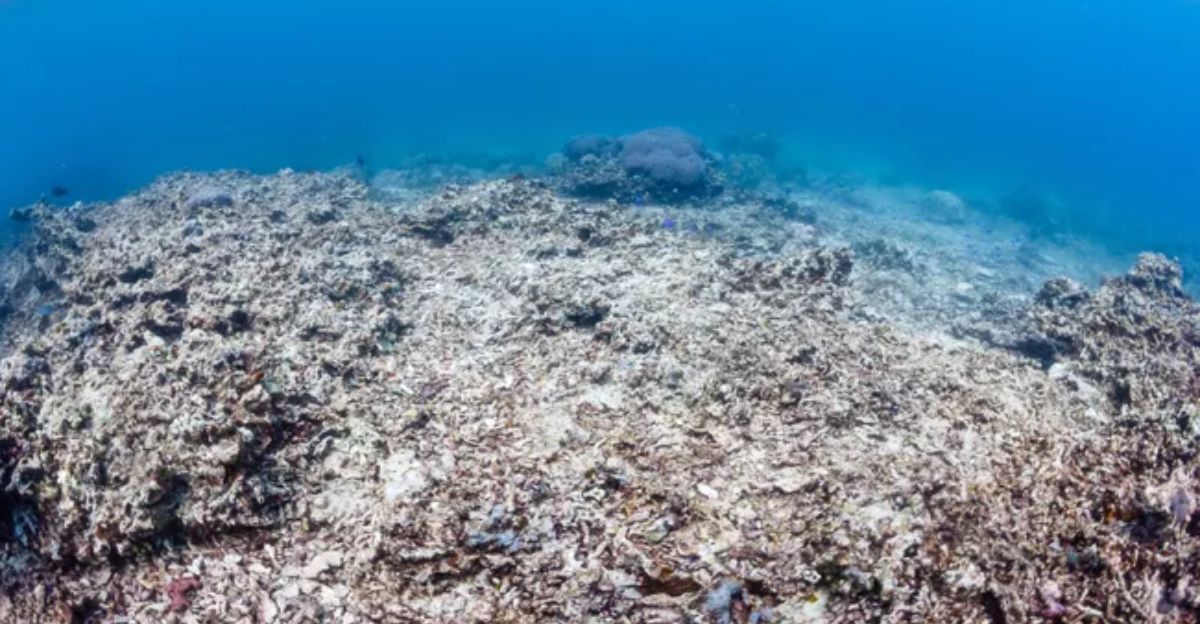
The seas absorb our carbon, and in doing so, they change chemistry. Acidity rises, dissolving shells, coral, and plankton skeletons.
The base of the ocean food chain is literally melting. Fish stocks collapse while tropical storms grow fiercer. A dying ocean means no climate buffer, and no second chance.
12. The Vanishing Arctic

Arctic ice once reflected sunlight, stabilizing the planet’s temperature. Today, it’s vanishing before our eyes. As white ice turns to dark water, heat absorption skyrockets.
Polar bears starve, permafrost releases methane, and coastlines drown. The Arctic isn’t just melting; it’s unraveling Earth’s thermostat, locking humanity into an unpredictable fever.
13. Human Migration and Ecological Refugees
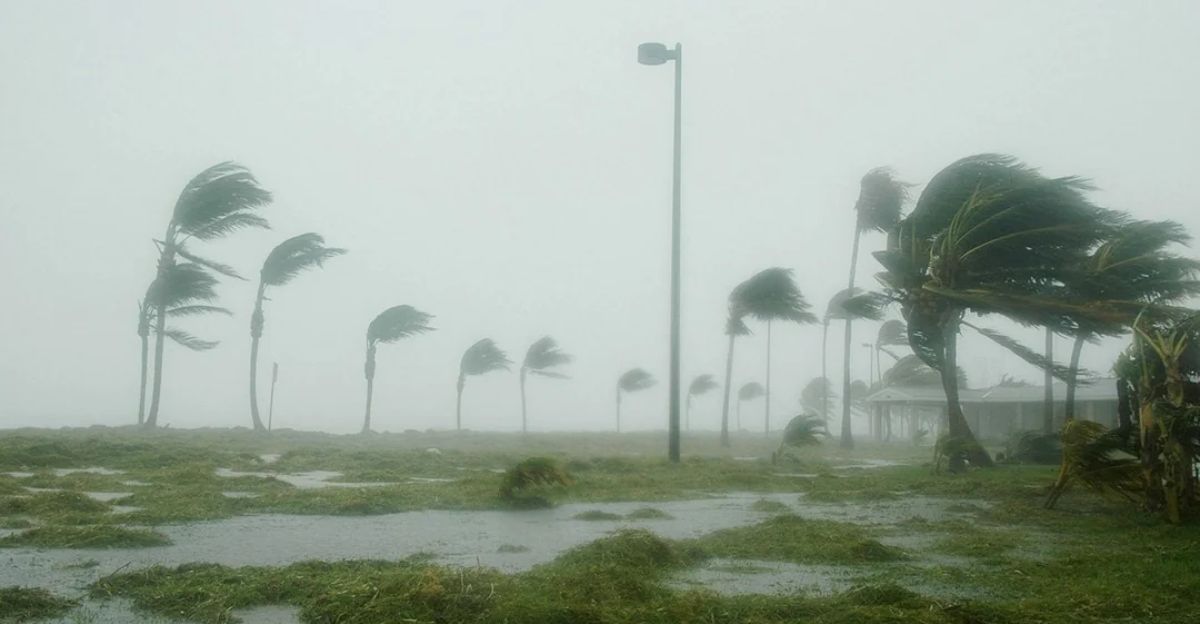
Millions of people are being forced to leave their homes because of droughts, powerful storms, and collapsing farms. These are the world’s first climate refugees; people uprooted not by conflict, but by a changing planet. Societies are being reshaped under the weight of environmental strain.
Borders won’t stop rivers from drying or forests from burning. Humanity is becoming migratory again, this time chased by a planet in distress.
The Tipping Points May Have Already Tipped
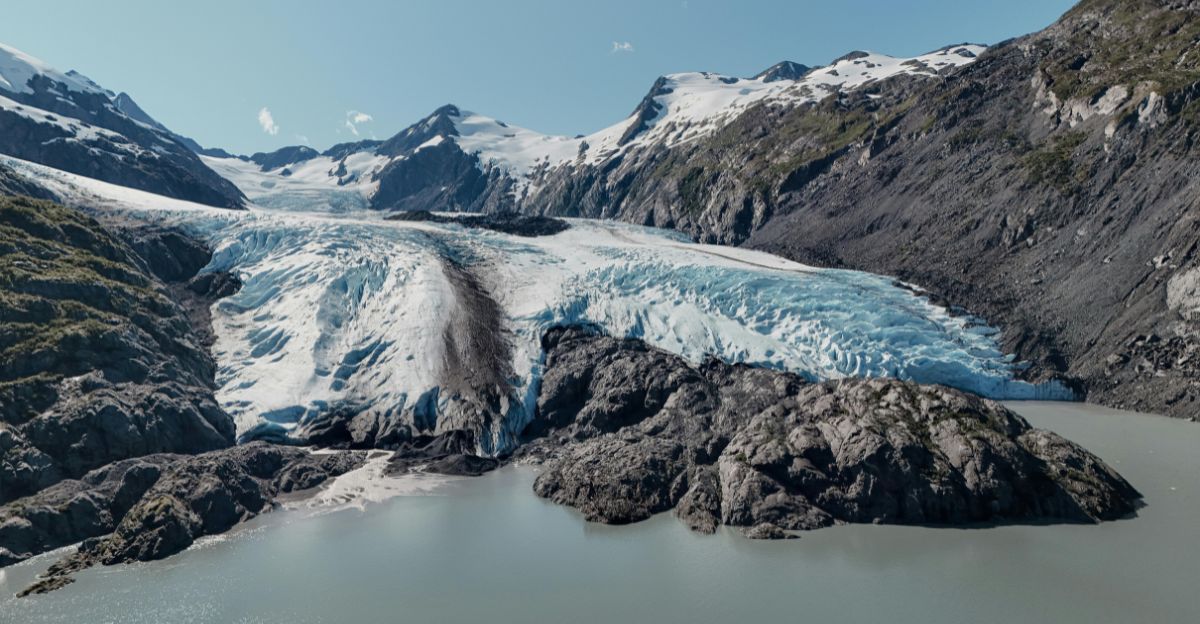
Glacier melt is irreversible, forests can’t regrow fast enough, and ocean currents are slowing dangerously. Some scientists are now considering the unthinkable: the sixth mass extinction isn’t in the future; it’s happening now.
But history isn’t finished yet. If destruction is human-made, so is change. The question is: Will knowledge spark action, or echo as civilization’s final warning?