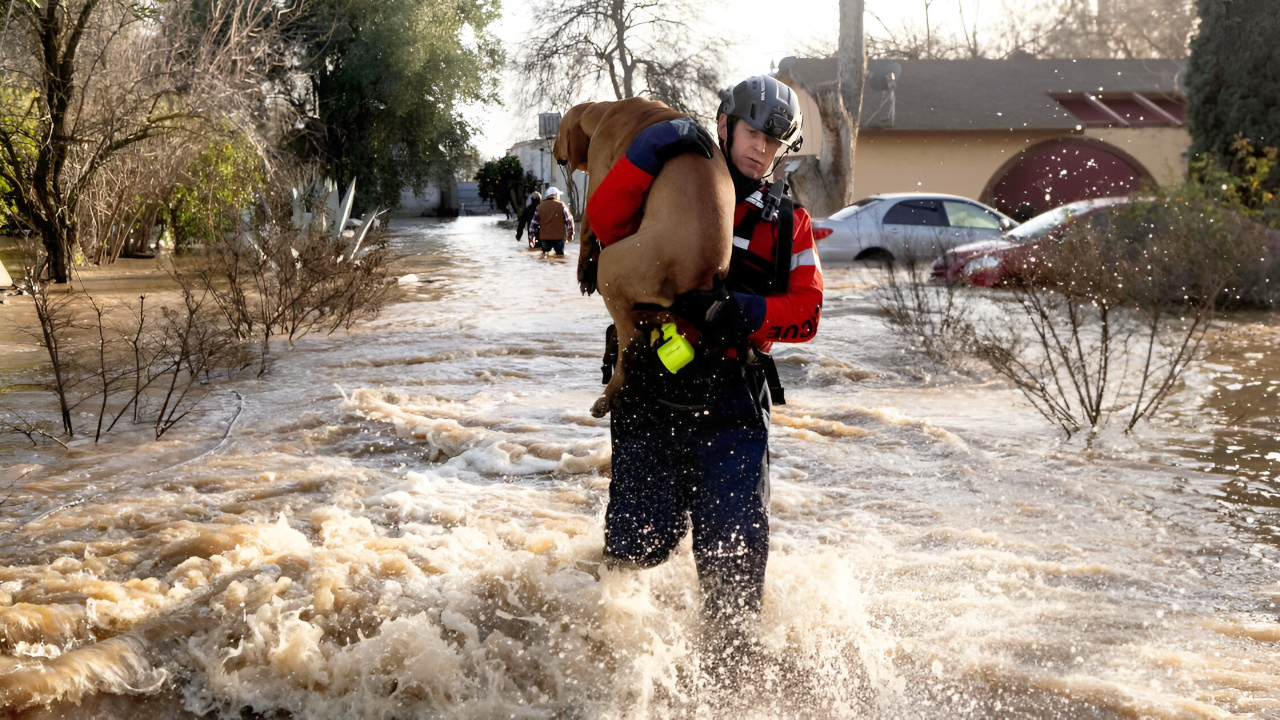
Wind screamed across California’s mountain ridges as rain hammered rooftops and snow stacked rapidly along the Sierra. By Christmas Eve, forecasters were tracking 130-mph gusts over exposed peaks, rain totals climbing toward double digits, and snowfall measured in feet rather than inches.
From the coast to the high country, conditions deteriorated hour by hour as a second surge of Pacific moisture pushed inland, locking nearly the entire state into a dangerous, fast-moving weather event just as holiday travel peaked.
Why Two Storms Are Stacking
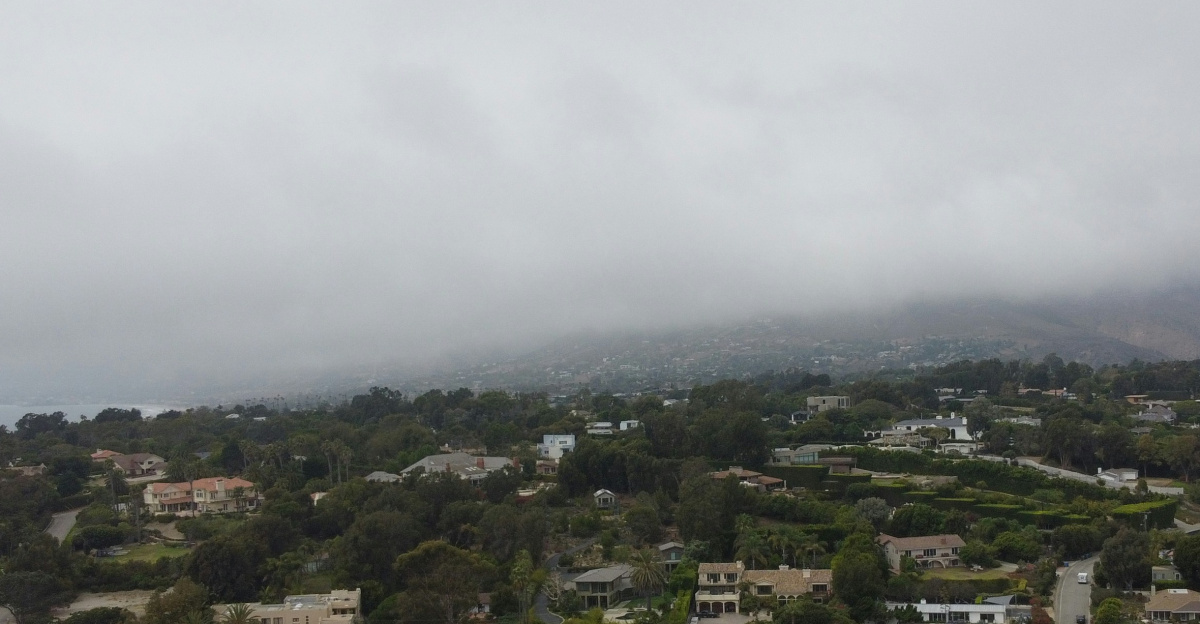
Atmospheric rivers form when narrow corridors of tropical moisture surge toward the West Coast. In this case, two separate systems are lining up one after another, driven by a favorable jet-stream pattern and unusually warm Pacific waters.
The first storm saturates the ground across Northern and Central California. The second arrives before soils can drain, sharply increasing flood and mudslide risk—especially from Christmas Eve into Christmas Day, when rainfall intensifies across Southern California.
Holiday Travel Collides With Weather Reality

Millions of Californians planning Christmas travel now face widespread disruption. Airports across San Francisco, Los Angeles, and San Diego are preparing for delays, cancellations, and grounded flights as wind and rain intensify.
Mountain highways face potential closures as snow piles up rapidly. Travelers rerouting or postponing trips are crowding hotels outside storm zones. For many families, holiday plans are now dictated by weather windows rather than calendars.
Retail and Daily Life Under Pressure
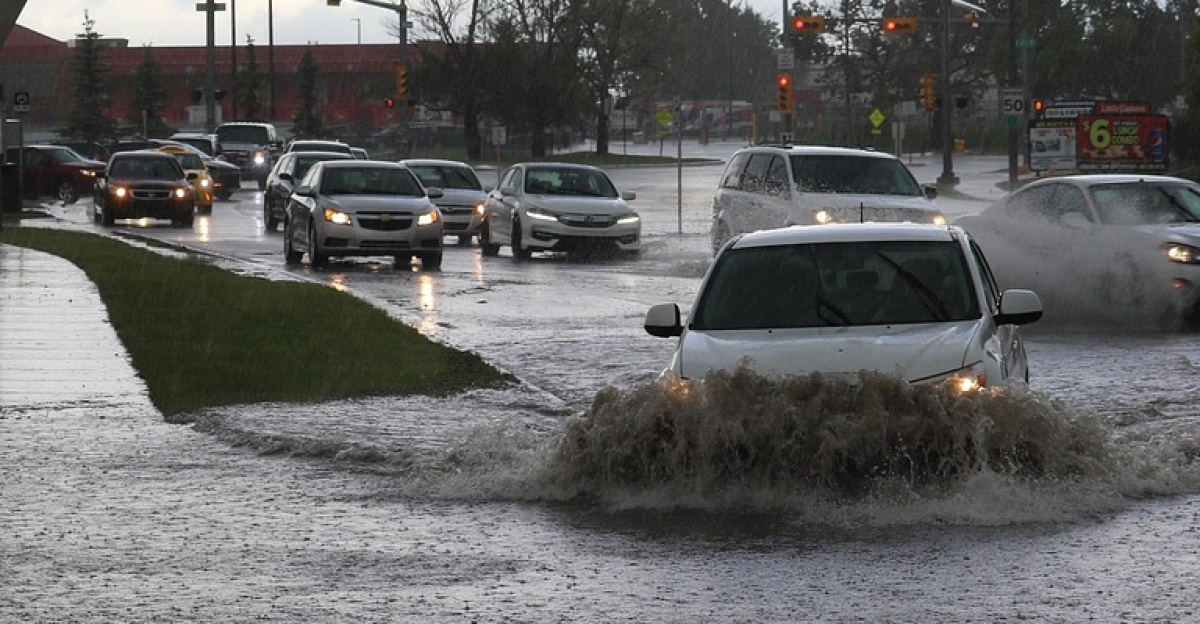
As the storm window tightens, retailers and restaurants across Northern and Central California are preparing for temporary closures or reduced hours. Delivery services are limiting operations in flood-prone and mountainous regions.
Grocery stores report a rush on essentials as residents stock up before Christmas Eve. In hillside communities, residents are clearing drains and preparing for possible evacuations, knowing that saturated ground raises the threat of debris flows and landslides.
Emergency Crews Prepare for the Worst
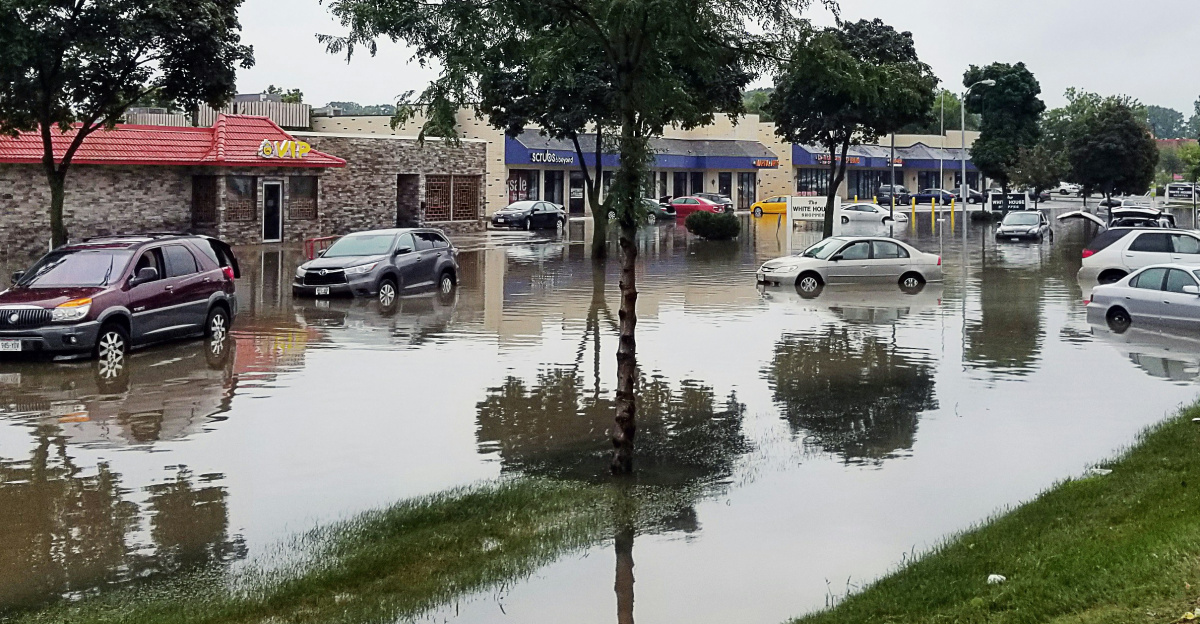
Emergency managers are pre-positioning rescue teams, medical supplies, and generators across flood-prone counties. Utility crews are staging repair equipment ahead of expected power outages caused by high winds and falling trees.
Officials warn that response times may slow if roads become impassable. With rainfall arriving in waves rather than bursts, authorities stress that flooding and mudslides could continue even after the heaviest rain passes.
Ports and Shipping Feel the Strain
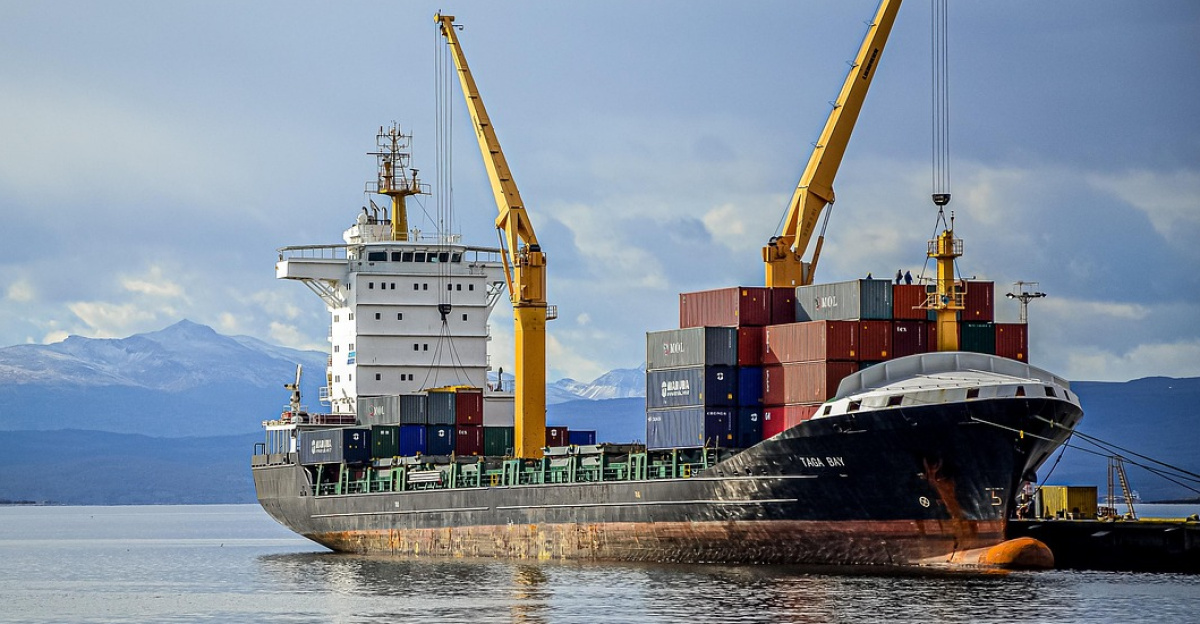
California’s ports—among the busiest in the world—face slowdowns as storm conditions intensify. High winds and heavy rain can halt crane operations and delay vessel departures.
Even short disruptions ripple outward, delaying shipments of electronics, apparel, and consumer goods during one of the busiest shipping weeks of the year. Logistics managers are already adjusting schedules, knowing that holiday congestion magnifies even brief weather-related interruptions.
Agriculture Caught in the Crossfire
The Central Valley faces a delicate balance. While the snowpack is critical for long-term water supply, immediate impacts include flooded fields, soil erosion, and delayed harvests. Winter vegetables destined for national distribution may sit unharvested as fields become inaccessible.
Dairy operations face challenges keeping livestock safe and feed deliveries moving. Agricultural workers risk losing wages during closures, compounding economic stress during the holidays.
Political and Government Response Accelerates
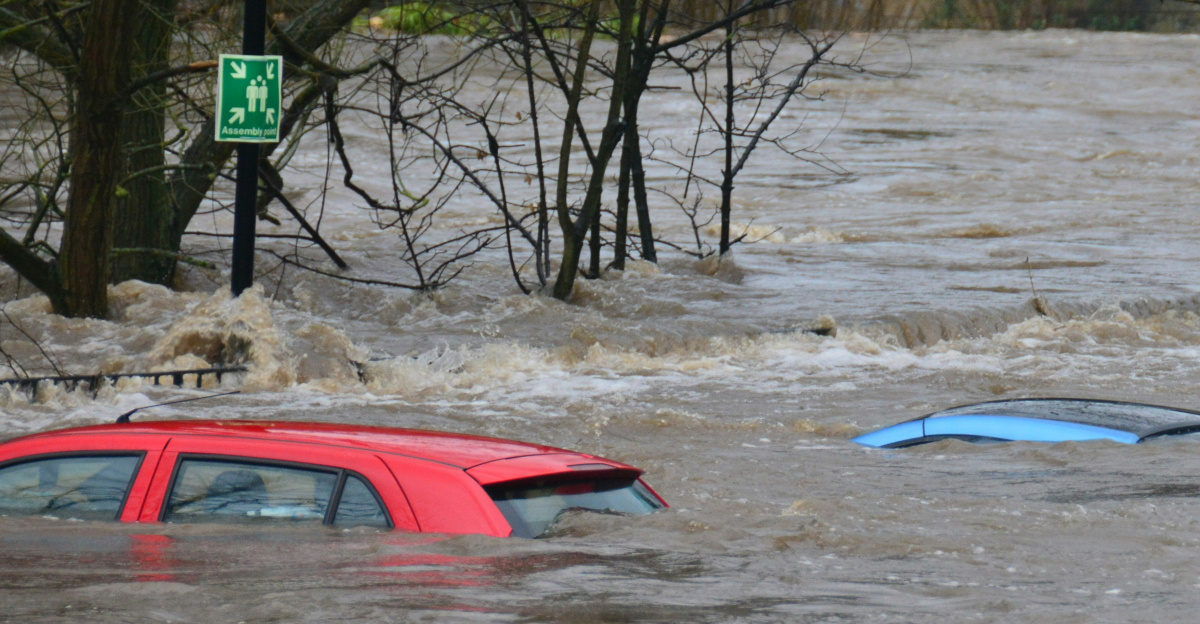
State and federal officials are coordinating disaster readiness as forecasts sharpen. Emergency declarations are being prepared to speed resource deployment and recovery funding if damage escalates.
Lawmakers are again highlighting the vulnerability of levees, drainage systems, and hillside infrastructure. The storm arrives amid renewed debate over how California should prioritize flood mitigation as extreme weather events become more frequent and more intense.
Power Grids and Energy Markets Under Stress
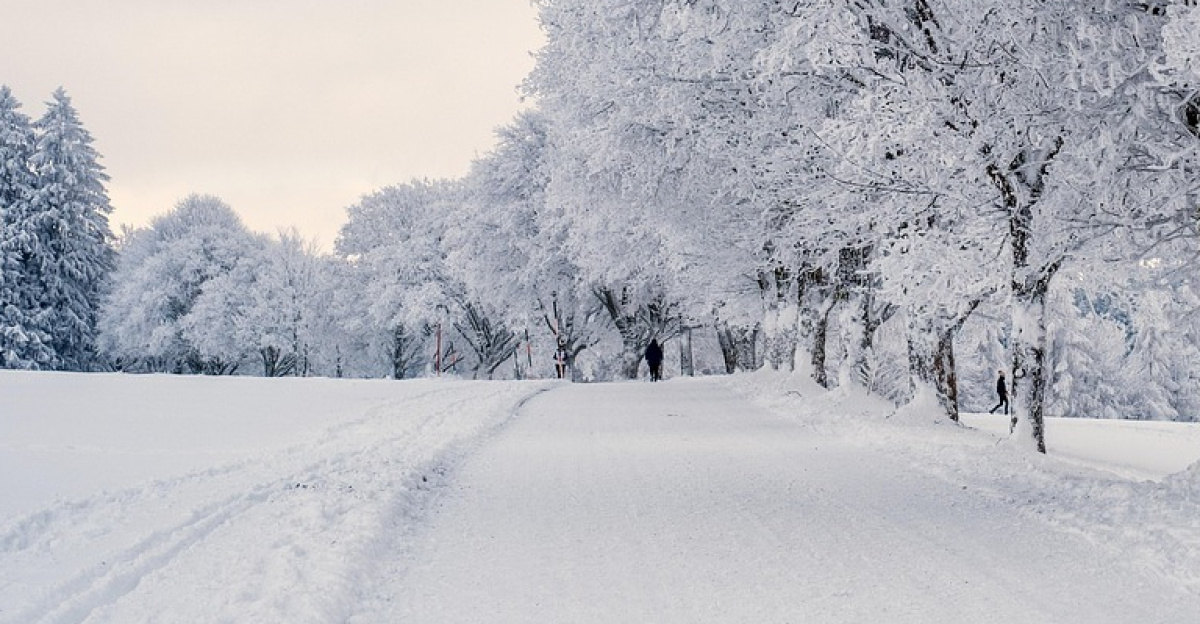
High winds and heavy rain threaten power transmission lines across coastal and inland regions. At the same time, heating demand rises sharply during colder, wetter conditions. Utilities are preparing for rolling outages if infrastructure is damaged.
Energy markets tend to react quickly to such strain, with short-term price volatility possible as operators scramble to maintain reliability during peak demand and limited access conditions.
Retail Strategy Shifts in Real Time
Major retailers are redirecting online orders to warehouses outside the storm zone and extending return windows to accommodate disrupted shoppers.
Brick-and-mortar locations in affected areas brace for lost foot traffic during what is typically a critical sales period. Supply-chain teams are recalibrating delivery routes and timelines, aware that weather volatility is becoming a permanent variable rather than an occasional disruption.
Tourism Faces a Double-Edged Sword

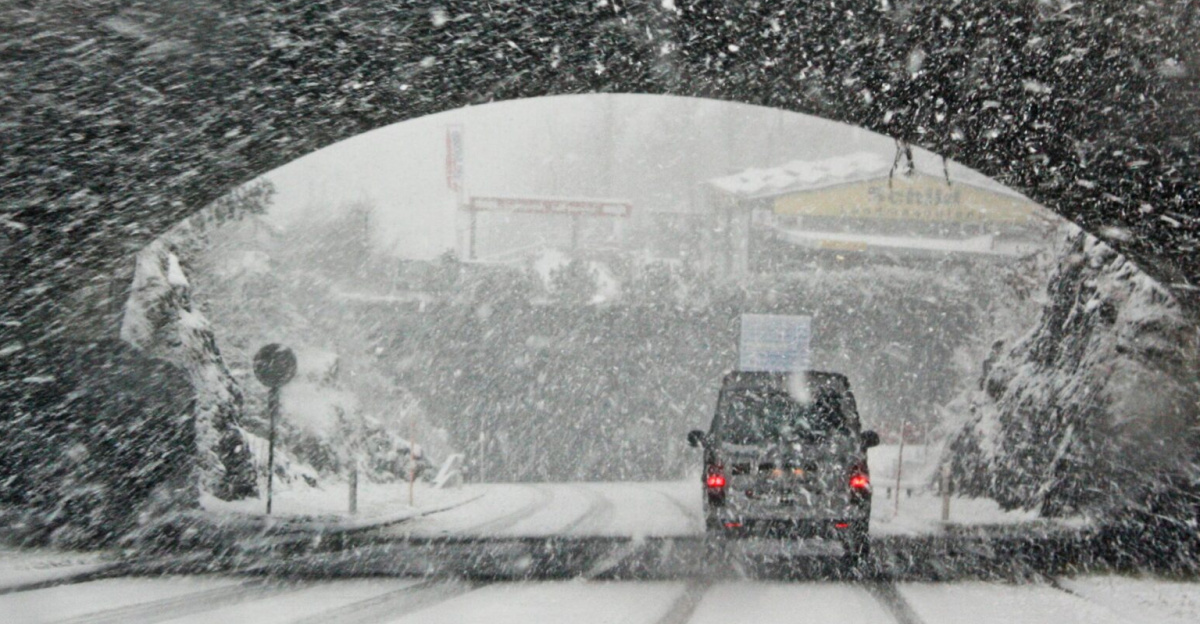
Heavy snow is ultimately good news for ski resorts and water reserves, but the timing is brutal. Avalanche risk, road closures, and whiteout conditions may prevent access to mountain destinations.
Coastal cities face cancellations as storms deter visitors. Airlines are offering rebooking flexibility, yet alternative flights are scarce during the holiday rush. The result is a tourism sector absorbing losses even as future demand builds.
Cascading Impacts Across Industries

Storm disruption rarely stops at state lines. Delayed agricultural shipments affect food processors. Manufacturing schedules shift as parts arrive late. Construction suppliers anticipate post-storm demand surges for repairs and rebuilding.
Waste-management services prepare for debris cleanup. Each delay compounds another, illustrating how a single weather event can ripple across multiple industries within days.
Global Consumers Feel the Delay
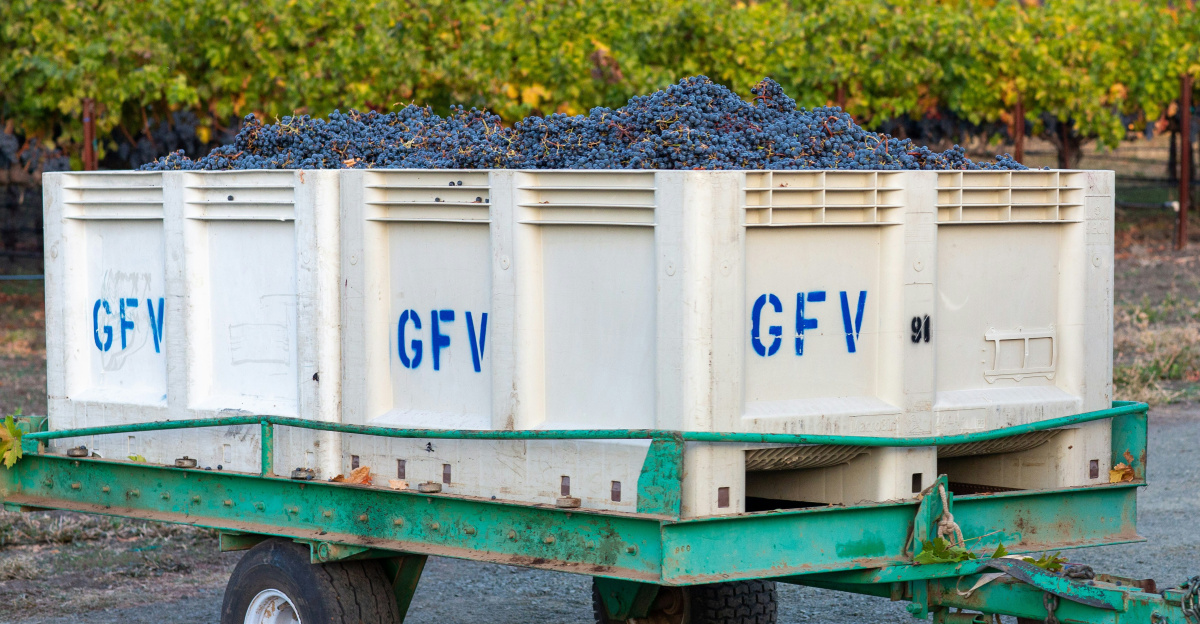
California exports—from produce and nuts to wine and electronics components—feed international markets. Storm-related port slowdowns can delay shipments to Europe and Asia well into January.
As supply tightens, wholesale prices often rise, with consumers abroad paying more weeks later. Holiday storms in one state increasingly translate into global pricing signals in today’s tightly linked economy.
Health Systems on High Alert

Hospitals and emergency rooms are preparing for flood-related injuries, vehicle accidents, hypothermia, and storm stress. Public-health officials warn about potential water contamination if sewer systems are overwhelmed. Pharmacies are urging residents to refill prescriptions early.
Mental-health providers also expect increased demand as holiday stress collides with prolonged power outages and displacement risks.
Climate Questions Return to the Forefront
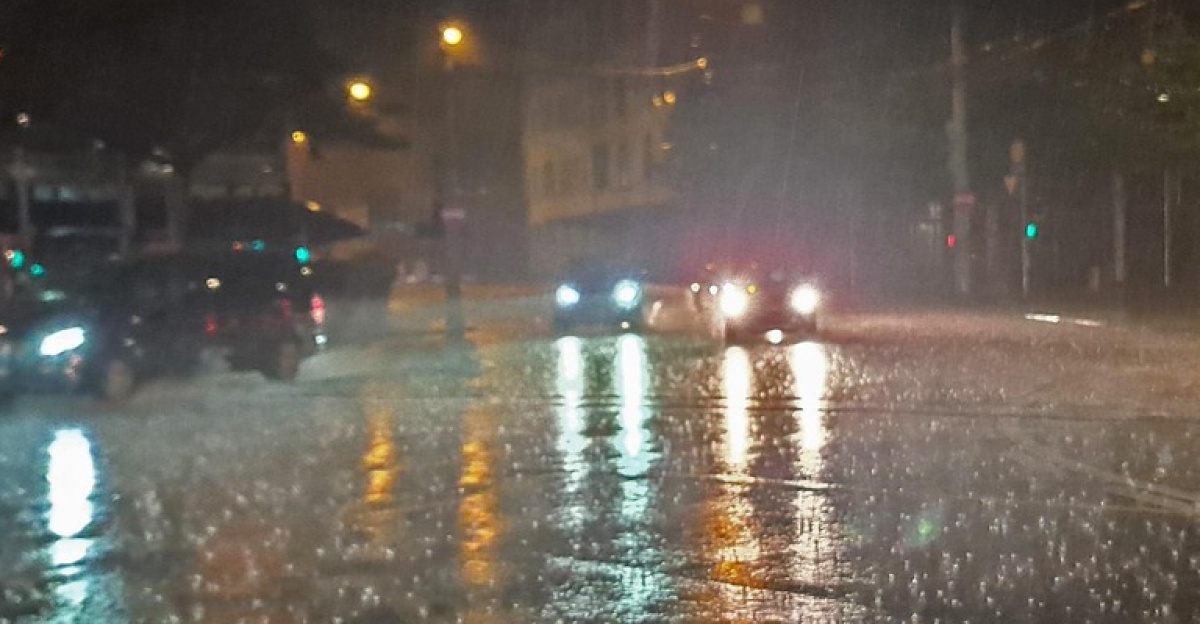
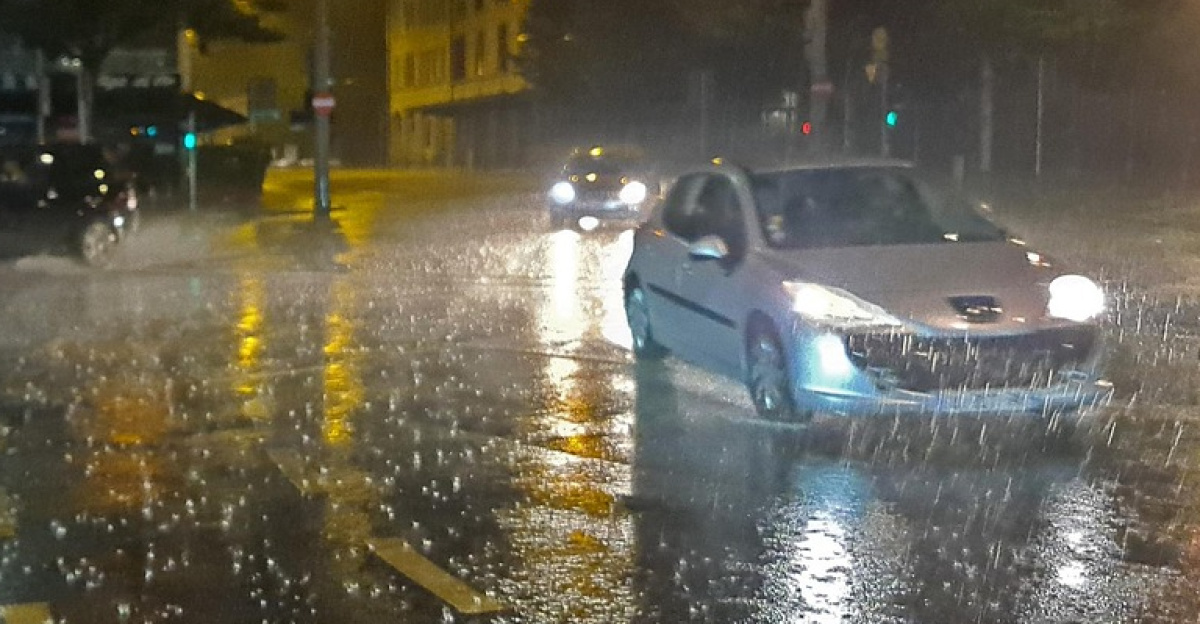
The storm arrives after Los Angeles recorded seven times its normal November rainfall, a dramatic prelude that has intensified scrutiny. Scientists note that warmer oceans can load atmospheric rivers with more moisture, increasing rainfall extremes.
Critics argue attribution debates move too fast. Regardless, the scale and timing of this event ensure it will be referenced heavily in future climate resilience discussions.
Winners and Losers in the Aftermath
While many businesses suffer immediate losses, others see demand surge. Disaster recovery firms, construction crews, and backup-power providers often experience spikes in activity after major storms. Streaming platforms and home-delivery services benefit as people shelter indoors.
Meanwhile, small local businesses in flood-prone areas face existential risk if recovery drags on longer than expected.
Financial Markets React Quickly

Markets often respond to extreme weather with short-term volatility. Airline stocks tend to dip on anticipated cancellations, while agricultural commodities can spike on supply concerns.
Insurance shares fluctuate as loss models update. Investors watch closely for whether disruptions spill into broader economic data, particularly during a sensitive period for inflation and interest-rate expectations.
What Residents Can Do Right Now

Preparation remains the most effective defense. Californians are urged to complete shopping, fuel vehicles, charge devices, and secure outdoor items before Christmas Eve.
Stocking several days of food, water, and medications is advised. Travel between December 24 and 26 should be avoided if possible. Staying alert to local warnings and evacuation notices can prevent small risks from becoming life-threatening emergencies.
Recovery and Adaptation Ahead
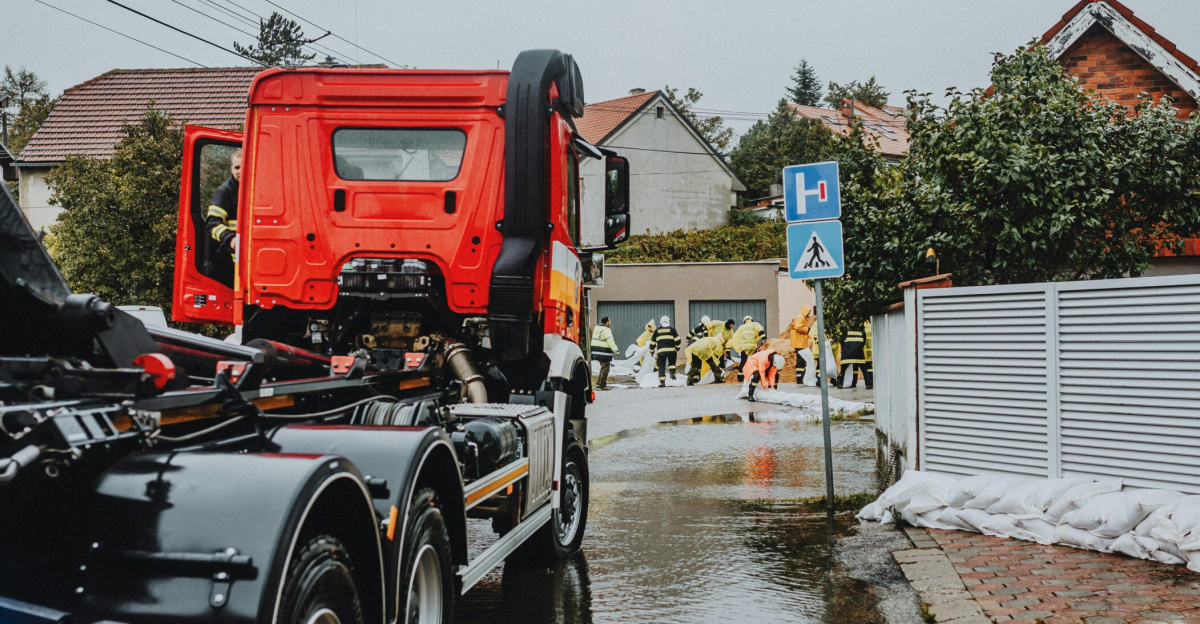
Once the rain fades, attention shifts to cleanup and repair. Infrastructure resilience, insurance coverage, and supply-chain flexibility will be tested. Policymakers are expected to revisit funding for flood control, drainage upgrades, and hillside stabilization.
Businesses may diversify logistics routes, while insurers reassess risk exposure. Each major storm increasingly shapes long-term planning decisions across sectors.
One Storm, Far-Reaching Consequences
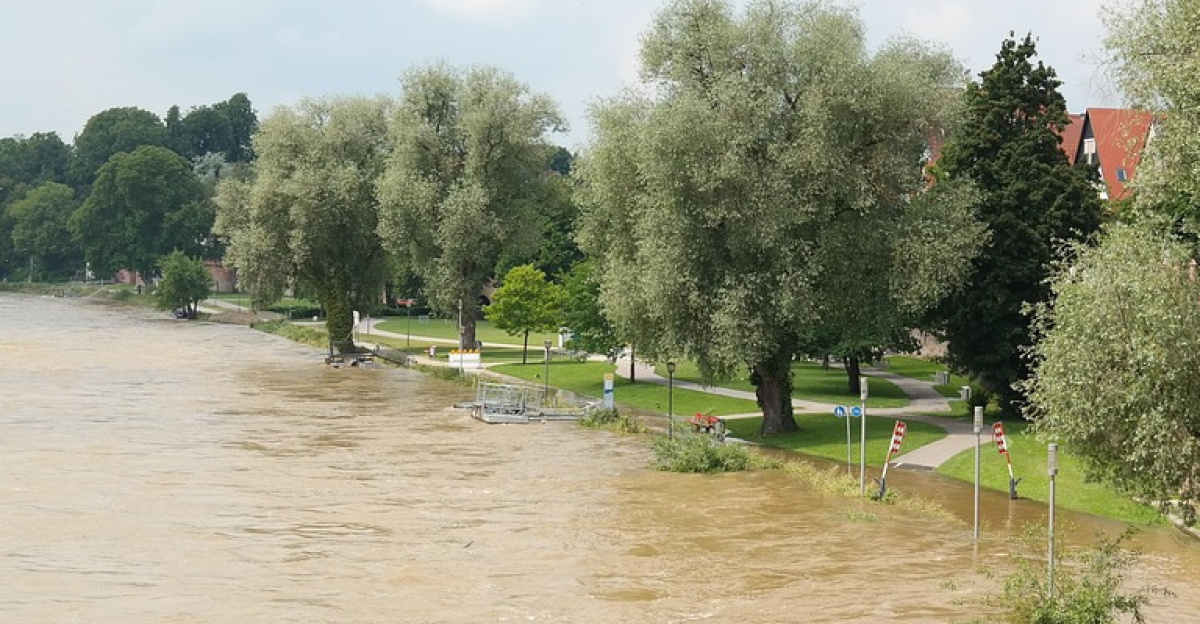
Two atmospheric rivers striking California during Christmas week demonstrate how localized weather can produce global effects. From stranded travelers and flooded homes to delayed shipments and market swings, the impacts extend far beyond the storm itself.
This event reinforces a growing reality: in an interconnected world, resilience depends not just on forecasting storms—but on preparing systems, communities, and economies to absorb them when they arrive.
Sources:
“Powerful atmospheric river packing heavy rain, mountain snow targets California through Christmas.” FOX Weather, 19 Dec 2025.
“California in for wet, white, potentially wild Christmas as Pineapple Express storm looms.” Los Angeles Times, 17 Dec 2025.
“Significant storms and downpours will lash California this week as atmospheric rivers come ashore.” The Washington Post, 22 Dec 2025.