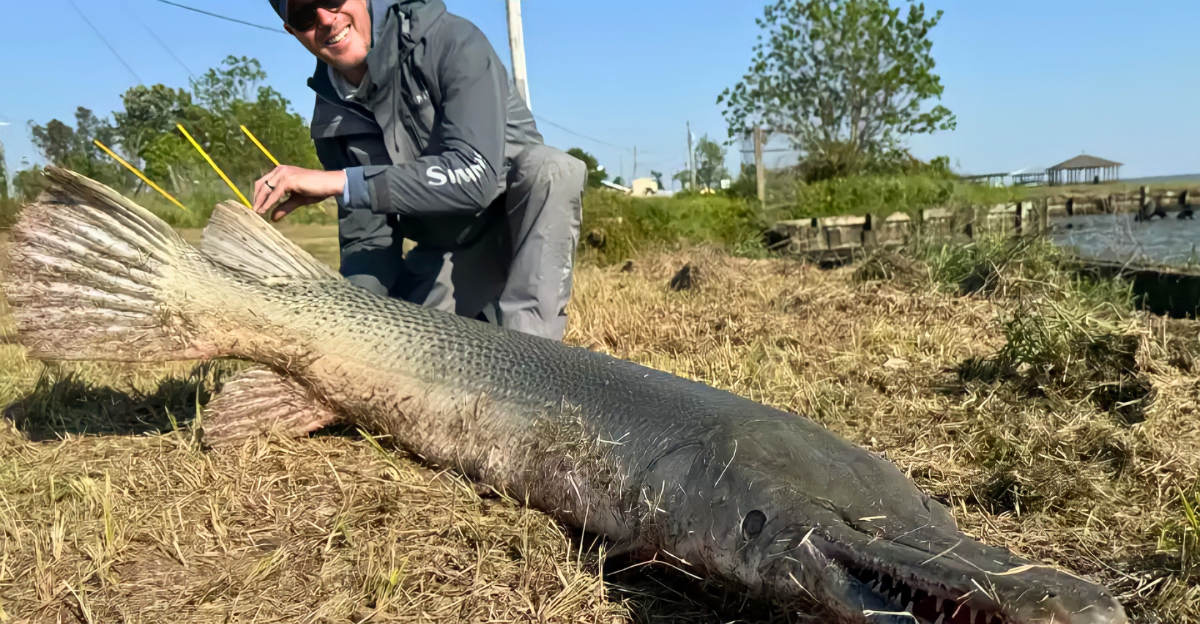
Big fish stories aren’t just exaggerations told at the dock, they are part of America’s fishing DNA. For generations, anglers have measured success by what they brought home for dinner and by the massive creatures they wrestled from lakes, rivers, and seas.
Each legendary catch combines skill, persistence, and sheer luck, producing tales that live long after the fish are gone. This collection highlights fourteen of the most historic record-breaking catches in U.S. waters, moments that shaped the sport and built a culture where fish stories are both myth and history.
Why Record Catches Matter
Record-breaking fish aren’t simply bragging rights. They reflect the richness of U.S. waters, advances in fishing techniques, and the evolving regulations that keep ecosystems balanced. The International Game Fish Association (IGFA) notes that many of these world records spur interest in conservation, as massive catches draw attention to fragile habitats.
These stories are about more than weight on a scale. They fuel debates about ethics, highlight state pride, and remind us of the delicate relationship between people and waterways. Every “big one” that lands becomes part of the broader story of stewardship and respect for aquatic life.
How These Records Were Chosen
The fourteen catches featured here are huge in size and backed by documentation from IGFA or respected state agencies. Both freshwater and saltwater giants made the list, each chosen for its notoriety and staying power in fishing lore.
Some records are decades old and still unbeaten; others are recent and already reshaping the sport. From legendary marlins off Hawaii to prehistoric sturgeon in the Midwest, these fish are celebrated for their measurements and the unforgettable moments they created on American waters.
1. Alligator Gar—Sam Rayburn Reservoir, Texas
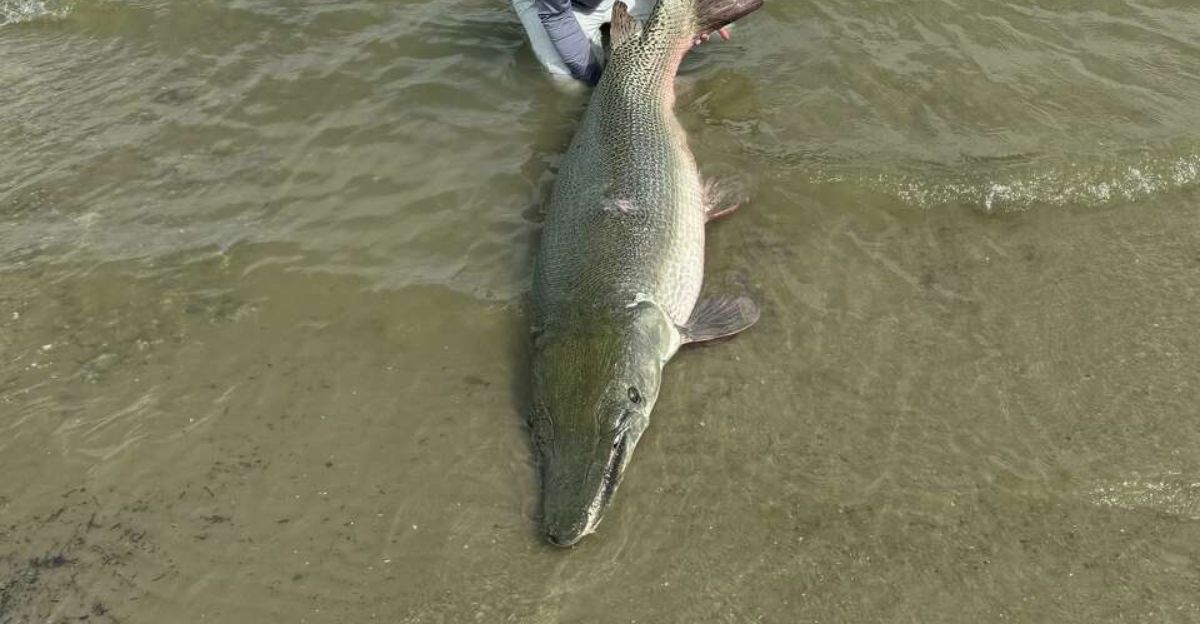
Art Weston stunned the fishing world on September 2, 2023, when he landed a 283-pound alligator gar using just six-pound test line in Sam Rayburn Reservoir. The Dallas Morning News reported it was the largest freshwater fish recorded in U.S. waters.
Often called a living fossil, the gar is known for its armored scales and ancient lineage. Weston’s feat set a new IGFA world record for all-tackle and line class, spotlighting Texas as a haven for giant gar and fueling discussions about the species’ vital role in freshwater ecosystems.
2. Alligator Gar—Lake Livingston, Texas
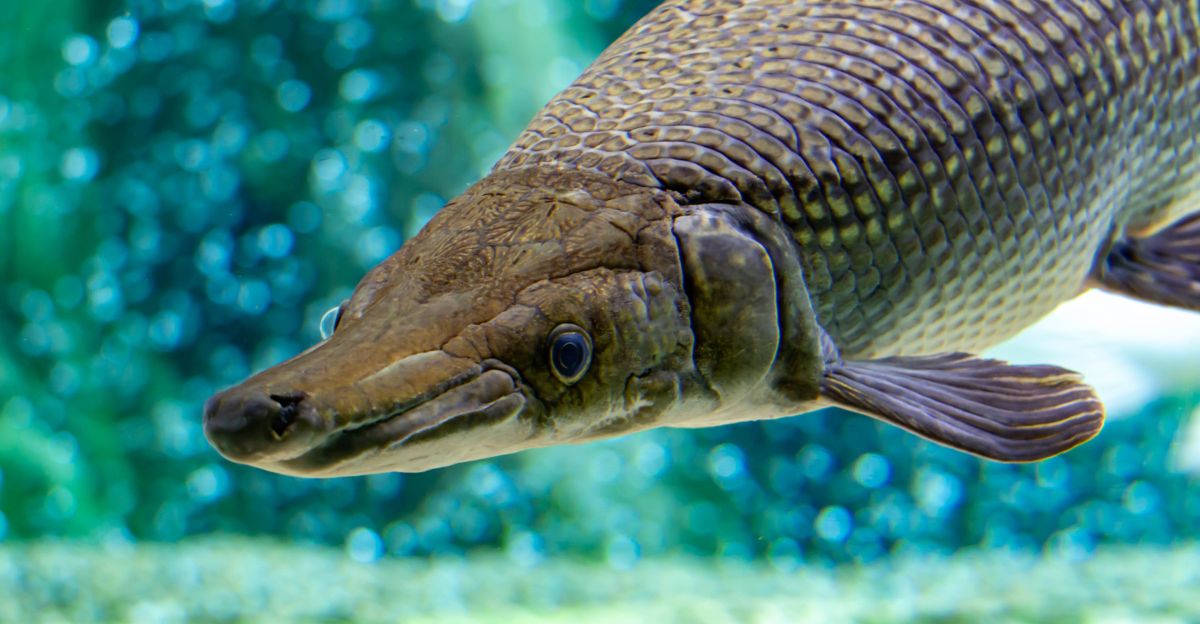
Weston made headlines again on April 8, 2025, when he hauled in a 153-pound alligator gar from Lake Livingston using ultra-light two-pound test line. The New York Post reported that the fish measured over 7 feet long and is expected to be certified as the largest freshwater fish ever caught on ultra-light gear.
Unlike his 2023 all-tackle record, this catch highlighted a different kind of mastery, one of patience and finesse rather than brute strength. The achievement further cemented Weston’s reputation and underscored Texas’s status as home to some of America’s most remarkable freshwater giants.
3. Blue Catfish—Kerr (Buggs Island) Lake, Virginia
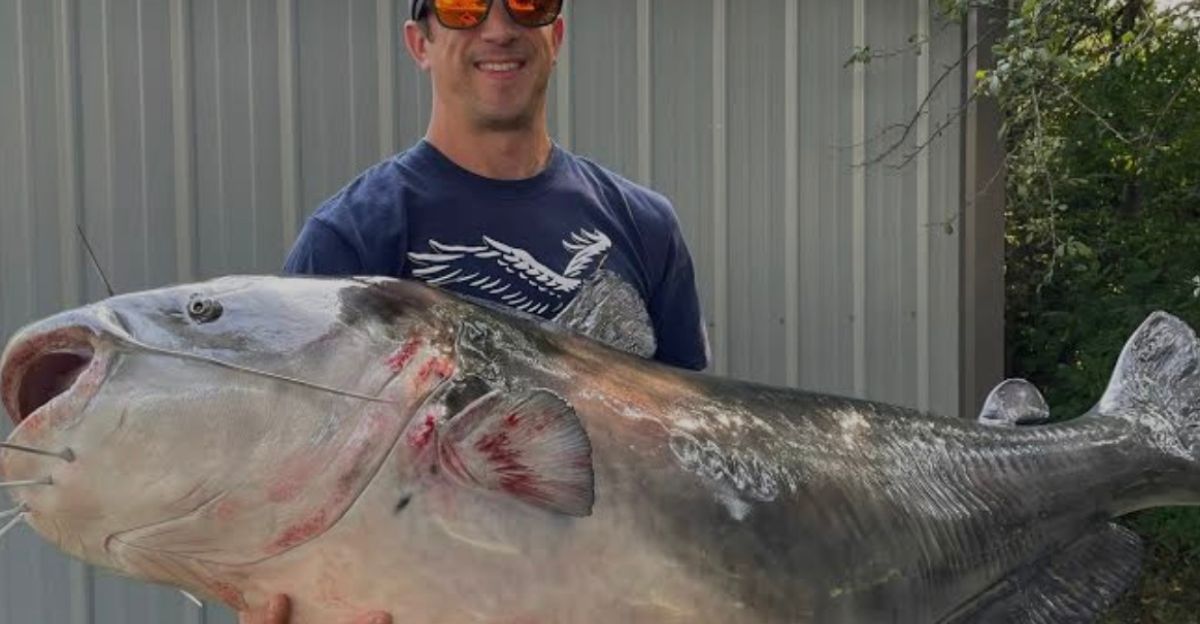
On June 18, 2011, Richard Nicholas Anderson landed a 143-pound blue catfish in Virginia’s Buggs Island Lake. According to the Richmond Times-Dispatch, the catch set a new world and U.S. record for the species. Catfish of this size are powerful opponents, known for testing even the strongest tackle.
Anderson’s success made Virginia a hotspot for trophy catfish hunters, drawing anglers nationwide. The catch also highlighted how strong fisheries management in the region has allowed populations of giant catfish to flourish, cementing the South’s reputation for record-breaking freshwater fishing.
4. Flathead Catfish—Elk City Reservoir, Kansas

Kansas angler Ken Paulie made headlines in May 1998 when he pulled a 123-pound flathead catfish from Elk City Reservoir. The Wichita Eagle reported that the record still stands as one of the largest flatheads on record worldwide. Known for their elusive nature, flatheads are bottom-dwellers that can test an angler’s patience as much as their strength.
Paulie’s achievement continues to inspire Midwestern fishermen, blending old-school techniques like trotlines with modern gear in hopes of repeating his historic success. This catch remains a proud symbol of Kansas’s fishing legacy.
5. American Paddlefish—Keystone Lake, Oklahoma
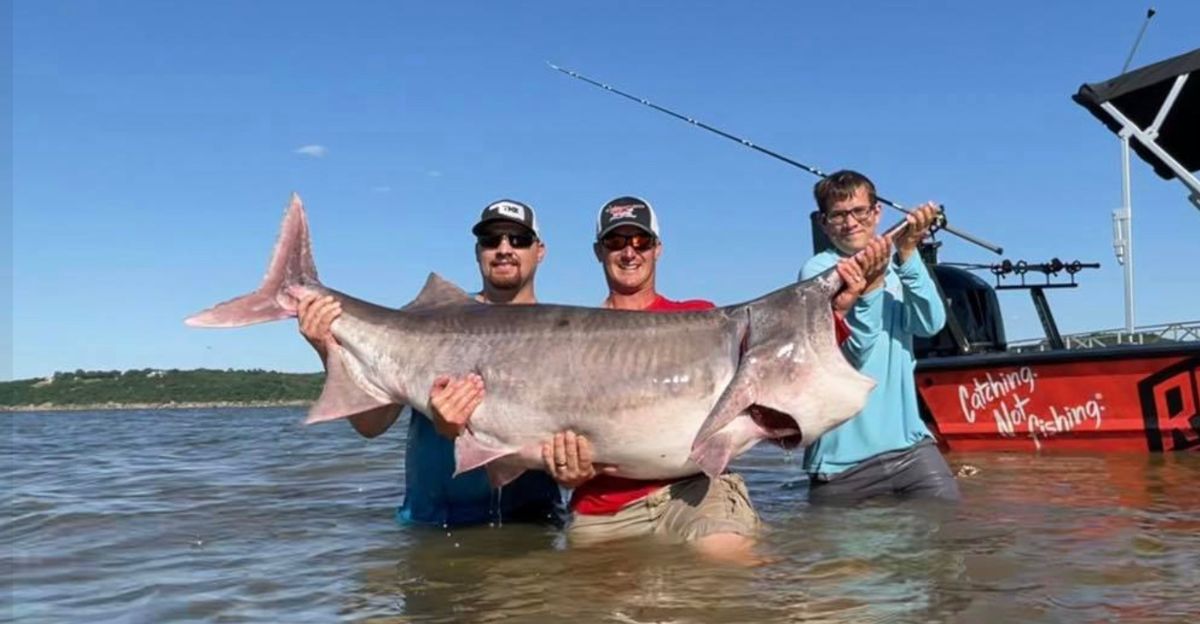
On June 22, 2021, 18-year-old Grant Rader hooked a 164-pound American paddlefish in Keystone Lake, Oklahoma. The Oklahoman reported that the massive “spoonbill” set a new state record. Paddlefish, with their distinctive long snouts and ancient lineage, attract thousands of anglers each season in the Midwest.
Rader’s fish highlighted Oklahoma’s reputation as a destination for paddlefish enthusiasts, highlighting the species’ unique place in U.S. freshwater ecosystems. Though often overshadowed by catfish and sturgeon, paddlefish have their devoted following, and Rader’s record cemented their status as true freshwater giants.
6. White Sturgeon—San Pablo Bay, California
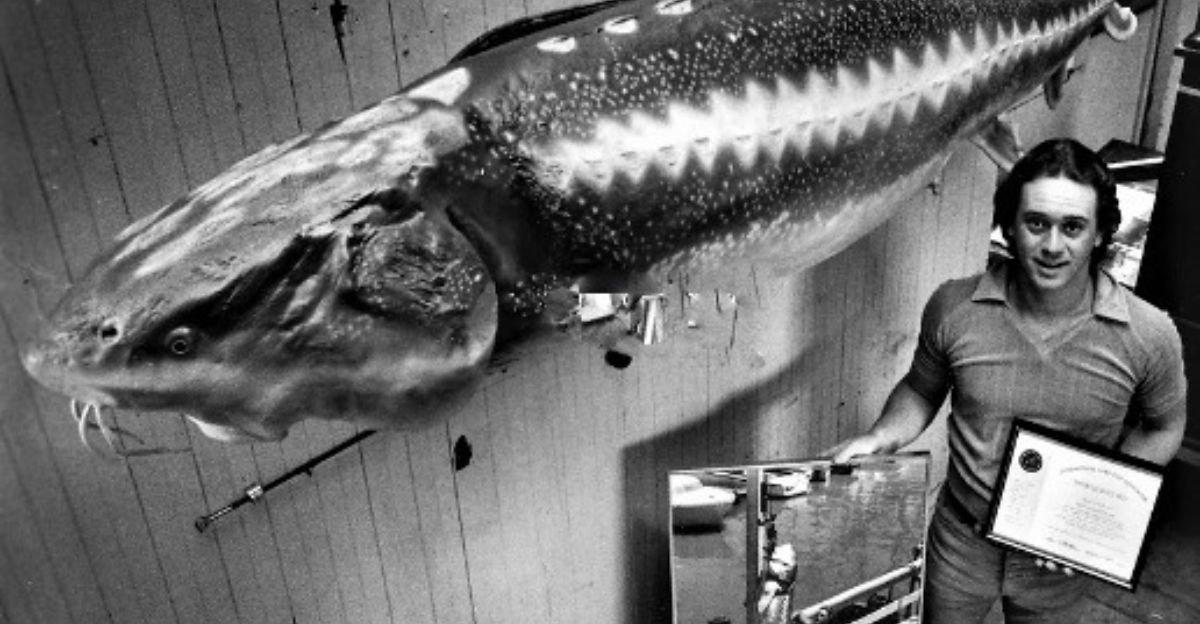
Few records inspire awe like Joey Pallotta’s 468-pound white sturgeon, landed in San Pablo Bay in 1983. The San Francisco Chronicle reported that it remains North America’s largest freshwater catch, even though sturgeon migrate between fresh and salt water. The effort required to land the fish was monumental, showcasing its size and stamina.
This record also drew attention to West Coast conservation issues, as sturgeon populations have faced pressure from overfishing and habitat disruption. Pallotta’s catch remains a touchstone for the immense scale these prehistoric fish can reach in American waters.
7. Great White Shark—Montauk, New York
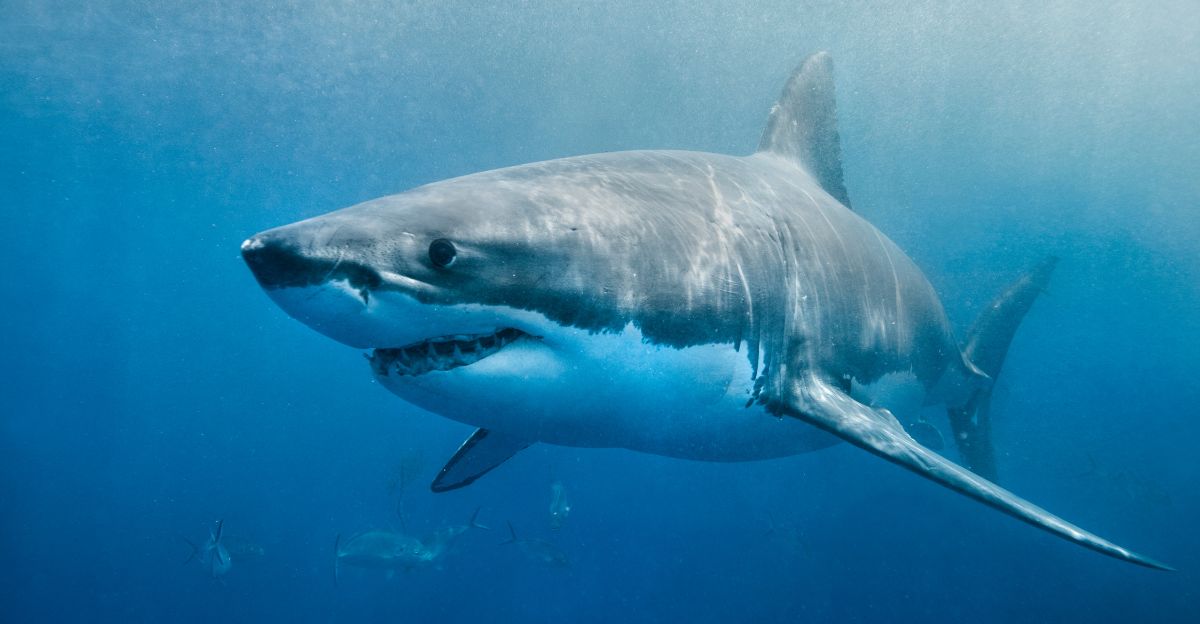
In 1986, Donnie Braddick reeled in a 3,450-pound great white shark off Montauk, New York, a catch that remains the largest fish ever weighed in U.S. waters. Newsday reported that while IGFA did not certify the catch due to rule disputes, state authorities confirmed its size.
The shark has since fueled debates about record-keeping and the ethics of targeting apex predators. Braddick’s story highlights a pivotal moment in U.S. sportfishing history, where fascination with enormous sharks collided with growing awareness of their importance in marine ecosystems.
8. Black Marlin—Hawaii
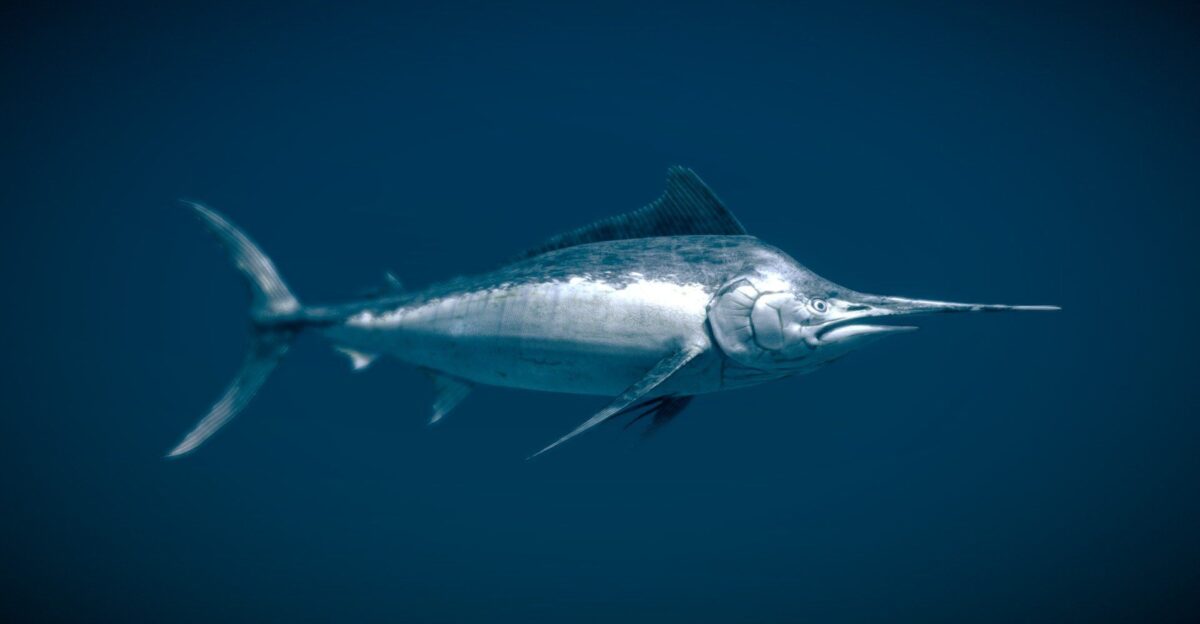
Photo by Pinterest on Pinterest
Hawaii has long been synonymous with big-game fishing, and Lei Aloha’s 1,205-pound black marlin, caught in 1980, solidified that reputation. Reported by the Honolulu Star-Bulletin, the marlin fell short of the world record but stood as one of the largest ever landed in U.S. waters.
The catch elevated Hawaii as a global sportfishing destination and inspired a generation of anglers chasing the elusive “grander”—a marlin topping 1,000 pounds. Aloha’s triumph exemplifies the allure of Pacific waters, where tradition, challenge, and raw power meet on the open ocean.
9. Shortfin Mako Shark—Massachusetts
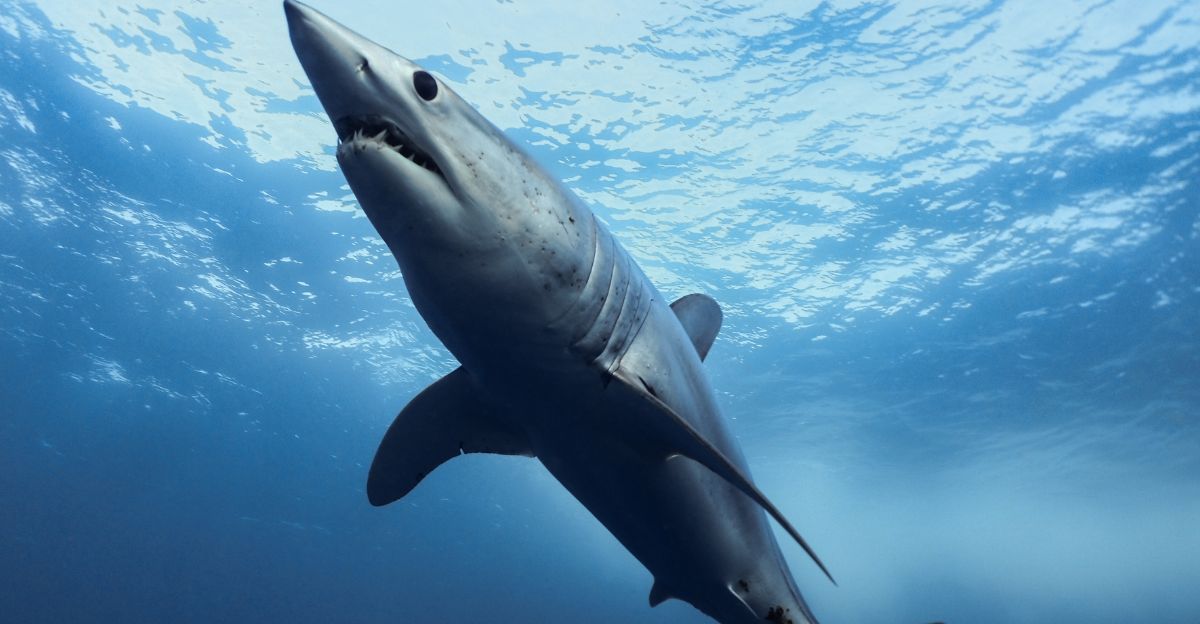
On July 21, 2001, Luke Sweeney landed a 1,221-pound shortfin mako shark off Massachusetts. The Boston Globe reported that the catch set new U.S. and world records for the species. Makos are famed for their blistering speed, sometimes reaching 45 miles per hour, making them one of the ocean’s fiercest hunters.
Sweeney’s record remains a benchmark for offshore fishing and highlights the coordination required among crew members to land such a powerful fish. His success also reinforced Massachusetts’s role as a premier destination for shark fishing in American waters.
10. Atlantic Blue Marlin—North Carolina
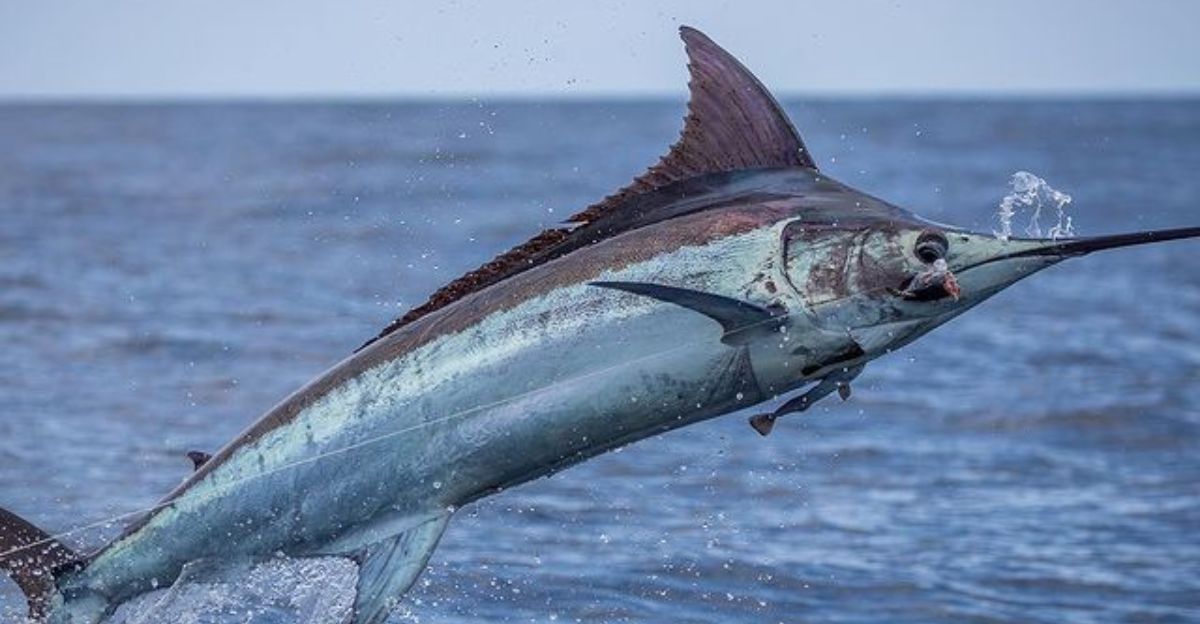
Trey Irvine etched his name into U.S. sportfishing history in 2008 with a 1,228-pound, 8-ounce Atlantic blue marlin off North Carolina. The Outer Banks Sentinel reported that the catch set a U.S. record and reinforced the East Coast’s reputation for producing giant billfish.
Tournament fishing thrives in the region, and Irvine’s success fueled enthusiasm among anglers chasing big-game glory. The catch was more than just a personal victory, it showcased the rich waters of the Atlantic seaboard, where tradition and competition collide in the pursuit of legendary marlin.
11. Atlantic Bluefin Tuna—Massachusetts
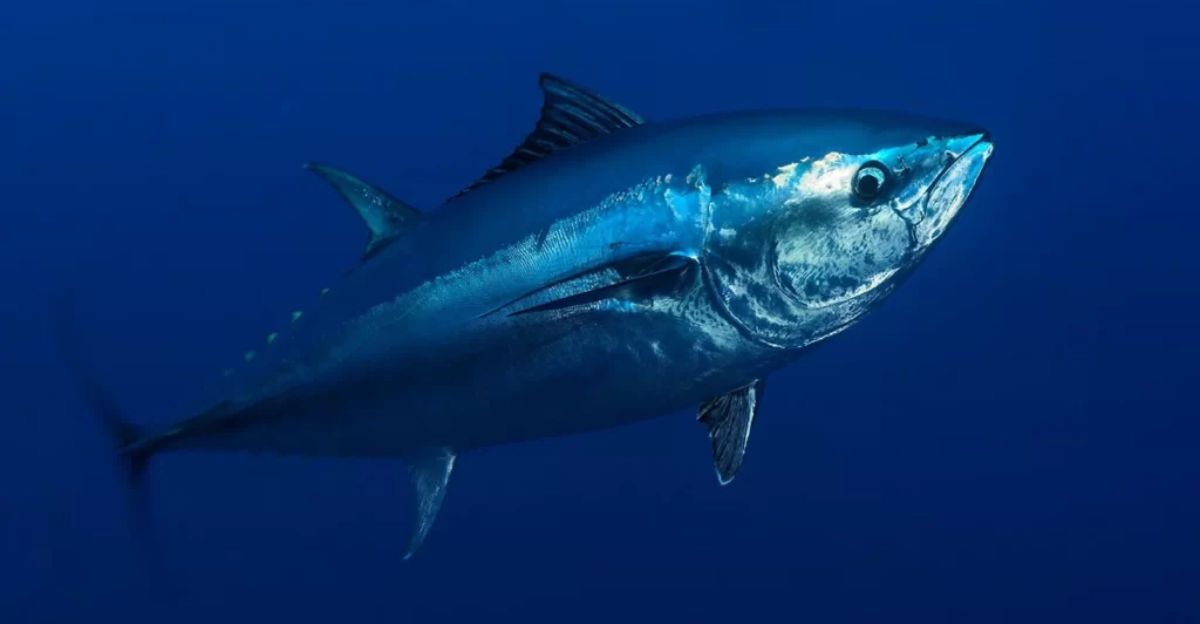
In 1984, Marlene Goldstein reeled in a staggering 1,229-pound Atlantic bluefin tuna off Massachusetts. The Boston Herald reported that it was one of the heaviest bluefin ever landed by a recreational angler in U.S. waters. Her catch highlighted the extraordinary size these tuna can reach, but it also coincided with growing concern over dwindling stocks.
In the mid-1980s, commercial demand was reshaping tuna fisheries, driving economic opportunity and ecological pressure. Goldstein’s achievement remains a landmark in American angling, symbolizing the delicate balance between human ambition and marine conservation.
12. Tiger Shark—Cherry Grove, South Carolina

Walter Maxwell’s 1,780-pound tiger shark, caught in 1964 at Cherry Grove Pier, South Carolina, was the largest ever recorded. According to The State newspaper, the catch drew national attention and helped spark a surge in sport shark fishing across the Southeast.
Maxwell’s feat highlighted tiger sharks’ sheer size and strength while also highlighting Americans’ fascination with big-game ocean fishing in the mid-20th century. Today, the record reminds us of past abundance and shifting views on shark conservation.
13. Blue Marlin—Hawaii

On June 10, 1970, Gail Choy-Kaleiki landed an astonishing 1,805-pound blue marlin off Waianae, Hawaii. Though IGFA did not certify the record due to technicalities, the Honolulu Advertiser reported that it remains the heaviest marlin ever caught in U.S. waters.
The achievement was celebrated throughout Hawaii, reinforcing the islands’ global reputation as a hub for world-class big-game fishing. Choy-Kaleiki’s catch remains iconic, remembered for its size and the story of endurance and teamwork it took to land one of the ocean’s most formidable fish.
14. King Salmon—Kenai River, Alaska
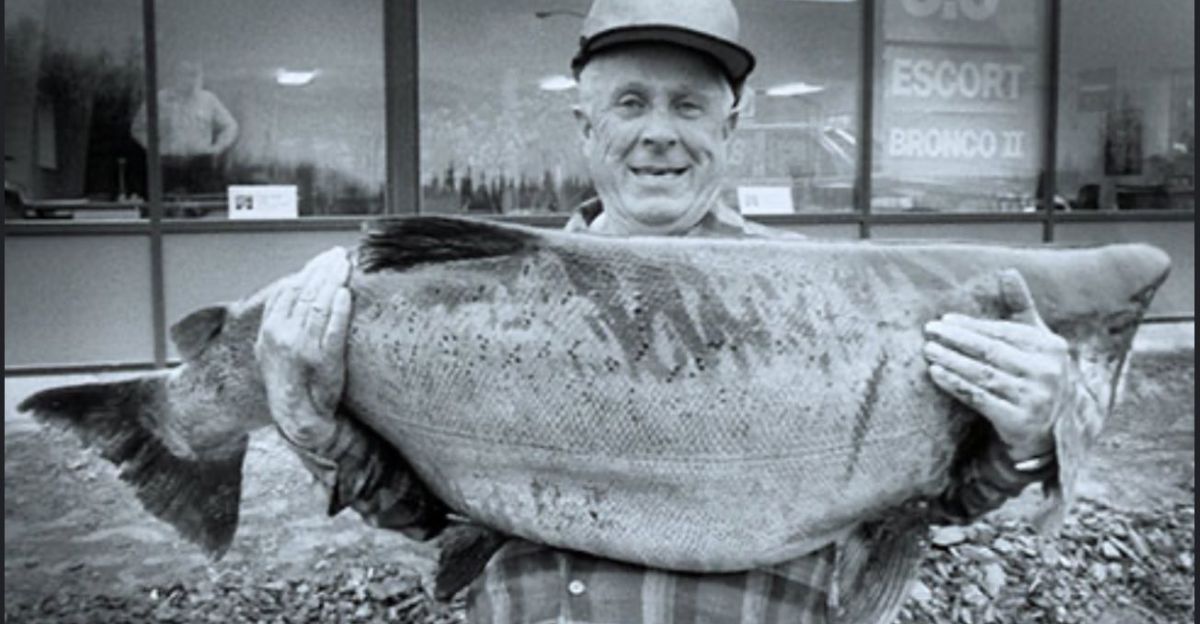
Alaska’s Kenai River cemented its legendary status when Lester Anderson reeled in a 97-pound, 4-ounce Chinook salmon on May 17, 1985. The Anchorage Daily News reported it as the largest king salmon ever officially recorded in the U.S. Known as the “king of kings,” Chinook salmon are prized for their size and fight.
Anderson’s catch highlights the Kenai’s reputation as a world-class salmon river and remains a benchmark for anglers chasing Alaska’s most iconic fish. Nearly four decades later, the record still fuels dreams of hooking the ultimate Chinook.
Changing Tides in Conservation
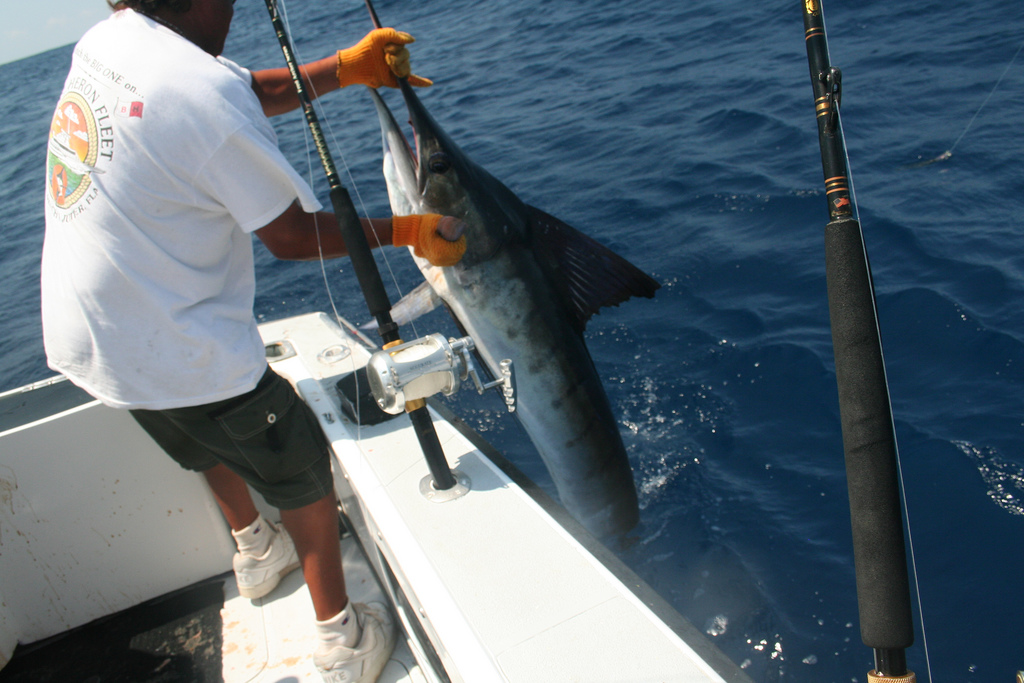
Big-game fishing has evolved alongside growing awareness of environmental limits. Many of the species that once set records like giant bluefin tuna, massive paddlefish, and Mekong catfish are now protected or strictly regulated. According to the World Wildlife Fund, freshwater species alone have declined nearly 83 percent since 1970.
These numbers reveal why modern anglers often release large catches rather than claim them. While the spirit of competition remains, today’s records are often celebrated less for sheer size than for the skill and restraint that ensure future generations can share the same waters.
Technology Transforms the Sport
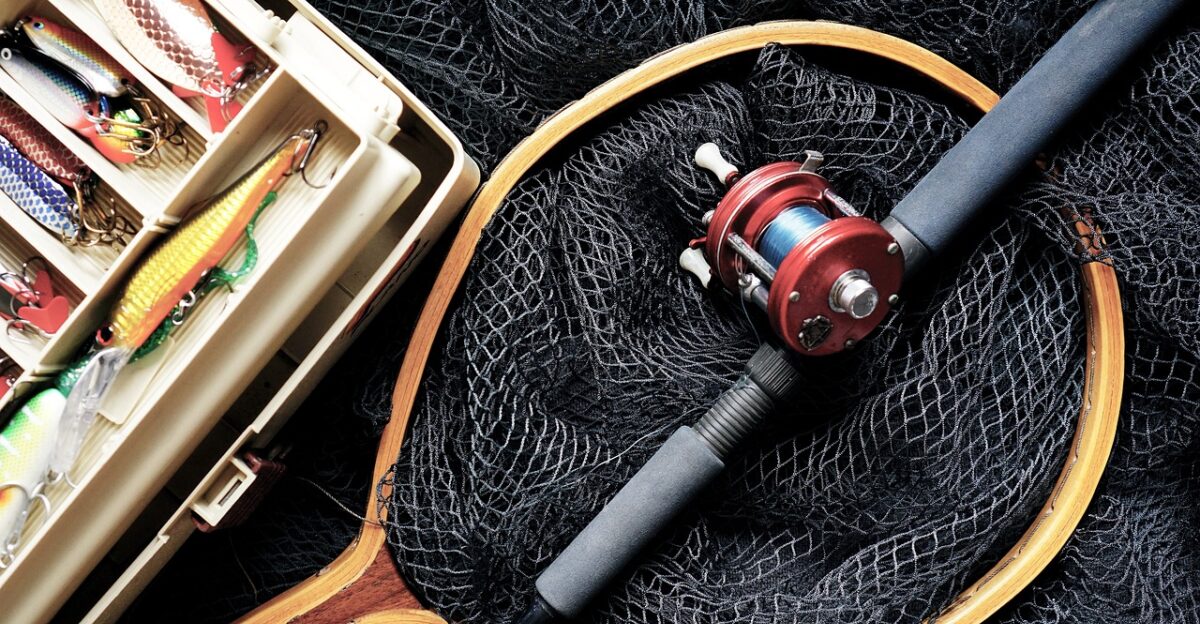
From bamboo rods to high-tech carbon fiber, fishing gear has advanced as rapidly as the sport itself. The International Game Fish Association notes that innovations in line strength, reels, and sonar technology allow anglers to target species with unprecedented accuracy. Yet, this technology raises debates about fairness and tradition.
Some record-setting feats, like Art Weston’s 2025 ultralight gar catch demonstrate a blend of old-school patience and modern precision. These shifts show that world-class fishing records now reflect not just size, but also evolving definitions of mastery, ethics, and respect for the resource.
The Enduring Legacy of Record Catches
Across oceans, rivers, and lakes, these 14 historic catches stand as milestones in human endurance and our relationship with nature. They are more than statistics; they are stories of skill, chance, and waters that still inspire awe. For every marlin or catfish recorded in the books, countless others remain in the depths, reminders that nature’s scale surpasses human measure.
While the world debates conservation, technology, and fair play, the legends endure. They invite us not only to marvel at what was caught, but to respect what remains uncaught in the vast blue frontier.