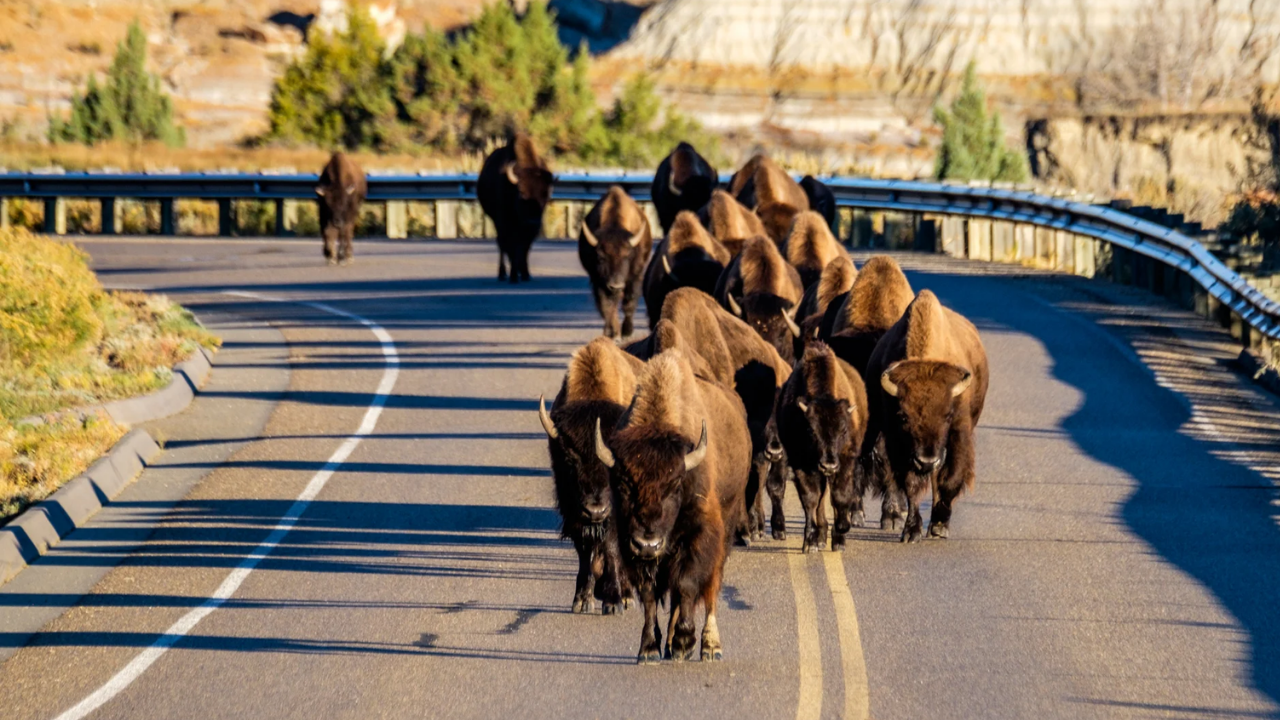
Imagine cruising past shaggy bison herds grazing feet from your car, grizzlies lumbering across tundra, or elk bugling in misty rainforests, these are America’s wildest retreats, where nature roars back to life. Pack binoculars, respect safe distances, 25 yards for elk, 100 for bears, and check nps.gov alerts.
Whether you’re road-tripping the Wildlife Loop or paddling with otters, these spots blend thrill with education. Over 50 million visitors flock yearly, but dawn patrols beat crowds. These are some of the best nature reserves to visit if you want to experience nature in all its glory.
1. Custer State Park, South Dakota
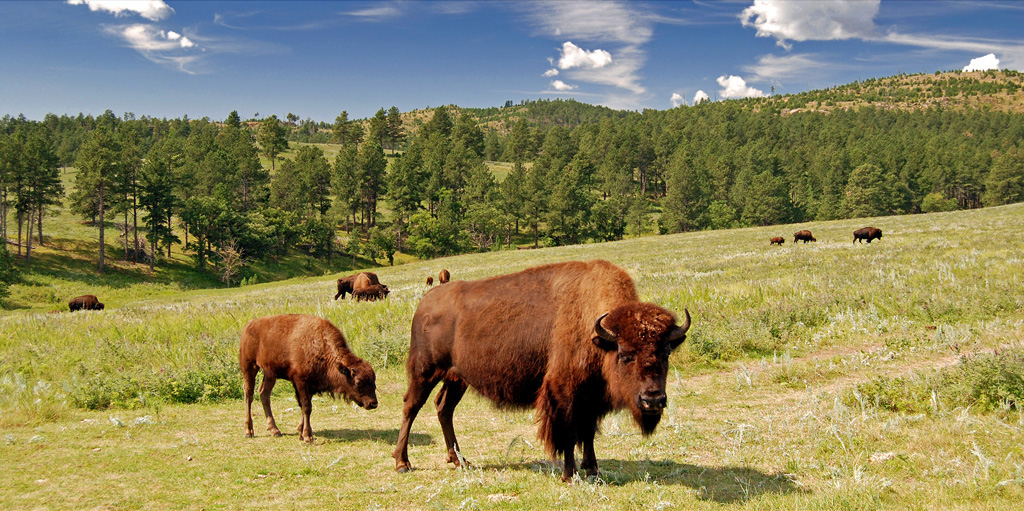
In Custer State Park, South Dakota, 1,300 to 1,500 wild bison roam free with one of the biggest herds in the U.S. Take the 18-mile Wildlife Loop Road, and you’ll see these 2,000-pound giants grazing just feet from your car, alongside pronghorn antelope and cheeky burros. Hike the Cathedral Spires trail or join a guided jeep tour for more thrills.
Nearby Mount Rushmore and Crazy Horse Memorial add history to your adventure. Camp under the stars or stay in cozy lodges. It’s raw America so get binoculars ready, and respect their space. Conservation here shines as the herd thrives thanks to careful management since the 1960s. Over 1.5 million visitors come yearly, but early mornings beat the crowds.
2. Yellowstone National Park, Wyoming
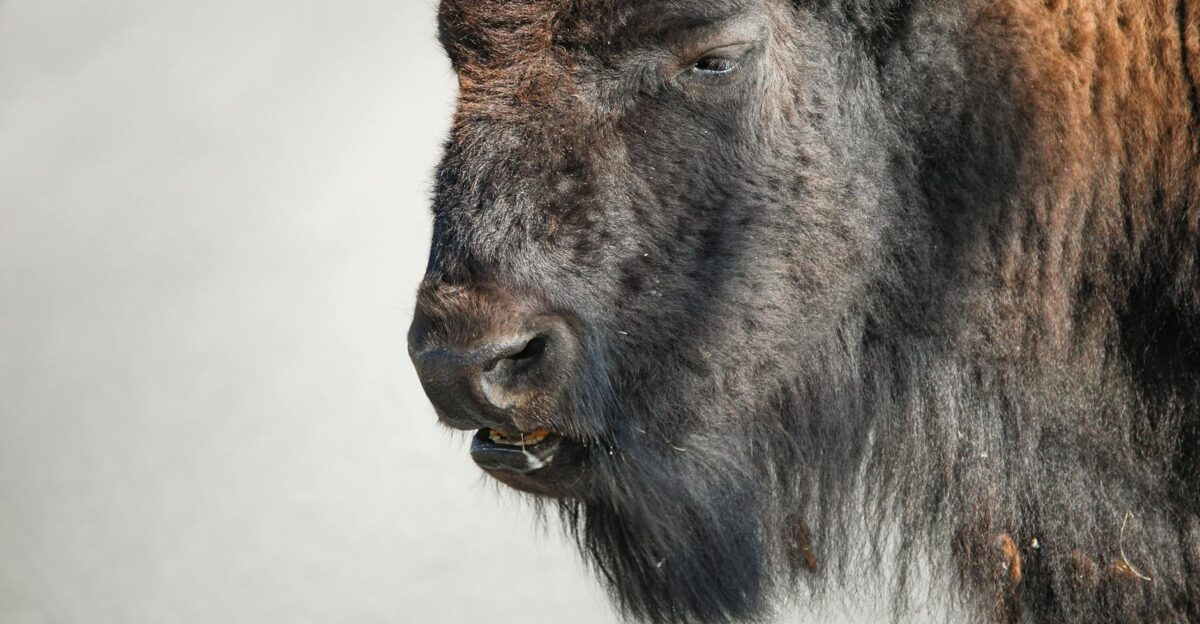
Yellowstone National Park in Wyoming boasts the largest wild bison herd in the U.S. at around 5,000 strong, mingling with steaming geysers and roaming grizzlies. Pull over in Lamar or Hayden Valleys to watch massive herds cross roads and rivers, sometimes halting traffic for hours. Wolves lurk nearby, best spotted from safe boardwalks.
Over 4 million visitors flood in annually, but ranger-led safaris share pro tips. Stay at the historic Old Faithful Inn or pitch a tent. This 2.2-million-acre wonder highlights triumphs like bison rebounding from near-extinction and spot geothermal pools bubbling beside the beasts in nature’s wild show.
3. Denali National Park, Alaska
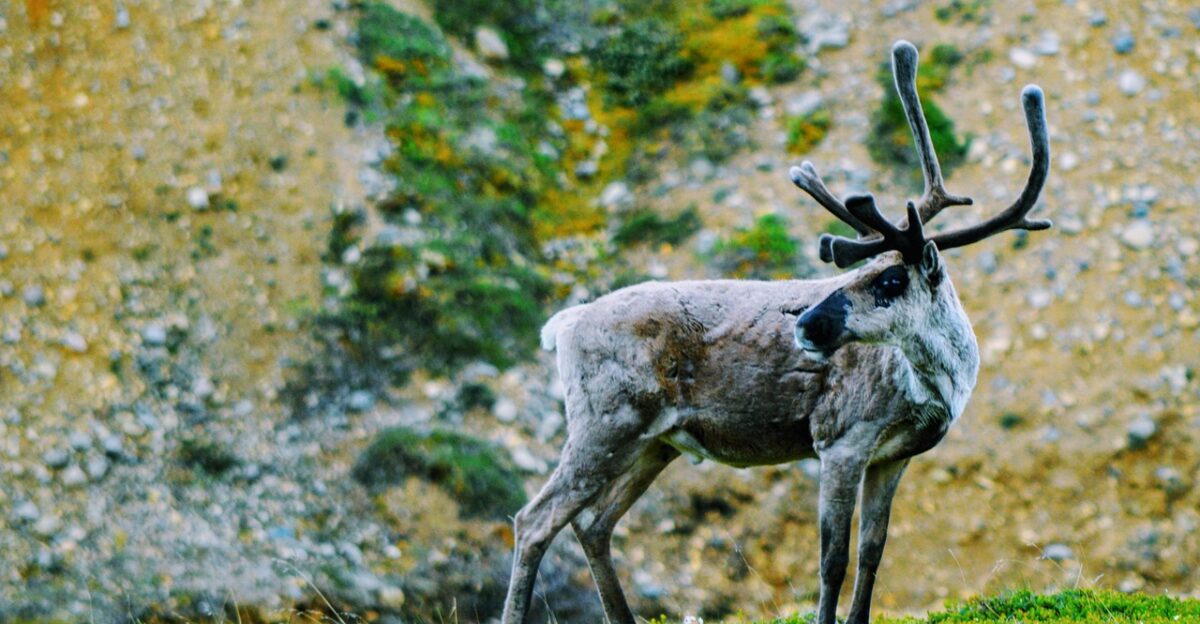
Denali National Park’s 6 million acres in Alaska feel like the edge of the world, with grizzlies, moose, Dall sheep, and caribou strolling near the 92-mile park road. Hear hooves crunch on gravel as herds migrate close by. Private cars stop at mile 15, so grab a narrated bus tour for 12-hour wildlife marathons.
Spot Denali’s peak on clear days amid the action. Conservation wins big as grizzly numbers have stabilized through habitat protection. Keep 300 yards from bears, stay on paths, and pack bear spray.
4. Great Smoky Mountains National Park, Tennessee
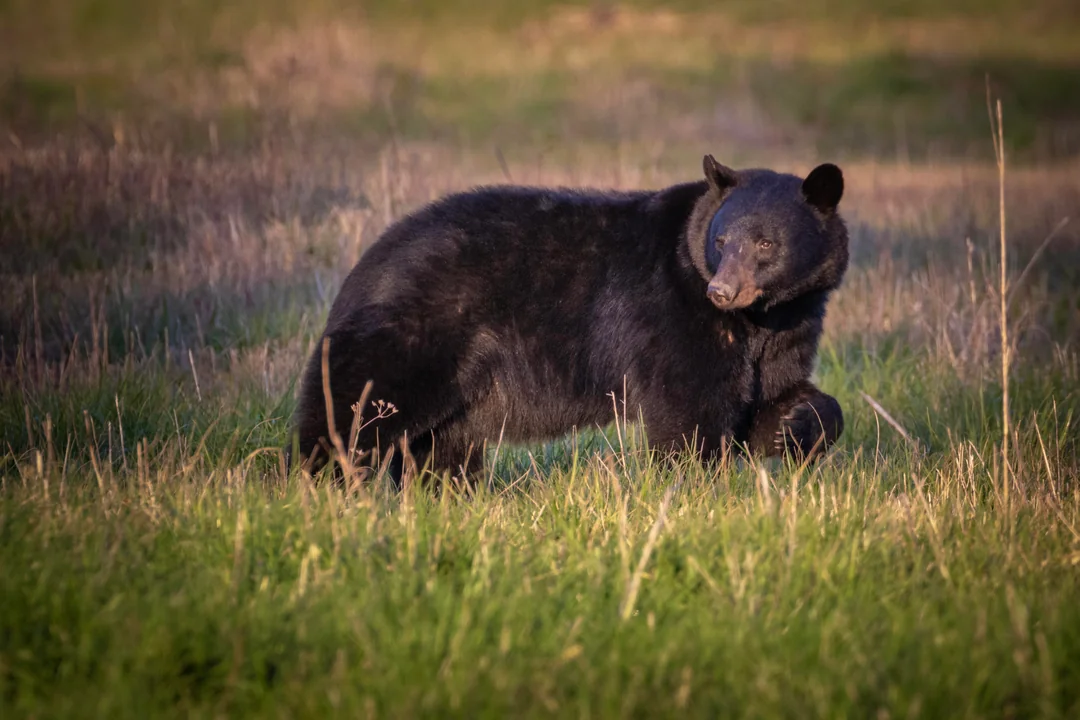
Great Smoky Mountains National Park, straddling Tennessee and North Carolina, buzzes with over 1,800 black bears and elk herds in its 522,000 acres. Drive Cades Cove Loop Road to see bears foraging and elk grazing near picnickers but keep in mind to stay just keep 50 yards back. June’s synchronous fireflies light up trails, but daytime shines for wildlife.
Free entry lures 14 million visitors yearly to hike Porters Creek for salamanders among 19,000 species among other things or camp at Elkmont or Clingmans Dome. Elk reintroduction in the 2000s turned fields into hotspots.
5. Olympic National Park, Washington
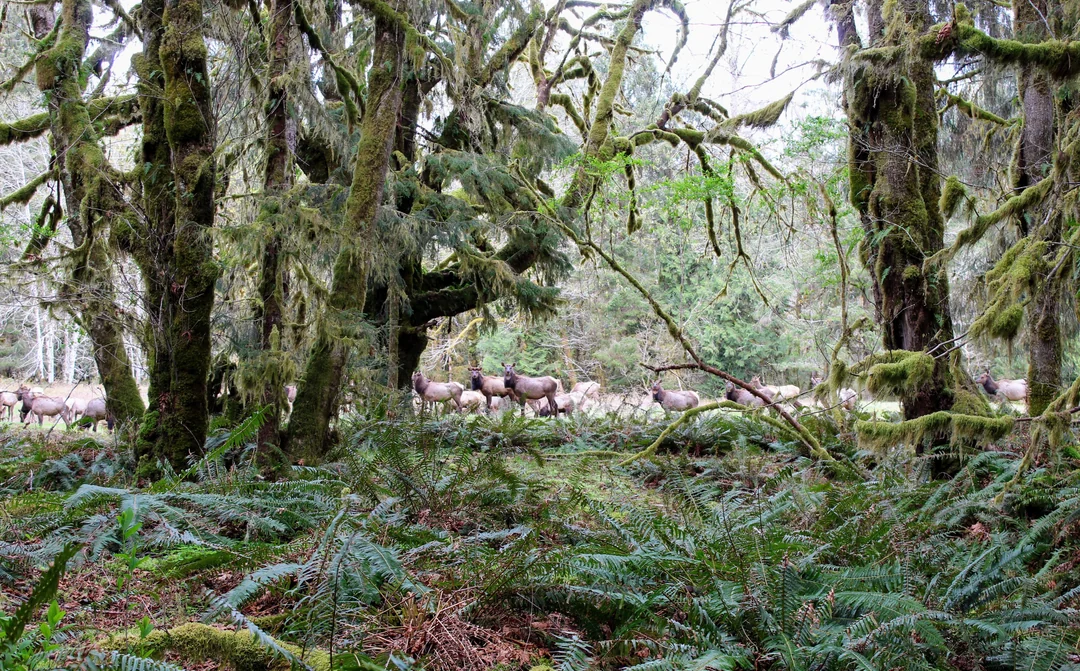
Olympic National Park in Washington features North America’s largest Roosevelt elk herds grazing openly in the misty Hoh Rainforest. Mossy trails put you steps from bugling bulls in fall rut, with black bears and otters splashing nearby. Kayak the Hoh River for seal pups paddling alongside.
This temperate rainforest, with 140 inches of annual rain, protects 300+ bird species and elk numbers have grown via conservation fences. Paddle Lake Crescent for otters at eye level but always respect 25-yard distances and watch for rut aggression.
6. Acadia National Park, Maine

Acadia National Park in Maine blends coastal cliffs and carriage roads where white-tailed deer and moose wander Jordan Pond paths. Seals haul out on Sand Beach shores, visible from Otter Cliffs as seabirds dive nearby. Use the free Island Explorer shuttle for car-free hikes.
Camp at Blackwoods or inn-hop in Bar Harbor. Over 4 million visitors savor Jordan Pond House teas amid the show. Harbor seals number in thousands here seasonally and conservation restored carriage roads for quiet access. Spot porpoises from Cadillac Mountain and keep 150 feet from seals while you always stay on trails.
7. Glacier National Park, Montana
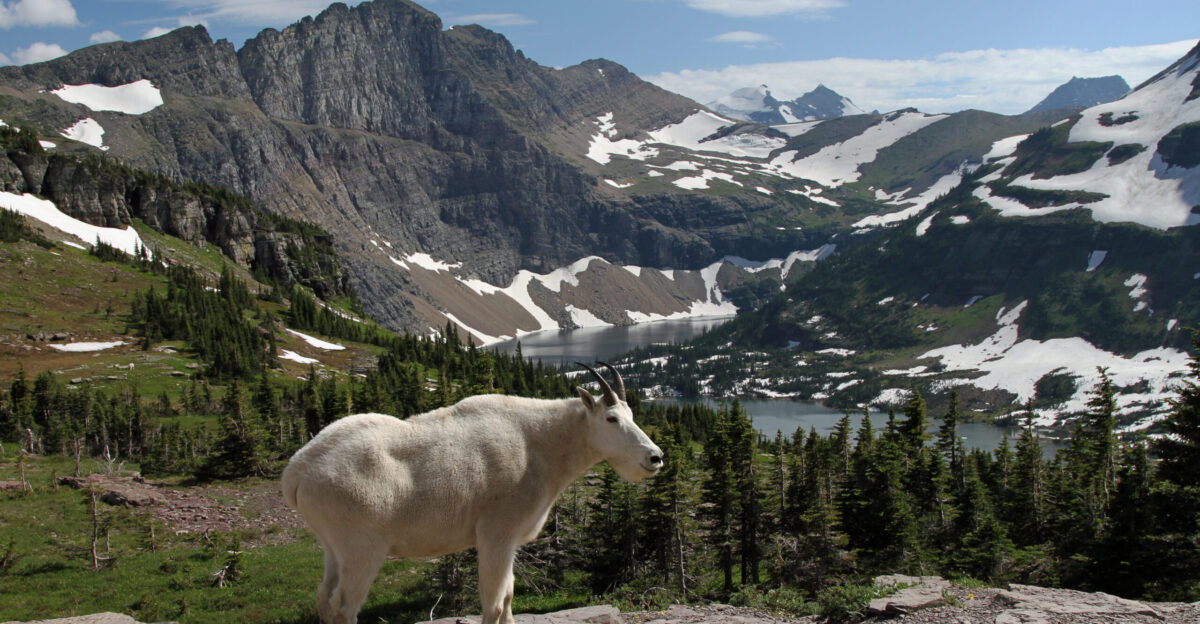
Glacier National Park in Montana’s Going-to-the-Sun Road delivers grizzly and black bear views amid melting glaciers. Mountain goats scale cliffs from pullouts, while bighorn sheep, pronghorn pose at Logan Pass and wolves howl near St. Mary Lake.
The road’s hairpin turns frame postcard scenes. Grizzlies thrive with protected corridors and over 3 million visitors navigate crowds but dawn patrols always win. Keep 100 yards from bears and make sure to use spotting scopes.
8. Everglades National Park, Florida
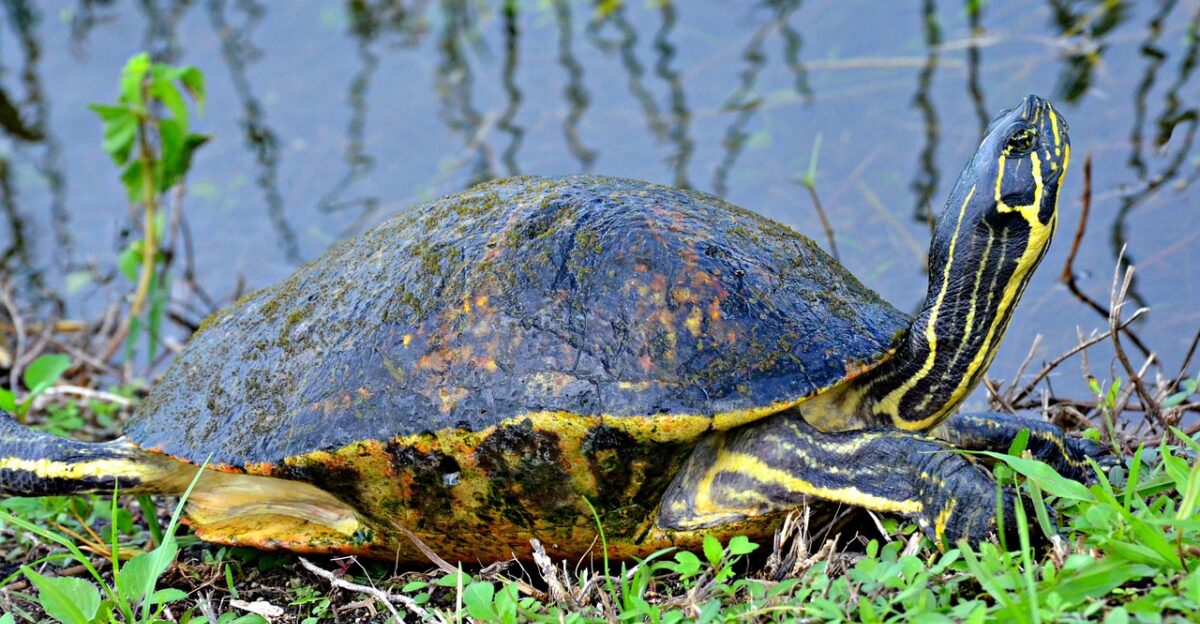
Everglades National Park in Florida puts alligators inches from Anhinga Trail boardwalks, snapping at fish as manatees surface in Shark River Slough. Florida panthers prowl Shark Valley while tram tours spot crocs blocking paths.
Airboats rev up encounters and enjoy camping at Flamingo Marina. Python hunts protect natives and panther numbers rose 20% recently. Over 1 million visitors wade in yearly so make sure to keep hands off rails, and stay 15 feet from gators. This subtropical wetland was listed as a UNESCO site and they fight invasive species head-on.
9. Moose Wading in Wyoming’s Teton Glory
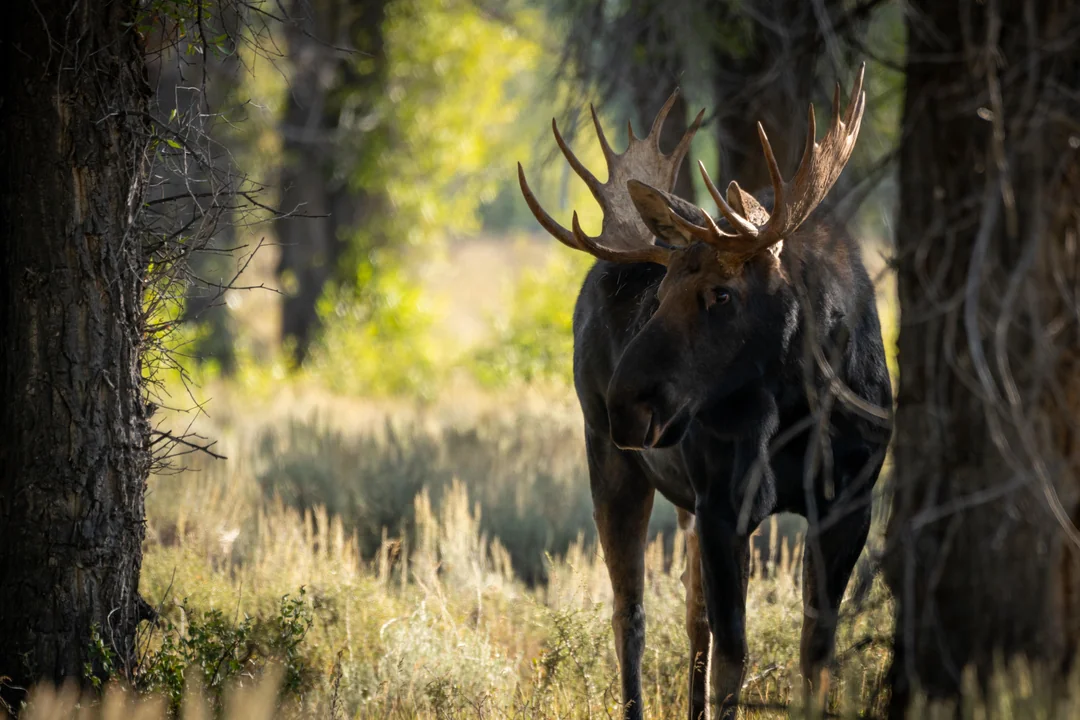
Grand Teton National Park in Wyoming stuns with elk and moose wading Jenny Lake shores at dawn, antlers gleaming. Bison cross Teton Park Road near Schwabacher Landing while bald eagles nest above.
Jackson Lake Lodge balconies frame it all with over 2.5 million visitors hit trails yearly. Moose rebound from overhunting via protections and you can easily spot otters in Snake River. Keep 75 feet from bison and the best time to take in the scenery is at dusk or dawn.
10. Rocky Mountain National Park, Colorado
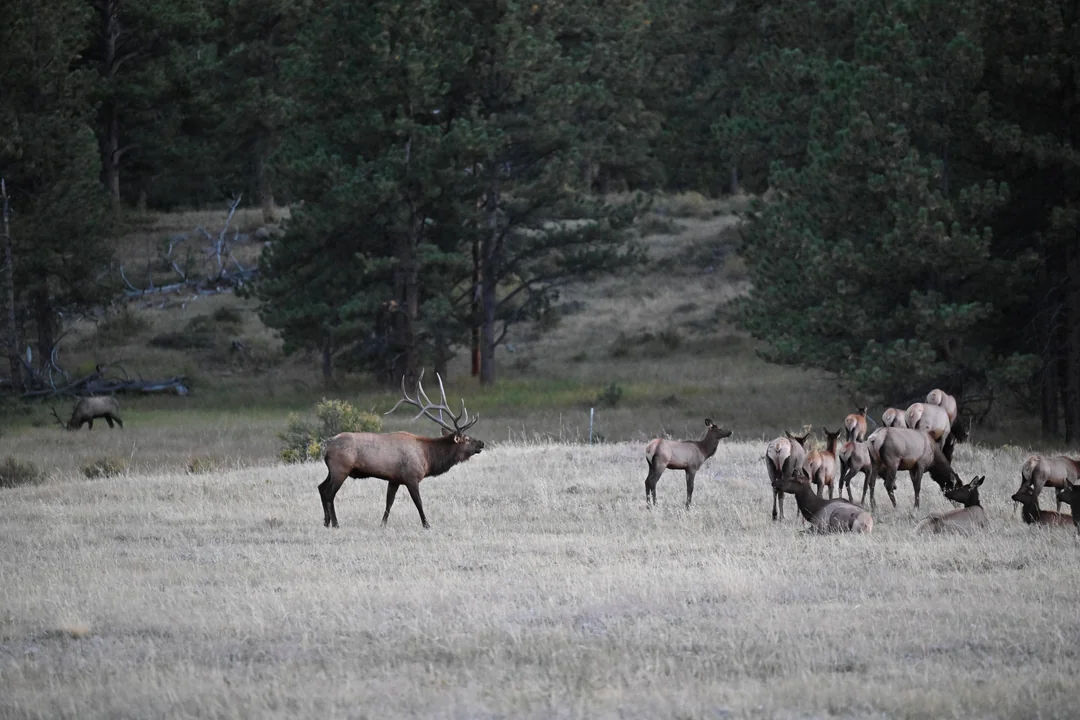
Rocky Mountain National Park in Colorado comes alive with elk bugling in Moraine Park during September rut when herds mill near Trail Ridge Road, America’s highest continuous paved park road. Mule deer and bighorn sheep hit Horseshoe Park while coyotes hunt roadside.
Estes Park lodges and Fall River campgrounds base ops. Over 4 million visitors chase the symphony while elk numbers top 1,000 via transplants. Hike to Emerald Lake for deer but respect rut zones with a 75-foot buffer.
11. Shenandoah National Park, Virginia
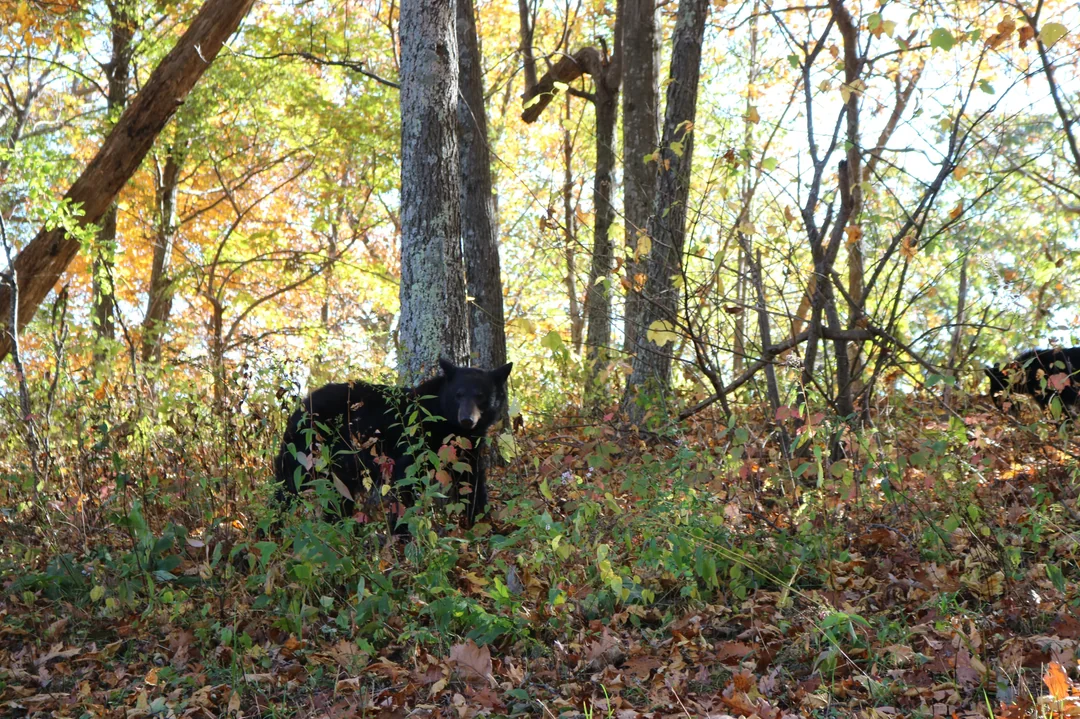
Shenandoah National Park in Virginia’s 105-mile Skyline Drive sees black bears emerging near Big Meadows, deer freezing mid-trail, and bobcats on outcrops. Wild turkeys strut picnic spots. Free apps track sightings all while you can lodge at Skyland.
Over 1.5 million visitors drive it yearly and bear populations are stable at 200+. Hike Old Rag for bobcats but make sure to always secure food just in case.
12. Badlands National Park, South Dakota
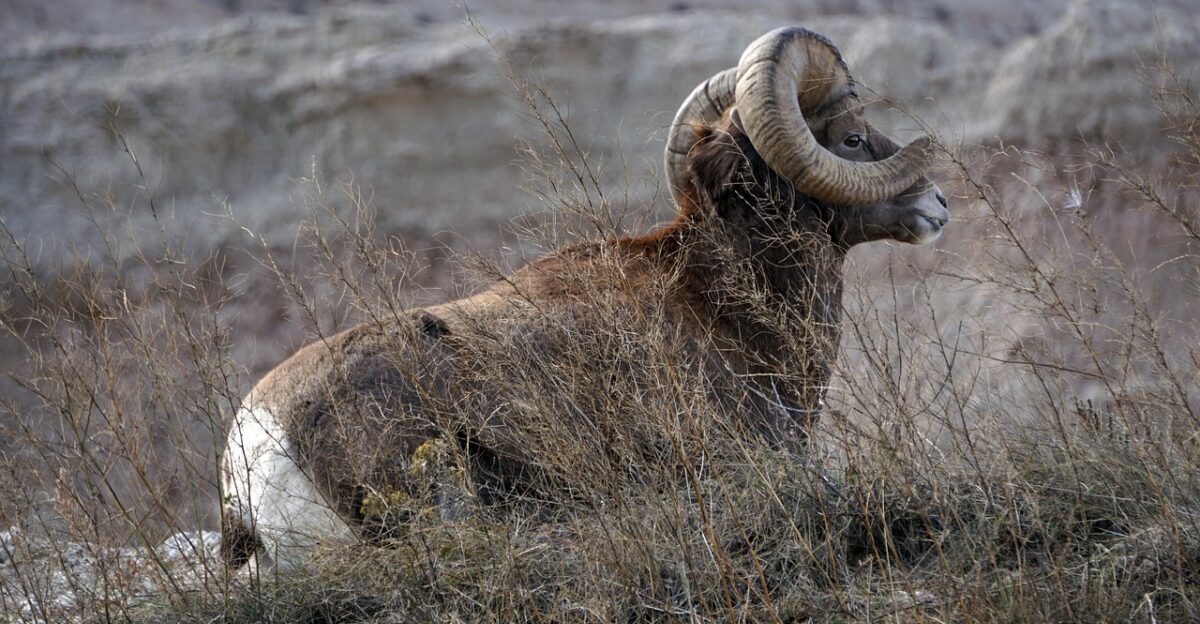
Badlands National Park in South Dakota has bighorn sheep clinging to Sage Creek Rim Road cliffs, leaping near vehicles on unpaved loops. Prairie dog towns hide black-footed ferrets and bison roam the wilderness.
Cedar Pass Lodge is the perfect spot for stargazing while coyotes howl in the distance. Visitor numbers near 1 million and Ferret reintroduction is a huge success.
13. Point Reyes National Seashore, California
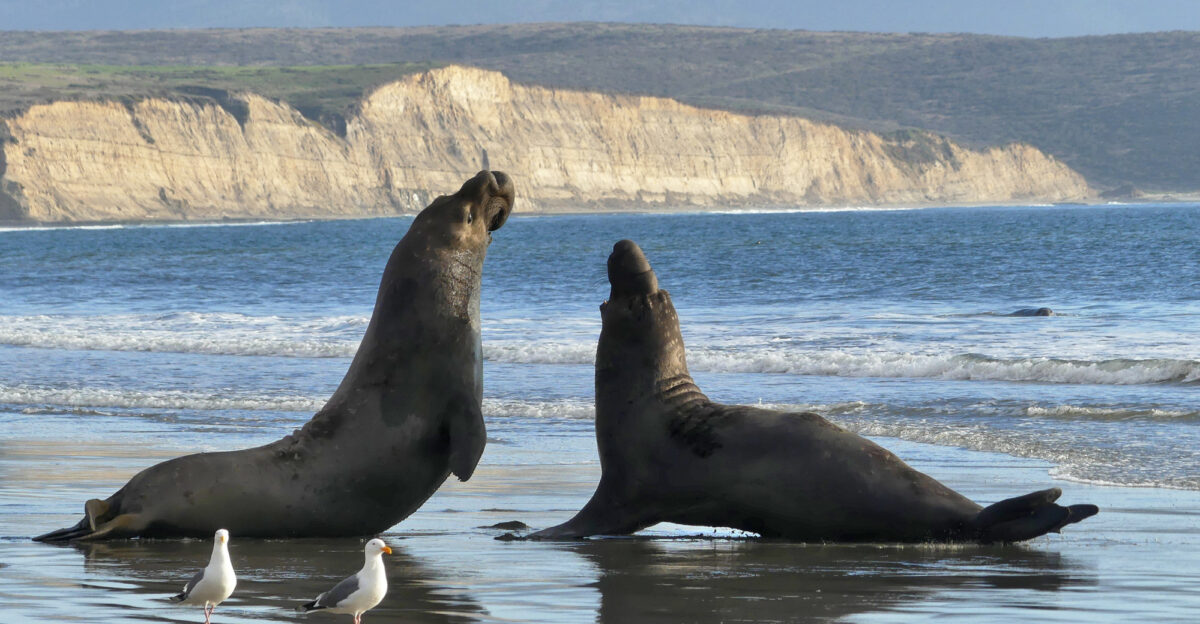
Point Reyes National Seashore in California sees tule elk herds on Drakes Beach, bulls sparring yards from viewpoints. Elephant seals bellow on beaches from Earthquake Trail and porpoises arc near Pierce Point Road.
This reserve sees over 2.5 million visitors each year, proving it’s one of the best. Elk rebound from extinction through 1970s transplants, making it a sight to behold.
14. Theodore Roosevelt National Park, North Dakota
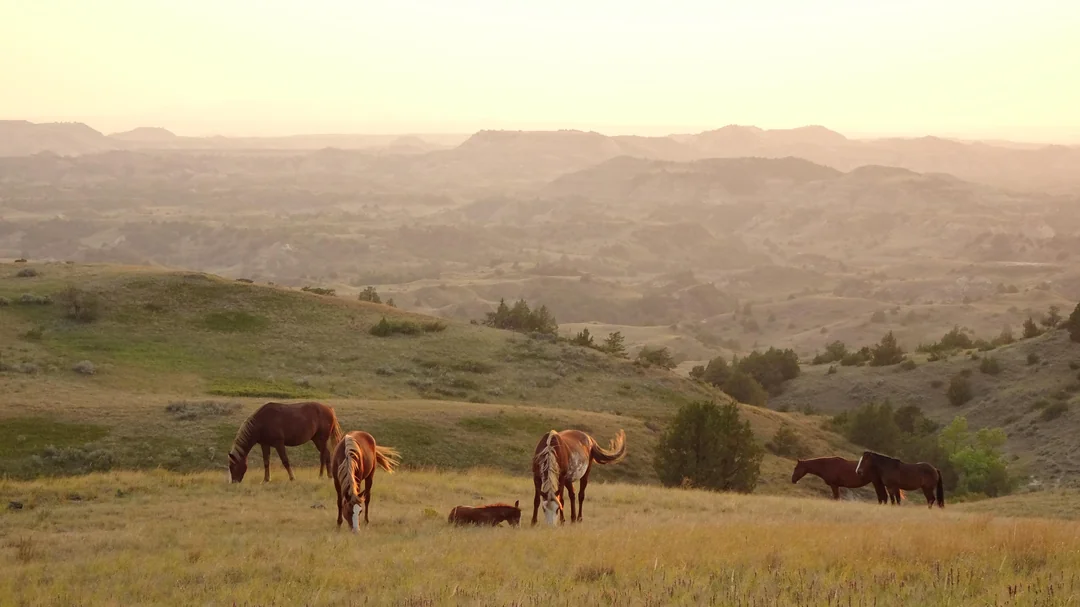
Theodore Roosevelt National Park in North Dakota pulses with wild horses and bison across South Unit petrified forests near Scenic Loop Drive. Prairie dogs chirp at feral ponies and bighorn sheep top Wind Canyon.
Cottonwood Campground and Medora lodges are a great spot to visit as the park sees 700,000 visitors yearly.
Sources:
NPS.gov Homepage (U.S. National Park Service), NPS.gov Homepage
Custer State Park | South Dakota Game, Fish, and Parks, Custer State Park | South Dakota Game, Fish, and Parks
Yellowstone National Park’s Bison Population Status Report, Yellowstone National Park’s Bison Population Status Report
Roosevelt Elk – Olympic National Park (U.S. National Park Service), Roosevelt Elk – Olympic National Park (U.S. National Park Service)
Custer State Park Buffalo Roundup, Custer State Park Buffalo Roundup
Animals – Glacier National Park (U.S. …, Animals – Glacier National Park