After 18 months of uncertainty, 170 million U.S. TikTok users can finally breathe. ByteDance signed binding agreements transferring U.S. operations control to a consortium led by Oracle, Silver Lake, and Abu Dhabi’s MGX. Valued at $14 billion, this restructuring enhances TikTok’s presence while preserving access for American users. Yet questions remain: Has true control really shifted from Beijing?
What Sparked This Lengthy Battle?

Concerns arose that ByteDance could give Beijing access to U.S. data or manipulate content used by millions. Warnings from Secretary Pompeo and President Trump called TikTok a national security risk, sparking early bans or forced-sale talks. Evidence surfaced of ByteDance employees accessing U.S. user data from China. This set the stage for Congress’s decisive actions.
The Law That Forced the Issue
In April 2024, Congress passed the PAFACA Act, with bipartisan support, which requires ByteDance to divest from or ban U.S. TikTok operations. President Biden signed it, mandating completion by January 19, 2025. Civil penalties for app stores supporting TikTok after the deadline could reach $850 billion. This law uniquely targeted a single foreign-owned app, but enforcement proved complex.
The Brief Ban That Shocked Users
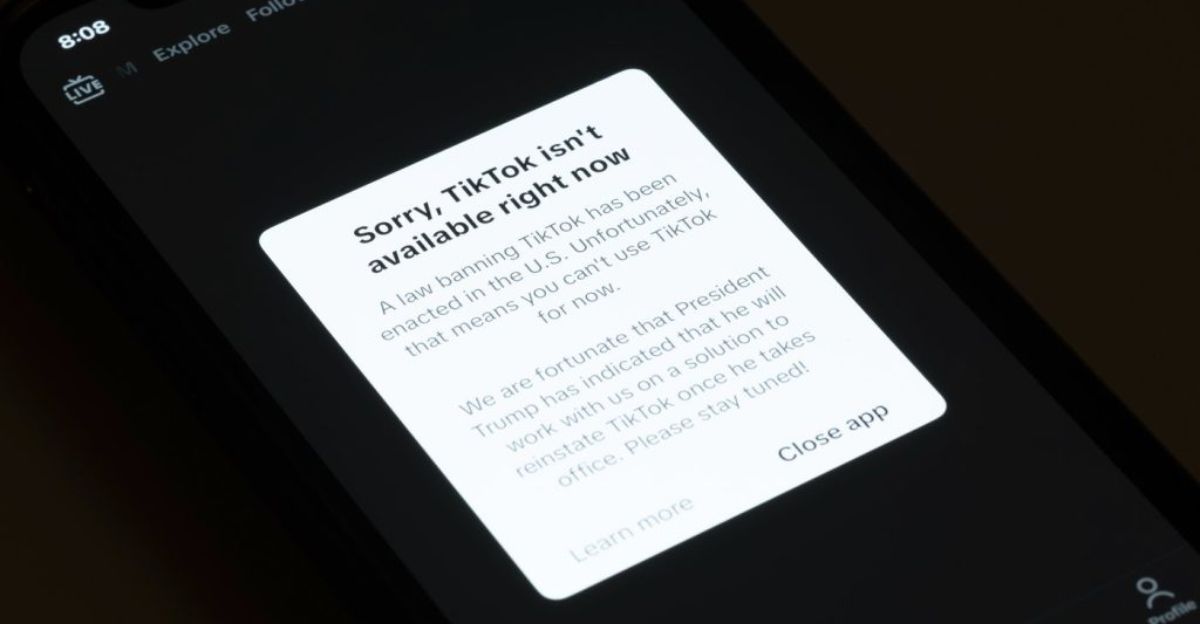
On January 18, 2025, TikTok went dark in the U.S. as ByteDance missed divestiture deadlines. Apple and Google removed it from stores, leaving millions locked out. However, by the next morning, the app returned with a thank-you message crediting former President Trump. A 75-day delay was granted, signaling high-level presidential intervention that came as a surprise to many.
Trump’s Unexpected About-Face
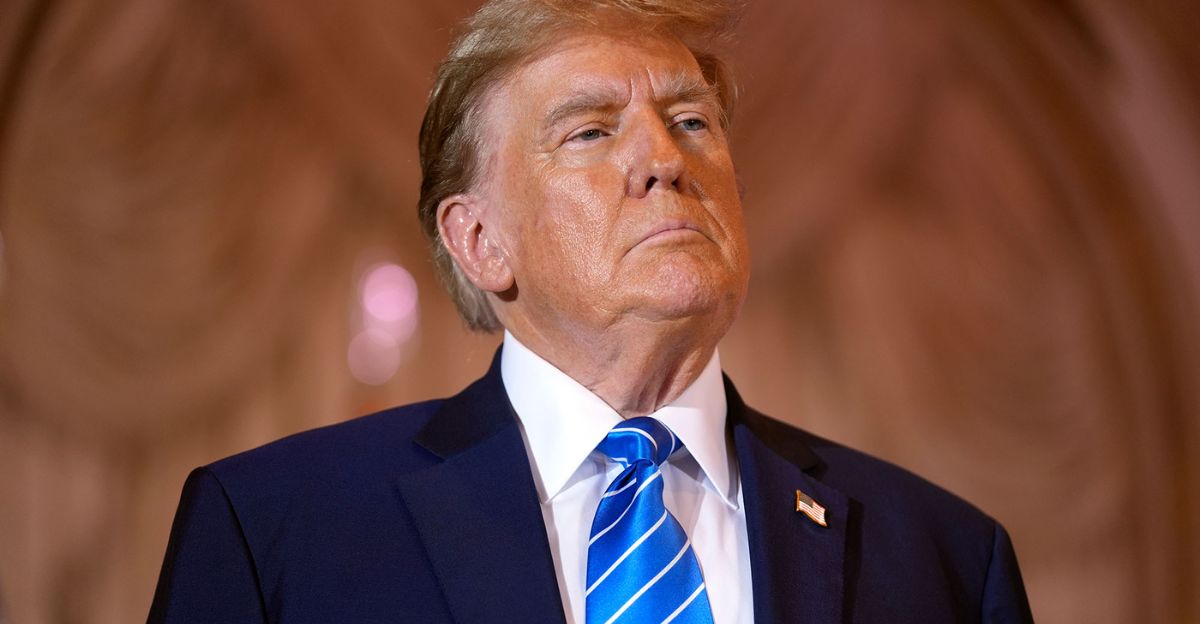
Trump had aggressively pursued a TikTok ban in 2020, but reversed course by 2024, claiming banning TikTok would help Facebook, “the enemy of the people.” Winning reelection, he praised TikTok’s youth appeal and suspended enforcement of PAFACA, assuring providers no penalties. This dramatic reversal nullified Congress’s ban but came with its own conditions to shape the platform’s future.
Larry Ellison: Oracle’s Quiet Power Player
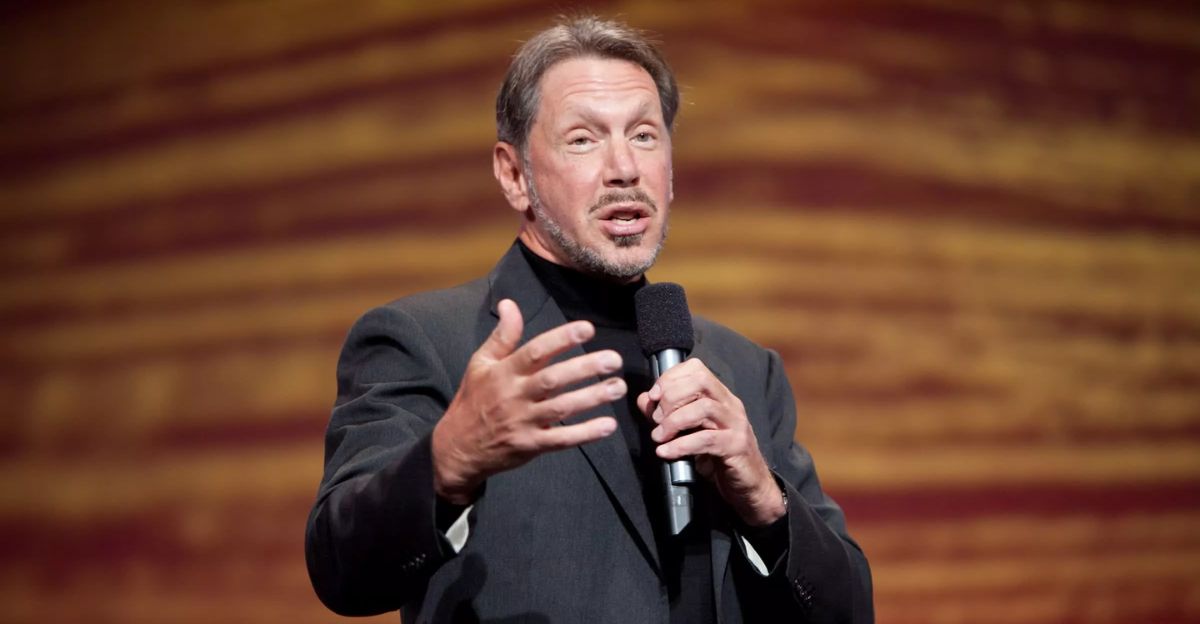
Oracle co-founder Larry Ellison emerged as a key figure shaping TikTok’s U.S. future. With a net worth over $180 billion, his close ties to Trump and control of TikTok’s U.S. cloud infrastructure positioned Oracle as a “trusted security partner.” Oracle gained access to American user data and oversight of algorithms, transforming from a vendor to a strategic gatekeeper in the complex deal.
The Consortium Behind the Deal
Oracle, Silver Lake, and Abu Dhabi’s MGX each own 15%, controlling 45% of the TikTok USDS Joint Venture. Silver Lake manages $75 billion in assets, while MGX represents a UAE strategic investment in AI. The seven-member board comprises six Americans and one representative from ByteDance. This ensures majority U.S. control, yet the blend of ownership masks complex operational dynamics still influenced by Chinese investors.
ByteDance’s Strategic Business Retention
ByteDance relinquished operational control but retained a majority stake in TikTok Shop and advertising sales. TikTok Shop generated nearly $16 billion in U.S. gross merchandise value this year, competing with Amazon and eBay. ByteDance controls these revenue streams, preserving financial benefits. Critics argue this split lets Beijing maintain core interests despite technical changes to content and data control.
Retraining TikTok’s Algorithm Matters Most
The deal hinges on retraining TikTok’s recommendation algorithm exclusively on U.S. user data, ensuring it’s free from Chinese influence. TikTok’s algorithm is the company’s most valuable technology, originally trained on global data. Oracle now manages it on U.S.-based cloud servers, continuously monitoring for foreign interference. This technical safeguard is critical to the regulatory compromise.
Behind The Scenes Of Data Protection

Oracle’s role extends beyond hosting to algorithm oversight and user data security. The company continuously audits engagement patterns, blocking suspicious activities. ByteDance relinquished data control but still benefits financially, leaving some experts skeptical about how deep Oracle’s authority truly runs. This subtle dynamic puts the entire future of TikTok’s U.S. operations in an unusual balance.
Political Stakes And Surprising Alliances
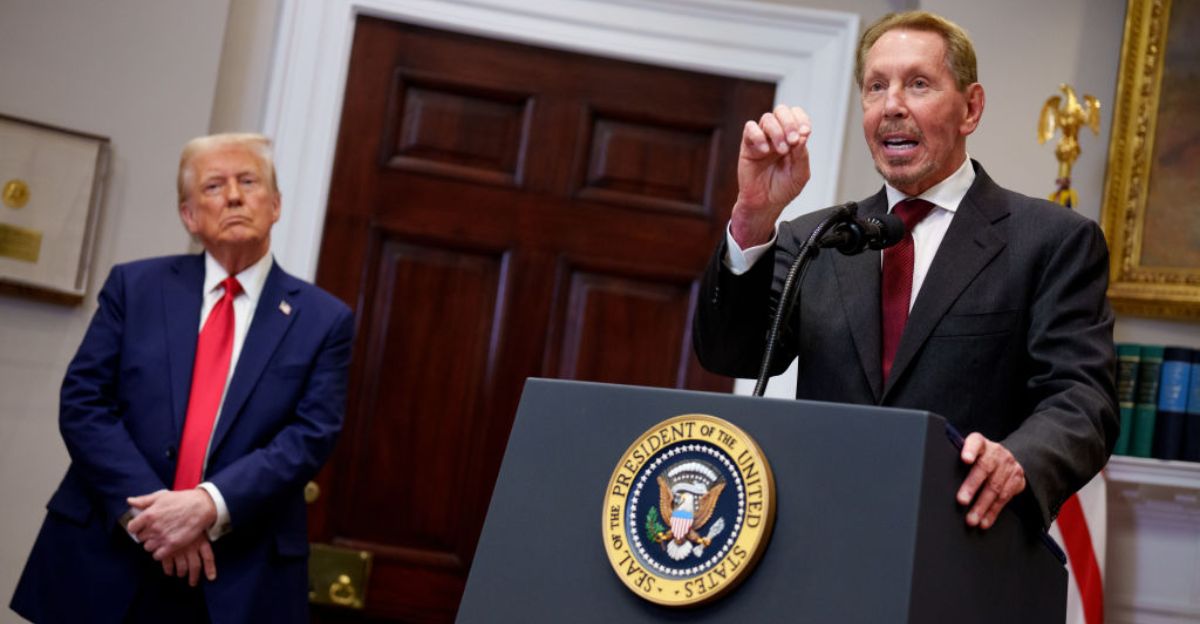
The deal reflects complex political maneuvering, blending national security with business interests. Oracle’s Ellison leveraged political ties to shape the agreement, while Trump’s change of heart aligned with investors benefiting from TikTok’s success. U.S. politicians across parties recognized economic and technological stakes but remain cautious. The ongoing mix of influence sparks questions about future regulatory enforcement.
What Users Might Not Realize
Most TikTok users assume the app is fully American-owned now, but ByteDance’s retained control over lucrative business areas complicates the reality. This hybrid ownership obscures who truly governs TikTok’s content and profits. Meanwhile, Oracle’s oversight ensures data privacy promises are met, but behind the scenes, balancing financial and security interests remains challenging.
Industry Reactions To The Agreement

Tech and privacy experts have mixed opinions on the deal. Some see Oracle’s oversight as the best compromise to protect users while preserving platform access. Others warn that ByteDance’s financial stakes grant continued influence over TikTok, undermining U.S. security goals. The outcome may set a precedent for handling future foreign tech ownership conflicts, making the TikTok case a cautionary tale.
What This Means For Future Tech Oversight
The TikTok deal marks a milestone in regulating foreign-owned technology platforms in America. Legislators now have a framework for balancing national security with innovation and market access. But enforcing these agreements requires ongoing vigilance and technical expertise. As new technologies emerge, this case may guide future policy decisions amid rising geopolitical tensions between the U.S. and China.
TikTok’s Future Growth Prospects
With the restructuring complete, TikTok aims to grow American operations and expand e-commerce through TikTok Shop. The platform’s valuation at $14 billion signals strong investor confidence. However, the success depends on maintaining user trust and meeting regulatory expectations. How TikTok navigates pressures from multiple stakeholders will shape social media competition in the coming years.
Unanswered Questions Remain
Despite the deal’s announcement, concerns linger over who ultimately controls TikTok’s most sensitive data and decision-making. ByteDance’s retained business influence challenges the notion of a fully U.S.-operated app. Will Oracle’s “trusted security partner” role be enough to ease future political or legal battles? These unresolved issues suggest the story is far from over.
The Supreme Court’s Role In The Saga
Supreme Court rulings over the past five years shaped the legal battlefield for TikTok’s U.S. operations. The Court upheld parts of congressional efforts but also emphasized constitutional limits on executive power. These decisions influenced the actions of President Biden and Trump, prompting compromises such as the Oracle deal. The judicial dimension adds complexity that few fully predicted when the saga began.
How ByteDance’s Global Ambitions Evolved
While U.S. operations changed hands, ByteDance continues expanding TikTok globally. The company invests heavily in AI, e-commerce, and content development worldwide. Its ability to innovate outside the U.S. ensures ongoing revenue growth despite market restrictions. This global focus might influence future U.S. negotiations and regulatory pressures as international tech competition intensifies.
What Other Countries Are Doing
America’s TikTok challenge is mirrored by concerns in the UK, EU, India, and Australia. Many democracies scrutinize TikTok’s data practices and consider similar restrictions or forced partnerships. The U.S. precedent with the Oracle deal may guide these nations’ regulatory strategies. The global response illustrates how digital sovereignty has become a key topic in international relations.
What Comes Next For TikTok Users?
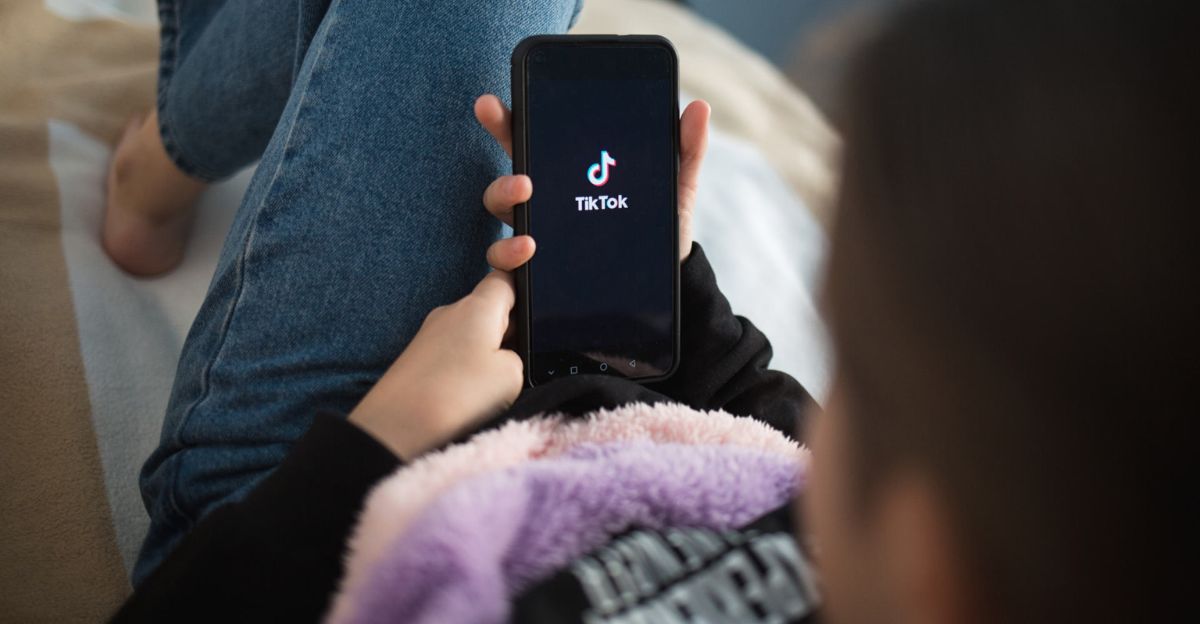
As TikTok’s U.S. operations stabilize, users can expect new features, possibly expanded e-commerce options, and tighter data privacy safeguards. However, how well the platform balances innovation with security remains a watch point. Ongoing transparency from Oracle, ByteDance, and regulators will be essential to maintain trust in an increasingly complex digital landscape where tech and geopolitics intertwine.
Sources
Protecting Americans from Foreign Adversary Controlled Applications Act. U.S. Congress, April 2024
Official Executive Orders on TikTok Regulation. U.S. Government, January 2025
Financial Disclosure on TikTok USDS Joint Venture. Oracle Corporation, 2025
TikTok User Data Security Reports. U.S. Federal Agencies, 2023
Political Impact Analysis on TikTok Ban. Reuters, 2025