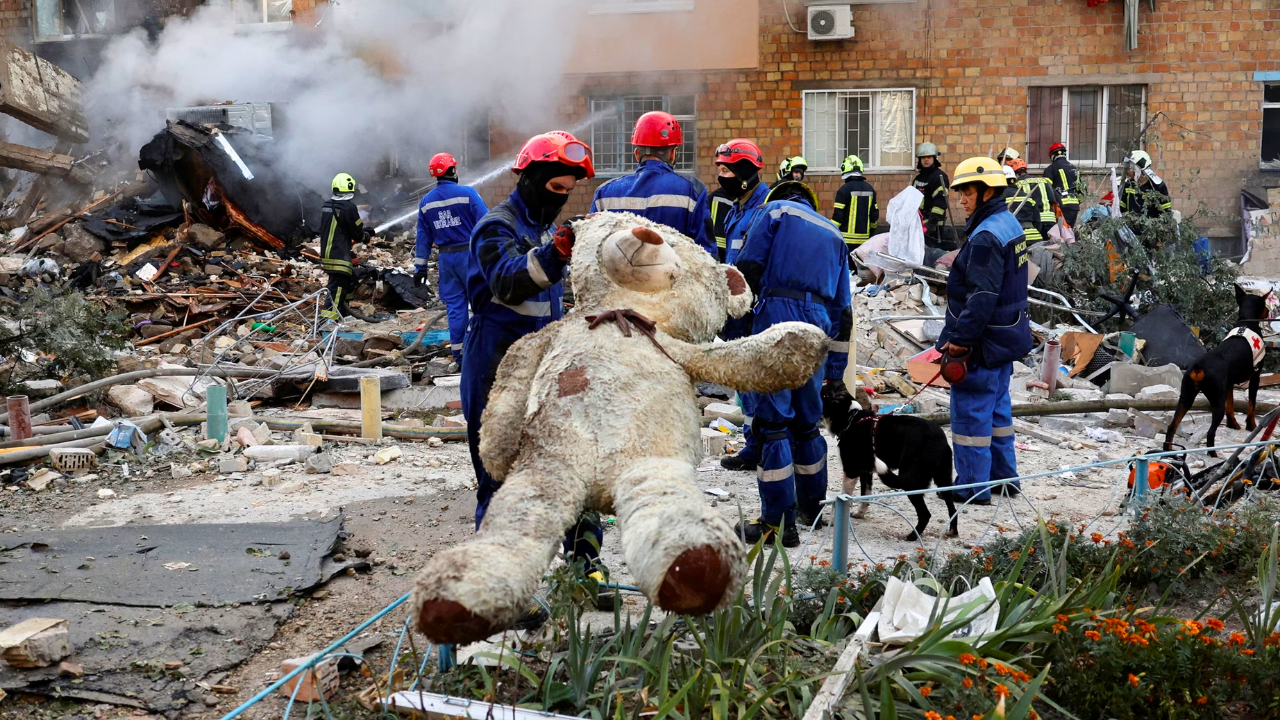
On November 30, 2025, Russian forces sustained an intense operational tempo, executing a coordinated assault characterized by mass drone deployment and aggressive ground offensives. Ukrainian officials documented 155 combat engagements throughout the day, accompanied by 3,118 kamikaze drone strikes, 48 airstrikes delivering 120 glide bombs, and 3,448 shelling attacks. The offensive demonstrated Russia’s commitment to maintaining relentless multi-vector pressure designed to overwhelm Ukrainian defensive capacity and exploit tactical advantages across a dispersed frontline.
Drone Swarms and Technological Evolution

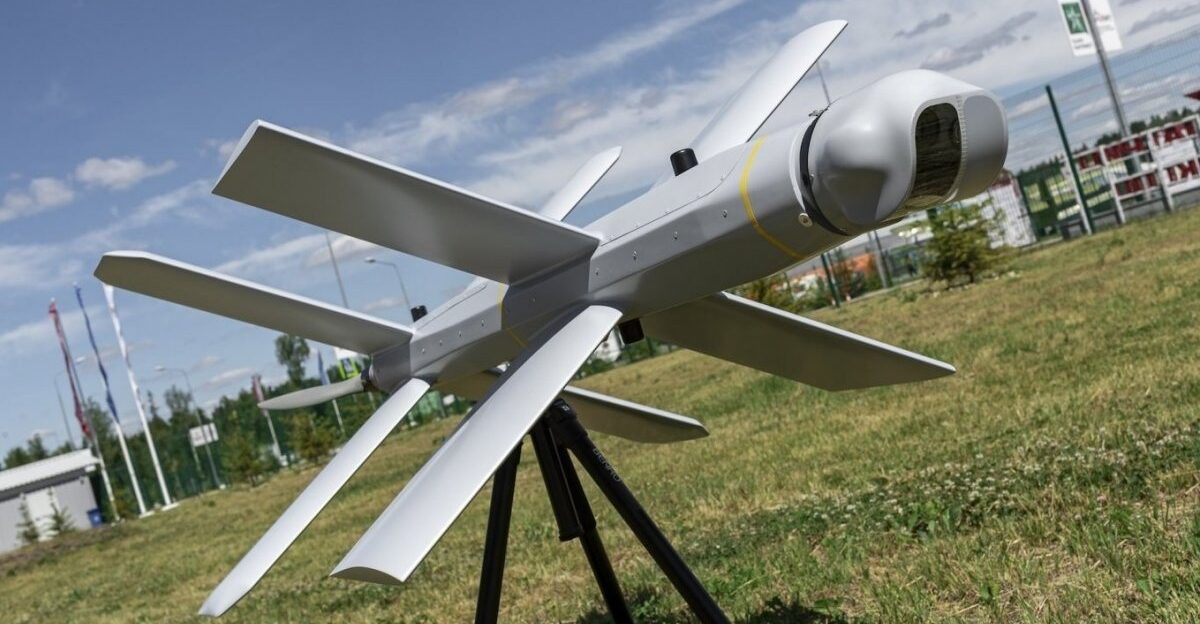
Russia’s drone arsenal has become the centerpiece of its military strategy. The Geran-1 and Geran-2 models, engineered specifically to saturate Ukrainian air defenses, continue to operate in large coordinated waves. Russia has significantly expanded deployment of the Geran-3, a jet-engine variant offering increased speed and altitude capabilities, with Ukrainian General Staff confirming at least 138 Geran-3 deployments in recent operations. This technological evolution reflects a deliberate shift toward drone-centric warfare, with mass production enabling sustained offensive operations across multiple fronts simultaneously. The Geran-3’s doubled speed compared to earlier models—reaching approximately 230 miles per hour—presents enhanced penetration capabilities, though Ukrainian interceptor drones have demonstrated effectiveness against the new platform.
Intensive Fighting Across Multiple Sectors
The November 30 assault dispersed across Ukraine’s entire frontline. The Pokrovsk sector alone experienced 57 assault and offensive actions, with heavy fighting continuing around Chervonyi Lyman, Myrnohrad, Rodynske, Lysivka, Kotlyne, Udachne, and Molodetske. Ukrainian forces eliminated approximately 104 Russian personnel in this sector while destroying two vehicles, one artillery gun, and 19 drones. Additional pressure points included the Oleksandrivka direction (18 clashes), Kostiantynivka sector (15 clashes), and Lyman direction (11 clashes), forcing Ukrainian commanders to maintain forces across dispersed positions while managing ammunition shortages and tactical fatigue.
Defensive Strain and Air Defense Capacity
Ukrainian air defenses faced unprecedented demand on November 30, intercepting a substantial portion of incoming threats despite the overwhelming volume. The cumulative effect of three consecutive days of intense drone campaigns—following 271 engagements on November 29—has pushed defensive resources to their operational limits. Over the November 28-29 period alone, Ukrainian forces intercepted 558 drones and suppressed additional threats through electronic warfare systems, yet approximately 3,500 drones penetrated defenses across the two-day window, striking power grids, water infrastructure, and residential areas. As winter deepens, damage to heating and energy infrastructure has intensified humanitarian vulnerability. Ukrainian officials warn that current Western military aid levels remain insufficient to sustain defensive operations at this intensity while maintaining offensive capability.
Ukrainian Countermeasures: Disrupting Russian Supply Networks
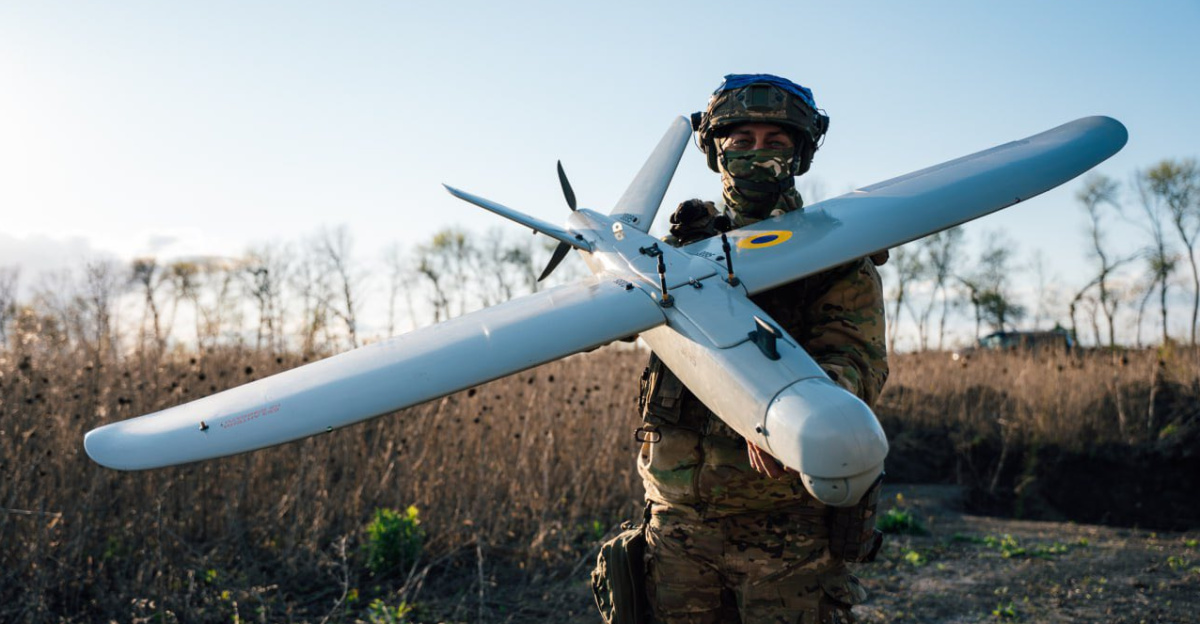
Ukraine has responded through asymmetric operations targeting Russia’s drone ecosystem. On November 28, Ukrainian Special Operations Forces executed a precision strike on a Russian storage and launch facility near Cape Chauda in occupied Crimea, disrupting Shahed drone supply chains and deployment infrastructure. This operation targeted a critical hub regularly used by Russian forces to stage kamikaze drones intended for Ukrainian cities and civilian infrastructure. Additionally, Ukraine has successfully deployed domestically produced interceptor drones against Russia’s new Geran-3 platforms, with confirmed kills demonstrating that low-cost interception solutions remain effective against upgraded Russian systems.
The Attrition Calculation and Strategic Implications
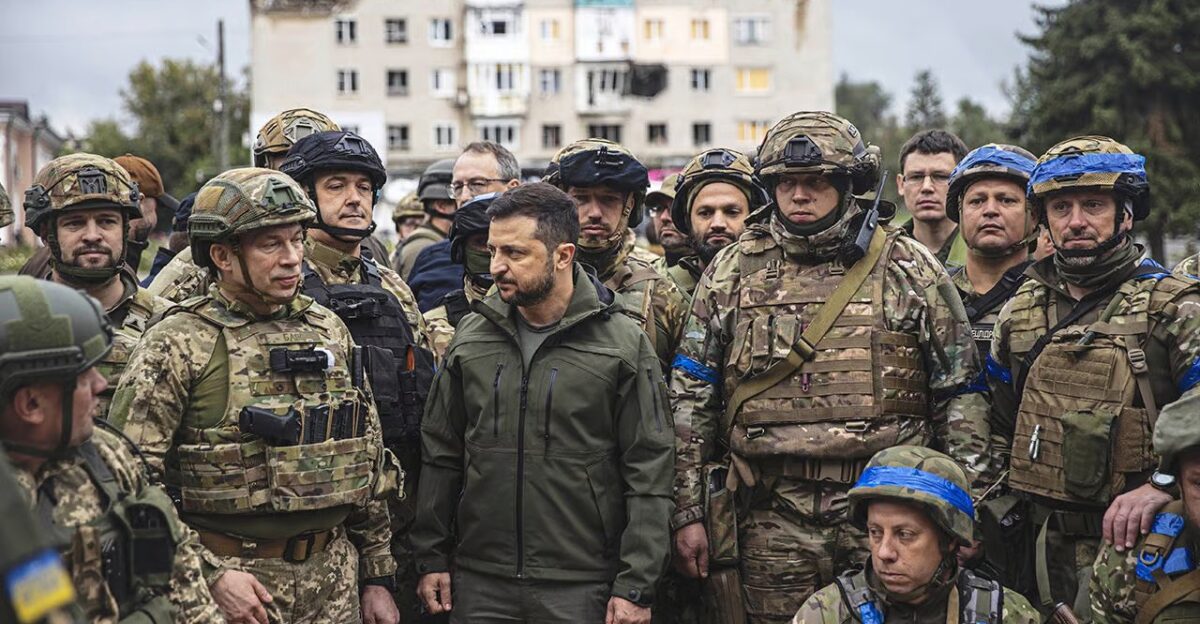
Russia’s operational approach accepts extraordinary personnel and equipment losses as part of a long-term strategy designed to exhaust Ukrainian defensive capacity and political will. The two-day period spanning November 29-30 reflected the cumulative pressure Moscow is applying across all operational domains—drone strikes, artillery saturation, mass infantry assaults, and aviation strikes—creating a compound challenge for Ukrainian force management.
The conflict’s trajectory raises critical questions about sustainability for both combatants. Russia’s daily casualty rates and drone losses may eventually exceed replacement capacity if production facilities face repeated interdiction. Ukraine’s defensive viability hinges critically on continued Western military support—particularly air defense systems, ammunition supplies, and advanced interceptor technology. November 2025 has established a new operational baseline for the conflict’s intensity, signaling that Moscow has fundamentally escalated its strategic tempo. The coming weeks will prove decisive in determining whether Ukraine can sustain defensive operations or whether Russia’s combination of mass, speed, and attrition proves decisive in key sectors like Pokrovsk and Kostiantynivka.
Sources
General Staff released morning report: 271 battles in 24 hours and massive Russian strikes along the front – Ukrainian General Staff via UNN/Ukrinform (November 29, 2025)
Russia launches largest aerial assault on Ukraine in a… – CNN International (November 29, 2025)
Russia launches close to 600 drones in overnight attack on Ukraine killing three – Euronews (November 29, 2025)
Ukrainian Special Operations Forces hit Russian Shahed drone launch site in occupied Crimea – Kyiv Independent (November 30, 2025)
Joint Statement on United States-Ukraine Meeting – White House Briefings & Statements (November 22, 2025)