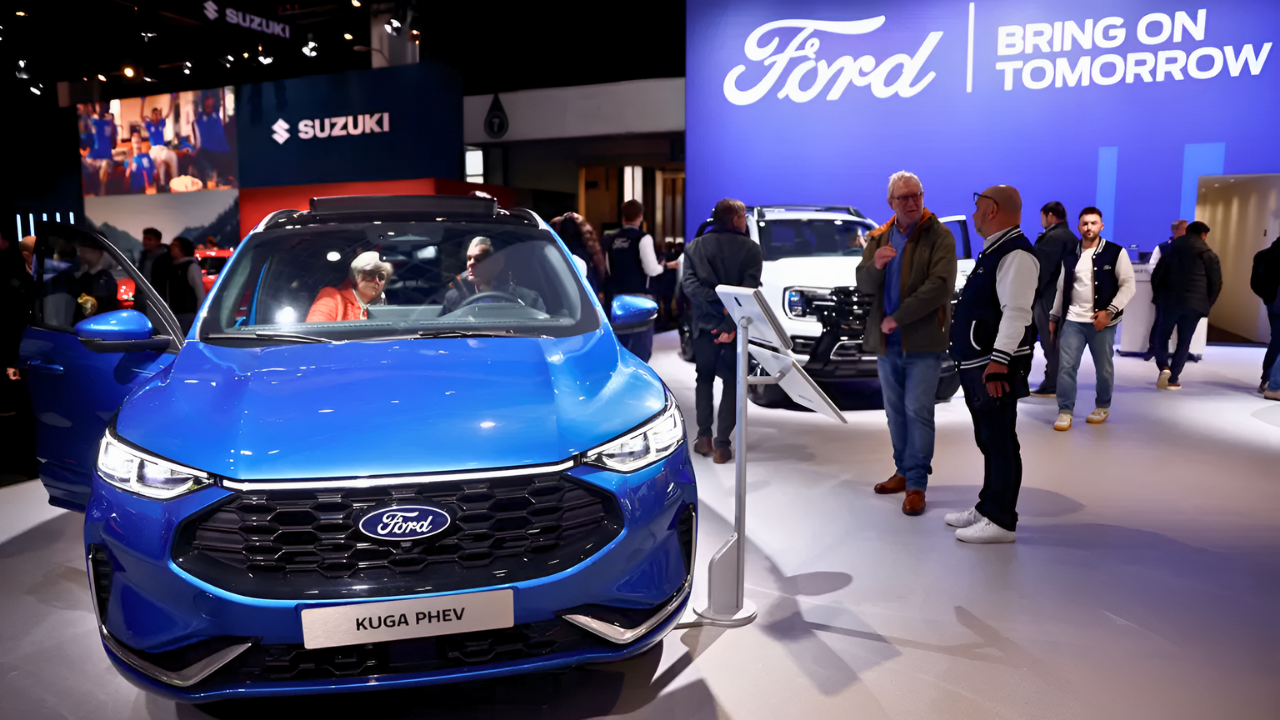
Ford Motor Company announced a massive $19.5 billion write-down tied to its electric vehicle operations. This marks a major reversal for the 122-year-old automaker, signaling an end to its ambitious EV plans. The company is canceling major projects and shifting focus dramatically. What led to this stunning collapse of Ford’s EV dreams? A deep dive reveals a volatile mix of market forces and missteps.
Ford Ends The F-150 Lightning Era
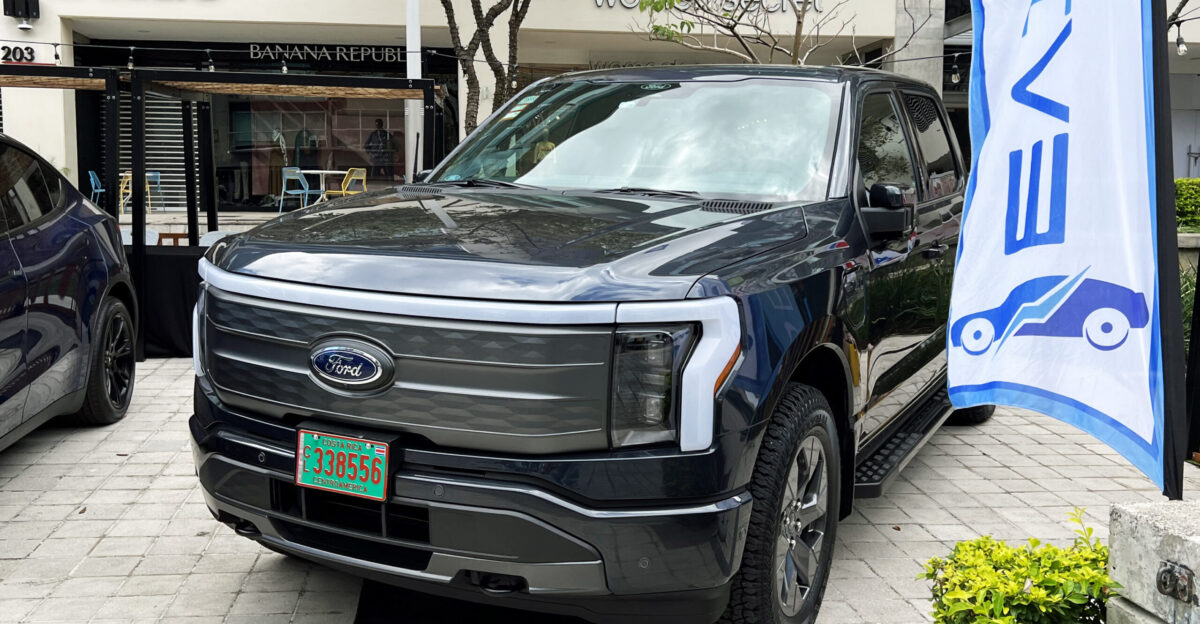
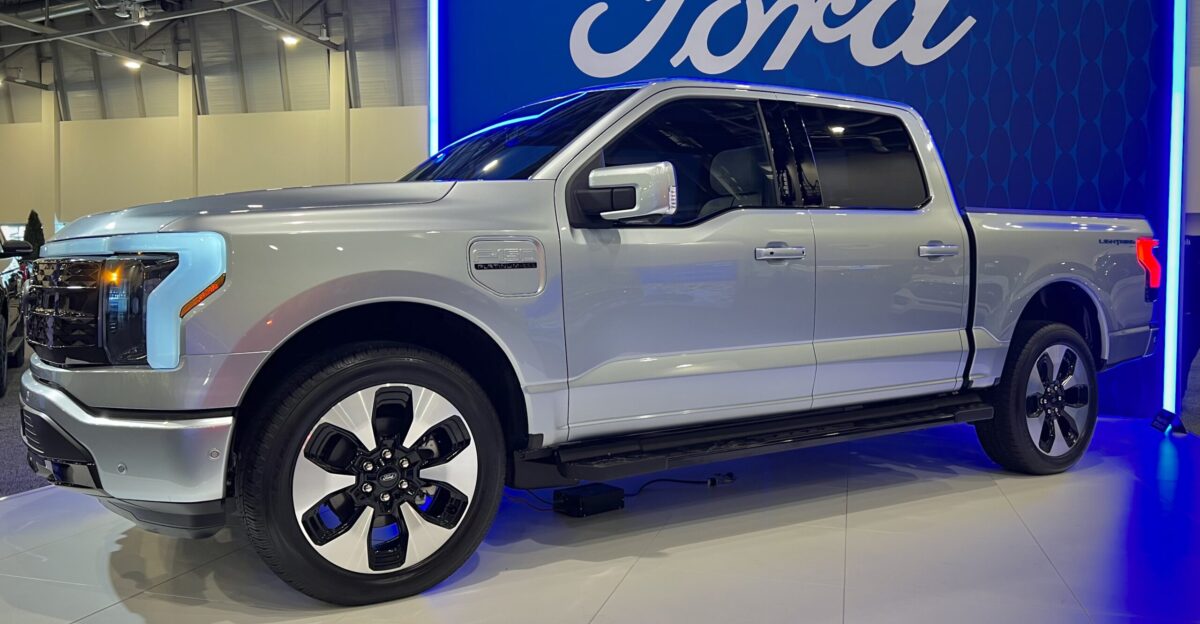
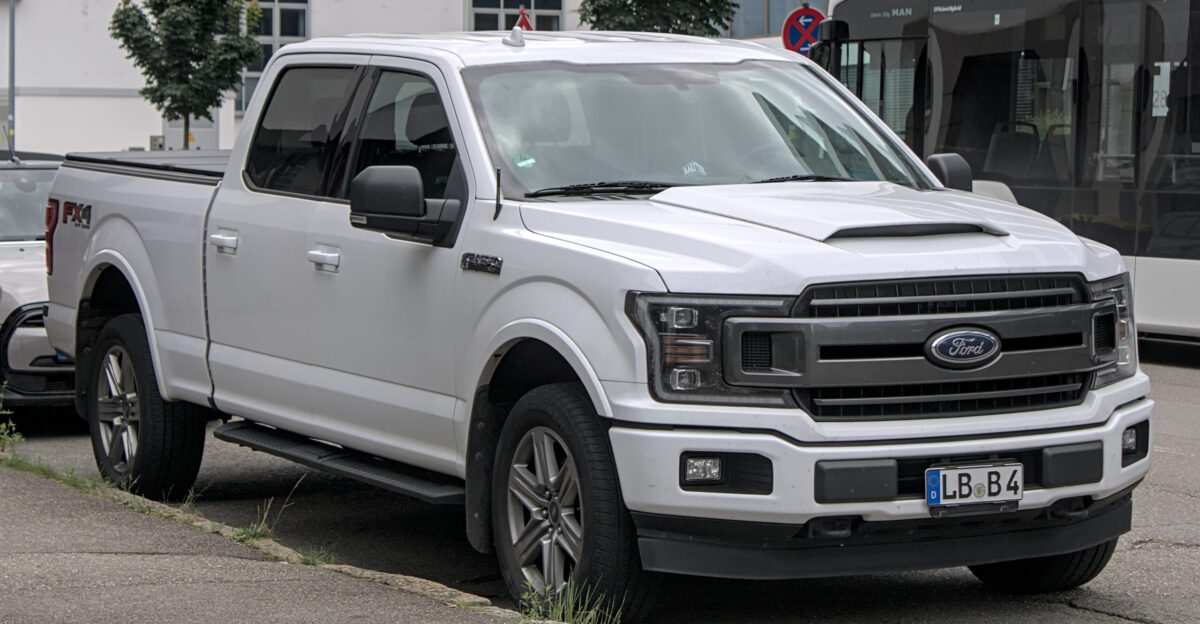
Ford will cease production of the all-electric F-150 Lightning this year and cancel large battery-electric projects, including a three-row SUV. The company is shifting toward hybrids and smaller, affordable EVs. By 2030, half of Ford’s sales will be electrified, but mostly through hybrids, a major U-turn from earlier all-electric goals. This shift reflects a departure from the previous EV optimism.
EV Division Lost $13 Billion Since 2023

Since 2023, Ford’s EV division called Model E has lost $13 billion, including $3.6 billion in the first nine months of 2025 alone. The F-150 Lightning only sold 33,510 units in 2024, well below forecasts. November 2025 EV sales dropped 61% year-over-year. The Lightning’s price increase to $55,000 priced out many buyers, exposing flawed demand predictions and pricing strategies.
Customers Shunned Expensive Electric Trucks
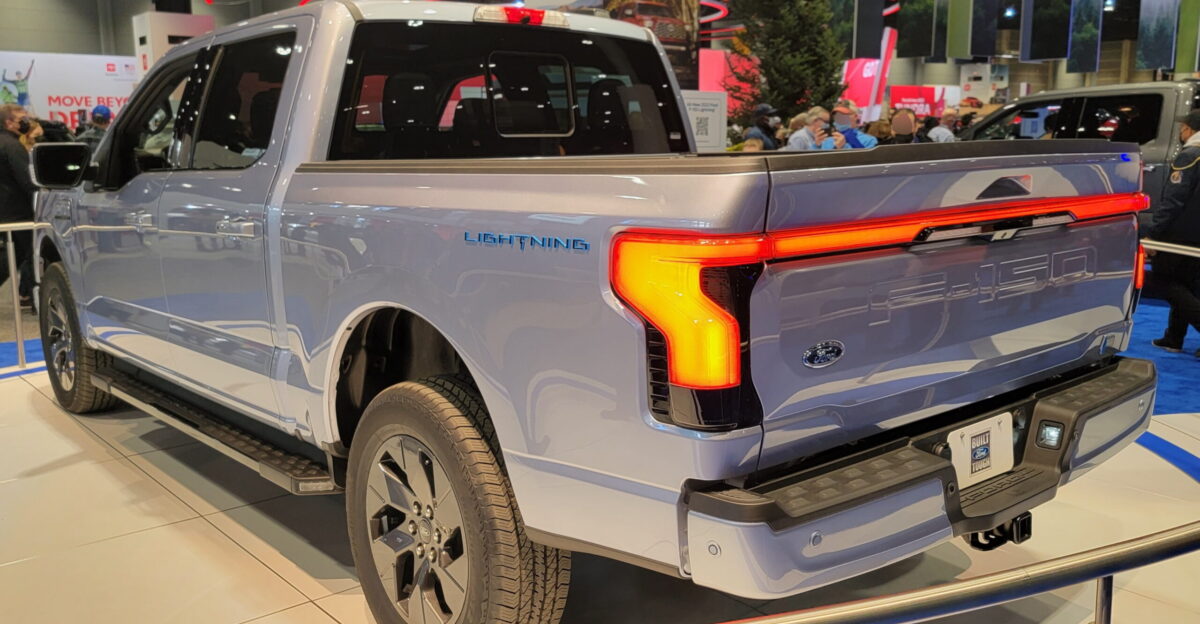
CEO Jim Farley admitted Ford “vastly overestimated” demand for EVs priced above $50,000. The Lightning’s range dropped by half when towing, disappointing customers expecting gas-truck performance. The federal $7,500 EV tax credit expired September 30, 2025, causing sales to plunge 61% in November. Many buyers preferred hybrids for reliability and affordability, signaling a market tired of high-cost pure EVs.
“The Operating Reality Has Changed,” Says Ford CEO
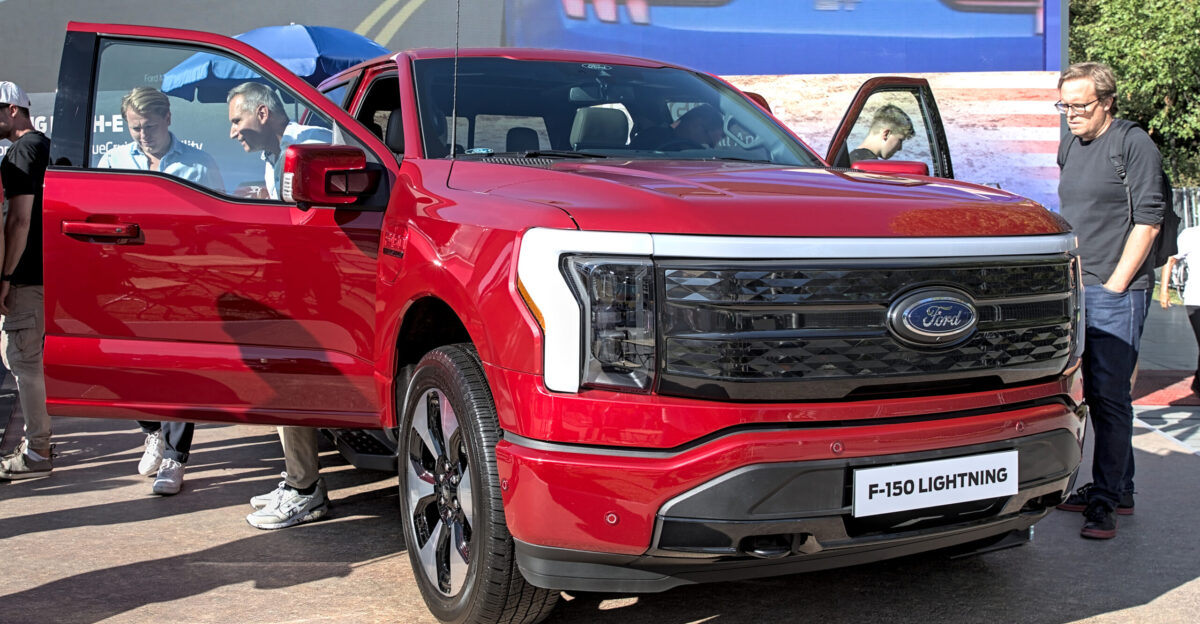
Jim Farley declared that market assumptions behind Ford’s billions in EV investment no longer hold. “This is a customer-driven shift to create a stronger, more resilient and more profitable Ford,” Farley said. Ford is reallocating capital into hybrids, high-margin trucks, vans, and battery energy storage. This statement signals a strategic retreat from earlier aggressive electrification bets amid evolving market conditions.
How the F-150 Lightning Became a Cautionary Tale
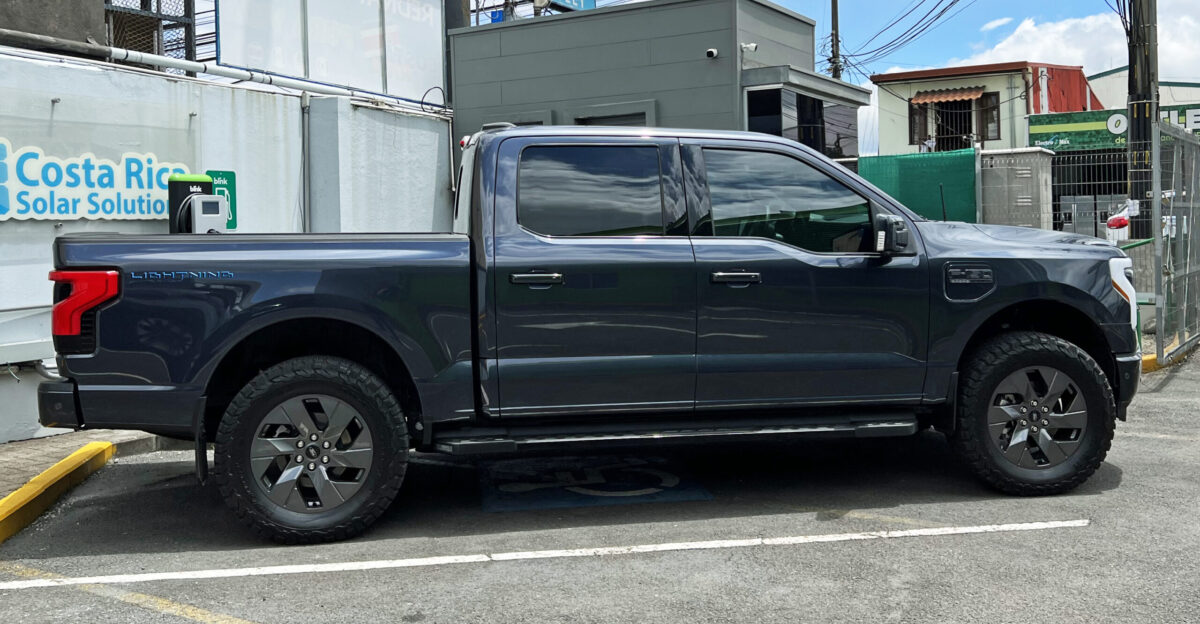
Introduced as a flagship EV in 2022 with a $40,000 base, the F-150 Lightning’s price rose to $55,000 by 2025 due to supply chain and component issues. Ford underestimated manufacturing complexities since the Lightning shared parts with gas trucks. Competitors like Chevrolet Silverado EV and Rivian fractured the electric truck market. Ultimately, the Lightning highlighted Ford’s struggle to scale cost-effective electric production.
November Sales Plummet, But Hybrids Surge
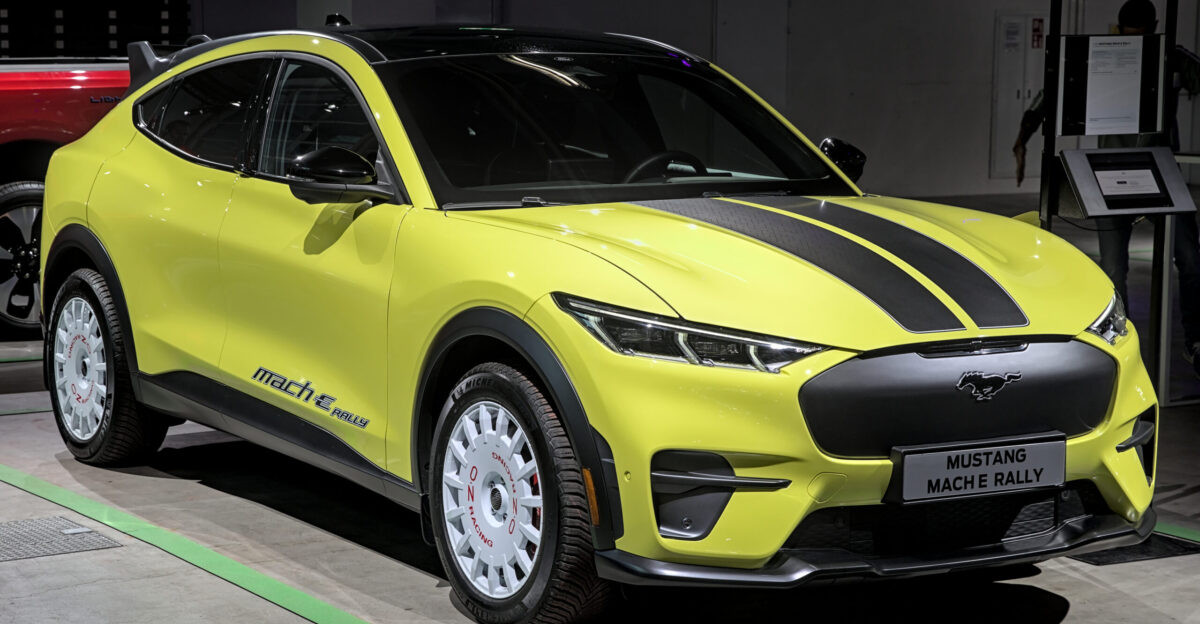
Ford’s November 2025 EV sales plunged 61%, with the Mustang Mach-E down 49%, F-150 Lightning dropping 72%, and the E-Transit van falling 82%. Meanwhile, hybrid sales soared 30% over the previous year, dominating Ford’s powertrain mix. Consumers favored hybrids for towing range and refueling ease, rejecting pure EVs despite years of subsidies. This sales data forced Ford to rethink its electrification strategy.
1,600 Kentucky Battery Workers Laid Off
All 1,600 employees at Ford’s BlueOval SK battery plant in Kentucky were laid off this month. The plant, only four months into production, will be repurposed to build battery storage for data centers instead. Kentucky invested $250 million in forgivable loans to support the joint venture. Governor Beshear is negotiating with Ford on potential repayment amid this costly strategic failure.
Farley: Following Customers, Not Politics
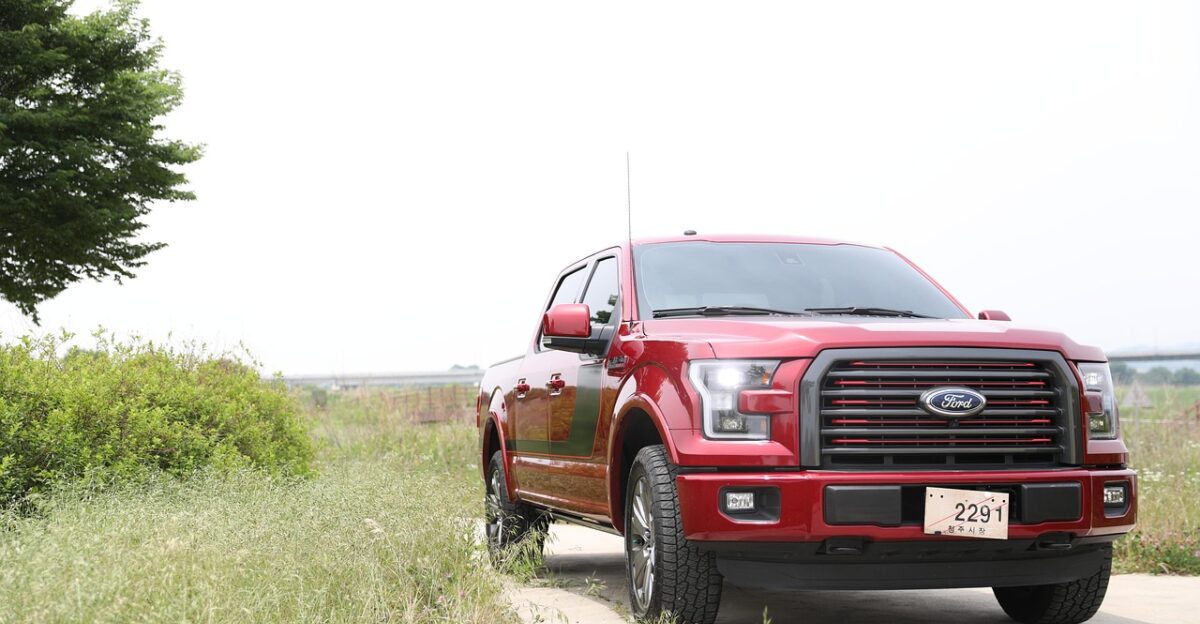
In this month’s interviews, CEO Farley stressed Ford’s shift is market-driven, not ideological. “We’re following customers to where the market is, not where people thought it was going,” he said. Ford leads the hybrid truck segment, owning 30% of F-150 hybrid sales. Farley casts hybrids as practical environmental steps, balancing demands for familiar tech and reduced emissions amid changing political EV support.
Kentucky’s $250 Million Investment In Jeopardy
Kentucky’s $250 million in forgivable loans to Ford’s BlueOval SK battery plant faces scrutiny. Originally planned to employ 5,000 by 2031, the plant will only have 2,100 workers after retooling is completed in 2027. Governor Beshear acknowledged the shortfall and ongoing talks with Ford about whether incentives must be repaid. This situation highlights the risks states face in courting EV manufacturing jobs.
Ford’s Hybrid Success Signals New Direction
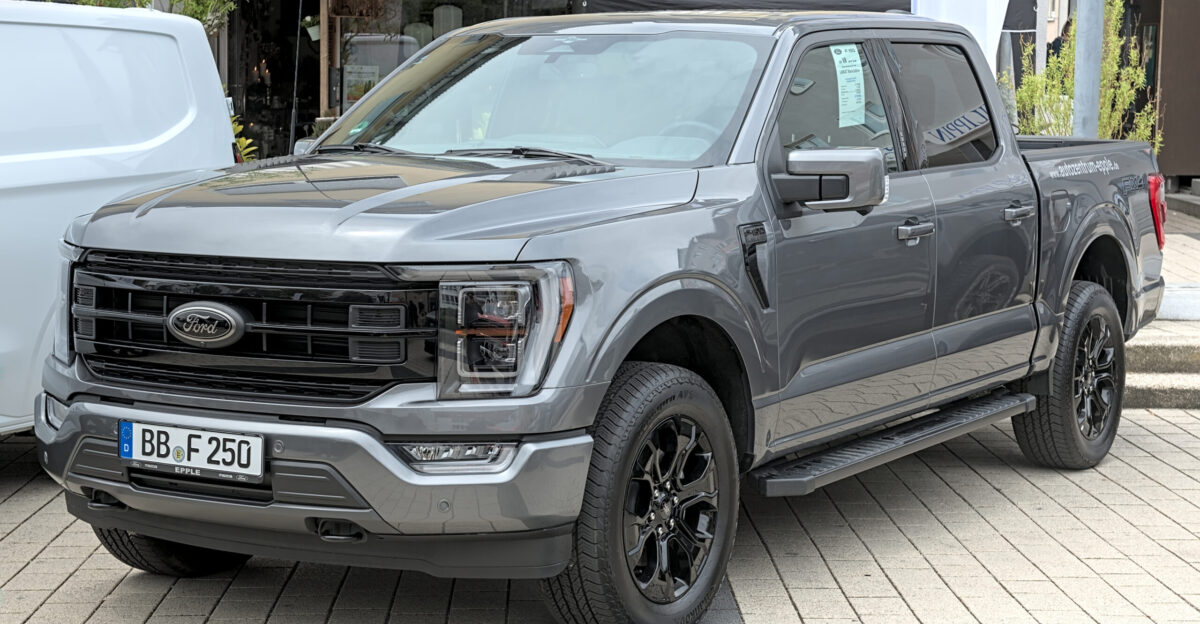
While pure EV sales declined, Ford’s hybrid vehicles gained popularity, offering a profitable path in uncertain markets. Hybrids provide extended range and lower costs, attracting skeptical buyers. Ford’s hybrid leadership offers a bridge between internal combustion engines and full electrics. This pivot suggests the future of electrification may be slower and more incremental than imagined.
Battery Costs Still Hit Profit Margins Hard
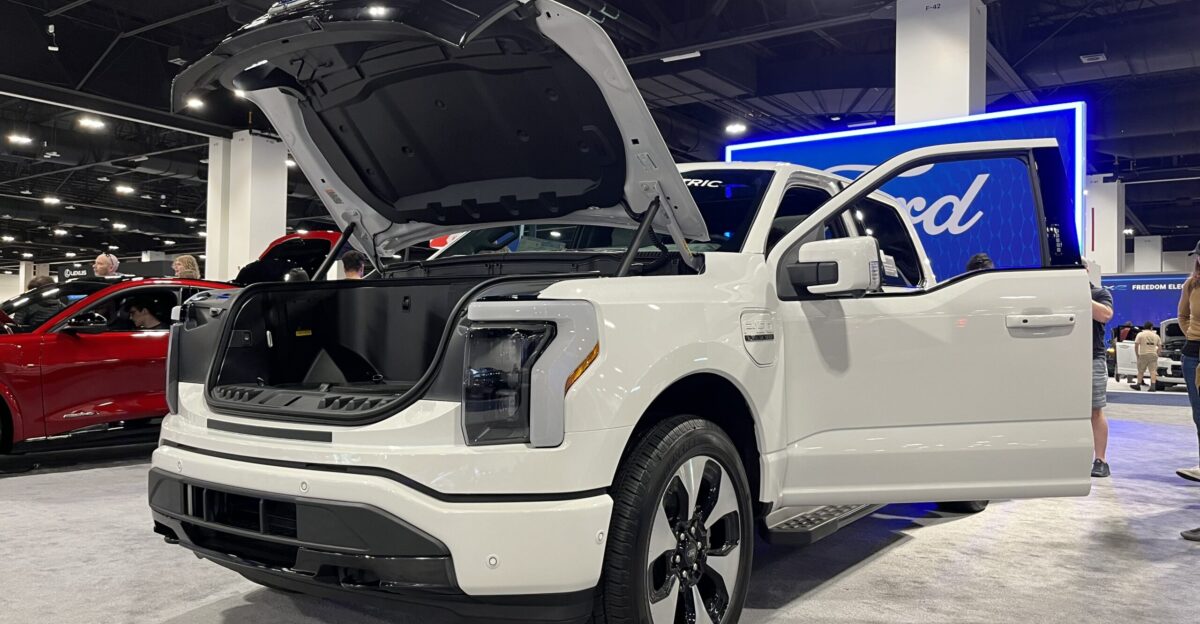
High battery prices remain a significant obstacle to Ford’s EV ambitions. Despite advances, battery costs declined more slowly than expected, keeping final vehicle prices elevated. This challenged Ford’s ability to price EVs attractively for mainstream buyers. The sustained cost gap made hybrids with smaller batteries and gas generators more appealing. This financial hurdle has forced reconsideration of a full battery electric focus.
Supply Chain Struggles Amplify Ford’s Woes
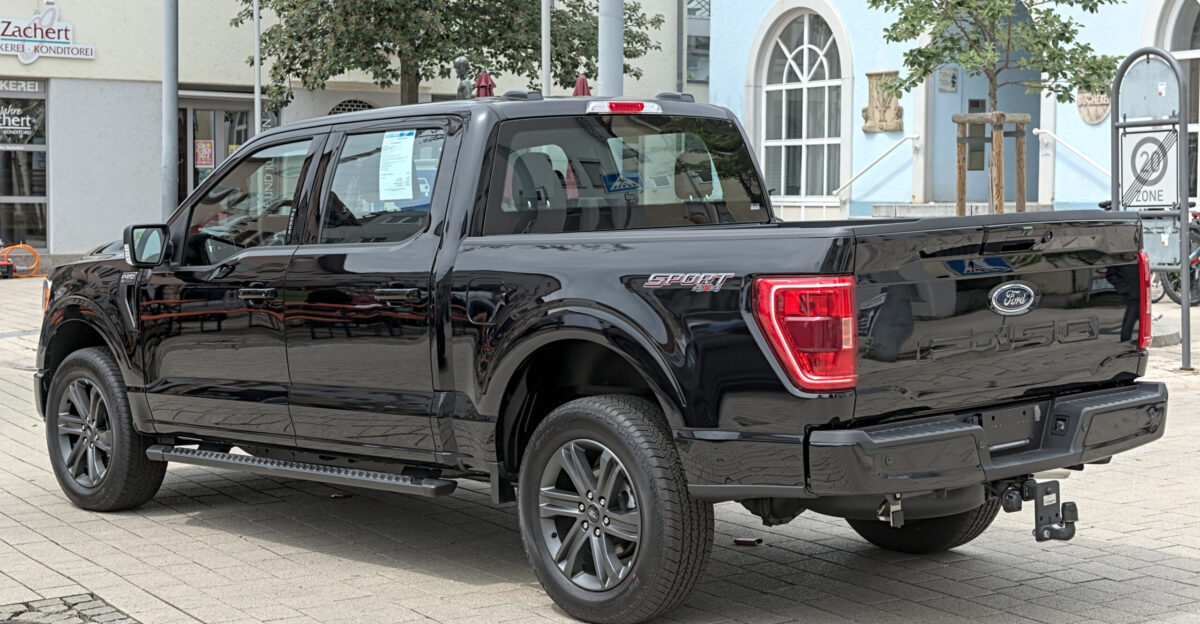
Global supply chain disruptions and component shortages worsened costs and slowed EV production. Ford’s reliance on shared gas-electric platforms increased manufacturing complexity and expense. Efforts to localize battery supply chains faced delays, adding more uncertainty. These operational headwinds contributed to mounting losses and necessitated a reallocation of cash flow away from flagship EV projects.
Tesla’s Dominance Exposed Market Challenges
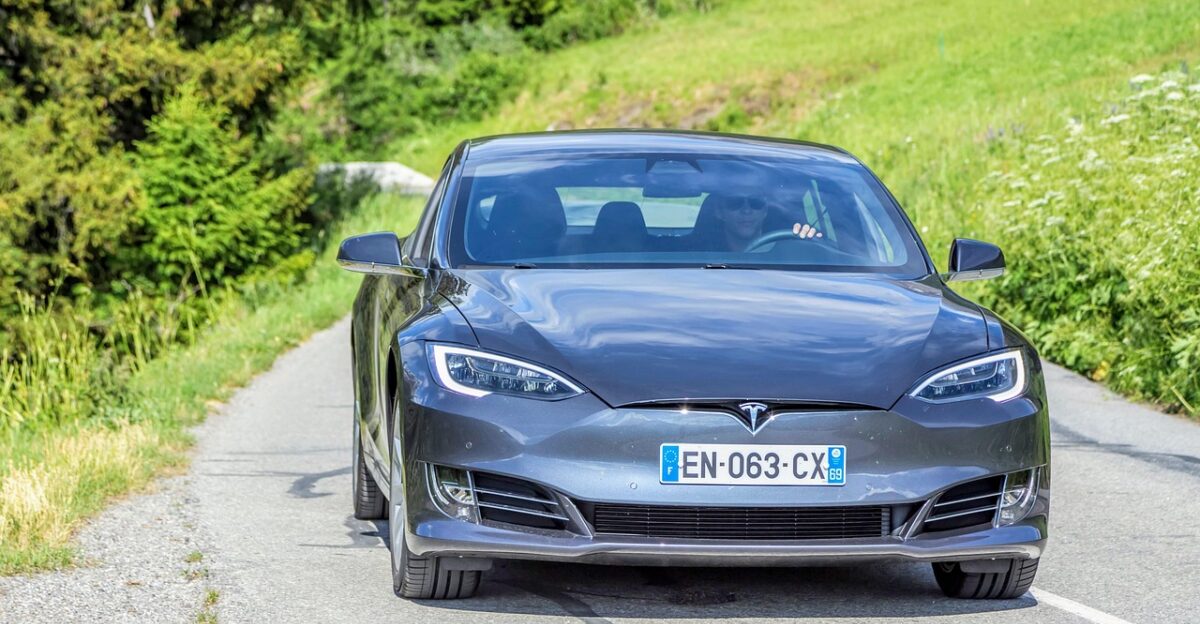
Tesla’s continued dominance in the EV market highlights Ford’s difficulties. Tesla’s vertically integrated approach and streamlined production lowered costs and improved performance. Meanwhile, Ford’s fragmented EV lineup struggled with price and scale. Analysts say Tesla’s success exposed weaknesses in traditional automakers’ electrification strategies. Ford’s write-down reflects the broader industry’s growing pains amid the EV market shakeouts.
Federal Support Vanishes, Market Reality Sets In
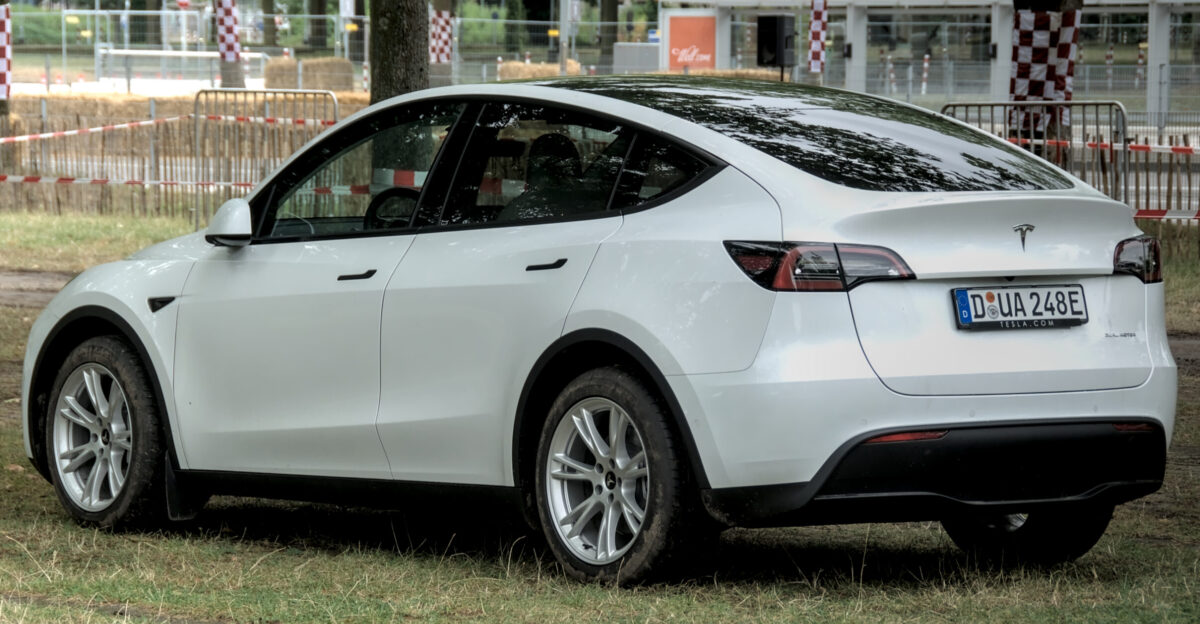
The $7,500 federal EV tax credit expired September 30, 2025, removing a key driver for demand. Ford’s sales plunged immediately afterward, revealing reliance on subsidies. Policy shifts under the new administration favored domestic battery sourcing and hybrids, challenging Ford’s existing plans. The regulatory environment no longer guaranteed a smooth EV ramp-up, forcing Ford to reset expectations.
Ford’s EV Billions Could Have Been Spent Differently
Critics argue that Ford’s billions spent on EV development might have been better invested elsewhere. The company’s aggressive all-electric push ignored gradual consumer preferences. Meanwhile, investments in hybrids, trucks, and battery storage businesses now appear strategically wiser. This costly learning curve serves as a caution for automakers betting heavily on rapid EV transitions without market confirmation.
What This Means For Detroit’s Auto Future
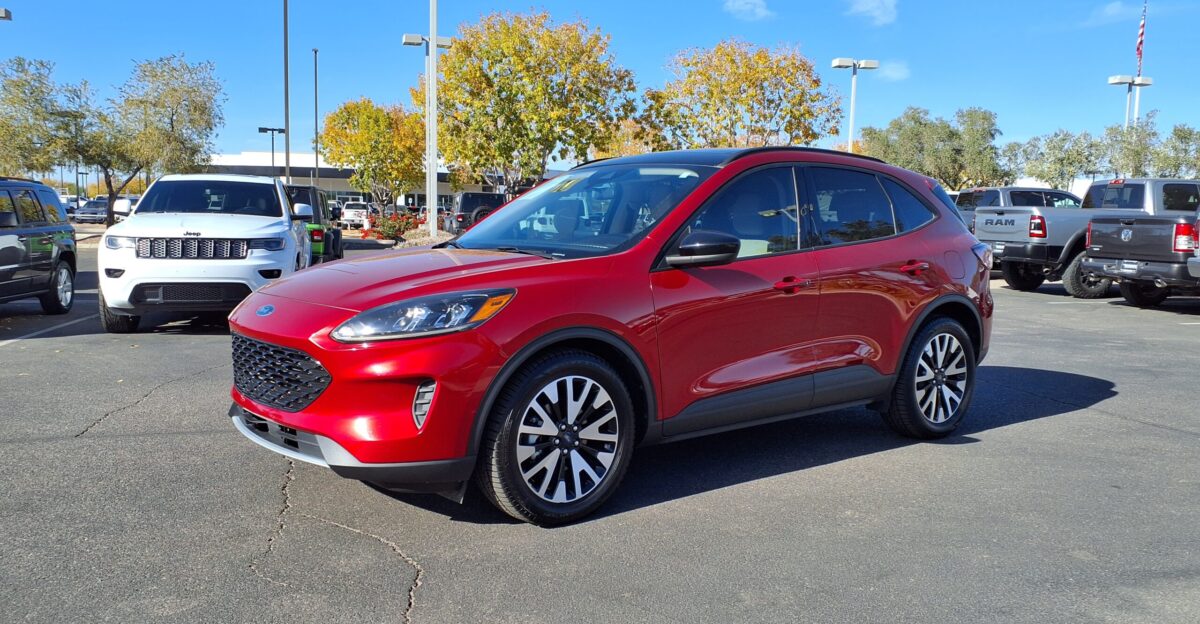
Ford’s write-down signals a bitter reality for Detroit’s auto industry: electrification will be a slower, more expensive transition than hoped. Ford’s pivot emphasizes hybrids and affordable EVs, underscoring challenges of scaling premium electric trucks. The shift may delay the full adoption of electric vehicles and reshape competitive dynamics. Detroit’s legacy automakers must now reconcile ambition with grounded market demands.
The Human Cost Behind The Numbers
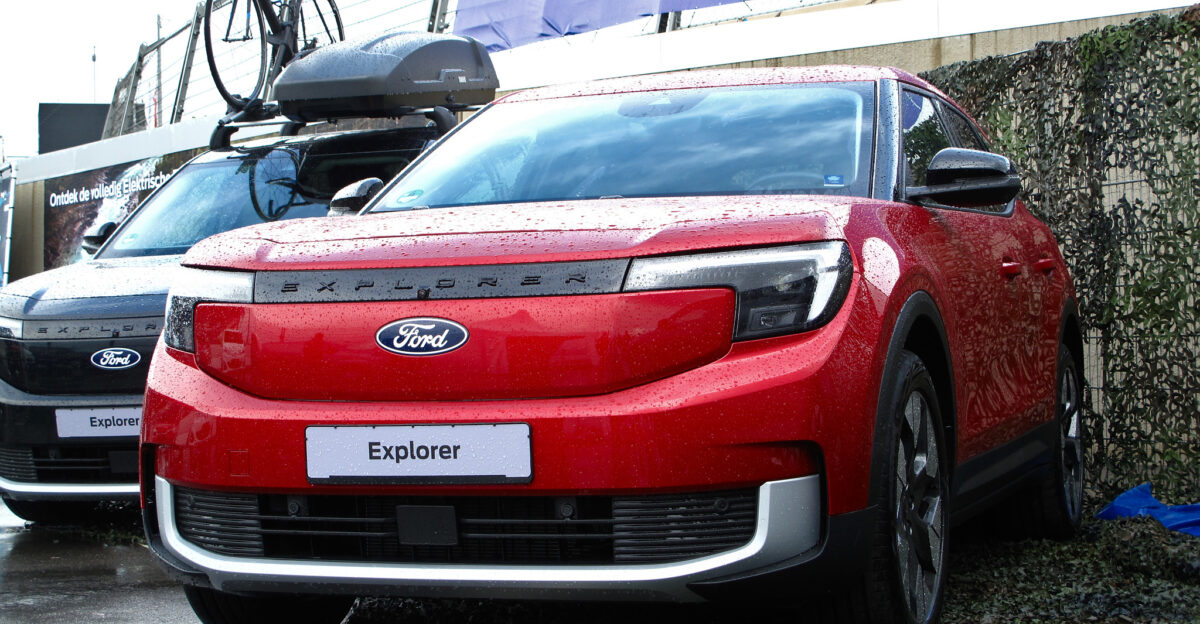
Thousands of workers, suppliers, and communities face upheaval from Ford’s strategic reversal. The BlueOval plant layoffs reveal risks in chasing EV hype. Public investments might not yield promised jobs or economic growth. This human toll complicates the story for policymakers eager to foster EV industrial capacity. Ford’s experience warns that clean energy transitions bear significant socioeconomic challenges.
Will Ford’s New Approach Pay Off?
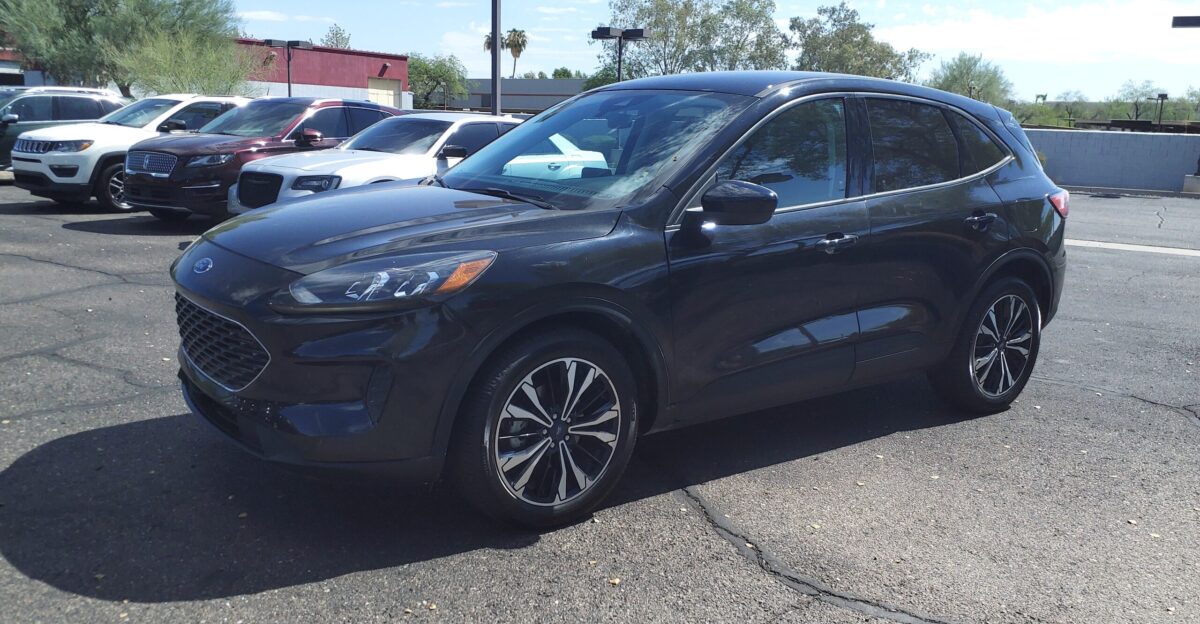
Ford’s bet on hybrids and manageable EVs tries to balance sustainability with profitability. Success depends on consumer acceptance and navigating cost pressures. If hybrids remain dominant, Ford may recapture lost ground. However, lingering skepticism about battery tech and evolving regulations keep the outlook uncertain. The company’s future electrification path remains a high-stakes gamble.
The Market Has Spoken Loudly
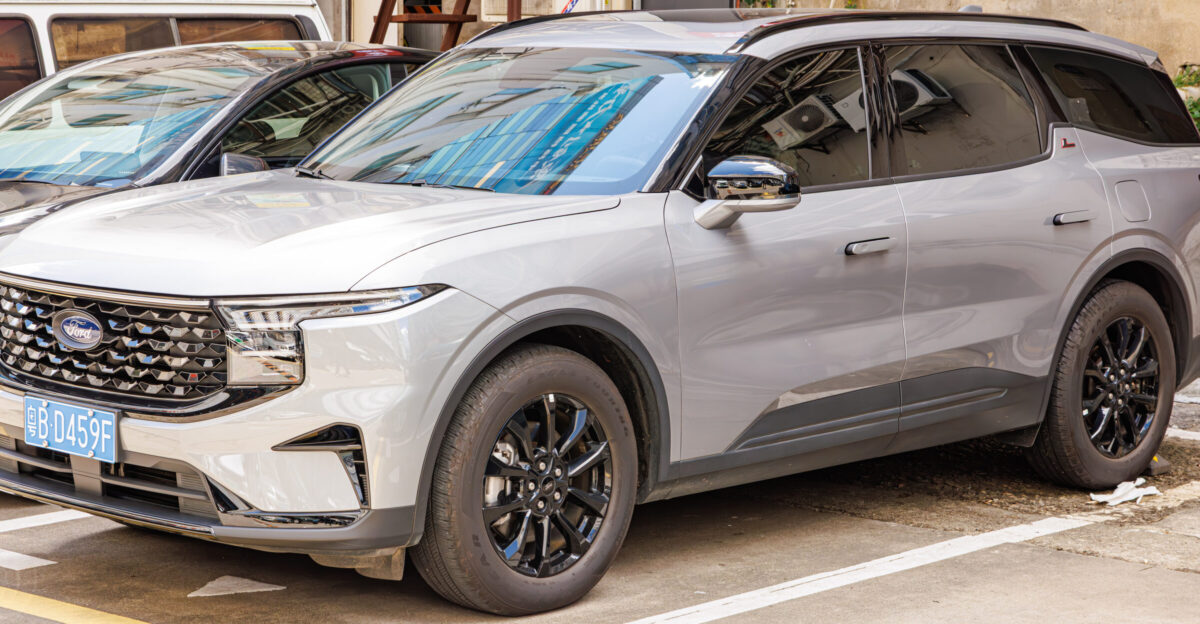
Ultimately, Ford’s $19.5 billion write-down followed a harsh message from customers: affordability, range, and practical utility matter more than pure electric dreams. Hybrid and extended-range vehicles filled the gap while the EV market recalibrates. Ford’s story reflects a broader lesson that innovation must align with market realities or face costly failures. As electrification evolves, consumer voices will shape industry destiny.
Sources
Ford Motor Company December 2025 Earnings Release
Jim Farley Interview CNBC December 2025
Kentucky Governor Andy Beshear Press Statement December 2025
Ford Sales Data Q3 2025
U.S. Department of Energy EV Tax Credit Expiry Report 2025