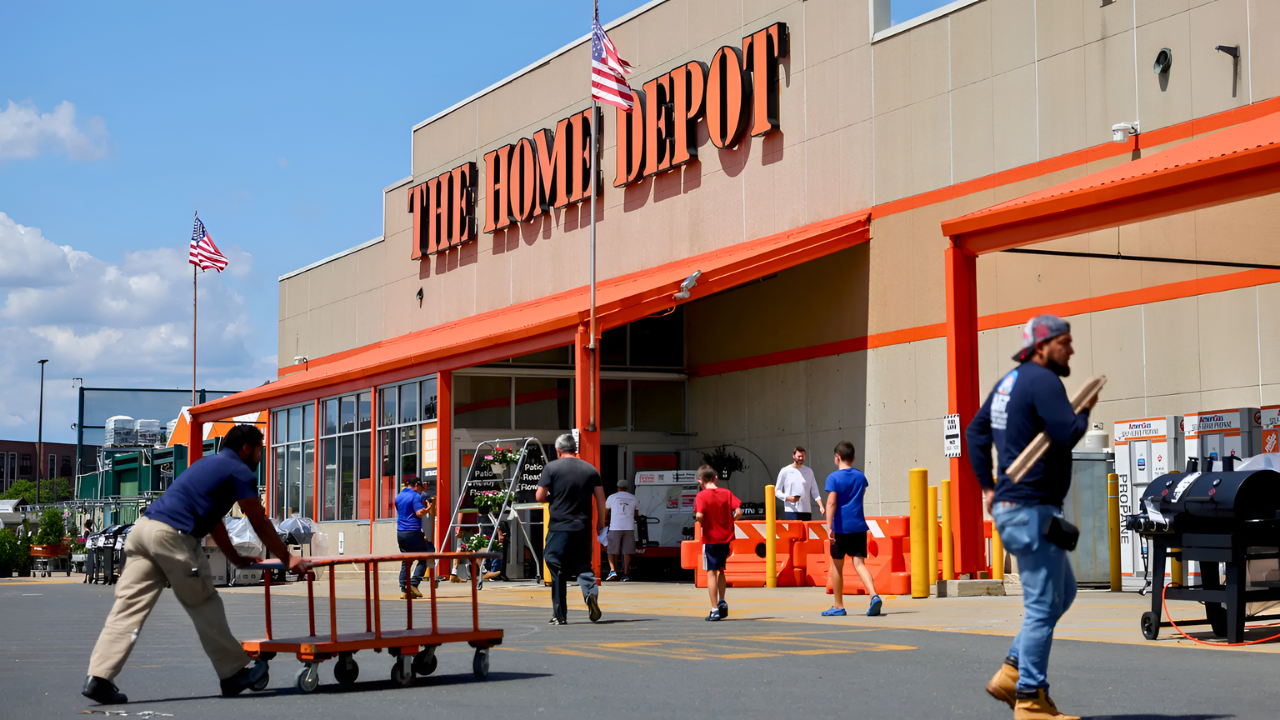
Home Depot shuts its doors across the U.S. on just two days a year—Thanksgiving and Christmas—leaving customers without their go-to source for tools and supplies during peak family gatherings. This longstanding policy, shared with Walmart, underscores a shift in retail toward balancing customer access with operational discipline.
Why the Closures Make Financial Sense
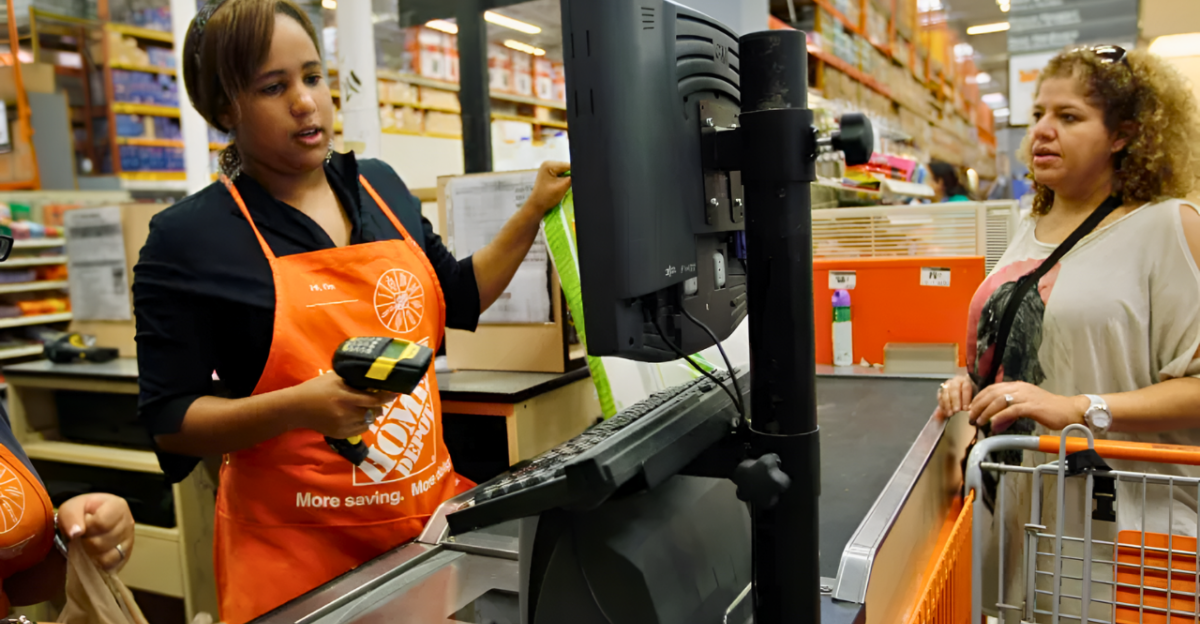
Massive warehouse-style stores drive high costs for energy, security, logistics, and skilled staffing, even on low-traffic holidays. Executives see little financial gain in operating for sparse crowds, especially as comparable store sales faced foreign exchange headwinds of 0.4% in recent fiscal quarters amid housing market pressures and cautious spending. Closing these two historically slow days trims expenses without denting overall revenue, maintaining a pragmatic 363-day schedule.
Industry alignment matters too. Walmart’s 2020 Thanksgiving closure, initially pandemic-driven, became permanent and set a precedent. Home Depot’s matching approach establishes a standard among giants, drawing lines when costs exceed demand. Canadian stores add provincial holidays, ensuring regional consistency while U.S. locations stick to the core two-day pause.
Impact on Customers and Contractors

DIY enthusiasts and contractors lose a vital safety net for emergency fixes or last-minute runs. No in-store shopping occurs on those days, though online orders remain possible with pickups resuming afterward. Professionals, who treat stores as on-demand supply hubs, must now adjust workflows around the predictable closures, fostering habits of advance planning.
Digital and practical alternatives help bridge some gaps. Online platforms allow holiday orders for later pickup via apps, deliveries, or lockers. Most stores run long hours otherwise—often 6 a.m. to 10 p.m. weekdays—outpacing many chains in accessibility. Shoppers adapt by stocking up early or confirming hours, turning a minor inconvenience into routine foresight.
Employee Benefits and Work-Life Balance

Nearly half a million workers gain guaranteed time off on Thanksgiving and Christmas, a rarity in retail. For a workforce handling physically demanding shifts and specialized trades, this predictability aids retention, curbs burnout, and signals a commitment to work-life balance. The policy aligns with evolving industry norms, where major chains prioritize staff well-being alongside customer service.
This measured closure reflects retail’s broader tensions between nonstop availability and efficiency. As consumer habits evolve with digital options, the policy sustains high accessibility while safeguarding profitability and staff morale, shaping expectations for holidays ahead. The two-day shutdown has become an accepted standard, demonstrating that strategic closures can coexist with customer-centric operations.
Sources:
“Store Holiday Hours at The Home Depot.” The Home Depot Corporate News, 2025.
Walmart to Close All U.S. Store Locations for Thanksgiving Day.” Walmart Corporate Newsroom, 4 Jun 2021.
“The Home Depot and Lowe’s Foot Traffic Remodel in Q2 2024.” Placer.ai, 2024.
“The Home Depot Announces Fourth Quarter and Fiscal 2024 Results.” The Home Depot Investor Relations, 25 Feb 2025.