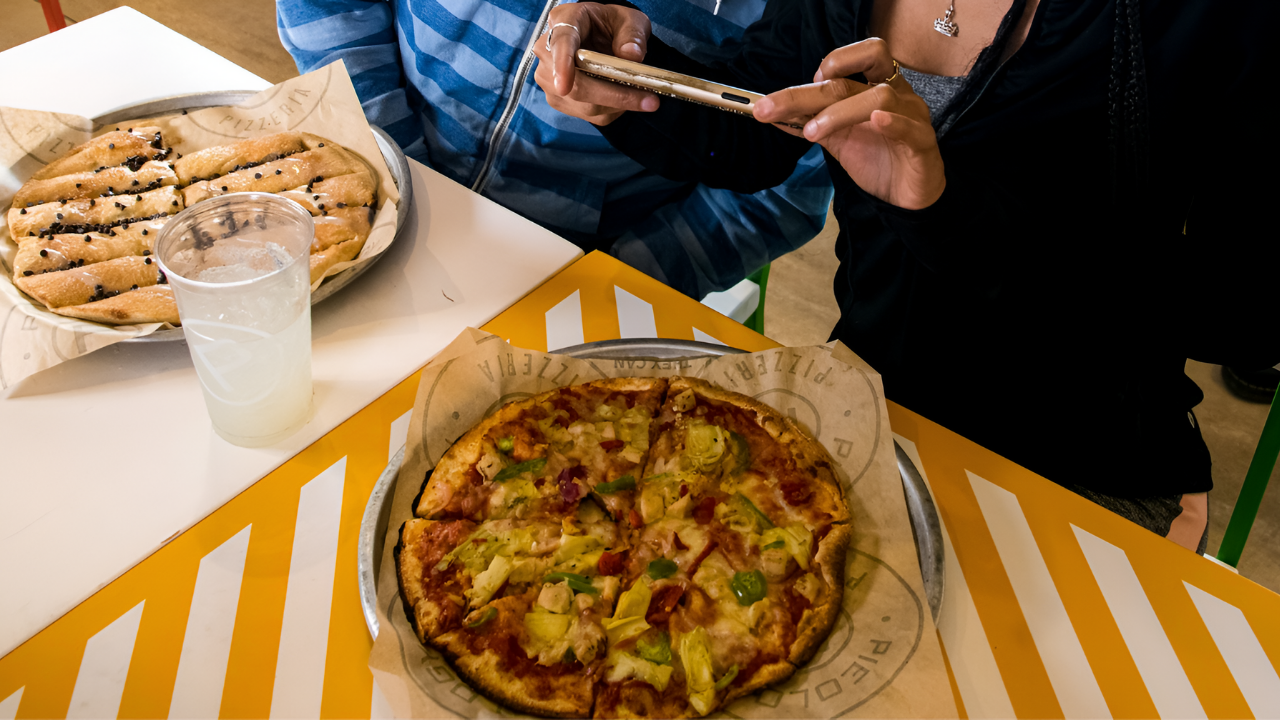
The doors slammed shut on many locations, and the employees were left standing in disbelief as a once-thriving pizza chain filed for Chapter 11 bankruptcy in December 2025. From approximately 135 peak locations in 2017 to 45 remaining operational locations, the fall of this DIY pizza pioneer was swift and shocking.
In a matter of years, the brand went from a top player in the fast-casual pizza world to a cautionary tale of over-expansion, mounting debt, and market saturation. What led to this dramatic collapse, and could it have been avoided?
Mounting Debt Pushes the Chain Over the Edge
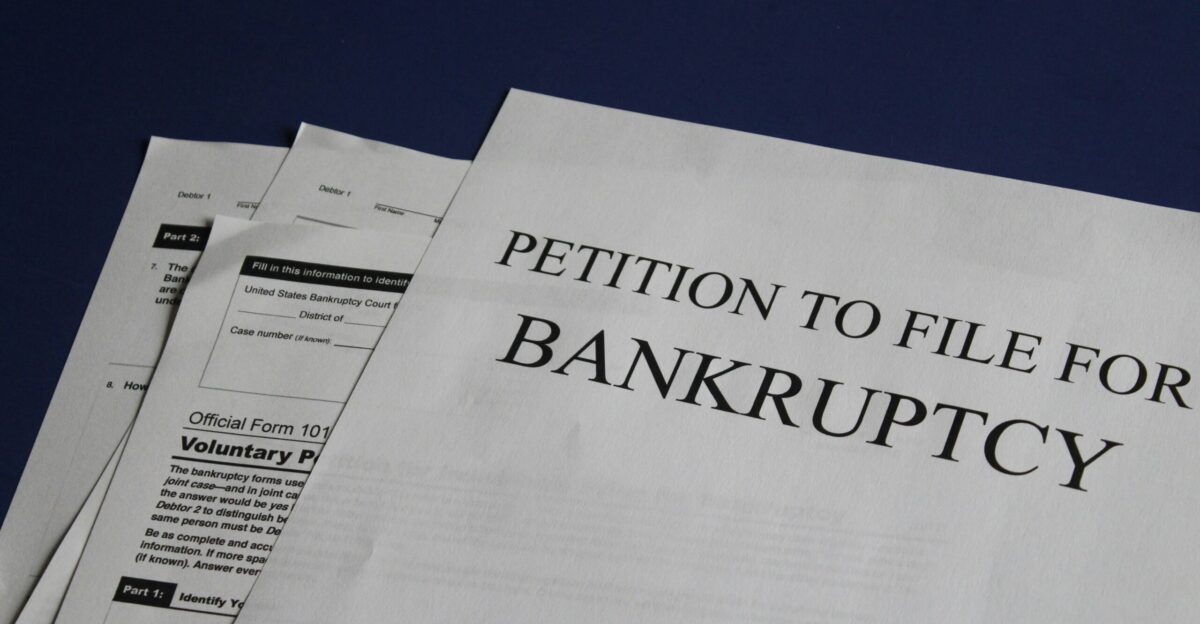
The bankruptcy filing paints a grim picture: $1 million to $10 million in debts with only $100,000 to $500,000 in assets.
Over 200 creditors—vendors and landlords—are left holding the bag. Sales took a dive in 2024, with closures accelerating. The debt crisis is the final blow, raising questions about the company’s future and how many more jobs are at risk.
A Bold Beginning: The Pizza Chain’s Rise
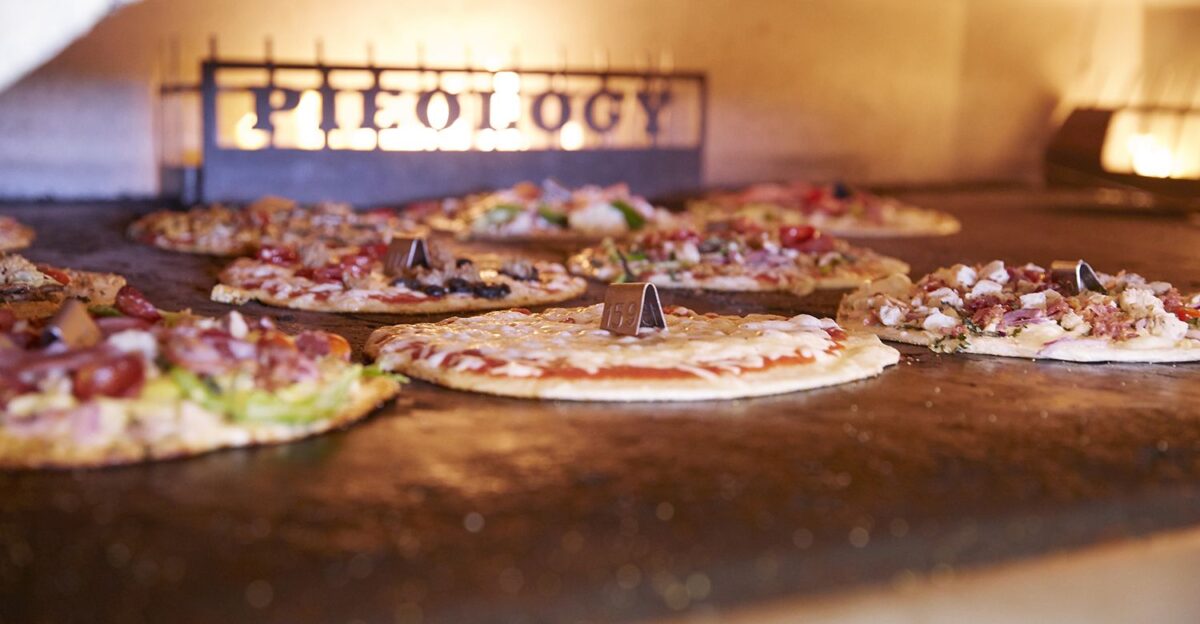
Founded in 2011, this pizza chain revolutionized the industry with a DIY approach. Customers could pick their toppings, creating personalized stone-fired pizzas—similar to Subway’s model.
It was a bold move in the fast-casual sector, and the brand’s early success made it one of the first to push pizza customization.
Expanding Fast, But Cracks Were Showing
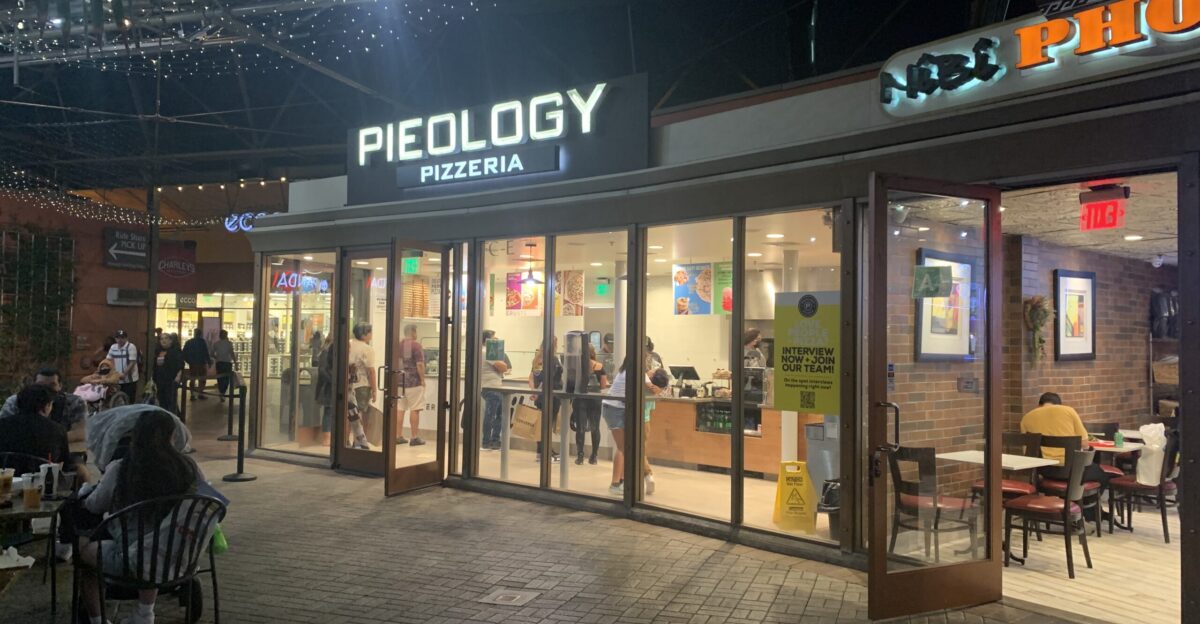
By 2017, the chain reached approximately 135 locations at its peak. Investments from prominent figures like the co-CEOs of Panda Express and NBA star Kevin Durant fueled its rapid expansion across California and beyond.
However, market saturation and fierce competition from other fast-casual pizza brands started taking their toll, leading to diminishing returns.
Bankruptcy Filing Signals the End of an Era
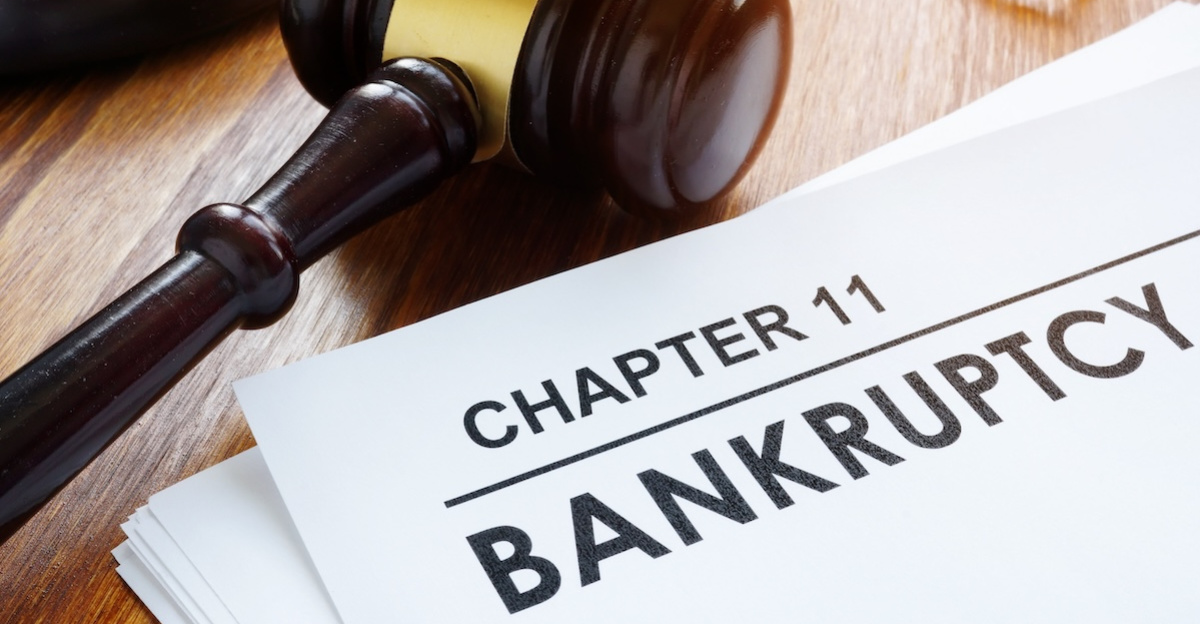
In December 2025, Pieology’s parent company, Little Brown Box Pizza, filed for Chapter 11 bankruptcy. The closure of roughly 90 stores since 2017, combined with the strain from 29 underperforming franchise locations that the founder took back under corporate control in early 2025, left the company struggling.
The filing sought to restructure while maintaining approximately 45 operational locations, including 16 company-owned and 29 franchised units.
California at the Core of Collapse
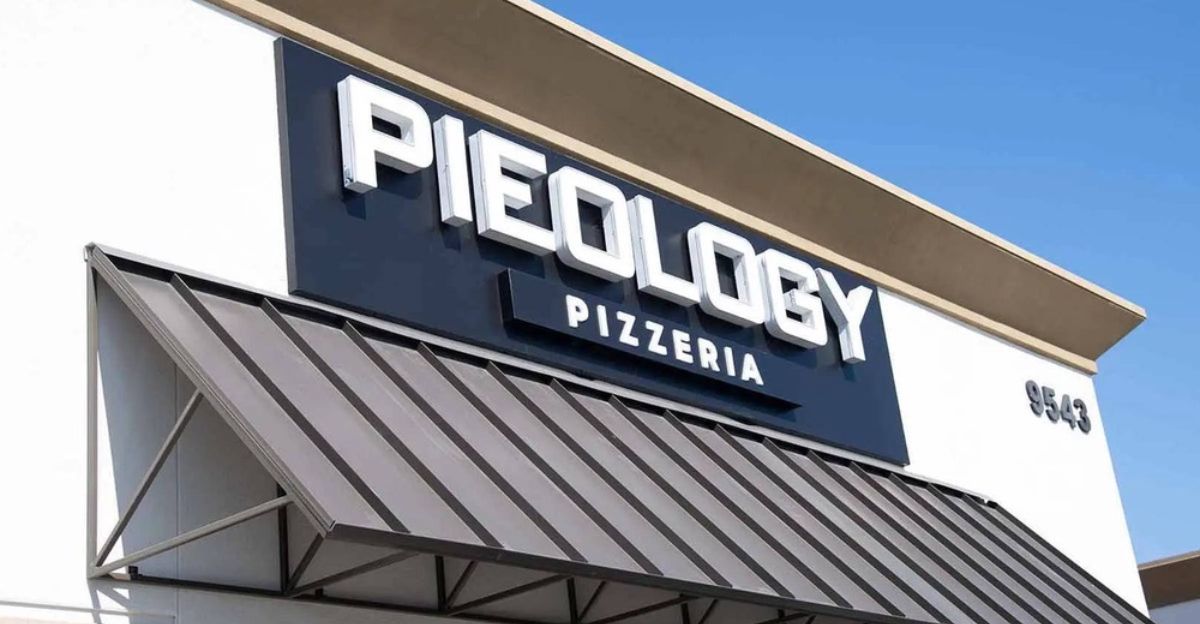
The company’s headquarters in Fullerton, California, witnessed the worst of the closures. In 2025 alone, 17 stores shut their doors before the bankruptcy filing.
According to the bankruptcy filing, the company faced significant vendor debt, including $255,526 owed to a Sysco supply branch. California remains the backbone, with most of the remaining stores located here, but Pieology’s financial crisis is undeniable.
Job Losses and Community Impact
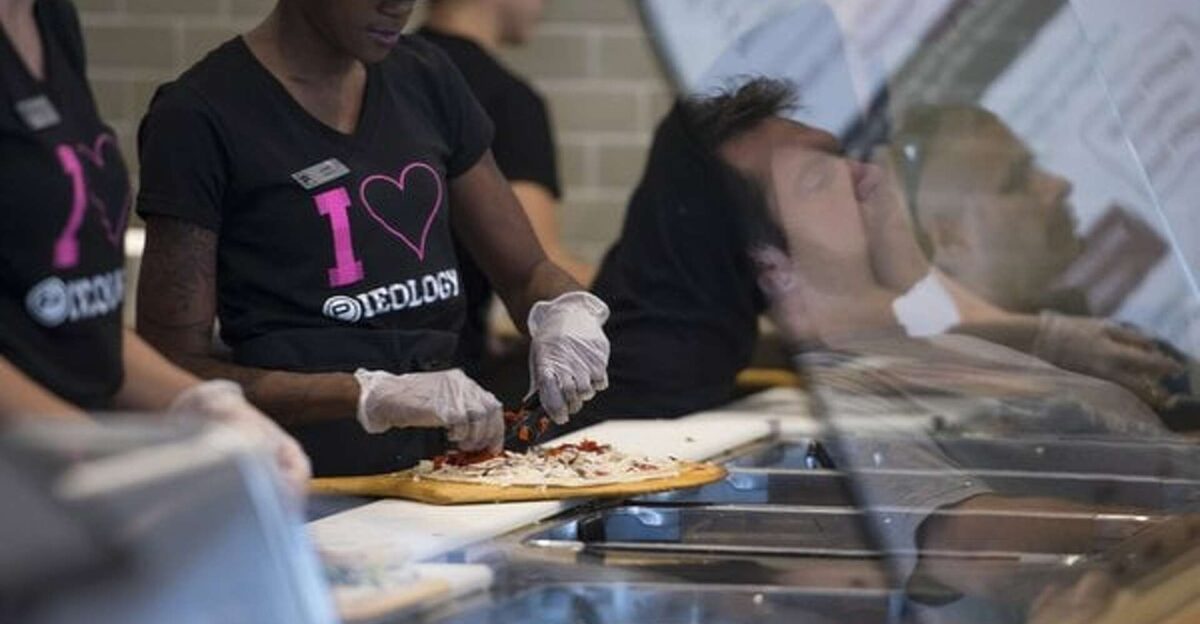
The closure of over 90 stores has displaced an estimated 1,650 to 2,750 employees, based on the company’s typical staffing of approximately 25 employees per location. From cooks to servers, workers in states like California, Texas, and Florida are now faced with uncertainty.
Many families depended on these positions, and Pieology’s bankruptcy has left them in limbo. The exact employment impact has not been disclosed in official bankruptcy filings.
Competitors Capitalize on Pieology’s Fall

As Pieology falters, competitors like Blaze Pizza and MOD Pizza faced similar struggles in 2024. Blaze Pizza experienced sales declines exceeding 10%, while MOD Pizza was acquired by Elite Restaurant Group in July 2024 after closing over 44 locations.
Pieology’s collapse has caused a ripple effect across the fast-casual pizza industry, highlighting how fragile the category has become. With Pieology retrenching, rivals are adjusting their strategies to survive in key markets.
The Pandemic Pivot: Too Little, Too Late
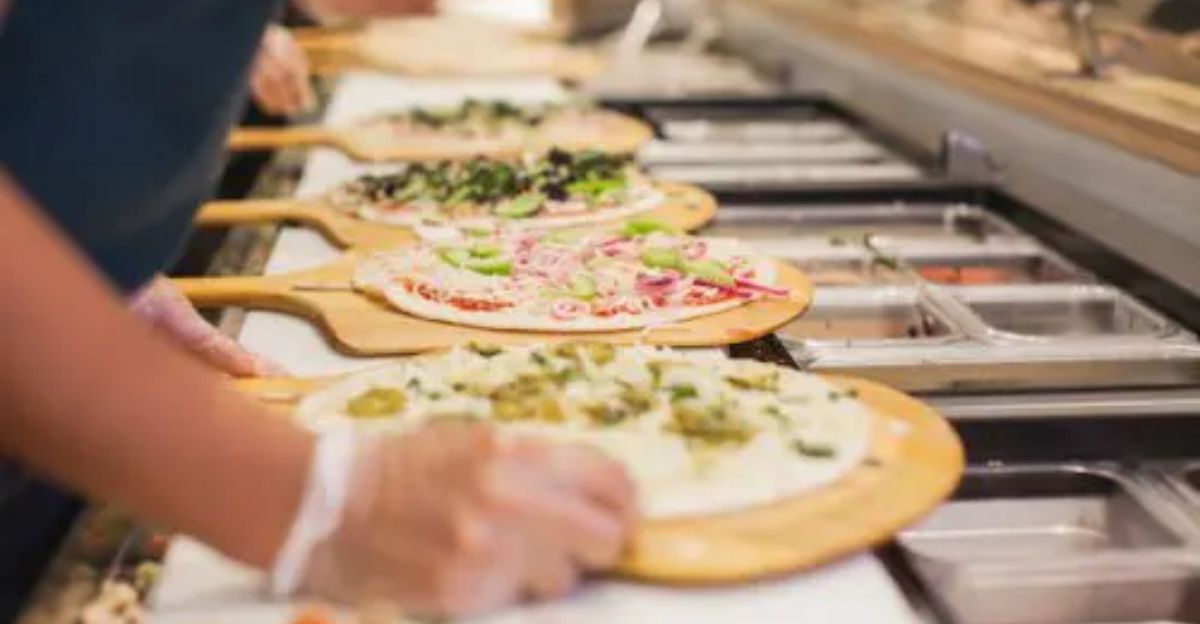
In early 2024, Pieology attempted to adapt by simplifying its menu and upgrading kitchens to support off-premise sales.
Despite these efforts, sales continued to drop by over 10% in 2024. Pieology’s failure to adapt quickly enough to a shifting market led to its ongoing decline.
Hidden Financial Woes: Tax Debts Expose Deeper Problems
Pieology’s bankruptcy reveals more than just operational inefficiency. The company owes $125,946 to California’s Department of Tax and Fee Administration, with additional tax obligations in other states.
Tax debts, combined with vendor issues, paint a picture of financial instability that goes beyond store closures.
Franchisee Troubles Fuel the Decline
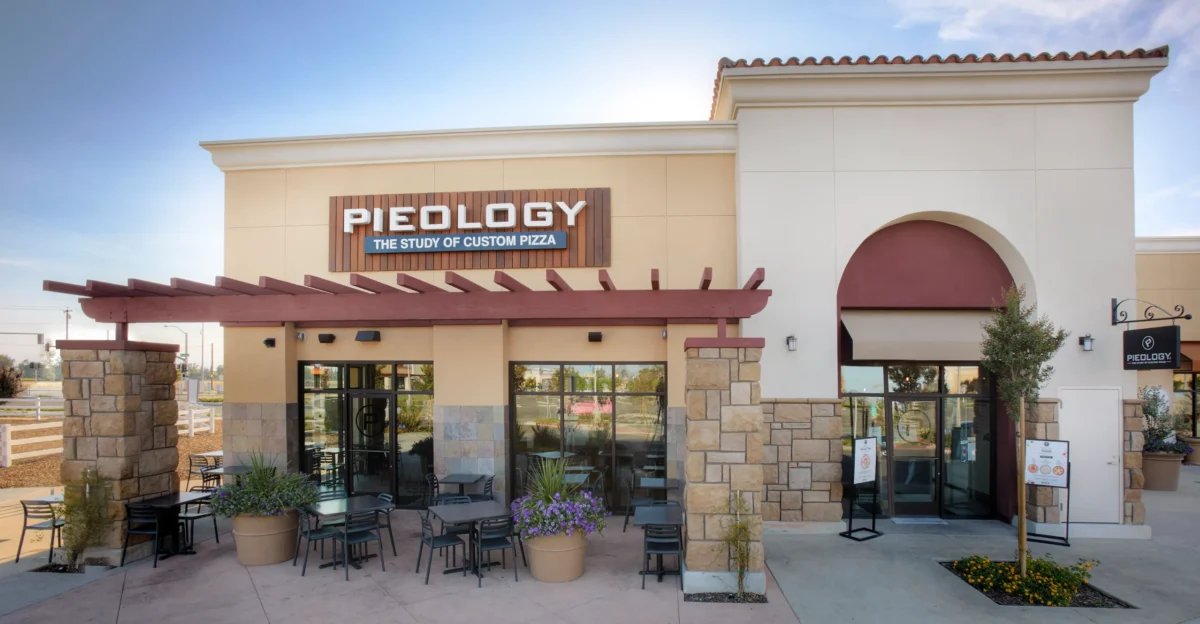
In early 2025, Pieology’s founder Carl Chang took control of 29 struggling franchisee locations in a bid to stabilize operations.
However, the lack of sufficient funding to support these franchises accelerated the company’s liquidity crisis. Without a financial buffer, Pieology’s decline continued unchecked.
Leadership at a Crossroads
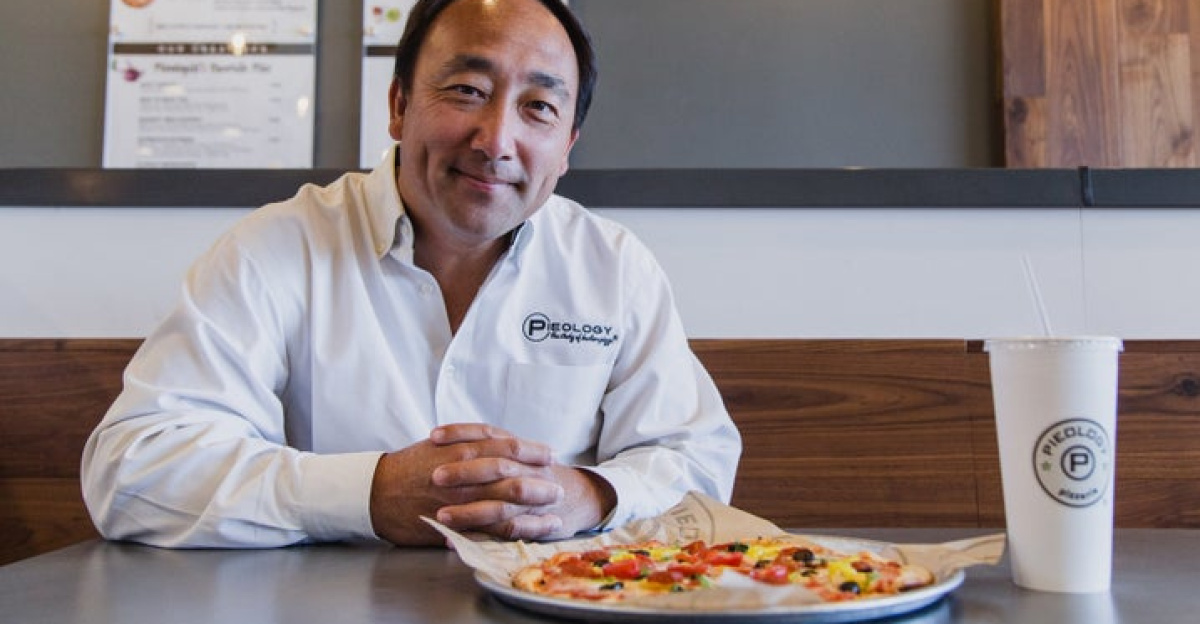
Pieology’s leadership faces a daunting task. Founder Carl Chang, whose brother is tennis pro Michael Chang, has remained at the helm, but the company experienced significant leadership turmoil.
Shawn Thompson, who served as CEO, departed in November 2025, leaving the brand without clear direction during its final months before filing.
Chapter 11: A Restructuring Effort

Pieology’s Chapter 11 bankruptcy filing aims to restructure operations while keeping approximately 45 stores operational, including the 16 company-owned and 29 franchised units.
The company plans to overhaul labor efficiency and revamp its menu in an attempt to stay afloat. But with liabilities ranging from $1 to $10 million against significantly fewer assets, the company’s future remains uncertain.
Industry Experts Warn of a Bleak Future

Experts remain skeptical about Pieology’s recovery. Industry insiders point to the broader fast-casual pizza shakeout, with several other brands like Fired Pie (April 2024) and Oath Pizza (October 2024) filing for bankruptcy.
Pieology’s case is just another example of how over-expansion and market saturation can damage even the most promising concepts.
Can Pieology Survive?
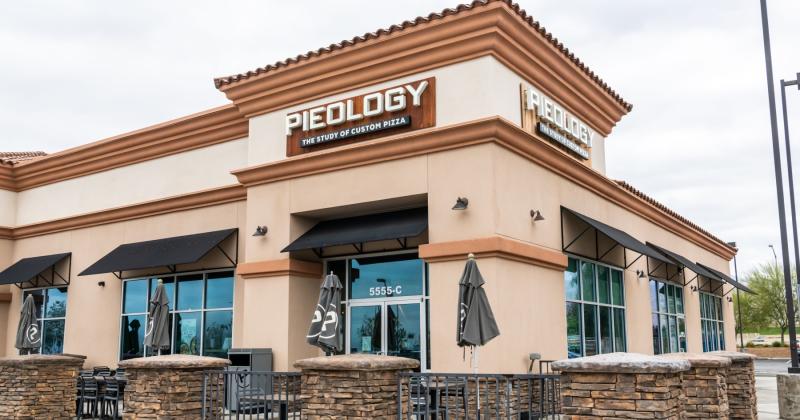
The question remains: Can Pieology shrink to survive? With its focus on restructuring and maintaining its remaining 45 core locations, the brand must navigate a tough road ahead.
Will Pieology stabilize around these remaining units, or will it become another casualty of the fast-casual pizza industry’s troubles?
Financial Pressures Mount Amid Rising Costs
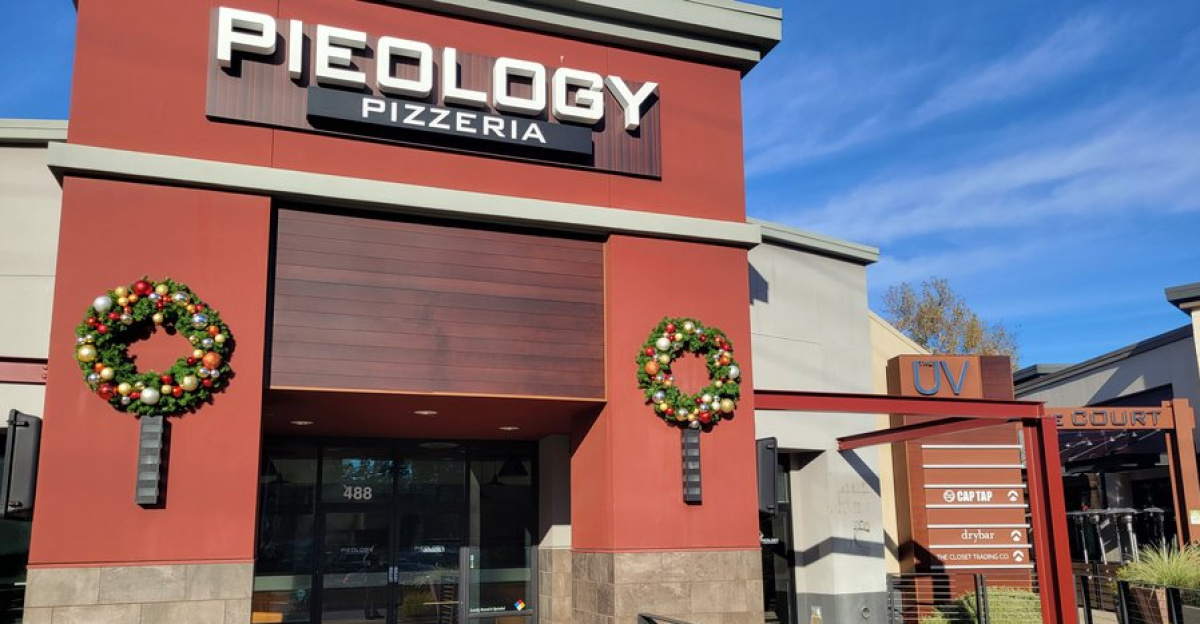
Pieology’s downfall has been fueled by rising labor costs, rent hikes, and increased ingredient prices, all exacerbated by the broader inflation crisis.
The company’s failure to manage these rising costs, combined with a saturated market, has made it difficult to stay profitable.
Pieology’s Global Reach: A Dream Deferred
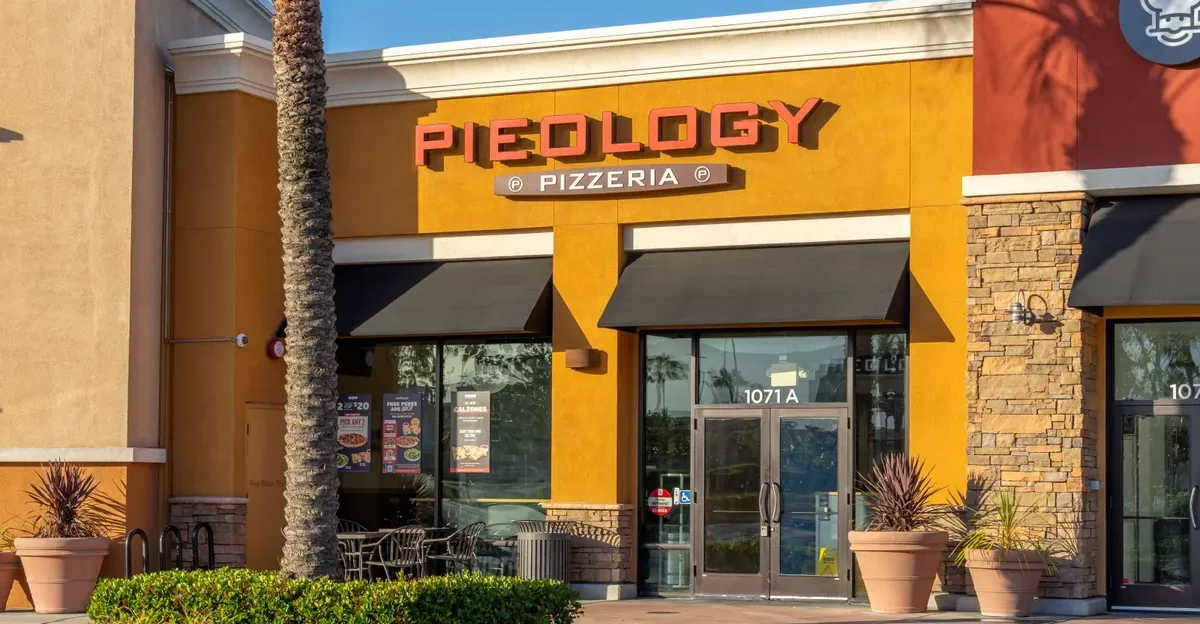
While Pieology’s U.S. closures dominate the headlines, the company also operates locations in Mexico, Spain, Puerto Rico, and other territories.
Despite early ambitions for global expansion, Pieology’s domestic struggles have kept its international footprint limited. The fast-casual pizza sector, once ripe for international growth, has now seen its expansion stalled by oversaturation and shifting consumer preferences.
Legal Battles Ahead as Pieology Restructures
With Chapter 11 proceedings ongoing, Pieology faces several legal hurdles. More than 200 creditors, including landlords and vendors, are fighting for recovery in the reorganization.
Legal experts predict a complex restructuring process as Pieology attempts to reorganize its debts and salvage what remains of the business.
DIY Pizza Dream Fades Amid Changing Tastes
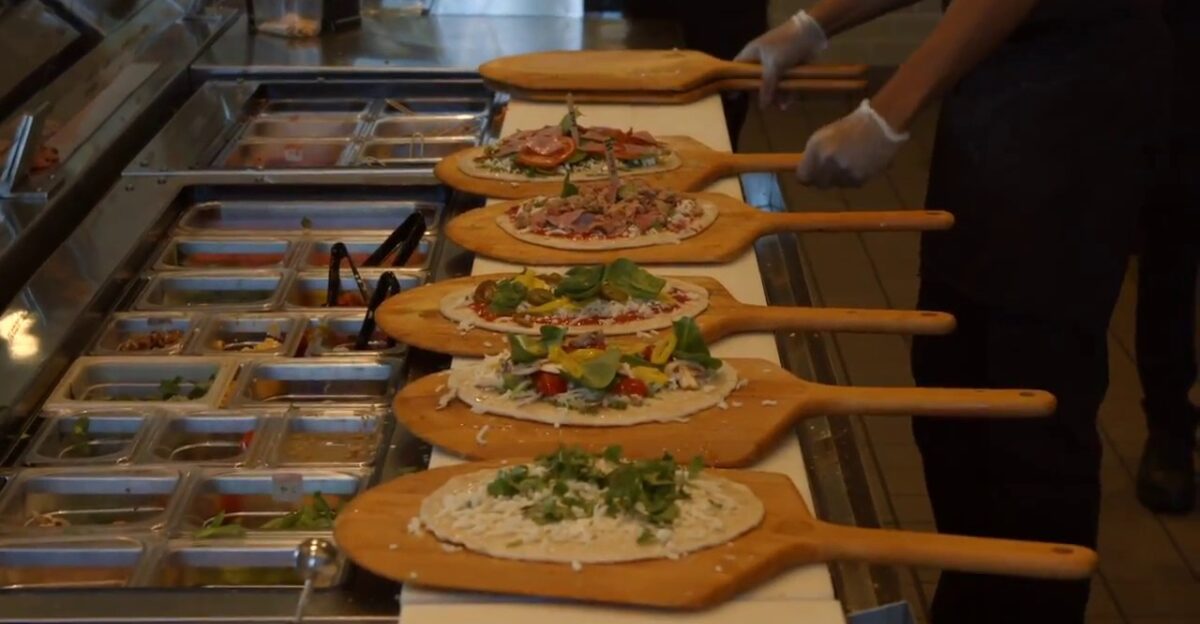
The DIY pizza model that Pieology pioneered has become less appealing in today’s fast-paced, value-conscious market.
Gen Z and other consumers are increasingly opting for quick, affordable meal options rather than building their own pizzas. Pieology’s once-revolutionary concept has faded into the background as consumer preferences shift.
A Fast-Casual Reset: Lessons for the Industry
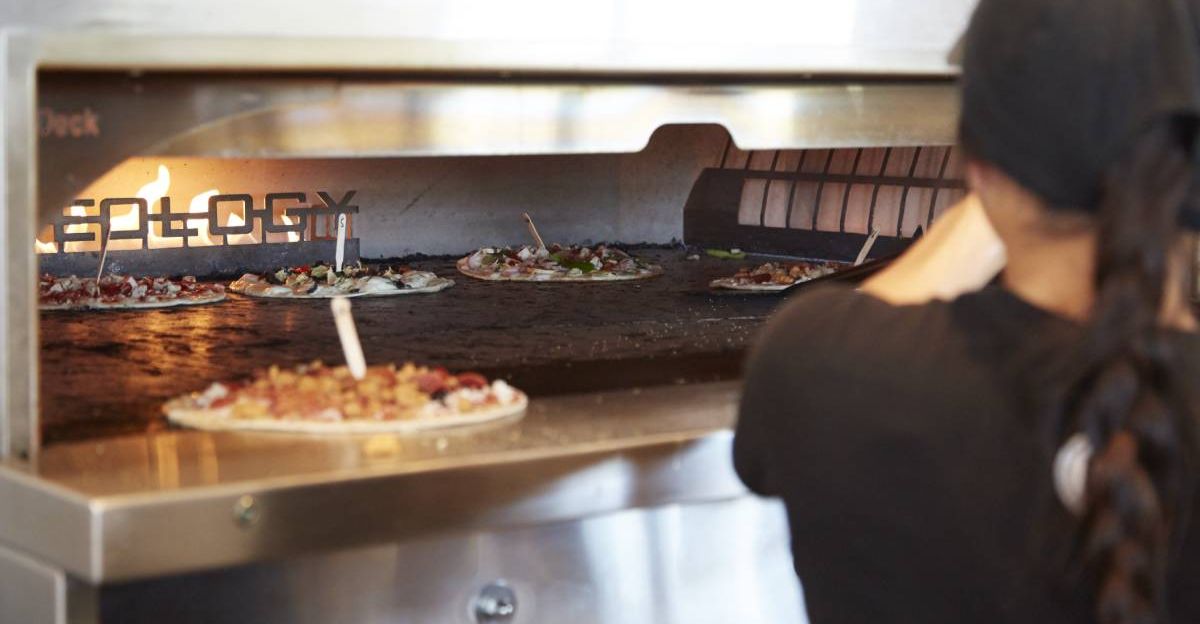
Pieology’s fall serves as a cautionary tale for the fast-casual restaurant industry. Rapid expansion without financial buffers, coupled with market saturation, has brought the brand to its knees.
As the industry resets, Pieology’s story underscores the importance of sustainable growth and adapting to shifting consumer tastes.
Sources:
“Pieology files for Chapter 11 bankruptcy after turnaround fails.” Restaurant Dive, 9 Dec 2025.
“Popular California Pizza Chain Files for Chapter 11 Bankruptcy.” EDhat, 10 Dec 2025.
“Pioneering national pizza chain files for Chapter 11 bankruptcy protection.” TheStreet, 9 Dec 2025.
“Pieology.” Wikipedia, updated 28 Dec 2025.