
Beachgoers along the Texas Gulf Coast are encountering large, white-spotted jellyfish spread across the sand—some measuring up to 20 inches across—after the species began washing ashore in recent days.
The jellyfish’s semi-translucent bell, marked with distinct white spots, has drawn attention from scientists who have confirmed it as an invasive species originating from Australian waters.
Marine researchers warn the arrival could disrupt local ecosystems by competing with native plankton-eating species, including shrimp that support commercial fisheries. What conditions allowed these jellyfish to reach Texas waters—and what comes next?
Invasion Escalates
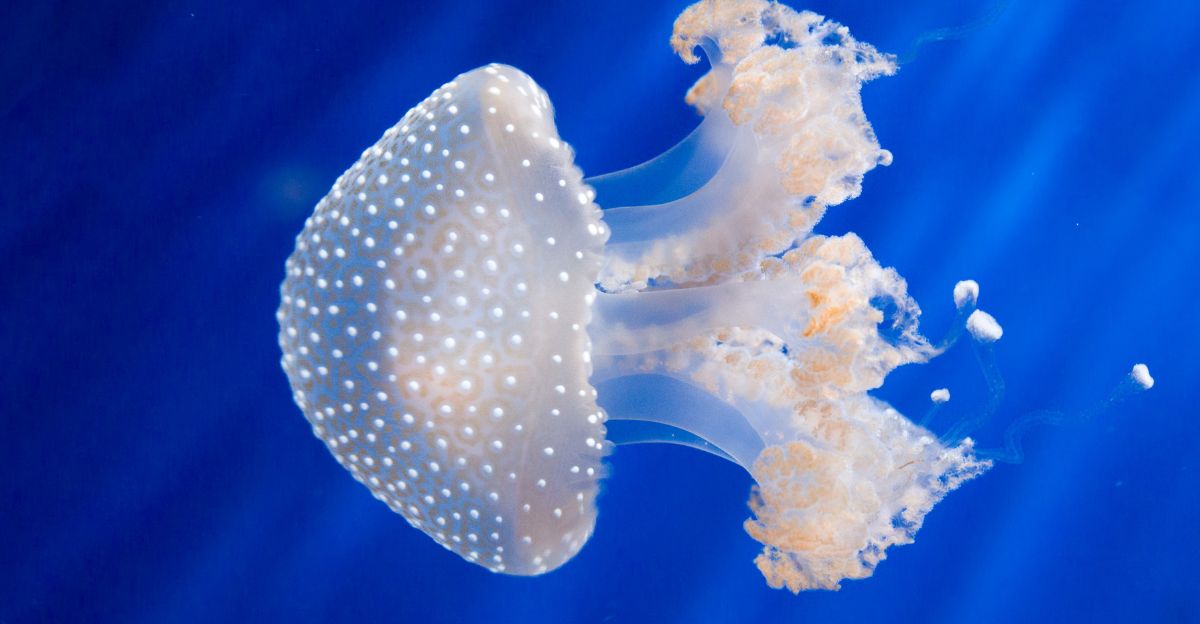
Reports confirm an increase in strandings along the Texas Gulf Coast, from Corpus Christi to Mustang Island, with jellyfish typically measuring 12-18 inches, and larger specimens reaching up to 20 inches.
Warmer ocean temperatures and shifting currents may fuel larger populations, continuing past appearances. Beach surveys reveal dozens in single outings. How severe is the spread?
Native Origins

Scientifically named Phyllorhiza punctata, these jellyfish are native to the western Pacific, particularly around Australia and the surrounding Indo-Pacific waters, not the Gulf of Mexico.
First documented in the Gulf since around 2000, they arrived via ships’ ballast water—a common invasive pathway where vessels take in water for stability, often containing organisms and larvae.
Dense populations now challenge the local marine balance. Why do they thrive here?
Ballast Water Threat

Ships take in ballast water globally for stability, unwittingly carrying larvae and organisms that are released into new waters, such as the Gulf.
This species’ hardy polyps can attach to hulls and surfaces, establishing populations in new environments. Seasonal warming boosts survival, intensifying pressure on ecosystems.
Experts track patterns amid climate shifts. What’s the full ecological toll?
Species Revealed
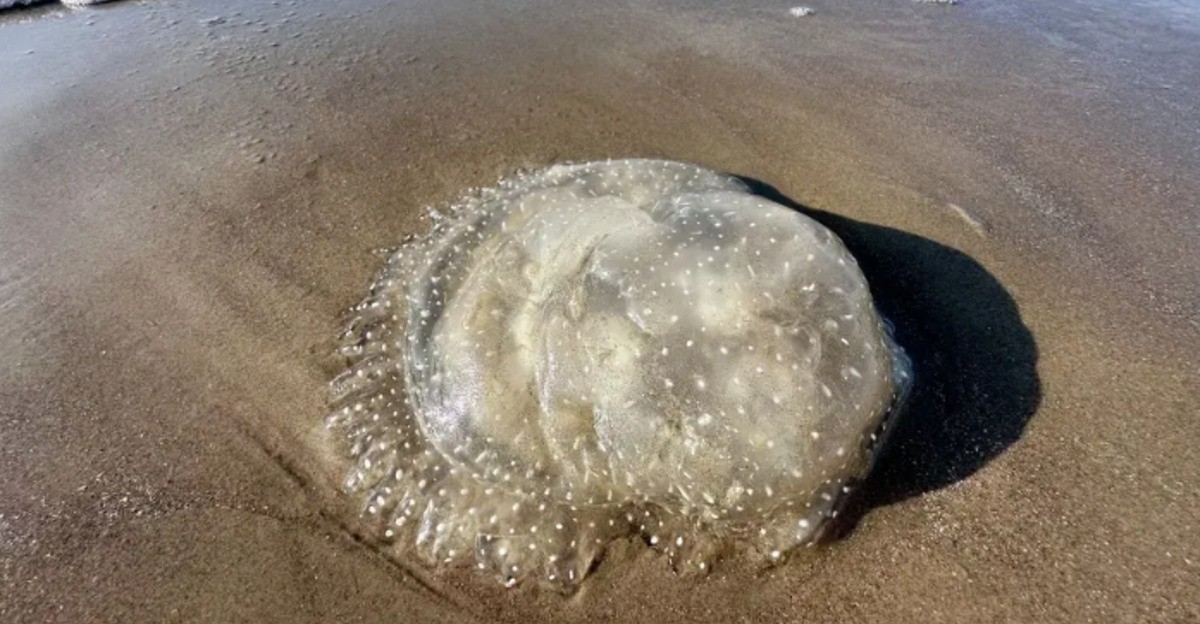
Australian white-spotted jellyfish, reaching 20 inches in bell diameter, have now established themselves in Texas Gulf Coast waters near Corpus Christi.
Native to Australia and the Indo-Pacific, the invasive Phyllorhiza punctata filters massive volumes of plankton, as confirmed by observations from the Harte Research Institute.
“Beautiful, but don’t belong here,” says Jace Tunnell, Community Engagement Editor at the Harte Research Institute. An ecological threat has been exposed.
Ecosystem Competition
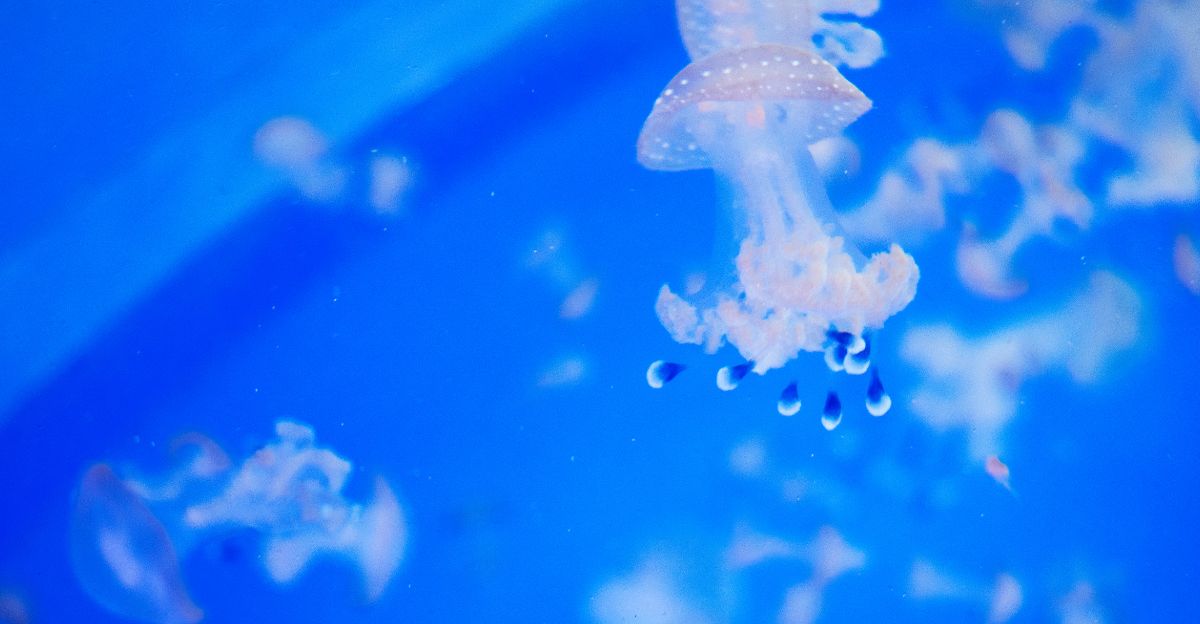
These invaders consume zooplankton and directly compete with shrimp and juvenile fish for food in Gulf waters. Each jellyfish can clear up to 50 cubic meters of water daily of plankton; populations disrupt food webs.
Native filter feeders suffer, with potential ripple effects through fisheries. Texas beaches see direct fallout from blooms. How profound is the impact?
Beachgoer Warnings
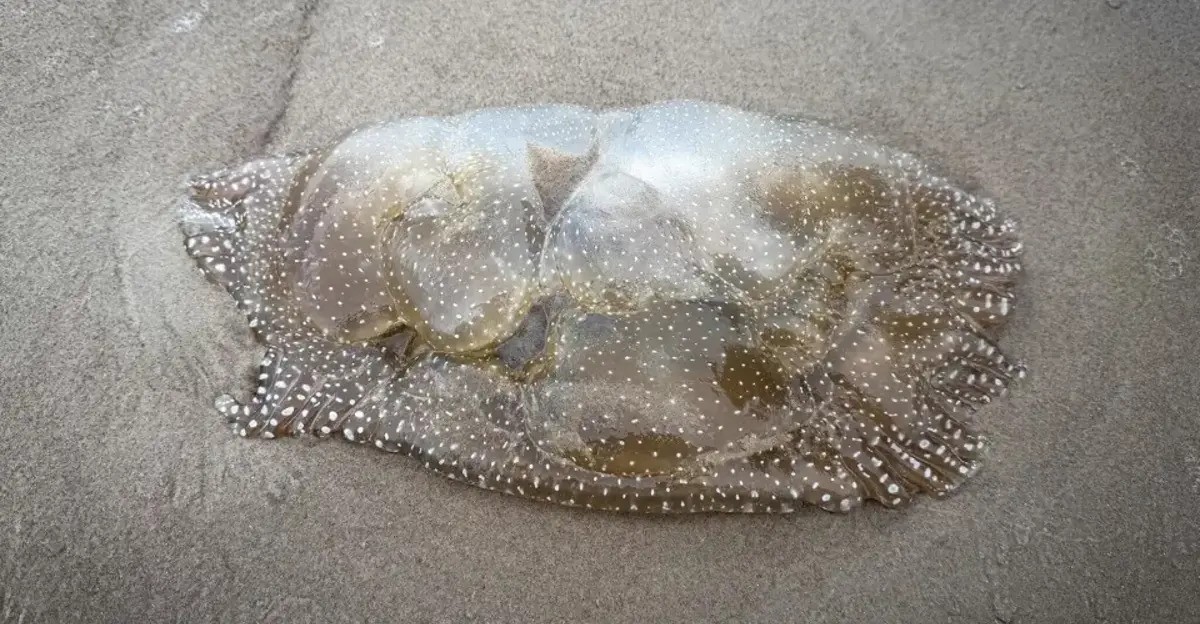
Harte Research Institute experts urge beachgoers to stay alert and report sightings to track the spread. While stings pose a low human health risk, ecological harm to marine ecosystems is a primary concern.
Jace Tunnell encountered clusters during surveys, noting their distinctive bell-shaped bodies. Public vigilance aids monitoring efforts. Have you spotted one yet?
Expert Insights
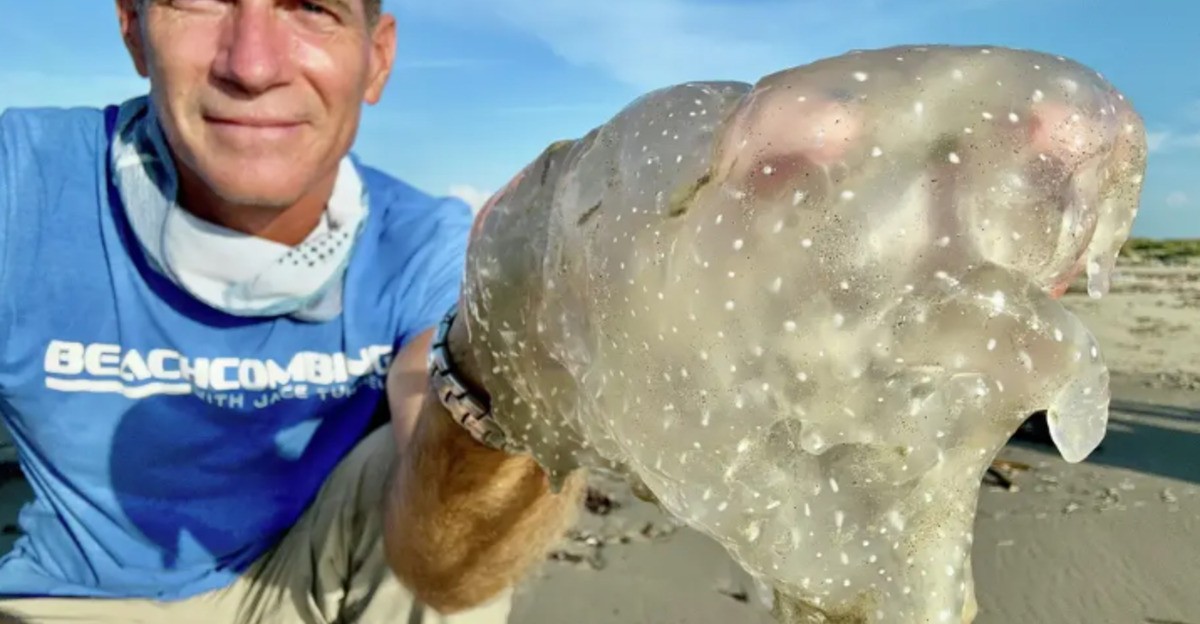
Jace Tunnell, Community Engagement Editor at the Harte Research Institute, describes them as efficient filter feeders using a simple nerve net for navigation, surviving for months to a year in Gulf waters.
Despite lacking a brain, they function effectively as a population. Regulatory focus on ballast water compliance continues; prevention remains key to limiting further introductions. Local monitoring will ramp up.
Invasive Species as Extinction Driver
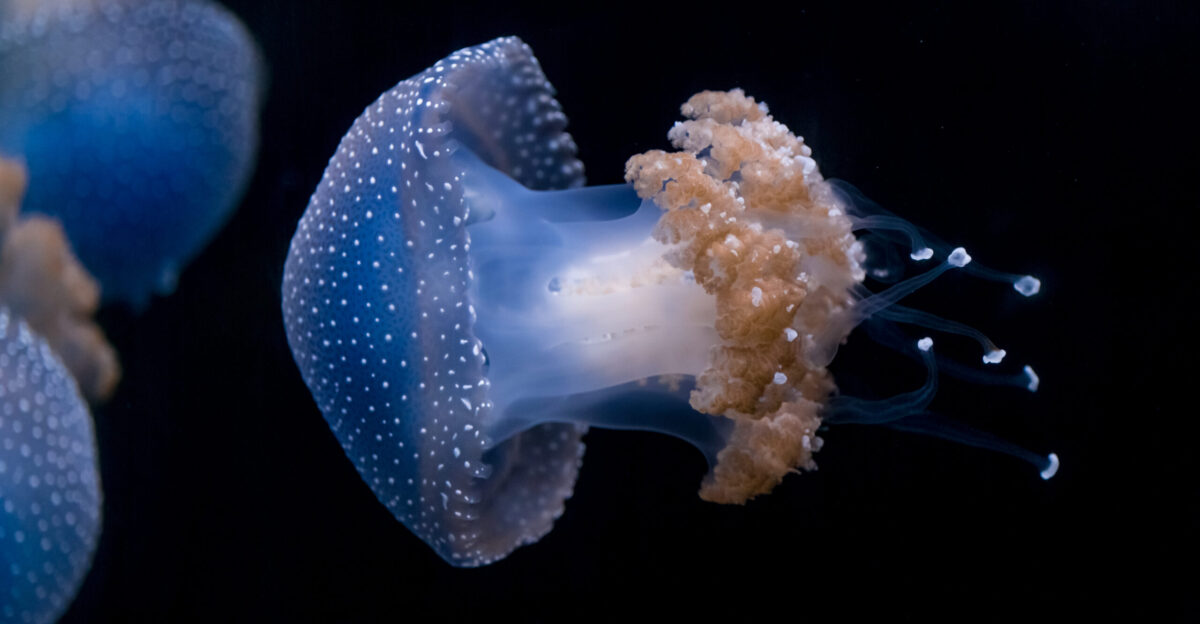
Documented along U.S. coasts from California to the Atlantic since the 2000s, invasive species like this jellyfish represent one of the leading drivers of extinction worldwide, competing with habitat loss and pollution for dominance.
Gulf blooms impact the availability of plankton and food webs. Scientists track patterns as warming trends intensify invasions. Texas experiences seasonal peaks. Understanding this broader context matters.
Plankton and Food Web Disruption
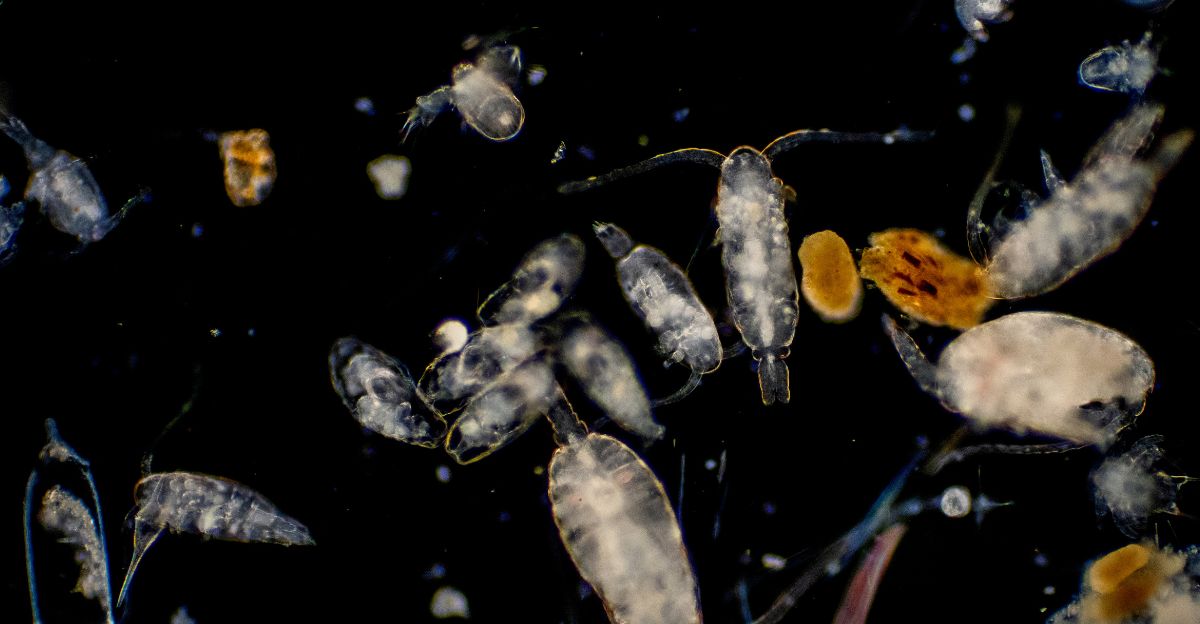
Jellyfish blooms compete directly with juvenile shrimp and fish for the plankton that forms the base of the marine food web. This competition threatens the ecological balance that supports Texas’s fishing industry.
Each jellyfish’s massive daily filtration creates compound pressure on zooplankton populations. Understanding this chain reaction reveals why ecosystem protection matters.
Monitoring Efforts
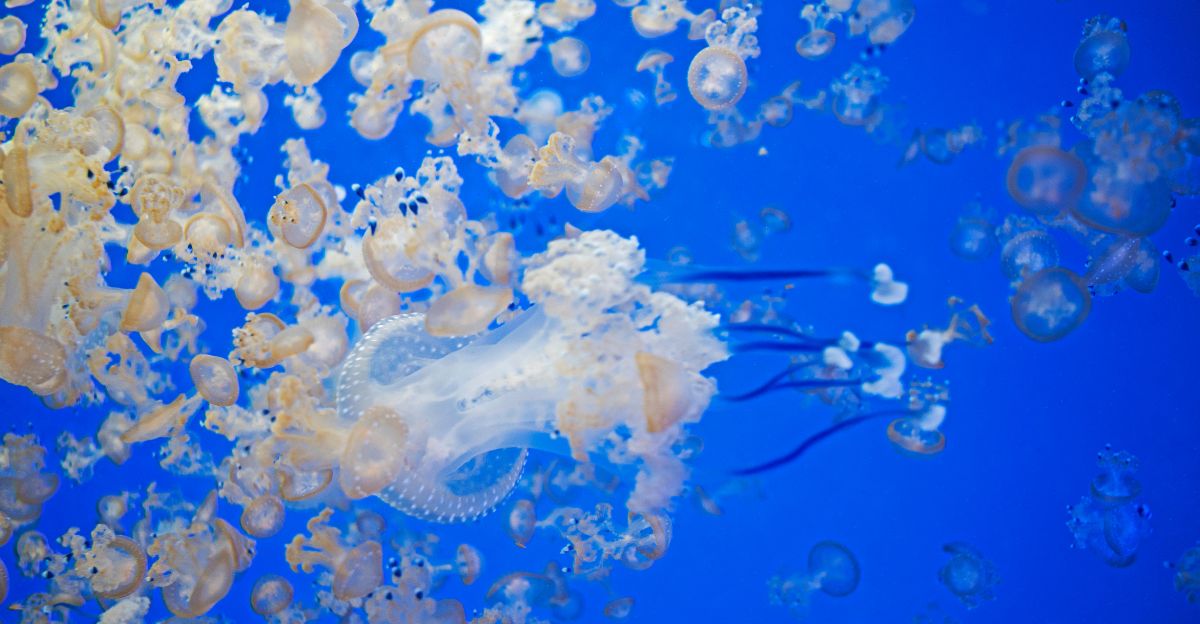
Stakeholders at the Harte Research Institute monitor jellyfish populations and encourage public reporting to track spread patterns. “They’re not supposed to be here,” Jace Tunnell emphasizes amid increasing sightings.
Public reports help, but establishing reliable baseline data remains challenging. Focus on understanding patterns to inform future prevention strategies. Can citizen science aid efforts?
Research Shifts
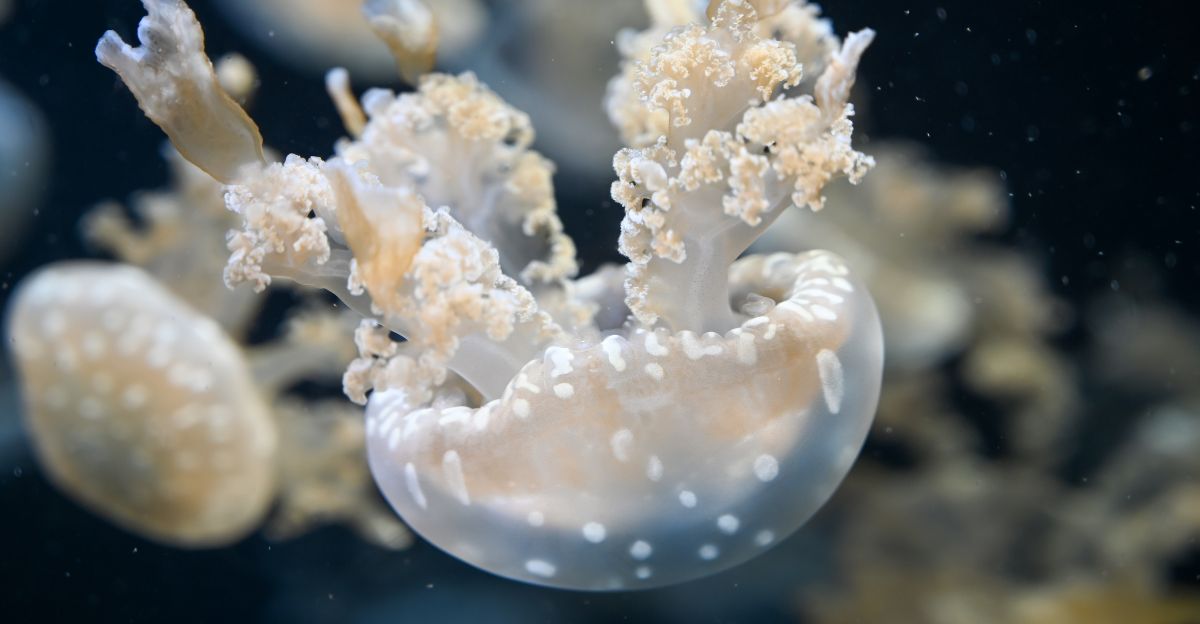
Texas A&M-Corpus Christi’s Harte Institute conducts ongoing research on jellyfish populations and their ecological impacts, aiming to gain a deeper understanding of population dynamics. Leadership emphasizes community engagement and public awareness.
Jace Tunnell leads outreach, encouraging observers to share sightings and observations. Strategy evolves with data collection. Understanding their presence matters.
Prevention and Ballast Water Management

Prevention strategies focus on ballast water regulations; NOAA continues to promote exchange protocols to minimize the transfer of organisms.
The Harte Institute promotes public awareness and reporting to document spread patterns. International shipping standards aim to minimize future invasions. Prevention remains the most effective strategy once the species is established. Efforts are gaining attention.
Long-Term Outlook
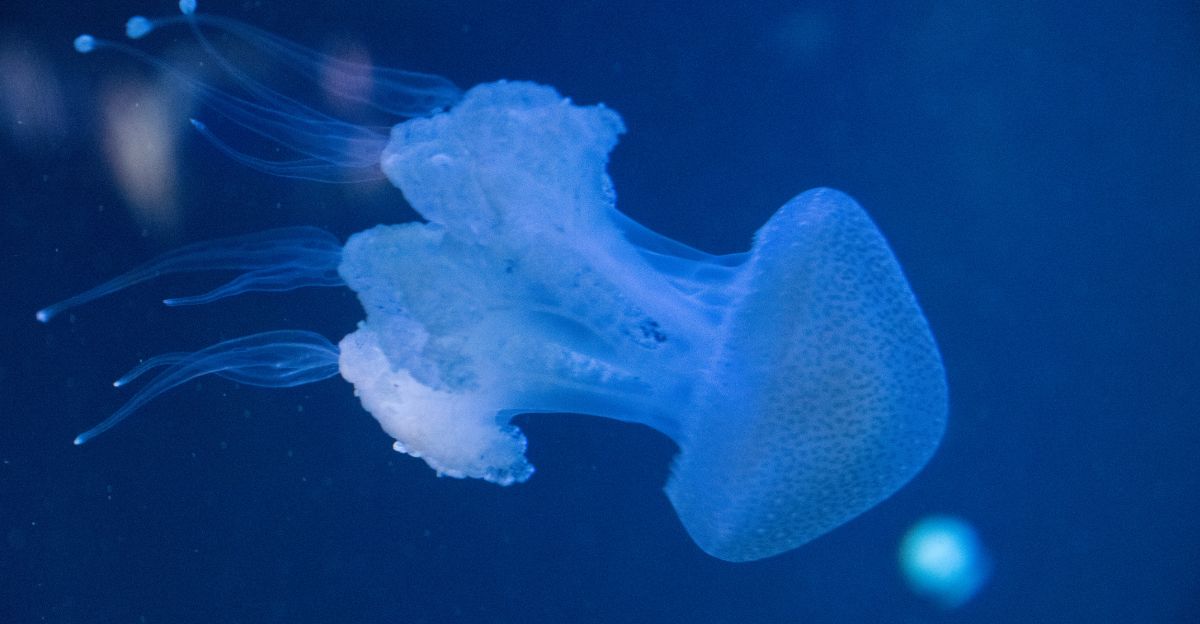
Experts note these jellyfish likely remain in Gulf waters as established populations. Climate warming may support continued annual population growth.
Tunnell warns that this invasion signals broader challenges from invasive species. Understanding their ecology and documenting their presence will guide long-term management strategies. Ongoing monitoring is essential.
Future Watch
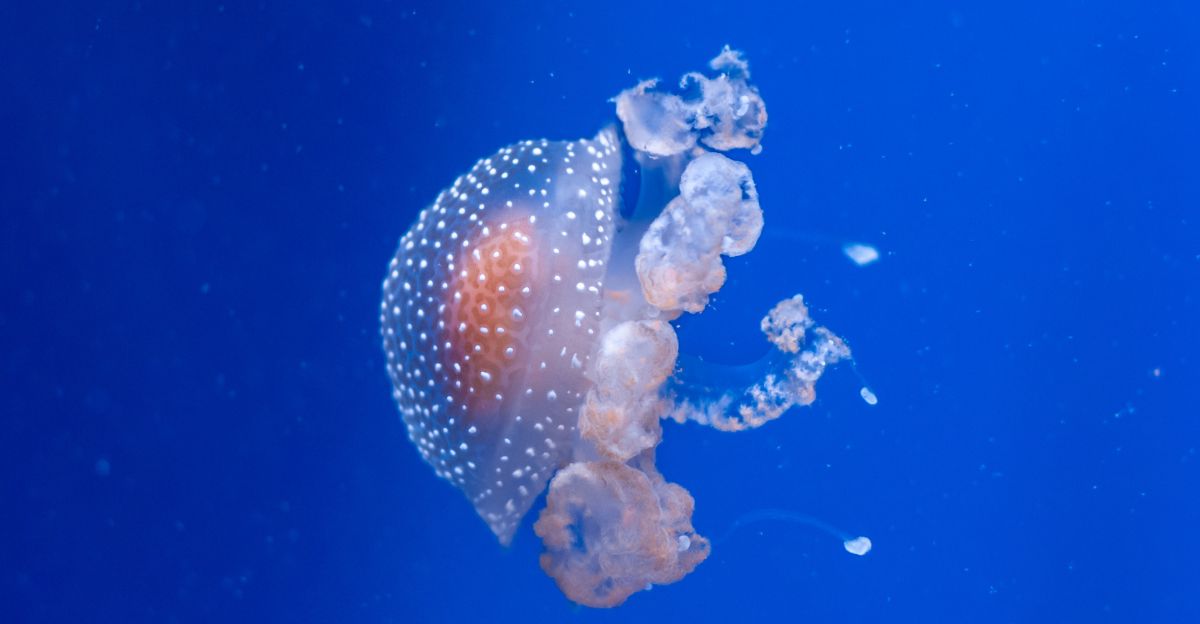
As invasive populations continue to grow, public awareness and scientific monitoring remain critical tools. Gulf ecosystems face ongoing pressure from warming waters and invasive species.
Texas leads efforts in tracking and understanding this phenomenon; your sighting report contributes to scientific knowledge. What invasive species will wash ashore next?