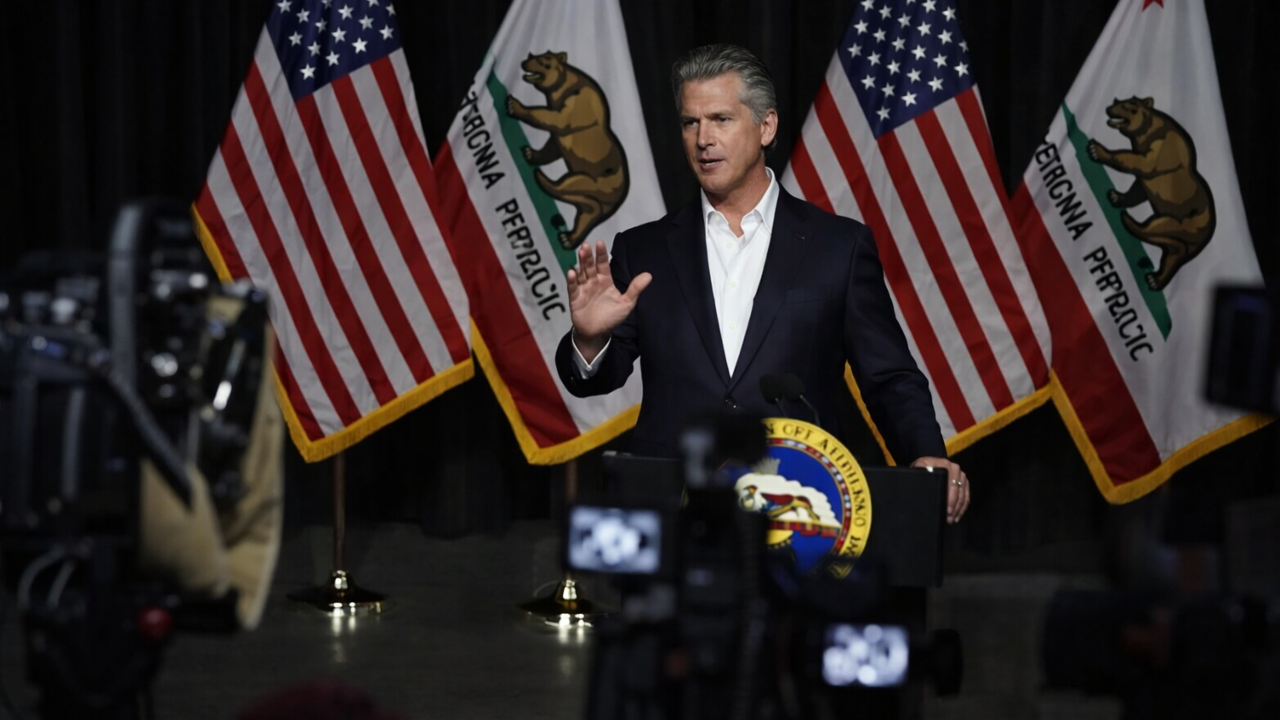
California’s wealthiest are relocating before January 1, 2026. Tax strategist David Lesperance says billionaire clients are registering to vote elsewhere and scheduling DMV appointments outside California. Roughly 200 billionaires holding $2 trillion face a one-time 5% wealth tax under the 2026 Billionaire Tax Act.
The union-backed initiative could extract $100 billion over five years. But billionaires aren’t waiting for November 2026—they’re leaving before the January 1 residency trigger. The exodus is underway.
The Math
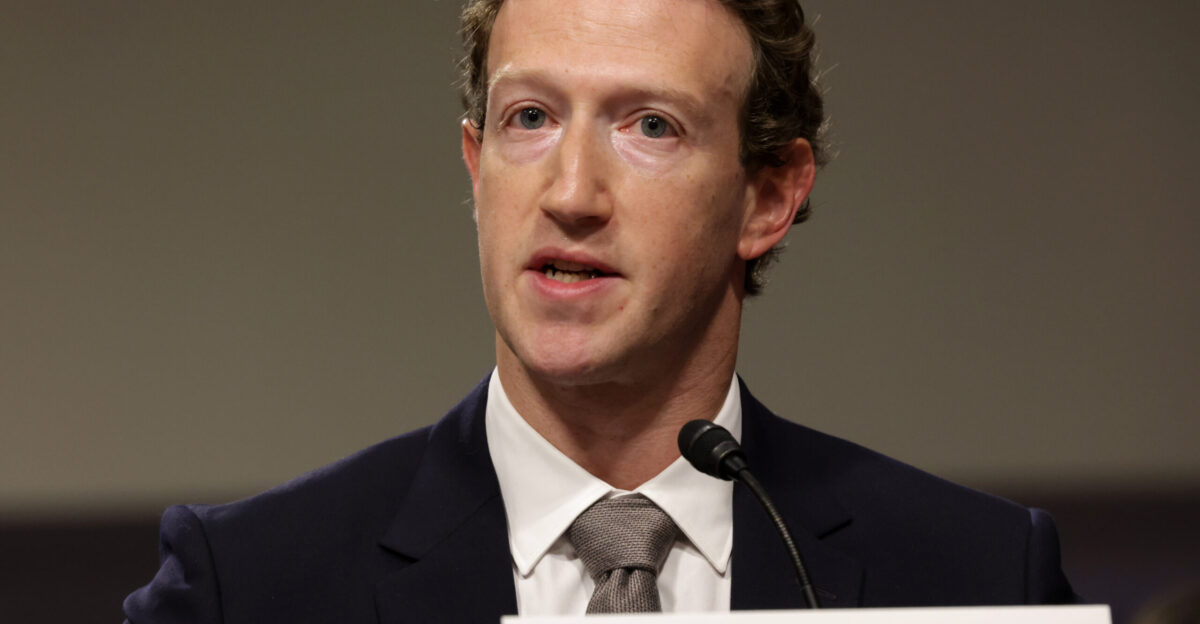
Mark Zuckerberg, valued at over $200 billion, would owe roughly $10 billion. Jensen Huang at $162 billion faces $8 billion. Larry Page at $212 billion sees $10-plus billion. For these titans, leaving is mathematical.
Lesperance told the New York Post his clients “don’t need to be in Palo Alto,” citing Elon Musk and Tim Cook, who operate globally. “They will be long gone before the fire starts,” Lesperance warned. Leaving isn’t hypothetical—it’s a necessity.
January 1 Deadline

The tax applies only to California residents on January 1, 2026. Miss that date, and it doesn’t apply—no matter the wealth accumulated. For billionaires, this deadline matters more than the vote or the collection of signatures. Signature collection begins in January or February 2026.
The measure needs roughly 870,000 signatures by spring 2026 to qualify. The vote comes in November 2026. But if billionaires are already gone, nothing touches them. This creates a race against time.
Chamath’s Prediction
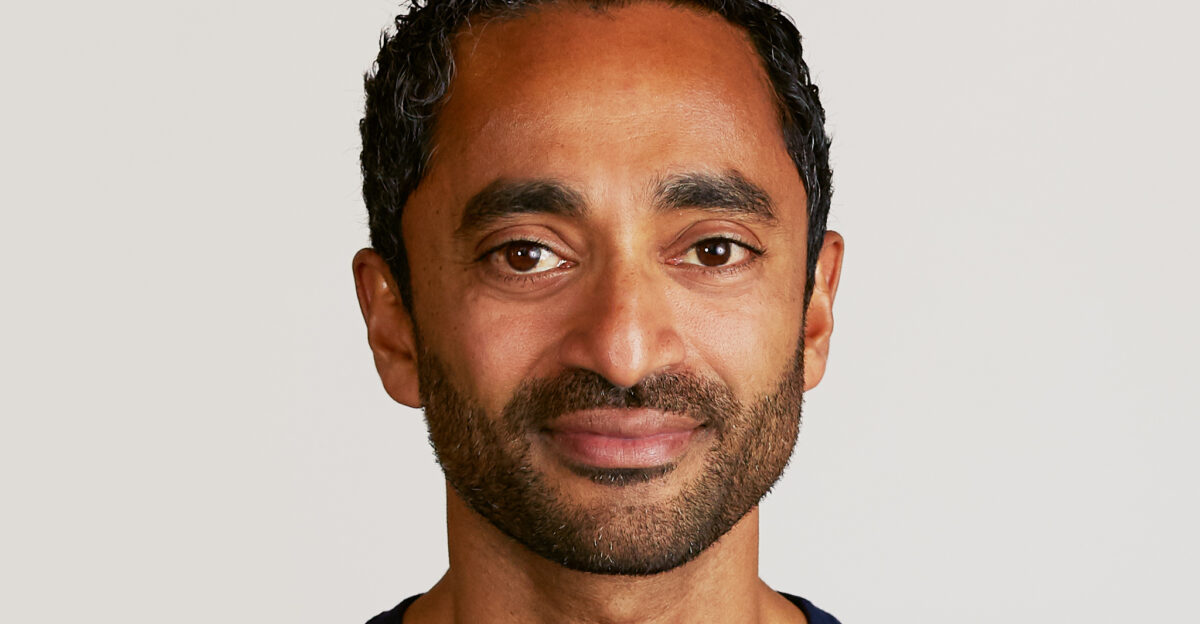
Entrepreneur Chamath Palihapitiya declared on the “All-In” podcast: “There will be no billionaires left in California.” This reflects sentiment among the ultra-wealthy. They view the tax not as affordable but as hostile. Billionaires assess whether states welcome wealth creators.
California’s proposed wealth tax, combined with Governor Newsom’s opposition and the January 1 deadline, sends a clear message: leave now. Palihapitiya’s statement captures the prevailing attitude: exit is inevitable.
The Union’s Case

SEIU-United Healthcare Workers West frames this as an emergency intervention. California’s Medicaid faces a potential $30 billion federal funding cut. Public schools are chronically underfunded. Food assistance is strained. The union argues $100 billion over five years could stabilize services for 40 million Californians.
The measure states: “These billionaires pay less than 1.5% of their total wealth in annual state taxes.”
Newsom’s Opposition
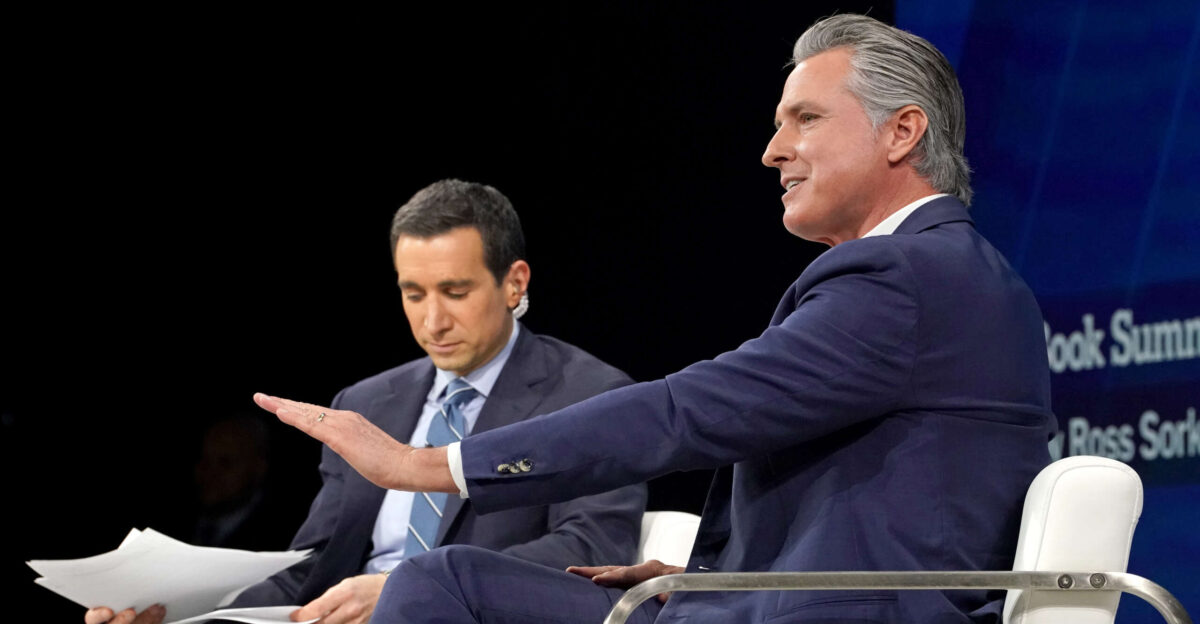
Governor Gavin Newsom opposes the tax. California’s governor could have pitched in politically or remained neutral. Instead, Newsom aligned with the billionaire class. His stance isn’t neutrality—it’s a statement.
Garry Tan, Y Combinator CEO, told the New York Post: “Although this wouldn’t affect me personally, I stand against it because California should retain entrepreneurs and investors.”
Conway’s Opposition Funding
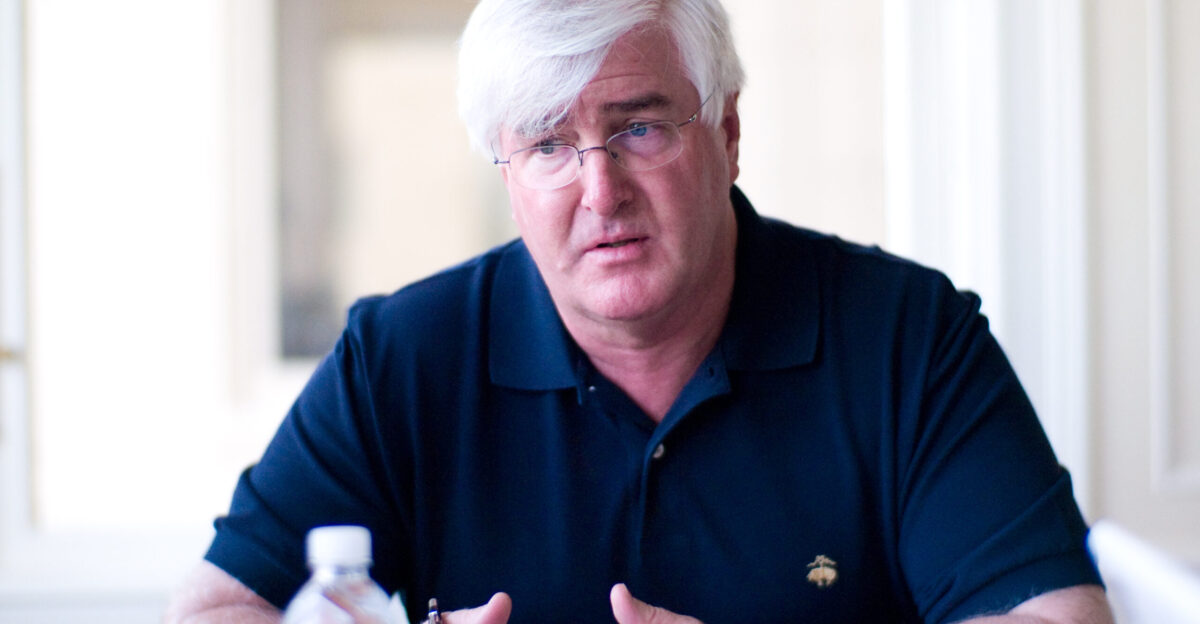
Billionaire venture capitalist Ron Conway donated $100,000 to “Stop the Squeeze,” fighting the tax. That signals—Conway, a legendary Silicon Valley investor, indicates this isn’t fringe. It’s mobilizing the wealth class.
Cryptocurrency and AI advisor David Sacks made the case: “Hopefully, not everyone realizes how unwelcoming California is for businesspeople, because I need to sell my house to someone.”
Revenue Collapse Risk

A single billionaire leaving costs California $8 billion to $12 billion in tax revenue if the measure passes. Three billionaires? That’s roughly $30 billion in foregone revenue. The math flips the union’s argument. If $100 billion over five years—roughly $20 billion annually—hinges on 200 billionaires staying, and 25% leave, California’s budget collapses.
California is home to roughly 255 billionaires—about a quarter of all U.S. billionaires. Losing that concentration means losing Medicaid and school funding.
Where They’re Going

Destination states are well-established: Texas, Florida, and Nevada. All have no state income tax. Texas and Florida offer no wealth tax. Nevada provides similarly tax-friendly conditions. They’re not alternatives—they’re havens. Elon Musk’s departure to Texas during the pandemic set the template.
The precedent is set. Infrastructure exists. Talent markets are developing. For billionaires with global businesses, state residence becomes a crucial factor in tax calculations.
Constitutional Challenges

The measure faces challenges under the U.S. Equal Protection Clause, California’s Uniformity Clause, and the property tax cap. Legal experts note that the alternative apportionment method—allowing deductions as low as 25% of net worth- does not fairly represent California-accumulated wealth and invites litigation.
Even if the measure passes, courts might block it, suspend it, or force changes reducing revenue projections. That uncertainty itself reasons billionaires to move preemptively.
The Signature Sprint

Between January and spring 2026, the campaign enters a critical phase. The union must collect roughly 870,000 signatures to qualify for the November 2026 ballot. That’s a massive grassroots operation while billionaires execute exit strategies.
It’s a race: union organizers want signatures, billionaires want to be gone. Governor Newsom’s opposition leaves unclear what the state wants.
Ecosystem Multiplier

Losing billionaires—such as Zuckerberg, Page, and Huang—costs not just dollars but also influence, business ecosystems, and startup investments. Palihapitiya pointed out the multiplier effect: losing California billionaires means losing the venture capital ecosystem, which funds startups, hires workers, and generates tax revenue for schools and healthcare.
He questioned why the government should receive more funding, given its fiscal irresponsibility. This reflects the California tech elite’s belief that the government is fundamentally untrustworthy with wealth.
National Precedent
This matters nationally. No U.S. state has successfully implemented a wealth tax. Vermont attempted one decades ago and failed. Valuing private companies and artwork creates disputes. Enforcement is labor-intensive. Constitutional questions are novel.
If California passes and survives legal challenge, it will become a precedent for other states. That prospect terrifies the wealth class, fueling fierce opposition.
Union’s Counterargument

SEIU-United Healthcare Workers West isn’t ignoring exodus threats. They’re confronting it. Their argument: a billionaire with $200 billion pays 5% once. That’s $10 billion over five years, or roughly $2 billion per year. “These billionaires pay less than 1.5% of their total wealth in annual state taxes,” the measure emphasizes.
The union says, ‘You can afford this.’ Stay. But billionaires think in terms of principle, not affordability. That’s the philosophical divide.
Housing Market Wild Card

California’s real estate becomes a laboratory for billionaire flight. Zuckerberg owns 11 Palo Alto properties worth a combined $110 million, which are currently under construction. Sergey Brin holds $35 million Malibu estate. Jensen Huang assembled roughly $55 million worth of San Francisco and Los Altos Hills real estate.
If they sell to fund relocations, luxury real estate becomes overabundant in the market. Prices fall. Property tax revenue declines. The state loses not just billionaire income tax—it loses property tax funding local schools.
The Timetable

California’s wealth tax hinges on a January 1, 2026, residency deadline. Billionaires must depart before then to avoid taxes, prompting a surge in relocations in late December 2025. The union will simultaneously collect signatures through spring 2026 to qualify for the November ballot.
If the signatures are successful and voters approve, implementation will begin in 2027. The paradox: by the time voters decide, the exodus will already be complete.
What Billionaires Are Doing
According to David Lesperance, California billionaires are registering to vote in other states, scheduling DMV appointments in destination states, consulting with tax attorneys about residency documentation, planning asset transfers and trust restructuring, and evaluating business relocation logistics.
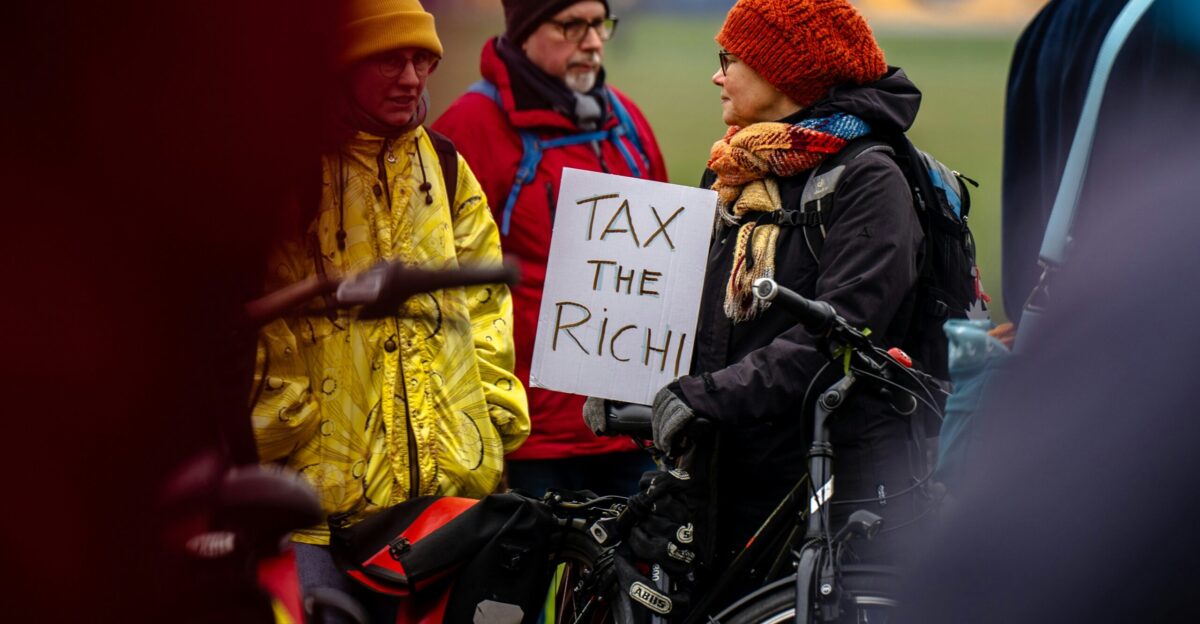
This isn’t speculation. Lesperance told media outlets his clients actively execute these plans—not waiting for the vote, but treating January 1 as imminent. “With this whiff of ‘Tax the Rich’ smoke, the targets are bolting from California now,” Lesperance said. Urgency is real.
The Paradox

Here’s California’s trap. If billionaires leave, the state loses revenue for services that the tax funds. If billionaires stay and challenge it in court for years, California gets legal warfare instead of revenue. If courts block the measure, the state gets nothing.
The only way California collects $100 billion is if billionaires stay, measures pass, and courts uphold it.
Ordinary Californian Stakes

This isn’t rich versus rich. It’s billionaires versus everyone else. If the measure passes and billionaires stay, $100 billion over five years could stabilize Medicaid, fund schools, and support food assistance. For families living paycheck to paycheck, that’s the difference between art programs or not.
If billionaires leave and measure fails, California’s budget shortfalls deepen. Working-class and middle-class Californians face service cuts or higher taxes.
The Decision Already Made

By November 2026, when Californians vote on the Billionaire Tax Act, most outcomes are already decided. If billionaires have left, the vote is academic. If they’ve stayed, it matters. However, the real decision is made in December 2025 and January 2026, in quiet offices and DMV lines, not at polling booths.
David Lesperance’s warning carries weight: “They will be long gone before the fire starts licking at their front door.” The fire is the vote. The front door is California. The exodus is already underway.
Sources:
New York Post – David Lesperance tax strategist interviews
New York Post – Garry Tan Y Combinator CEO statement
All-In Podcast – Chamath Palihapitiya billionaire exodus prediction
UC Berkeley – Emmanuel Saez economist wealth tax analysis
Realtor.com – California billionaire concentration and real estate market data