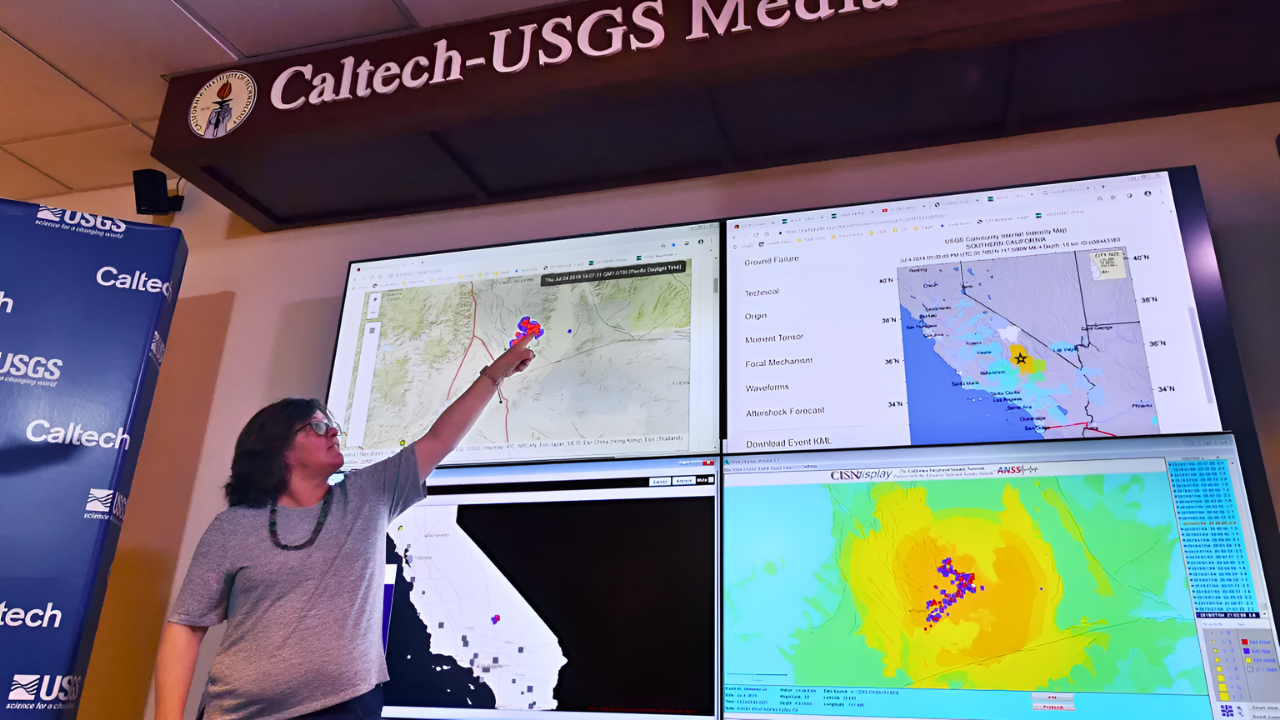
Late on December 27, 2025, Taiwan experienced its most powerful earthquake in almost 2 years when a magnitude 7.0 tremor struck offshore near Yilan County, shaking roughly 20 million residents across the island. The offshore subduction zone event rattled buildings in Taipei and disrupted transportation systems, yet produced virtually no casualties and minimal structural damage. That contrast points to decades of hard-learned resilience.
When The Ground Started Moving
On December 27, 2025, at 11:05 p.m. local time, Taiwan jolted as a powerful offshore earthquake rattled the island nation. The tremor struck about 32 km east of Yilan County, from the Pacific subduction zone, where tectonic plates collide. Residents from Taipei to Taitung felt intense shaking as alerts fired. Preliminary measurements put it at magnitude 7.0. Yet the outcome surprised many.
A Seismic Wake-Up Call For The Region
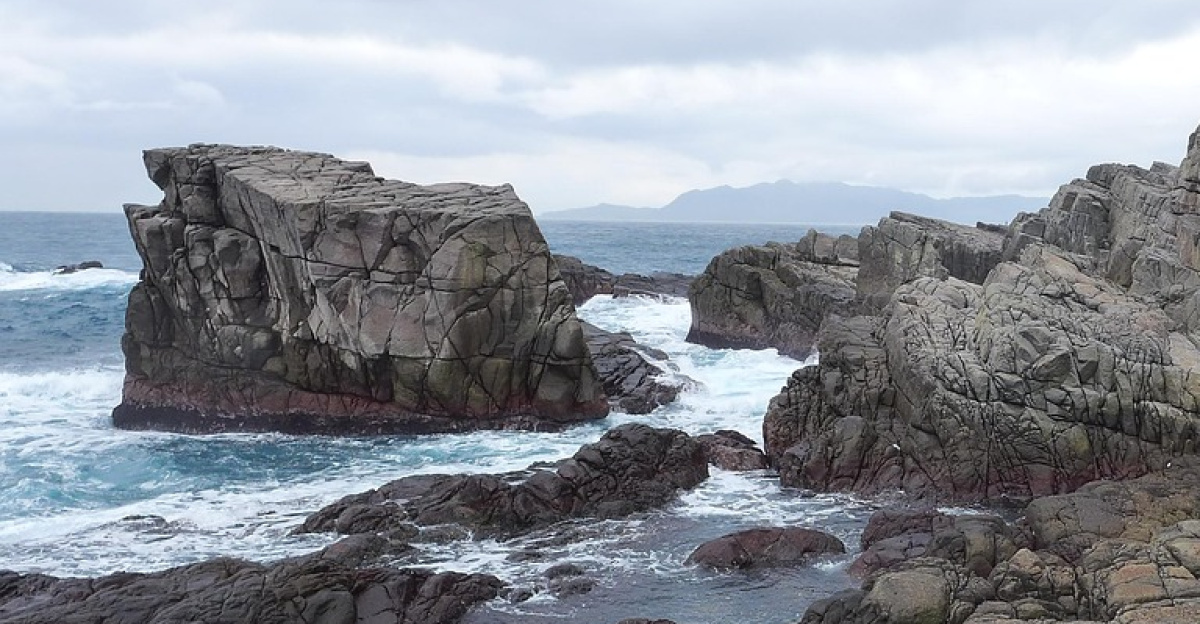
Taiwan sits on the Pacific Ring of Fire, where the Philippine Sea Plate collides with the Eurasian Plate. The island experiences approximately 236 earthquakes annually, although most are minor. December 27, 2025, was the strongest since April 2024, when a magnitude 7.4 quake killed 19 and injured over 1,100. Seismologists say this relentless stress cycle will not stop.
Twenty Million People Felt The Shake
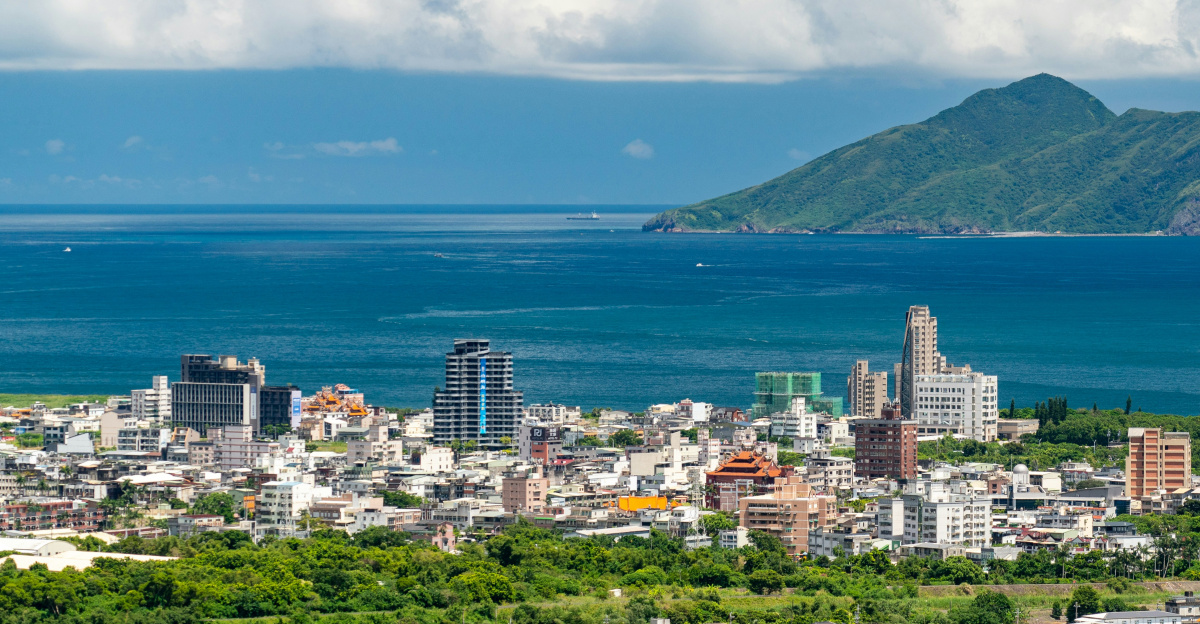
About 20 million residents, roughly 85% of Taiwan’s population, experienced noticeable shaking from the December 27 earthquake. It reached intensity level 4 on Taiwan’s 7-tier scale across 17 regions, including Taipei, Taichung, and Hualien. Some reported about 10 seconds of rumbling and swaying. Yilan, closest to the epicenter, felt vertical then horizontal motion. Yet deaths were 0.
Why The Damage Stayed Limited

Limited damage came largely from the quake’s depth of about 73 km beneath the seafloor and its offshore location. Deeper earthquakes spread energy over broader areas, reducing concentrated ground shaking compared with shallow events. The epicenter east of Yilan also meant no direct rupture under dense neighborhoods. Its subduction-zone mechanics differed from the 1999 and 2024 disasters, creating a rare paradox.
Trains Stopped, Then Restarted Fast
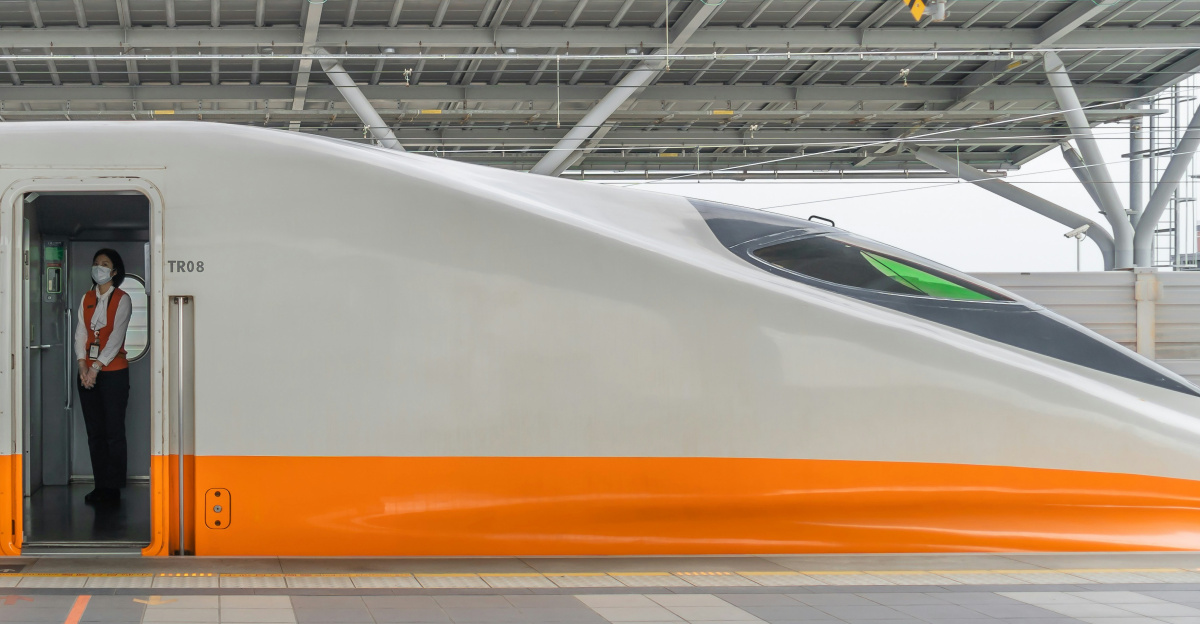
Taiwan High Speed Rail suspended 6 trains immediately after automatic alerts triggered safety protocols at 11:05 p.m. Taiwan Railways Administration halted 4 conventional trains in Yilan County, affecting over 270 passengers. Taipei and Taichung metro systems slowed while crews inspected tracks and signals. The last northbound high-speed service arrived at 1:50 a.m., nearly 2 hours late. Was this coordination the difference?
TSMC Evacuates Without Losing Production
Taiwan Semiconductor Manufacturing Company evacuated personnel from facilities in the Hsinchu Science Park as a precaution. TSMC said “certain fabs at the Hsinchu Science Park met evacuation criteria and personnel were evacuated outdoors in accordance with emergency procedures,” adding that “safety systems at all fabs were operating normally”. Several firms in Yilan, Longtan, and Hsinchu also evacuated. Equipment was undamaged, so production continued.
“Personnel Safety Is Our Paramount Concern”
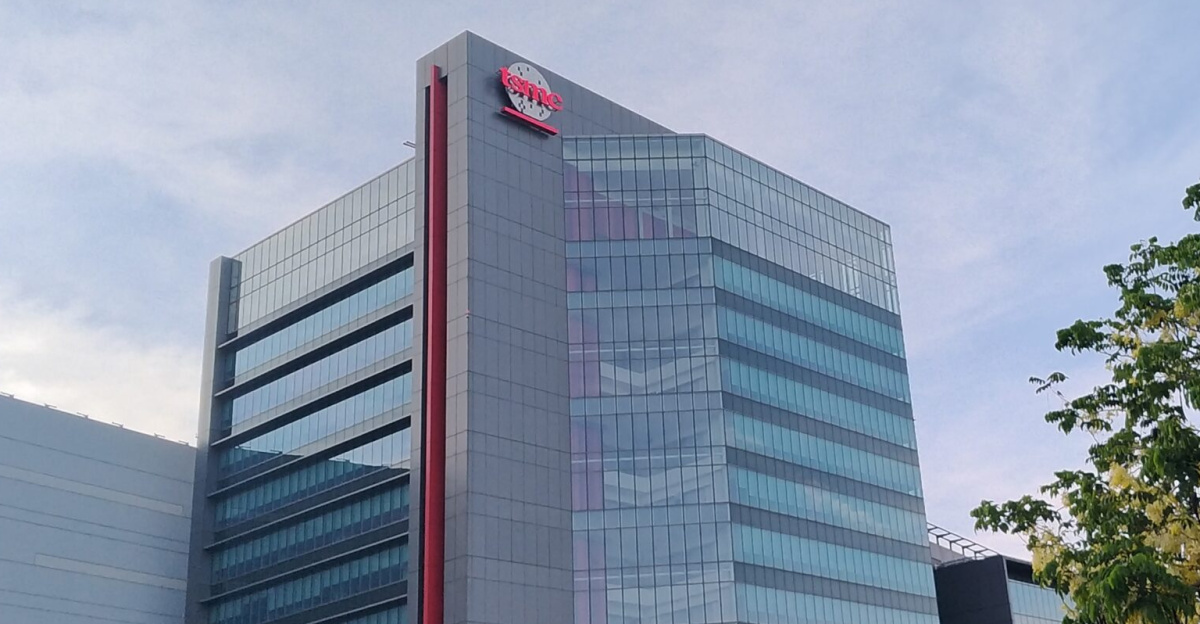
According to a TSMC statement on December 28, 2025: “Personnel safety is our paramount concern. All fabs maintained normal operational status with no reported equipment damage,” underscoring integrated preparedness protocols. Staff returned within hours, protecting supply chains that rely on Taiwan’s advanced chips. The speed mattered because even short outages can ripple worldwide. But outside the science parks, one public facility still showed visible strain.
Airport Ceiling Falls, Flights Keep Moving
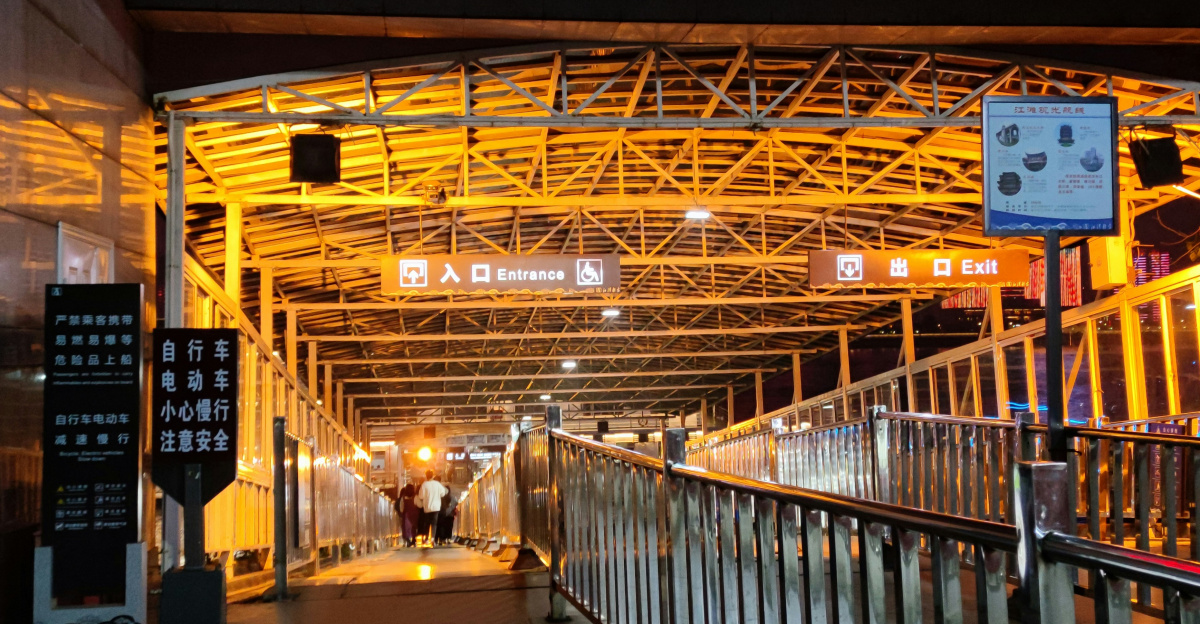
At Taoyuan International Airport, part of the Terminal 2 waiting area ceiling collapsed after the shaking. The National Fire Agency said “lightweight ceiling debris fell in waiting lounge areas C1, C5, and C7 and at baggage carousel areas,” and 2 passengers were struck but not injured. Crews cleared debris and confirmed “airport operations remain normal”. The incident involved architectural elements, not structural failure.
Power Outages Lasted Only 10 Minutes
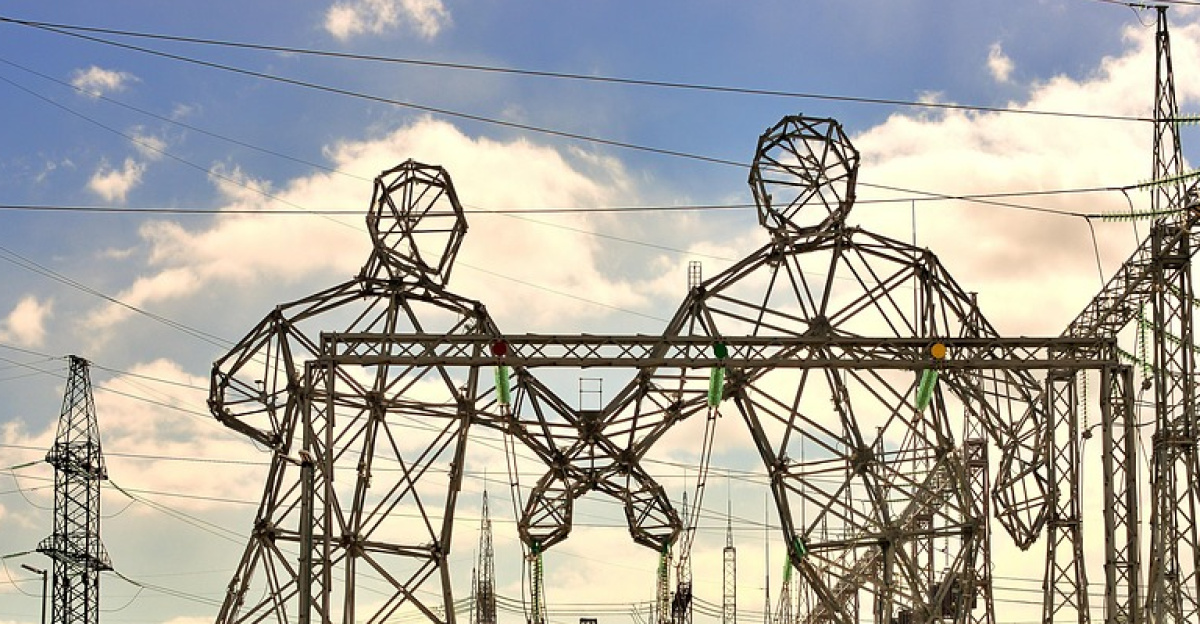
Taiwan Power Company reported disruptions affecting 3,465 households in Dongao Township, Yilan County. The outage stemmed from “a fault at Yilan County’s Dong’ao substation” that triggered automatic protections to prevent cascading grid failures. Electricity returned within about 10 minutes, with Taiwan Power confirming all plants stayed normal and no major faults occurred. The speed contrasted with 1999, when outages dragged on.
The 1999 Quake That Changed Everything
The September 21, 1999, magnitude 7.7 earthquake killed 2,415 people, injured 11,305, and destroyed 105,000 buildings across central Taiwan. It also triggered 42,952 aftershocks within a month. That catastrophe drove sweeping building code revisions, stricter construction standards, and heavy investment in seismic monitoring. Over 25 years, enforcement tightened to stop corner-cutting. A newer comparison shows how far outcomes shifted.
Why 2024 Looked So Different
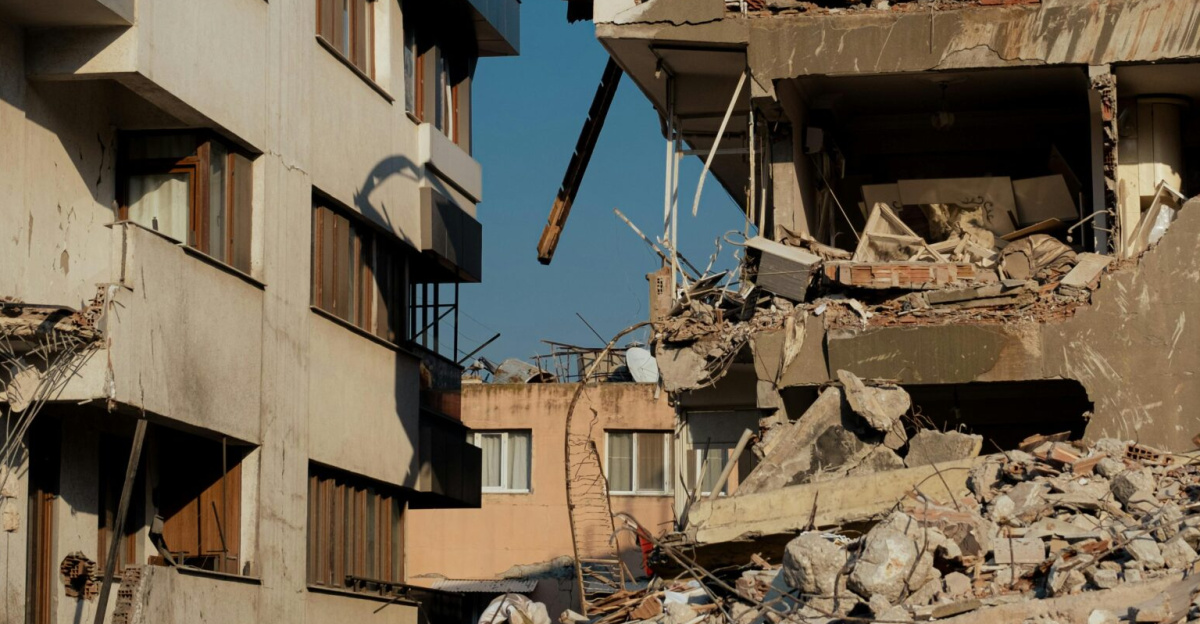
Taiwan’s 1999 magnitude 7.7 quake killed 2,415 people, while the April 3, 2024 magnitude 7.4 Hualien quake killed 19, a 99% reduction despite similar scale. In 2024, 111 structures were destroyed and 2,498 buildings damaged, yet most deaths came from rockfalls and landslides. Only 1 person died inside a collapsed building, a 1986 structure. Would 2025 follow that trend?
Aftershocks Stayed Unusually Sparse
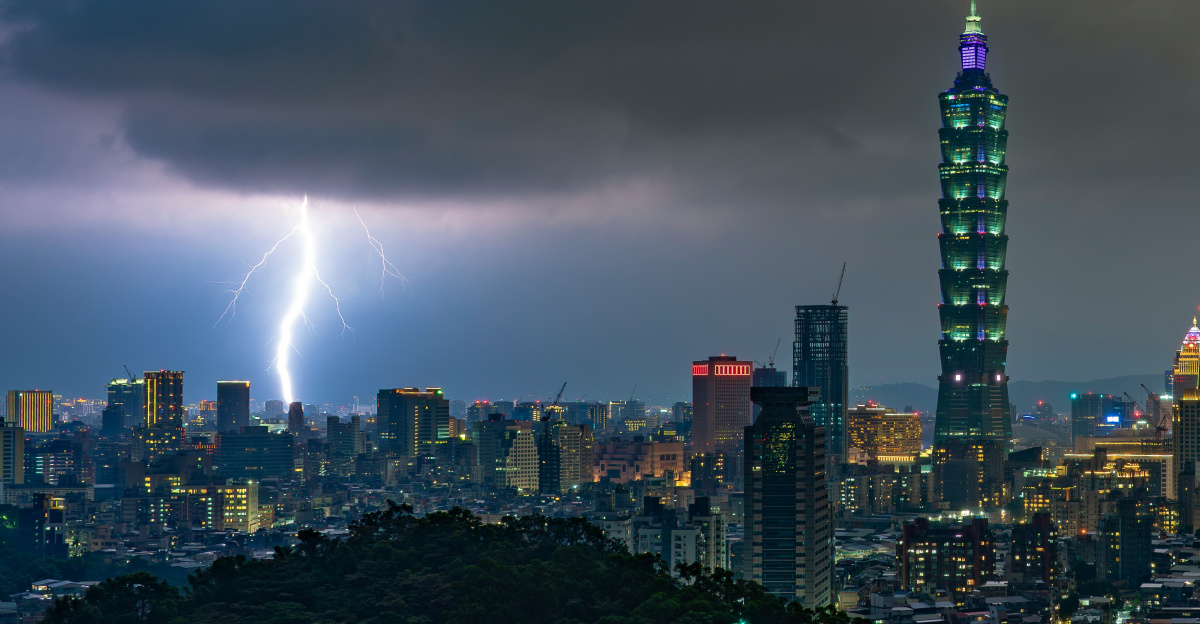
Aftershocks were limited, with only 2 recorded by Sunday noon: magnitude 4.7 at 12:45 a.m. and magnitude 3.8 at 10:55 a.m. That differed from April 2024, when a magnitude 6.5 aftershock hit 13 minutes after the mainshock. The Central Weather Administration warned “aftershocks in the magnitude 5.5 to 6.0 range could still occur over the coming week,” keeping residents cautious.
Minor Damage Reports, Spread Across Cities
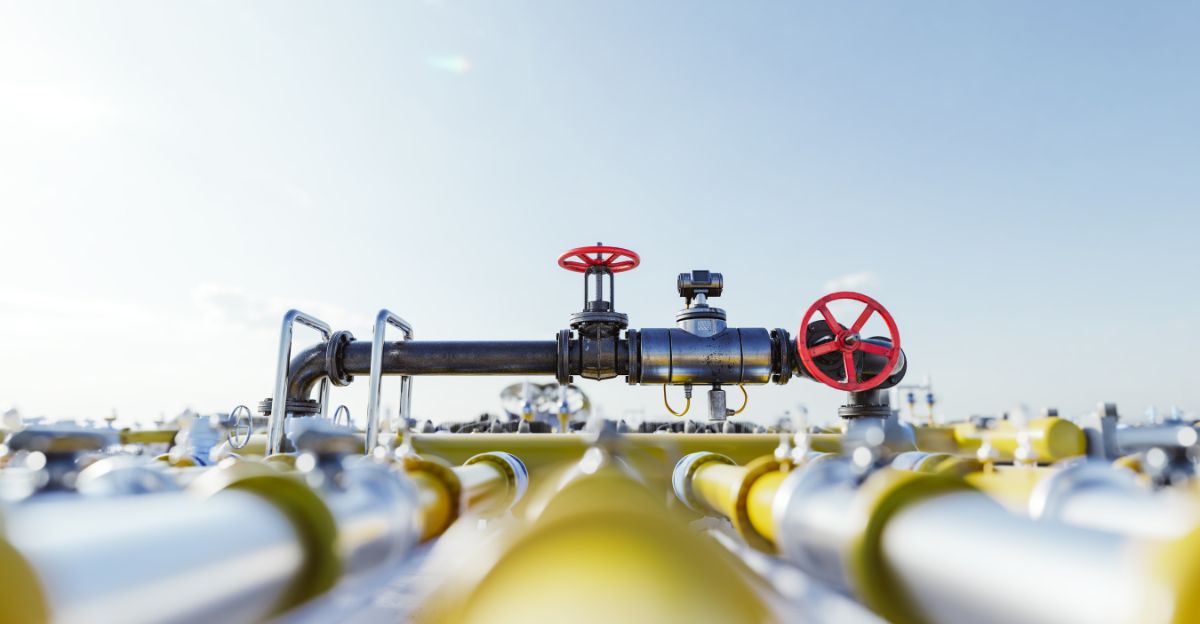
The Taipei City Government received 39 disaster reports, all classified as minor. They included “9 cases of gas pipeline leaks or damage, 14 cases of water outages or leaks, 1 instance of damaged traffic signals, 6 cases of minor building damage, and 2 wall collapses”. Mayor Chiang Wan-an said most issues were resolved by Sunday morning. New Taipei reported 6 incidents, and Yilan reported no school damage.
The Code Changes That Quietly Saved Lives
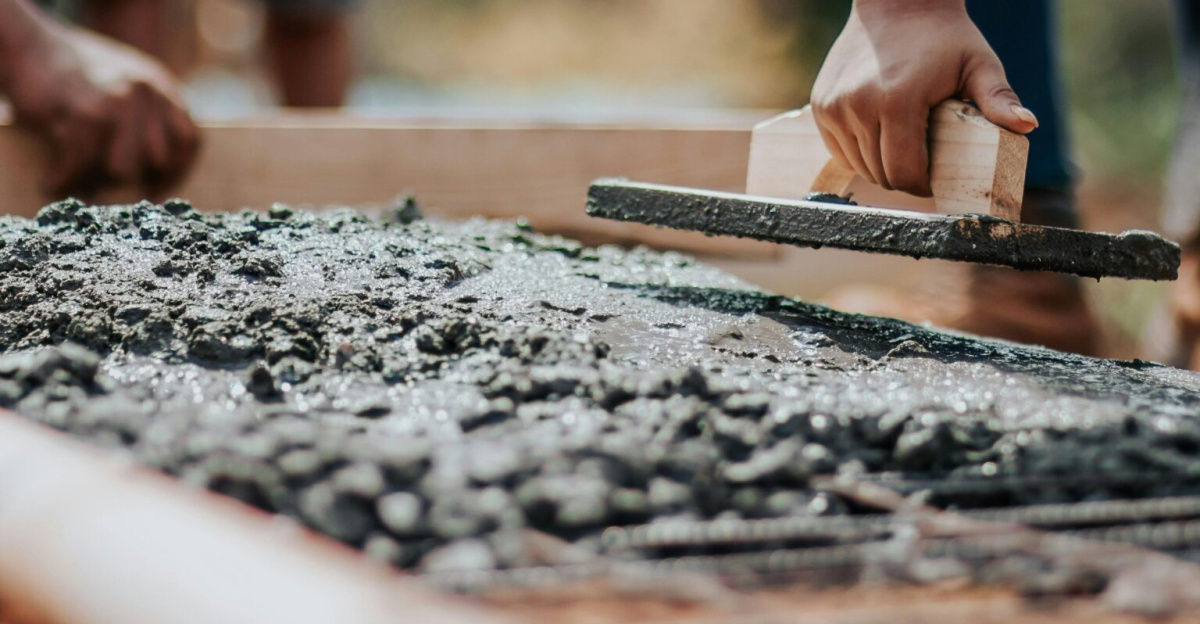
After 1999, Taiwan adopted earthquake-resistant building codes comparable to California’s Uniform Building Code. Requirements include “robust steel rebar designs embedded in reinforced concrete, strengthening building foundations, and staging regular earthquake drills among the general public”. Authorities also imposed “massive fines and penalties for construction firms found to have in any way cut corners on their construction”. Thousands of buildings were reviewed and retrofitted. Could iconic towers prove the point?
Taipei 101’s Pendulum Built For This Moment
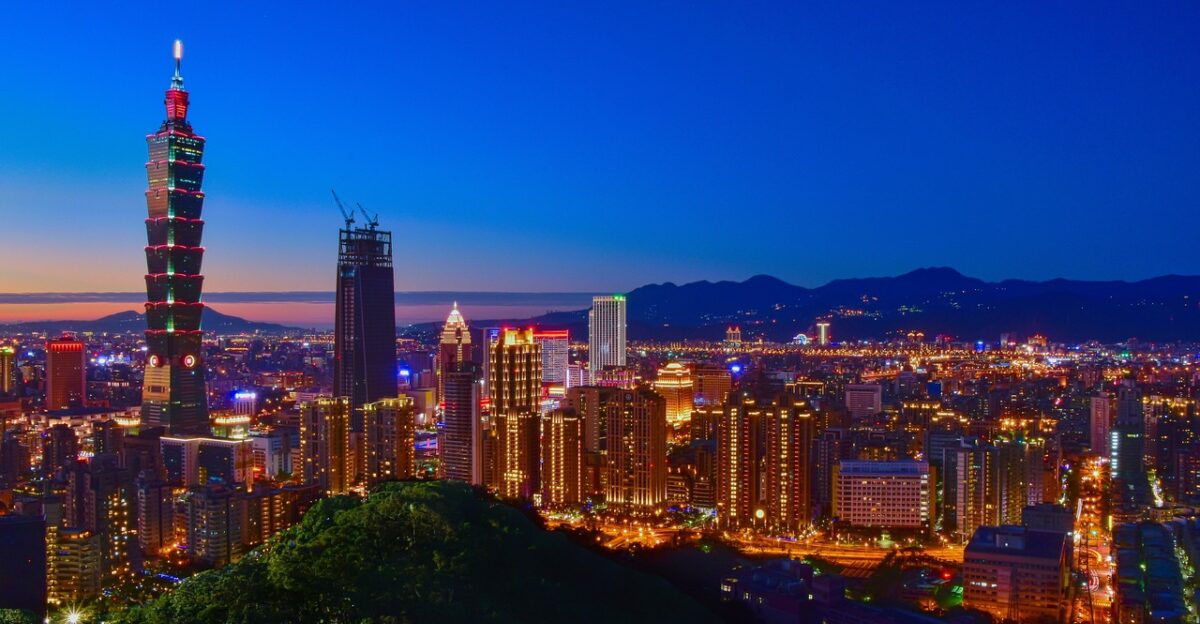
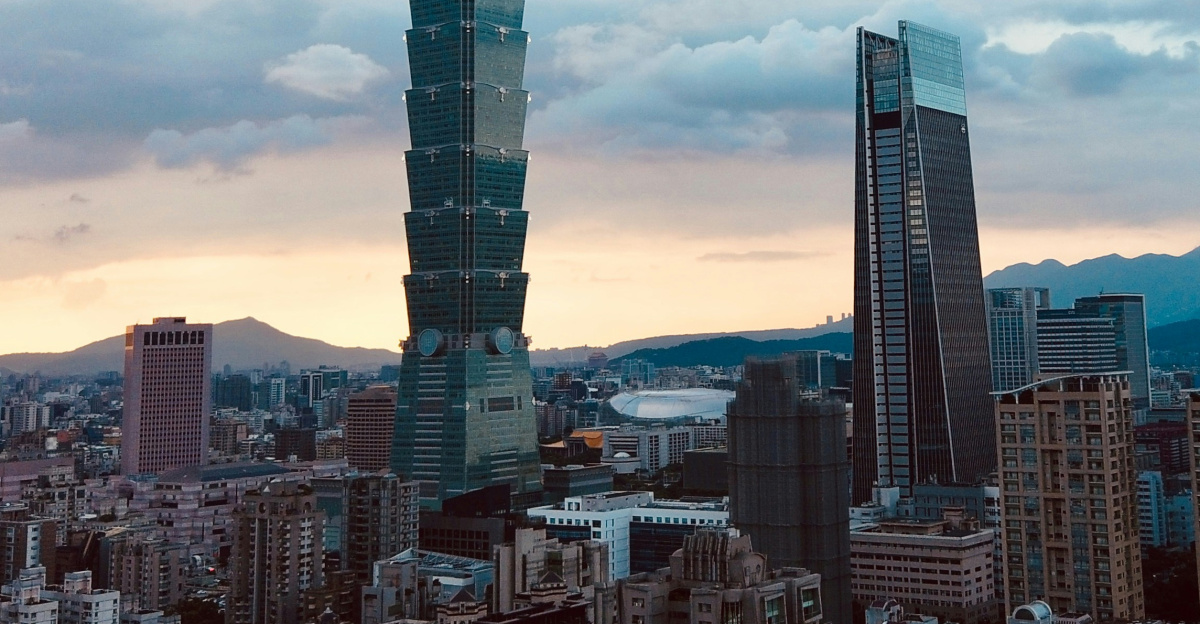
Taipei 101, completed in 2004, uses a tuned mass damper to protect occupants during earthquakes. Its “large yellow pendulum at the building’s center helps absorb shock” by converting motion into heat. The foundation includes “380 piles reaching as deep as 100 meters” into bedrock. Structural features, such as a braced core and outriggers, add stability. During the December 27 shaking, such engineering would minimize swaying. But buildings are only part of it.
Early Warnings Arrived In 15 Seconds
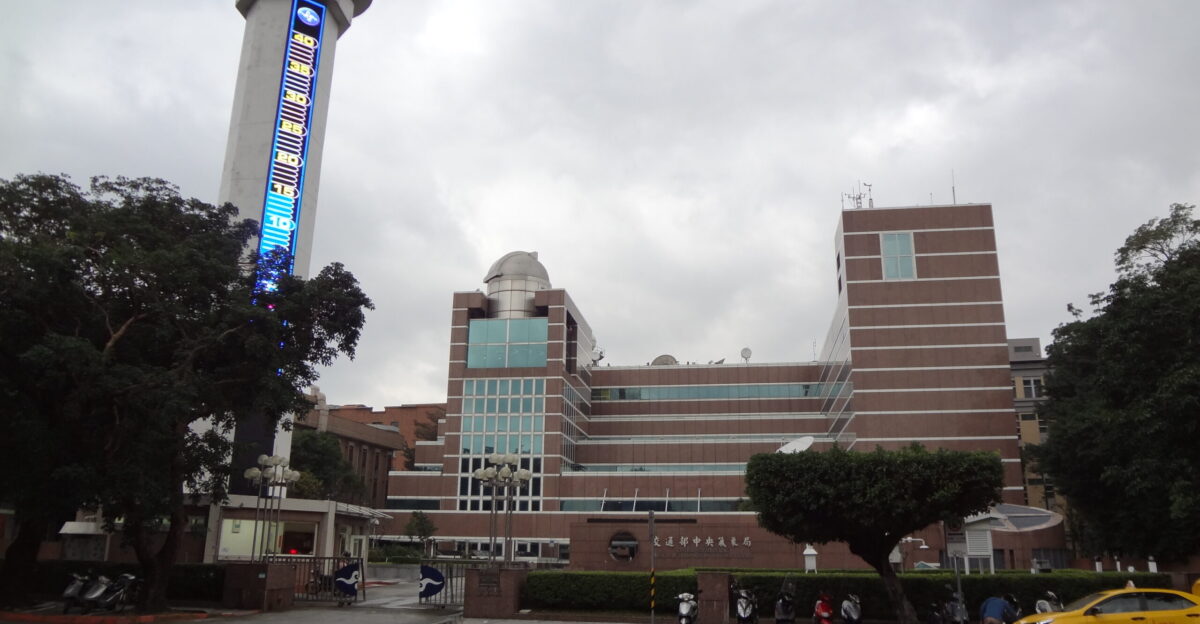
Taiwan’s Central Weather Administration issued a nationwide alert about 15.2 seconds after the quake struck, then a second county-targeted alert at 16.3 seconds. Chen Da-yi said, “The offshore location of the epicenter and the quake’s depth meant seismic waves took longer to reach ground stations, while the limited number of sea-based monitoring stations further delayed calculations”. People near epicenters get little warning, but distant areas can gain 15 to 20 seconds. How did the public use it?
Calm Behavior, Even After Midnight
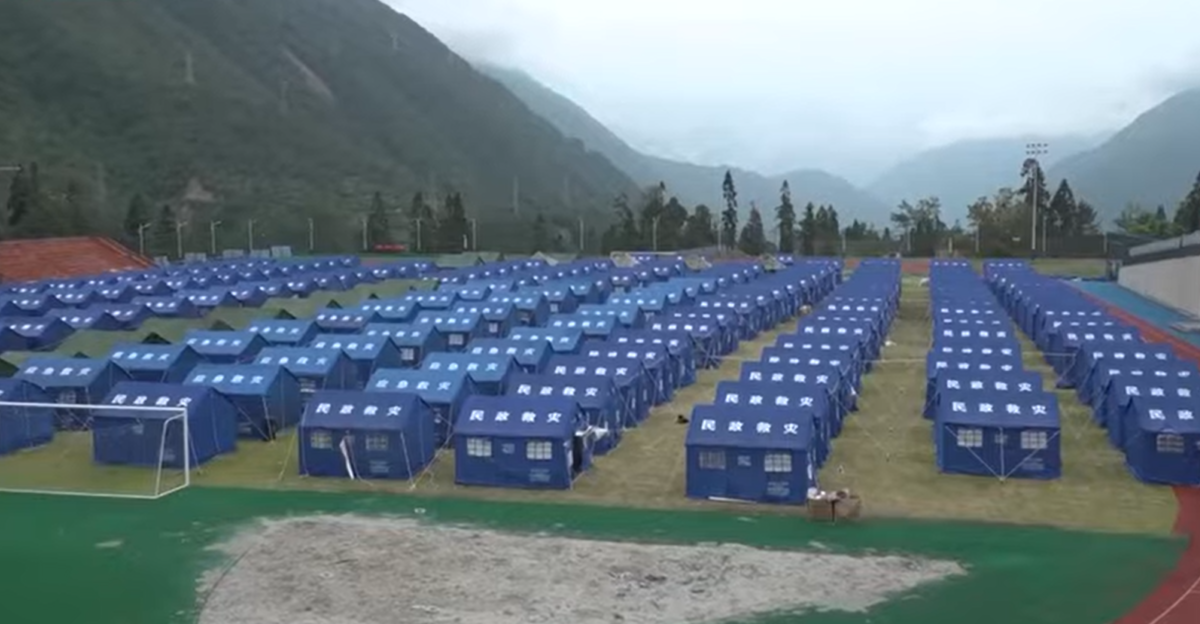
Despite the late hour, many residents followed the trained safety steps established through education programs since 1999. A Yilan resident said: “It kept on shaking for a while. Then I ran out, but most people did not run out. I was scared”.
Campaigns reinforced the “Drop, Cover, and Hold On” message, helping millions react without waiting for instructions. Shelters opened in Yilan, Hualien, and Taipei, but no mass evacuation was needed. That trust also mattered economically.
Markets And Manufacturing Held Steady
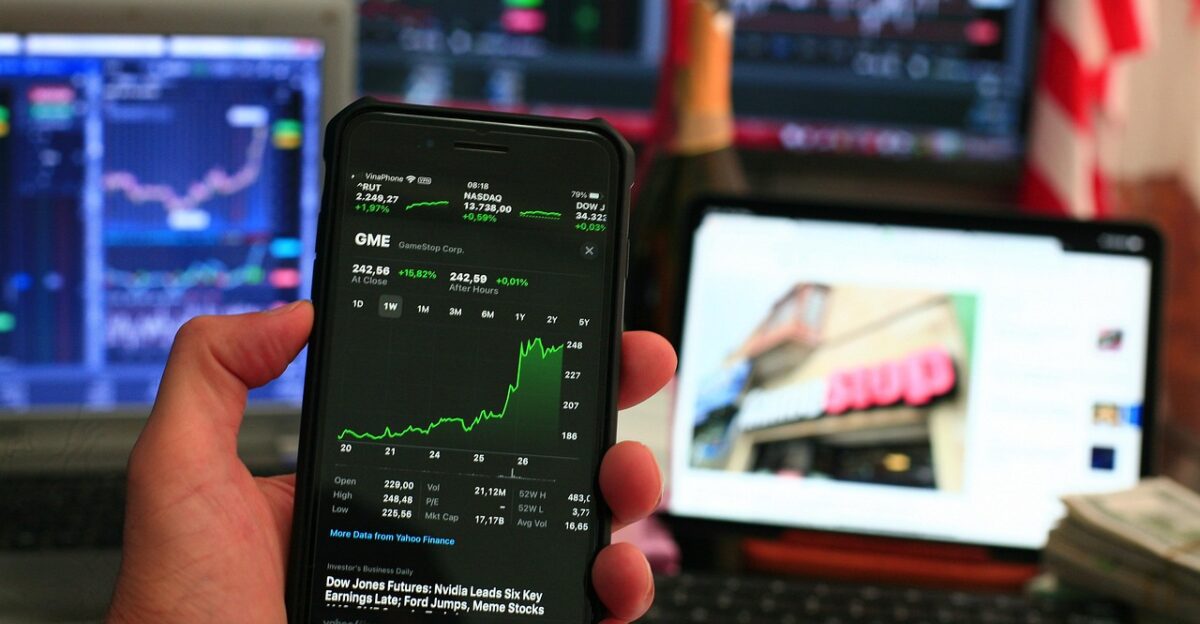
Taiwan’s semiconductor industry, which accounts for approximately 38.4% of merchandise exports in 2022, reported no production disruptions following the quake. TSMC, which is responsible for 8% of the overall economic output and 12% of exports, said its operations normalized within hours.
The stock market continued to operate without trading suspensions, and investor confidence remained intact. The event landed as markets approached year-end 2025 record highs, reinforcing a narrative of resilience rather than fragility. But leaders still urged caution.
Leaders Warned Aftershocks Could Still Hit

President Lai Ching-te urged residents to “remain vigilant, check on the safety of family and friends, and prepare for possible aftershocks in the coming days”. The Central Weather Administration repeated guidance on “possible aftershocks in the magnitude 5.5 to 6.0 range within the coming week,” while rapid assessment teams inspected roads, bridges, grids, and transit hubs. Officials stressed ongoing monitoring even without major damage. The response showed integrated protocols built over decades. Yet the geology has not changed.
Taiwan Can’t Stop Quakes, Only Outcomes
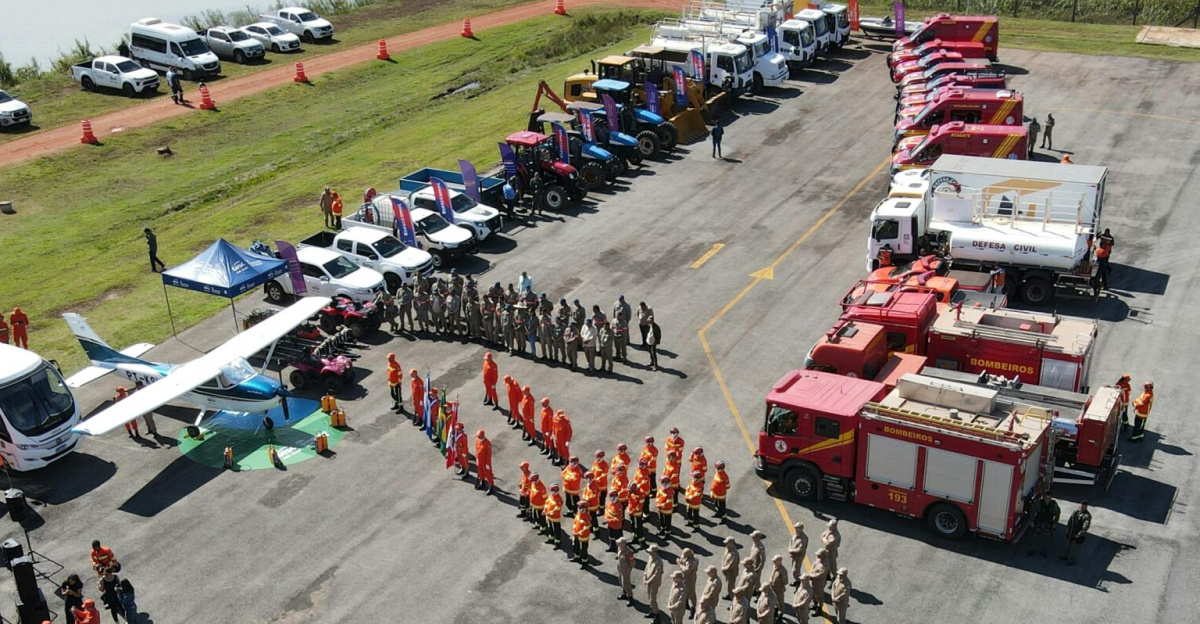
Taiwan remains locked to a convergence zone with about 80 mm of annual plate motion. Data suggest that about 0.28 earthquakes of magnitude 7 or higher occur each year on average, meaning significant events are a part of life.
Yet death tolls have fallen sharply since reforms after 1999, offering a blueprint for other regions. Vigorous code enforcement, public education, monitoring, and drills cannot prevent earthquakes, but can prevent disasters. So what did December 27 ultimately prove?
Resilience Through Preparation, Not Prevention
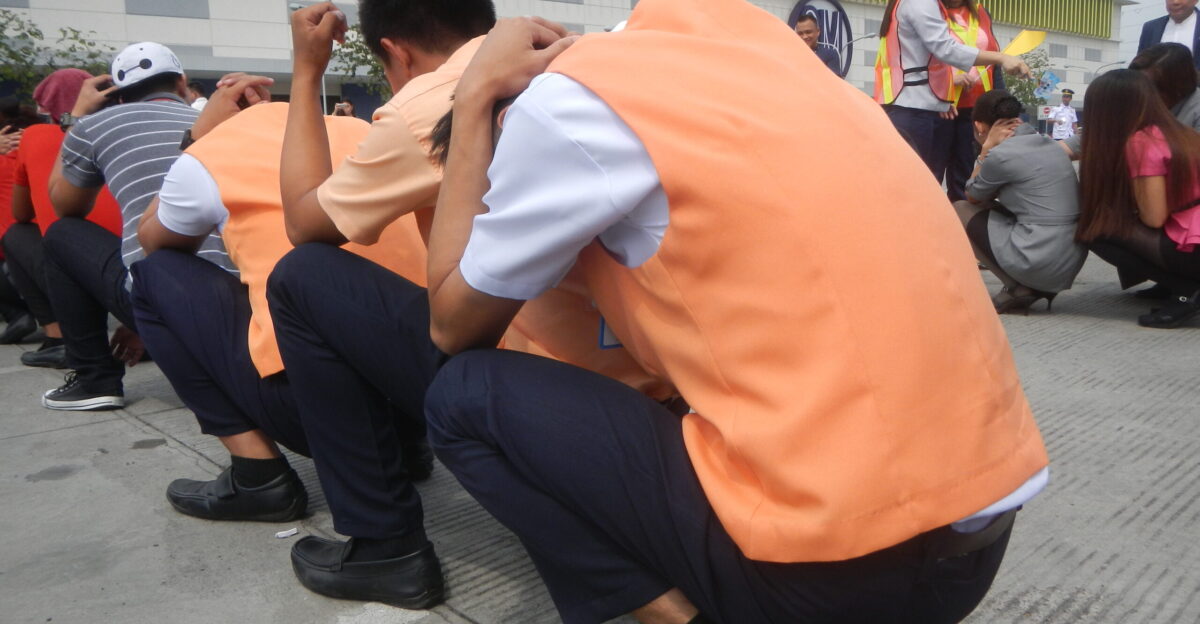
The December 27, 2025, earthquake showed that magnitude alone does not determine a disaster. Approximately 20 million people experienced strong shaking, yet no deaths occurred, injuries were minimal, and disruptions lasted for hours.
That outcome reflects 25 years of choices: stricter building codes, public training, early warnings, and enforcement. Stephen Gao said in 2024, “Taiwan’s earthquake preparedness is among the most advanced in the world”. With possible aftershocks ranging from 5.5 to 6.0 ahead, confidence rests on tested systems.
Sources:
Central Weather Administration Taiwan Earthquake Report. Taiwan Central Weather Administration, December 28, 2025
Magnitude 6.6 Earthquake Strikes Off Coast of Taiwan. United States Geological Survey, December 27, 2025
2024 Hualien Earthquake Impact Assessment. Taiwan Ministry of Interior National Fire Agency, April 3, 2024
Taiwan Building Code Standards and Seismic Resilience Framework. Taiwan Ministry of the Interior Construction and Planning Agency, 2023