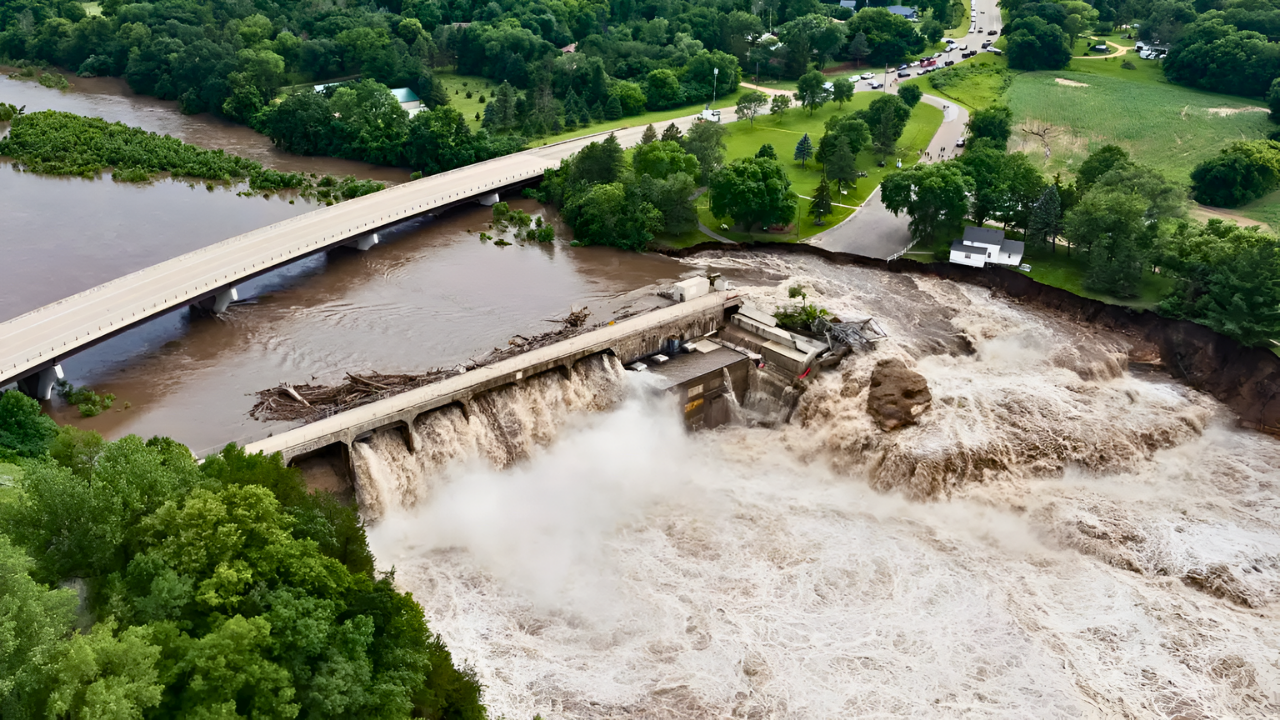
Virginia Tech researchers using advanced satellite radar technology have made a shocking discovery: over 2,500 high-risk American dams classified as “poor condition” are continuing to sink into the ground. Many structures previously thought to be stabilized through repairs show ongoing subsidence, suggesting internal deterioration invisible to traditional inspections.
Using Interferometric Synthetic Aperture Radar (InSAR) from Sentinel-1 satellites, scientists detected millimeter-level ground displacement across numerous hydroelectric dams nationwide, revealing structural compromise long before surface cracks appear.
Nation’s Infrastructure Faces Unprecedented Vulnerability
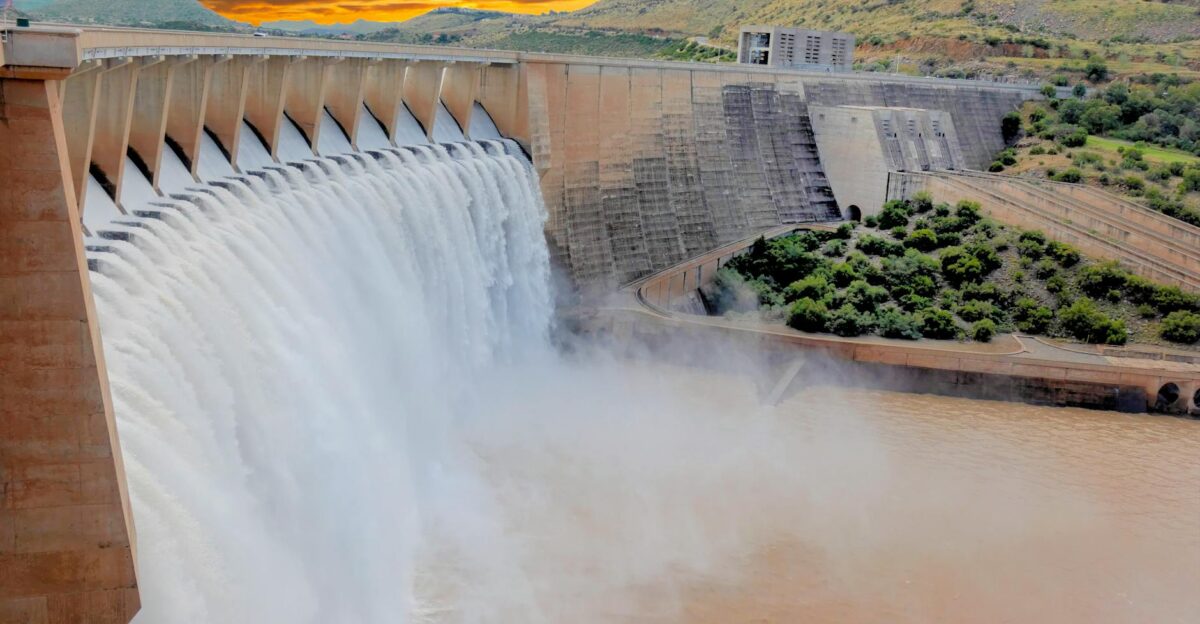
The United States maintains over 92,000 dams serving critical functions including flood control, power generation, and water supply. However, 70 percent of these structures exceed 50 years old, with the average dam now reaching 61 years—approaching or exceeding design lifespans.
Among the vast inventory, approximately 16,700 dams carry “high hazard potential” designation, meaning failure would likely cause loss of life and extensive property damage.
Roanoke Rapids Dam: Case Study in Hidden Deterioration
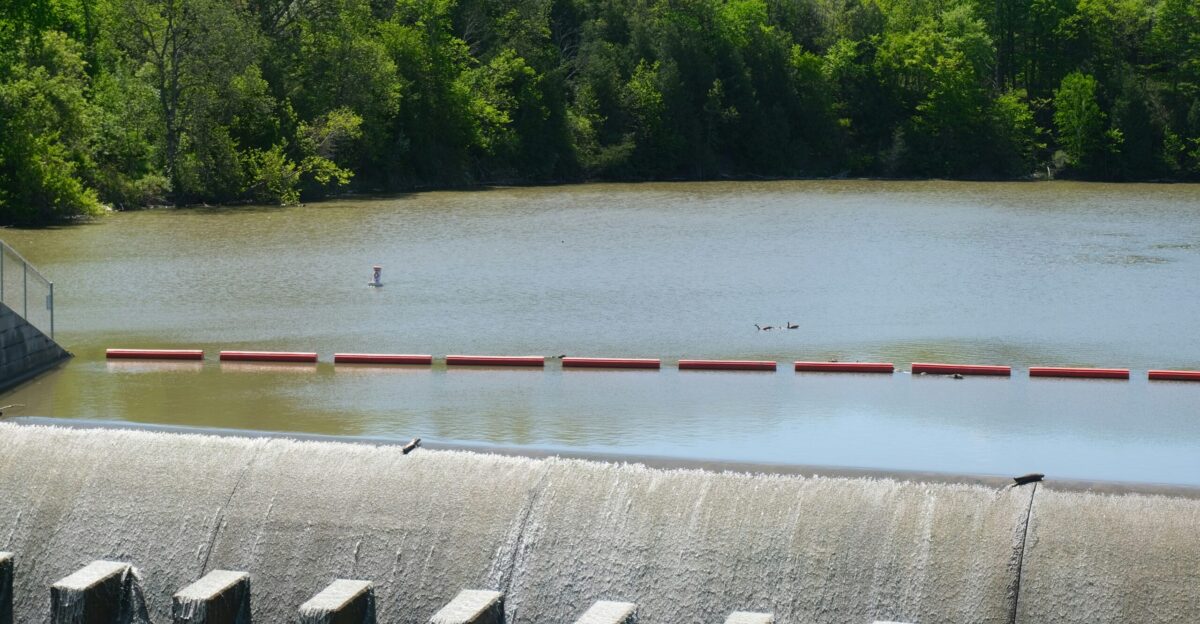
North Carolina’s Roanoke Rapids Dam exemplifies the challenges researchers uncovered. This 80-foot concrete gravity structure spanning 3,000 feet across the Roanoke River shows its northern face slowly sinking, progressively cracking the concrete structure.
Alkali-silica reaction—an incurable chemical process causing concrete deterioration—threatens the dam’s integrity without sustained intervention. The structure serves Dominion Power and threatens downstream communities including Roanoke Rapids’ 15,000 residents, illustrating how known deficiencies require continuous management over decades.
The Staggering Rehabilitation Cost Crisis
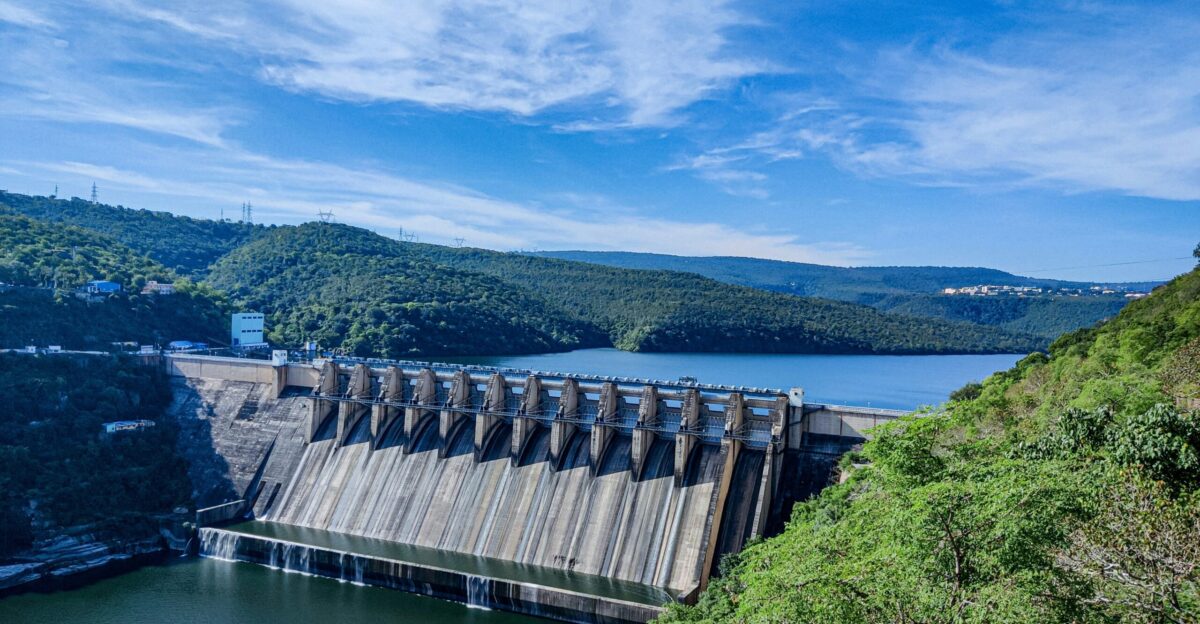
Bringing America’s non-federal dams to good repair condition requires an estimated $165.2 billion investment, according to the Association of State Dam Safety Officials. For the most critical structures posing imminent threats, immediate rehabilitation costs exceed $37.4 billion.
The 2024-2033 timeframe demands approximately $185 billion in dam infrastructure spending, yet current funding allocations total merely $20 billion—creating a catastrophic $166 billion shortfall.
Inspection and Monitoring Severely Underfunded
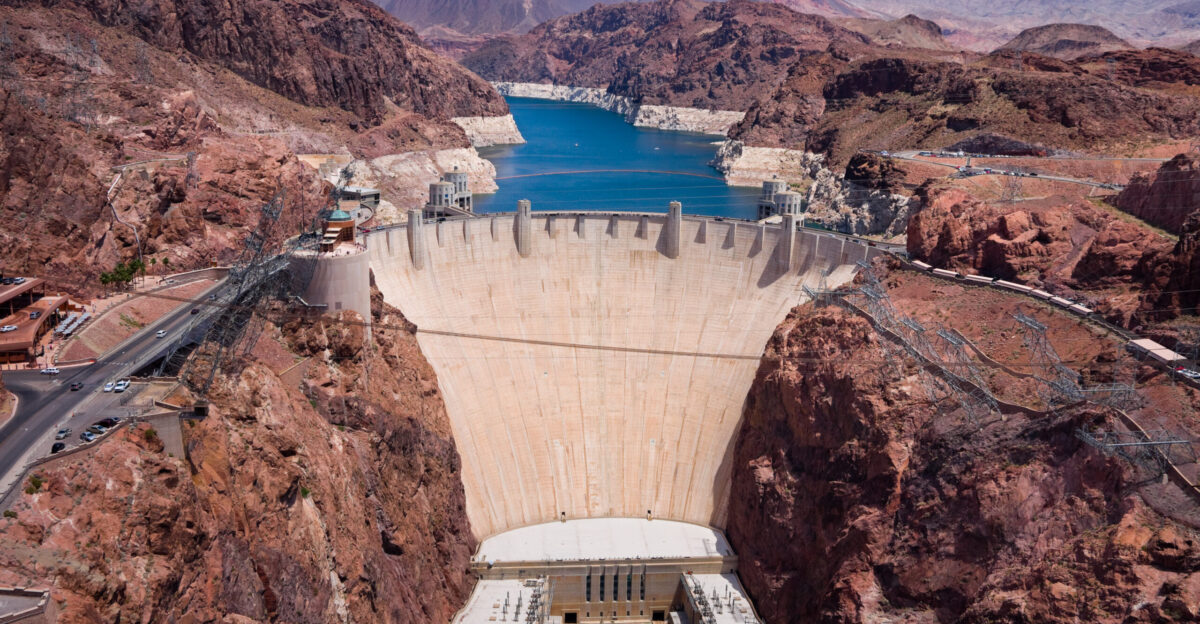
State dam safety programs face crippling resource constraints undermining effective oversight nationwide. On average, a single state dam safety official bears responsibility for monitoring 190 dams while simultaneously reviewing permits for new construction.
This overwhelming workload makes comprehensive inspection cycles impossible, with many states targeting 7-8 year inspection intervals for high-hazard structures but achieving far longer delays due to staffing shortages.
Infrastructure Investment and Jobs Act Provides Partial Relief
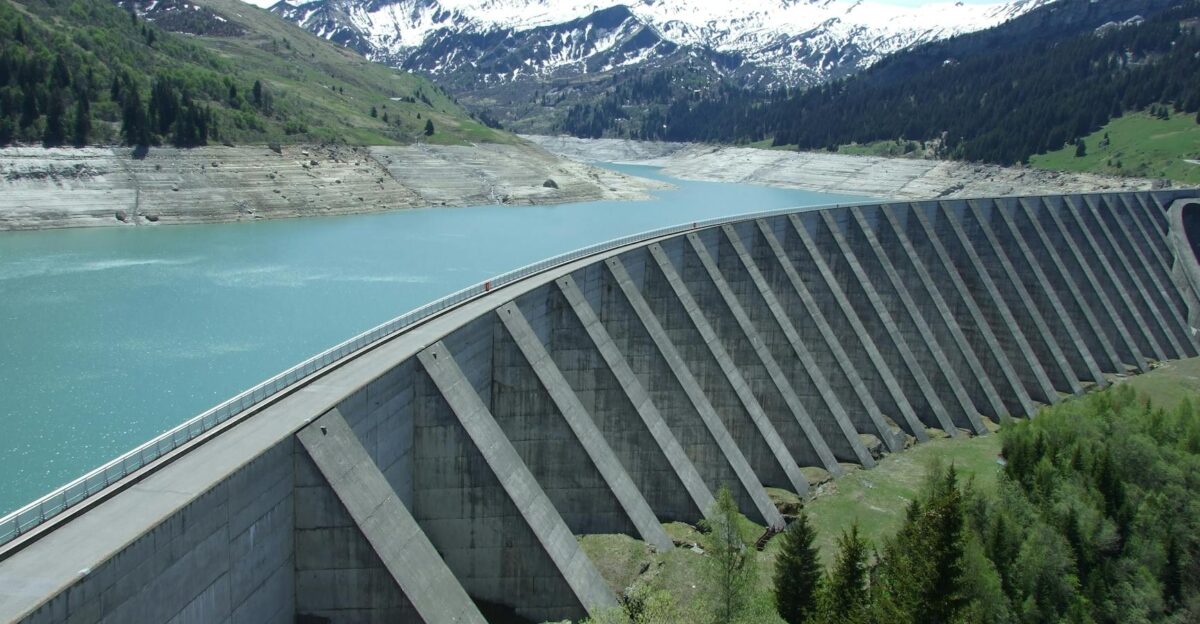
The 2021 Infrastructure Investment and Jobs Act allocated approximately $3 billion across multiple dam safety programs, representing the most significant federal investment in decades. Key provisions included $585 million for FEMA’s High Hazard Potential Dam Rehabilitation Grant Program, with $75 million specifically for dam removal projects.
State dam safety offices received $148 million over five years to enhance inspection capacity and technical capabilities.
Climate Change Intensifies Extreme Weather Threats
Climate change fundamentally alters risk calculations for dams designed using historical precipitation records and outdated flood frequency assumptions. Warmer atmospheric conditions hold more moisture, approximately 7 percent more per degree Celsius temperature rise, translating into more intense precipitation events when meteorological conditions trigger rainfall.
The National Climate Assessment documented a 10 percent increase in annual rainfall across Midwest portions comparing recent decades to earlier periods.
Hurricane Helene Reveals Climate-Driven Vulnerabilities
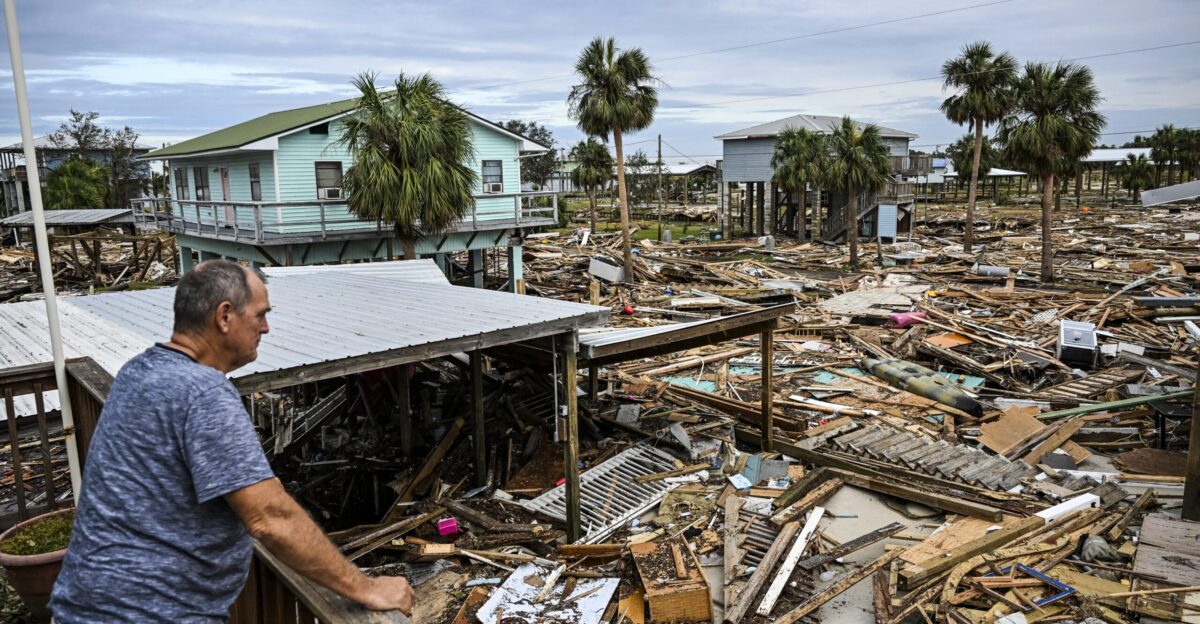
Hurricane Helene’s September 2024 flooding devastated North Carolina’s dam infrastructure, with nearly 30 inches of rain falling in some watersheds and generating flows surpassing all historical records by substantial margins. The storm damaged or destroyed 36 high-hazard dams, with 41 state-regulated structures failing or sustaining significant damage.
The Tennessee Valley Authority issued an unprecedented “condition red” warning for potential Nolichucky Dam failure, marking the first such alert in the agency’s 92-year history.
Edenville Dam Collapse: Catastrophic Failure Case Study
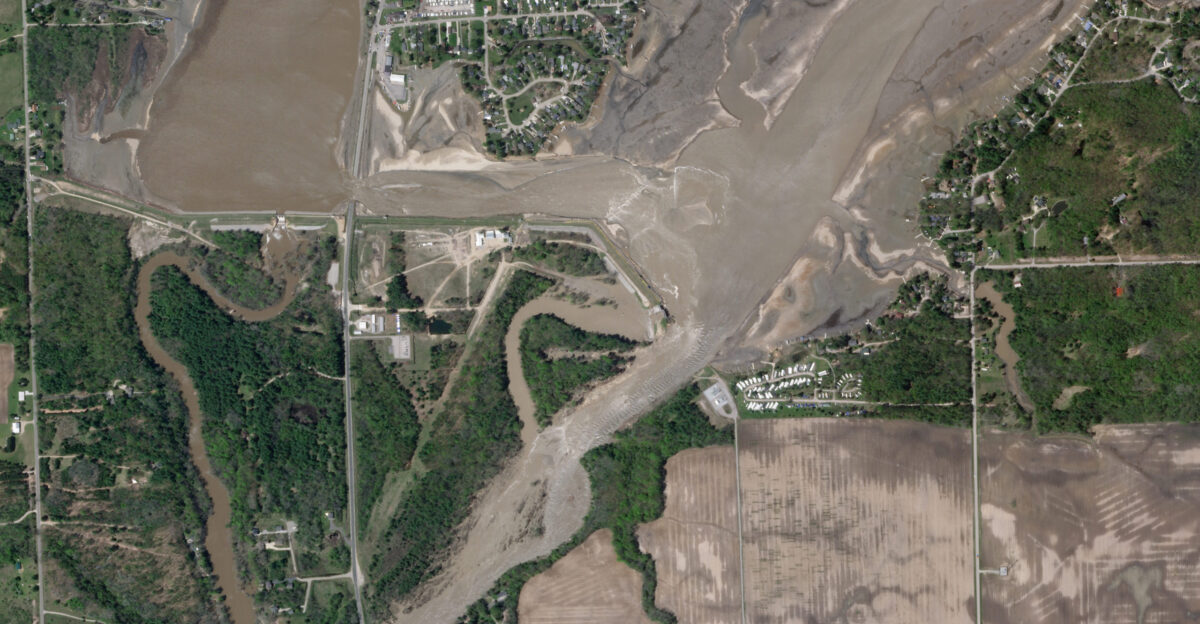
Michigan’s Edenville Dam catastrophically failed in May 2020 during heavy rainfall, forcing 11,000 residents to evacuate and causing $175-217 million in damages. Approximately 2,500 buildings sustained damage, many rendered uninhabitable, while residents confronted sewage contamination, petroleum products, and subsequent mold infestations creating lasting health hazards.
The dam had a documented history of non-compliance with Federal Energy Regulatory Commission requirements spanning years.
Recent Dam Failures Signal Accelerating Crisis
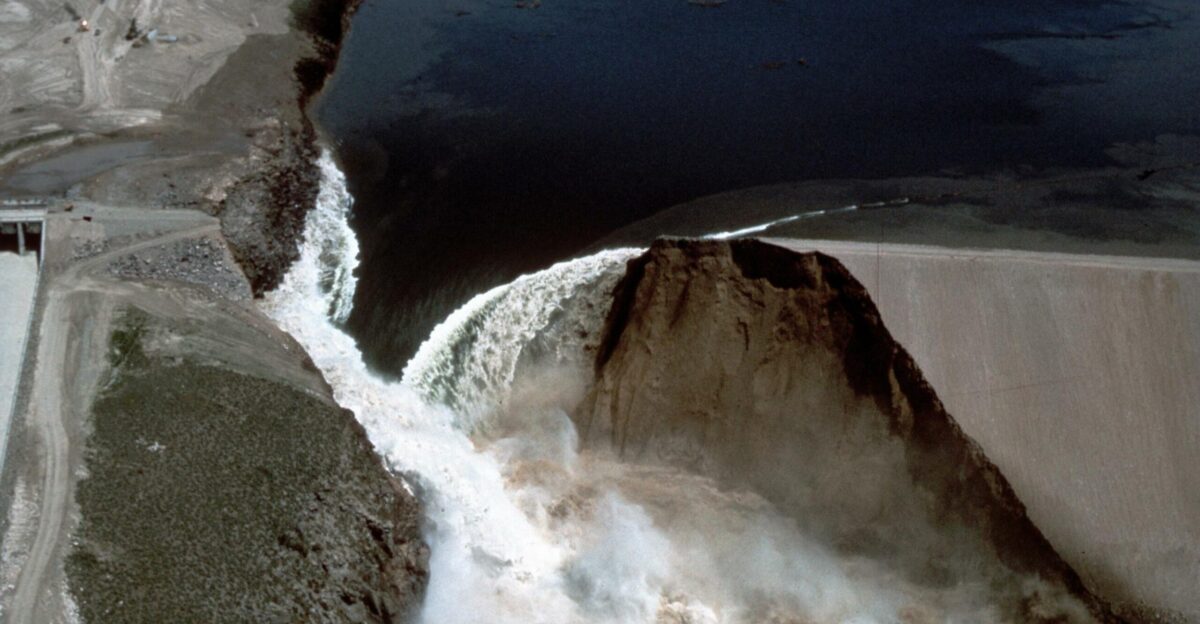
Since 2018, the Midwest alone has experienced approximately 30 dam failures or near-failures, predominantly driven by extreme precipitation events exceeding design capacities.
Vermont’s 2023 flooding caused five dam failures and overtopped nearly 60 dams statewide after 8 inches of widespread rainfall created “a whole bunch of unknown uncertainties in terms of downstream risk due to prospective dams having been destabilized,” according to Vermont Department of Environmental Conservation officials.
Vulnerable Communities Face Disproportionate Risks

Virginia Tech researchers identified troubling patterns: many severely compromised dams threaten socially vulnerable communities possessing limited emergency preparedness capacity, constrained economic resources for recovery, and inadequate housing quality that amplifies flood damage severity.
These populations often lack robust emergency management infrastructure, current evacuation plans, effective warning systems, or community disaster response coordination. Language barriers, limited transportation access, mobility constraints among elderly or disabled populations, and distrust of authorities can impede evacuation when emergencies occur.
Advanced Monitoring Technologies Transform Safety Approaches
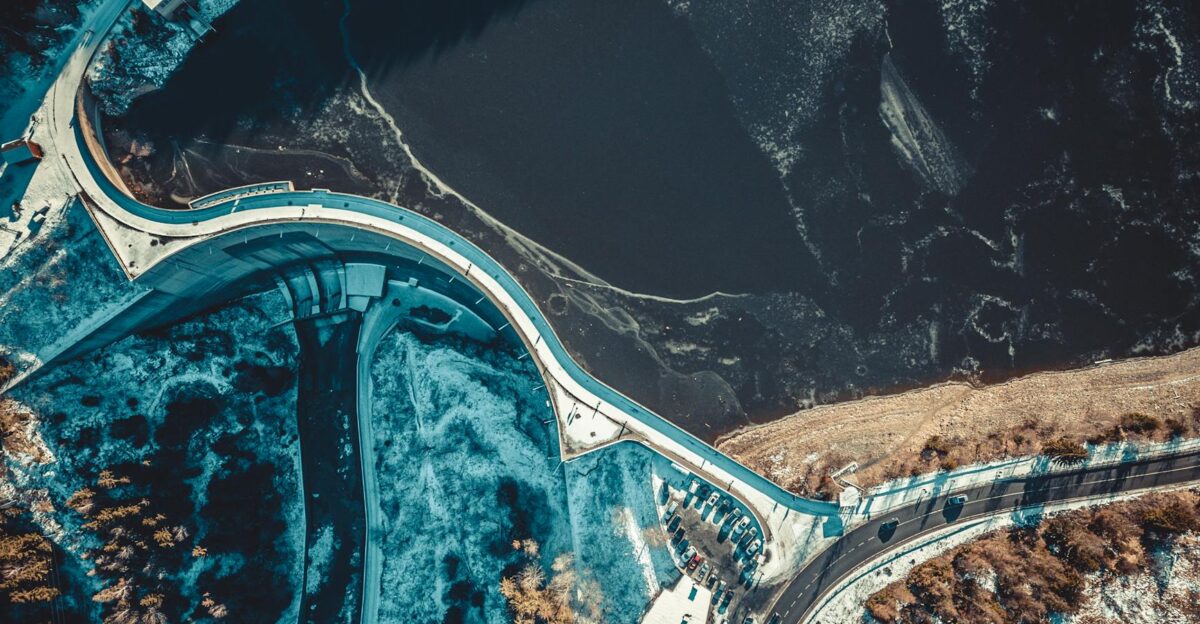
Artificial intelligence and Internet of Things sensor networks are transforming dam safety monitoring by automating damage detection, analyzing complex sensor data patterns, and providing predictive warnings.
Computer vision algorithms based on deep learning architectures can analyze photographs or video streams to automatically identify structural defects including cracks, spalling concrete, erosion, and seepage with detection accuracies exceeding 90 percent. IoT sensor networks provide comprehensive real-time monitoring of dam operating conditions, measuring water levels, seepage rates, structural displacement, and numerous other parameters.
InSAR Satellite Technology Revolutionizes Infrastructure Assessment

Interferometric Synthetic Aperture Radar deployed on Sentinel-1 satellite constellations offers unprecedented dam monitoring capabilities unavailable through conventional ground-based methods. Wide-area coverage allows simultaneous monitoring of entire dam structures, upstream reservoirs, downstream river reaches, and surrounding terrain within single satellite image footprints spanning hundreds of square kilometers.
High temporal resolution enables continuous monitoring every few days, supporting near-real-time surveillance that tracks slow progressive movements and sudden accelerations indicative of developing failures.
Dam Removal Offers Cost-Effective Alternative Strategy
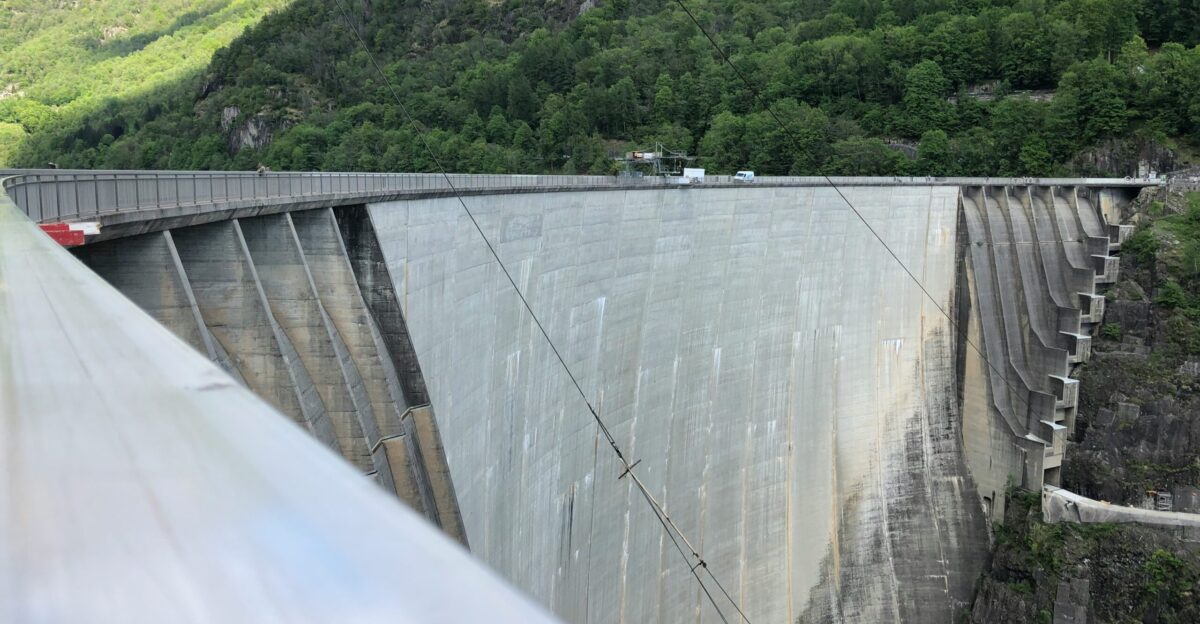
Strategic dam removal provides a cost-effective alternative to rehabilitation for structures no longer serving essential purposes or where repair costs exceed long-term benefits. Comprehensive economic analysis demonstrates that over 30-year timeframes, dam removal averages 60 percent less expensive than continued repair and maintenance.
Small dams under 5 meters height exhibit median removal costs of $157,000 compared to substantially higher cumulative maintenance expenses.
Ecosystem Benefits Drive Strategic Removal Decisions
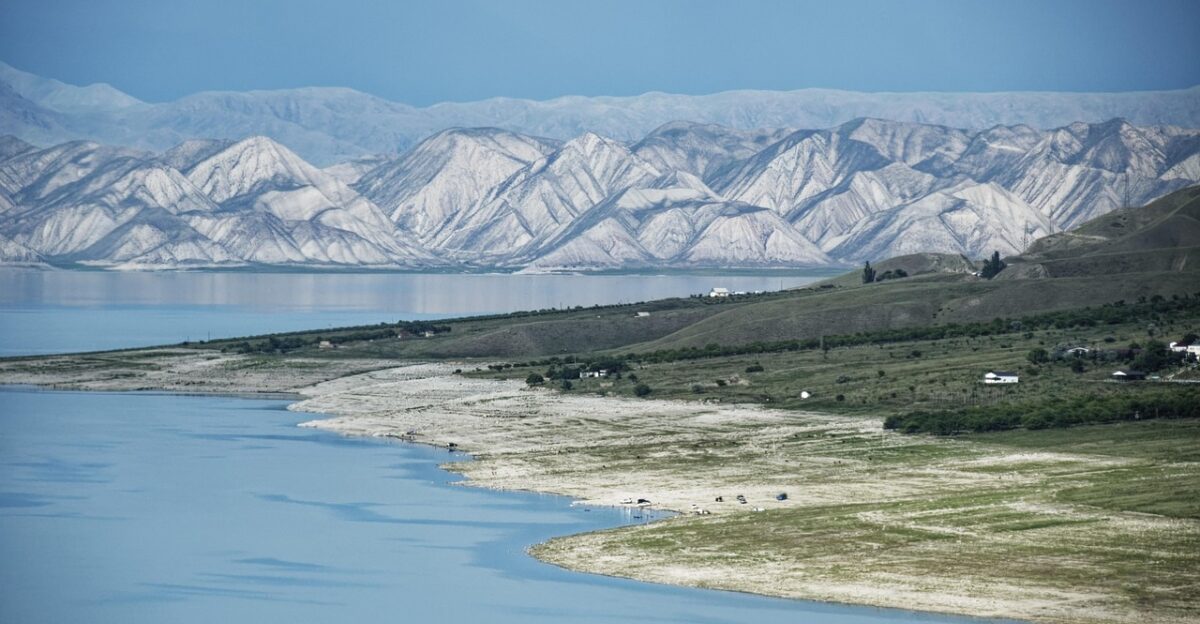
Dam removal restores natural river processes, reconnects upstream and downstream reaches, improves fish passage, enhances water quality through restored oxygenation and flow variability, and returns sediment dynamics that maintain downstream channel morphology.
River restoration following dam removal provides flood resilience advantages under climate change, as natural river systems with intact floodplains accommodate flood flows more effectively than constrained channels below dams.
Emergency Action Plans Critical for Disaster Response
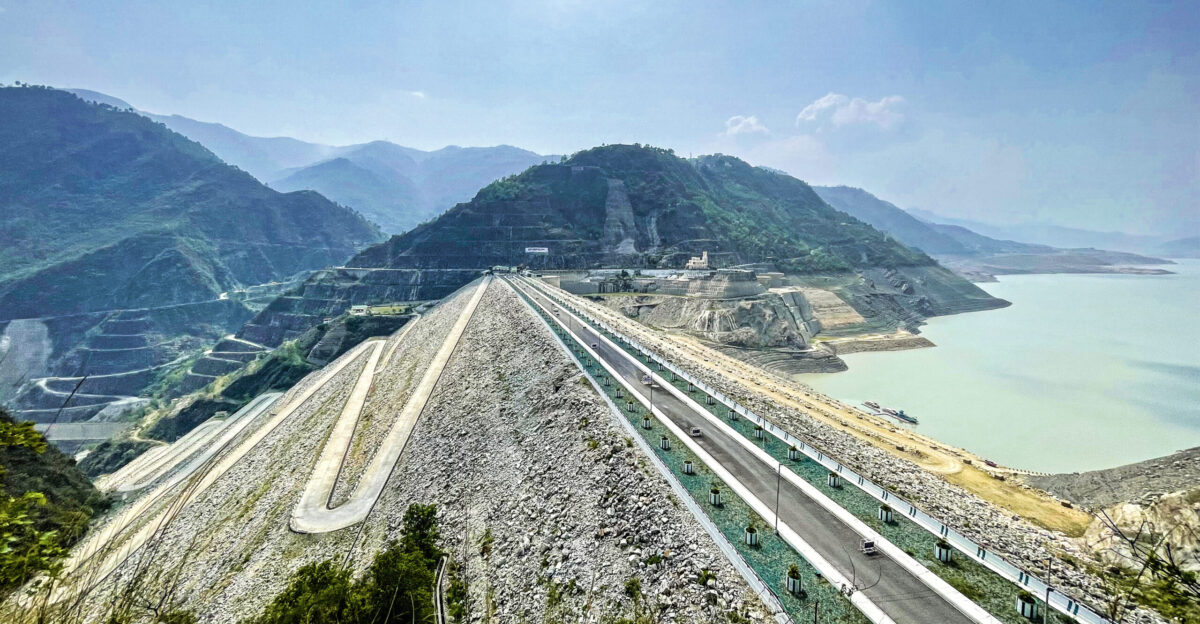
Emergency Action Plans constitute essential components of dam safety programs for high-hazard and significant-hazard structures, establishing protocols for identifying emergency conditions, specifying notification procedures, and defining roles during crisis response.
Effective EAPs require collaboration among dam owners, state dam safety officials, local emergency management agencies, and downstream communities to ensure coordinated response capabilities. Core elements include notification flowcharts, updated contact information, and inundation maps delineating flood zones affected by dam failure.
Climate-Informed Design Standards Essential for Future Safety
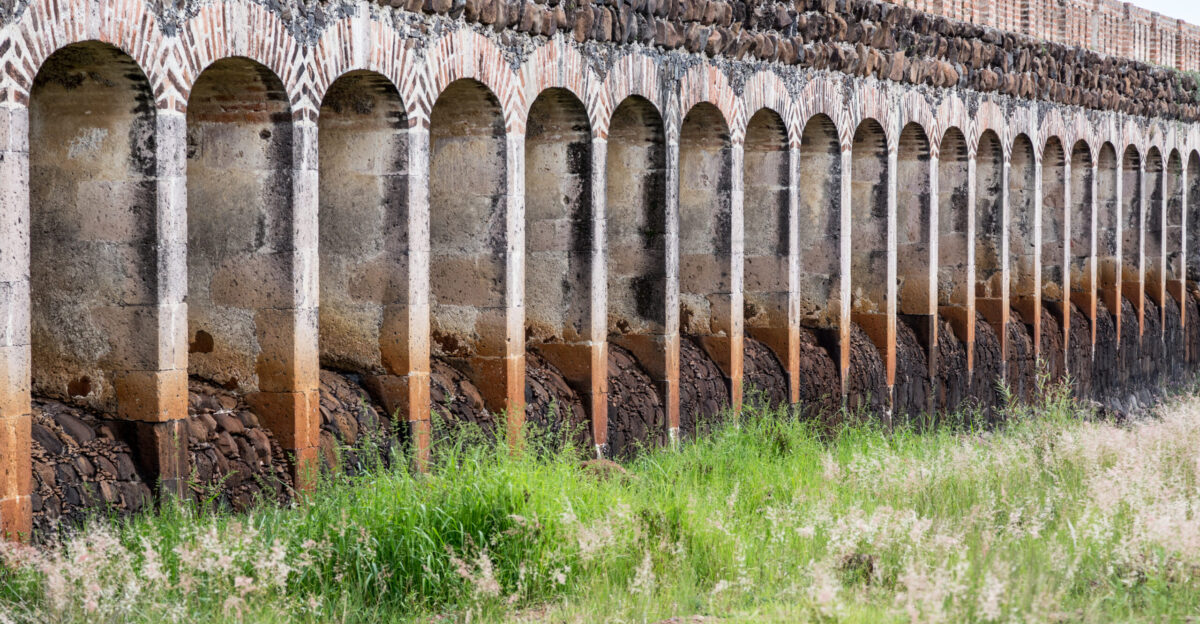
Updating design standards to reflect projected future climate conditions rather than historical records represents an urgent priority for sustainable dam infrastructure. Most existing dams were designed 50-70 years ago using climate data and statistical methods no longer reflecting current conditions.
Approximately 65 percent of global dams exceed 50 years of age, with uncertainty surrounding what climate and hydrological data was used in original design. Enhanced spillway capacities may require major construction enlarging spillway channels, raising crest elevations, or installing new discharge structures.
Federal Policy Framework Must Prioritize Infrastructure Investment
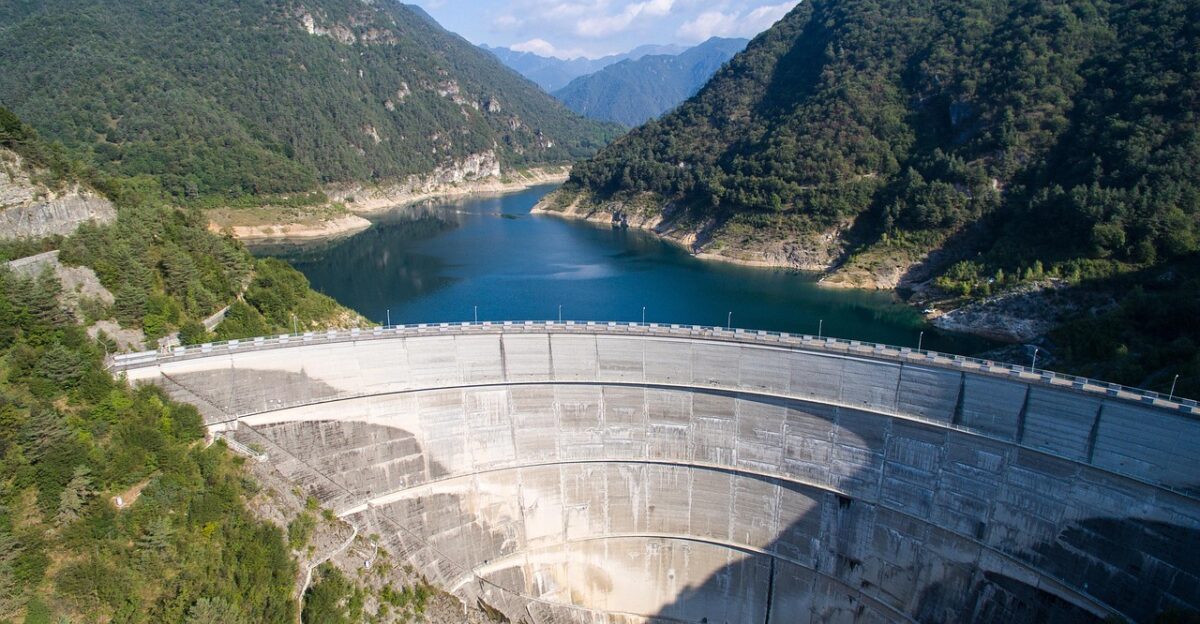
Addressing America’s dam crisis requires coordinated action including substantial increases in federal funding for dam safety sustained over decades rather than fluctuating with annual appropriations. The National Dam Safety Program deserves full funding at authorized levels, with dedicated appropriations for state dam safety offices, high-hazard dam rehabilitation, and emergency removal of imminent-threat structures.
Risk-based prioritization methodologies should guide investment allocation toward highest-priority structures, with recognition that “40-50 percent of dam risk is something that is in our hands” through proper maintenance.
Adaptive Management Requires Long-Term Strategic Commitment
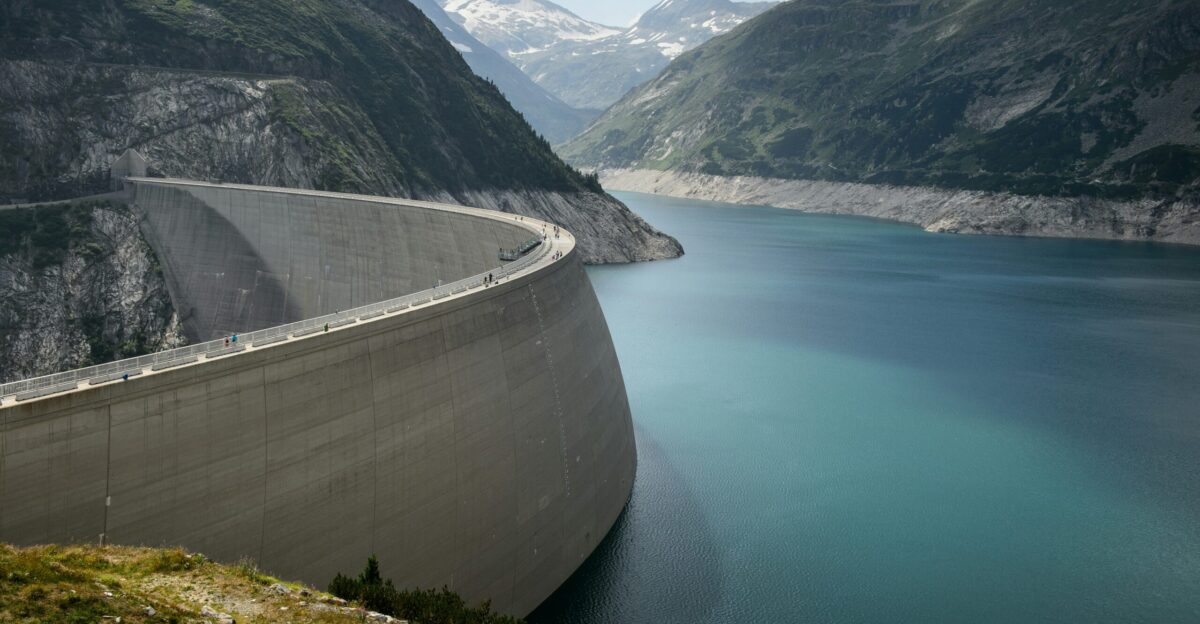
Long-term dam infrastructure sustainability demands adaptive management approaches acknowledging uncertainty, embracing learning, and adjusting strategies as conditions evolve. For each structure, owners should periodically evaluate whether rehabilitation, monitoring-intensive management, or removal represents the optimal strategy considering safety, economics, environmental factors, and community values.
Strategic dam removal should accelerate for structures no longer serving essential purposes, with federal and state programs providing technical assistance and cost-share grants reducing owner financial burdens.
America Must Act Now to Prevent Catastrophic Failures
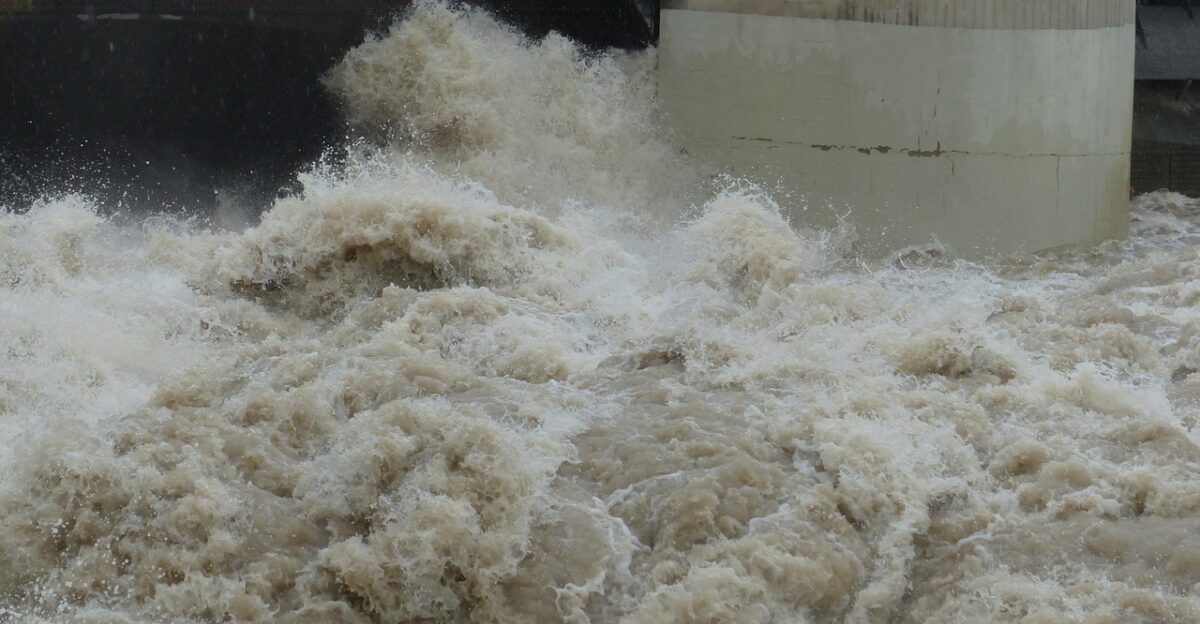
The convergence of aging infrastructure, inadequate funding, climate change intensification, and hidden deterioration creates an urgent imperative for comprehensive national action. Continuing current policy trajectories virtually ensures accelerating dam failures, disproportionately affecting vulnerable downstream communities.
Yet pathways forward exist through advanced technologies, strategic removal, targeted rehabilitation, and enhanced emergency preparedness.
Sources:
“2,500 ‘High-Risk’ U.S. Dams Are Sinking Into the Ground.” PopSci, December 16, 2025.
“Exposing the Most Dangerous Dams in the US.” American Geophysical Union Press Release, December 16, 2025.
“Dams Earn D+ in 2025 ASCE Report Amid Aging Risks.” Water Power & Dam Construction Magazine, May 8, 2025.
“$165.2 Billion Needed to Rehabilitate the Nation’s Non-Federal Dams.” Association of State Dam Safety Officials (ASDSO), October 31, 2025.
“Federal Assistance for Nonfederal Dam Safety.” Congressional Research Service Report R47383, 2025.
“Infrastructure Investment and Jobs Act: Dam-Related Funding.” American Rivers and Environmental and Energy Study Institute, 2021.