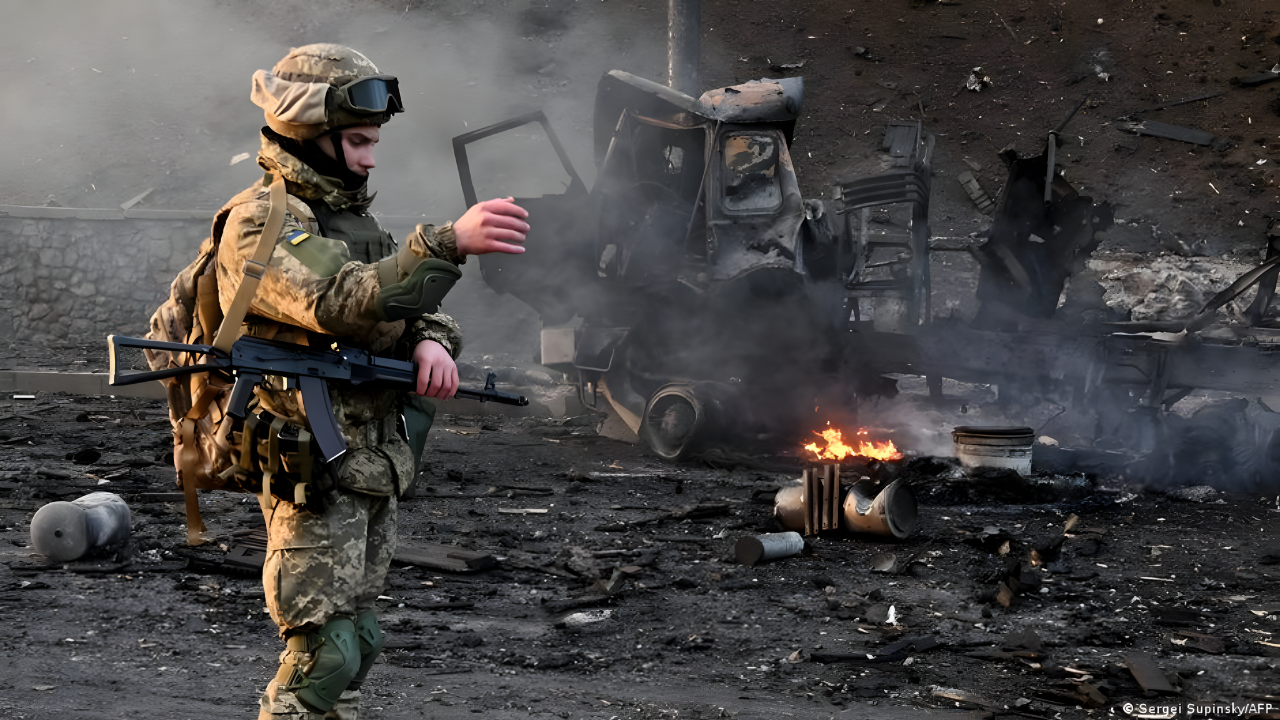
Ukrainian forces report blowing up a gas pipeline used by Russian troops near Kupiansk. The 429th Separate Regiment of Unmanned Systems, known as “Achilles,” says they used about three tons of explosives in December 2025. According to their commander, Yurii Fedorenko, this pipeline let Russians move troops secretly for months, avoiding Ukrainian fire. The blast reportedly cut a main route, trapping some Russian units in a tough spot north of the city.
Russia’s Hidden Pipeline Route
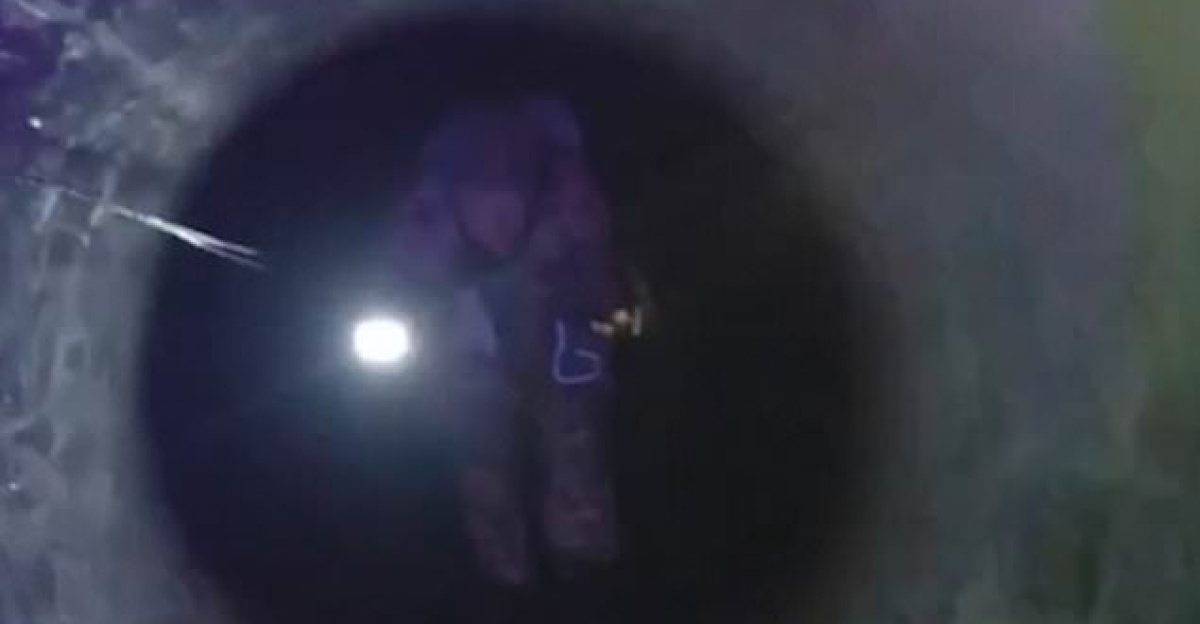
Russian forces allegedly used an old Soviet-era gas pipeline under Kupiansk’s streets and outskirts. Ukrainian scouts spotted it as a way for small assault teams to build up without detection from drones or artillery. Posts on Facebook from Metro and Limit describe it as a key logistics path for Russia’s winter push. The Achilles Regiment claims destroying it with coordinated strikes sealed off escapes, working with other units.
Photos and videos shared by Ukrainian sources show the pipeline collapsed. However, groups like the Institute for the Study of War (ISW) report ongoing heavy fighting near Kupiansk with fluid front lines, noting some Russian gains but no major defeats confirmed.
Putin’s Claims vs. Zelenskyy’s Visit
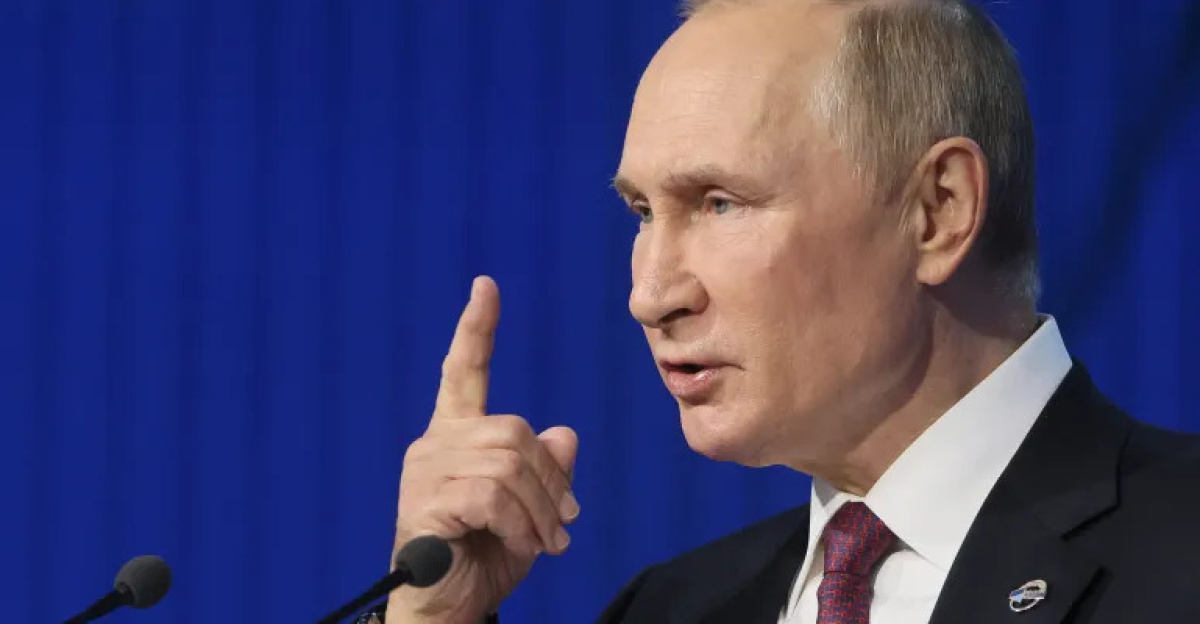
On November 20, 2025, President Putin declared Kupiansk liberated and awarded General Sergey Kuzovlev the Hero of Russia medal. He later said Ukrainian forces there were fully liquidated. Ukrainian reports counter this: President Zelenskyy visited the city center three weeks later, filming near a damaged monument about one kilometer from reported Russian positions.
PBS noted the visit, but no major Western media verified his exact proximity to active fighting. Zelenskyy’s action aimed to show Ukrainian control and challenge Moscow’s narrative, per social media from Ukraine Breaking News.
Drone Strikes and Casualty Reports
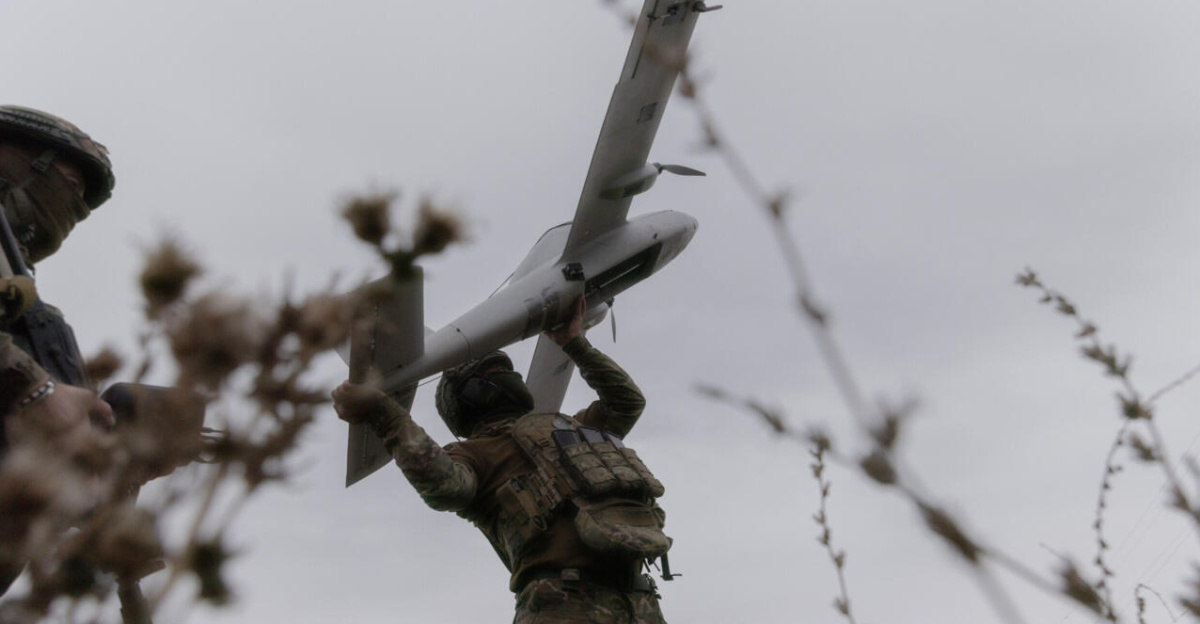
From April to December 2025, the Achilles Regiment claims their drones hit 1,877 Russian personnel—998 killed and 879 wounded. They report destroying 8,324 shelters, 232 drone sites, 61 vehicles, and 9 armored vehicles, plus damage to many more. In the September-December counteroffensive, the 2nd Khartiia Corps, led by Ihor Obolienskyi, says they confirmed 1,027 Russians killed, 291 wounded, and 13 captured. War reporter Yurii Butusov estimated around 1,000 dead, with hundreds possibly surrounded.
By December 12, Ukraine reportedly reached the Oskil River, encircling about 200 Russians. These figures rely on Ukrainian sources, while ISW confirms intense combat.
Broader Counteroffensive Impact
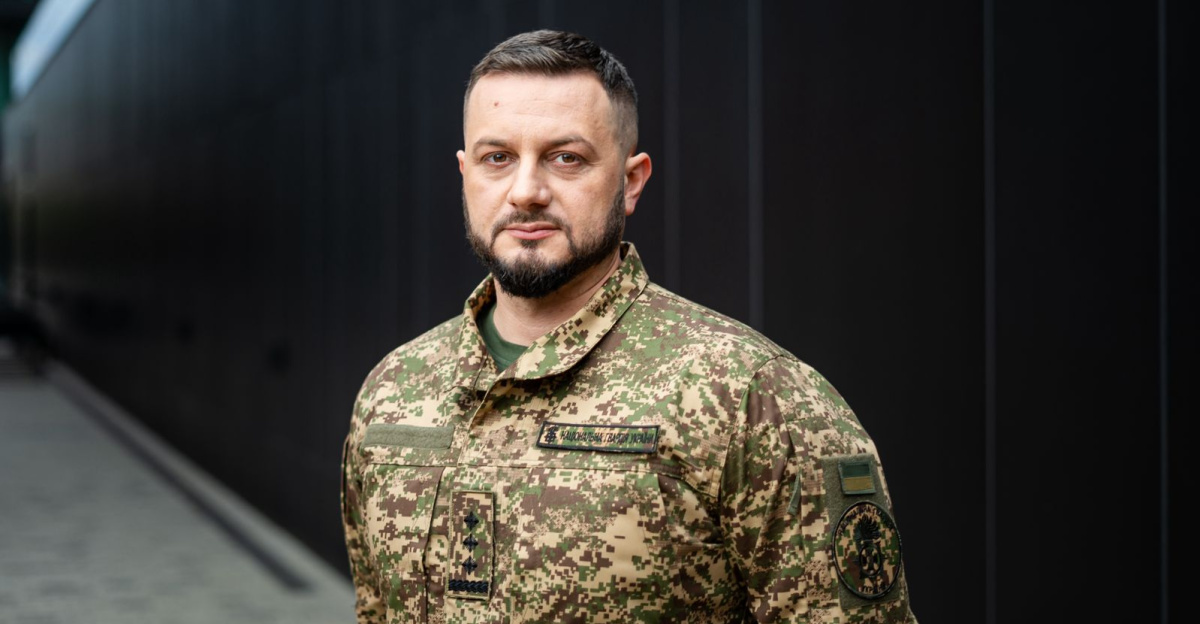
Ukraine’s push involved the 2nd Khartiia Corps, 475th “Code 9.2” Assault Regiment, 92nd Assault Brigade, and others. They cleared areas house-to-house amid urban chaos. Without the pipeline, Russians reportedly relied on drone drops, vulnerable to Ukrainian defenses.
About 500 civilians remained trapped, used as shields, complicating advances. Fedorenko’s unit pioneered drone tactics since 2014. Russia’s winter offensive aimed to grab northeastern land for talks, but Ukrainian reports call it a failure with over 1,000 losses.
Sources:
Metro, How Russia’s Secret Advance Failed
Ukraine Breaking News, The Day Russian Claims Shattered
Limit, Three Tons End An Invasion Route
The Economist, The Counteroffensive’s Human Cost
Ukrainian truth, Awaiting Surrender Or Annihilation