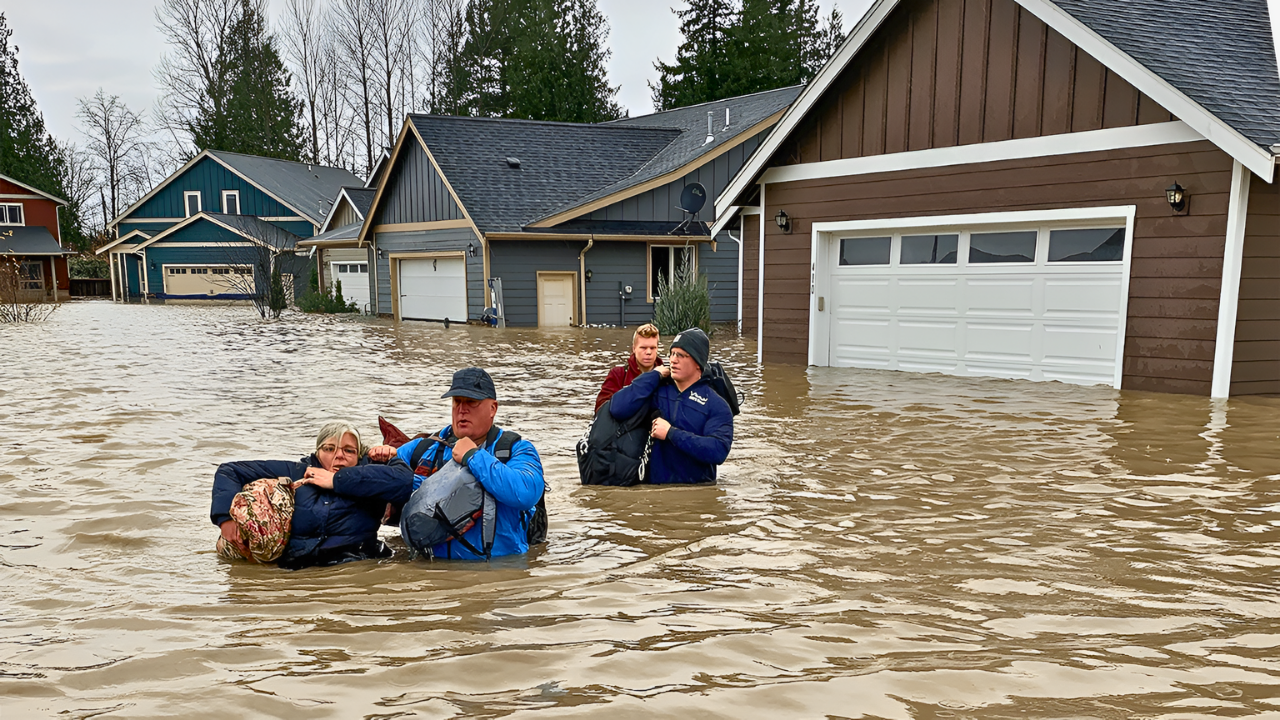
Water was already pouring across roads in Skagit County when emergency alerts lit up phones overnight. The Skagit River surged past its banks and kept climbing, eventually cresting at a record 37.73 feet as neighborhoods went dark.
More than 350,000 customers lost power while evacuation orders spread across Washington and into Oregon. By morning, over 100,000 residents had been told to leave. But this was only the beginning of what officials were watching unfold next.
How an Atmospheric River Turned Catastrophic
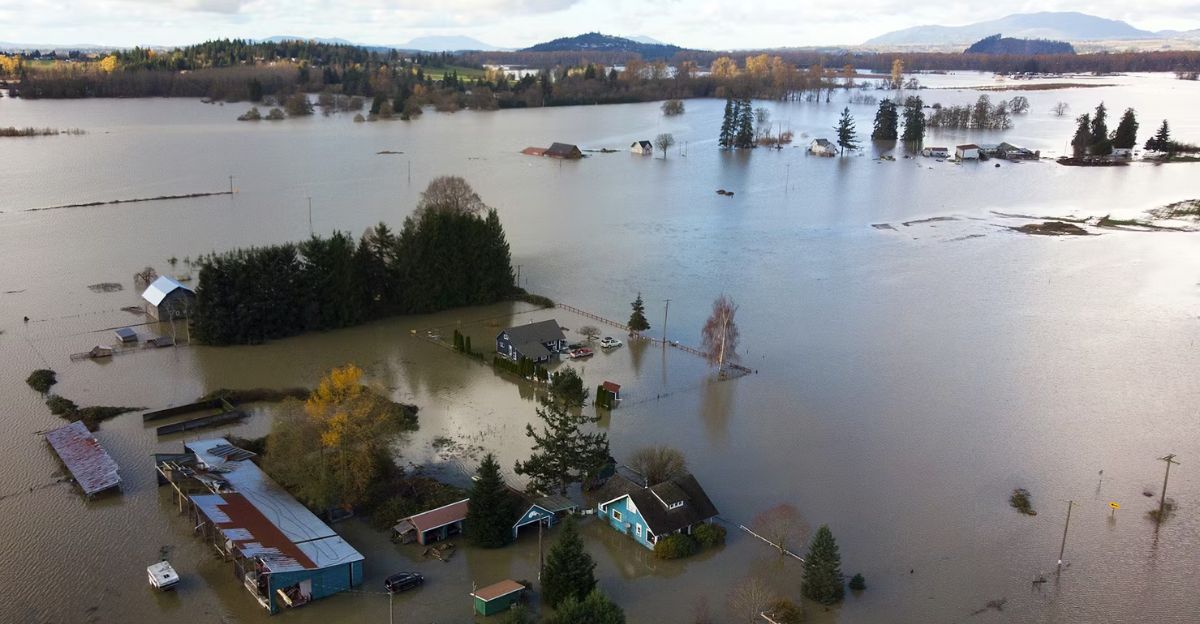
The flooding was driven by back-to-back atmospheric river systems that stalled over the Pacific Northwest beginning December 11. Moisture from the Pacific streamed inland for days, dumping inches of rain onto already saturated ground.
With no recovery window between storms, rivers had nowhere to drain. Forecasters warned early that the system showed no natural break, allowing floodwaters to stack rapidly across multiple watersheds.
“Move Now” Alerts and Mass Evacuations
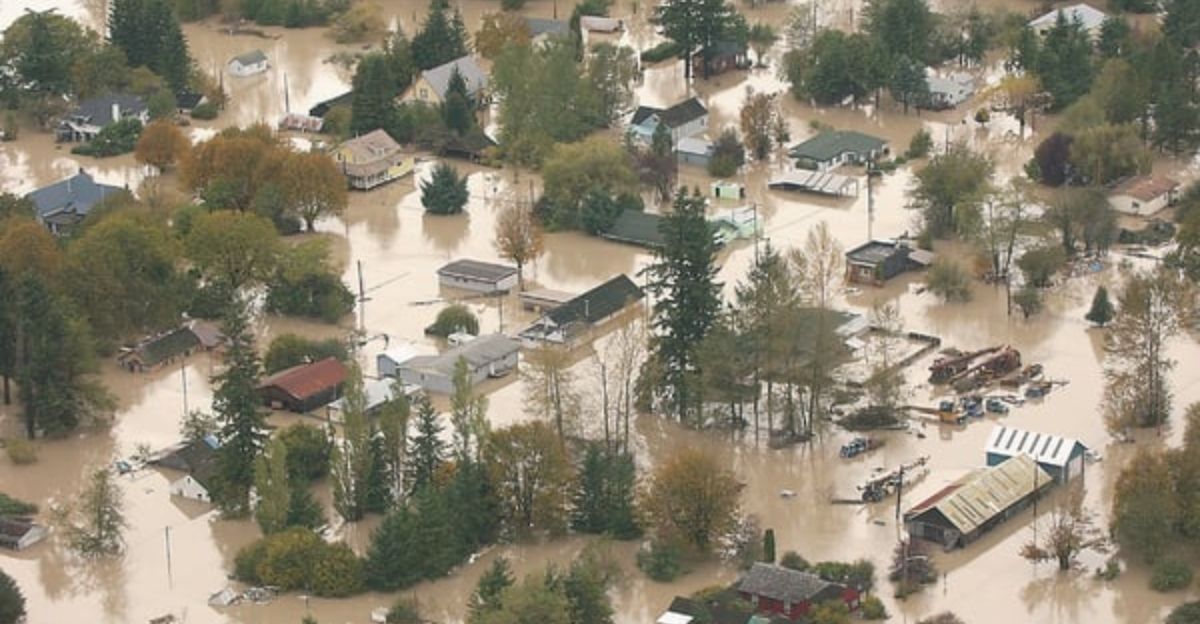
At peak, more than 100,000 residents across Washington and Oregon were under evacuation orders. Roughly 25,000 people received the most urgent “Move Now” Level 3 alerts as rivers rose overnight.
Even days later, around 13,000 residents remained under evacuation advisories. In several areas, water levels climbed so quickly that evacuation buses struggled to reach neighborhoods before roads became impassable.
Rivers Break Records Across the State
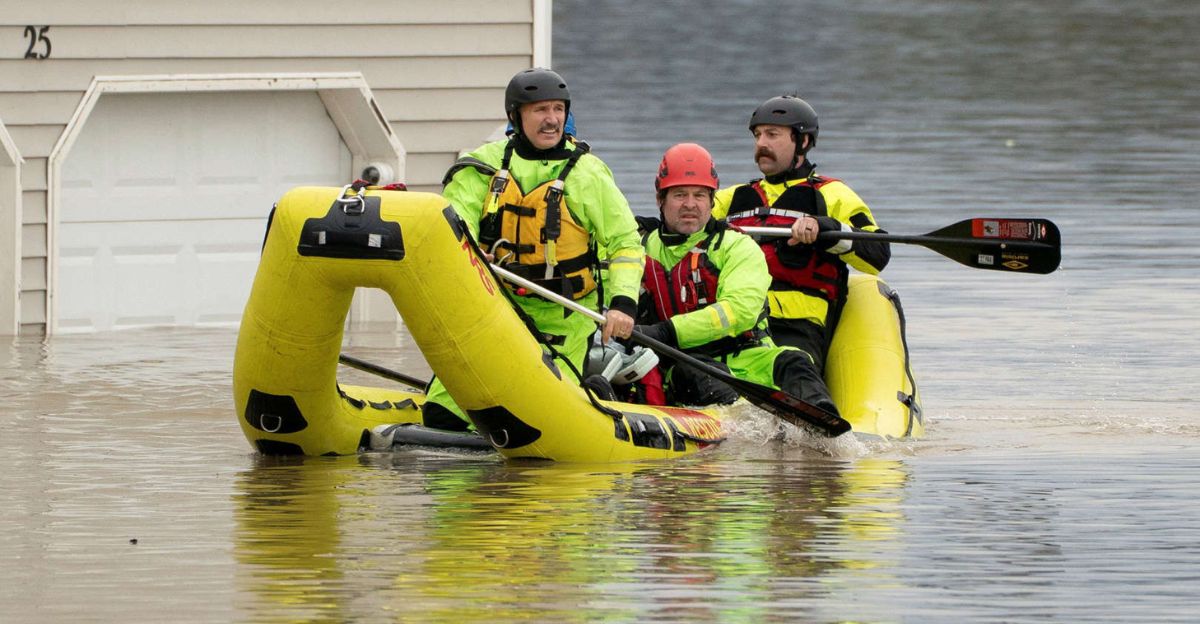
The Skagit River set a new all-time record, cresting at 37.73 feet—surpassing its previous high from 1990. Other rivers, including the Snoqualmie, Stillaguamish, Cedar, Green, White, Puyallup, Snohomish, and Nooksack, also surged well beyond flood stage.
Emergency managers warned that some rivers would remain elevated for days, prolonging evacuations and delaying damage assessments across entire valleys.
Infrastructure Under Siege
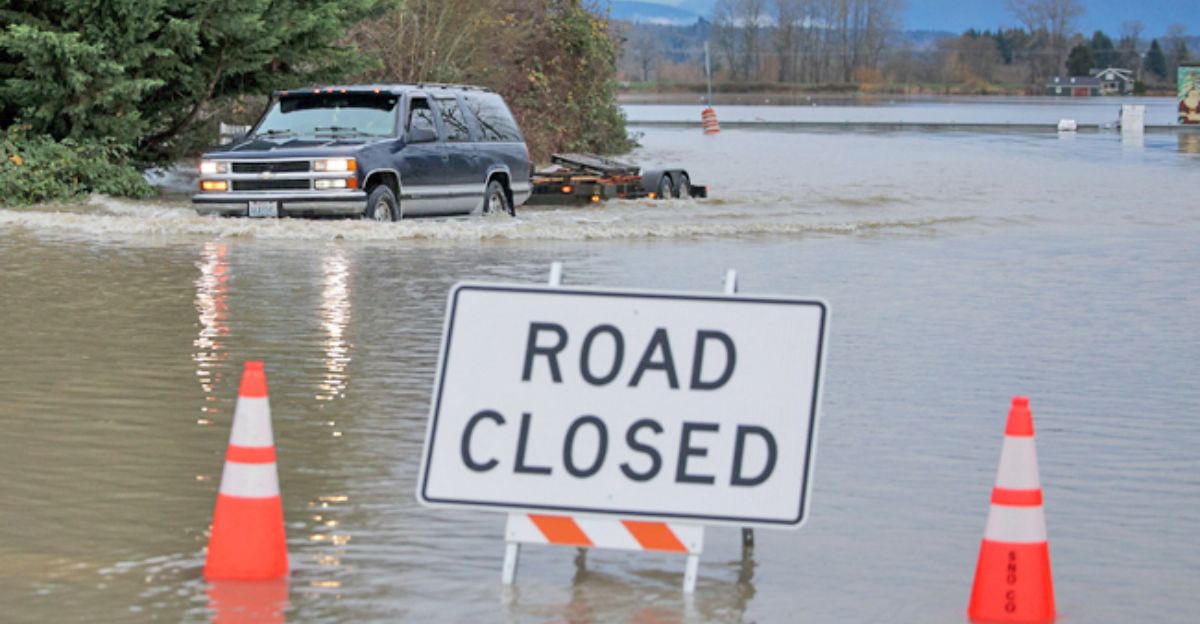
Floodwaters crippled transportation and flood-control systems statewide. Highway 2, a critical mountain route, was washed out and is expected to remain closed for months.
Landslides, levee stress, and submerged roadways isolated communities. In an extraordinary step, the Army Corps of Engineers took emergency control of several private dams to prevent catastrophic failure as water pressure pushed infrastructure beyond designed limits.
Power Outages and Wind Damage
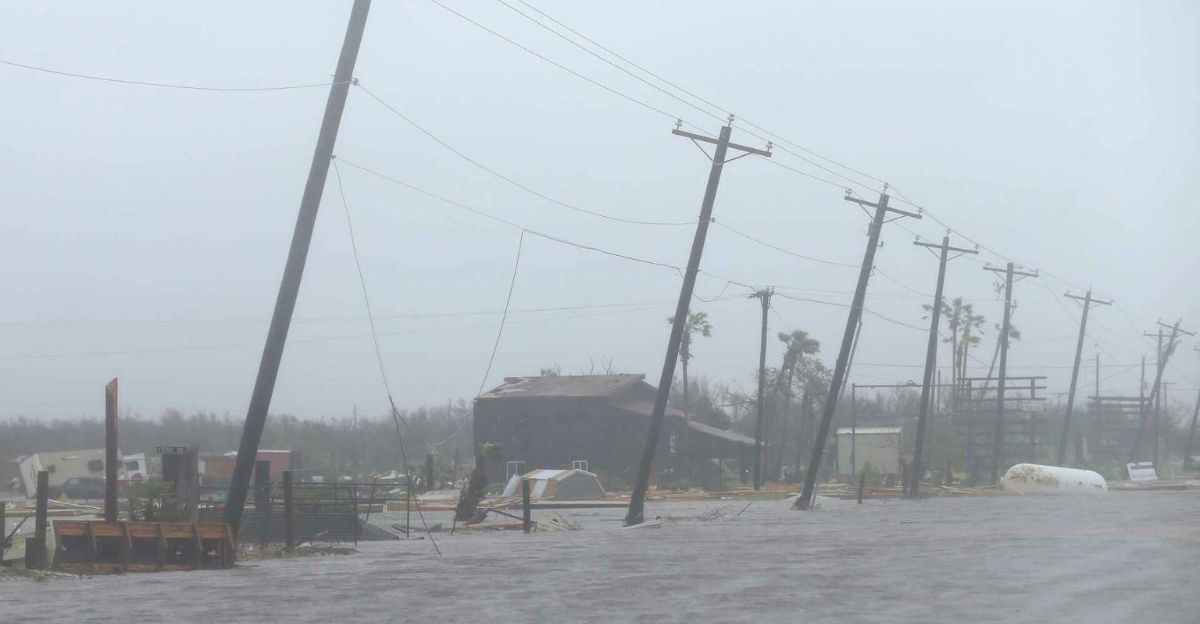
The storm’s impact went beyond flooding. Wind gusts reached 112 mph in the Cascades and 50 to 70 mph in lowland areas, knocking down trees and power lines.
More than 350,000 customers lost electricity at the height of the storm, with tens of thousands still without power days later. Extended outages disrupted heating, medical equipment, communications, and access to basic supplies during freezing conditions.
Homes Flooded and Insurance Gaps Exposed
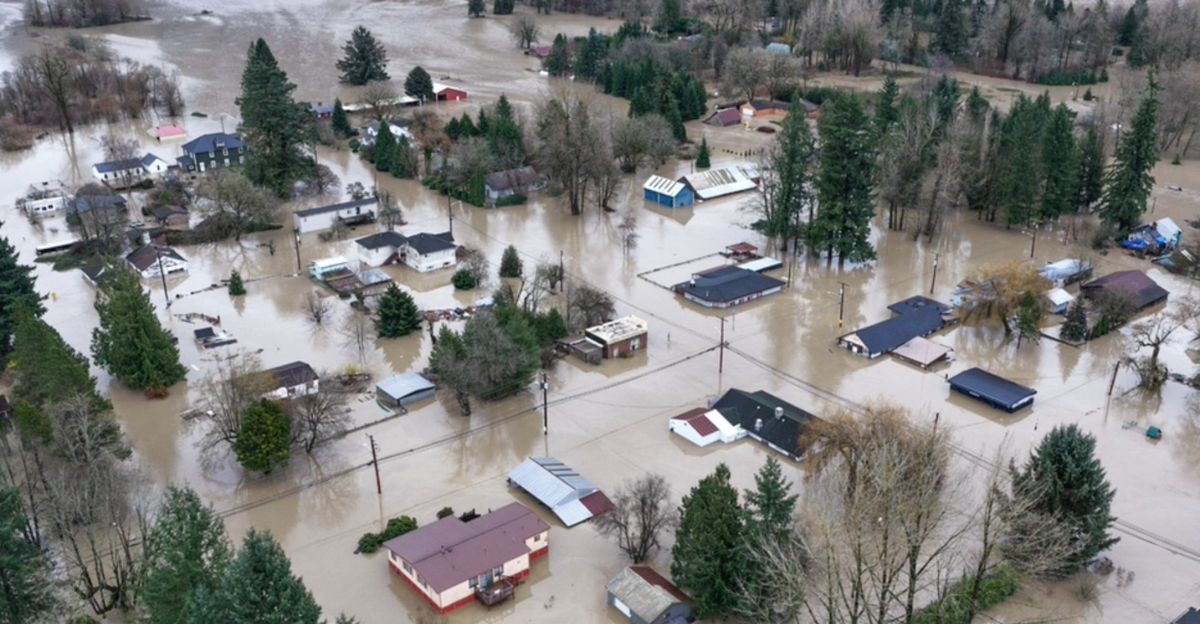
An estimated 50,000 homes sit within affected flood zones, many outside traditional FEMA-designated areas. As floodwaters entered living spaces, many homeowners discovered they lacked coverage. Even one foot of water can cause hundreds of thousands of dollars in damage.
Families who dropped flood insurance after earlier events now face massive out-of-pocket costs, temporary displacement, and long recovery timelines with limited financial protection.
Agriculture and Small Businesses Hit Hard
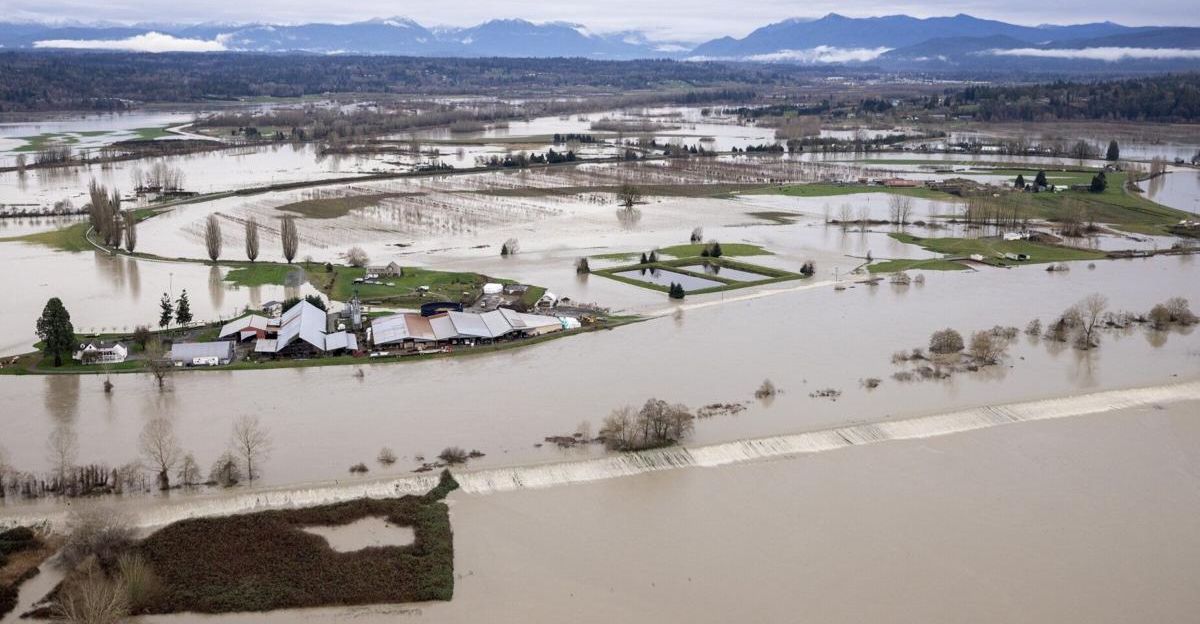
Low-lying farmland across Skagit County, the Snohomish River valley, and surrounding areas was submerged. Crops, livestock facilities, equipment, and stored harvests were damaged or destroyed.
Rural businesses and small retailers along river corridors were forced to close as floodwaters swept through buildings. For many farmers and shop owners, cleanup will take months, with long-term income losses extending well beyond the floodwaters.
Emergency Rescues and Loss of Life
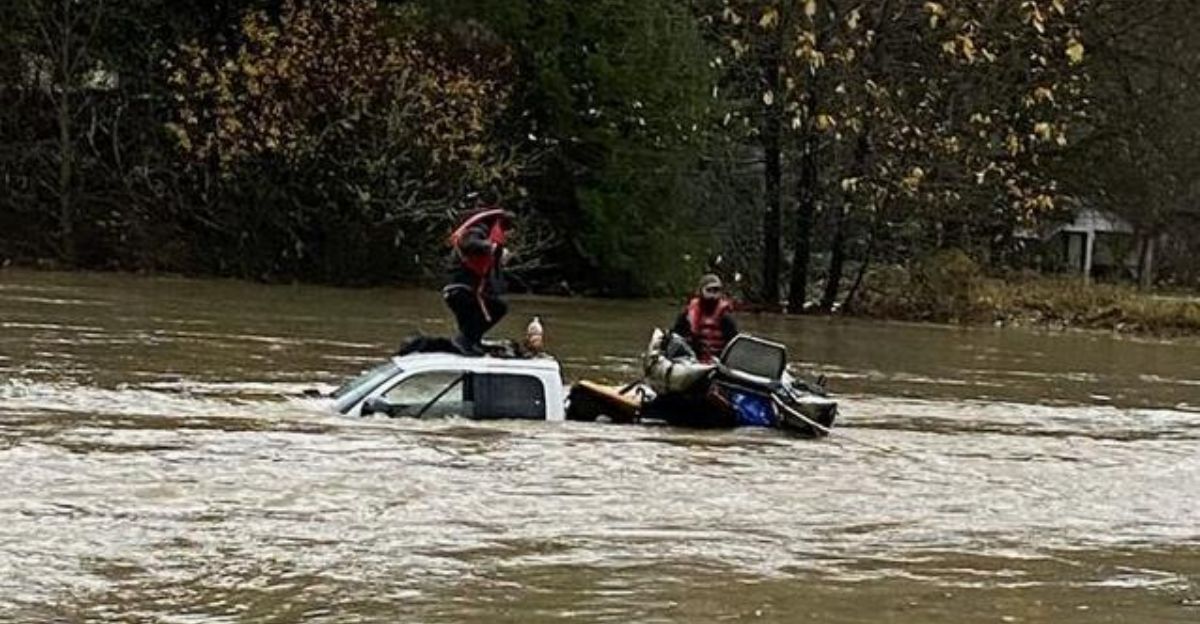
First responders carried out more than 250 rescues statewide, pulling residents from rooftops, submerged vehicles, and flooded homes. Some rescues occurred in darkness as water rose unexpectedly.
One drowning death was confirmed in Snohomish County after a driver entered floodwaters despite road closures. Officials warned that flood conditions remained unpredictable, with hidden currents and debris posing ongoing risks.
National Guard and Federal Response
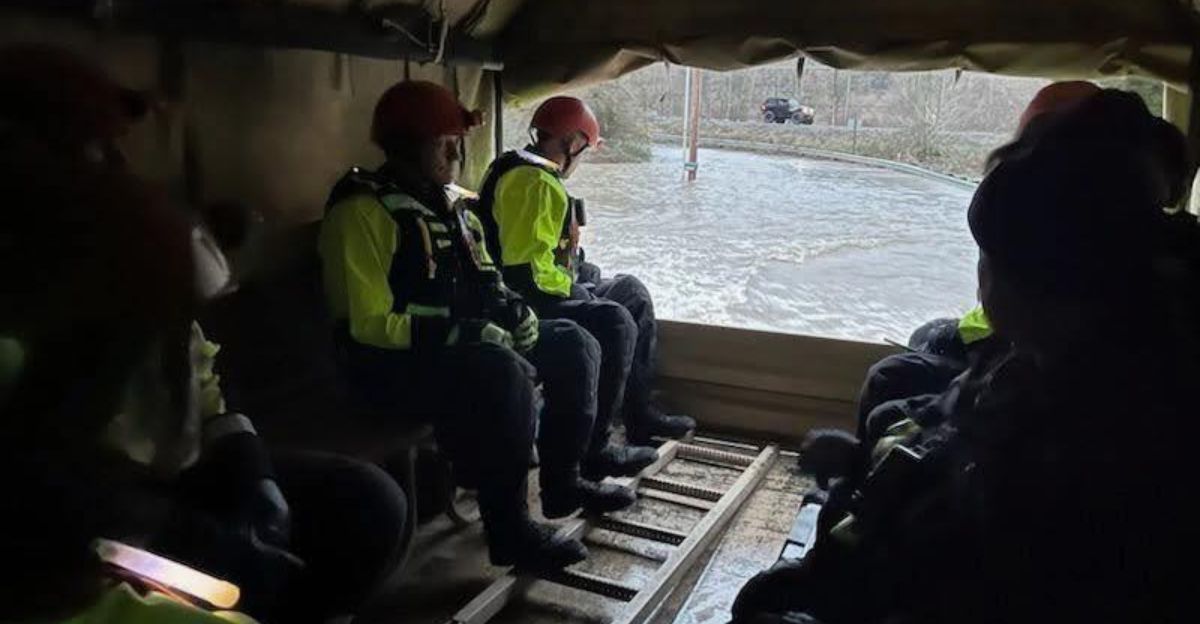
The Washington National Guard deployed more than 300 members to Skagit County alone, assisting with evacuations, sandbagging, and logistics. Gov. Ferguson authorized $3.5 million in emergency state funding, while a federal disaster declaration opened access to FEMA assistance.
State and federal agencies coordinated closely as flooding spread across 16 counties, stretching emergency resources over an extended disaster window.
Drinking Water and Public Health Concerns

Flooding threatened water systems serving large populations, including the Cedar River watershed, which supplies the Seattle metro area. Residents returning home faced contaminated wells, damaged septic systems, and widespread mold growth.
Health officials warned of respiratory illness and waterborne disease risks, particularly for seniors and vulnerable households. Prolonged power outages further complicated access to medication, refrigeration, and medical care.
A “100-Year Flood” Happening Again
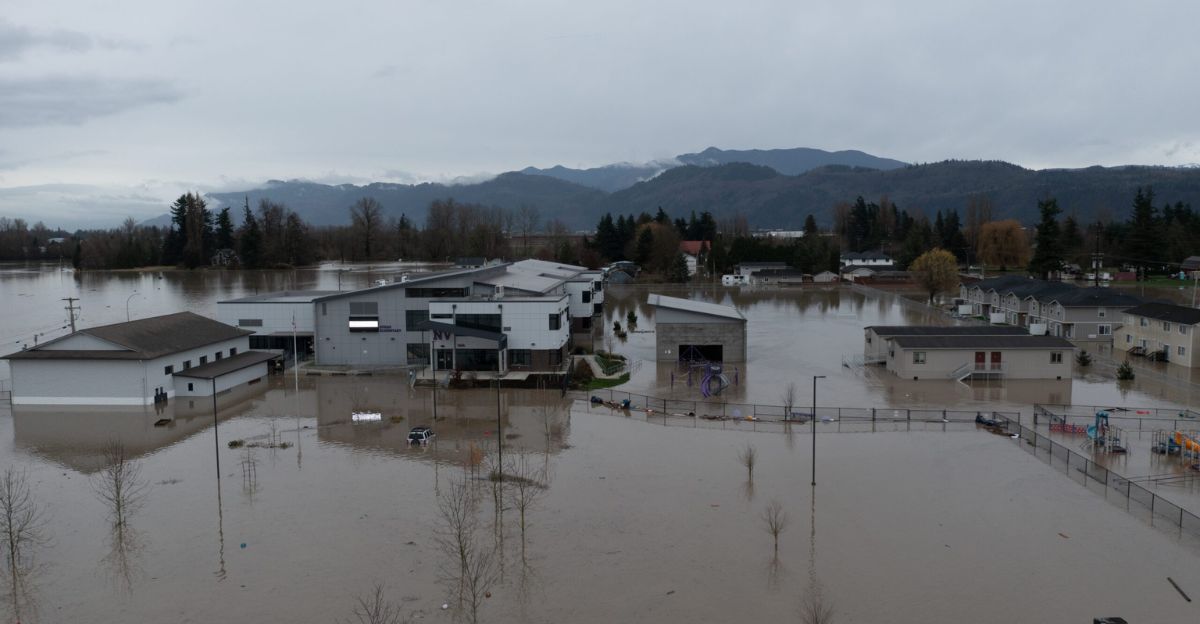
The disaster reignited debate over how flood risk is defined. Communities like Sumas experienced major flooding in both 2021 and 2025, challenging the idea of rare “100-year” events. Emergency planners noted that flood maps and land-use assumptions no longer reflect reality.
As atmospheric rivers become more persistent, officials face pressure to rethink development, buyouts, and long-term flood defenses.
Economic Impact Spreads Regionwide
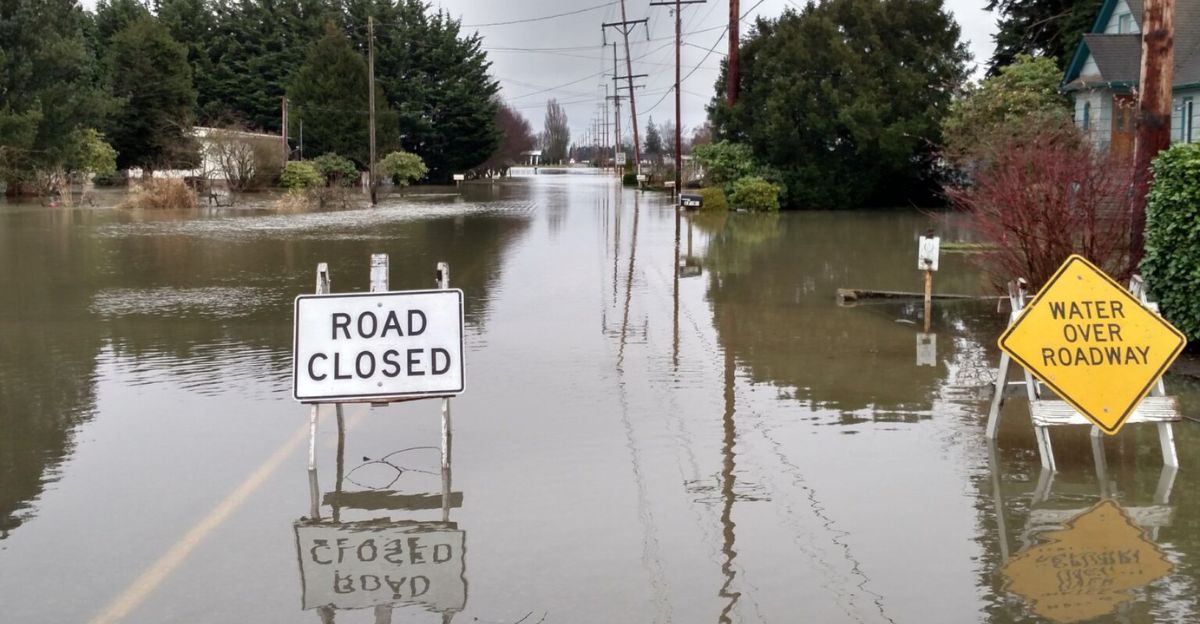
With highways closed for months, farms damaged, and businesses shuttered, economists estimate total losses could reach into the hundreds of millions of dollars.
Freight delays, disrupted supply chains, and workforce displacement compounded local damage. While rebuilding will create temporary demand for labor and materials, many communities face years of recovery, higher insurance costs, and increased financial strain long after waters recede.
Who Bears the Greatest Losses
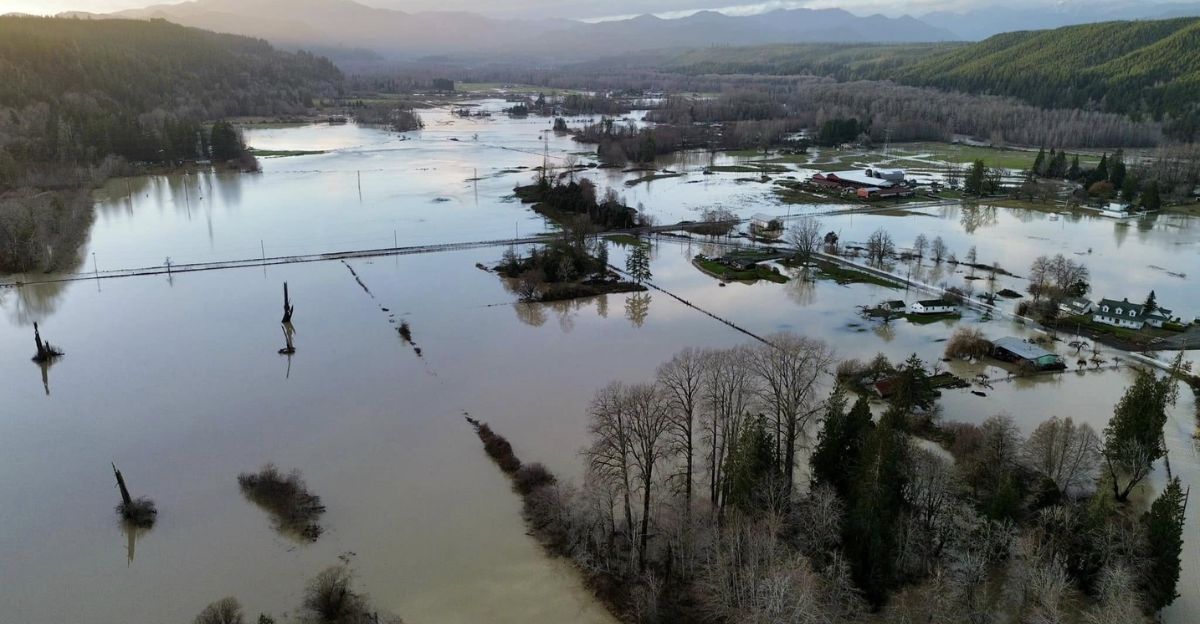
Uninsured homeowners, farmers, and small business owners face the steepest financial toll. Families flooded for the second time in four years reported exhausting savings with no safety net left.
Meanwhile, remediation contractors and construction firms saw rising demand. Emergency officials urged residents to prepare go-bags, review evacuation routes, and reconsider flood insurance—even outside designated flood zones—as risk patterns shift.
What Comes Next as Waters Linger
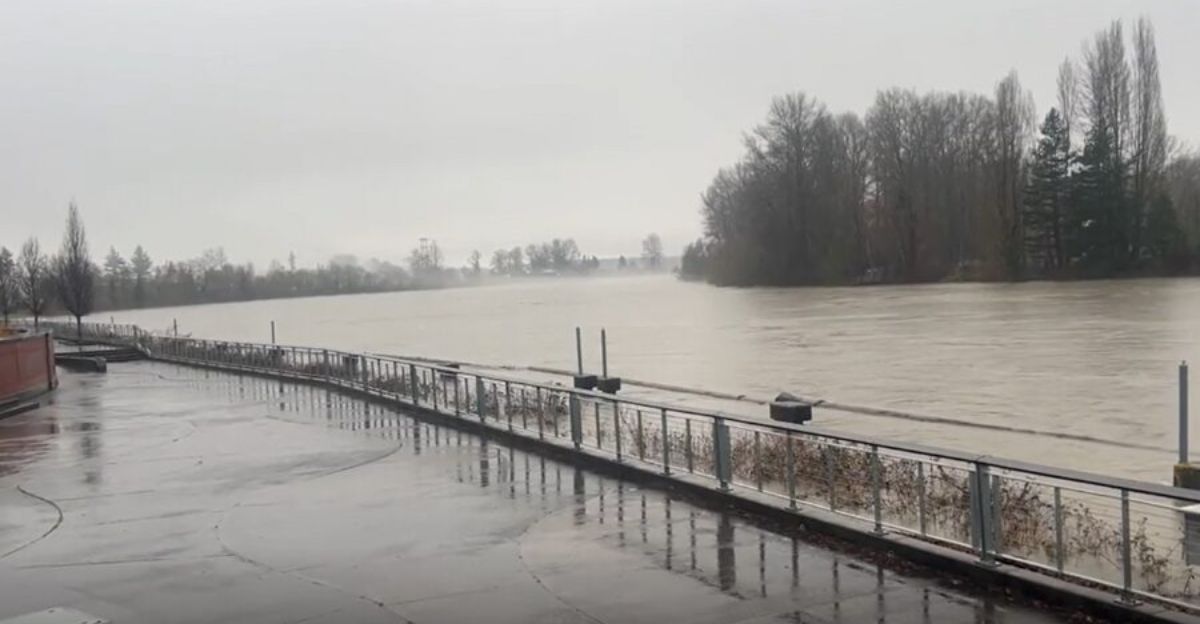
Even as rain slowed, officials warned rivers could remain above flood stage into late next week, with another atmospheric river already forming offshore.
Evacuation zones may expand again if levees fail or rainfall intensifies. Long term, state leaders see the December floods as a turning point—forcing updates to flood maps, infrastructure planning, insurance policy, and how communities across the Pacific Northwest live with water.
Sources:
“National Guard Responds to Historic Flooding in Western Washington.” U.S. Army National Guard Official Statement, 22 Dec 2025.
“How Skagit Valley Endured a Record Flood But Escaped Dire Predictions.” Seattle Times, 12 Dec 2025.
“Gov. Ferguson Issues Emergency Declaration Due to Heavy Flooding.” KNKX, 9 Dec 2025.