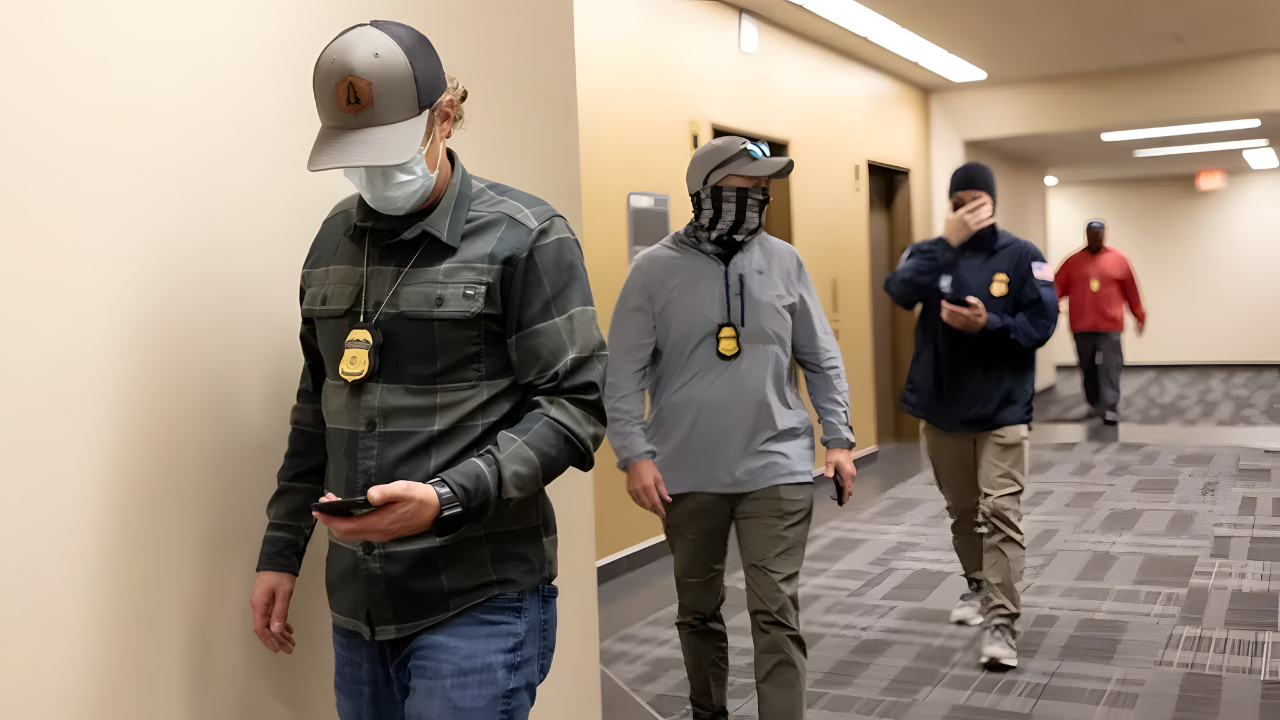
On a dark evening in November, a woman stood alone at a bus stop in Redmond, Washington. Masked men in tactical gear stepped out of unmarked SUVs. Their vests showed “U.S. Immigration and Customs Enforcement,” or ICE. They surrounded her and demanded her identification as other people watched. Many learned later that the woman was Elaine Miles, a famous Indigenous actress. This short meeting led to big arguments about tribal IDs, federal training, and how officers spot U.S. citizens.
Miles says the event happened on November 3, 2025, near Bear Creek Village shopping center on Seattle’s Eastside. Four masked agents with ICE signs approached her. They questioned her status and stopped her from walking away. They left without arresting her. Reports call it a detention, not a full arrest, because there was no booking or charges.
During the stop, agents focused on her tribal ID card. Miles belongs to the Confederated Tribes of the Umatilla Indian Reservation (CTUIR). This tribe confirms citizenship for over 3,000 members from the Umatilla, Cayuse, and Walla Walla groups. The ID lists a phone number for agents to verify it.
Miles says one agent called the ID “fake.” Another said, “Anyone can make that.” They would not call the verification number on the back. When she tried to call herself, an agent reached for her phone. A fifth officer then signaled them to leave. No paperwork or ticket was given before the SUVs drove off.
Profile of an Indigenous Star
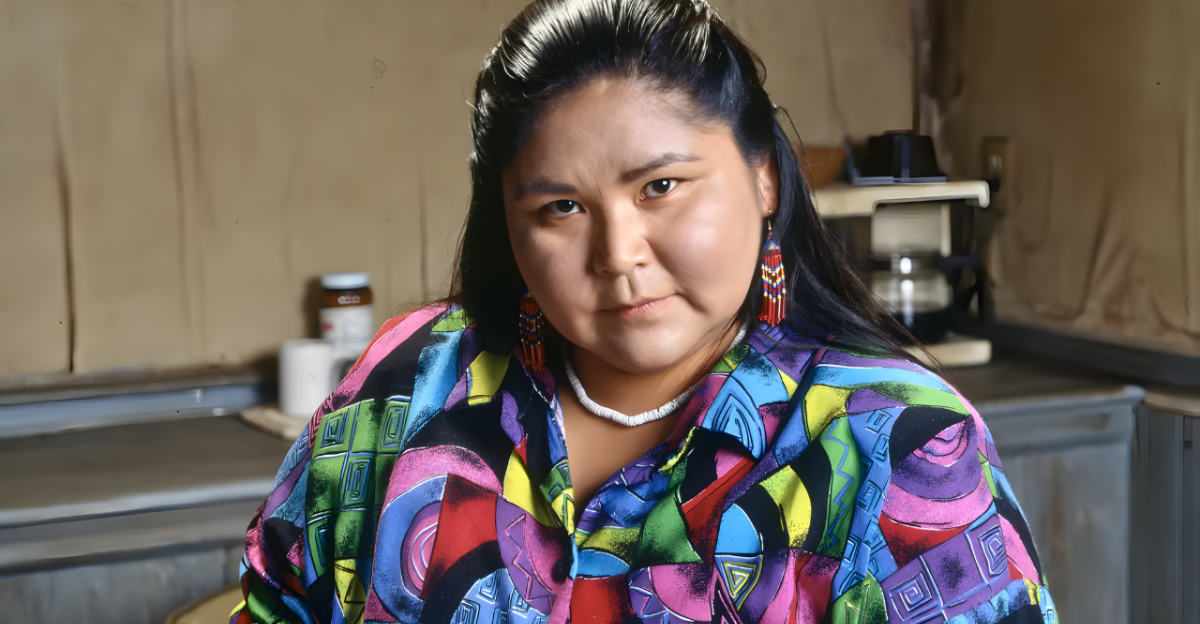
This story might have stayed local without Miles’s fame. She played Marilyn Whirlwind on the 1990s TV show “Northern Exposure.” She also starred in films like “Smoke Signals” and recently in “The Last of Us.” Her roles make her known to Indigenous and other audiences.
Her family has faced similar ICE stops. Miles says her son was questioned on a college campus in Bellevue while showing his tribal ID. He was released. Her uncle had his card rejected at first but was let go. No family member was arrested. These events make them cautious around law enforcement.
The Redmond stop came during more ICE activity on Seattle’s Eastside. Redmond Police confirmed ICE arrested seven people that week in the same area, including on November 3. Local leaders worried about the tactics. They talked about turning off license-plate readers used with federal agents.
Questions Over Tribal IDs and Training
The Redmond event highlights how ICE agents handle tribal documents. Tribal IDs from recognized nations are official government records. The Indian Citizenship Act of 1924 made Native Americans born in the U.S. full citizens. They also hold tribal citizenship. About 5.2 million people identify as American Indian or Alaska Native. There are 574 federally recognized tribes.
Experts say CTUIR members, like Miles, cannot be deported just for immigration reasons. But advocates say agents often ignore tribal IDs during checks. This treats enrolled citizens like possible noncitizens until more proof appears. In the Pacific Northwest, Native groups report these issues for years. Redmond’s case draws new attention.
The Department of Homeland Security denies key parts of Miles’s story. Assistant Secretary Tricia McLaughlin said Miles was never arrested. She called false any claim that agents doubted the tribal ID. McLaughlin said ICE trains agents to recognize tribal IDs. This creates a split between Miles’s detailed account and the agency’s denial. People now demand body-camera footage or records to check facts.
Wider Impact and Calls for Change
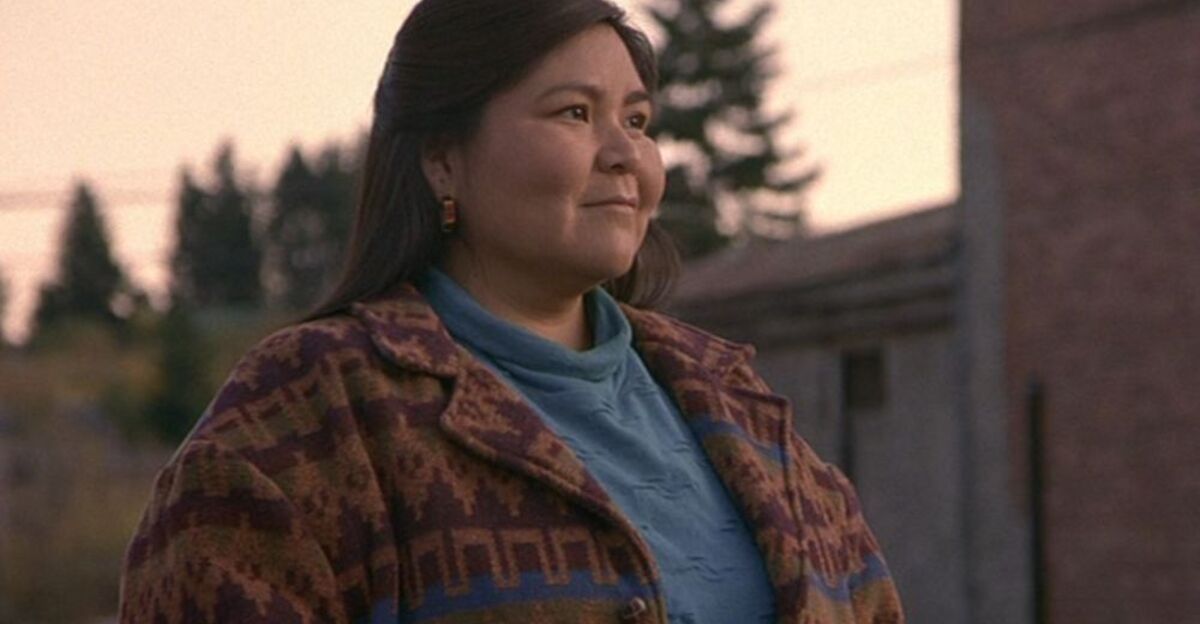
The incident grew into a federal issue fast. On December 14, U.S. Senators led by Patty Murray wrote to DHS and ICE. They asked about Miles’s case and similar ones. The letter mentioned “racial profiling of Tribal members” and refusing tribal IDs. Lawmakers called it disrespect to U.S.-born Tribal citizens. They want details on training, complaint systems, and punishments.
CTUIR leaders support Miles. They stress their IDs are official and say these stops harm tribal sovereignty and safety. People might avoid calling police or reporting crimes if they fear wrongful stops.
In Washington and Oregon, Native advocates say the story boosts old fears. Some carry U.S. passports with tribal IDs. Others change travel habits or skip dark bus stops. Washington’s attorney general says masked agents from unmarked cars are too common. He plans to review complaints.
ICE says agents learn to spot many IDs, including tribal ones. They must treat U.S. citizens right. Rights groups say repeated mistakes show a gap between rules and reality. They want independent checks, open data, and real penalties to build trust.
Miles tells other Natives in Seattle to stay alert. She seeks answers about that night. Her case mixes congressional review, tribal pushes, and local debates on ICE methods. Leaders say the key is whether agents will accept tribal documents from America’s first peoples next time they approach someone.
Sources:
KUOW – ICE stops Native American actress Elaine Miles in Redmond – 2025-12-01
Native News Online – Indigenous Actor Elaine Miles Reports Detention by Alleged ICE Agents – 2025-11-30
The Independent – Indigenous actor says ICE agents branded her tribal ID ‘fake’ during stop – 2025-11-27
Seattle Times – Indigenous actress Elaine Miles says ICE called her tribal ID fake – 2025-11-27
Newsweek – ‘Northern Exposure’ Actress Elaine Miles Detained by ICE, Told ID Is Fake – 2025-11-28