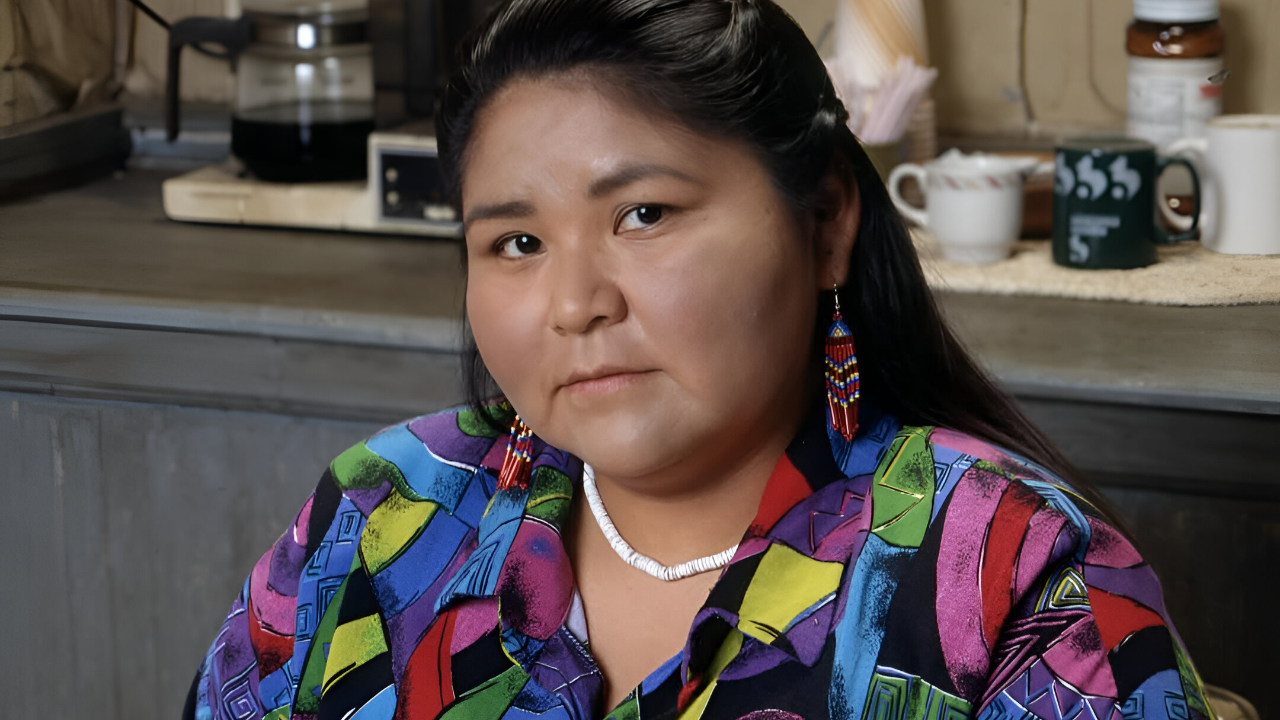
Native Americans, constituting only 2% of the U.S. population according to the 2020 U.S. Census, face disproportionate rates of police stops and detentions. Recent policies under the Trump administration have intensified these challenges, with reports of tribal citizens being questioned about their citizenship.
In January 2025, the Navajo Nation documented numerous incidents where Immigration and Customs Enforcement (ICE) detained its members based on doubts regarding tribal identification. This isn’t limited to border areas; such occurrences are reported in urban places like shopping centers across the country, raising serious concerns about the safety and rights of Indigenous communities nationwide.
The Citizenship Paradox
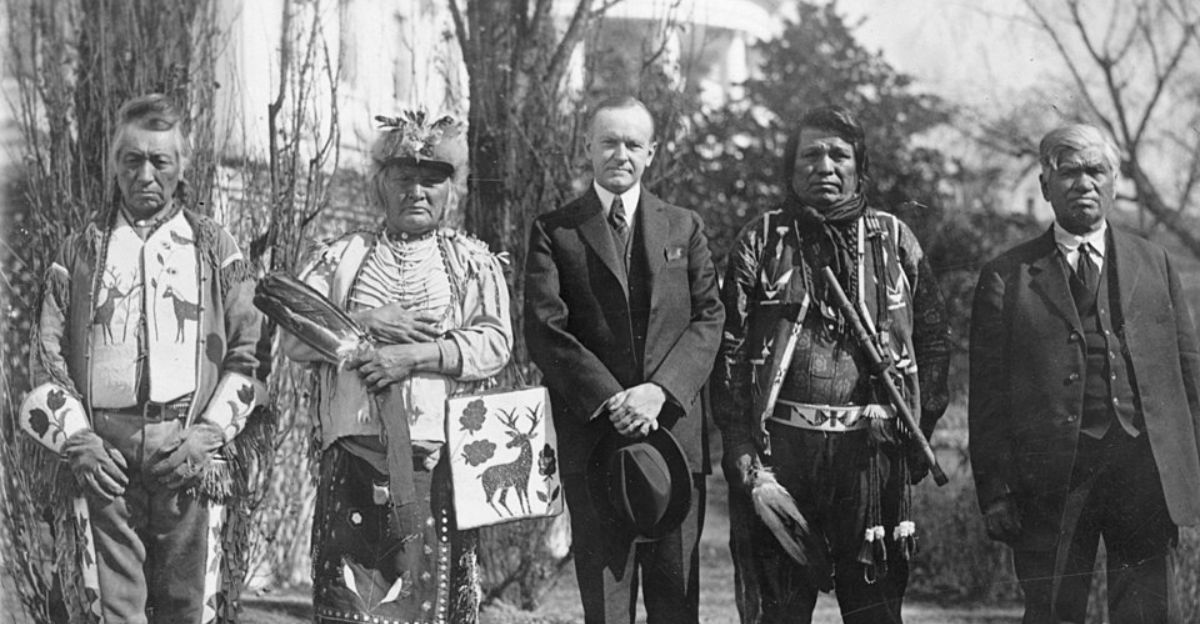
A significant gap exists in federal understanding of Indigenous rights, stemming from the Indian Citizenship Act of 1924, which guarantees U.S. citizenship to all Native Americans born in the United States.
Dual citizenship is the norm, as tribal citizens belong to both their tribal nations and the U.S. Yet, federal agents unlawfully question many enrolled members of the 574 federally recognized tribes about their citizenship. This pervasive misunderstanding poses a profound contradiction: those who have occupied this land for millennia are increasingly forced to prove their rights against the very agencies designed to uphold those rights.
Trump’s Enforcement Machine Accelerates
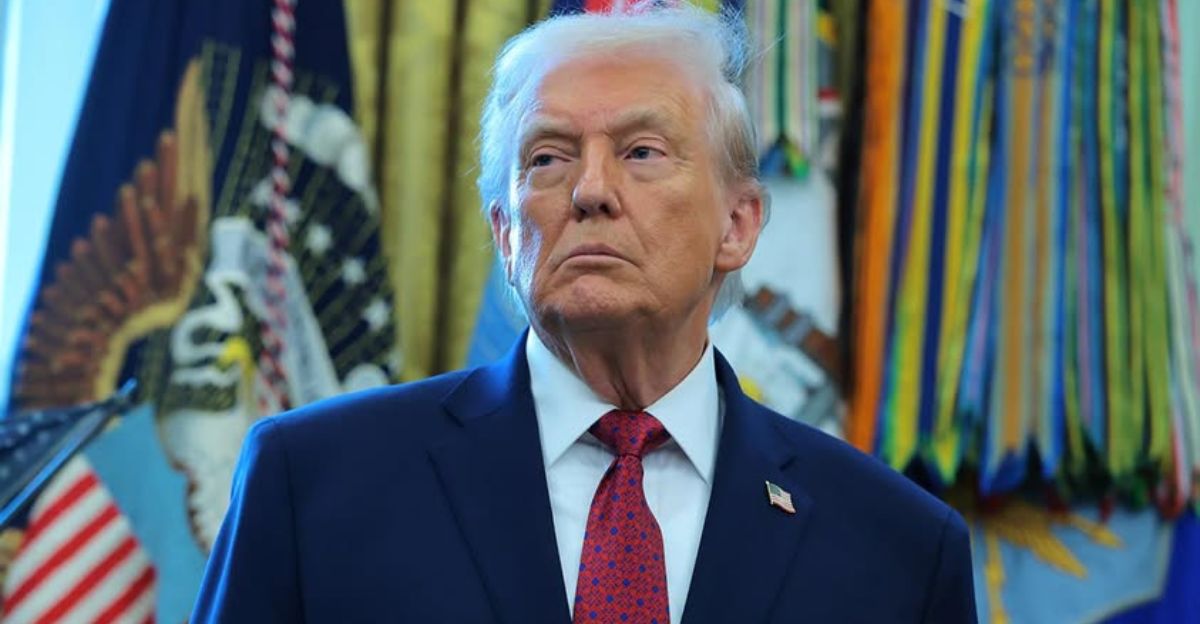
Upon assuming office, President Trump enacted ten pivotal executive orders aimed at transforming U.S. immigration policy. These directives were framed as a response to what was labeled “the largest mass deportation operation in American history.” ICE received expanded powers, resources, and directives to execute targeted enforcement sweeps in various public spaces.
However, the policies have not appropriately addressed the unique status of Native Americans who, despite appearances, have legal protections against immigration enforcement. This interaction has led to a tangled web of legal crises, deeply affecting Indigenous populations across the country.
The Identification Crisis
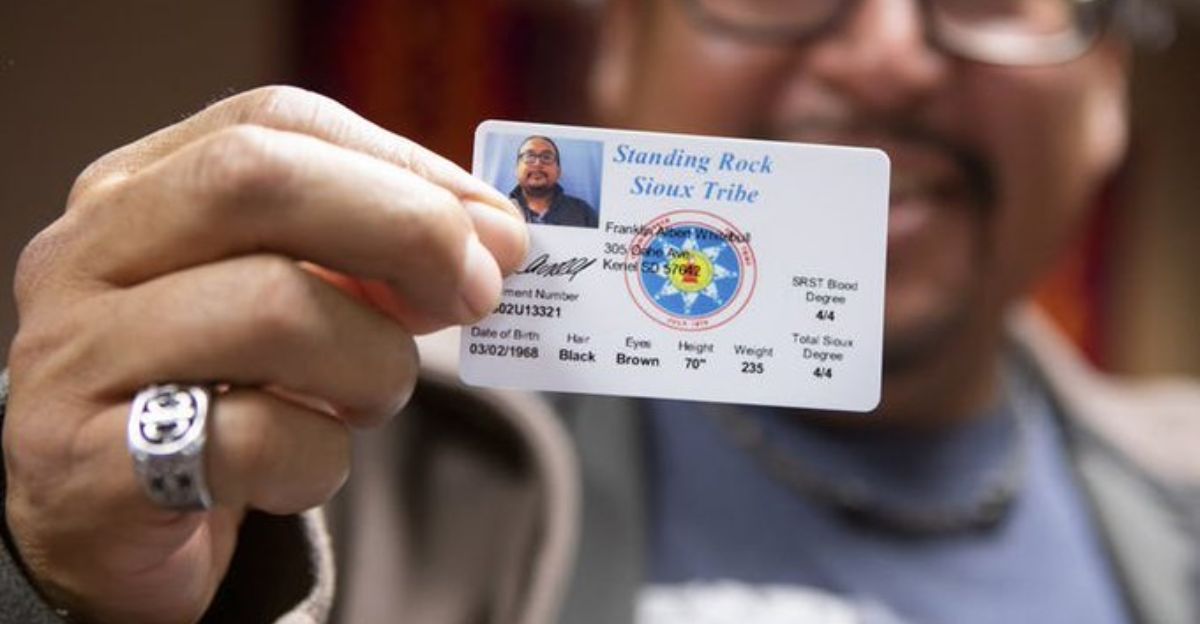
Tribal IDs, affirming citizenship status, face scrutiny from ICE agents due to a significant issue: many are not “enhanced” or machine-readable. Without integrated data validating U.S. citizenship, tribal citizens presenting their IDs risk being perceived as undocumented.
As ICE agents cannot verify the legitimacy of these IDs in real-time, many Native Americans are unjustly detained or questioned. Some tribes are pushing to develop enhanced IDs meeting federal standards, but the vast majority of tribal citizens still rely on basic identification. This failure to recognize tribal IDs as valid creates an ongoing crisis affecting countless individuals.
The Redmond Stop: A Turning Point
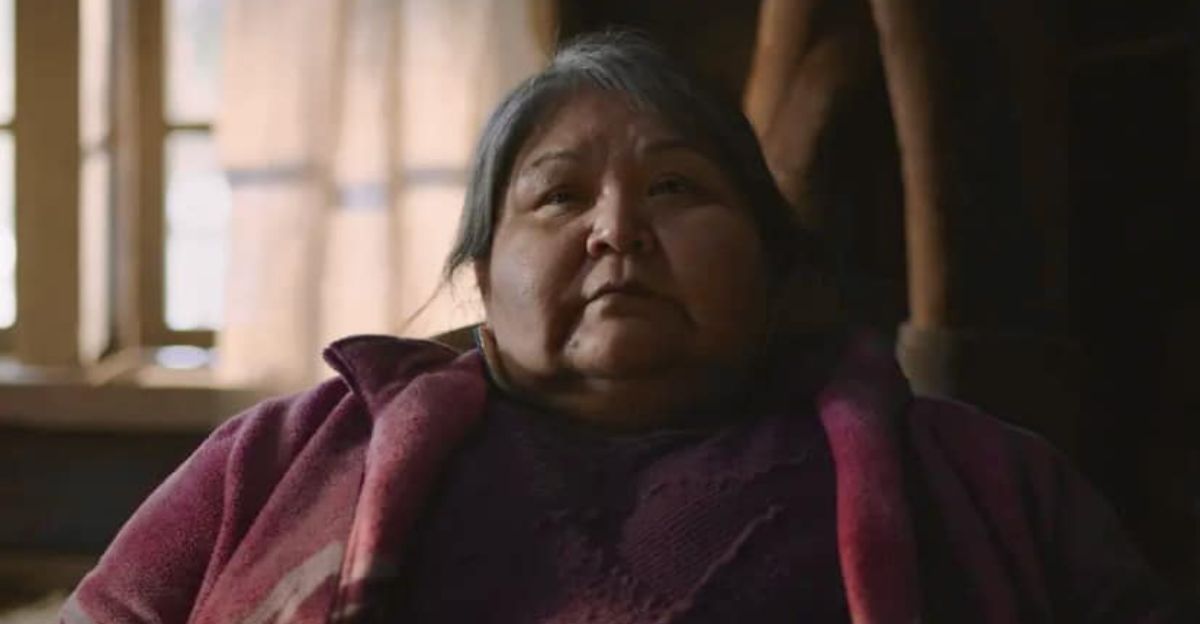
On November 3, 2025, actress Elaine Miles found herself at the center of a pivotal incident while waiting for a bus in Redmond, Washington. Famous for her roles in “Northern Exposure” and “Smoke Signals,” Miles presented her tribal ID to four masked ICE agents who dismissed it as counterfeit.
When she protested, one agent incredulously remarked, “Anyone can make that.” Although Miles was briefly detained and questioned about her legal status, she was never arrested. This event became a rallying point, transforming an individual experience into a broader discussion on the treatment of Native Americans in the face of immigration enforcement.
A Troubling Family Pattern
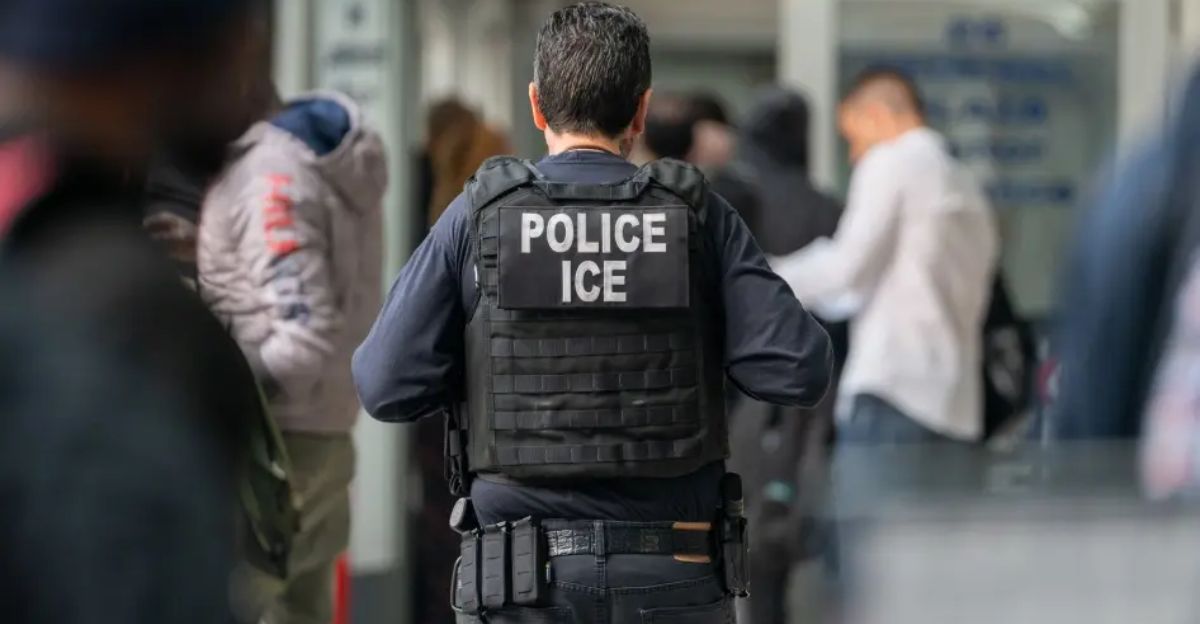
Elaine Miles’ experience is not an isolated case. Dozens of other Native Americans have reported similar encounters with ICE, often facing inquiries about their citizenship based on their tribal IDs. Stories abound of families targeted for questioning despite their clear legal status. Many Indigenous individuals find themselves feeling increasingly vulnerable in their own communities.
This troubling trend underscores an alarming pattern: perceived racial profiling combined with inadequate training among ICE agents regarding tribal sovereignty and citizenship rights. Such collective experiences highlight an escalating crisis affecting indigenous rights and their societal standing.
Beyond the Redmond Case: Leticia Jacobo’s Story

The challenges faced by Native Americans extend beyond high-profile figures like Elaine Miles. Leticia Jacobo, a member of the Salt River Pima-Maricopa Indian Community, shared her harrowing experience of being questioned and stopped by ICE agents who dismissed her tribal ID.
Jacobo’s story reinforces the urgency and scale of the issue affecting everyday lives, encapsulating how several Native individuals live under the constant threat of being treated like undocumented immigrants. The personal impacts of these encounters necessitate a critical examination of policies that overlook tribal sovereignty.
DHS Flatly Denies Racial Profiling
In light of these troubling accusations, the Department of Homeland Security (DHS) has firmly denied any claims of racial profiling targeting Native Americans. However, skepticism remains high as many advocate for deeper investigations into perceived biases within ICE practices.
The scrutiny has reached Congress, prompting letters from key senators demanding accountability and more straightforward guidelines to respect tribal identification. The gap between policy and practice remains glaring, as federal actions contradict the established rights of Indigenous citizens, fueling ongoing tensions between Native communities and federal authorities.
What Federal Law Says About Native Citizenship
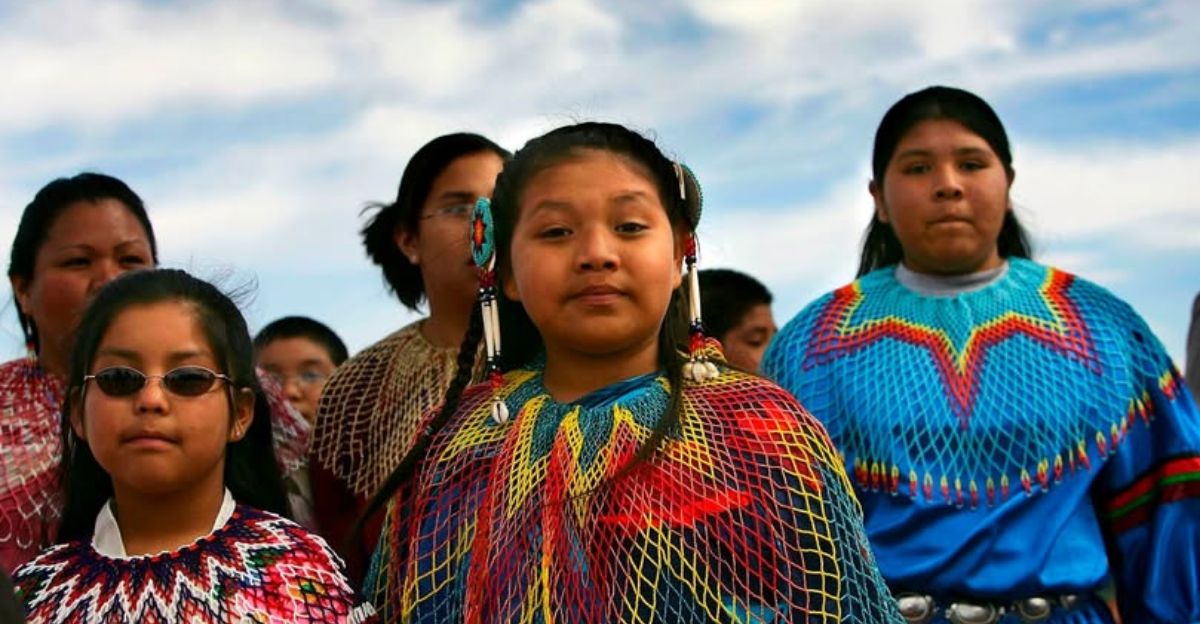
Federal law establishes that all Native Americans born in the U.S. are citizens, but this legal protection is routinely overlooked. The Indian Citizenship Act of 1924 serves as a vital legal cornerstone, yet compliance with this provision among immigration enforcement officials appears to be lacking. Setting clear protocols for recognizing tribal IDs is paramount to preventing further injustices.
The inconsistency in how federal agencies interpret the status of Native Americans exacerbates challenges faced in everyday interactions, creating unnecessary risks and barriers for individuals asserting their legal citizenship rights.
The Broader Pattern: Dozens Across Multiple Tribes
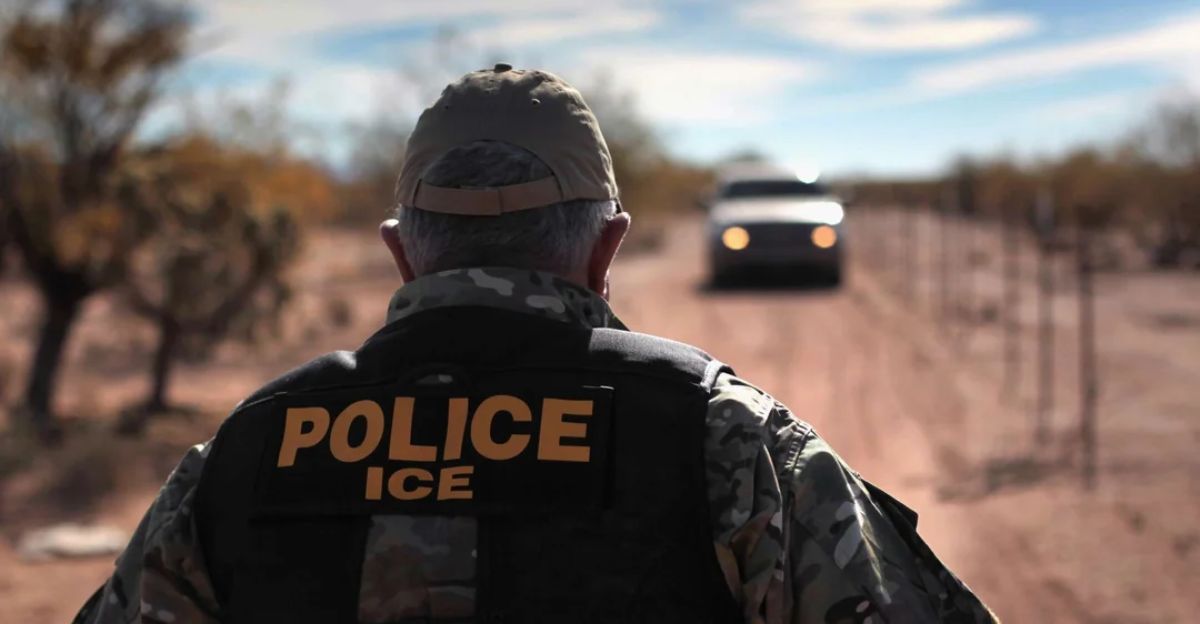
The incidents involving Native Americans do not merely spotlight individual stories; they reveal a broader systemic issue across various tribes. Reports indicate that dozens of tribal members across the United States have experienced unjust questioning or detainment by ICE.
Patterns across different states and communities reveal a troubling disregard for Indigenous citizens’ rights and legal status, highlighting a humanitarian crisis born of ignorance and systemic bias. The long-standing ability of some tribes to maintain their citizens’ rights hinges on recognition and respect from federal enforcement agencies.
Tribal Leadership Strikes Back
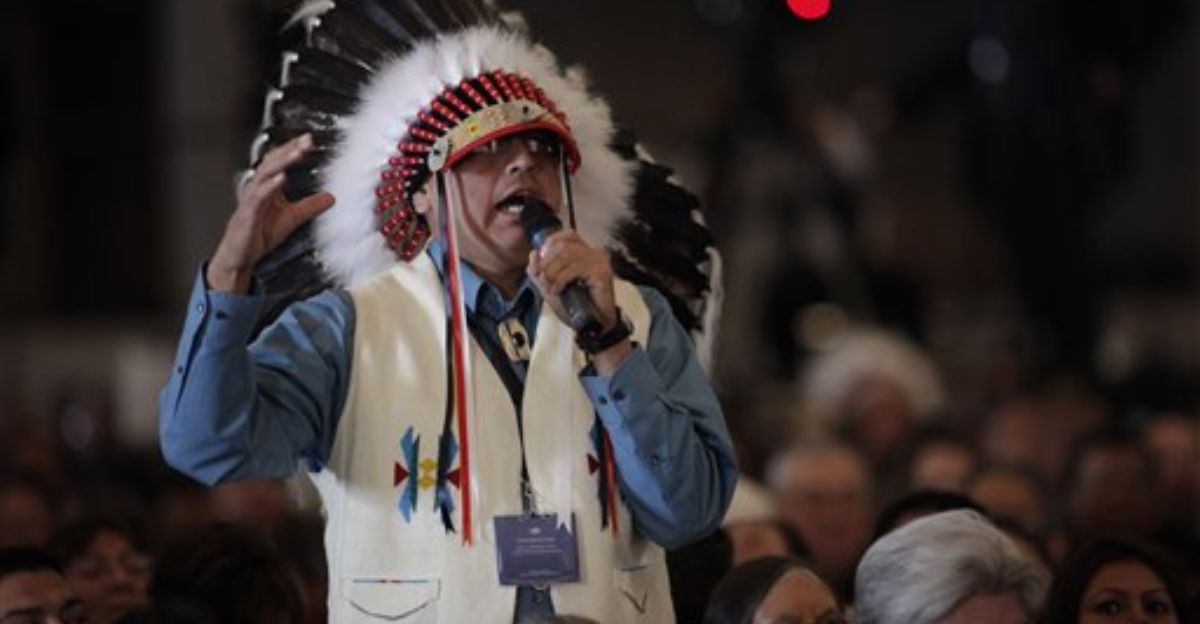
In response to the crisis, tribal leadership is mobilizing against the problematic interactions with ICE. Numerous tribes have begun issuing formal statements and forming coalitions to address the rampant disregard for tribal identification and the need for better training among federal agents regarding tribal citizenship rights.
Some tribal leaders are advocating for legal remedies to ensure their members can safely navigate interactions with federal agents. This proactive response reflects a push not only for acknowledgment of their rights but also for the implementation of protective measures that uphold the sovereignty of tribal nations.
The Training Failures
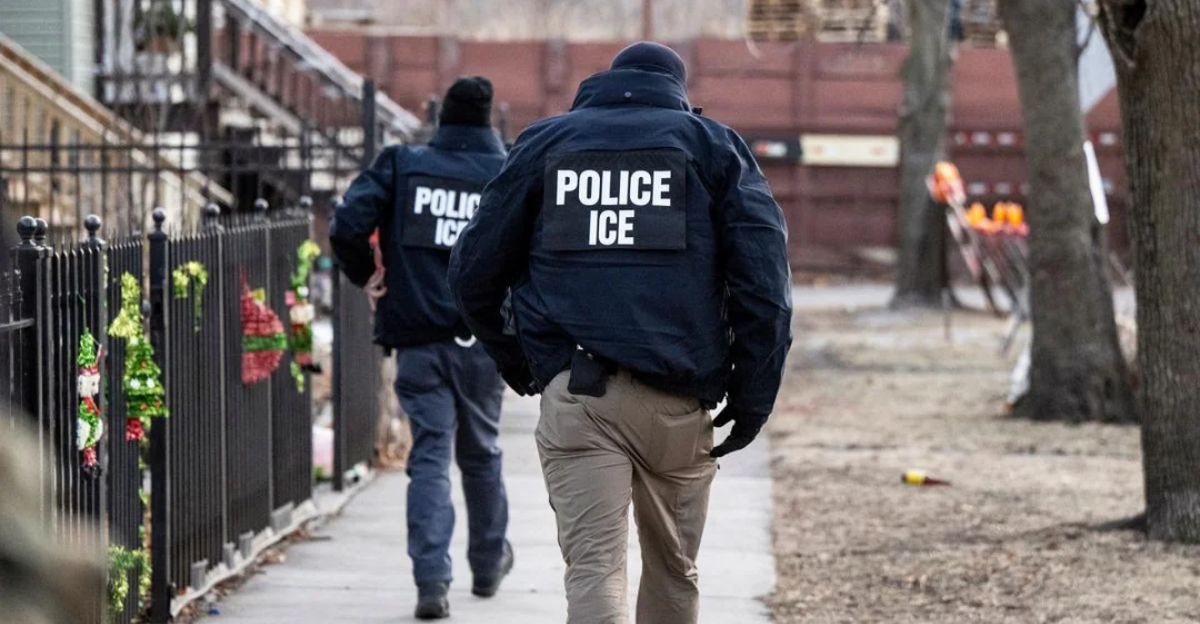
A critical factor in the escalating tensions between Indigenous citizens and ICE is the evident lack of adequate training within federal agencies about tribal citizenship laws. Numerous accounts reveal that many agents are ill-equipped to engage with Native Americans regarding their rights effectively.
Experts advocate for comprehensive training programs addressing the complex legal landscape of tribal sovereignty. Addressing these training deficiencies is essential for diminishing the likelihood of further incidents that endanger Indigenous peoples’ rights and safety, putting pressure on the federal government to take appropriate actions.
Enhanced IDs: A Partial Band-Aid
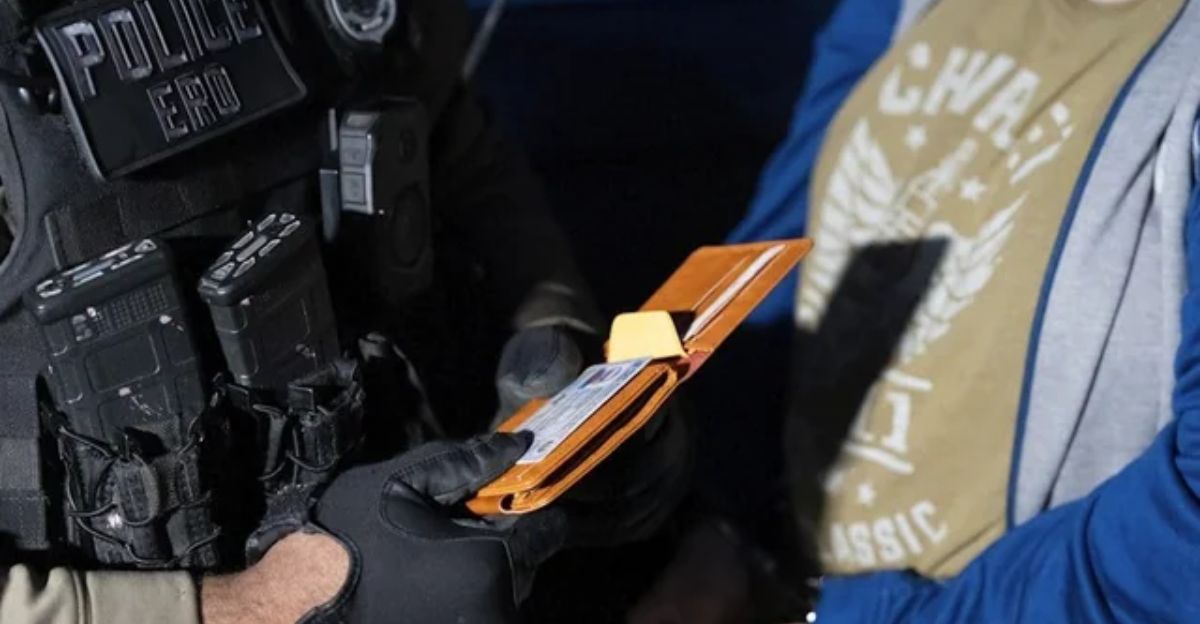
Several tribes are considering the adoption of enhanced identification cards that would comply with federal standards. These enhanced IDs could alleviate some of the confusion experienced by ICE agents during street-level stops.
However, this approach has its limitations; while it may provide a temporary solution, it does not rectify the systemic issues of recognition and acceptance of Indigenous citizenship. Many enrolled tribal members still rely on basic identification, and an ongoing effort is needed to ensure equal protection under the law for all Native Americans.
Expert Skepticism: Will Policy Change?
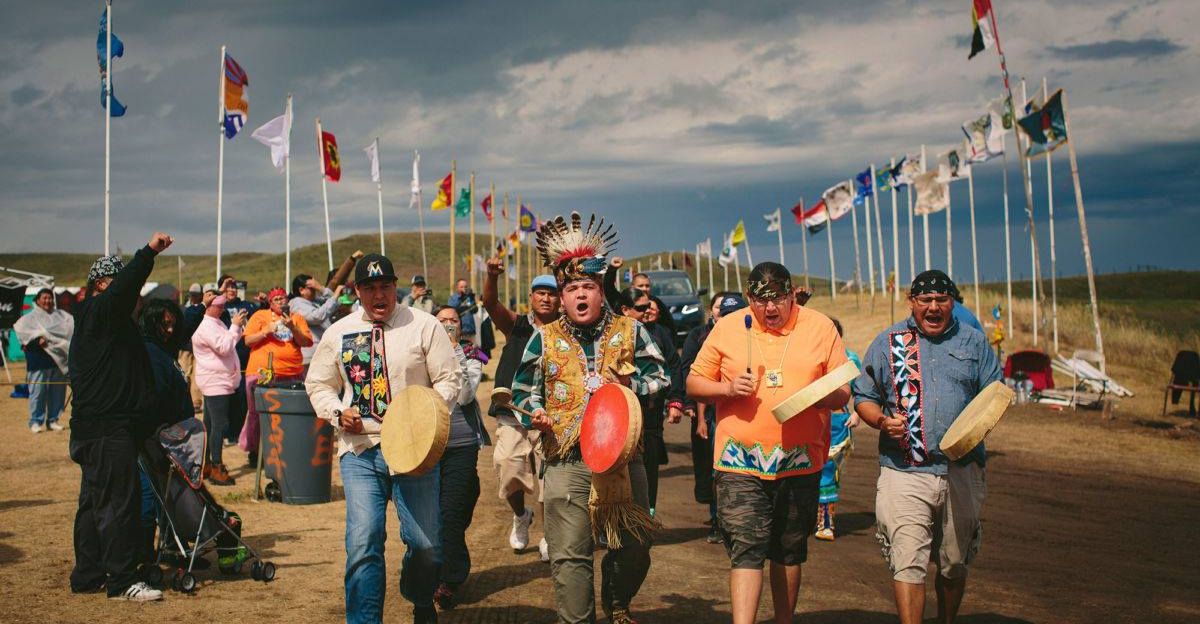
Despite urgent calls for policy reforms and recognition of tribal rights, skepticism among experts prevails. Previous attempts to address racial profiling and the misuse of immigration laws towards Native Americans have often fallen short.
Advocacy groups express concern that, without substantive changes at the federal level, these patterns of detainment and questioning will persist, fostering a climate of fear among tribal citizens. The quest for ensuring the implementation of protections embedded in the Indian Citizenship Act appears fraught with challenges, demanding sustained advocacy and vigilant oversight.
The Unanswered Question
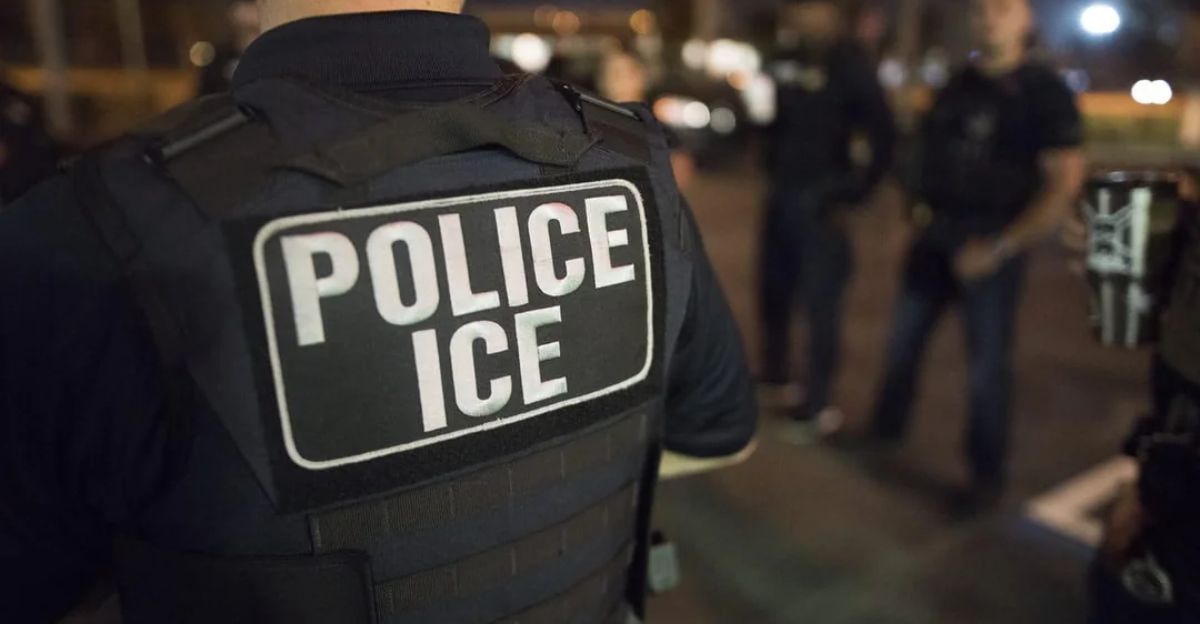
The ongoing pattern of ICE encounters with Native Americans raises critical questions about the future of Indigenous rights in the U.S. The legal framework affirms their citizenship, yet the experiences of community members tell a different story.
As tribal populations continue to partner with advocacy organizations to illuminate these injustices, the need for national dialogue and systemic reform has become increasingly urgent. In light of these pressing issues, how will the government adapt to respect and protect the rights of thousands of tribal citizens? The stakes have never been higher.