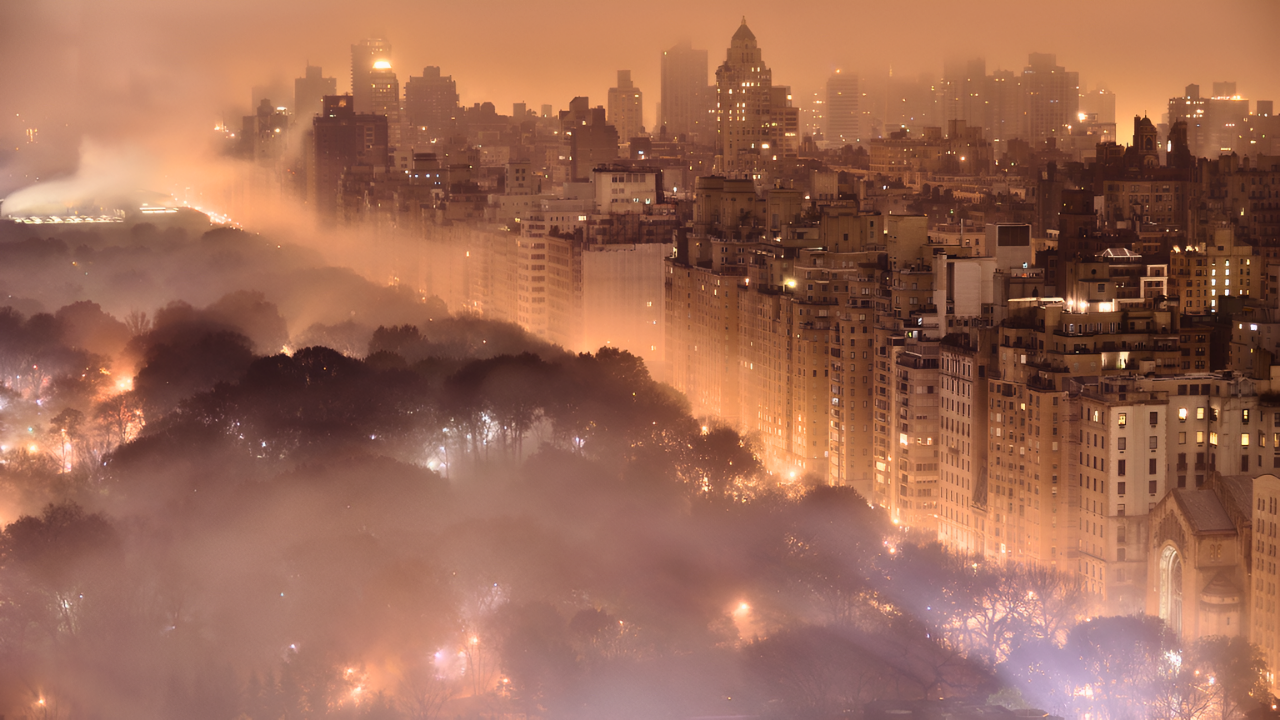
A thick shroud of fog gripped California’s Central Valley for over three weeks starting November 22, 2024, stretching more than 400 miles from Redding to Bakersfield and slashing visibility to a quarter-mile in spots. Highways crawled at dangerous speeds, schools delayed openings, and farmers eyed their fields warily as NASA satellite images captured one of the longest such episodes on record.
The Scale Unfolds
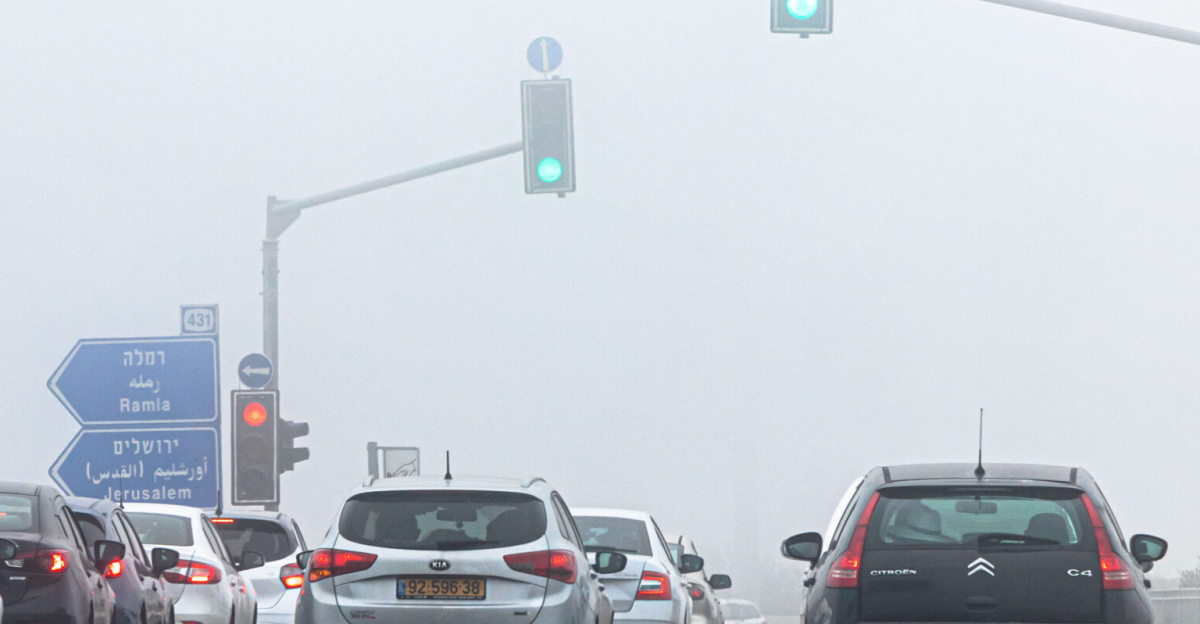
This extreme tule fog blanketed over 20 counties, prompting near-daily dense fog advisories from the National Weather Service through mid-December. By December 2, a seamless fog deck spanned the entire valley, visible from space. Drivers on Interstate 5 and Highway 99 faced perils with sightlines under 100 meters, fueling accident spikes and California Highway Patrol warnings for early-morning caution. In Merced, Mayor Matthew Serratto described it plainly: “We’re all used to the fog; tule fog is a big part of winter in the Central Valley. But this has just been a thick layer that hasn’t lifted. It’s been extraordinary.”
What is Tule Fog?
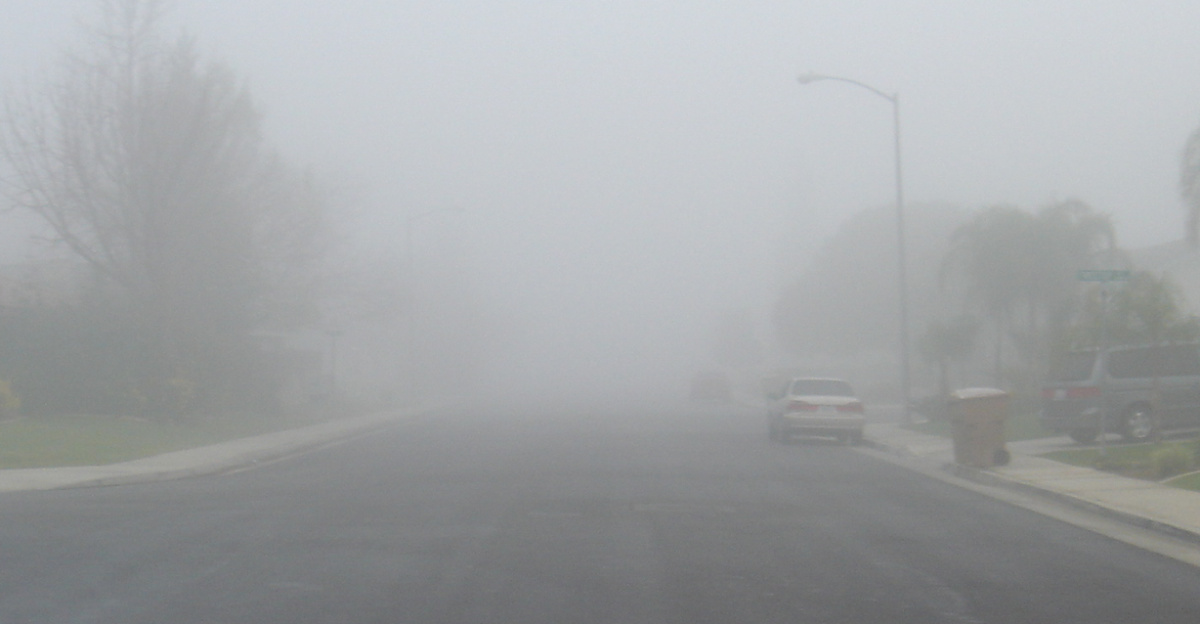
Named for the tule marshes and elk of California’s wetlands, tule fog is radiation fog born from cool nights, moist soil, and high humidity. Water vapor condenses into low-lying clouds that hug the ground and resist dispersal without atmospheric mixing. Record autumn rains in the top 10 percent historically, combined with a persistent high-pressure system from late November, primed the valley’s flat terrain for this buildup.
Immediate Impacts
The fog trapped pollutants, sparking respiratory woes like coughing and aggravated asthma, especially among children, seniors, and those with lung issues. Health officials urged precautions for vulnerable groups. Temperatures plunged 10 degrees Fahrenheit below December norms by blocking sunlight, raising fears of a record-cool month. Schools in numerous districts delayed or closed, shifting to virtual options amid safety concerns. Businesses suffered as delayed trucks disrupted logistics and fog deterred visitors to agriculture-dependent economies.
The Agricultural Paradox
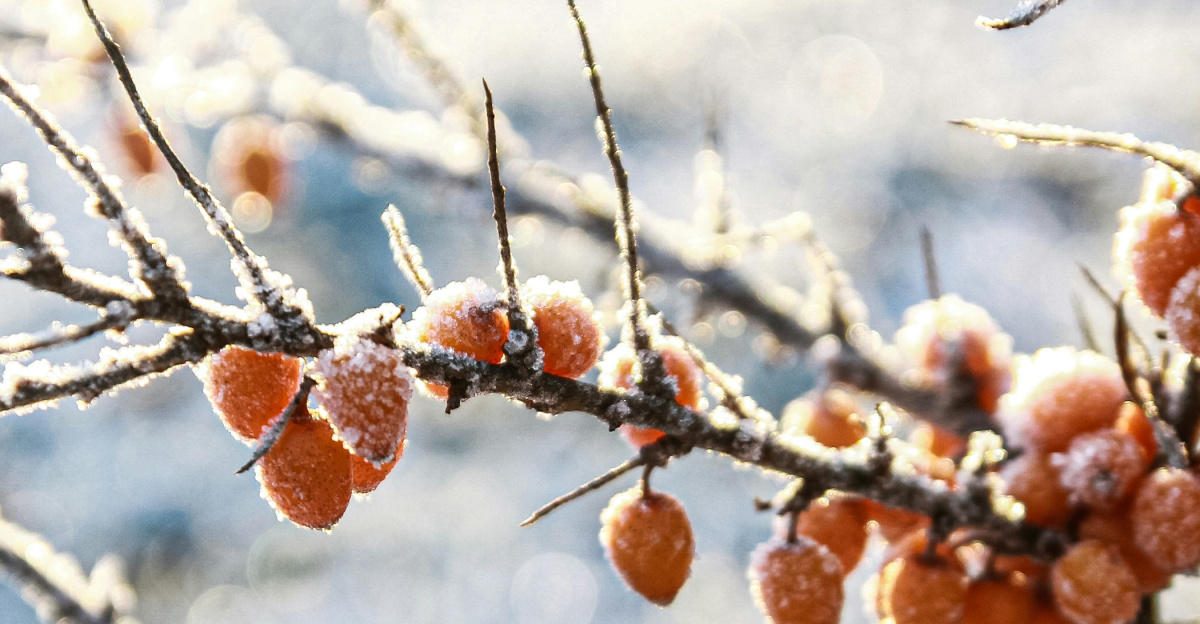
Farmers confronted a double-edged weather pattern. The gloom hindered travel and health but delivered vital winter chill hours for fruit and nut crops, worth billions. These orchards need dormancy protected from excess sun, which can spur early budding and frost damage. The fog’s veil thus safeguarded yields in an ironic boon amid broader disruptions.
Looking Ahead
As models forecast more stagnation into December, communities rallied with forums, safety drives, and business partnerships. Scientists probe long-term shifts, noting climate change could disrupt tule fog patterns and chill requirements. Enhanced forecasting via satellites, drones, and models promises better preparation, while adaptation plans target resilient farming, infrastructure, and awareness. This episode underscores the valley’s vulnerability to weather extremes, urging unified strategies to balance health, economy, and agriculture in an uncertain climate.
Sources
NASA Earth Observatory – An Unrelenting Tule Fog
National Weather Service Hanford – December 2024 Monthly Summary
LA Times – Stubborn Clouds Over Central California May Bring Record Cool December
Weather.com – California Tule Fog Layer Persists for Three Weeks
The-Express – California’s 400-Mile Radiation Fog Creates Danger for Drivers
California Department of Water Resources – Water Supply and Aquifer Status Reports