
A Los Angeles courtroom on December 13, 2025, erupted in tension as the jury delivered a landmark verdict: Johnson & Johnson was ordered to pay $40 million to two women who claimed their ovarian cancer was caused by the company’s talcum powder. This decision marks a dramatic turn in a years-long legal saga, where J&J had previously triumphed in 16 of 17 similar cases. What shifted this time, leaving the company on the defensive? What made this courtroom battle so significant, and how might it reshape the future of talc litigation?
The court’s decision would send shockwaves through both the legal and consumer worlds—setting the stage for a deeper exploration of J&J’s actions and the lasting impact on those affected by its talc products.
A Pivotal Moment in a Long Legal Battle
Monica Kent received $18 million, while Deborah Schultz and her husband were awarded $22 million. This rare victory for plaintiffs is significant, especially considering that J&J had won 16 out of 17 previous ovarian cancer cases.
The ruling may set a new precedent for future cases and further damage the company’s public image.
A Trust Shattered by Cancer Risks
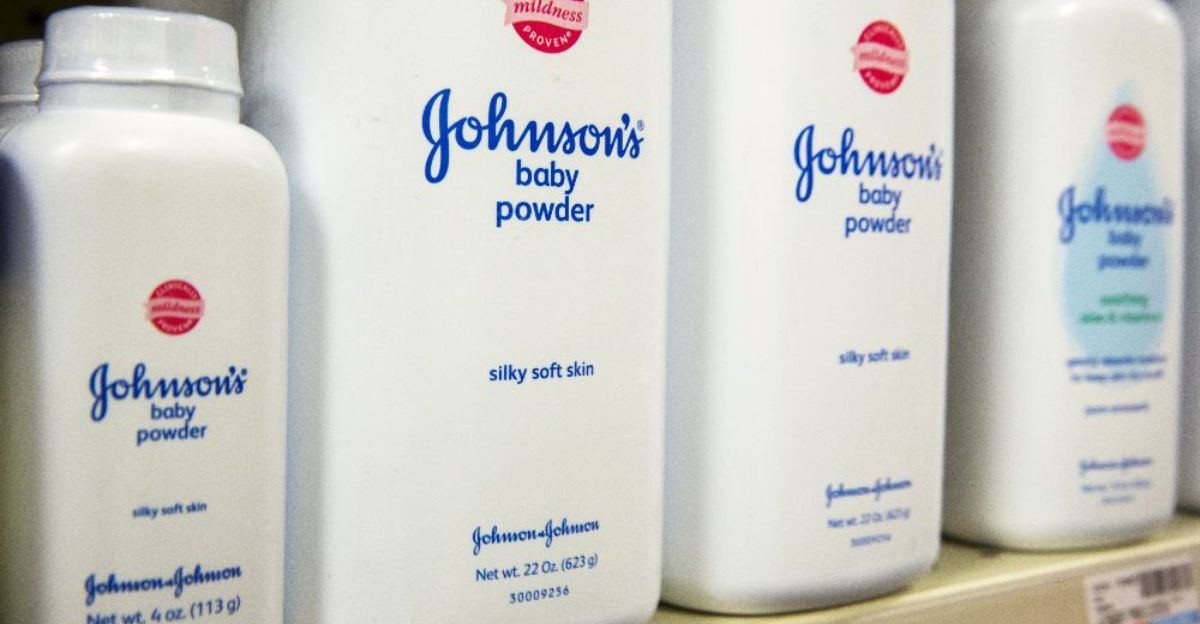
For decades, Johnson’s Baby Powder was considered a household staple, trusted for its purity and gentleness.
However, Kent and Schultz, among others, argue that prolonged use of talc-based powders contributed to the development of ovarian cancer, revealing a dark side to a beloved product that millions used for over 50 years.
Johnson & Johnson’s Changing Strategy
Facing mounting pressure, J&J discontinued its talc-based baby powder in North America by 2020 and globally in 2023, opting for cornstarch-based alternatives.
Despite these changes, the company continues to deny any cancer connection, pushing back against ongoing legal challenges while still under scrutiny for its handling of past consumer safety issues.
Competitors Capitalize on the Shift

As J&J transitions away from talc, cornstarch-based products have flooded the market. Other companies have capitalized on the public’s growing concern over talc, offering talc-free options as safer alternatives.
The shift has not only impacted J&J but also reshaped the baby and body powder industry.
Global Impact of Talc Lawsuits
The impact of the Los Angeles verdict extends beyond the U.S. Johnson & Johnson faces over 3,000 lawsuits in the United Kingdom, with claimants alleging that talc products caused cancer and mesothelioma.
The ongoing global litigation highlights the widespread legal and financial consequences the company is grappling with.
A Legacy of Customer Loyalty and Betrayal
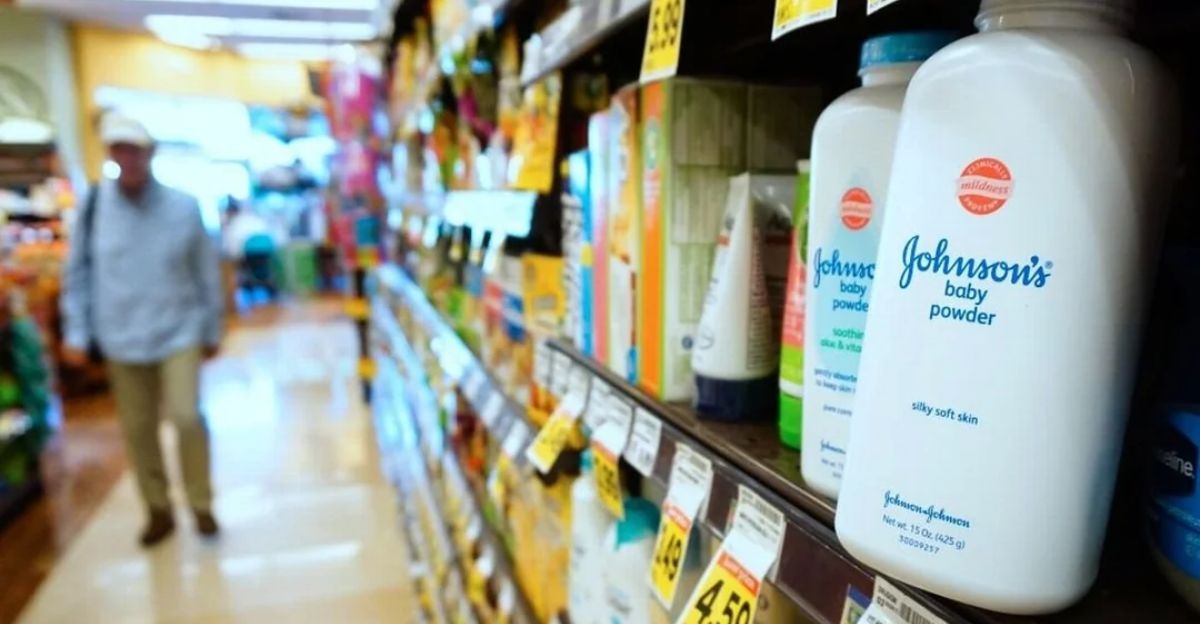
Kent and Schultz used J&J’s talcum powder for about 50 years, showing a long-standing consumer loyalty that they now argue was betrayed.
Their cases, along with similar lawsuits, reflect the pain of many consumers who trusted the brand, only to later face devastating health consequences.
Bankruptcy Efforts Face Judicial Resistance
J&J’s previous attempt to manage talc litigation through a $9 billion bankruptcy settlement was blocked by a Texas judge in April 2025.
The ruling signaled judicial resistance against using bankruptcy filings to manage mass torts and signaled that J&J would have to confront each lawsuit individually, prolonging the legal struggle.
Financial Fallout: Reversing Reserves
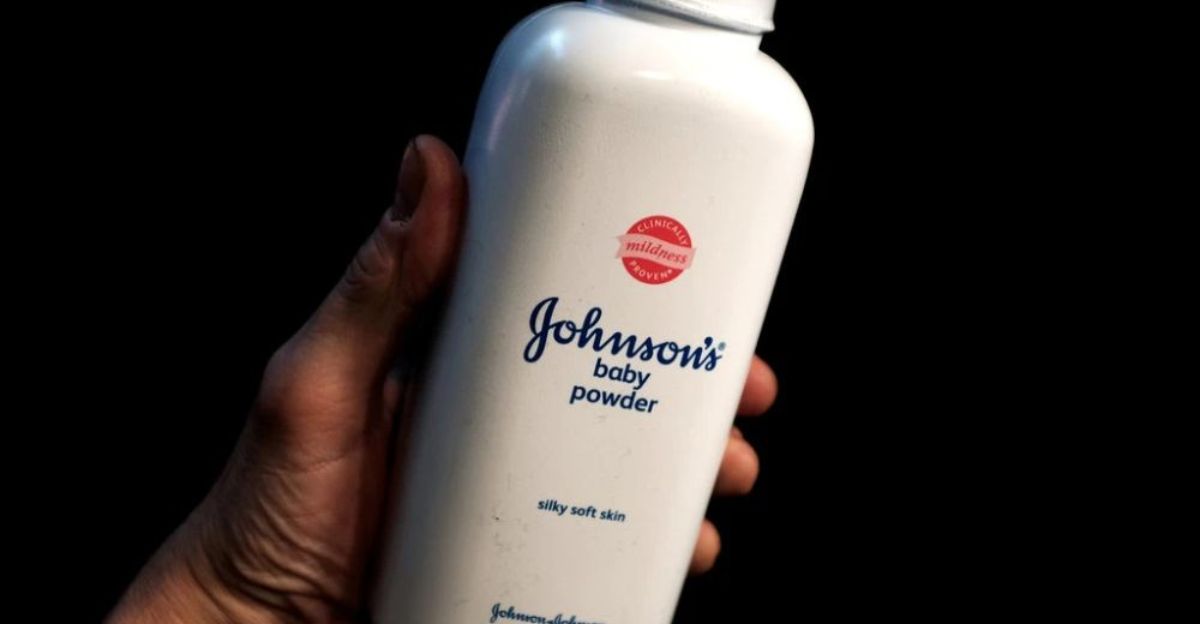
In the aftermath of the bankruptcy setback, J&J reversed $7 billion in talc-related reserves.
Despite this, the company still faces significant liabilities and the financial strain of continuing litigation, with analysts predicting that J&J’s exposure could reach tens of billions of dollars.
Retailers Take Action Early

Retailers responded to J&J’s talc discontinuation by shifting their stock toward cornstarch-based powders.
As the lawsuit threat grew, these stores pivoted to talc-free alternatives, ensuring that they wouldn’t face potential liabilities as the public and legal scrutiny over talc products intensified.
Hotels, Spas, and Talc-Free Shifts

As legal battles intensified, many hotels, gyms, and spas began eliminating talc products from their amenities.
The fear of liability led to a global shift away from talc-based powders, further reinforcing the move toward safer, talc-free personal care products in both consumer markets and hospitality industries.
The Mining and Testing Impact
Talc is a mined mineral used in various products, including cosmetics and industrial goods. Allegations that talc-based powders contained asbestos have caused suppliers to increase testing and improve quality control.
J&J’s internal records reveal testing for impurities dating back to the 1950s, with some results indicating asbestos contamination.
Millions of Users Worldwide Reassess Risks
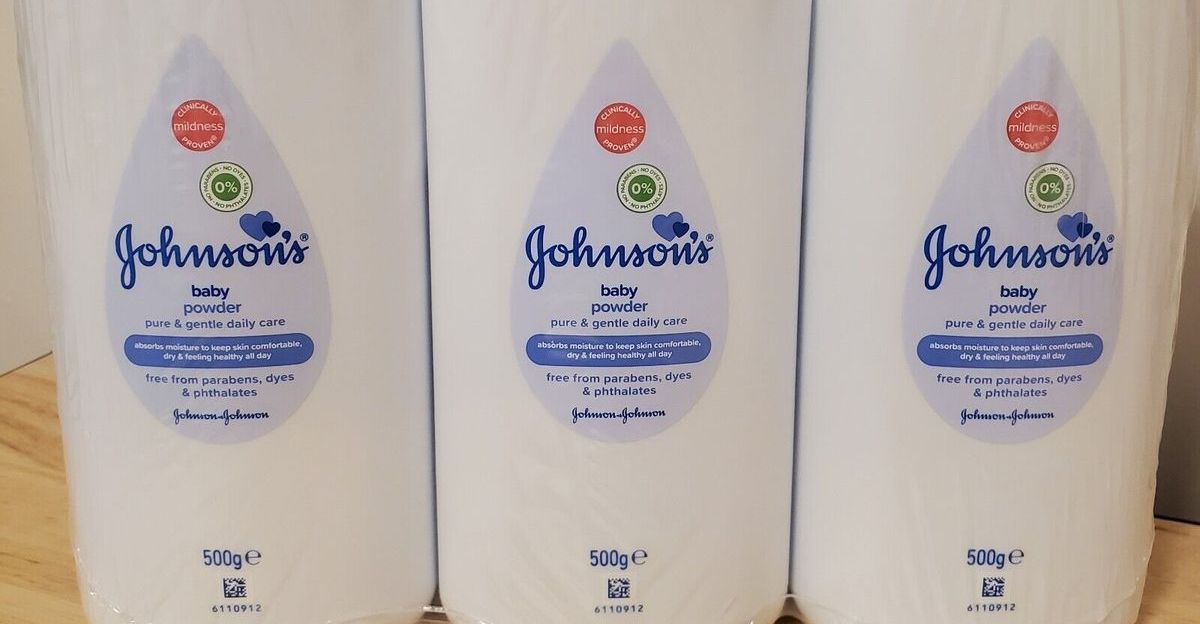
As of 2023, J&J had about 38,000 active lawsuits related to talc use, a number that swelled to over 59,000 by mid-2025.
As lawsuits continue to pile up, millions of former talc powder users worldwide are reconsidering the health risks associated with products they once trusted.
Health Guidelines and Changing Routines

Medical professionals are advising individuals who have used talc-based powders to seek cancer screenings and reassess their hygiene routines.
For those still using talc, the shift toward cornstarch and other alternatives is becoming increasingly common, as public awareness of potential risks grows.
The Debate Over Corporate Responsibility

Internal J&J documents suggest the company knew about possible talc contamination risks for decades, yet continued to market the product as safe.
The current legal battle centers on whether J&J acted responsibly by informing consumers of these risks or whether it deliberately withheld critical information.
The Ripple Effect on Competitors
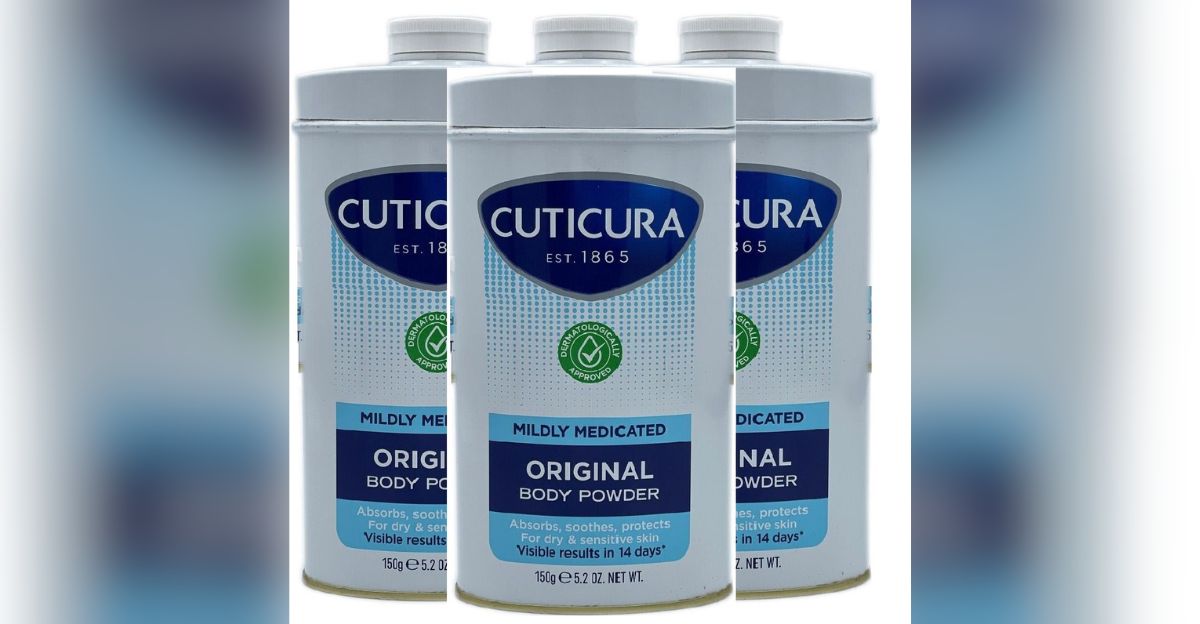
While J&J faces mounting legal costs, other brands have capitalized on the shifting market by offering talc-free products.
As J&J continues to absorb large verdicts like the $40 million Los Angeles award, competitors are gaining ground in an industry that once heavily relied on talc-based products.
Investors Watch Closely
Johnson & Johnson’s share price is under the microscope, as each new verdict adds to the company’s litigation costs.
With bankruptcy attempts blocked, investors are watching closely to see if J&J can weather this storm or if ongoing legal battles will erode its financial stability in the years ahead.
What Consumers Can Do

For those concerned about potential risks from long-term talc use, experts suggest discussing concerns with a physician and scheduling cancer screenings. Consumers are also encouraged to switch to clearly labeled, talc-free products to minimize future exposure and protect their health.
The Ongoing Legal Fight

With bankruptcy off the table, Johnson & Johnson faces a continued battle in courtrooms across the United States and beyond.
As the company prepares for more trials, the fate of future litigation and potential settlements hangs in the balance, and the financial impact continues to grow.
A Broader Reckoning Looms
The Los Angeles jury’s $40 million decision is just the latest chapter in a broader reassessment of talc-based products.
This legal saga, spanning decades, raises critical questions about corporate responsibility, consumer safety, and the lasting impact of everyday products on public health.
Sources:
“Jury says Johnson & Johnson owes $40 million to 2 cancer patients who used talcum powders.” ABC News, 13 Dec 2025.
“Thousands in UK sue Johnson & Johnson over talcum powder cancer claims.” BBC News, 15 Oct 2025.
“J&J shares tumble as judge rejects $10 billion talc settlement.” Reuters, 01 Apr 2025.