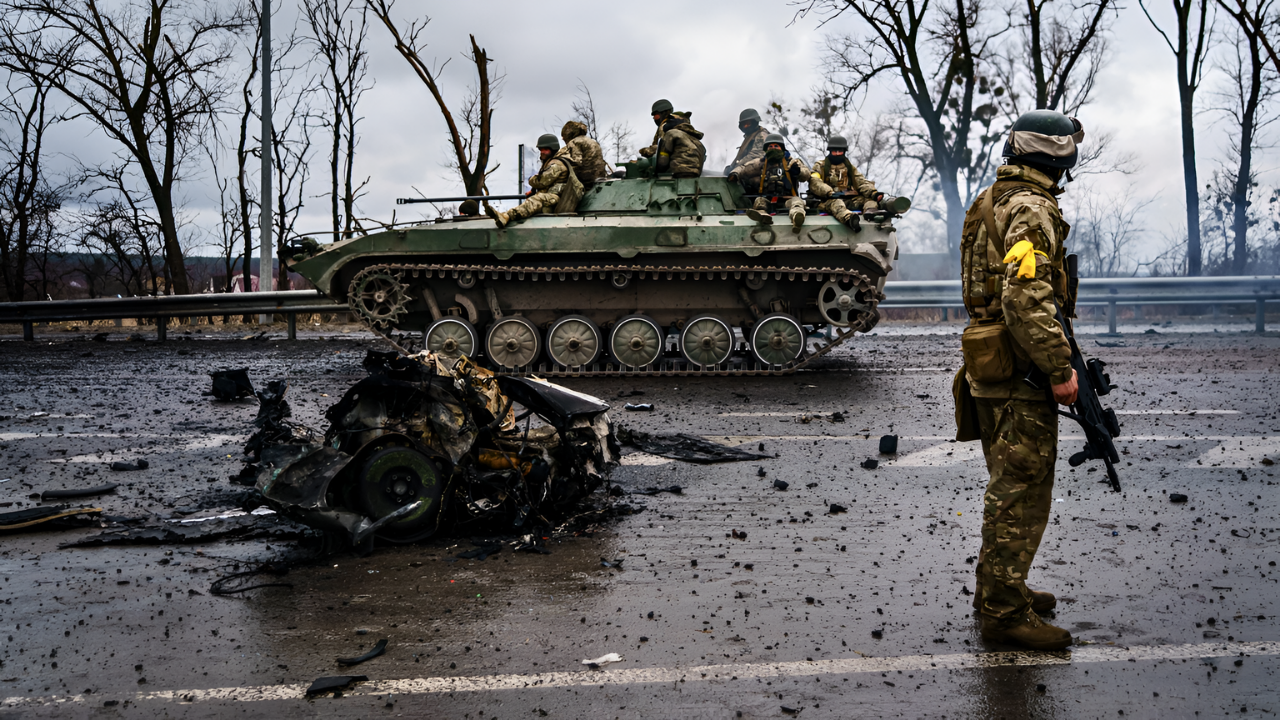
In a devastating single week, 446 Russian troops—predominantly elite paratroopers—fell near Pokrovsk, representing a jarring 30% spike in losses compared to the previous period.
This surge signals something far more consequential than routine attrition: Russia has fully deployed its operational reserve, throwing three complete regiments of the vaunted 76th Air Assault Division into a grinding, losing battle against a smaller but tactically superior Ukrainian defense. The numbers tell a stark story of desperation.
Why Pokrovsk Matters Strategically
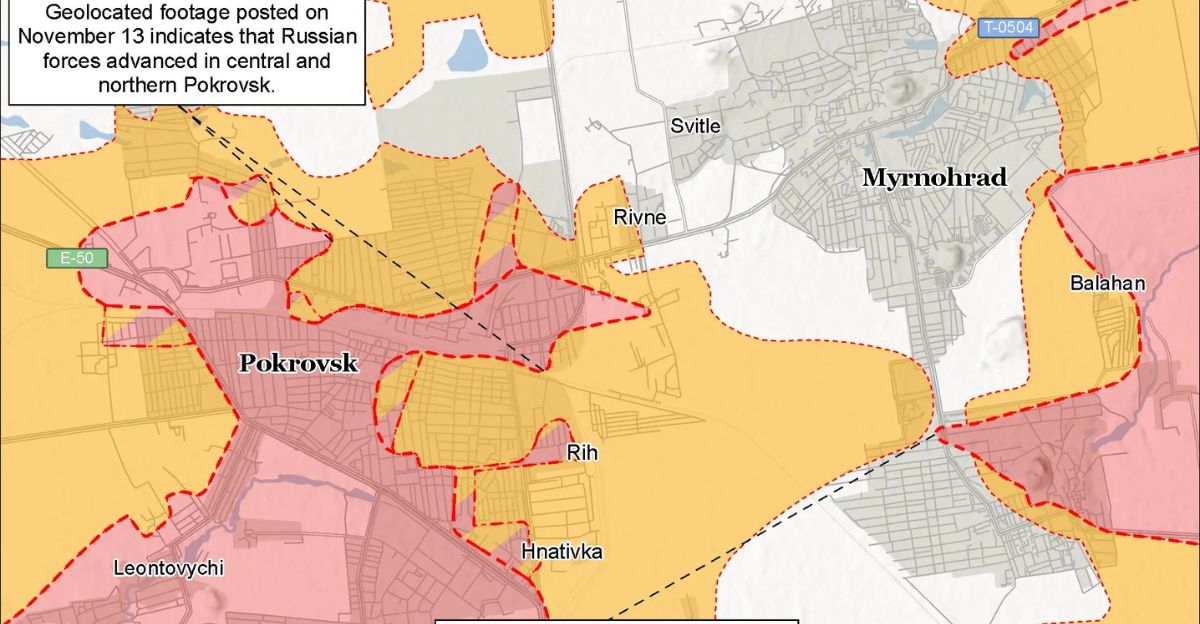
Pokrovsk, situated approximately 85 kilometers from the Russian-controlled front, serves as the critical logistics hub for eastern Ukraine. Capture it, and Russia severs the primary supply artery feeding Ukrainian defenders across Donetsk Oblast.
According to NATO assessments, Russian forces had already gained control of over 95% of the city by December, with Ukrainian defenders clinging to scattered pockets. Losing Pokrovsk would collapse Ukraine’s hold on the entire region.
Russia’s Elite Reserve Enters the Meat Grinder
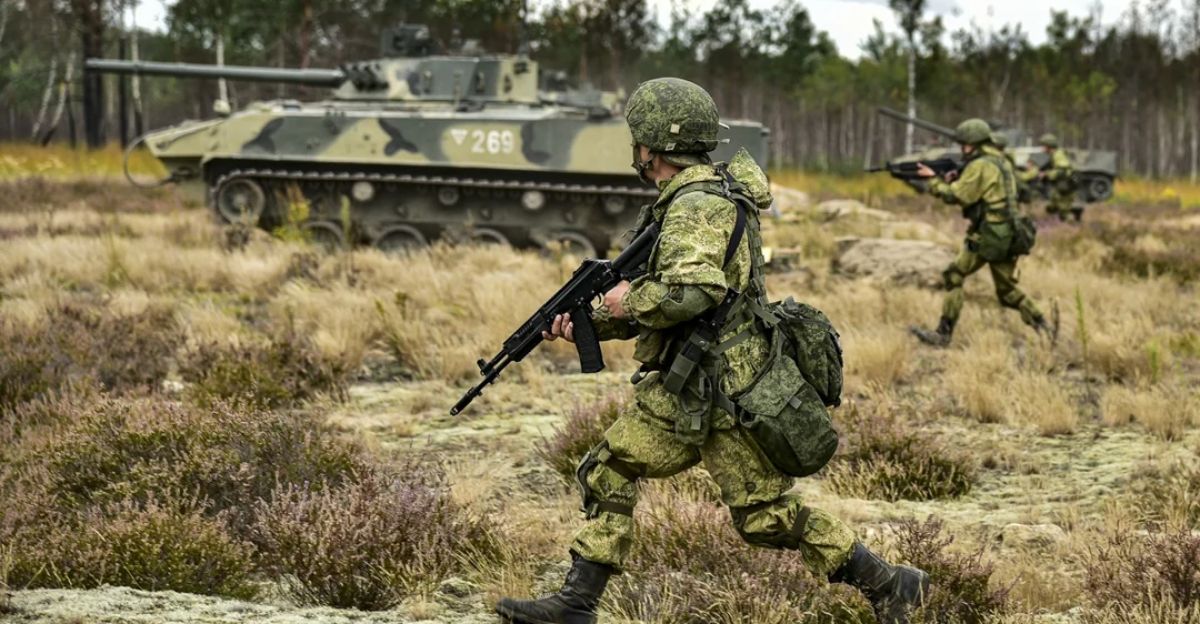
The 76th Guards Air Assault Division—Russia’s most storied paratrooper unit—had spent months in reserve in occupied Zaporizhzhia Oblast, held back for a potential strike on Zaporizhzhia city. Instead, field commanders pulled it forward to break an unbearable stalemate around Pokrovsk-Myrnohrad in December.
The decision to commit this reserve was not born of confidence. It was born of desperation and political pressure from the Kremlin.
A Single Day’s Carnage: December 11
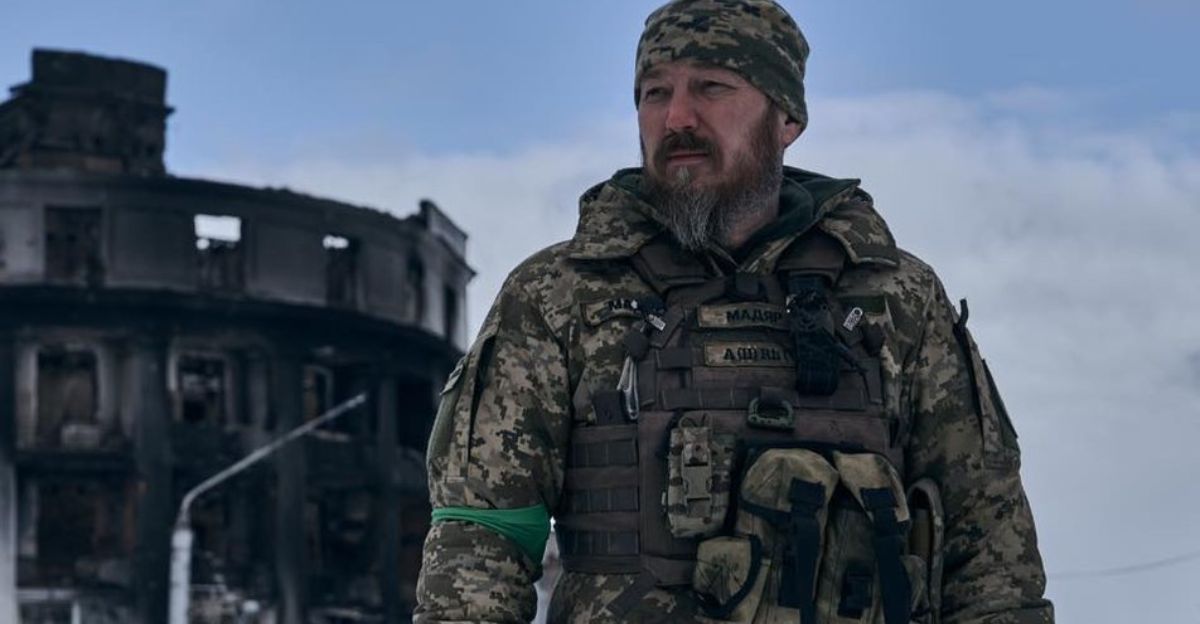
Commander Robert Brovdi of Ukraine’s Unmanned Systems Forces provided a tactical glimpse into the carnage. On December 11 alone, the general staff tallied 1,400 Russians killed and wounded across the entire Pokrovsk axis.
Brovdi’s drone pilots were responsible for the lion’s share of those casualties. He stated: “Their main reserve for Donbas has been thrown in. The entire 76th Division—and that’s exactly who we’re grinding down now.”
The December 10 Motorcycle Assault
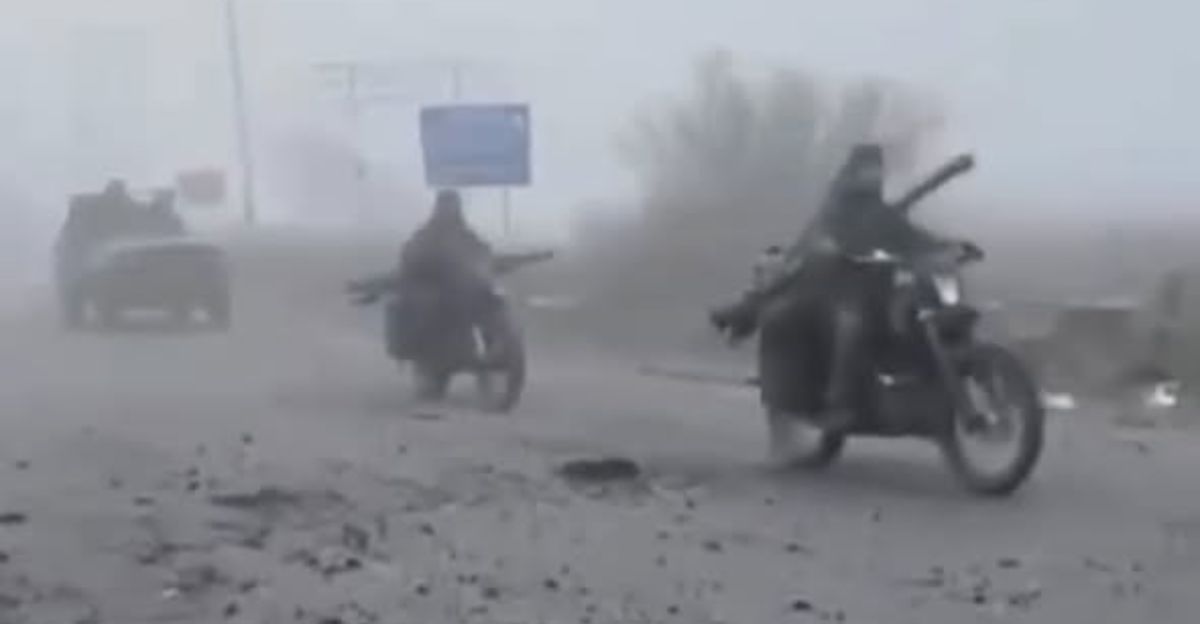
Russian tactical desperation crystallized on December 10 when field commanders attempted an audacious strike: a motorcycle column aimed at the village of Hryshyne northwest of Pokrovsk. The plan was to outflank Ukrainian defenders and sever the city’s westernmost supply route.
Ukrainian reconnaissance drones spotted the column immediately. Ten vehicles were destroyed outright, and 40 Russian soldiers were killed in initial strikes, with surviving troops cut down while attempting to advance on foot.
FPV Drones—Ukraine’s Invisible Executioners
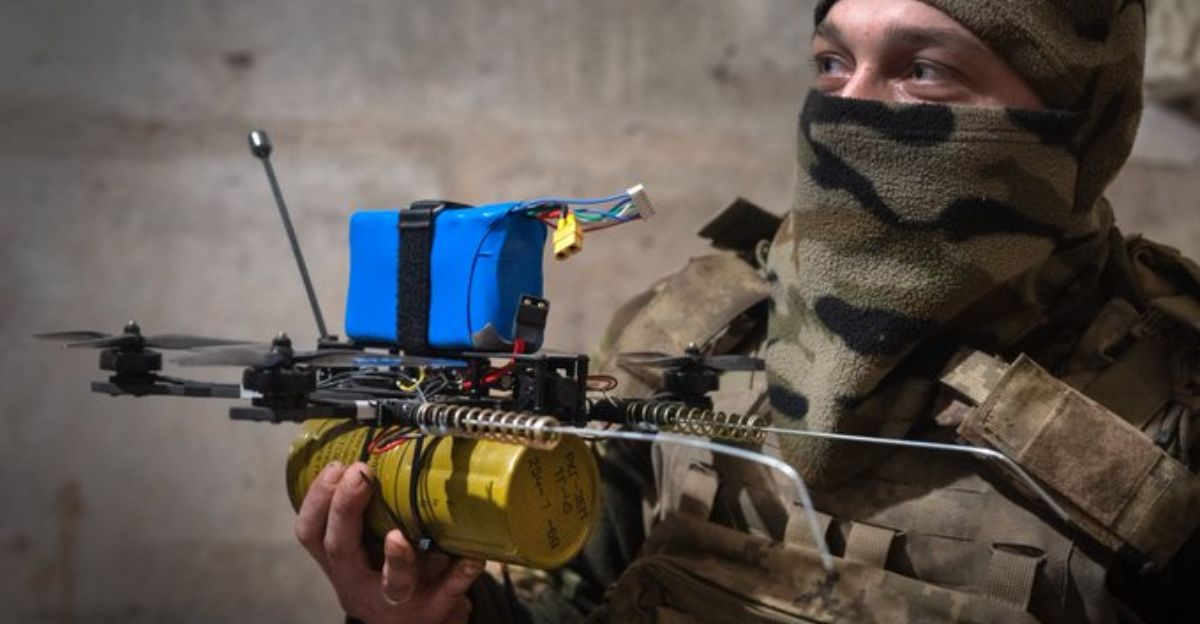
Ukraine’s unmanned systems forces, armed with commercially modified first-person-view drones and artillery support, have achieved near-total denial capability against Russian operations in the Pokrovsk sector.
According to Ukraine’s 7th Air Assault Corps, nearly 100% of Russian aerial targets attempting to approach ground logistics routes are being destroyed.
Urban Warfare’s New Rules
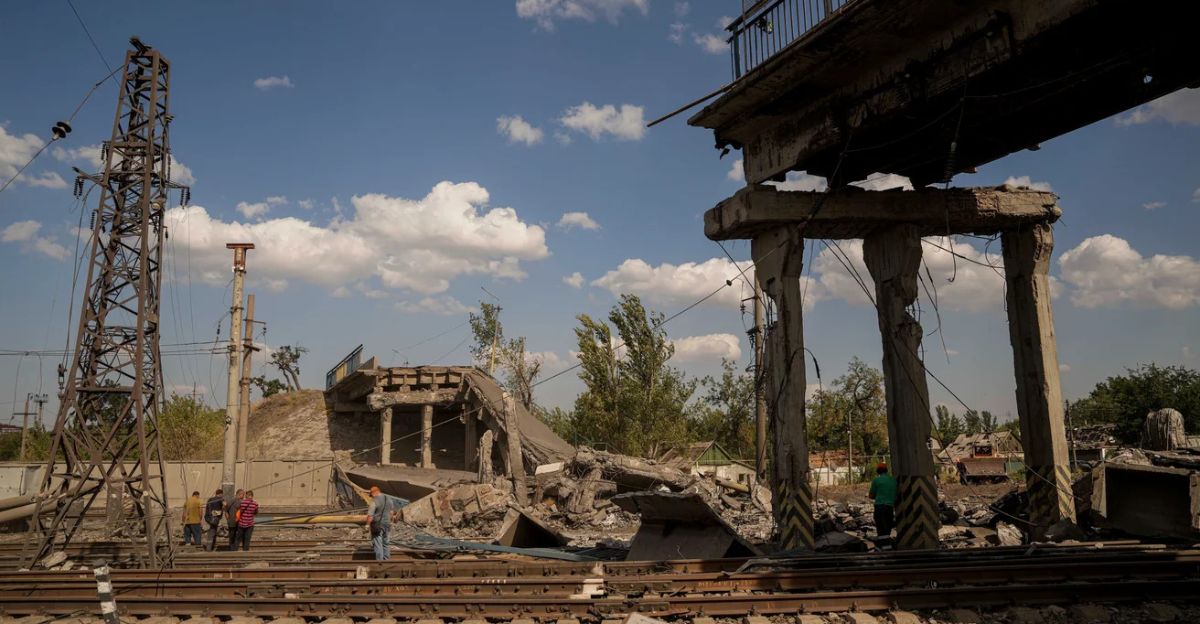
The battle for Pokrovsk has revealed a brutal truth: overwhelming numerical superiority means nothing if you cannot move, communicate, or operate without being targeted by unmanned systems. Russian forces have resorted to deploying soldiers in small, disguised assault groups—sometimes posing as civilians to penetrate Ukrainian positions.
Yet even these tactics have proven futile, as each group requires movement, logistics, or air support, moments when they become visible to Ukrainian drone operators and artillery spotters.
Ukraine’s Defensive Superiority
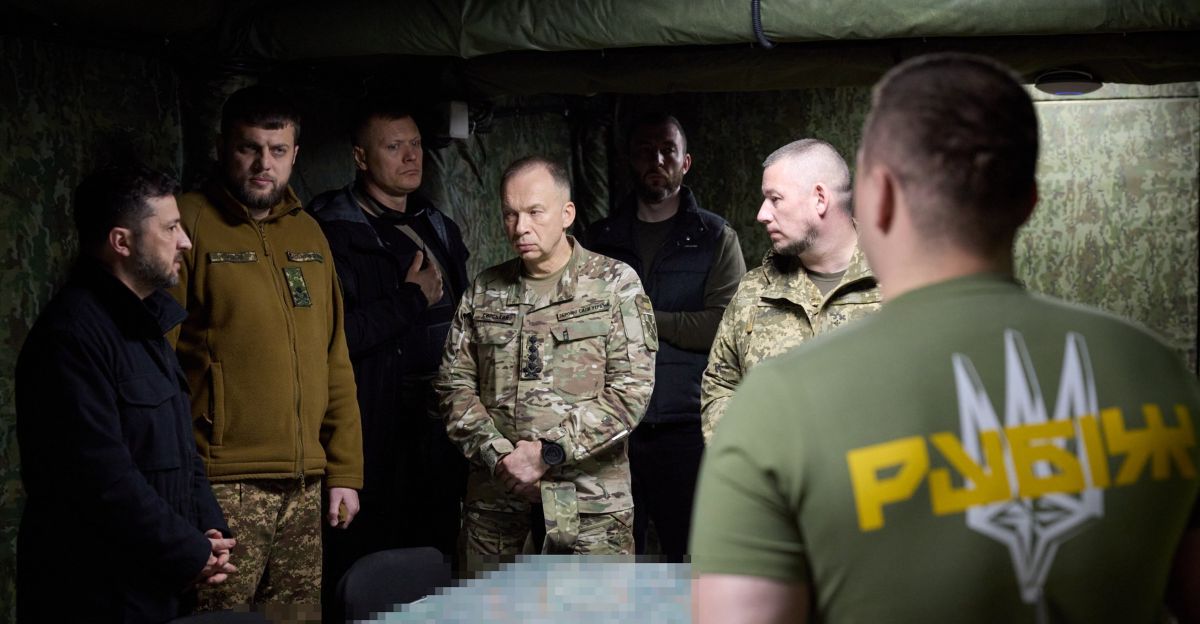
Ukraine’s defensive success around Pokrovsk rests on several interlocking capabilities. The 7th Air Assault Corps, reinforced with special forces and units trained for urban combat and counter-drone defense, has proven able to adapt faster than Russian commanders can adjust.
Artillery positioned to strike approaching Russian columns remains devastatingly effective. But the real difference is coordinated drone capability—combining FPV strikes, electronic warfare, and traditional artillery, generating near-100% intercept rates against Russian targets.
NATO’s Assessment—Pause, Not Collapse

NATO strategists, while concerned about overall trends in Pokrovsk, note Ukrainian forces are not encircled or immediately threatened with collapse. Ukrainian troops continue to conduct raids and limited counteroffensive operations, wearing down Russian forces through attrition.
General Oleksandr Syrskyi, commander of Ukraine’s Armed Forces, stated publicly that Pokrovsk and its adjacent town, Myrnohrad, remain “not encircled or blocked,” and Ukraine is preparing new defensive lines should the Russians attempt further advances.
The Math of Unsustainable Losses
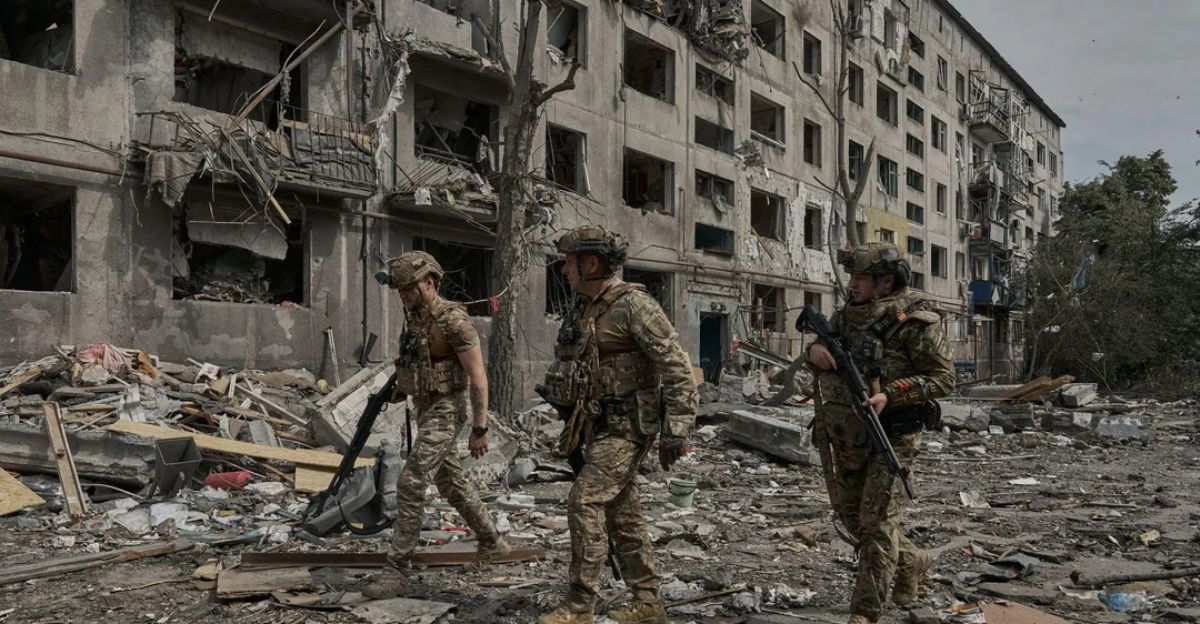
A 30% week-to-week increase in casualty rates translates to approximately 1,800 to 2,300 Russian casualties monthly in the Pokrovsk sector alone. A Russian regiment typically comprises 2,000 to 3,000 personnel.
The three regiments of the 76th Division—totaling roughly 6,000 to 9,000 troops—could be rendered combat-ineffective within weeks at current burn rates.
Elite Unit, Elite Losses—The Psychological Impact
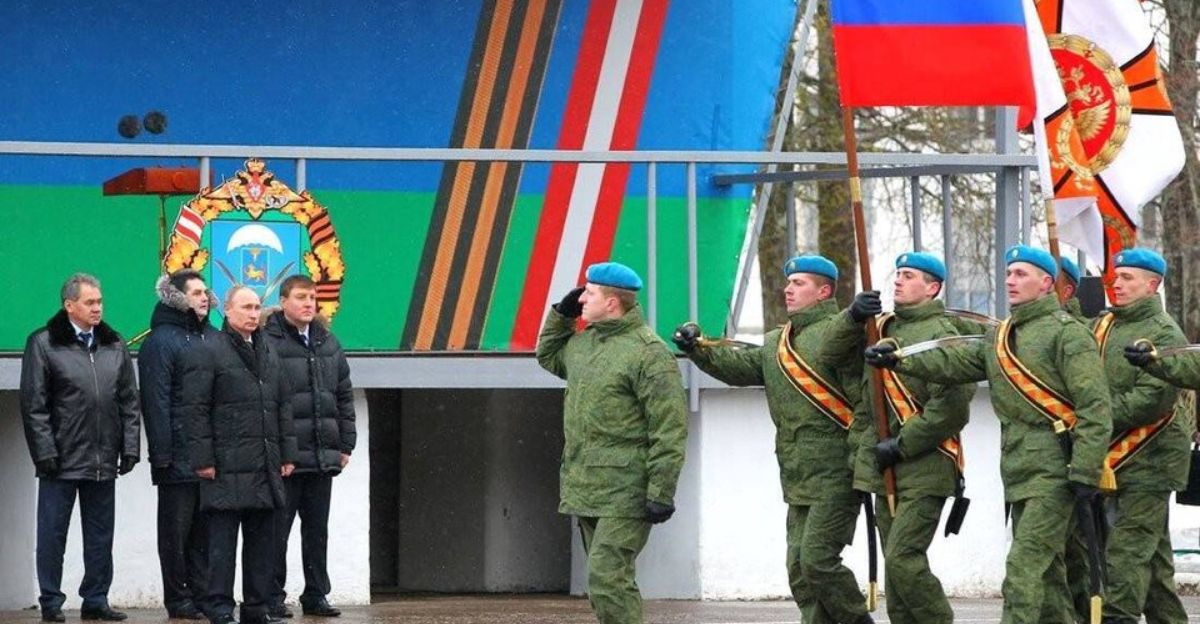
The 76th Air Assault Division carries significant weight in Russian military culture. These are paratroopers descended from Soviet elite formations that fought in Afghanistan and Chechnya. Families in Pskov, the division’s home base in western Russia, have likely noticed the absence of loved ones killed or wounded in Ukraine.
When elite units suffer visible, accelerating losses without achieving objectives, it sends a signal through military hierarchies and civilian society: the current strategy is not working.
Moscow’s Artificial Deadline Drives Desperation
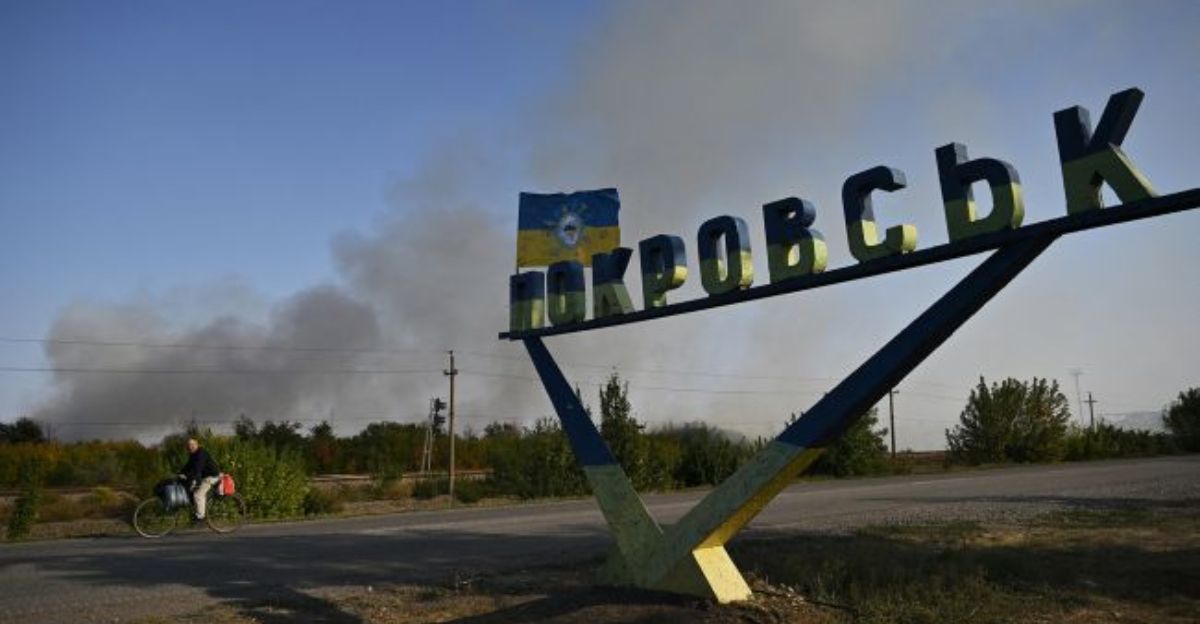
According to Ukrainian media, citing sources familiar with Russian military planning, Moscow’s political leadership imposed a deadline for capturing Pokrovsk by the end of 2025. This artificial timeline drove Russian field commanders to commit the reserve ahead of winter and potential peace negotiations.
The deadline is driving the desperation. The desperation is driving the losses. Political pressure overrode military reality, forcing commitment of irreplaceable reserves under impossible timelines.
Russia’s Deeper Reserve Problem
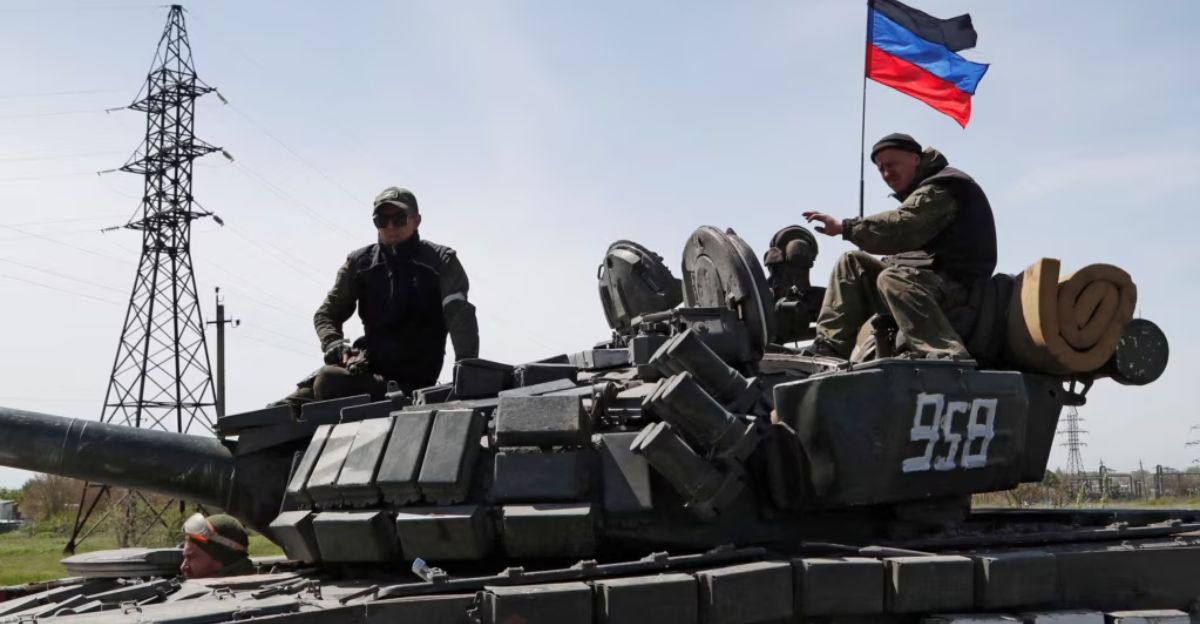
The 76th Division’s rapid dismantling raises a critical question: what other reserves does Russia possess for a sustained offensive campaign in Donbas? According to battlefield assessments, Moscow has struggled to generate new operational reserves since 2024, instead rotating depleted units back for cyclical reinforcement.
If the 76th is fully committed and suffering 30%-higher losses than baseline rates, where do reinforcements come from? And at what strategic cost to Russia’s broader campaign objectives?
What Victory or Defeat Looks Like
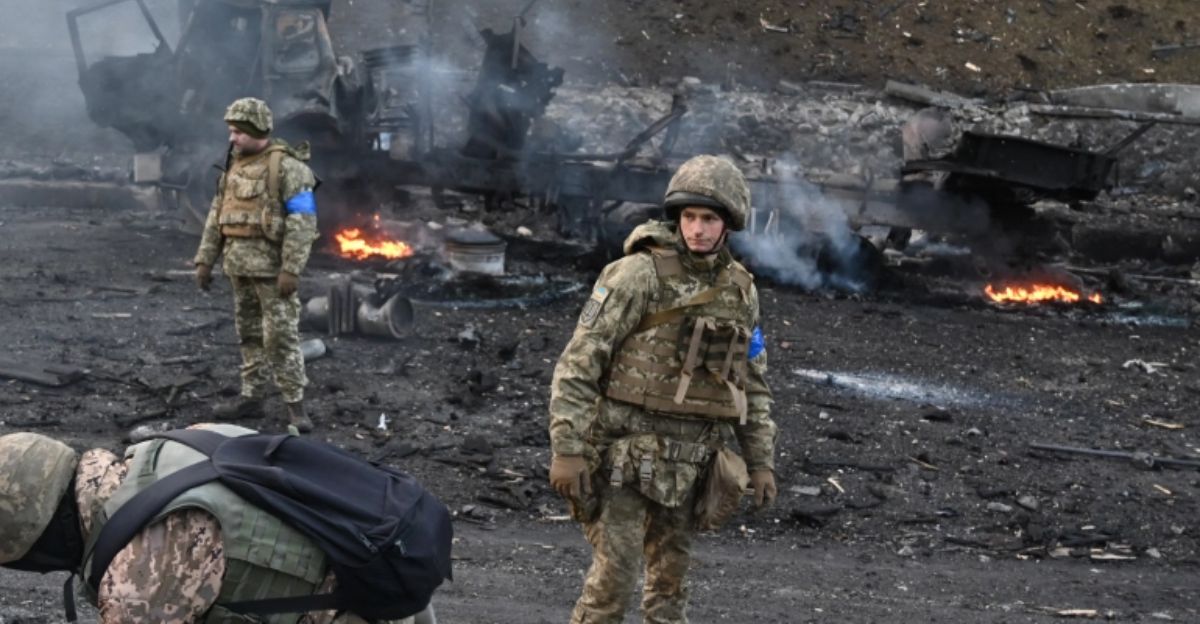
The coming weeks will demonstrate whether the 446-casualty surge represents a tactical anomaly or strategic inflection point. If the 30% increase in Russian losses persists or accelerates, it signals Ukraine’s defensive tactics and drone capabilities are overwhelming Russian assault tactics.
Conversely, if Russian losses flatten or Ukraine yields ground significantly, Russia’s reserve retains capacity to grind down defenders through attrition.
The Broader Strategic Unraveling
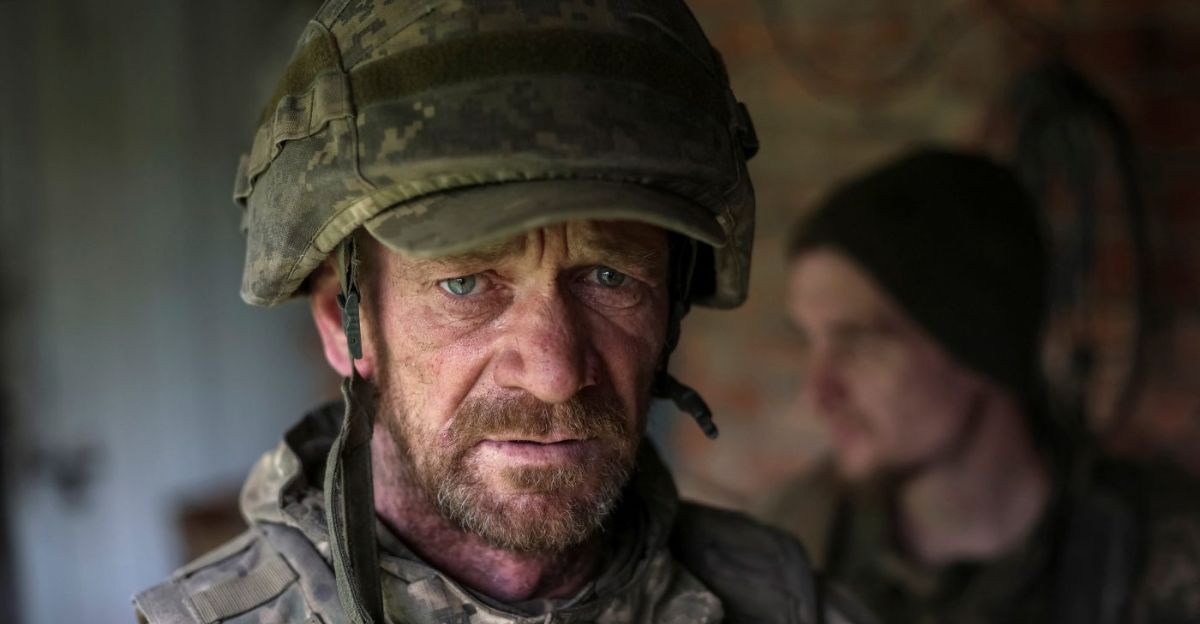
With its operational reserve committed and personnel being burned through at unprecedented rates, Russia faces a strategic choice: continue pouring reinforcements into a failed meat-grinder offensive, or consolidate its defensive positions for years of attrition warfare.
Ukraine can defend Pokrovsk only with continued Western military aid and maintained drone capability superiority. The battle is no longer about breakthrough or encirclement—it is about who sustains higher losses and runs out of reserves first.
Sources:
7th Air Assault Corps Battlefield Assessment (Ukraine) – Pokrovsk Sector Operations, December 2025
UNN – “Enemy is most active on the western outskirts of Pokrovsk with isolated cases of enemy infiltration in Myrnohrad,” December 15, 2025
RBC Ukraine – “Ukrainian troops wipe out Russian column near Pokrovsk,” December 13, 2025
Ukrinform – “Russian attempted quad bike breakthrough thwarted by Ukrainian forces in Donetsk region,” December 13, 2025
LIGA.net – “Russian losses in the Pokrovsk sector increased by 30% after reserves were drawn down,” December 15, 2025
NATO Military Assessment – Pokrovsk Strategic Analysis (cited in battlefield analyses), December 2025