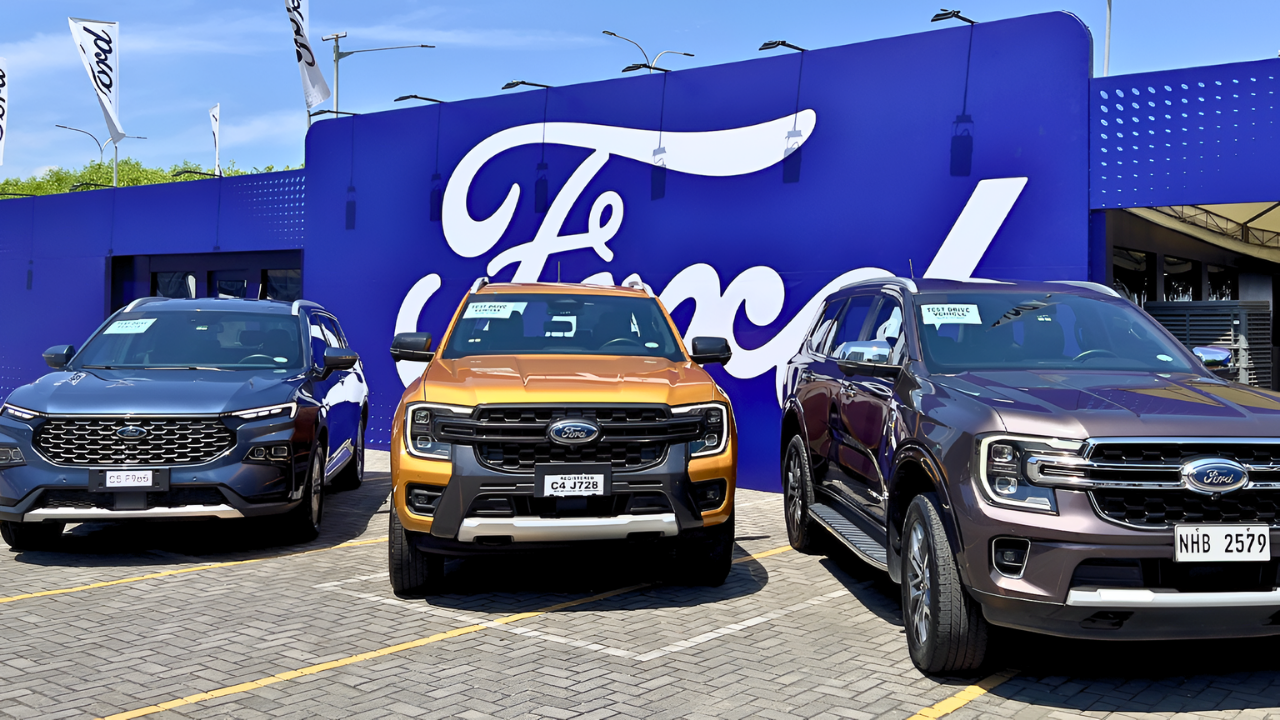
Ford just absorbed a historic $19.5 billion hit, a stunning admission that its electric vehicle strategy missed the mark. On December 15, 2025, CEO Jim Farley declared, “They don’t know about truck customers in the U.S. We do,” signaling a dramatic pivot toward hybrids, extended-range EVs, and affordable gas vehicles. The F-150 Lightning will no longer be a pure EV, and five new models are planned by 2030. Here’s what’s driving this dramatic shift.
Why Ford’s EV Strategy Collapsed
EV demand stalled across America as prices remained high and charging lagged. Model e lost $4.7 billion in 2024 and projected $5.5 billion loss in 2025. Policy rollbacks, including the elimination of the $7,500 federal EV tax credit, led to an accelerated retreat. Consumers preferred $25,000 gas trucks over $50,000+ EVs. The collapse wasn’t sudden but reflects a mismatch with American truck buyers.
The $19.5 Billion Reality Check
Ford’s charge breaks down to $5.5 billion in immediate cash costs and $14 billion in non-cash write-downs, reflecting the collapse of the EV division. Q4 2025 is expected to bear the brunt, despite the anticipated $7 billion profit before interest and taxes. Investors see the lesson: strategic planning and factory investments mean little if customers reject the product. What’s next for Ford?
CEO Jim Farley’s Bold Defense

Jim Farley stated, “They don’t know about truck customers in the U.S. We do,” targeting EV-focused startups and Chinese automakers. He framed Ford’s pivot as a return to authentic truck expertise. Decades of knowledge about towing and daily driving guided this move. Yet, Farley’s words reveal anxiety about competitors learning U.S. preferences. How Ford applies this knowledge is crucial.
What 5 New Vehicles Actually Means
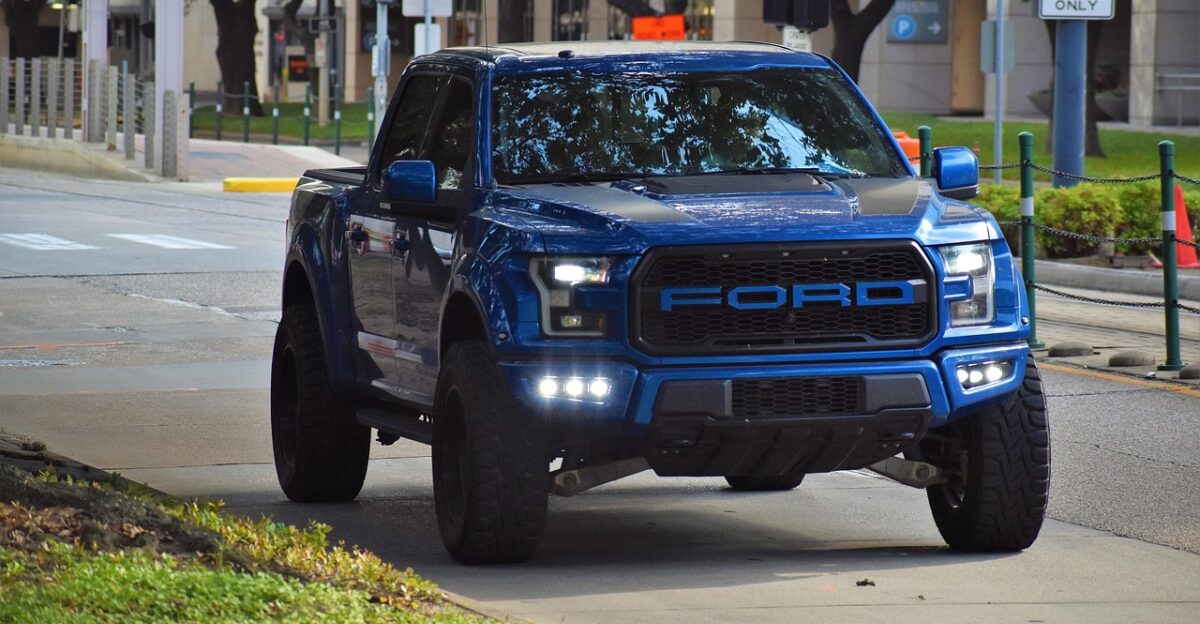
Ford pledged to offer five affordable vehicles by 2030, four of which will be U.S.-assembled. Only three to four are publicly detailed. The fifth remains unannounced, showing strategic flexibility. The $19.5 billion charge was painful but allows Ford to pivot if market conditions shift.
#1 The $30,000 Midsize Electric Pickup
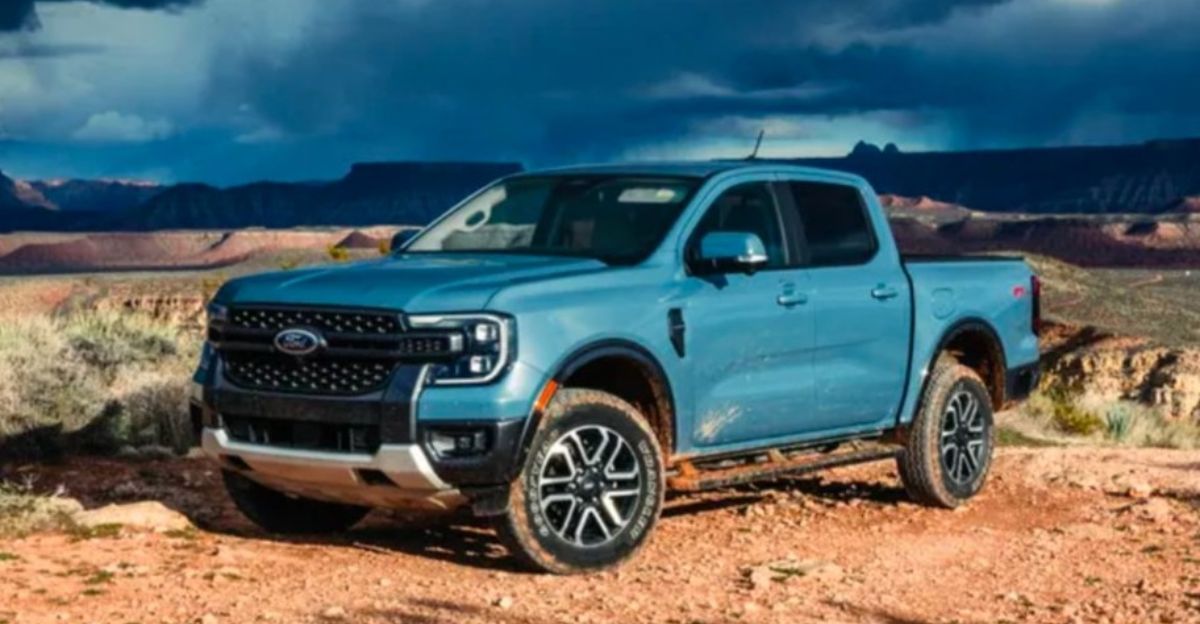
The midsize electric pickup is set to launch in 2027 at Louisville Assembly, Kentucky, priced around $30,000, undercutting Tesla’s Cybertruck. Using Ford’s Universal EV Platform, it offers 0-60 mph acceleration comparable to that of a Mustang EcoBoost and a 300-mile range. A RAV4-sized pickup, it targets buyers seeking electric capability without the premium price tag. Success here could prove EV trucks can be accessible and profitable.
#2 The Tennessee Gas Truck
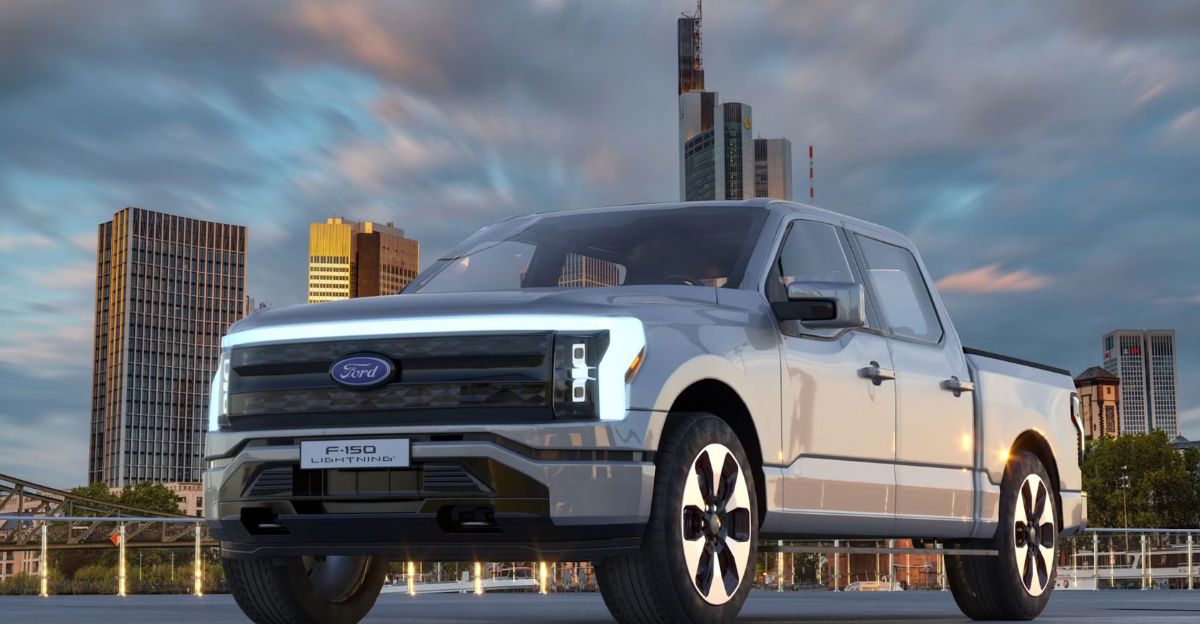
Blue Oval City in Stanton, Tennessee, is set to pivot to producing affordable gas trucks starting in 2029. Targeting buyers wanting full-size capability without F-150 prices or Cybertruck design, Ford aims to compete aggressively with Ram and Chevy. This $3.5 billion plant must succeed to justify costs and preserve thousands of jobs. Execution here determines whether Detroit learns from the EV retreat.
#3 The New Commercial Van
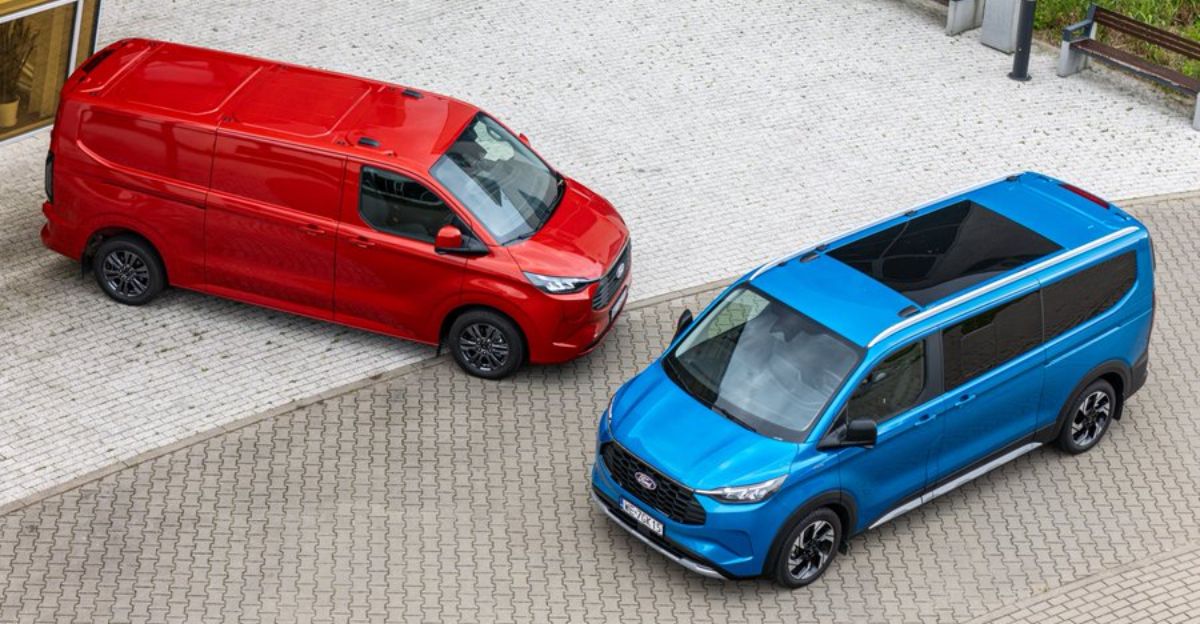
Ford’s Ohio Assembly Plant will build a new commercial van in gas and hybrid options starting 2029. Targeted at delivery services, contractors, and small businesses, it prioritizes reliability and cost over EV hype. Hybrids offer fuel savings without charging anxiety. This pivot replaces a pure-EV van plan, reflecting Ford’s strategy to focus on practical vehicles that actually sell. The commercial market waits to see results.
#4 The Next-Gen F-150 Lightning EREV
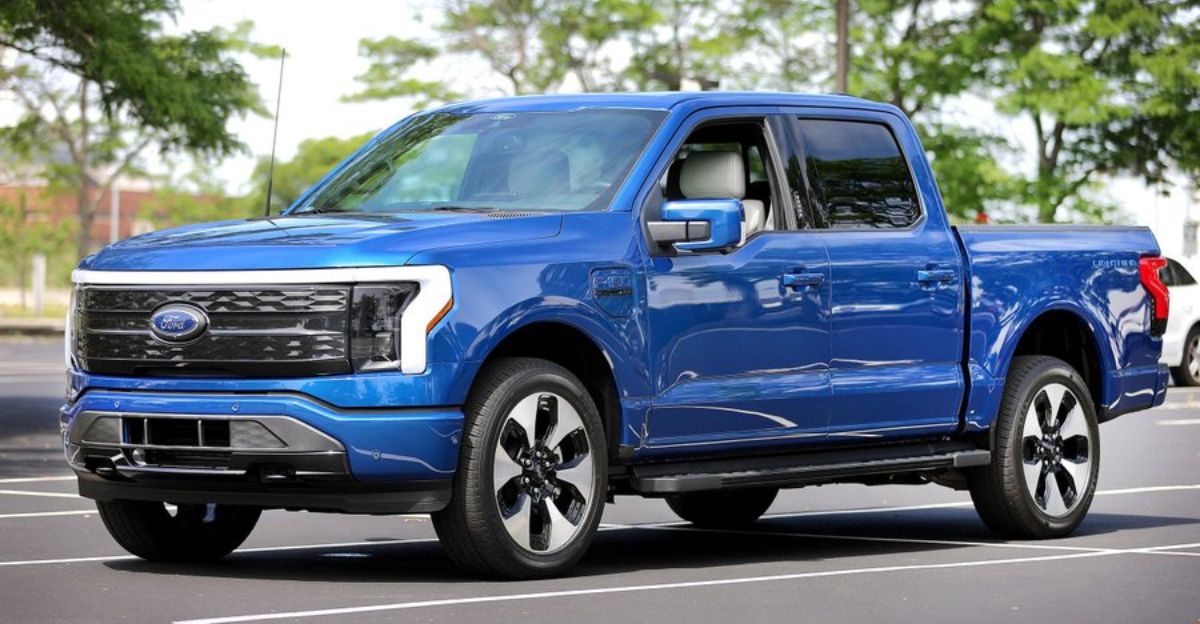
Ford’s next-gen F-150 Lightning becomes an extended-range EV, pairing electric motors with a gasoline generator for 700+ mile range. It solves charging anxiety for long hauls and remote job sites. Daily driving uses electricity, and long trips rely on gas. Pricing and launch remain unannounced. This model preserves the Lightning brand while addressing the original concerns of customers. Could this redefine truck electrification expectations?
#5 The 5th Vehicle (TBD)
Ford confirmed a fifth affordable vehicle but hasn’t revealed details. This deliberate vagueness offers flexibility as market conditions change. Lessons from the $19.5 billion EV miscalculation teach that rigid plans fail. The fifth vehicle could be a compact SUV, sedan, truck variant, or something new entirely. Flexibility in design might be Ford’s strongest strategic asset going forward, shaping future product decisions.
The Battery Storage Pivot

Ford is investing $2 billion in stationary battery energy storage, utilizing its plants in Kentucky and Michigan. By 2027, 20 GWh of annual capacity is targeted for data centers, grid storage, and residential use. Vehicle margins proved to be poor; stationary systems, on the other hand, offer predictable profits. This move signals that Ford sees greater growth outside the EV vehicle market. The pivot shows a surprising lesson about battery economics.
The SK On Split Explained
Ford dissolved its joint venture with SK On in December 2025. SK On retains the Tennessee battery plant; Ford retains the Kentucky plant. The split stems from differing views on EV viability: SK On bets on vehicle batteries; Ford favors stationary storage. It’s a friendly divorce but symbolic: Ford no longer trusts vehicle EVs as core profits. How this shapes the broader industry is striking.
Why 2030 Electrification Matters

Ford aims for 50% of its global sales to be electrified by 2030, up from 17%. Hybrids count toward this total, enabling claimed leadership without relying on pure EVs. Ford expects full EVs to make only 15-20% of sales. This reveals a realistic, hybrid-focused strategy disguised as an ambitious electrification goal. Investors and consumers alike must carefully interpret these targets over the next five years.
The Impact On F-150 Lightning Owners
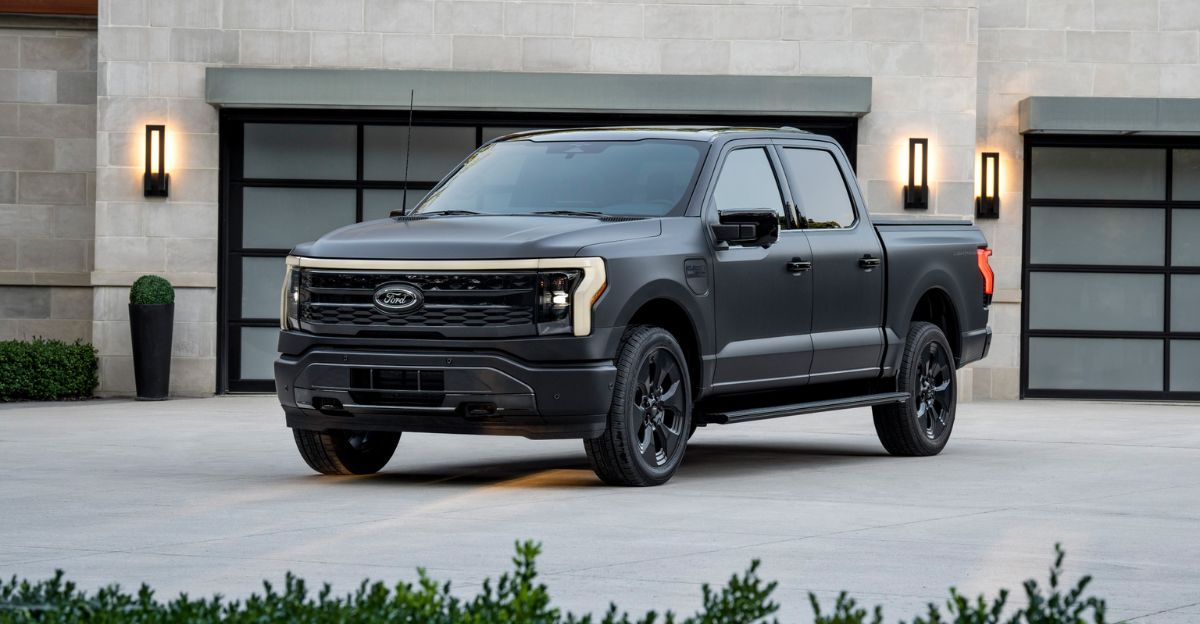
Current Lightning owners face a harsh reality: pure EV trucks are abandoned. Resale values likely drop as trade-ins flood the market. Ford will offer warranty extensions and trade-in programs, but trust is shaken. $100,000+ vehicles promised an electric future, now altered. Owners’ experiences highlight the risks of untested EV strategies and show why Detroit’s EV missteps have tangible consequences.
Why Hybrids Are Winning
Hybrids remove range anxiety without infrastructure dependency. They offer 30-40% fuel savings at $3,000-5,000 less than EVs while retaining resale value. Viable for road trips, rural areas, and rough terrain, hybrids outsell EVs globally. Detroit underestimated hybrids, seeing them only as transitional. Ford’s hybrid pivot reflects acceptance of consumer reality. This shift could redefine the next decade of automotive growth.
The Global Competitive Panic
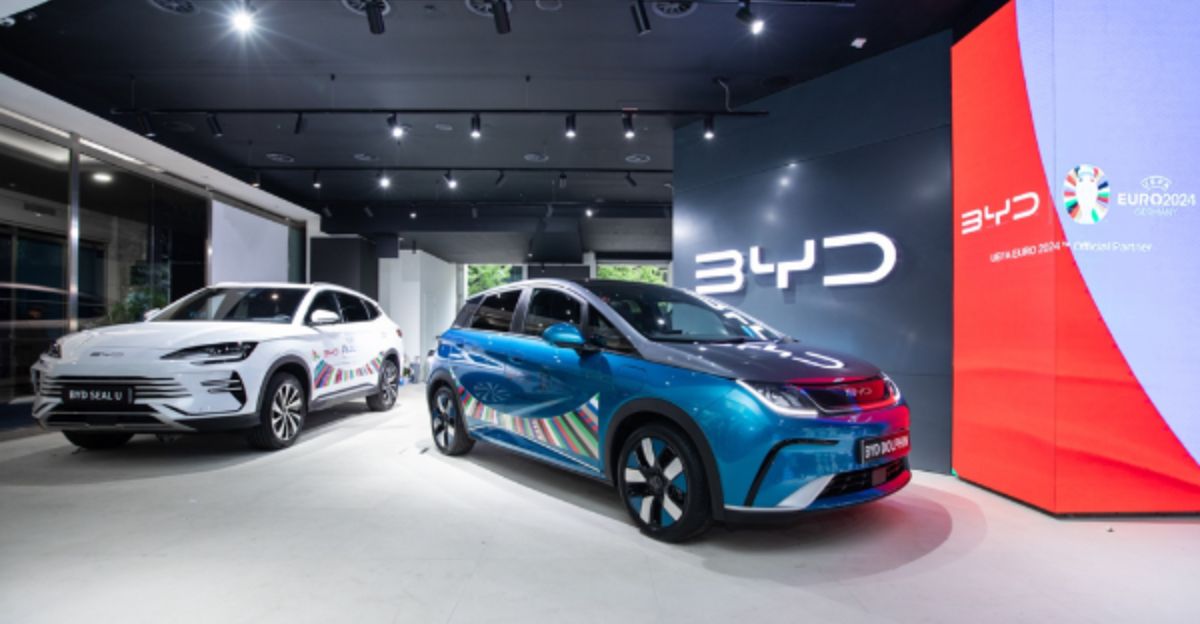
Farley’s comments reveal fear of Chinese automakers like BYD and Nio entering the U.S. market. Their battery efficiency and cost advantage could challenge Detroit. Aggressive pricing on the $30,000 (R550,000) midsize EV pickup is partly defensive, establishing a foothold. Ford is racing to protect its domestic market while competing globally. How this affects American consumers and innovation is a key question.
Jobs, Factories, And Regional Impact

Factory retooling spans Tennessee, Kentucky, Ohio, and Michigan. Blue Oval City now employs 2,300 workers, down from 3,300. Retraining and relocations are ongoing, and union negotiations are tense.
These shifts ripple through regional economies and political landscapes, particularly in the Midwest. The $19.5 billion charge isn’t just financial; it reshapes communities reliant on automotive manufacturing, highlighting the broad societal impact of corporate pivots.
What This Means For Consumers
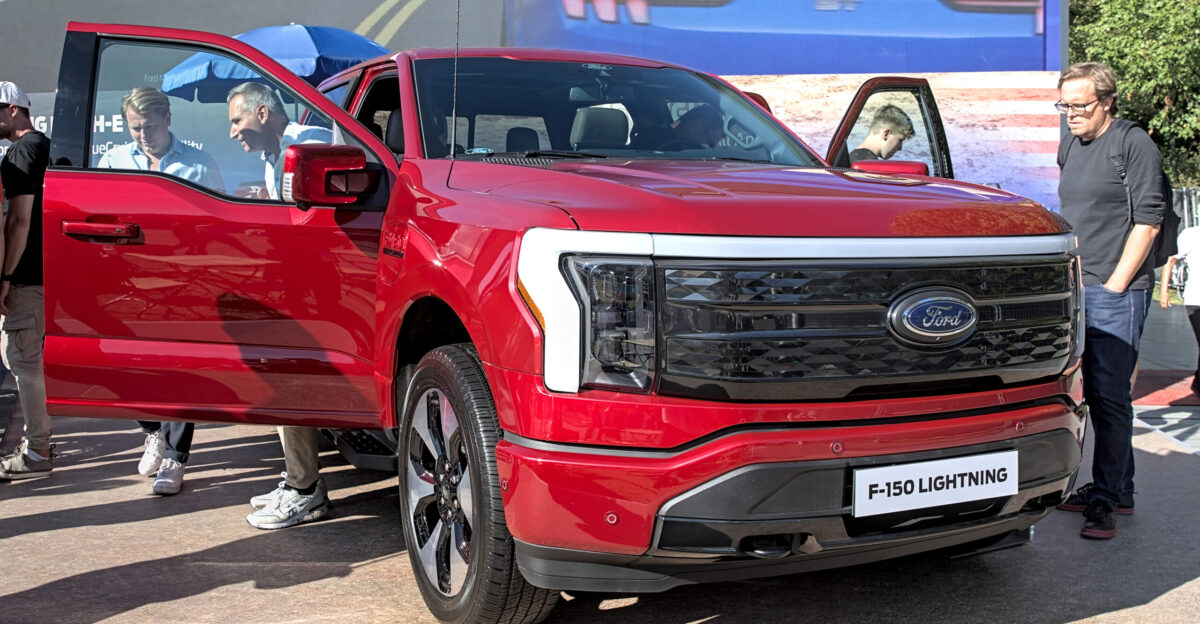
Ford’s pivot reshapes consumer choice over the next five years. Expect hybrids across the lineup, lower prices on affordable trucks and vans, and long-range EREV options. Reliability improves versus unproven EVs, while competitive pressure may encourage innovation. Chinese EVs entering America could further influence pricing. Consumers gain practical, wallet-friendly vehicles instead of mandatory EV adoption. The payoff for buyers is significant.
Detroit’s Broader Reckoning

Ford’s $19.5 billion charge reflects a Detroit-wide awakening. GM lost $5 billion; Stellantis scaled back EV goals. Analysts predict pure EV adoption plateauing at 15-20% of U.S. sales through 2035. Infrastructure, cost, consumer habits, and politics all constrained EV growth. Hybrid-dominant strategies, like Toyota’s, are becoming the new standard. Ford’s five affordable vehicles exemplify Detroit admitting mistakes and starting over.
Sources:
Ford Q4 2025 Earnings Report. Ford Motor Company, December 2025
Corporate Average Fuel Economy Standards Update. U.S. Environmental Protection Agency, December 2025
Jim Farley remarks at White House meeting. White House Press, December 2025
EV Sales Data November 2025. Automotive News, December 2025
BlueOval SK Joint Venture Announcement. Ford Motor Company, November 2025