Montana’s rivers and reservoirs support all 10 native snake species, making its waterways vital to both aquatic and terrestrial ecosystems.
These waters provide hunting grounds, hibernation zones, and migration corridors for species like garter snakes, bullsnakes, and the prairie rattlesnake. While often feared, 9 of Montana’s 10 snake species are non-venomous. Understanding where snakes live and why improves outdoor awareness and reduces dangerous human–snake encounters during peak warm-season activity.
Missouri River: Montana’s Longest Snake Corridor
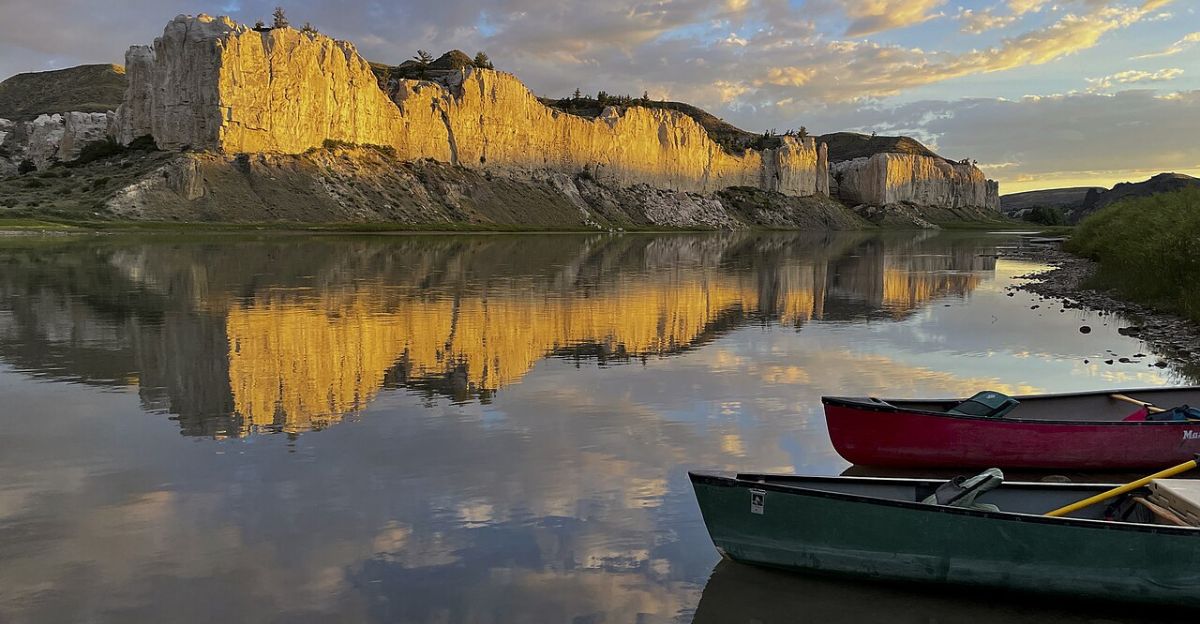
Stretching 2,500+ miles, the Missouri River is the longest river in North America and Montana’s most important snake habitat.
All 10 native snake species occur along parts of its banks. Garter snakes dominate near wetlands, while bullsnakes patrol grasslands for rodents. Prairie rattlesnakes appear in warmer, lower elevations. Rocky outcrops provide shelter and winter dens, making the river a continuous reptile corridor across the state.
Yellowstone River: America’s Longest Undammed Snake Route
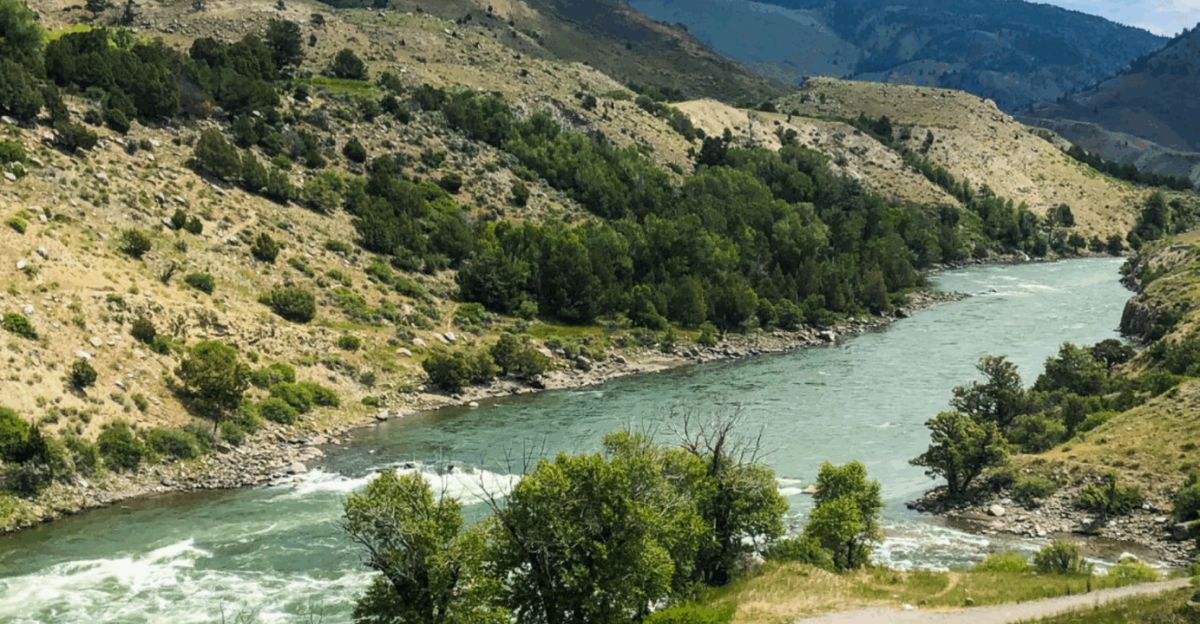
Flowing 692 free-flowing miles, the Yellowstone River is the longest undammed river in the United States. Its warm banks and rocky shelves support garter snakes, bullsnakes, racers, and prairie rattlesnakes from Livingston to eastern Montana.
Daily temperature swings encourage early-morning basking near trails and sandbars. As one of the last fully wild rivers in the nation, it also remains one of Montana’s most biologically active snake regions.
Clark Fork River: High-Volume Cold-Water Habitat
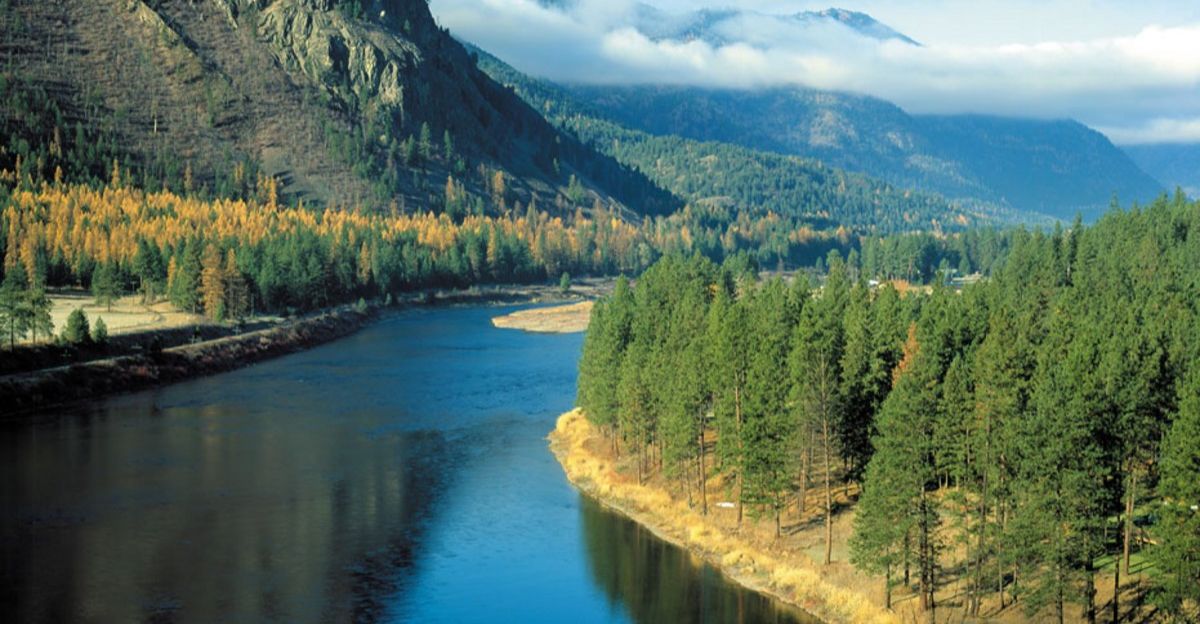
The Clark Fork is Montana’s largest river by water volume, flowing through cooler western forests and mountain valleys. This environment supports garter snakes and the northern rubber boa, a slow-moving, nocturnal constrictor that prefers shaded riverbanks.
Prairie rattlesnakes are rare here due to cooler temperatures and dense forest cover. Submerged logs, rock piles, and riparian vegetation provide protective shelter for non-venomous species year-round.
Milk River: Prairie Wetlands and Snake Breeding Grounds
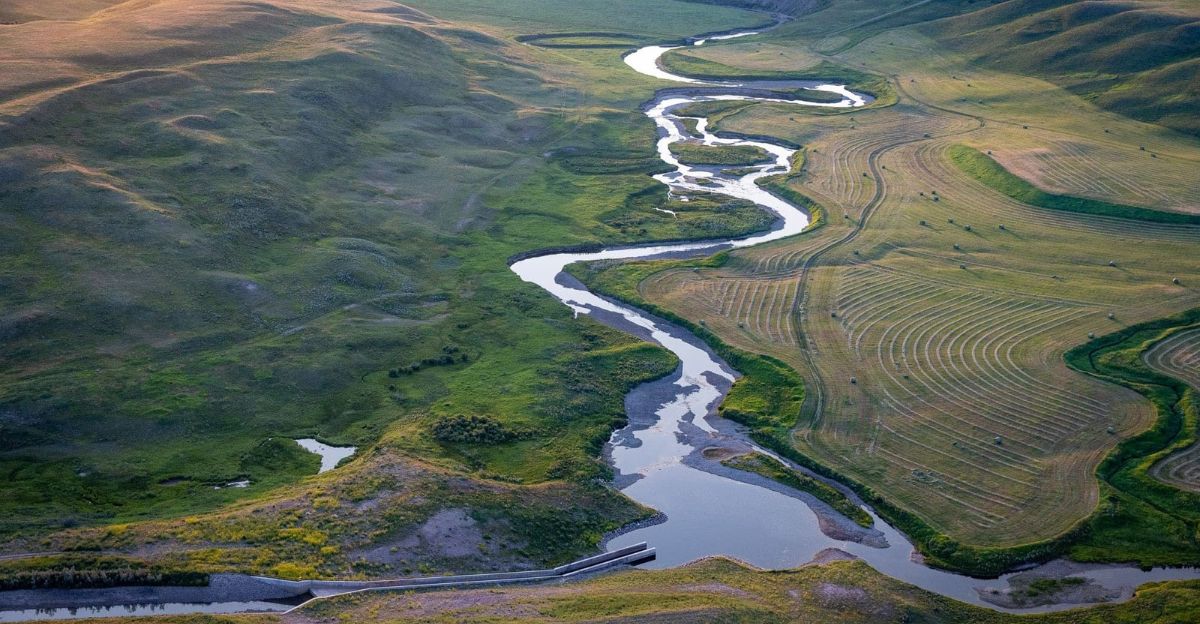
The 729-mile Milk River, a tributary of the Missouri, crosses northeastern Montana’s open prairie wetlands. Garter snakes, racers, and bullsnakes thrive in its shallow waters and marshes, feeding on frogs, fish, and small mammals.
Garter snakes here reproduce by giving live birth, producing large broods in midsummer. The Milk River demonstrates how even relatively narrow prairie rivers can sustain stable snake populations over vast distances.
Nelson Reservoir: Aging Man-Made Snake Oasis
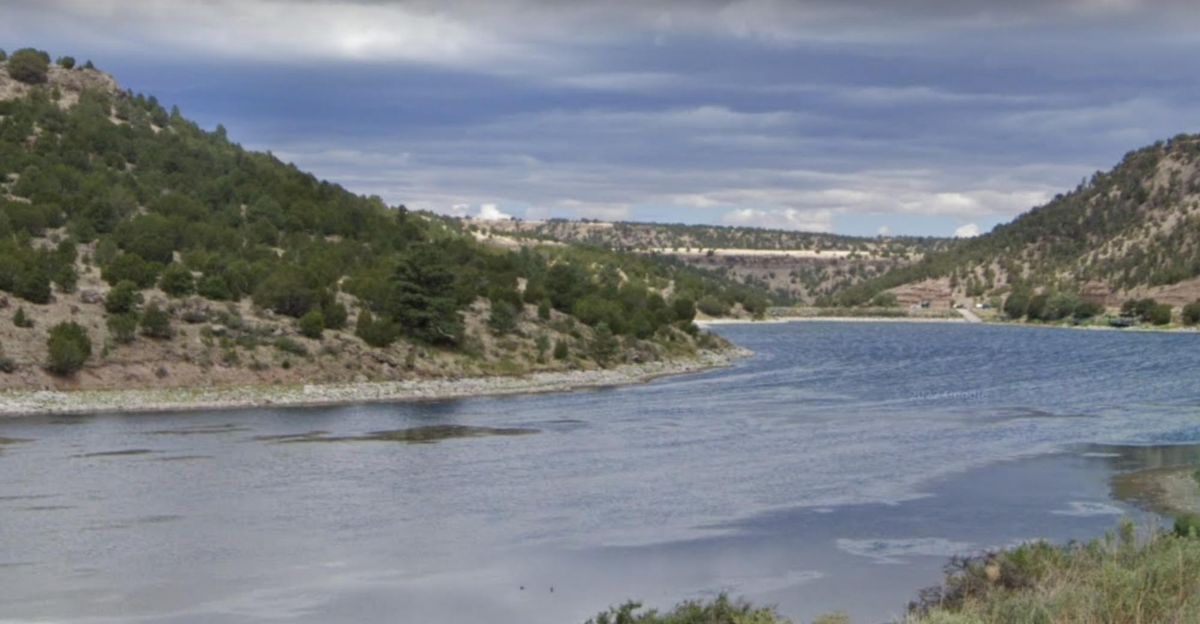
Constructed in 1914 and expanded in 1921, Nelson Reservoir is one of Montana’s oldest man-made lakes. It now functions as a permanent water source for prairie rattlesnakes, garter snakes, and bullsnakes.
During dry periods, rattlesnakes may swim short distances between shorelines. Human recreation increases summer sightings, while fish and amphibians sustain dense prey populations that attract both venomous and non-venomous species year after year.
Fort Peck Lake: Montana’s Largest Reservoir
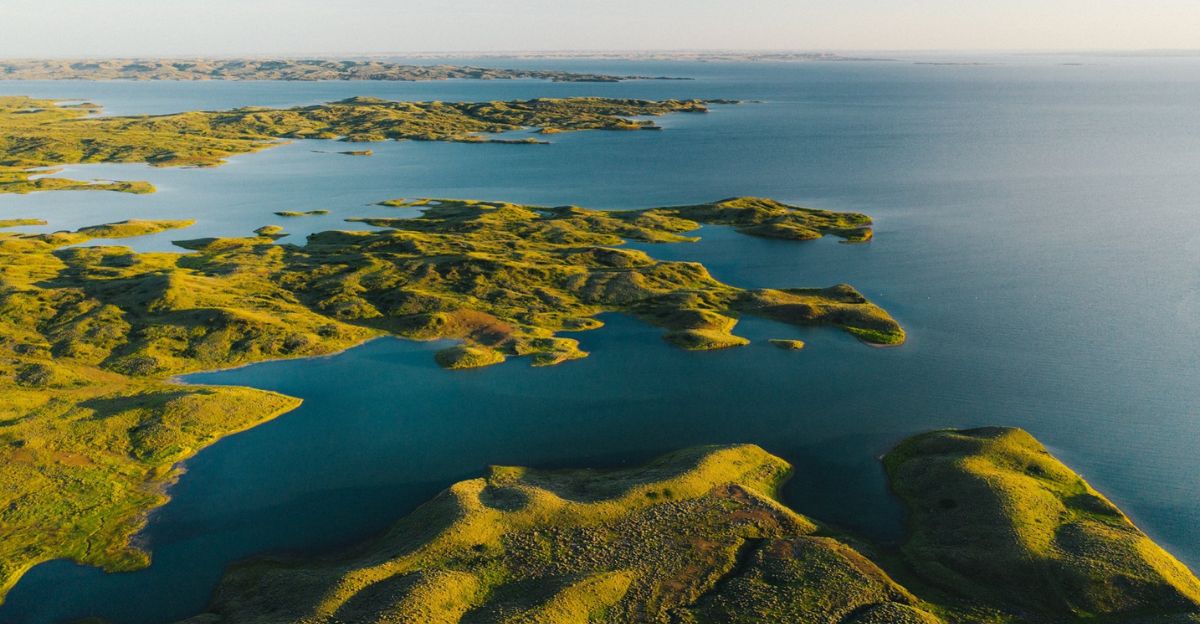
Spanning six counties, Fort Peck Lake is Montana’s largest man-made reservoir by volume and one of its most important snake habitats. Prairie rattlesnakes, garter snakes, and bullsnakes use its extensive shoreline for basking, hunting, and denning.
Rodent populations near rocky banks draw predatory snakes, while sheltered coves provide winter refuge. The reservoir’s massive size makes it one of the most consistent snake-occupied water bodies in the state.
Garter Snakes: Montana’s Most Common Water Snakes
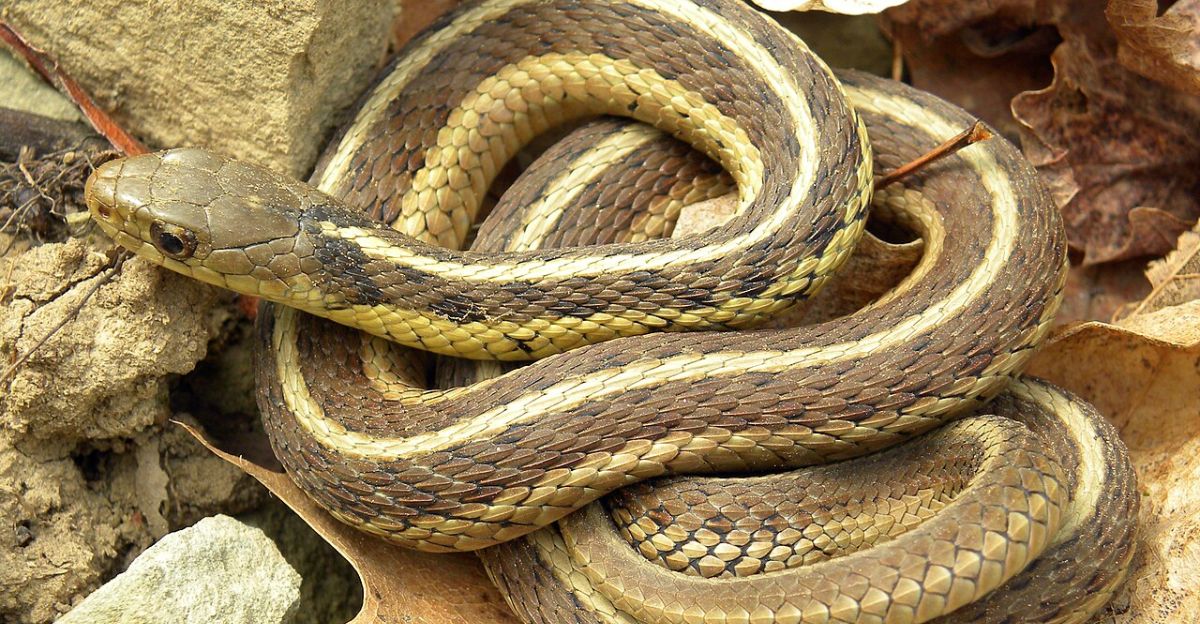
Montana is home to three semi-aquatic garter snake species, all of which prefer shorelines, wetlands, and slow-moving rivers.
These adaptable hunters feed on fish, amphibians, insects, and small mammals. Unlike most snakes, garters give live birth instead of laying eggs. Their widespread presence along rivers often signals healthy ecosystems. Though frequently mistaken for venomous species, garter snakes are completely harmless to humans.
Bullsnakes: Montana’s Giant Imposters

Bullsnakes are among Montana’s largest non-venomous snakes, sometimes exceeding six feet in length. Found near rivers, reservoirs, and open grasslands, they play a major role in controlling rodent populations.
Bullsnakes famously mimic rattlesnakes by flattening their heads, hissing, and vibrating their tails in dry grass. Despite their intimidating display, they kill prey through constriction and pose no venomous threat to people.
Prairie Rattlesnakes: Montana’s Only Venomous Species
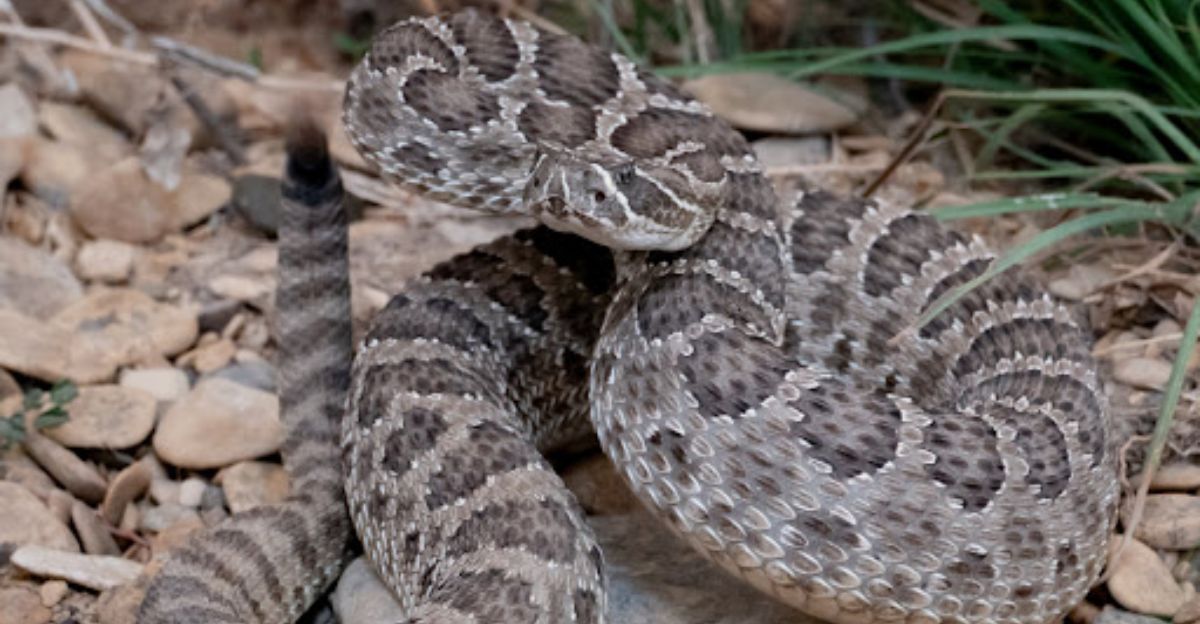
The prairie rattlesnake is Montana’s sole venomous snake, found mainly below 6,400 feet in central and eastern regions near major waterways.
Adults typically range from 20 to 50 inches long. Though primarily terrestrial, rattlesnakes can swim when crossing rivers or reaching shoreline prey. Their rattle serves as a warning device to avoid conflict. Fatal bites are extremely rare when proper medical treatment is available.
Eastern Montana: Prairie Rattlesnake Stronghold
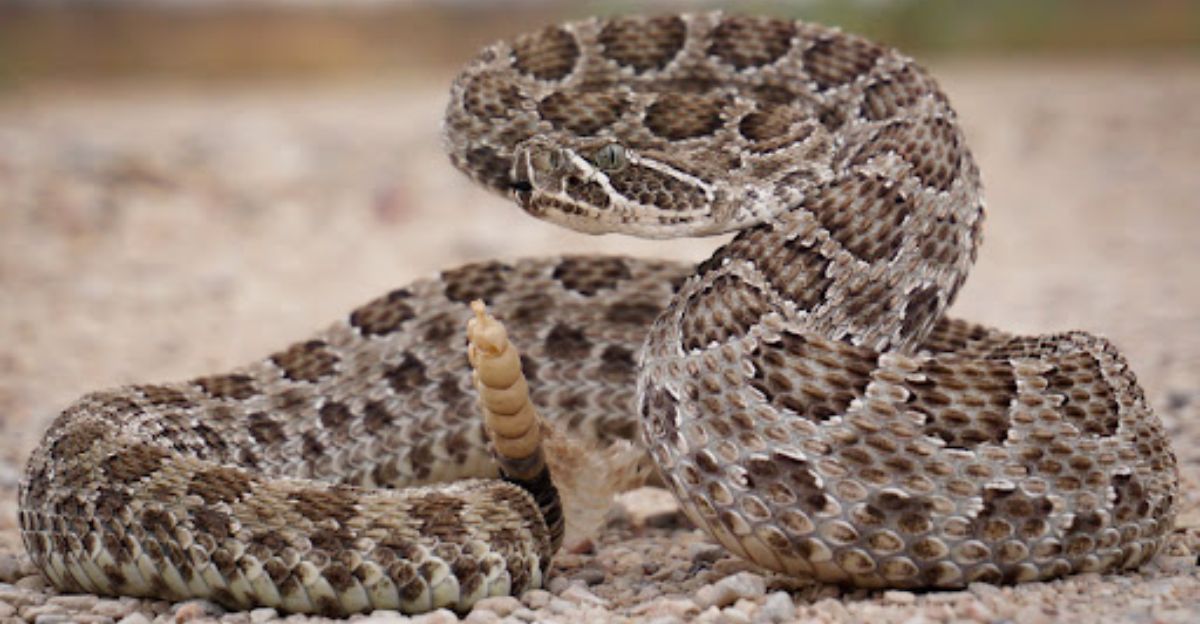
Eastern Montana’s dry valleys and broken badlands support the highest concentrations of prairie rattlesnakes in the state.
Areas near Miles City, Glendive, and the Missouri Breaks are particularly active. Rodent-rich grasslands fuel strong food chains, while south-facing slopes offer ideal basking sites. Dawn and dusk hikes carry the greatest encounter risk when snakes regulate body temperature along trails and riverbanks.
Bighorn Canyon: Rock Shelters and Venom Zones
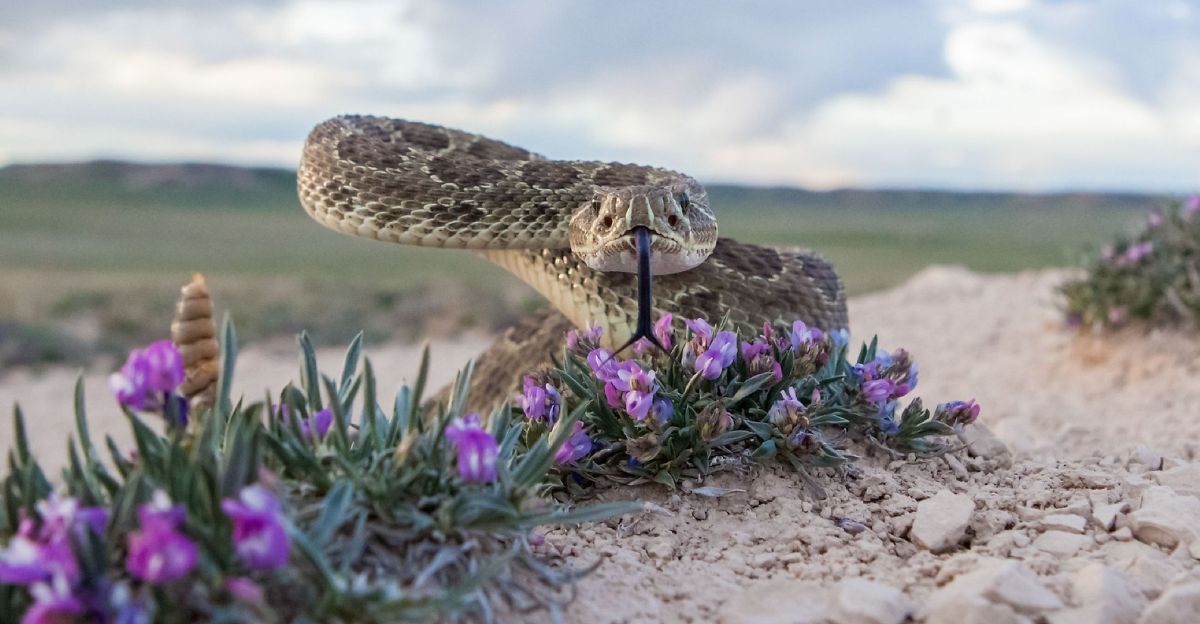
Bighorn Canyon and the Pryor Mountains feature steep, rocky terrain perfectly suited for prairie rattlesnakes. Deep crevices provide winter dens, while sagebrush flats offer abundant rodent prey.
These protected lands also play a conservation role by preserving intact predator–prey relationships. Popular hiking routes cut through active snake habitat, making awareness essential. Despite their reputation, rattlesnakes here remain vital apex predators within fragile canyon ecosystems.
Billings Area: Urban–Snake Overlap
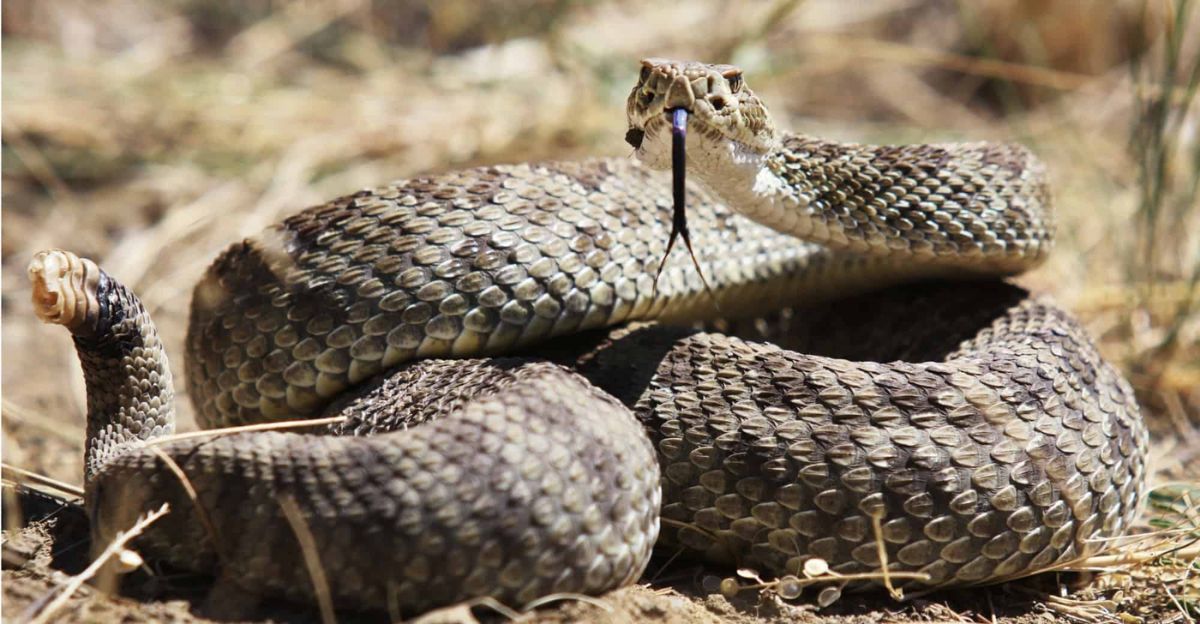
The Billings region, especially near the Rimrocks, reports frequent prairie rattlesnake sightings as urban expansion intersects natural habitat. Development displaces snakes toward river corridors and rock outcrops where rodents still thrive.
Summer heat increases surface activity, raising the odds of human encounters on local trails. Wildlife officials stress coexistence rather than eradication, as rattlesnakes play a key role in regulating rodent populations near growing communities.
Yellowstone National Park (Montana Sector): Protected Diversity
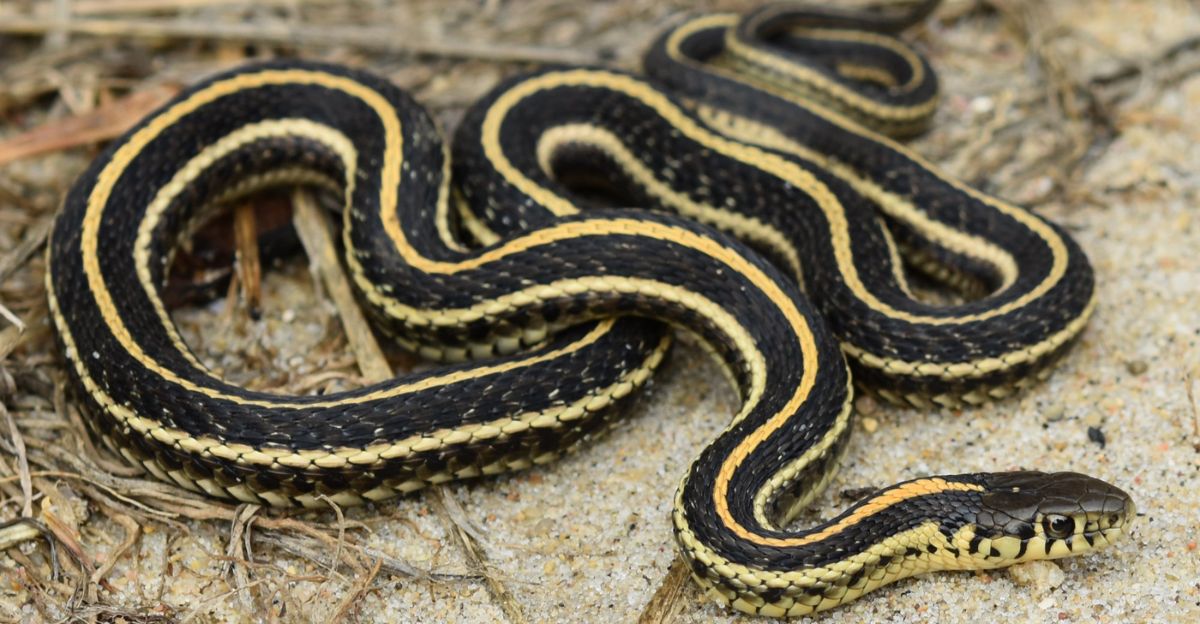
Only about 3% of Yellowstone National Park lies in Montana, yet that portion still supports diverse snake life near lower-elevation river valleys. Prairie rattlesnakes appear in suitable rocky zones, while garter snakes occupy wetlands and thermal outflows.
Strict land protection inside the park helps preserve all native reptile species. These safeguarded habitats offer valuable insight into how undisturbed ecosystems maintain stable snake populations over time.
Flathead River: Cold-Water Snake Biodiversity
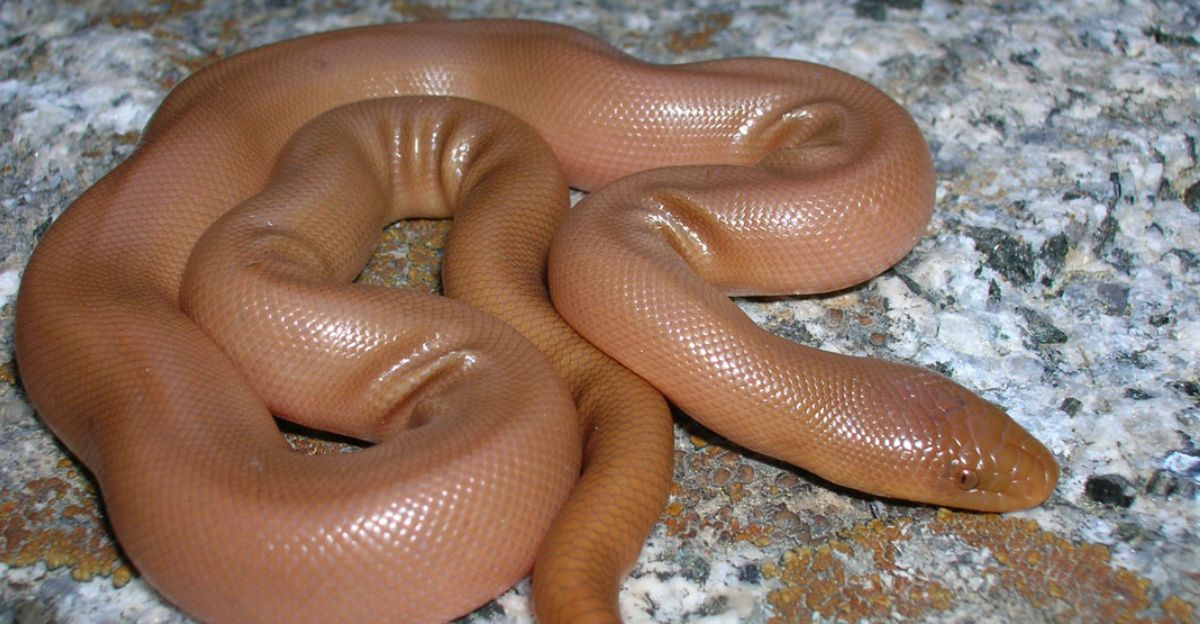
The Flathead River system supports up to six snake species, particularly garter snakes and northern rubber boas. Cooler mountain water and dense forest cover favor slower-moving, shade-tolerant snakes rather than prairie species.
Fallen timber and deep root systems provide shelter for hunting and winter refuge. The Flathead’s intact watershed and low pollution levels make it one of western Montana’s healthiest river environments for reptile survival.
Northern Rubber Boas: Montana’s Gentle Constrictors
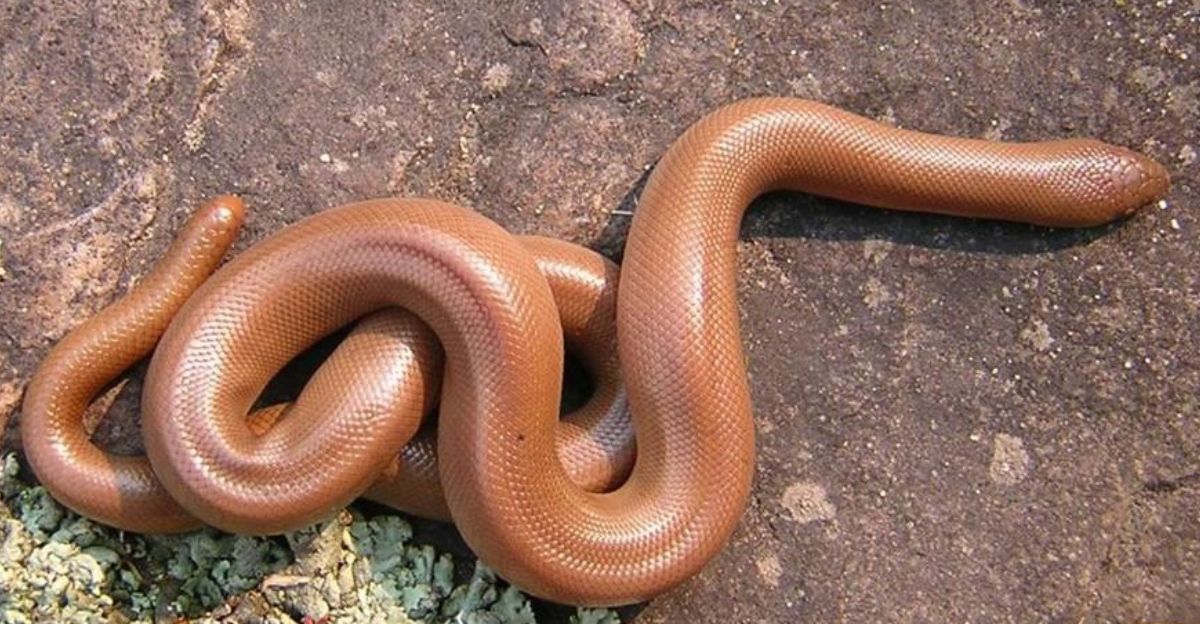
Northern rubber boas inhabit Montana’s western and southwestern regions, favoring cool, moist environments near rivers and forest edges. These slow-moving constrictors prey on small mammals, reptiles, and birds’ nests.
Their smooth, rubber-like scales distinguish them from other species. Rubber boas are nocturnal and rarely seen during the day. Their presence near clean waterways is widely considered a sign of strong ecosystem health.
Eastern Hognose Snakes: Theaters of Defense
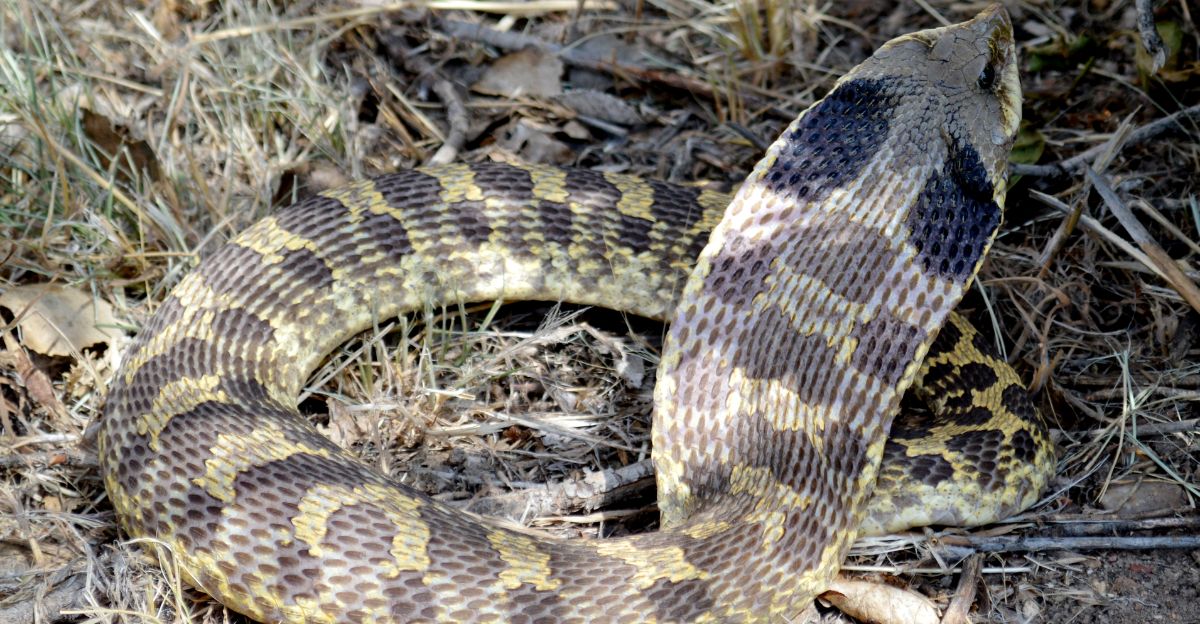
Eastern hognose snakes occur in lower-elevation eastern Montana, preferring sandy soils near wetlands and river floodplains. Best known for dramatic defensive behavior, they flatten their necks, hiss loudly, and sometimes play dead when threatened.
Despite appearances, they are completely non-venomous. Hognose snakes primarily eat amphibians. Their upturned snout helps them dig for prey, making riverbank habitats especially important to their survival.
Western Milksnakes: Nature’s Perfect Mimics
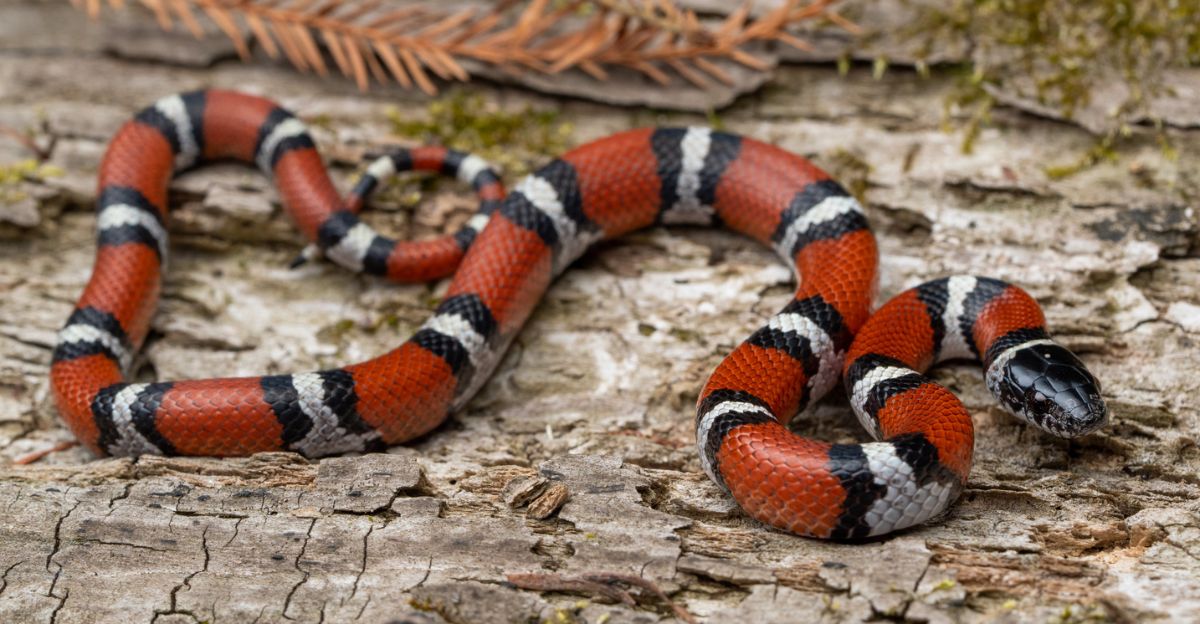
Western milksnakes inhabit eastern and central Montana, usually below 4,000 feet near grasslands and river corridors. Their bold red, yellow, and black bands closely resemble venomous coral snakes, though Montana coral snakes do not exist.
This mimicry deters predators. Milksnakes are powerful constrictors that lay eggs rather than bearing live young. They provide important rodent control near farms, barns, and irrigated river valleys.
Racers: Lightning-Fast Daytime Hunters
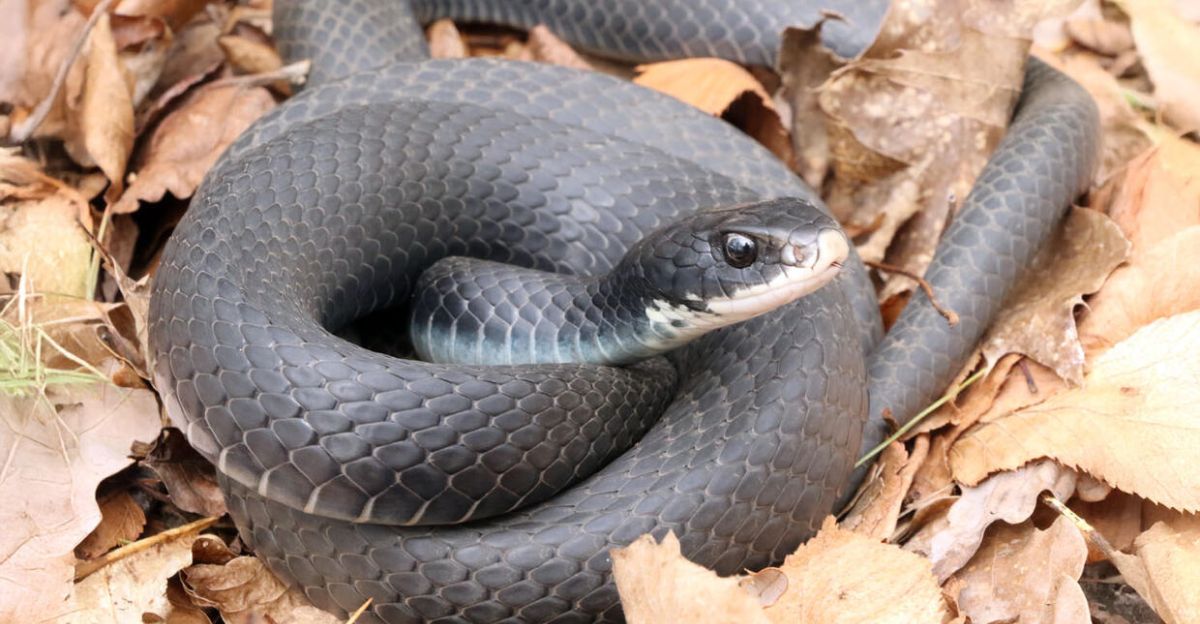
North American racers live below 6,600 feet across much of Montana, especially near open waterways and grasslands. Capable of reaching speeds near 3.5 miles per hour, racers rely on speed and vision rather than ambush tactics.
They hunt during daylight and lay eggs in warm soil. Their rapid movement often startles hikers, but racers are non-venomous and avoid human contact whenever possible.
Smooth Greensnakes: Montana’s Rare Water Guardians
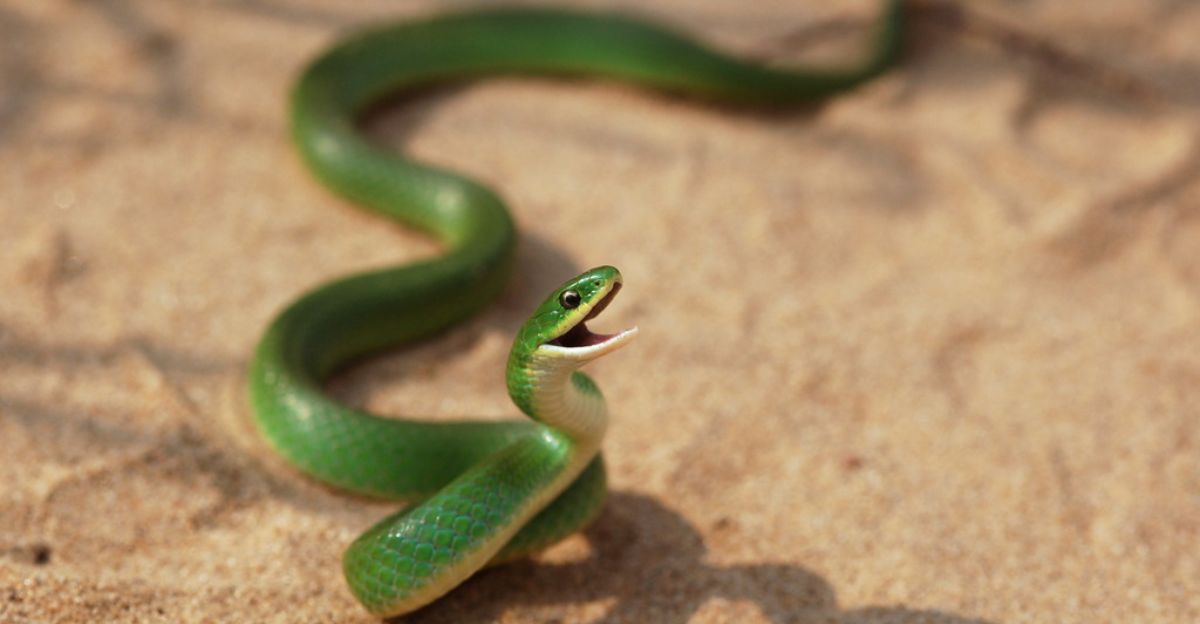
Smooth greensnakes are considered a species of concern in Montana, limited mainly to northeastern wetlands and riparian corridors. Their bright green coloration provides camouflage among grasses and reeds.
They feed primarily on insects and spiders rather than rodents. Habitat loss poses the greatest risk to their survival. Because they depend on intact wetlands for food and shelter, their population health serves as an early indicator of aquatic ecosystem stability.
Sources:
- World Atlas – 5 Most Snake-Filled Bodies of Water in Montana
- World Atlas – 7 Most Rattlesnake Infested Areas in Montana
- Montana Field Guide – Common Gartersnake
- A-Z Animals – Bullsnakes in Montana
- XL Country – Where Are You Most Likely To See Rattlesnakes In Montana
- Montana Field Guide – Prairie Rattlesnake