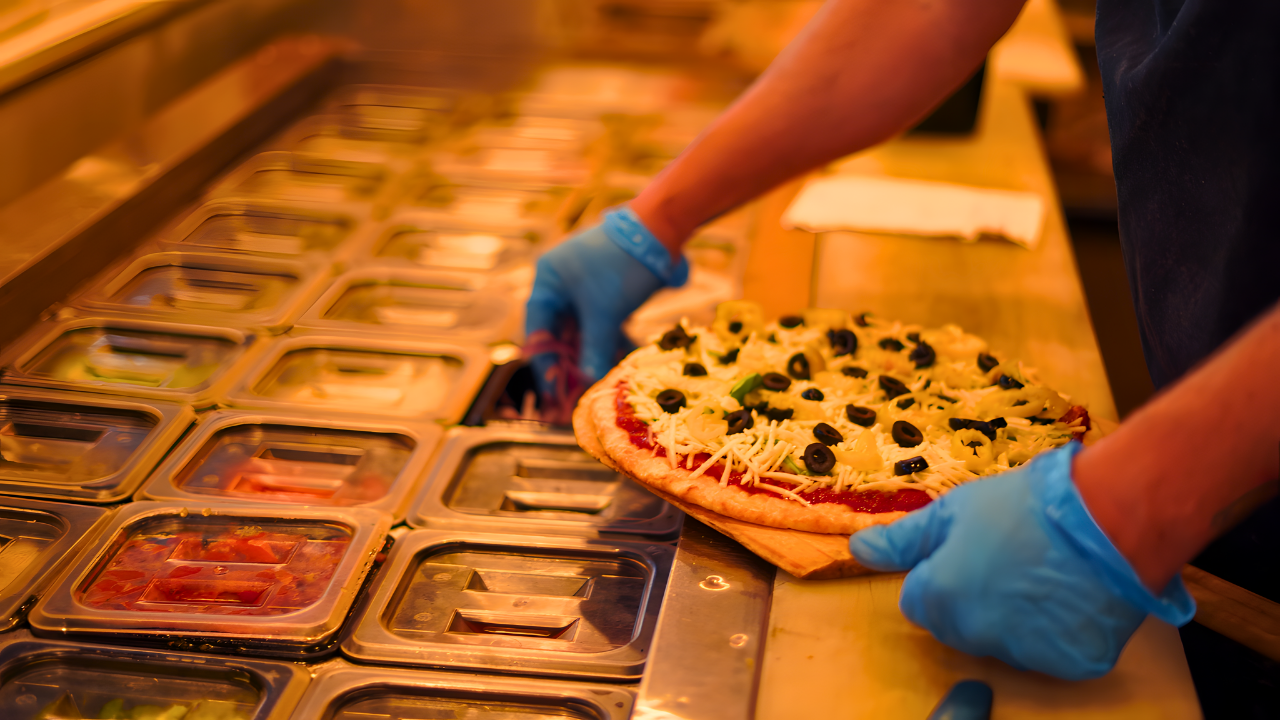
Once hailed as the “Chipotle of pizzas,” Pieology Pizzeria rode a wave of enthusiasm for build-your-own meals and celebrity backing from NBA star Kevin Durant. By 2017, the chain had nearly 150 locations and a reputation as a model for fast-casual growth. On December 10, 2024, that narrative reversed abruptly when the company filed for Chapter 11 bankruptcy. The chain had finished 2024 with 103 locations; at the time of filing it operated 45 company-owned units. Seventeen restaurants closed in the runup to the filing, and the broader contraction has put jobs at risk across the system.
The collapse is more than a single corporate setback. Pieology’s retreat from 103 locations at year-end 2024 to 45 units at bankruptcy filing highlights mounting strain across the wider fast-casual category, once viewed as insulated from downturns. As consumer budgets tighten and operating costs rise, brands built on rapid expansion and customizable menus are struggling to adapt.
Pandemic Shock and a Failed Rescue
Founder Carl Chang pointed to “severe disruption due to the pandemic and the subsequent economic environment” as central to Pieology’s undoing. The company faced the same forces pressing much of the restaurant sector: labor shortages, rising wages, inflation in food and utility costs, and shifting customer habits. Sales at Pieology fell more than 10% in 2024, deepening financial pressures.
In an effort to stabilize operations, Pieology negotiated to take control of 29 underperforming franchised locations owned by a franchisee significantly past due on obligations. The acquisition closed in March 2024. The goal was to bring operational improvements—new kitchen equipment, simplified menus, more efficient labor deployment—that had proven successful in company-owned stores to a larger part of the system. Instead of a turnaround, the move became a costly misstep. The plan relied on an infusion of capital to pay for equipment and store refreshes while offsetting short-term operating losses at underperforming stores. Investors withdrew the funding shortly before the deal closed, but Pieology proceeded with the acquisition to avoid the franchisee’s potential collapse. Absorbing weak stores without capital support consumed cash the company needed for day-to-day operations. By fall 2024, the combination of lower sales, higher costs and diminished cash reserves left Pieology unable to sustain its footprint, forcing the bankruptcy filing and rapid closures.
The Fallout is Reshaping Local Dining Choices
Customers in California, Texas, Florida and nine other states have lost access to a brand built around made-to-order pizzas prepared in front of them. With peers such as MOD Pizza and Blaze Pizza also trimming locations, diners who favored customizable formats are increasingly turning back to traditional chains, delivery specialists or meals prepared at home.
Ripple Effects for Landlords and Suppliers

Commercial property owners are among the first to feel the secondary effects. The closed Pieology restaurants leave empty spaces in prime shopping areas, adding to existing vacancy in some corridors. Landlords in major markets, including California and Texas, are reporting longer gaps between tenants and more pressure to offer reduced rents or incentives to fill restaurant-ready storefronts. Those concessions can strain building finances and weigh on neighboring businesses that rely on steady traffic.
The closures also reverberate through the food supply chain. With dozens of outlets suddenly offline, mills supplying flour, distributors of cheese and sauce, and farms providing vegetables lose a significant buyer. Smaller agricultural producers tied closely to fast-casual contracts face some of the toughest adjustments, sometimes cutting margins or staff as orders fall. Large distributors have signaled lower demand from quick-service and fast-casual accounts, underscoring how a single brand’s retreat can amplify broader shifts in restaurant purchasing.
Franchise Questions and Worker Strain
Pieology’s strategy of acquiring troubled franchises has drawn attention to the strengths and weaknesses of the franchise model itself. In theory, franchising spreads risk and allows entrepreneurs to tap into an established brand. In practice, the company’s takeover of underperforming stores concentrated risk at the corporate level just as financial backing tightened. When investors withdrew funding before the acquisition closed, there was no buffer left.
Franchise owners now face an uncertain path through bankruptcy proceedings, including negotiations over leases, equipment and any outstanding obligations. Prospective owners and lenders are watching closely. The high-profile failure of a concept associated with a prominent athlete has raised doubts about relying on star power as a substitute for robust unit economics and conservative growth plans.
The human impact is visible among employees affected by the closures. Workers across the system—including kitchen teams, cashiers and shift leaders—are newly dependent on unemployment insurance or scrambling for replacement roles. State labor departments in large markets already managing other hospitality layoffs now must process additional claims and help workers without college credentials find positions in a cooling job market.
Labor Standards and the Road Ahead
The bankruptcy has also renewed scrutiny of working conditions in fast-casual dining. Many employees in this segment lack employer-sponsored health coverage or paid leave, leaving them exposed when hours are cut or locations close. Labor advocates have used the moment to urge a closer look at minimum wage levels, scheduling practices and benefits in quick-service and fast-casual workplaces.
Regulators and lawmakers are examining compliance with federal layoff notification rules, including the WARN Act, in the broader context of restaurant restructuring. Because franchise systems divide responsibilities between franchisors and franchisees, policymakers are debating how wage, hour and severance obligations should be allocated when brands restructure or fail. Any resulting changes could reshape the operating landscape for similar chains nationwide.
For investors and operators, Pieology’s trajectory is a cautionary case study. Celebrity endorsements and rapid expansion can attract capital and attention, but do not shield a concept from the basic demands of sustainable margins, adaptable menus and disciplined real estate choices. As inflation, borrowing costs and consumer preferences continue to shift, fast-casual brands are under pressure to refine supply chains, adjust price points and demonstrate resilience beyond their marketing appeal.
Looking Ahead
Pieology’s collapse signals that the next phase of fast-casual growth is likely to be more measured and data-driven. Some chains may consolidate or slow new openings, while others will look for ways to differentiate through value, convenience or technology rather than sheer store count. According to its website, Pieology now operates fewer than 70 locations with restructuring efforts underway. Communities affected by the closures, along with local nonprofits and training organizations, are beginning to step in with job placement and support efforts for displaced workers. How policymakers, investors and operators respond to these lessons will help determine whether the sector emerges leaner but sturdier, or continues to experience high-profile stumbles in the years to come.
Sources
Restaurant Dive “Pieology Files Chapter 11 Bankruptcy After Turnaround Fails”
Nation’s Restaurant News “Pieology Pizza Files for Bankruptcy”
Business Insider “Kevin Durant-Backed Pieology Bankruptcy”
Restaurant Business Online “How Pieology’s Rescue Attempt Contributed to Bankruptcy”
U.S. Bureau of Labor Statistics “Fast-Casual Wage & Employment Data”
Federal Reserve “Economic Outlook & Monetary Policy”