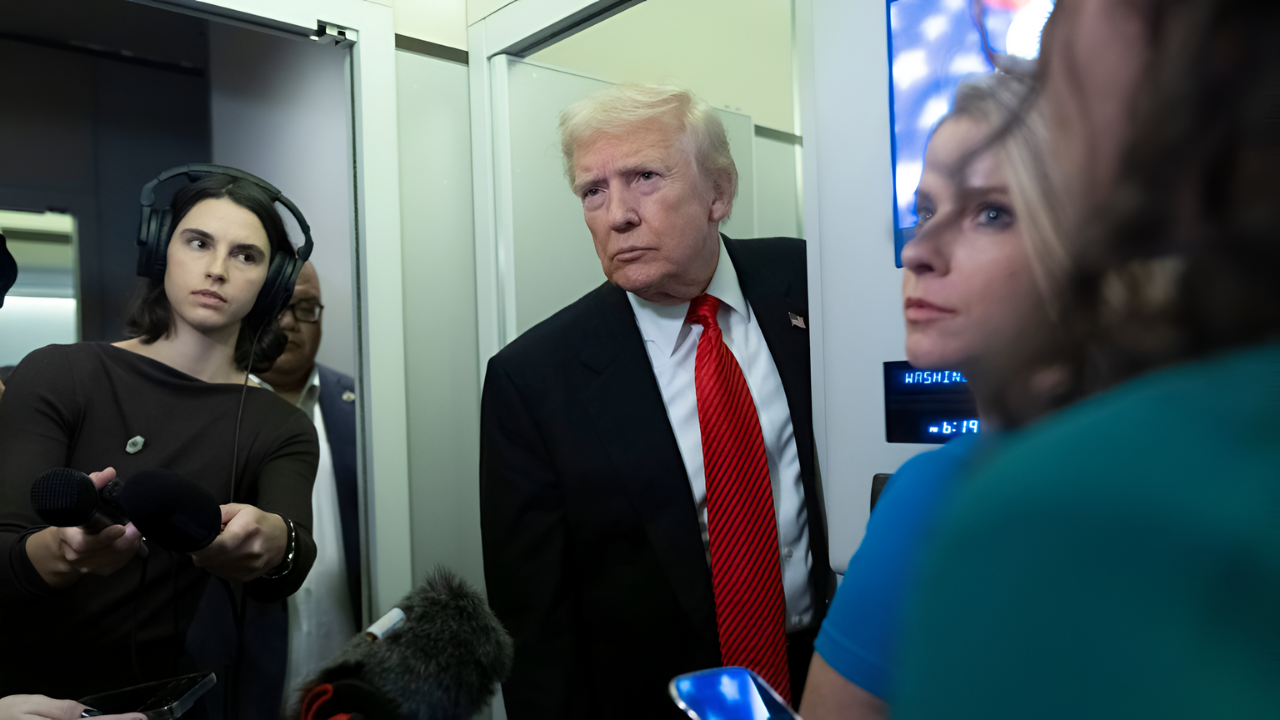
CBS News pulled a completed “60 Minutes” investigation three hours before its broadcast this month, triggering a newsroom revolt and fresh concerns about press freedom. The segment detailed torture claims involving 252 Venezuelan migrants deported by Trump to El Salvador’s CECOT prison. New editor-in-chief Bari Weiss said it needed more reporting. Yet the story still escaped anyway, in an unexpected way.
A Story Spiked At The Last Minute
On December 21, CBS announced late changes to its lineup, postponing Sharyn Alfonsi’s investigation indefinitely. The segment had passed five internal screenings, cleared legal review, and was promoted online, garnering 4 million Instagram views. Alfonsi sent a blistering memo accusing Bari Weiss of political censorship, not editorial caution. Would the conflict stay inside CBS?
The New Boss Under Scrutiny
Bari Weiss became CBS News editor-in-chief in October 2025, despite never running a central newsroom. She founded The Free Press, a center-right digital publication focused on cultural commentary. Paramount Skydance acquired The Free Press for $150 million and then appointed Weiss to a leadership role at CBS. Critics questioned whether this aligned coverage with Trump’s interests, and timing intensified those suspicions.
“It Is Factually Correct”

“Our story was screened five times and cleared by both CBS attorneys and Standards and Practices,” Alfonsi wrote in an internal memo. “It is factually correct. In my view, pulling it now…is not an editorial decision, it is a political one.” Journalism ethics experts saw corporate pressure colliding with standards. But the most disturbing details lay inside the reporting itself.
Inside CECOT’s Brutal Design
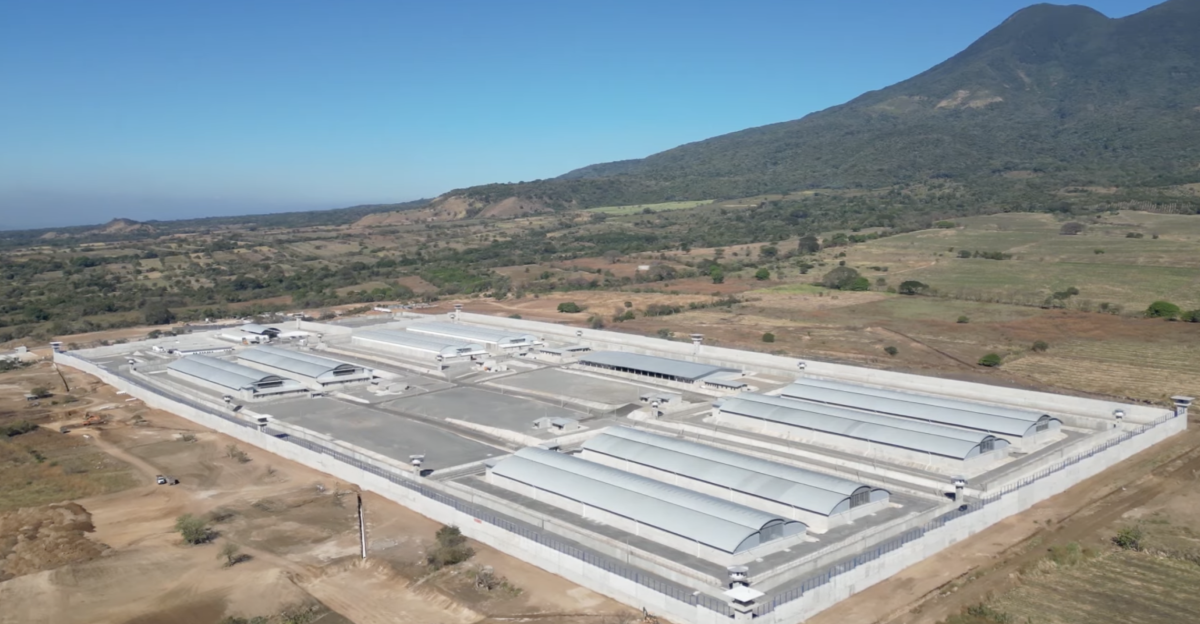
El Salvador’s Centro de Confinamiento del Terrorismo, or CECOT, is a maximum-security facility built to hold 40,000 detainees in harsh conditions. Human Rights Watch said prisoners get 30 minutes outside daily and sleep standing in overcrowded, dark cells. Guards allegedly beat detainees hourly. 3 detainees reported sexual violence. The politics behind using it soon became clearer.
Trump’s Public Complaints
On December 8, President Trump posted on Truth Social: “I love the new owners of CBS…60 Minutes has treated me worse under the new ownership…they just keep hitting me, it’s crazy.” The post followed a Lesley Stahl interview involving Marjorie Taylor Greene. Trump demanded apologies. Soon after, insiders told CNN Weiss got involved in sensitive editorial calls. Was this a coincidence?
A 1798 Law Revived

In March 2025, Trump invoked the Alien Enemies Act, a 1798 wartime law, to deport Venezuelans without due process. The administration alleged Tren de Aragua posed an “invasion” threat. Over 6 weeks, 252 Venezuelans were sent to CECOT. Human Rights Watch said roughly half had no criminal history. Only 8 had violent or potentially violent convictions. The abuse claims were even starker.
Human Rights Watch Describes Torture
“Every former detainee interviewed reported being subjected to serious physical and psychological abuse on a near-daily basis, throughout their entire time in detention,” Human Rights Watch reported in November 2025. Detainees described beatings every half hour and one said, “They played with their batons on my body.” Another cited 24-hour darkness. A director allegedly warned, “You have arrived in hell. You will never leave.” Then a court stepped in.
A Judge Orders Due Process
On December 22, the same day CBS pulled the segment, U.S. District Judge James Boasberg ruled the deportations violated constitutional protections. He found the government “maintained constructive custody” over detainees at CECOT. Boasberg ordered Trump to return the men or provide meaningful hearings to contest “alien enemy” labels. He gave 2 weeks for a plan. How did CBS justify stopping the report anyway?
“It Wasn’t Ready”
Weiss told staff the story “did not advance the ball,” saying it lacked key Trump administration voices and context. Alfonsi’s team had requested comment from the White House, State Department, and DHS starting in November. DHS acknowledged December 15 requests but said officials could not accommodate interviews “right now.” Stonewalling became a reason to spike the piece. But money and regulation hovered over the decision.
A Settlement And A Merger

In July 2025, Paramount agreed to pay Trump $16 million to settle his $20 billion lawsuit over the Kamala Harris “60 Minutes” interview. The settlement came days before the FCC approved Paramount’s merger with Skydance Media. Weeks later, Paramount acquired Weiss’s company and made her editor-in-chief. Senators said the timing “reeks of corruption.” The FCC’s role raised even bigger alarms.
FCC Conditions Raise New Fears

The FCC imposed unusual conditions on the Paramount-Skydance merger, including hiring an ombudsman who would report to Paramount leadership to monitor CBS News for “bias.” The FCC also required a commitment to eliminate DEI initiatives. Press freedom advocates said this was government intrusion into editorial decisions, unlike prior broadcast mergers. Could journalists inside CBS push back effectively?
A Revolt In The Newsroom

“60 Minutes” correspondent Scott Pelley criticized Weiss at a Monday meeting: “She needs to take her job a little bit more seriously. It’s not a part-time job.” Executive producer Tanya Simon defended Alfonsi’s work. Multiple staffers threatened resignations. Former executive producer Bill Owens had quit in April 2025, saying he could no longer make independent decisions. Still, Alfonsi escalated with a sharper warning.
A “Kill Switch” Warning
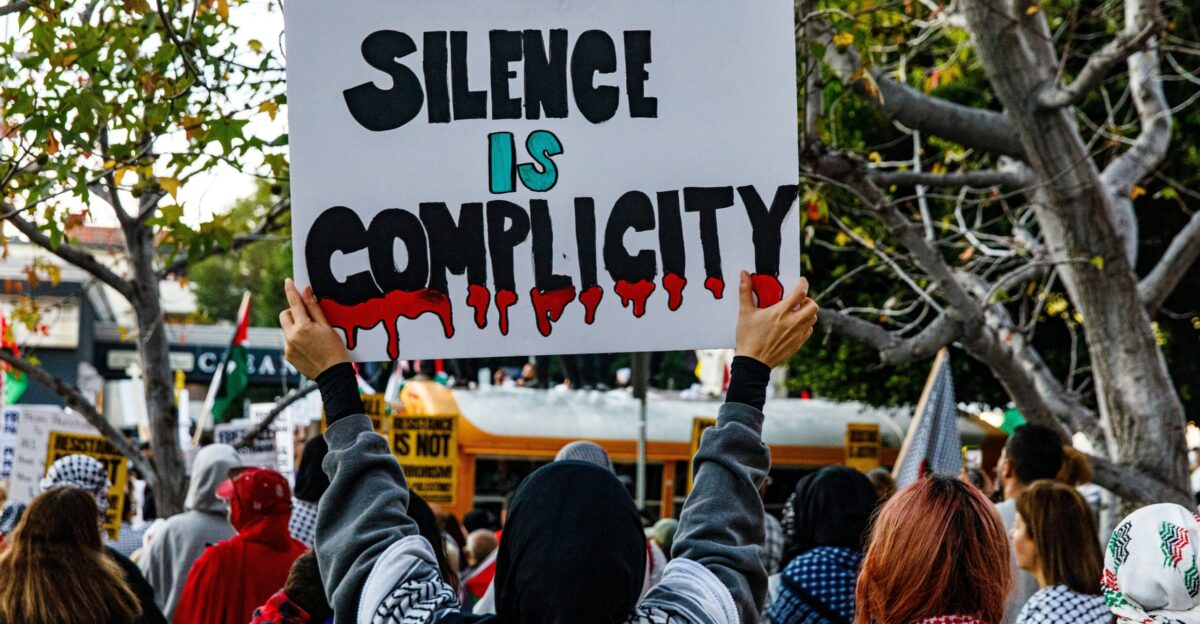
“If the administration’s refusal to participate becomes a valid reason to spike a story, we have effectively handed them a ‘kill switch’ for any reporting they find inconvenient,” Alfonsi wrote. “Government silence is a statement, not a VETO. Their refusal to be interviewed is a tactical maneuver designed to kill the story.” She argued CBS risked 50 years of reputation for one week of quiet. Then an unexpected leak changed everything.
The Canadian Slip-Up

The finished episode was sent to Global TV in Canada, which had licensing rights, on Friday December 19. CBS issued a “kill order” Saturday afternoon. Global replaced it on traditional TV but left the original in its on-demand systems. Viewers found it Sunday night and started recording. By Monday, clips spread across Reddit, Bluesky, YouTube, and TikTok. Could CBS put the genie back in the bottle?
Virality Becomes The Broadcast
Within 48 hours, the segment spread internationally. Reddit posts urged viewers to “watch fast,” predicting takedowns. Bluesky journalists shared clips to 500,000-plus followers. Archive.org and torrent sites preserved copies as public-interest material. YouTube received copyright notices, but uploads reappeared quickly. The story reached audiences far beyond “60 Minutes” broadcast reach. That sparked a new battle over online erasure.
Archivists Versus Copyright Claims

As Paramount lawyers issued Digital Millennium Copyright Act takedowns, digital archivists uploaded copies to Archive.org and distributed torrent files. One archivist stated that they were preserving a document of public interest, which transcended corporate copyright claims. The decentralized internet made total suppression impossible. Ironically, the leak drove more viewership than a single broadcast would have likely achieved. What did the public absorb from the footage?
What Viewers Heard For Themselves
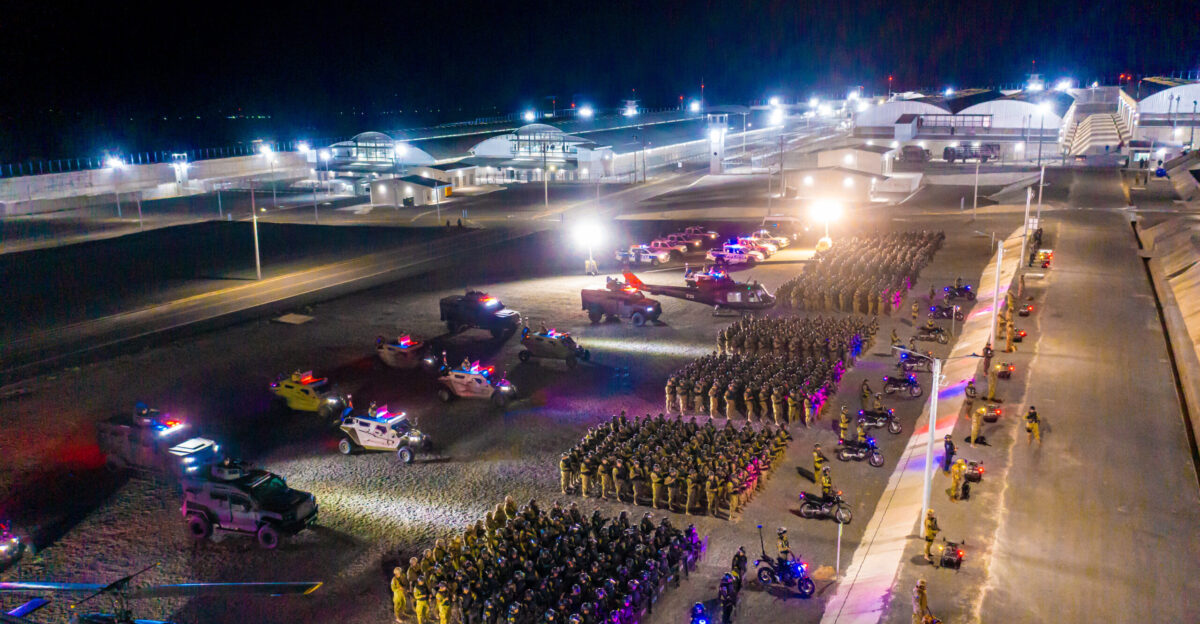
The leaked segment gave millions of direct accounts from former CECOT detainees describing systematic torture. College student Luis Muñoz Pinto said guards broke his tooth. Another detainee described 24-hour solitary confinement in total darkness. Human Rights Watch researcher Alexa Koenig warned: “When information gets concentrated in a few hands, and independent media is squeezed, we’re working with a highly dangerous information ecosystem.” The fallout quickly moved beyond CBS.
A Bigger Threat To Democracy
The CECOT episode highlighted a dangerous precedent. If the government’s refusal to comment can spike reporting, official silence becomes a veto. If regulatory approvals reward corporate compliance with presidential pressure, media independence becomes negotiable. If outspoken journalists face retaliation while compliant figures rise, self-censorship spreads. Press freedom advocates warn of “authoritarian media capture” unfolding in real time. The final question now hangs over the industry.
The Report May Air, But Trust Is Shaken
As of last week, CBS said the CECOT segment would eventually air, possibly edited. Alfonsi remains at “60 Minutes,” but tensions persist. The leaked version keeps circulating worldwide, and CBS’s reputation has taken lasting damage. The larger issue remains unresolved: will major American newsrooms defend independence against government pressure, or has that era already ended?
Sources
“You Have Arrived in Hell’: Torture and Other Abuses Against Venezuelans in El Salvador’s Mega Prison.” Human Rights Watch, November 12, 2025
“Judge Orders Trump Administration to Provide Due Process for Venezuelan Deportees.” U.S. District Court for the District of Columbia, December 22, 2025
“Paramount-Skydance Merger Approval with FCC Conditions.” Federal Communications Commission, July 24, 2025
“Inside CECOT.” 60 Minutes, CBS News, December 21, 2025
“March 2025 American Deportations of Venezuelans.” U.S. Government Records and Court Filings, various dates