A return label is generated, a refund total drops, and a new fee appears before the box is even sealed. Across the U.S., this moment is playing out millions of times as retailers lock in a projected $849.9 billion in returns for 2025—nearly one-sixth of all sales.
This holiday season, 72% of retailers now charge for returns, quietly reshaping checkout math for shoppers nationwide. But this shift didn’t start at the register—and it isn’t finished yet.
Fraud and Abuse Push Retailers to Act

Retailers say the surge isn’t accidental. An overwhelming 93% cite fraud and exploitative behavior as a significant problem, forcing policy crackdowns. One driver is “bracketing,” where shoppers buy multiple sizes or styles, intending to return most of them.
NRF and Happy Returns data show this behavior is now widespread, especially during peak shopping periods. As return volumes swell ahead of the 2025 holiday season, fees have become a defensive tool rather than an exception.
New Return Fees Hit Shoppers Directly

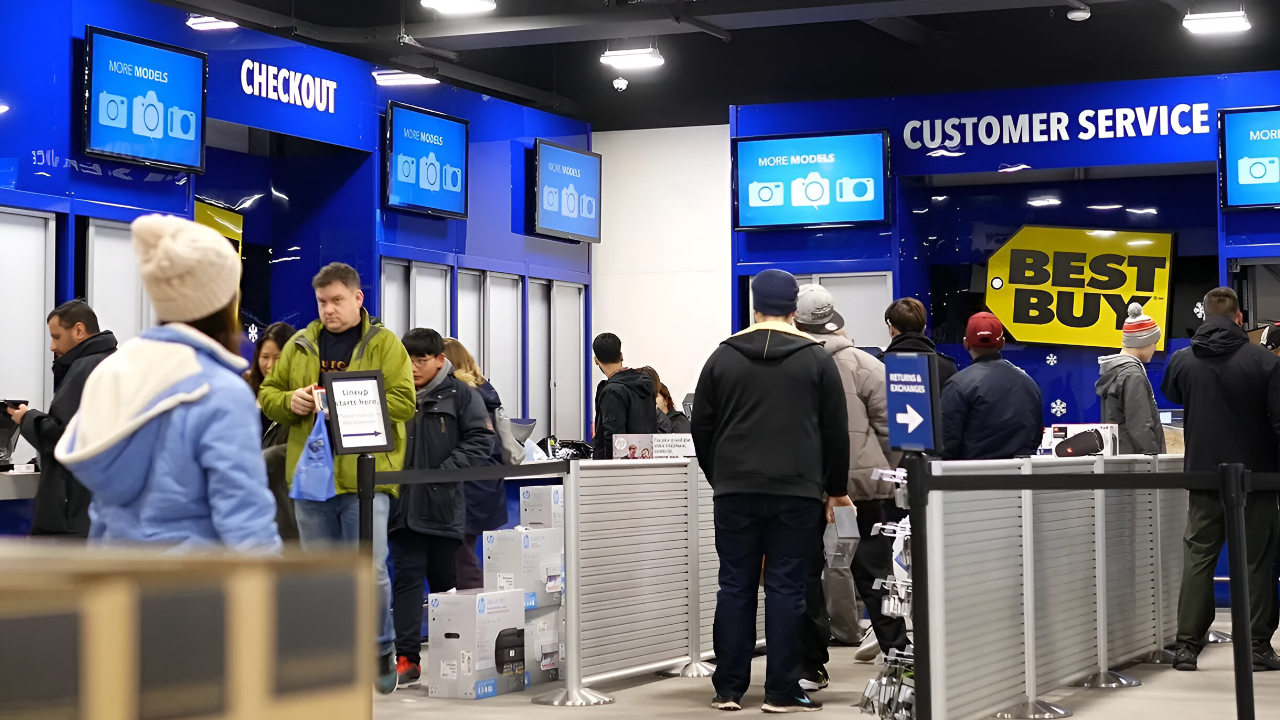
Return costs are no longer hidden. Zara now charges $4.95 per returned item. Macy’s deducts $9.99 from mailed refunds. Best Buy applies a 15% restocking fee on opened electronics, while Kohl’s mirrors that rate on non-defective items.
These policies reduce refunds immediately, shifting costs to households nationwide. For families navigating holiday returns, “free” increasingly disappears once the receipt is reviewed.
Major Chains Tighten Policies Across Categories

The fee expansion cuts across nearly every retail segment. Best Buy can charge up to $45 on phones and tablets. TJ Maxx, Marshalls, and HomeGoods apply $11.99 per mailed return.
JCPenney adds $8 per mail-in return and up to 20% on furniture, plus pickup fees. Urban Outfitters, Dillard’s, and J. Crew now charge restocking or label fees. Apparel, electronics, furniture, and beauty are all affected.
Extended Holiday Windows Come With Tradeoffs

Some big-box retailers soften the blow with longer return windows. Amazon, Walmart, Target, Best Buy, Macy’s, and Kohl’s allow most holiday purchases to be returned into January 2026.
On paper, this offers flexibility. In practice, extended windows often coexist with stricter fees, documentation rules, and exclusions. Shoppers now weigh convenience against cost, discovering that time isn’t the only factor shaping a refund.
Online Shopping Shifts the Burden In-Store
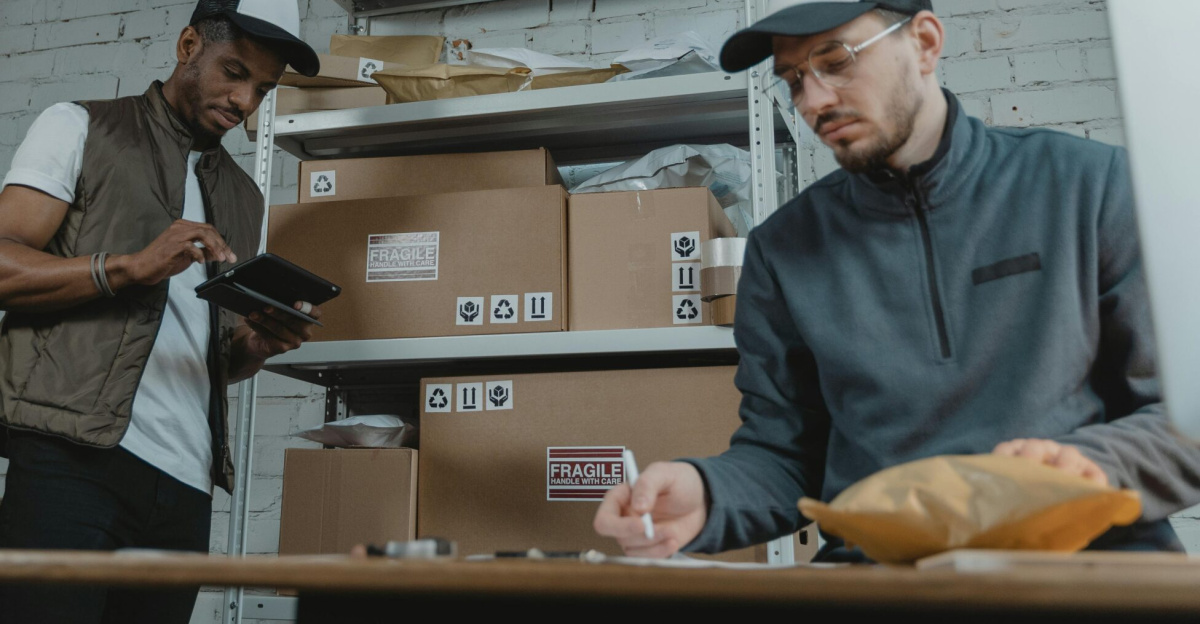
E-commerce growth has rerouted return traffic into physical locations. Buy-online-return-in-store behavior continues to rise, pushing stores to process online purchases at their counters. This hybrid flow strains staff, floor space, and inventory systems.
Retailers must now manage digital and physical returns simultaneously, especially during holidays. The convenience customers expect increasingly translates into operational pressure retailers can’t absorb without charging fees.
Reverse Logistics Becomes a Cost Sink
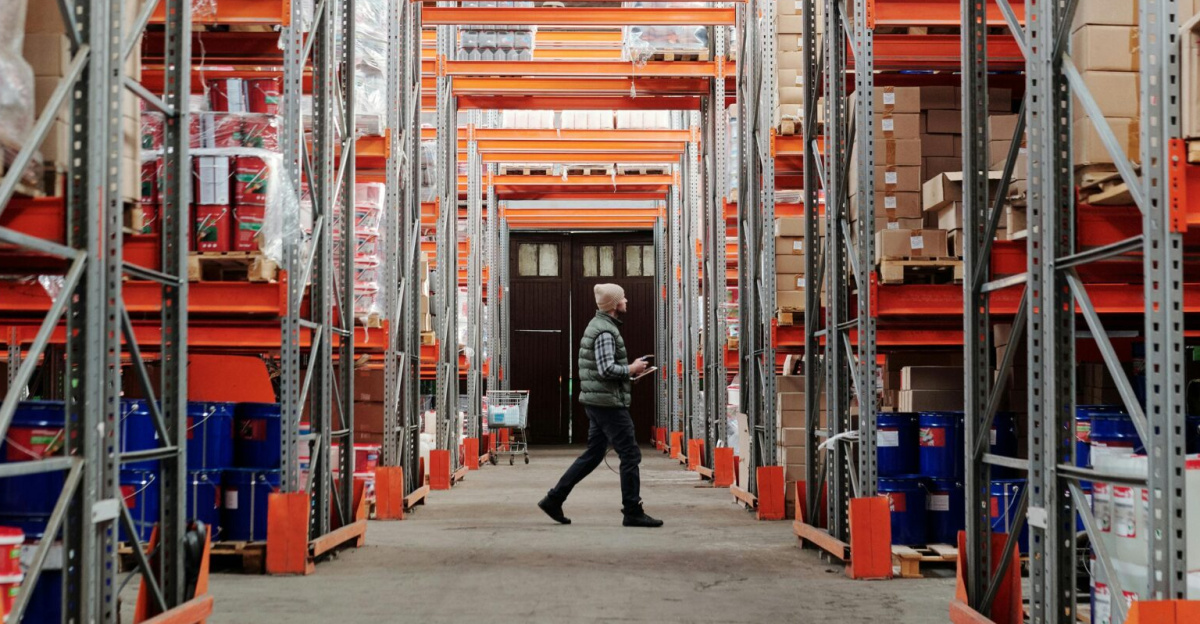
Behind every return is a costly logistical chain. Items must be shipped, inspected, repackaged, resold, liquidated, or discarded. Reverse logistics now absorbs billions annually across U.S. supply networks.
Fraud compounds the damage, forcing retailers to invest heavily in detection systems and tighter controls. As return volumes remain elevated through 2025, logistics operations face sustained pressure, reshaping how retailers calculate profitability beyond the initial sale.
Gen Z’s Role in the Return Equation

Gen Z sits at the center of the shift. Data shows 51% of Gen Z consumers engage in bracketing, driving higher return rates than any other group.
That behavior has consequences beyond refunds. Retail employees—many of them Gen Z themselves—handle rising return volumes under stricter policies. Industry leaders say return rules are no longer an afterthought; they now influence how younger shoppers plan purchases from the start.
Policy Tightening Outpaces Regulation
There is no new federal law governing retail returns, but retailers aren’t waiting. A large majority tightened policies throughout 2024 and 2025 to counter abuse. Fees, shorter windows for certain categories, and stricter receipt requirements are becoming standard.
While public pressure builds around transparency and fairness, industry groups continue to favor self-regulation, signaling that fee-based returns are likely to expand before any legislative response appears.
Return Fees Quietly Raise Prices
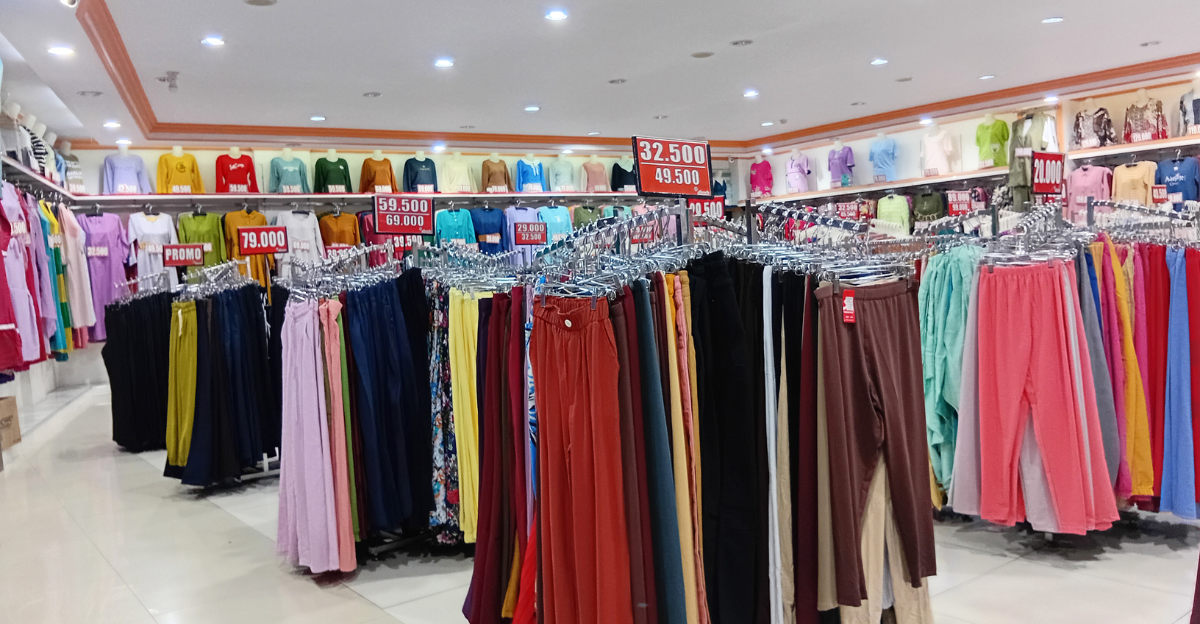
Returns now account for nearly one-sixth of U.S. retail sales, and the costs ripple outward. When shoppers pay $5, $10, or $45 to send items back, effective prices rise without changing shelf tags. During peak holiday shopping, those fees accumulate quickly.
What looks like a small charge per return can significantly erode household budgets, especially for families purchasing gifts across multiple retailers.
Shopping Habits Begin to Shift

As fees spread, behavior adjusts. Shoppers are becoming more deliberate, double-checking sizing charts, reviews, and product details before purchasing. Impulse buying declines when returns carry penalties.
For Gen Z and younger households, return fees are reshaping habits around fit, quality, and necessity. The era of consequence-free experimentation is fading, replaced by a more calculated approach to online and in-store purchases.
Environmental Stakes Add Pressure

Returns don’t just cost money—they create waste. Many returned items cannot be resold and end up in landfills, particularly in fashion and seasonal categories. Environmental concerns are increasingly cited alongside fraud as justification for tighter policies.
Retailers argue that discouraging unnecessary returns reduces waste. Critics counter that fees shift responsibility to consumers without addressing overproduction. The sustainability debate intensifies as volumes remain historically high.
A New Industry Rises Around Returns

As retailers clamp down, service providers benefit. Return-management platforms, fraud-detection firms, and logistics specialists see growing demand. Companies offering centralized drop-off, faster processing, and abuse prevention have become critical partners.
What was once a backend inconvenience has evolved into a specialized industry. The return crisis isn’t shrinking—it’s spawning an ecosystem designed to manage its scale more efficiently.
Investors Watch, Shoppers Adjust
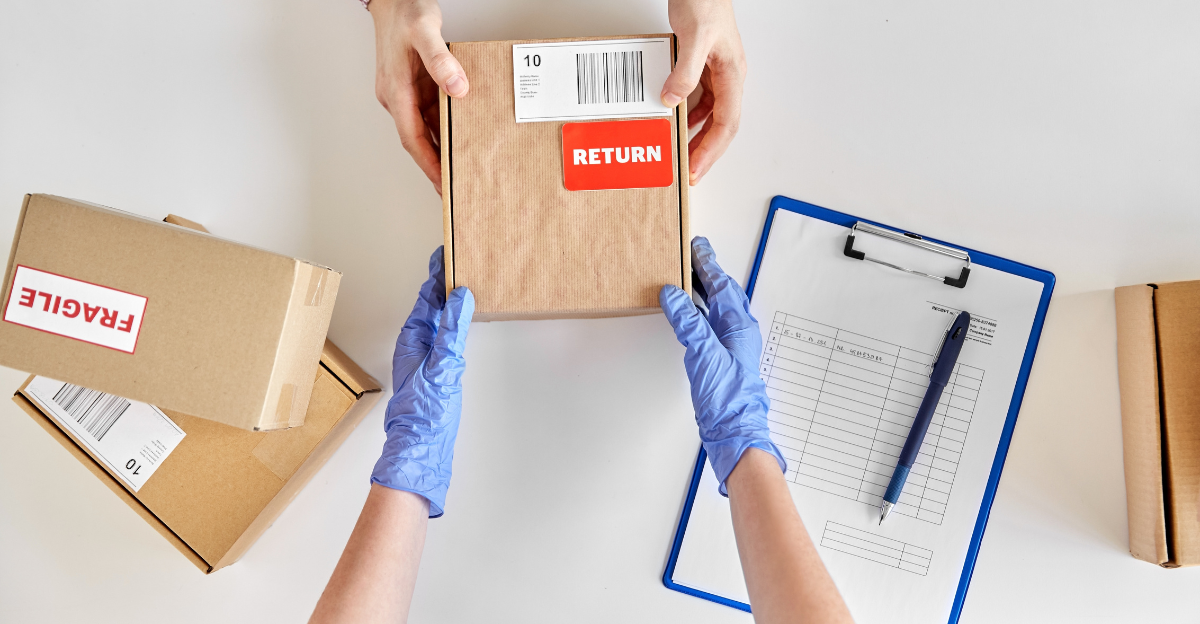
Stricter return policies may improve margins for large retailers, drawing investor attention. But consumers feel the friction immediately. Shoppers increasingly scan return policies before clicking “buy,” avoid bracketing, and test items in-store when possible.
Awareness becomes a cost-saving tool. The checkout decision now extends beyond price and shipping—it includes the financial risk of returning an unwanted item.
Returns Are Entrenched, Not Temporary
The numbers suggest permanence. Nearly $850 billion in annual returns and a record share of fee-charging retailers signal a structural shift.
Fraud concerns, logistics costs, and behavioral changes are reinforcing one another. While technology and policy refinements may reduce friction over time, the direction is set. Returns are no longer a courtesy—they’re a calculated transaction shaping how Americans shop heading into 2026.
Sources:
“Consumers Expected to Return Nearly $850 Billion in Merchandise in 2025.” National Retail Federation, 14 Oct 2025.
“What to know about new return fees, timelines from retailers for holiday gifts.” ABC News, 09 Dec 2025.
“Best Buy charges $45 return fee: Full list of retailer return policies.” NJ.com, 17 Dec 2025.
“Wardrobing and Bracketing: Managing Returns This Peak Season.” Parcelhub, 21 Aug 2025.