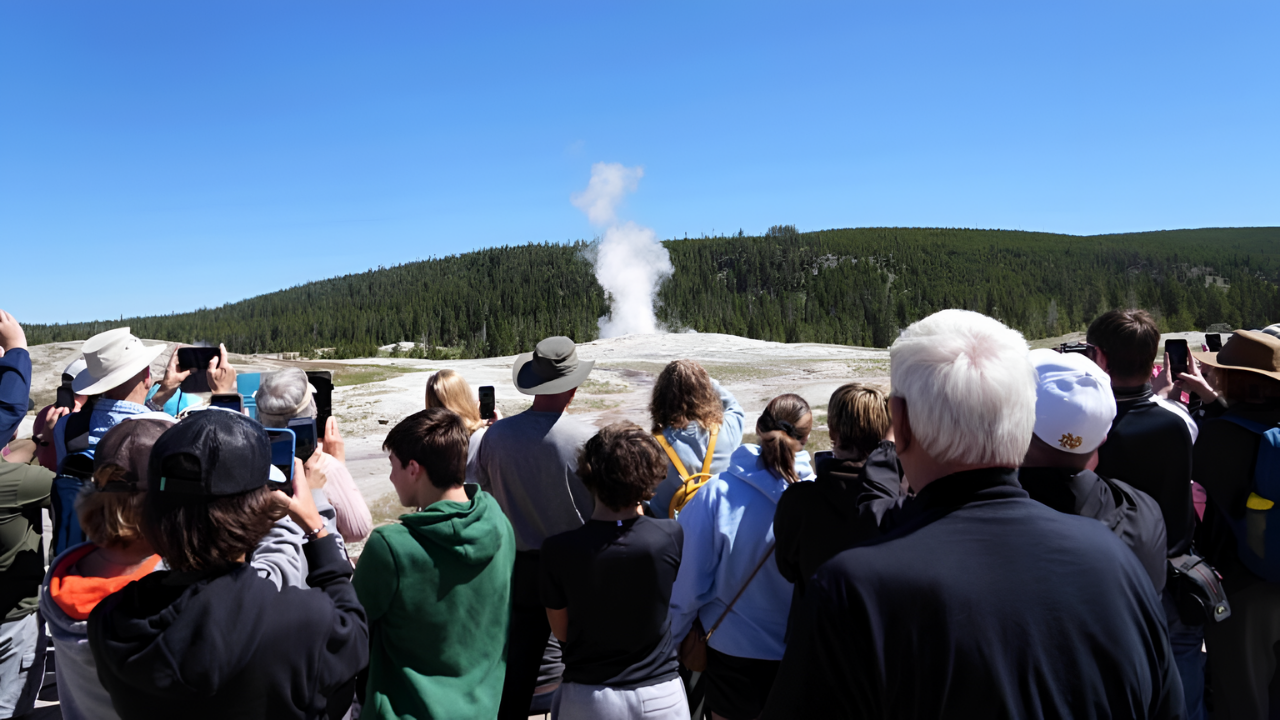
Yellowstone National Park captivates millions with geysers, hot springs, and wildlife. Beneath its boardwalks, however, something extraordinary unfolded for more than a decade unnoticed. Between 2008 and 2022, the ground shook 86,000 times—a discovery scientists only made recently.
A July 2025 Science Advances study revealed manual detection had missed roughly 90 percent of these earthquakes. Machine learning algorithms uncovered a hidden seismic catalog that reshapes understanding of this iconic supervolcano.
AI Listened Where Humans Couldn’t
Researchers from Western University, the U.S. Geological Survey, and Colombia’s Universidad Industrial de Santander used machine learning to analyze 15 years of seismic data. Automated detection revealed 10 times more earthquakes than humans had ever found.
Dr. Bing Li, an engineering professor and earthquake mechanics expert, underscored the scale of the challenge, noting you simply “couldn’t do it old school.” Deep learning algorithms identified millions of seismic phase arrivals with precision that transformed Yellowstone monitoring.
A Supervolcano The Size Of A Small State
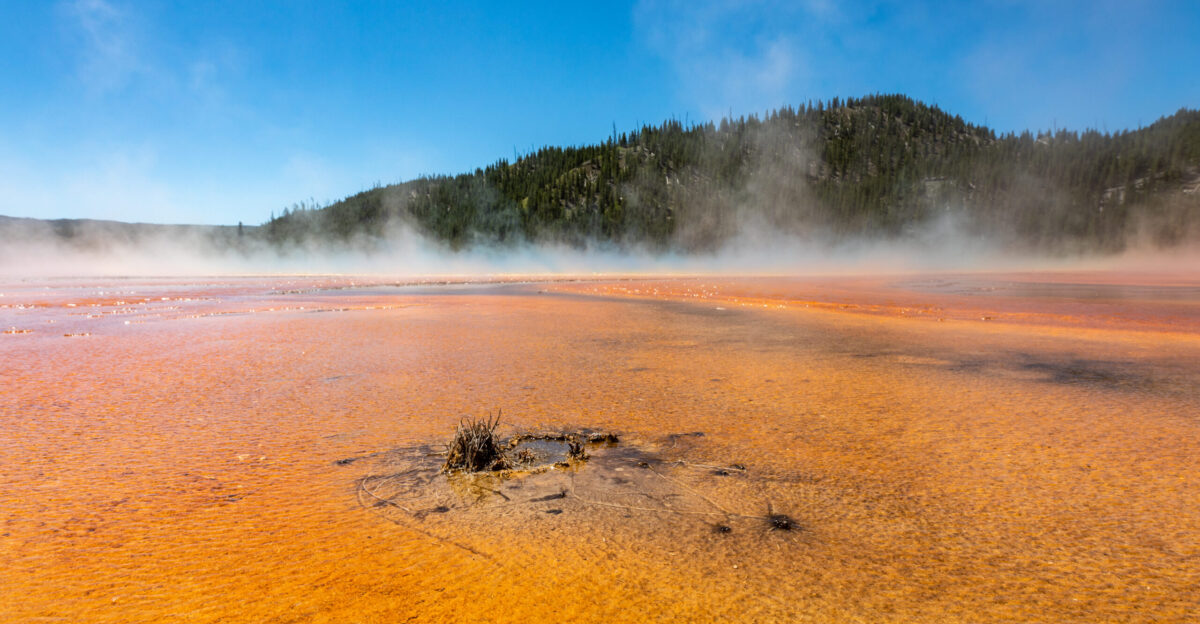
The Yellowstone Caldera spans about 30 by 45 miles across Wyoming, Idaho, and Montana. Unlike a classic cone-shaped volcano, it is a massive depression formed 640,000 years ago when the ground collapsed after a supereruption drained the magma chamber below.
That ancient blast ejected roughly 240 cubic miles of rock and ash, creating a crater so vast it took decades for scientists to map its true extent. Today, this caldera lies beneath a national park monitored around the clock by seismometers, GPS stations, and thermal sensors.
Yellowstone’s Seismic Story
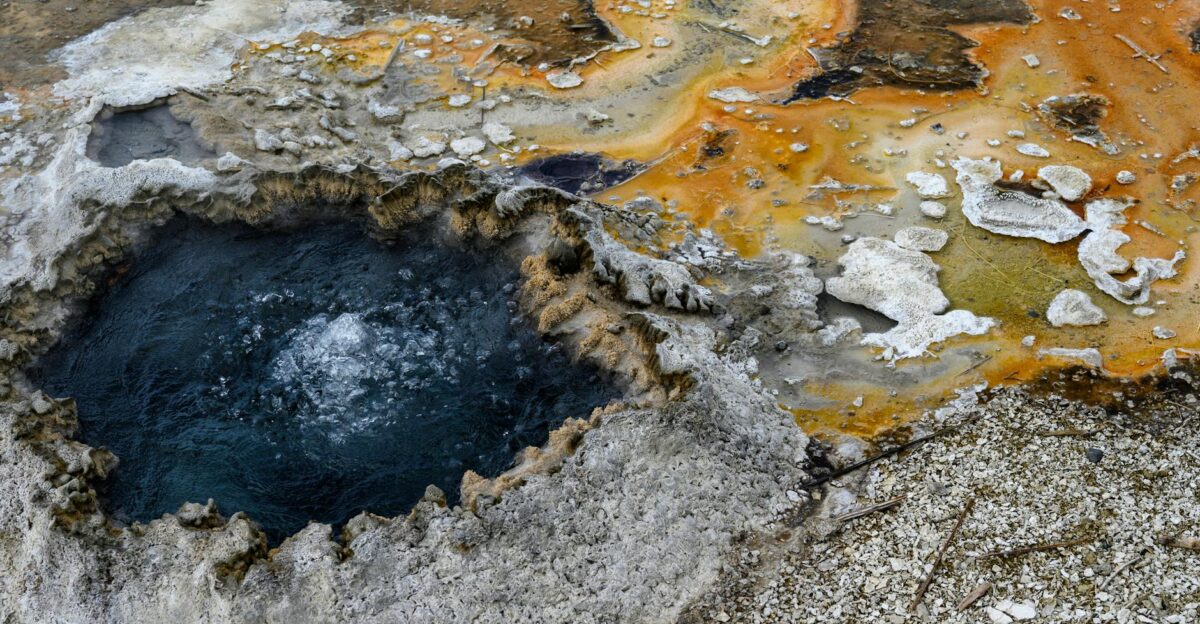
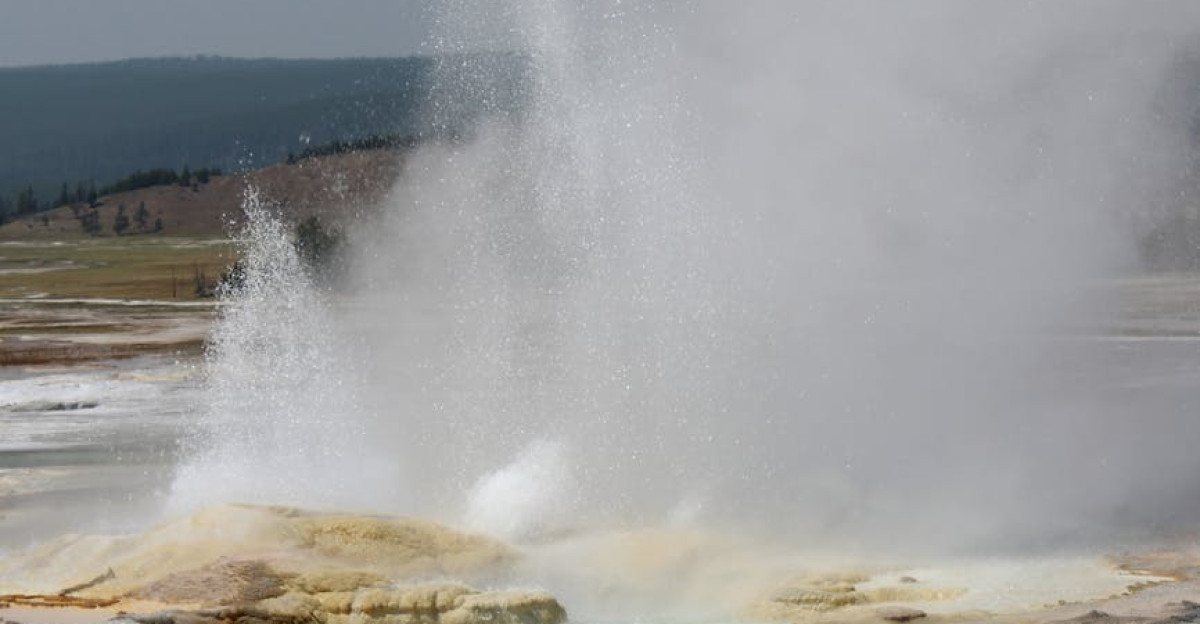
More than half of the 86,000 earthquakes occurred in swarms—clusters of small, interconnected tremors that flare up in confined areas over short periods. Unlike orderly aftershock sequences that follow a large quake, swarms behave chaotically, migrating along faults both vertically and laterally.
The new catalog reveals that these swarms cluster along relatively immature, rough fault structures beneath the caldera.
Hot Water, Not Rising Magma, Fuels The Shaking
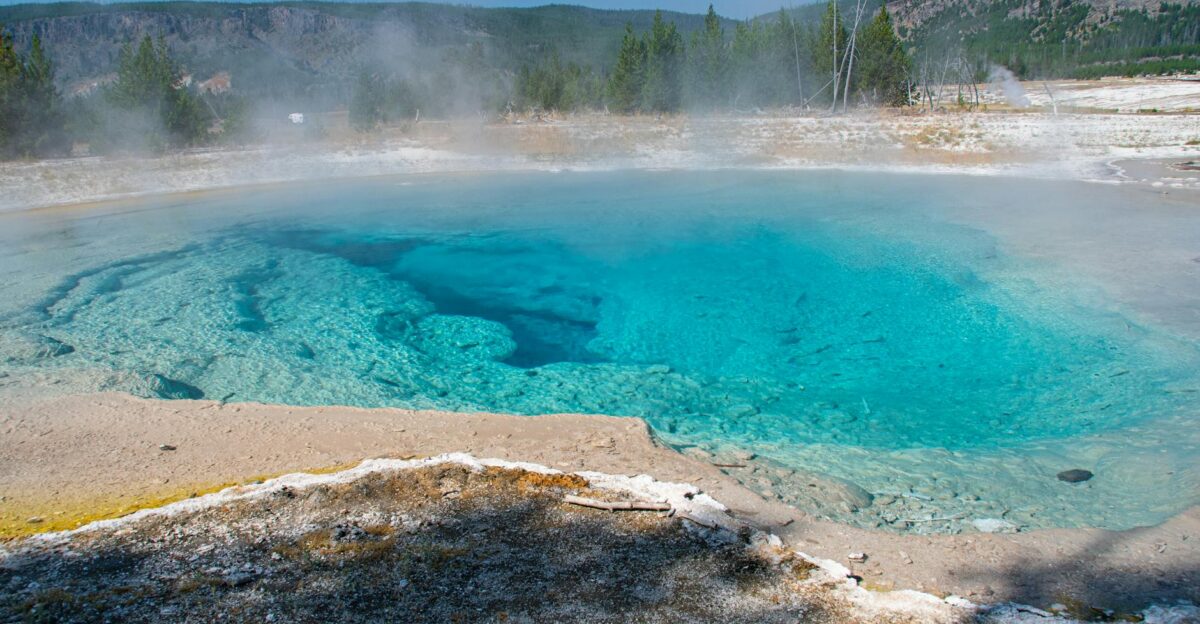
Despite the dramatic numbers, experts stress that Yellowstone’s swarms are not a sign of magma surging toward the surface. Instead, the study points to the movement of hot, mineral-rich water forcing its way through cracks in the rock. Water heated by the volcanic system gradually builds pressure until self-sealing mineral deposits rupture, releasing sudden bursts of seismicity.
Researchers describe this as an interplay between slowly diffusing fluids and rapid episodic injections. In practical terms, it is hydrothermal plumbing, not magma, driving most of the shaking.
Yellowstone Remains At “Normal” Alert Level
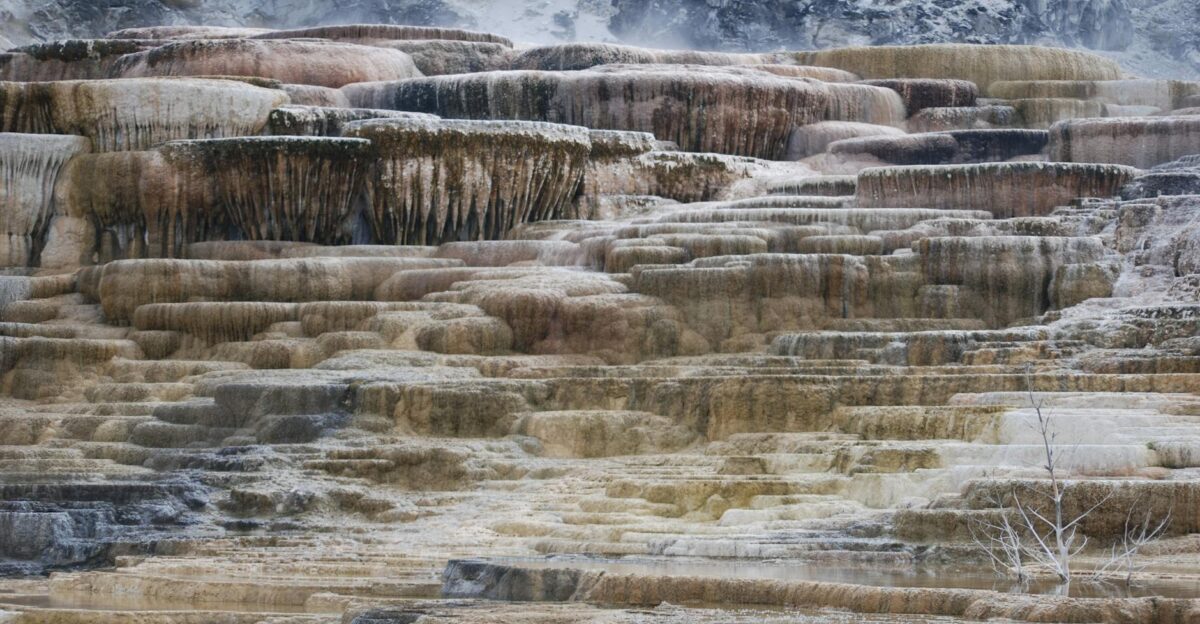
For worried observers, the U.S. Geological Survey offers a clear bottom line: Yellowstone’s volcano alert level remains at “Normal,” with an aviation color code of Green. In November 2025, the park recorded 251 located earthquakes, the largest a magnitude 3.2 event near Mammoth Hot Springs on November 9.
USGS scientists described the activity as “slightly above background levels” but still well within Yellowstone’s typical range. Crucially, they report no unusual ground deformation anywhere across the caldera.
Three November Swarms
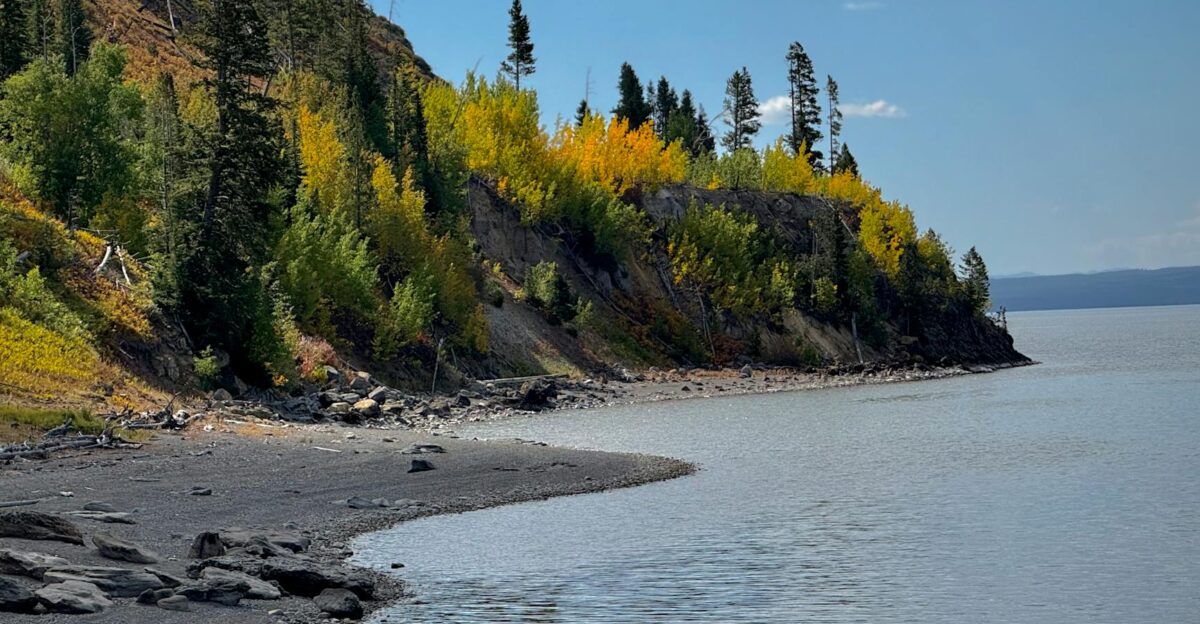
In November 2025, seismicity concentrated in three distinct swarms across the park. One extended an ongoing sequence that began in late September, adding 70 earthquakes about 14 miles south-southwest of Mammoth Hot Springs, including the month’s largest magnitude 3.2 event.
A second swarm produced 105 earthquakes near Yellowstone Lake between November 2 and 30, topping out at magnitude 2.5. A smaller sequence of 11 earthquakes struck 13 miles northeast of West Yellowstone, Montana, on November 26–27.
Hydrothermal Explosions
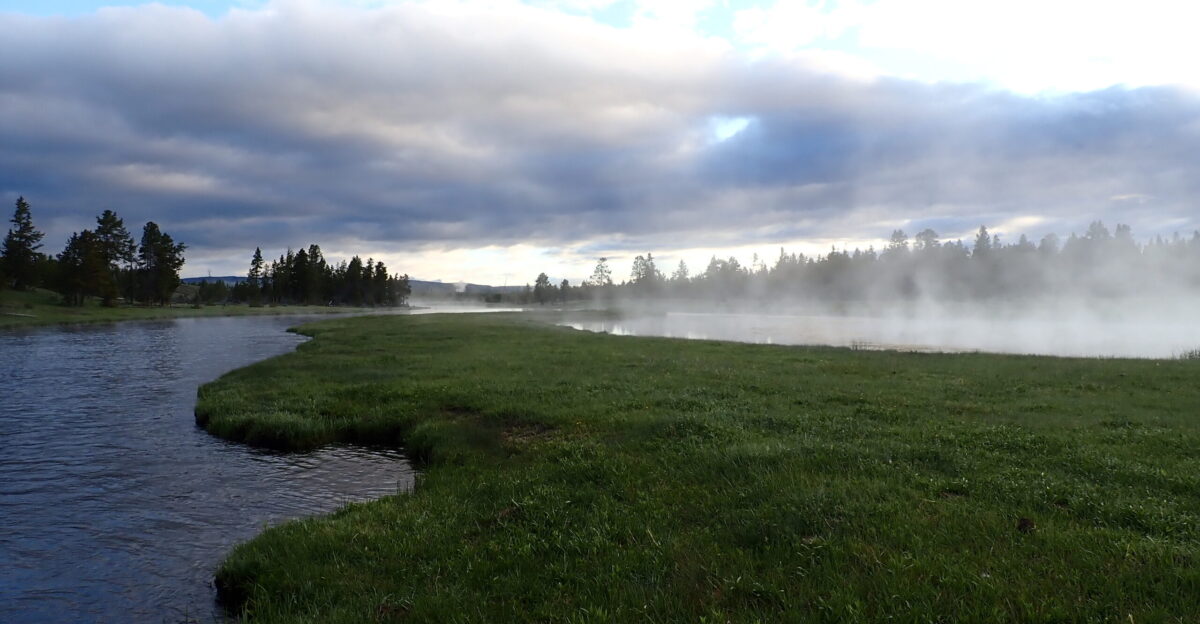
On July 23, 2024, visitors at Biscuit Basin witnessed a dramatic hydrothermal explosion at Black Diamond Pool. Rocks the size of grapefruits—and some boulders up to three feet wide—were hurled hundreds of feet into the air, shredding a nearby boardwalk and littering the thermal area with debris. No one was injured.
This was not a volcanic eruption but superheated water flashing to steam when pressure suddenly dropped.
A New Thermal Pool Emerged In Early 2025
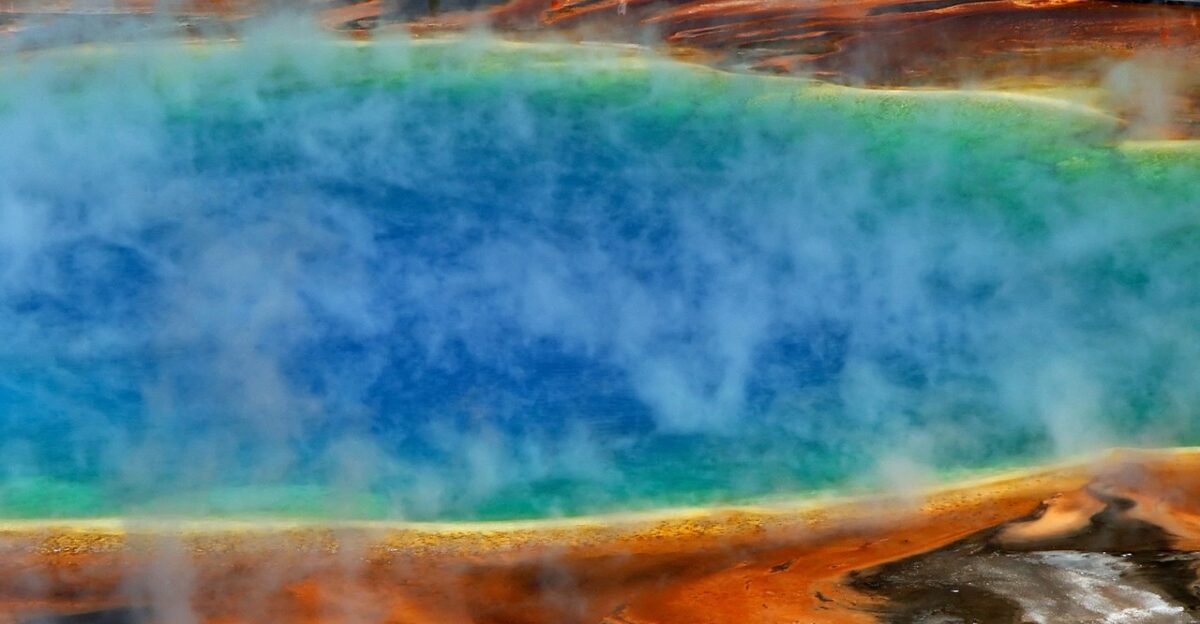
Yellowstone’s ever-changing hydrothermal landscape delivered another surprise in early 2025, when a new thermal pool appeared in Norris Geyser Basin, the park’s oldest and most dynamic geothermal area. Satellite images show no sign of the feature before December 19, 2024, yet by January 6, a shallow depression had formed.
By February 13, it had evolved into a pool roughly 13 feet wide and one foot deep, filled with 109-degree water. Acoustic monitoring suggests the feature was born during mildly explosive hydrothermal events that produced faint rumbles but no detectable earthquakes.
Millions Visit, But Some Live On Top Of The System
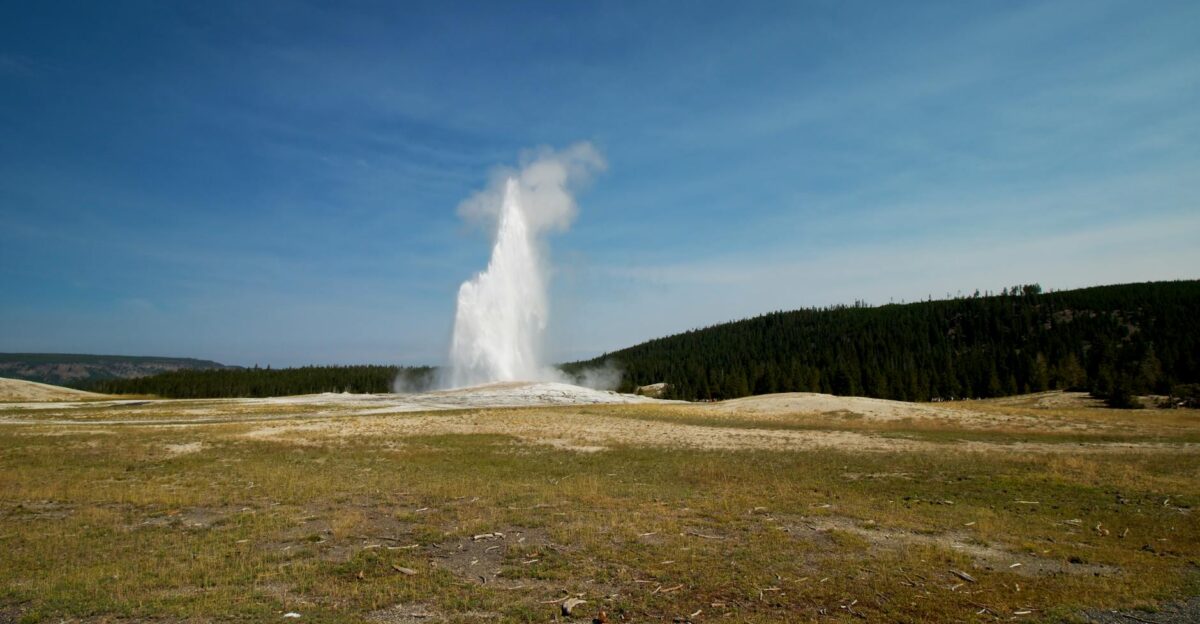
Wyoming, Montana, and Idaho sit directly above one of Earth’s most closely watched volcanic systems. Tourism brings economic lifeblood as millions of visitors come to watch Old Faithful and wander steaming basins. Yet gateway communities also live with the knowledge that the caldera beneath them has a violent past.
Under normal conditions, Yellowstone records roughly 1,500 to 2,500 earthquakes per year, most of which are too small to be felt. The new machine learning catalog suggests an average closer to 6,143 quakes annually.
Potential Continental Impact
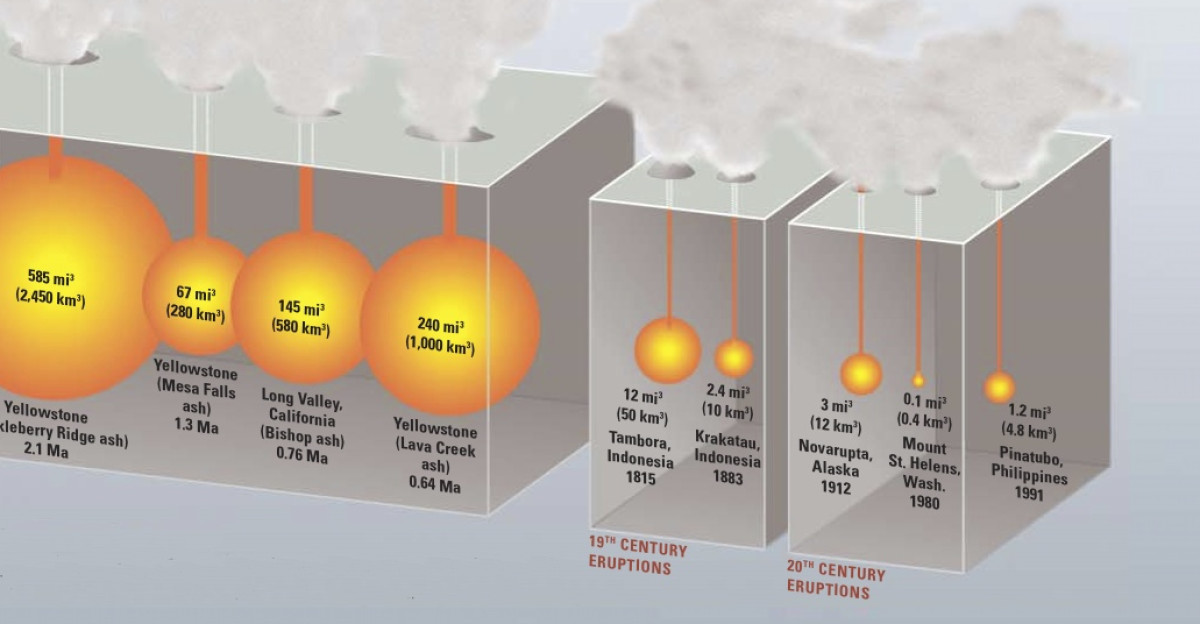
If Yellowstone were to unleash another supereruption on the scale of the event 640,000 years ago, the consequences would be severe and widespread. USGS modeling indicates ash would blanket much of North America, with implications extending far beyond surrounding states.
The Lava Creek ash bed from the last supereruption covered an area of three to four million square kilometers, extending from the Pacific Ocean to the Gulf of Mexico.
A Supereruption Is Extremely Unlikely
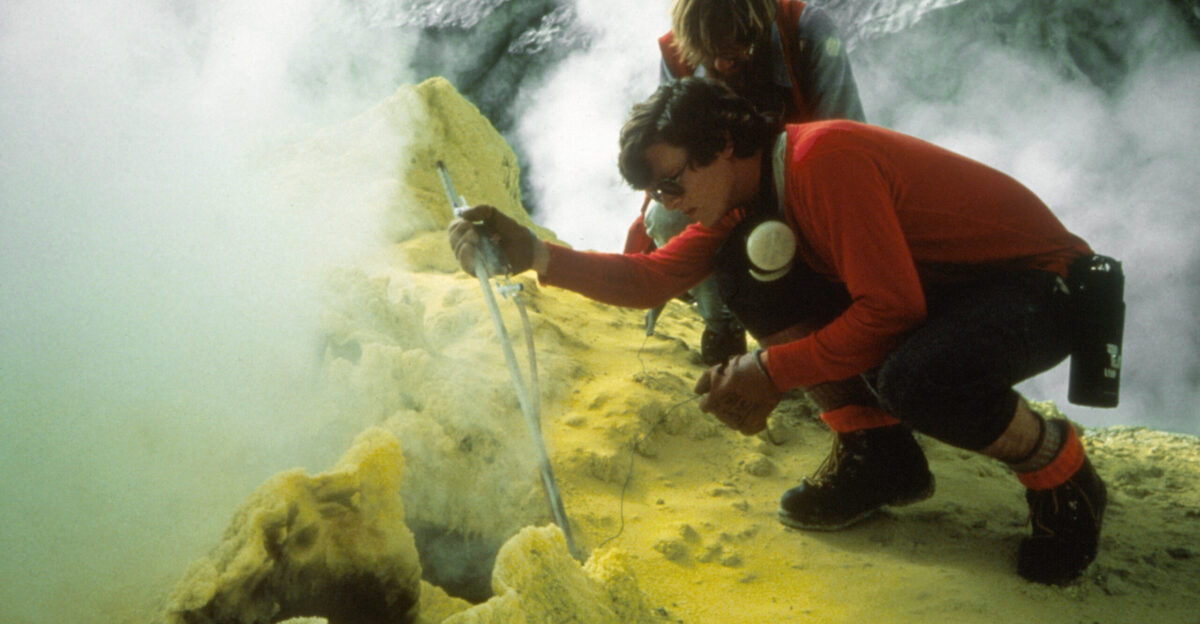
Despite the catastrophic scenarios, volcanologists emphasize that the odds of such a supereruption occurring in any human lifetime are vanishingly small. USGS projections suggest that the next caldera-forming event is likely to occur one to two million years away, probably in Montana, as the North American plate drifts over the Yellowstone hotspot.
More realistic future scenarios involve modest lava flows or additional hydrothermal explosions. With dense monitoring networks tracking ground deformation, gas emissions, and sustained earthquake swarms, scientists expect years to decades of warning before any major eruption.
NASA’s $3.46 Billion Idea To Cool Yellowstone

NASA scientists have proposed a bold theoretical concept to cool the Yellowstone system and mitigate long-term eruption risk. The idea involves drilling as deep as 10 kilometers into the volcano’s lower flanks, outside park boundaries, and pumping high-pressure, cold water into the hot rock surrounding the magma chamber.
The returning water, heated to roughly 350 degrees Celsius, could be used to generate electricity at about 10 cents per kilowatt-hour. Yellowstone currently leaks around six gigawatts of heat, enough to power the region for tens of thousands of years if harnessed.
Cooling The Supervolcano
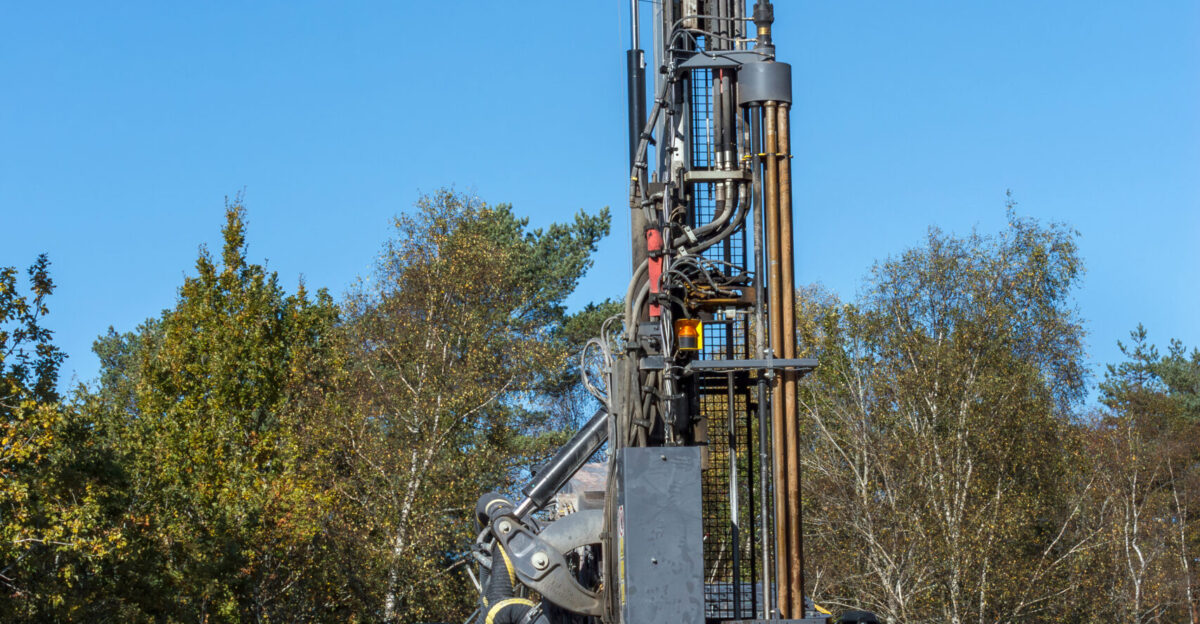
Even on paper, NASA’s cooling plan is a project measured in millennia. At an estimated cooling rate of about one meter per year, it would take tens of thousands of years before the magma body solidified into cold rock. The proposed $3.46 billion cost represents only the starting investment, and the technical risks are profound.
Drilling too close to the magma chamber could destabilize the system and conceivably trigger the very eruption the project aims to prevent. For now, the plan remains a thought experiment illustrating both human ingenuity and its limits.
Machine Learning Reveals Faults That Fuel The Swarms
The Yellowstone study highlights a broader revolution in seismology driven by artificial intelligence. Deep learning tools processed 15 years of continuous seismic data, identifying millions of seismic phase arrivals and producing a final catalog of 67,433 high-precision relocated earthquakes.
Fractal analysis revealed that faults within the caldera are rougher and more immature than those outside, facilitating the upward migration of hot fluids and fueling chaotic swarms.
Not Waking Up, But Finally Heard
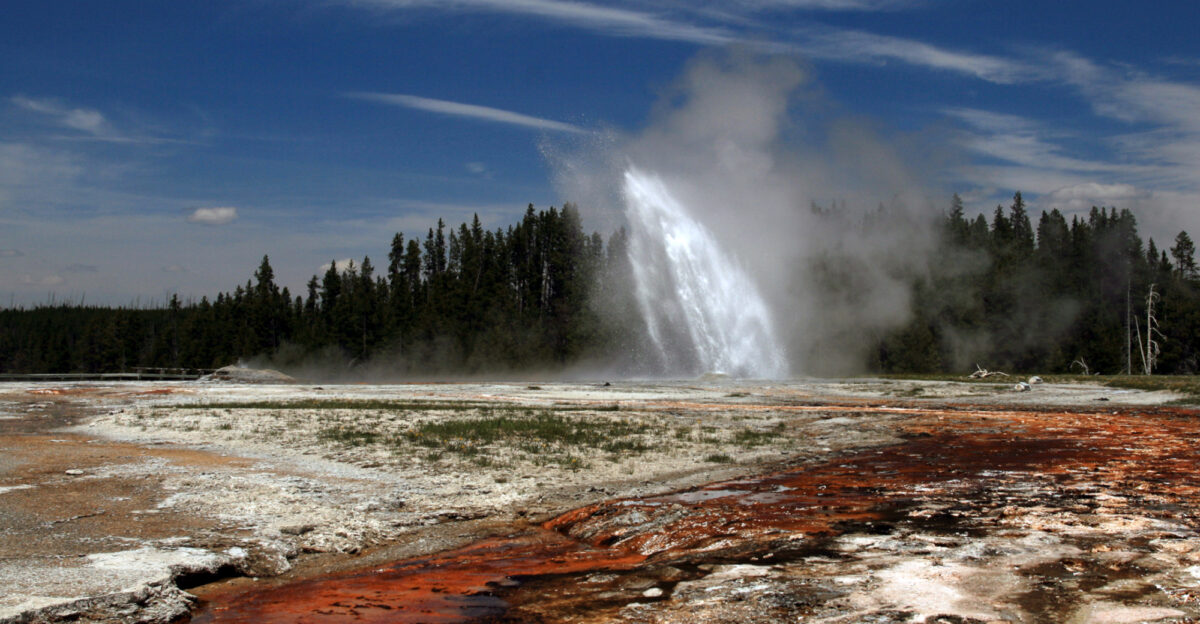
Yellowstone is not “waking up”—it never slept. The system has been continuously active for 640,000 years since the last supereruption. What has changed is human perception: with machine learning listening to seismic data, scientists can finally hear what has always been happening beneath their feet.
The 86,000 earthquakes cataloged through AI detection represent normal hydrothermal circulation, not a countdown to catastrophe. USGS monitoring networks continue operating at peak sensitivity, tracking deformation and gas emissions. Yellowstone remains at background alert levels, a restless geothermal system operating within its historical parameters.
Sources:
Yellowstone Volcano Observatory Monthly Update — U.S. Geological Survey (December 1, 2025)
Long-term dynamics of earthquake swarms in the Yellowstone caldera — Science Advances
Machine learning reveals more seismic events in Yellowstone — Western University
Report on Yellowstone (United States) — 17 December–23 December 2025 — Smithsonian / USGS Weekly Volcanic Activity Report