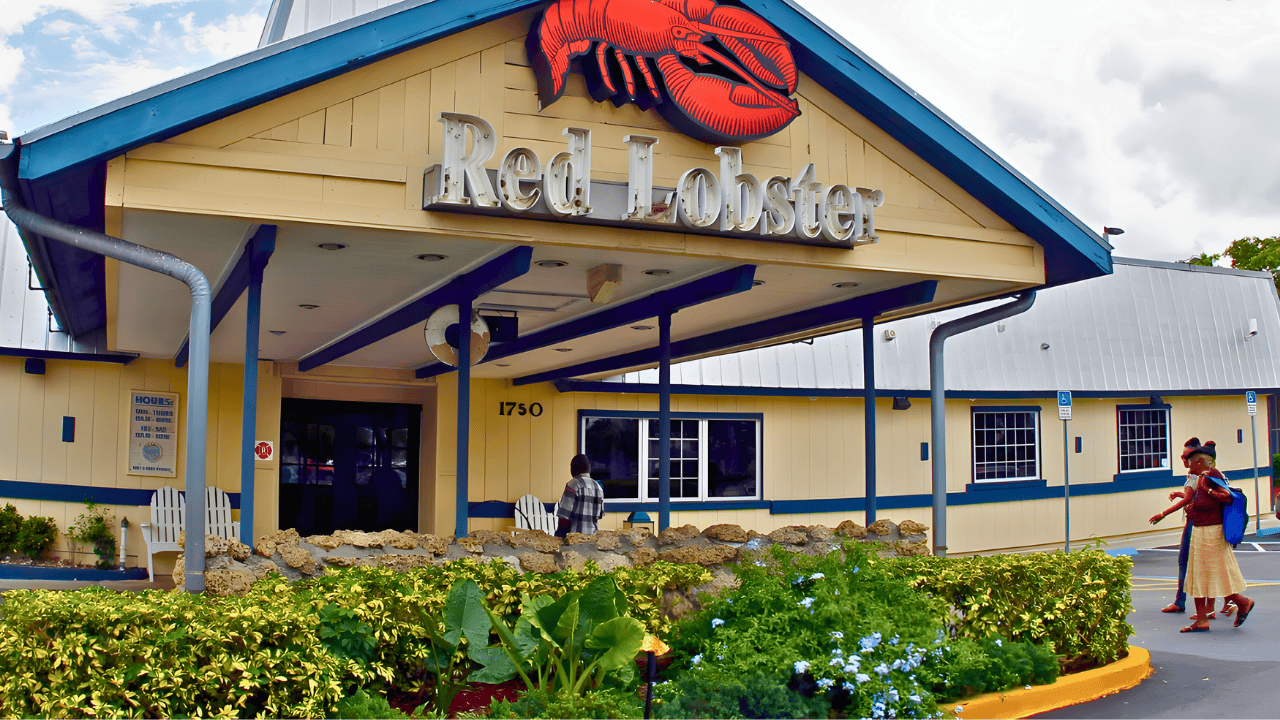
The last few years marked the worst bankruptcy wave in casual dining history. Nearly 350 full-service restaurants shuttered, including icons like TGI Fridays and Red Lobster. Pandemic debt and shifting habits devastated these American institutions. Walk in today and menus, microwaved meals, and skeleton crews replace nostalgia. Families and fans are left disappointed. Here’s what’s going on as we explore the nine chains that fell hardest.
How America’s Casual Dining Empire Crumbled
Full-service restaurants shrank 18% since 2019, with 16 companies filing for bankruptcy in 2024. Pandemic borrowing backfired when 75% of restaurant occasions moved to takeout. Chains slashed food costs, reduced staff, and hoped diners wouldn’t notice. Spoiler: they did. What could have been careful recovery became desperate cost-cutting. The decline wasn’t inevitable—it was a choice that doomed iconic restaurants and betrayed loyal customers.
The Cost-Cutting That Changed Everything
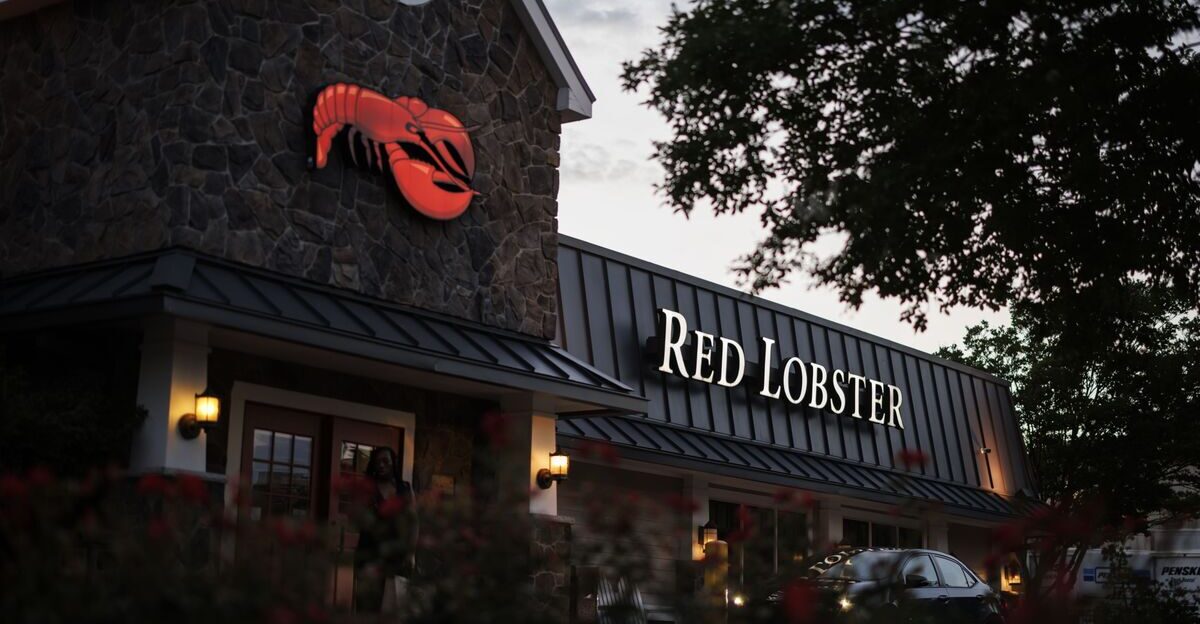
Chains under financial pressure faced two options: invest in quality or cut costs. Most chose the latter. Suppliers were swapped, labor slashed, and training eliminated. Fries now come from microwaved bags, salad dressings bottled. Diners noticed immediately, reputation evaporated, yet executives expressed surprise. Bankruptcy filings confirmed what customers already knew: these restaurants lost their worth. Cost-cutting may have saved money, but it destroyed what made them beloved destinations.
Why This Matters Beyond Just Restaurants
Closures displaced tens of thousands of workers and erased community hubs that anchored neighborhoods. Families lost milestone spots. This isn’t critics whining about menus—it’s a systemic failure. These institutions prioritized debt service over the customer experience that built their empires. What follows are nine chains where the choice to cut corners became impossible to ignore. Each tells a cautionary story of how desperation reshaped casual dining culture.
The Warning Signs Everyone Missed
Closures ranged from 35 stores to 134. Applebee’s posted nine straight years of negative growth, Denny’s continued shrinking, Frisch’s Big Boy lost 60% of locations, and Ruby Tuesday dropped from 900+ to a handful. These numbers were not sudden. Customers abandoned these chains long before bankruptcy filings. The signs were there in declining sales and shrinking footprints. The nine featured chains illustrate the full scope of what went wrong.
Meet The Nine That Lost Their Way
From regional icons to national chains, these nine once defined American casual dining. Pandemic pressures, cost-cutting, and leadership failures transformed them into cautionary tales. Some are bankrupt, some still open but hollowed out. All share a common thread: short-term survival over long-term quality. Nostalgia alone couldn’t save them. What happens when beloved dining memories meet declining standards? Let’s explore these cautionary stories in detail.
#1 TGI Fridays
TGI Fridays once drew crowds with flair bartenders and hand-cut fries. By 2024, 134 locations closed and sales dropped 43.5%. Today, customers report burnt food, cold meals, and bland microwaved items. The chain abandoned fresh, made-to-order dining. Prices remained high while quality vanished. Trustpilot reviews read like obituaries. Nostalgia doesn’t survive reality. The flair is gone, leaving disappointment behind. Can any chain survive such a fall from grace?
#2 Red Lobster
Red Lobster made seafood accessible since 1968. Bankruptcy hit May 2024 after 131 locations closed. The endless shrimp promotion, once iconic, became a liability. Ingredient cost-cutting and understaffing created a perfect storm. Reviews note thinner portions, longer waits, and diminished quality. The chain specialized in affordable special occasions but destroyed that value. Fans should skip it entirely. What went wrong for this seafood staple? The details reveal the consequences of ignoring quality.
#3 Applebee’s
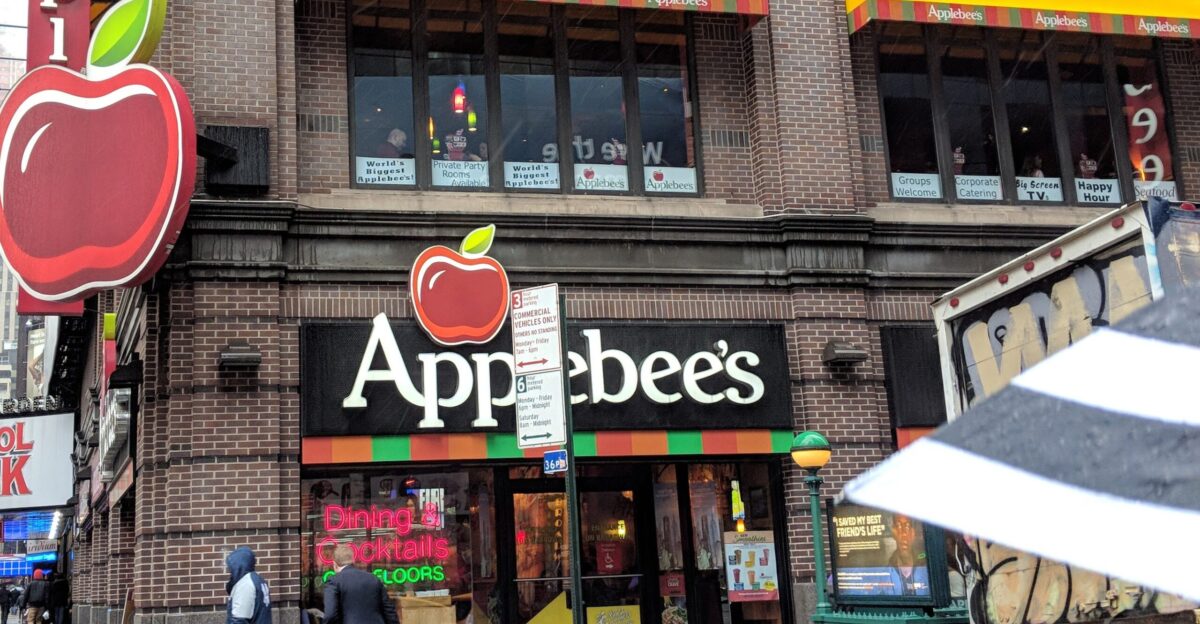
Founded in 1980, Applebee’s reached 1,000+ locations by 1998, becoming a community hub. By 2024, 35 closures and nine years of negative growth left same-store sales down 4.7%. Complaints highlight inconsistent service, outdated menus, and declining quality. Competitors innovated while Applebee’s failed to invest. Better value and ambiance exist elsewhere. The chain lost its identity. What does this tell us about legacy brands failing to evolve? It’s a warning for all casual dining chains.
#4 Denny’s
Denny’s 70-year history of 24-hour breakfast reliability is crumbling. The Grand Slam breakfast, iconic since 1977, now faces complaints of bland, overpriced meals with cold service. By 2024, 73 locations closed. Inconsistency across outlets makes visits a gamble. Better breakfast exists elsewhere for less. Nostalgia can’t justify declining quality. The chain that once dominated late-night dining struggles to meet basic expectations. Can it recover, or is the golden era truly over?
#5 Boston Market
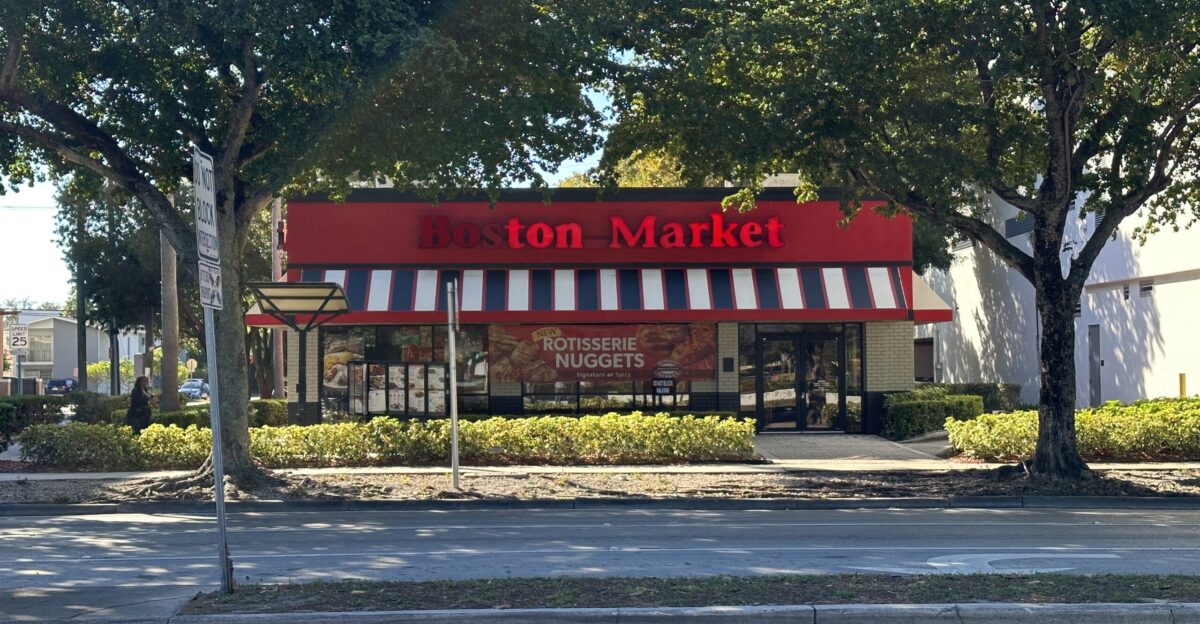
Boston Market reshaped 1990s casual dining with rotisserie chicken and homestyle sides, expanding to more than 1,000 locations nationwide. By 2023, it had fallen to just 27 stores amid lawsuits, health violations, and severe food quality failures.
Stop-work orders shuttered 27 New Jersey locations at once. Yelp reviews now describe undercooked chicken, filthy kitchens, and sick customers. What promised home cooking became a case study in total operational breakdown.
#6 On The Border
This Tex-Mex chain thrived in the 1990s-2000s but faced cost-cutting by 2024. Forty locations closed, bankruptcy filed March 2025. Reddit diners reported stark declines over 12 months. Private equity prioritized debt over ingredients and staffing. Casual visitors immediately noticed deteriorating quality. Competitors like Chipotle and local taquerias offer better food at lower prices. On The Border’s decline seems permanent. How did private equity oversight so drastically impact loyal customers? The pattern is clear.
#7 Frisch’s Big Boy
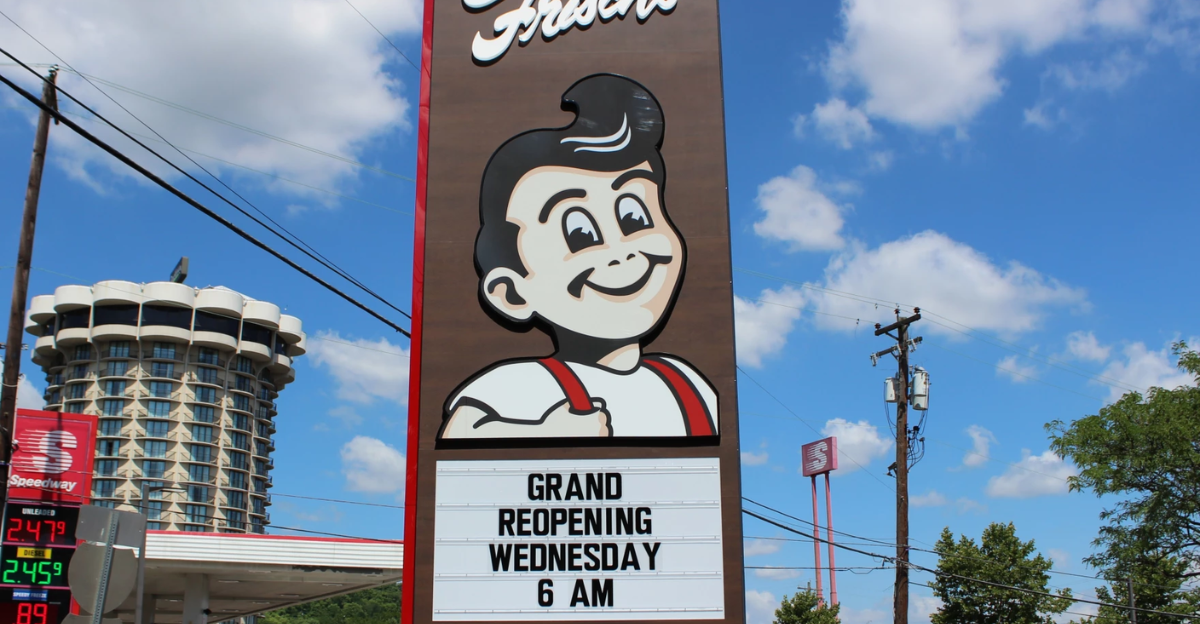
Frisch’s Big Boy, a regional icon since 1946, closed 57 locations—60% of its footprint. Favorite dishes like Big Boy burgers, hot fudge cake, and tartar sauce lost quality while prices rose. Menu changes alienated loyal patrons, and inconsistent preparation eroded trust. Nostalgia can’t compensate for betrayal. The closures reveal what happens when a historic brand mismanages reputation. Will anyone continue to visit, or are the loyal fans gone for good?
#8 Outback Steakhouse
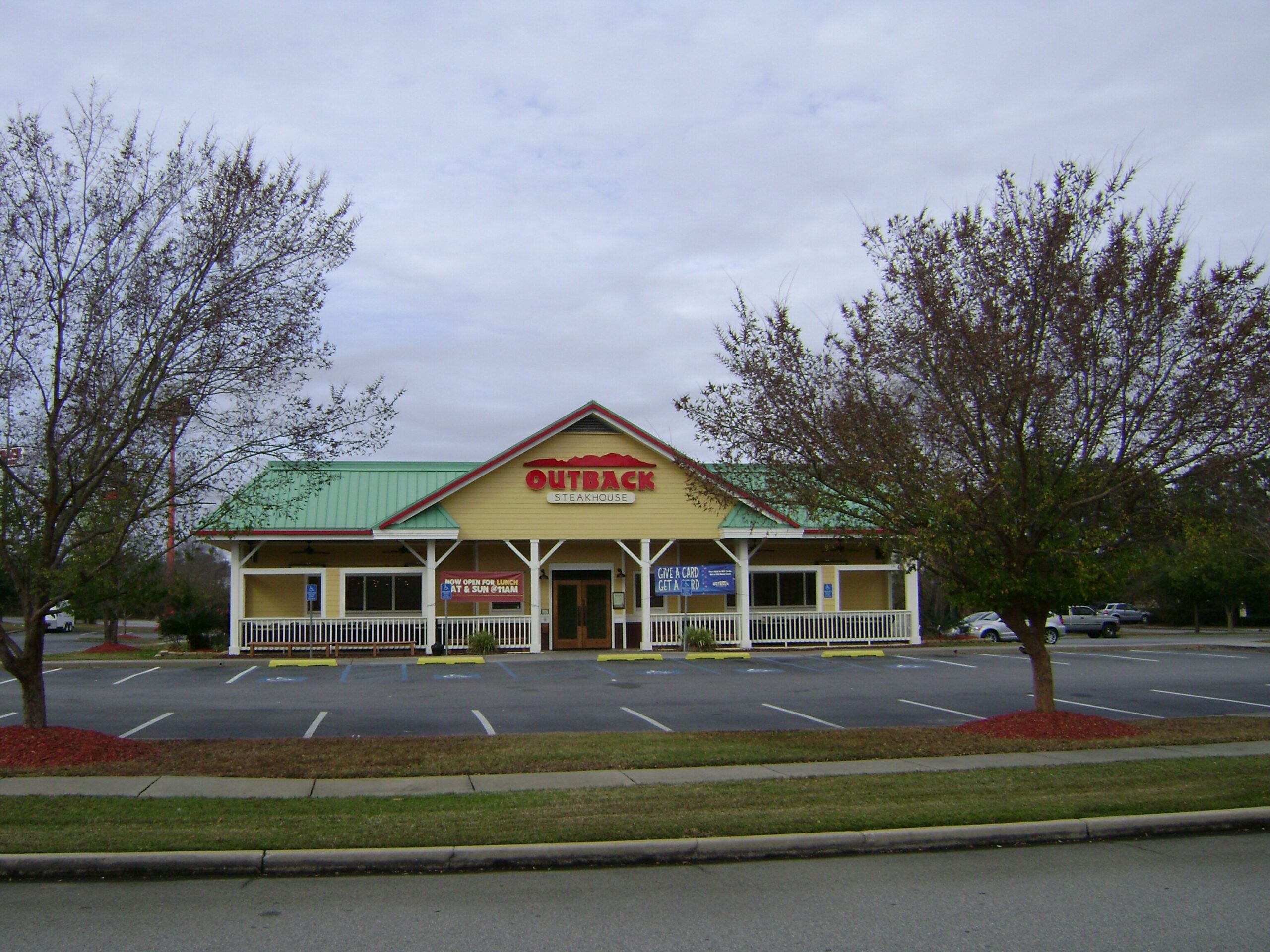
Outback rose to 500+ restaurants by 2000, earning $1.65 billion revenue. The Bloomin’ Onion became iconic. By 2024, sales fell 4% and steaks were overcooked, tough, and rubbery. Reddit and employee reports cite supplier issues. Quality decline undermines the steakhouse concept. Competitors like Texas Roadhouse and Longhorn provide better steaks. Even with nostalgia, diners demand quality. Can Outback reclaim its reputation, or has the golden era of consistent steaks ended permanently?
#9 Ruby Tuesday
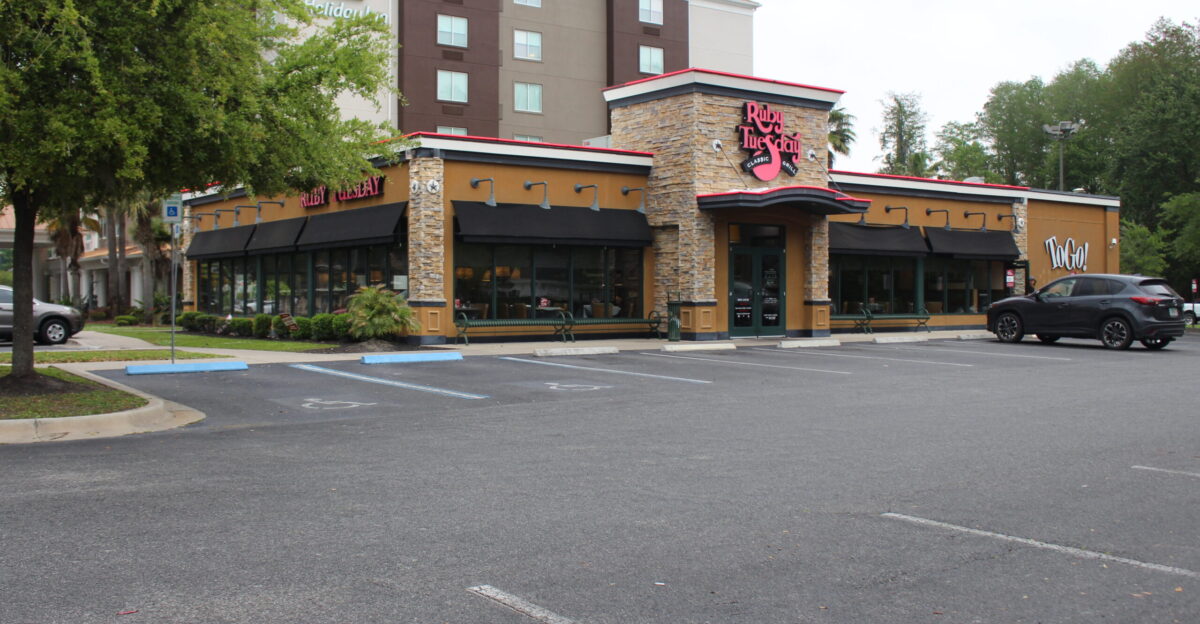
Ruby Tuesday once had over 900 locations offering affordable family dining. Bankruptcy in October 2020, emerging February 2021, led to further closures—185+ more locations shuttered. Complaints cite poor quality, rude staff, and overpriced food. Strategic missteps like pushing upscale lobster failed. The chain collapsed, leaving only struggling survivors. When 80% of locations vanish permanently, the remaining outlets are lingering shadows. How did a casual dining powerhouse descend so far? The answer lies in consistent mismanagement and ignored customer trends.
The Pattern That Connects All 9
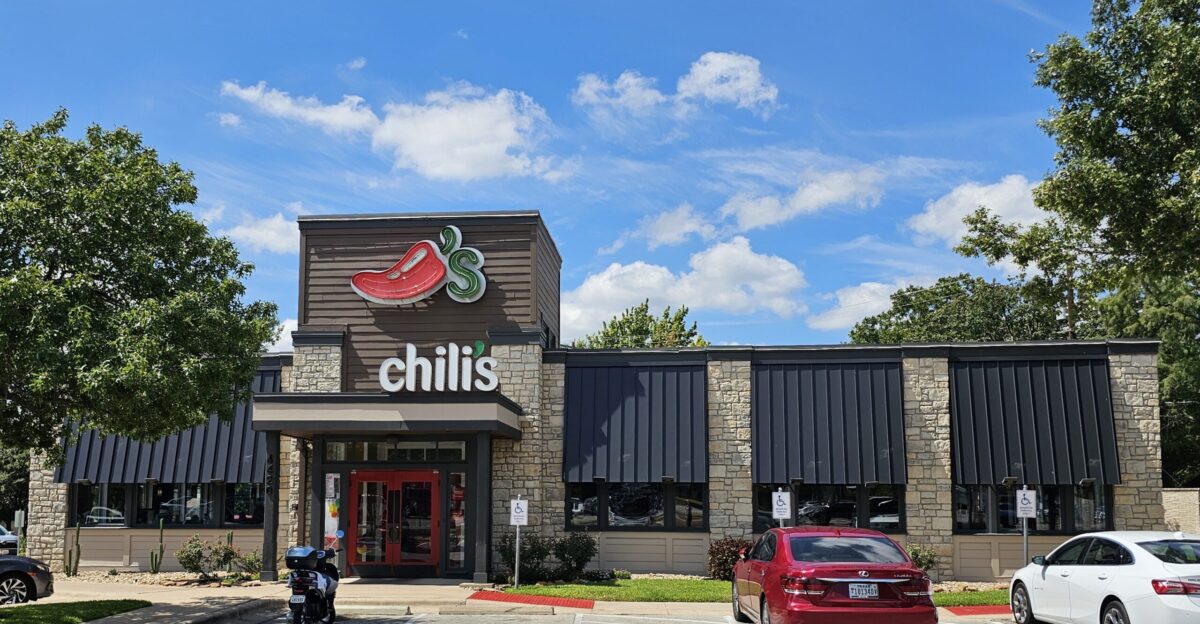
All nine chains followed the same playbook: pandemic debt → declining traffic → cost-cutting over quality → evaporating reputation. Executives misjudged customer loyalty, assuming nostalgia would prevail. It didn’t. Chains like Chili’s and Texas Roadhouse invested in quality and grew 24% in same-store sales, becoming market leaders. This proves that commitment to food and service matters more than shortcuts. Cost-cutting may save money short-term, but long-term, it destroys the brand.
What Workers And Communities Lost
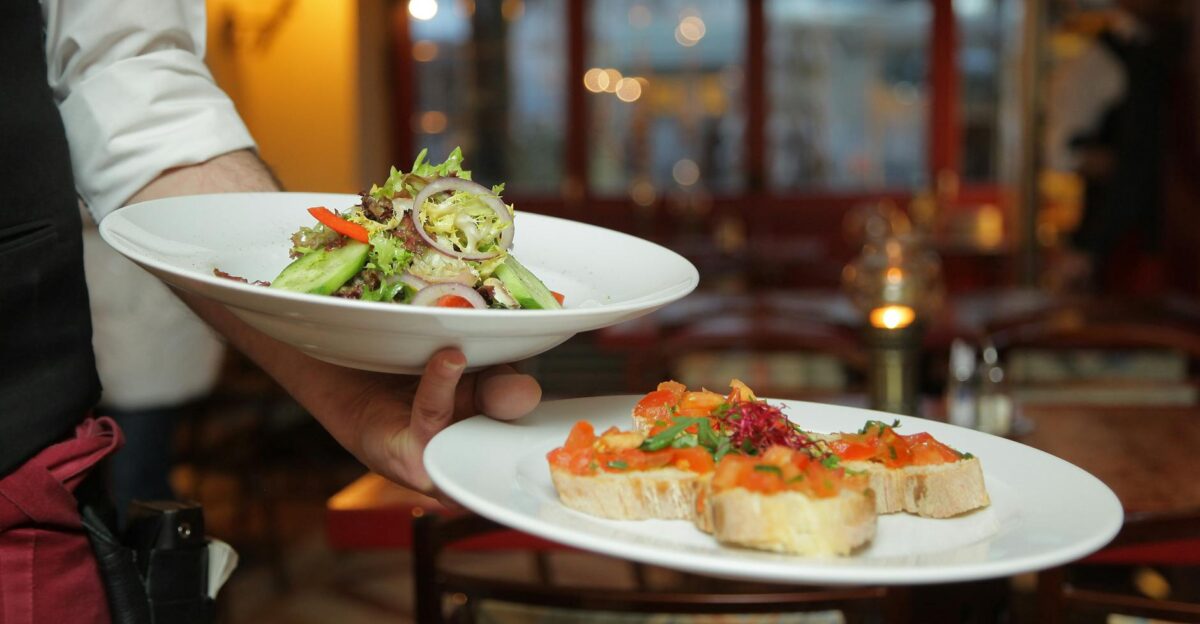
Closures displaced tens of thousands of employees and erased neighborhood gathering spots. Families lost milestone destinations. Executives prioritized debt over people. Financial numbers quantify failure, but human cost is harder to measure. Stripped dining experiences, lost paychecks, and hollowed community spaces illustrate a profound societal impact. These closures reveal that decisions at corporate headquarters ripple outward, affecting livelihoods and communities in ways that spreadsheets alone can’t capture.
The Restaurants That Got It Right
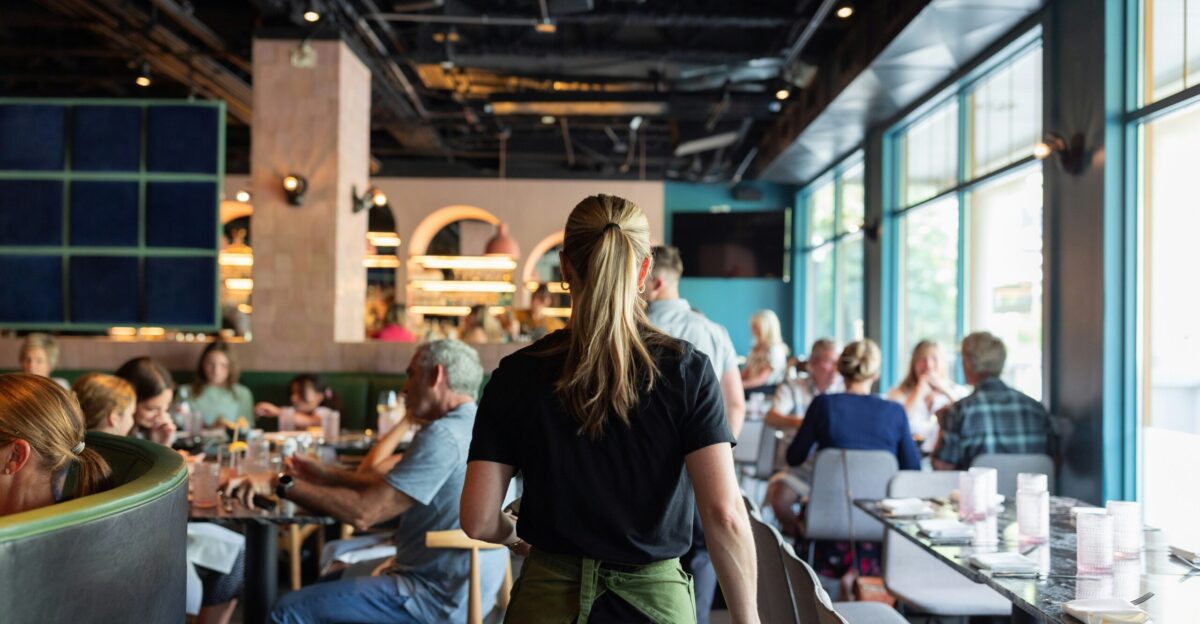
While nine chains collapsed, others thrived under the same pressures. Chili’s invested in quality, achieving 24% same-store sales growth. Texas Roadhouse prioritized food quality over marketing and emerged as a leader. Olive Garden maintained standards despite macro pressures. The market rewards leaders who value long-term excellence. Financial strain doesn’t mandate mediocrity. Consumers remember quality and loyalty. Chains that prioritize ingredients, service, and consistency have prospered, while cost-cutting failures have floundered.
Your Nostalgia Deserves Better
Family memories at Applebee’s or Red Lobster are real and vital. Today’s locations no longer deliver the experience or quality. Meals are stripped down, service is diminished, and prices are inflated. Nostalgia alone doesn’t guarantee satisfaction. These nine chains had their time. That era has ended. Support restaurants—chains or local—that respect quality and your appetite. Your wallet and taste buds will thank you. Memories are powerful, but they deserve better than disappointment.
The Takeaway — Skip The Comeback Tour
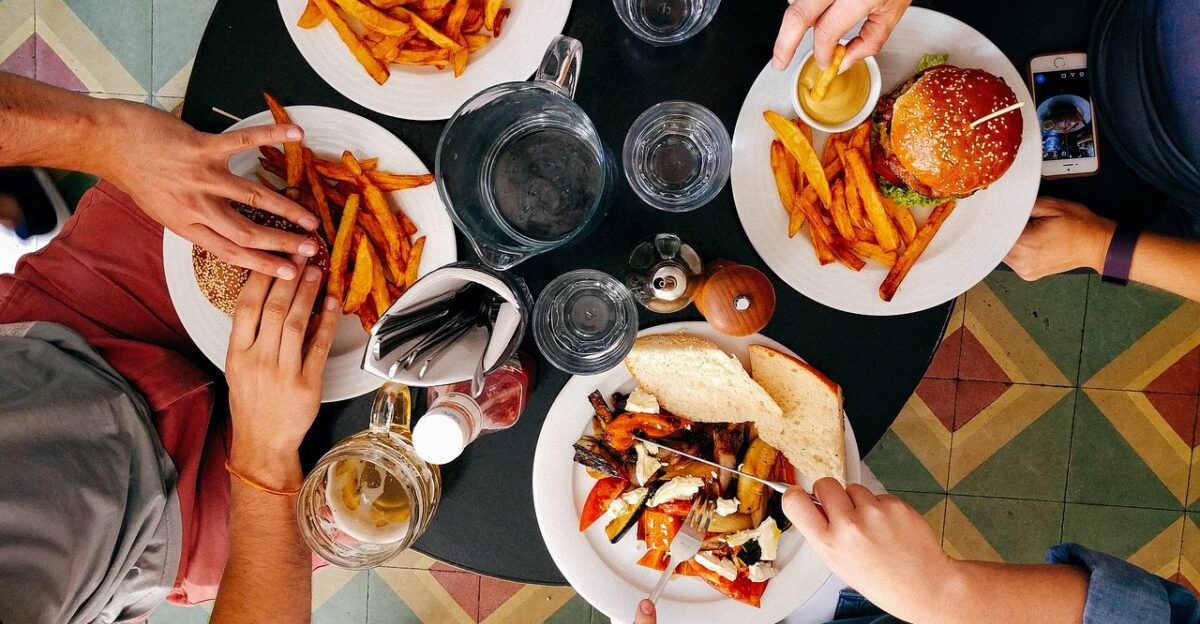
The last few years proved that casual dining’s dominance is over. Consumers shifted to takeout, fast-casual, and delivery. Debt-laden chains couldn’t adapt. Those investing in quality thrived. Those choosing cost-cutting failed spectacularly. The nine chains here aren’t returning to their former glory. Even re-emerging locations face structural problems: damaged reputations, aging properties, and outdated concepts. Spend your money where quality is valued. Your dining experience—and wallet—deserve better than nostalgia masked as mediocrity.
Sources:
The Casual Dining Collapse: How Private Equity and Pandemic Debt Destroyed America’s Favorite Restaurants. Restaurant Business Online, December 2024.
Red Lobster’s Endless Shrimp and Endless Debt: What Went Wrong. CNN, May 2024.
TGI Fridays’ Rise and Disastrous Fall. CNBC, March 2024.
Applebee’s Nine-Year Decline: Why Unit Growth Turned Negative. Nation’s Restaurant News, November 2024.
Ruby Tuesday: 185 Locations Closed Since Bankruptcy Emergence. Restaurant Dive, January 2025.
Chili’s 24% Sales Growth vs. Casual Dining Collapse: The Quality Difference. Black Box Intelligence, December 2024.