A sudden splash echoes through the quiet ocean depths. Divers, their lights cutting through the murky water, spot it—a coelacanth, the living fossil thought extinct for 65 million years. Its lobed fins move like legs, propelling it through the dark abyss. The moment is both surreal and extraordinary; this ancient creature, once lost to history, is still alive and thriving. How did it survive unnoticed for so long, and what other mysteries might still lurk beneath the surface?
Let’s take a look at nine species that look the same as they did millions of years ago.
1. Horseshoe Crab: Ancient Predator
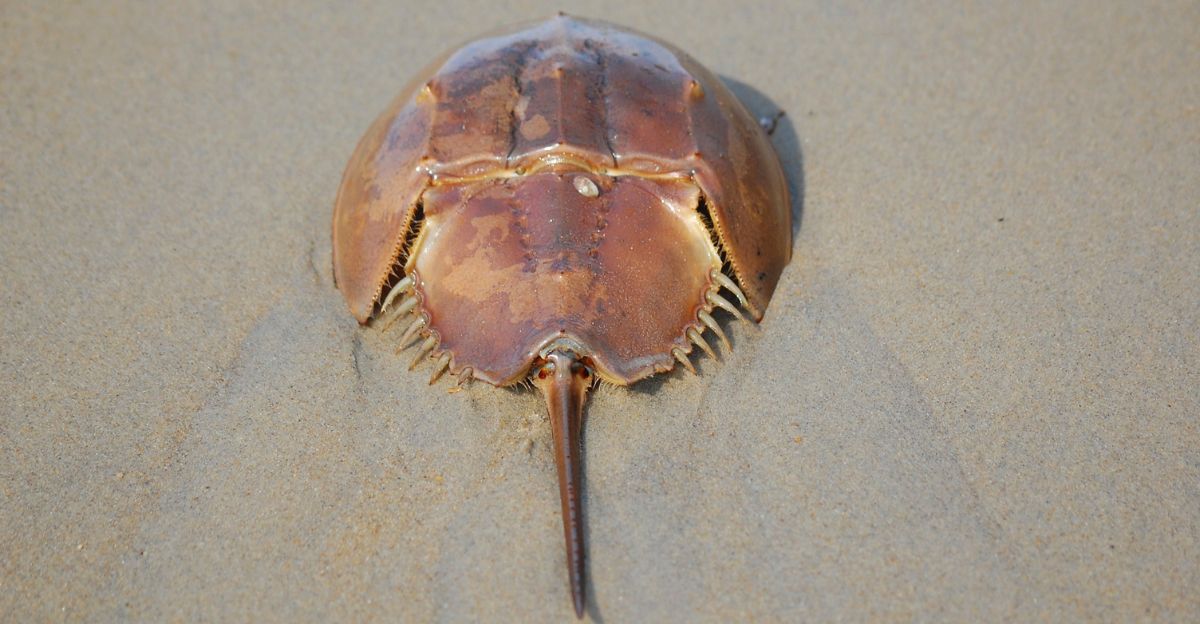
The horseshoe crab has been scuttling along coastal shores for over 300 million years, predating dinosaurs. Despite its misleading name, it’s more closely related to spiders and scorpions than crabs. With four species still inhabiting our oceans, these creatures have evolved very little.
Their hard exoskeleton and tail spines make them effective predators, and they continue thriving in the same ancient seafloor ecosystems where they first emerged.
Horseshoe Crab’s Blood: A Medical Miracle
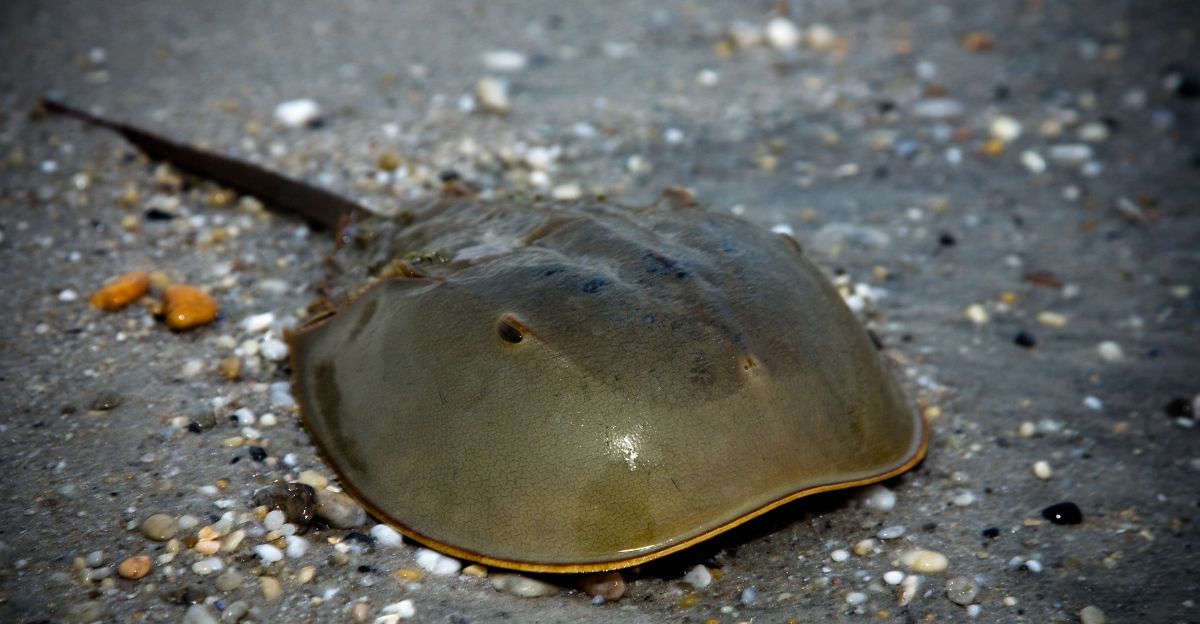
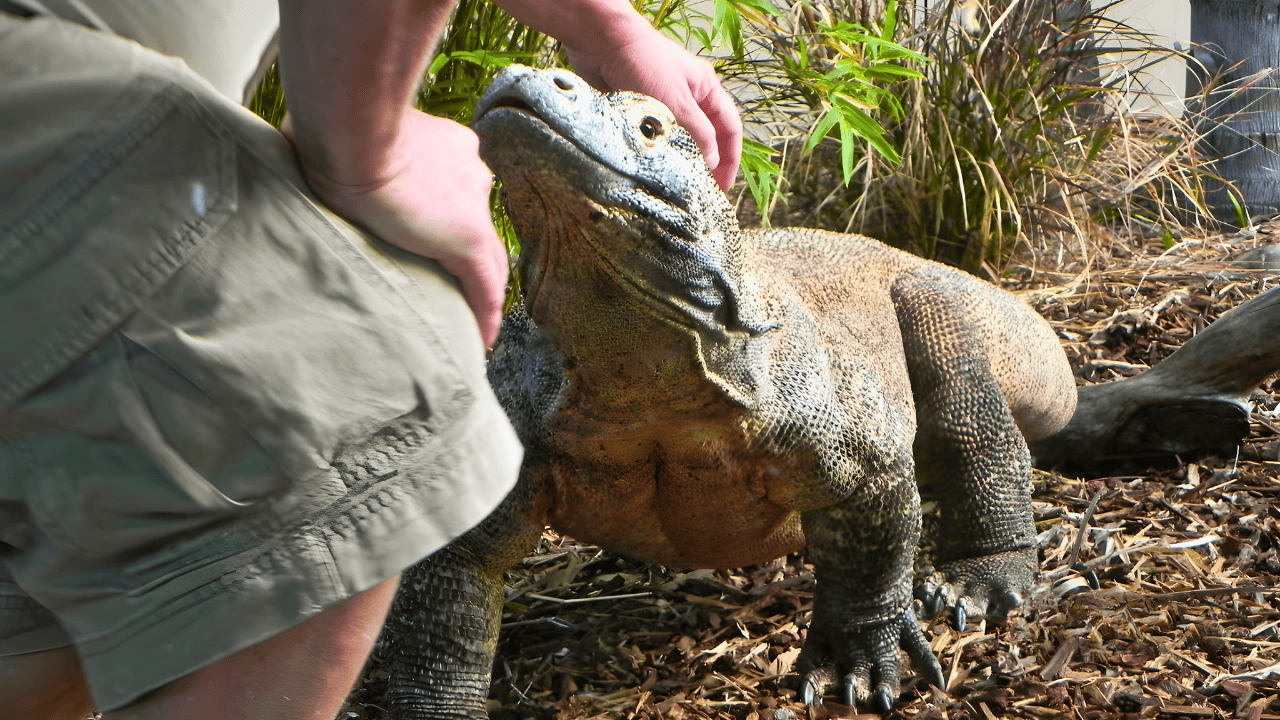
Horseshoe crabs are crucial to modern medicine. Their blue blood, rich in copper, contains a unique protein that clots when detecting bacterial toxins. This property has made their blood essential in testing vaccines, medical devices, and implants.
Despite their importance, about 500,000 horseshoe crabs are collected every year for their blood, leading to concerns about their sustainability.
2. Coelacanth: The Lazarus Fish
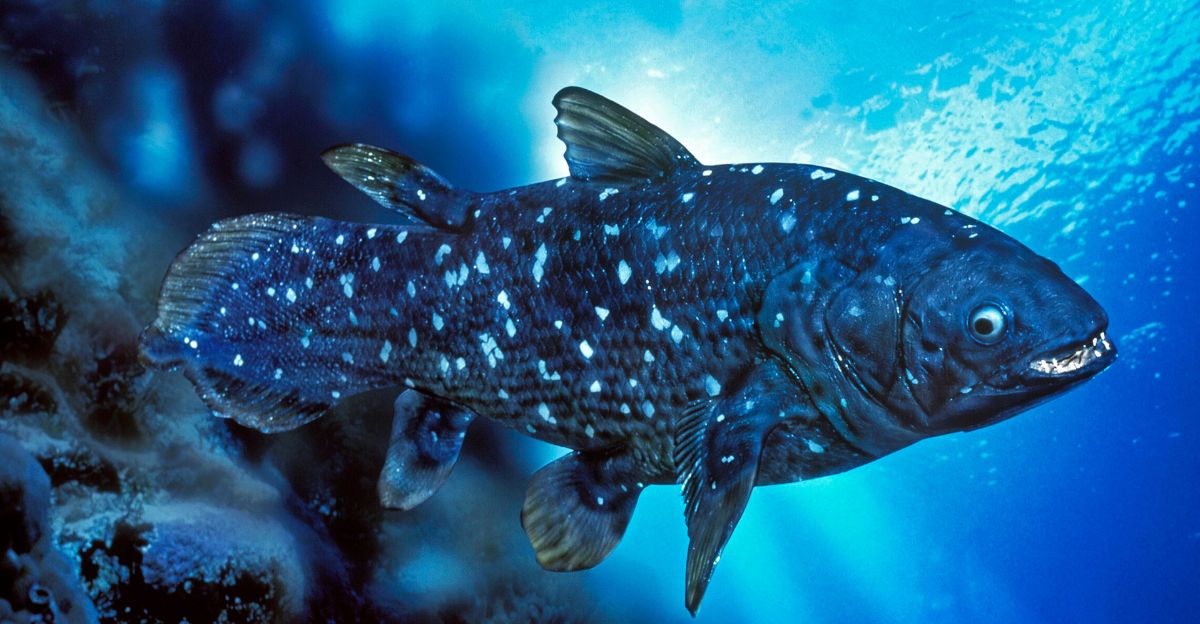
The coelacanth, thought to have gone extinct 65 million years ago, was rediscovered in 1938 off South Africa’s coast. This “Lazarus species” proved that even the deepest parts of the ocean can hide ancient life.
The coelacanth’s lineage stretches back 400 million years, surviving all major extinctions. This discovery revolutionized our understanding of evolution, showing that some creatures hide in plain sight for millions of years.
Coelacanth: A Living Prehistoric Wonder
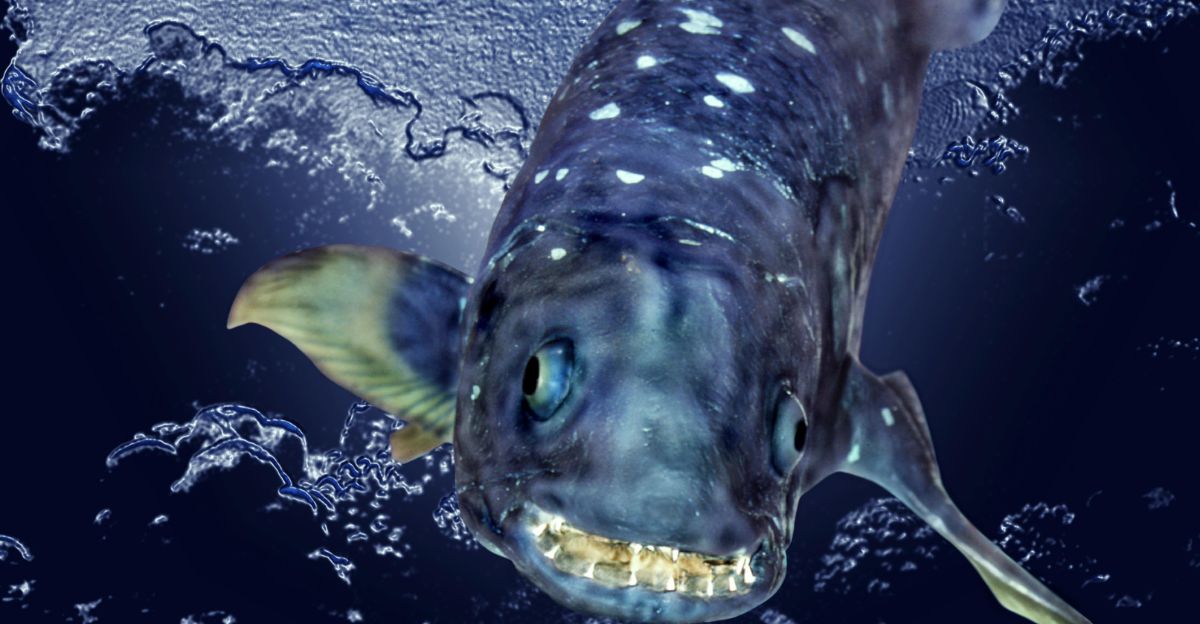
Coelacanths grow up to 6.6 feet and weigh as much as 198 pounds, living for up to 100 years. They move in a distinct manner, using lobed fins that alternate like walking legs underwater.
This behavior, seen in no other fish, links them to the earliest land-dwelling vertebrates. Recent sightings in Indonesia, far from previously known habitats, continue to uncover new mysteries about this living fossil.
3. Duck-Billed Platypus: Evolution’s Enigma
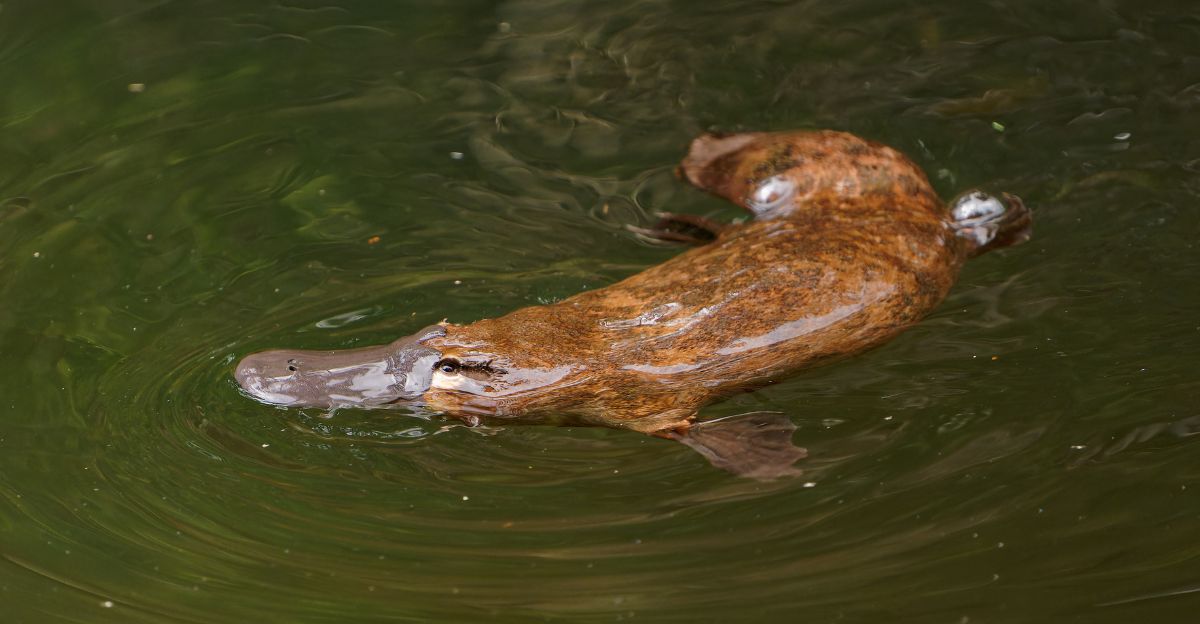
The platypus defies classification. Laying eggs like reptiles, having a bill like a duck, and producing venom like a snake, it challenges everything we know about evolutionary biology.
With a lineage dating back over 110 million years, the platypus evolved in ways that blend mammalian, avian, and reptilian traits, making it one of the most perplexing creatures on Earth.
Platypus: A Genetic Puzzle
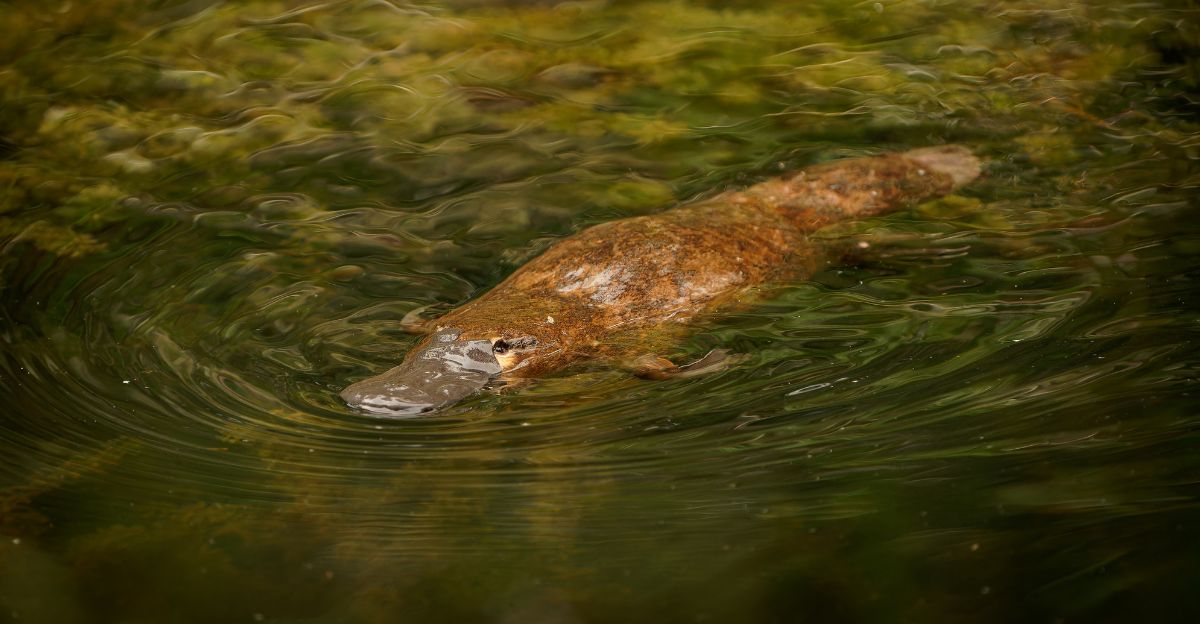
In 2008, scientists sequenced the platypus genome and discovered its DNA contains both mammal, bird, and reptile genes. Its reproductive system includes reptilian-like sperm, yet it also produces mammalian-like hormones.
These unique genetic features suggest the platypus is an evolutionary bridge, one that challenges the very principles of genetic inheritance and evolution itself.
4. Goblin Shark: Deep-Sea Monster
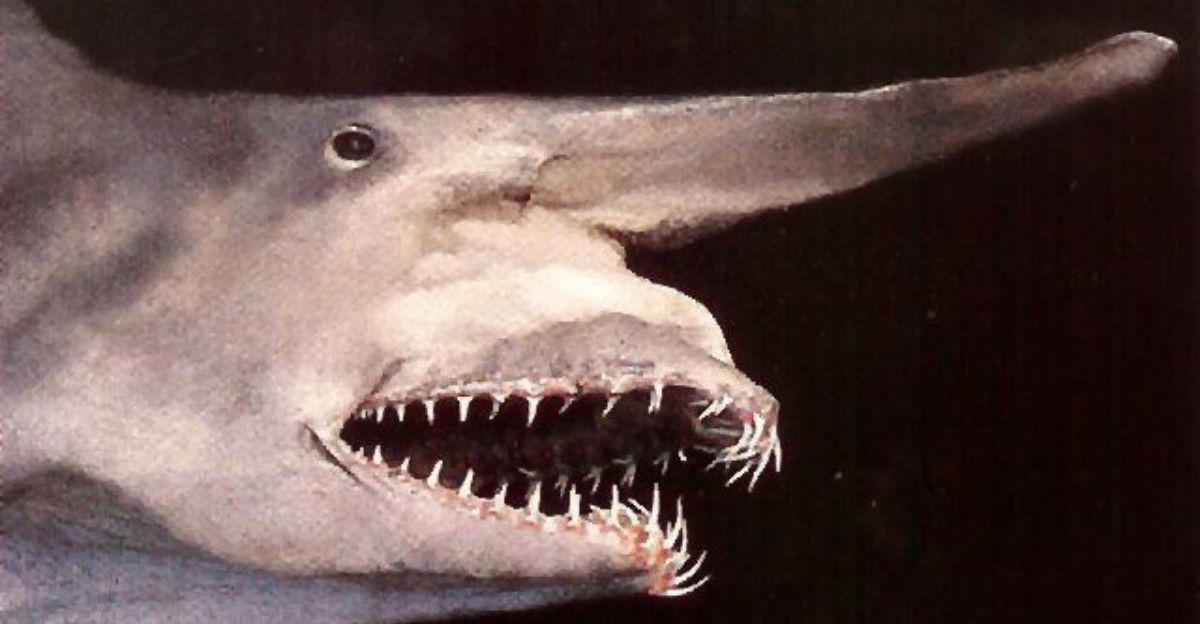
The goblin shark, often called a “living fossil,” has existed for 125 million years. This deep-sea species is most famous for its long, flat snout and extendable jaw, which shoots forward to capture prey in darkness.
Growing up to 13 feet long, goblin sharks remain largely a mystery, living at depths where few humans venture, making them one of the ocean’s most elusive creatures.
Goblin Shark: The Ocean’s Greatest Mystery
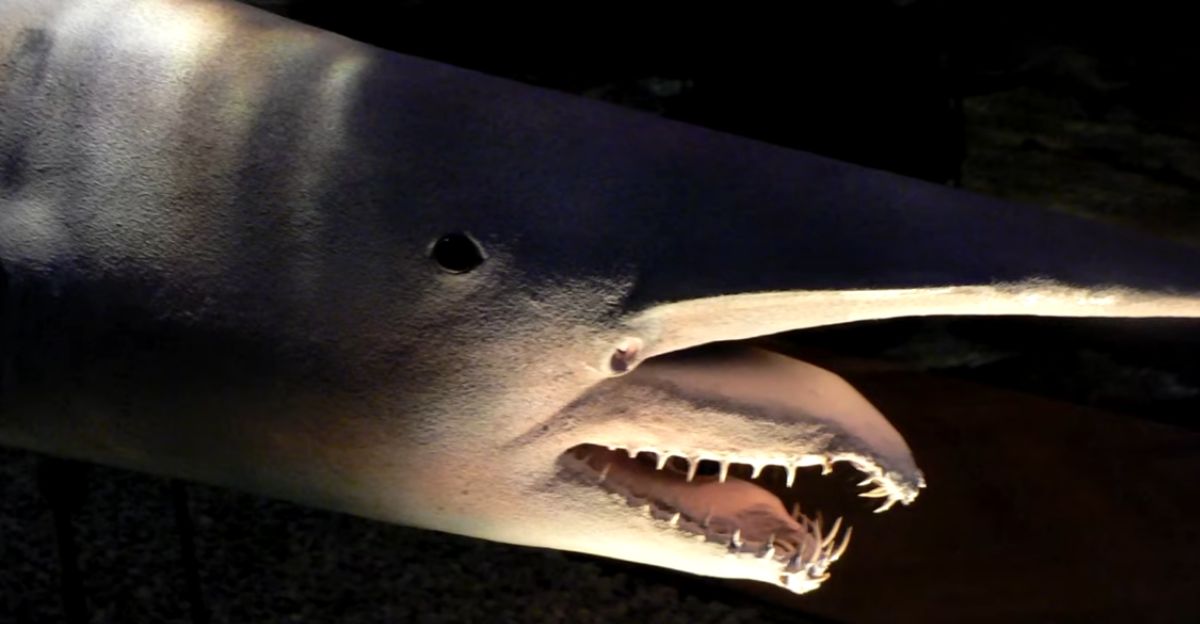
Goblin sharks possess electroreceptors in their snouts, allowing them to sense prey in total darkness. Their mysterious nature was highlighted in 2003, when a large number of goblin sharks appeared off the coast of Taiwan following an earthquake.
The species had never been seen in such numbers, sparking a new wave of interest in this ancient predator and its elusive nature.
5. Purple Frog: Pig-Nosed Oddity
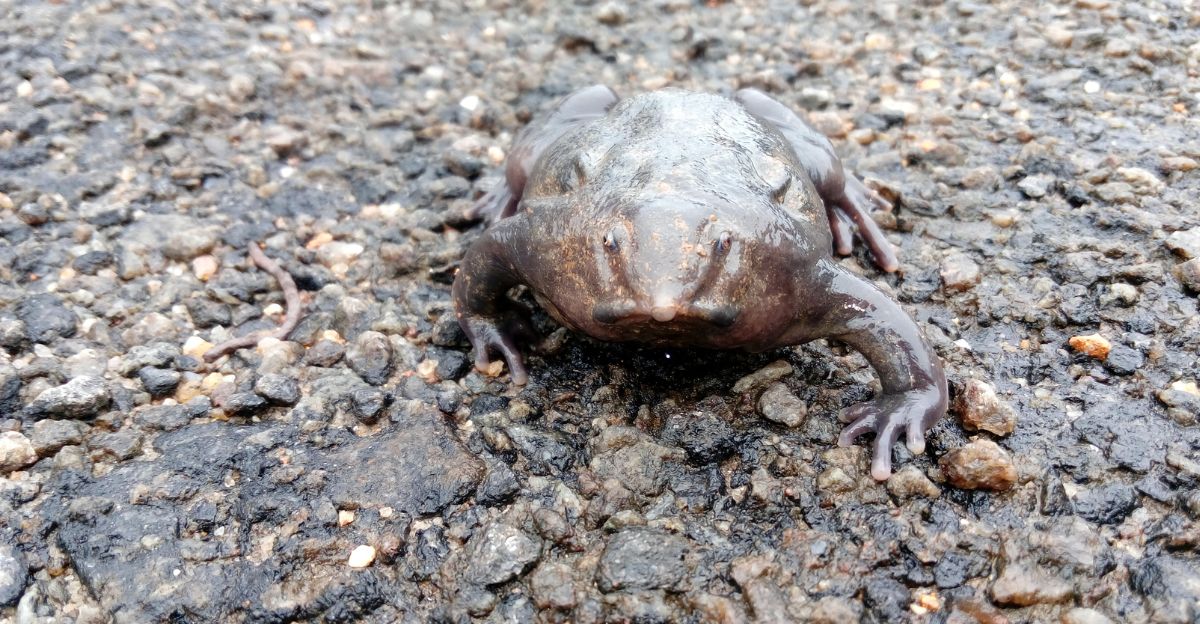
The purple frog, first discovered in 2003, has lived underground for 100 million years in India’s Western Ghats.
With a pig-like snout and purple skin, it spends most of its life hidden from the world, emerging only during monsoon season to breed. This rare amphibian represents one of the world’s most extraordinary evolutionary anomalies.
Purple Frog: Hidden Evolution
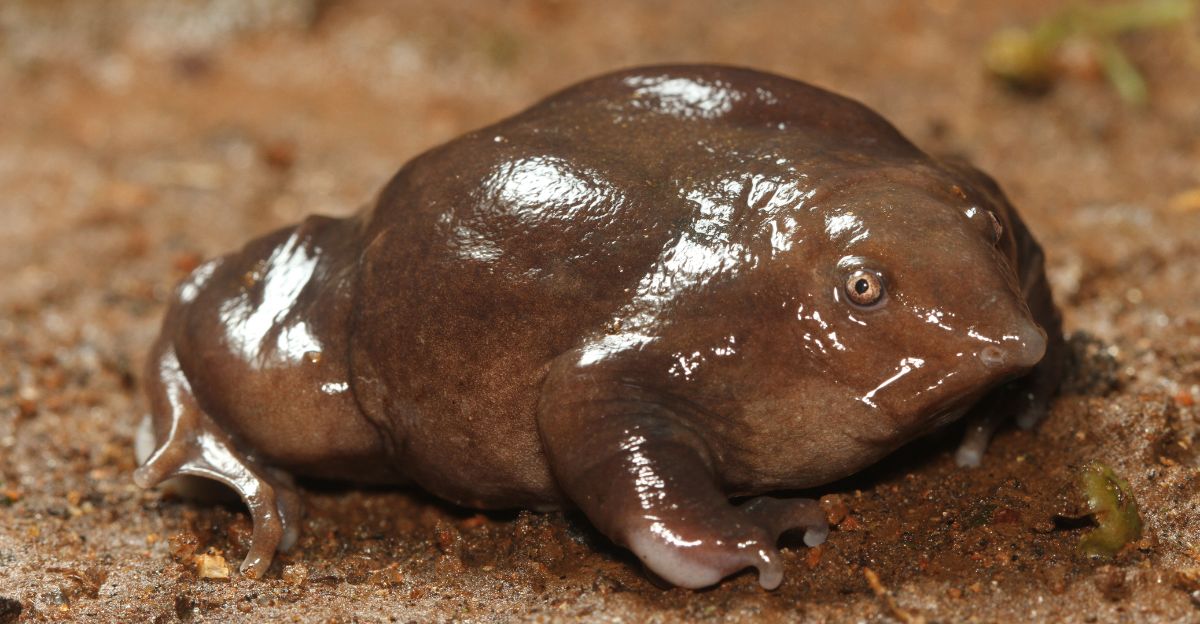
The purple frog’s evolutionary path has been isolated from the surface world for millions of years. Its closest living relatives are found in the Seychelles, thousands of miles away.
Adapted for underground life, it uses its pig-like snout to hunt subterranean termites. The frog’s unique features, including its underground lifestyle, make it one of the most intriguing living fossils.
6. Komodo Dragon: Ancient Venomous Giant
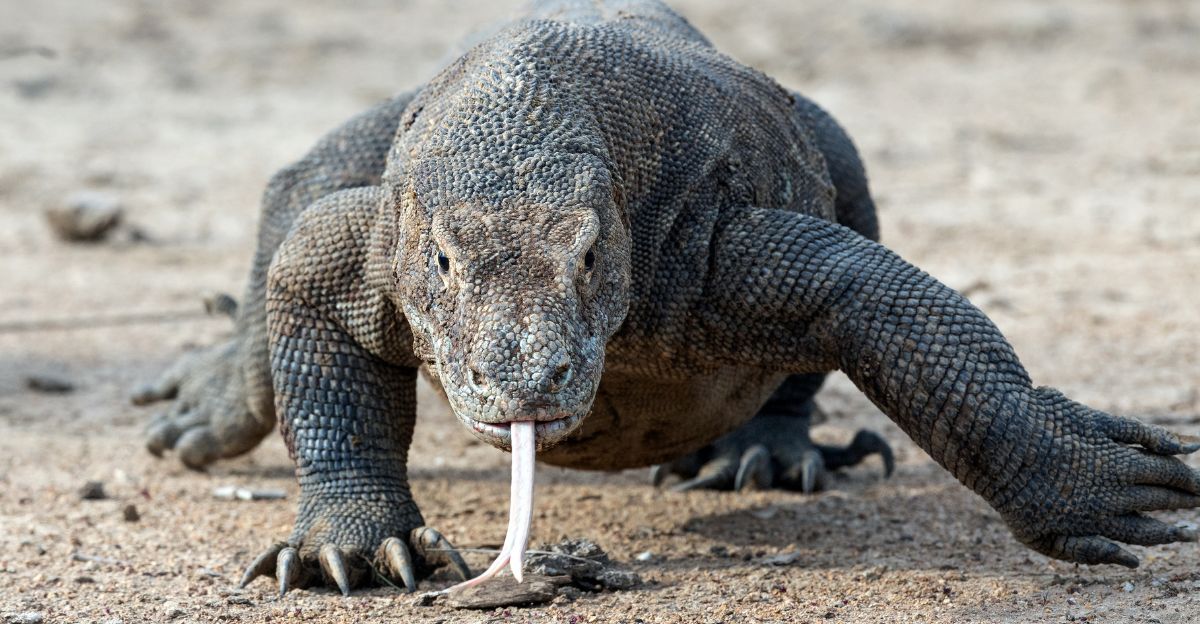
The Komodo dragon, the world’s largest lizard, can reach lengths of up to 10 feet and weigh over 330 pounds. This venomous reptile’s ancestors first appeared in Australia approximately 3-4 million years ago, and it remains a powerful predator, hunting on the Indonesian islands.
Despite its size and danger, the Komodo dragon has remained virtually unchanged since the Pleistocene era, surviving through evolving methods of predation and survival.
Komodo Dragon: Venom and Power
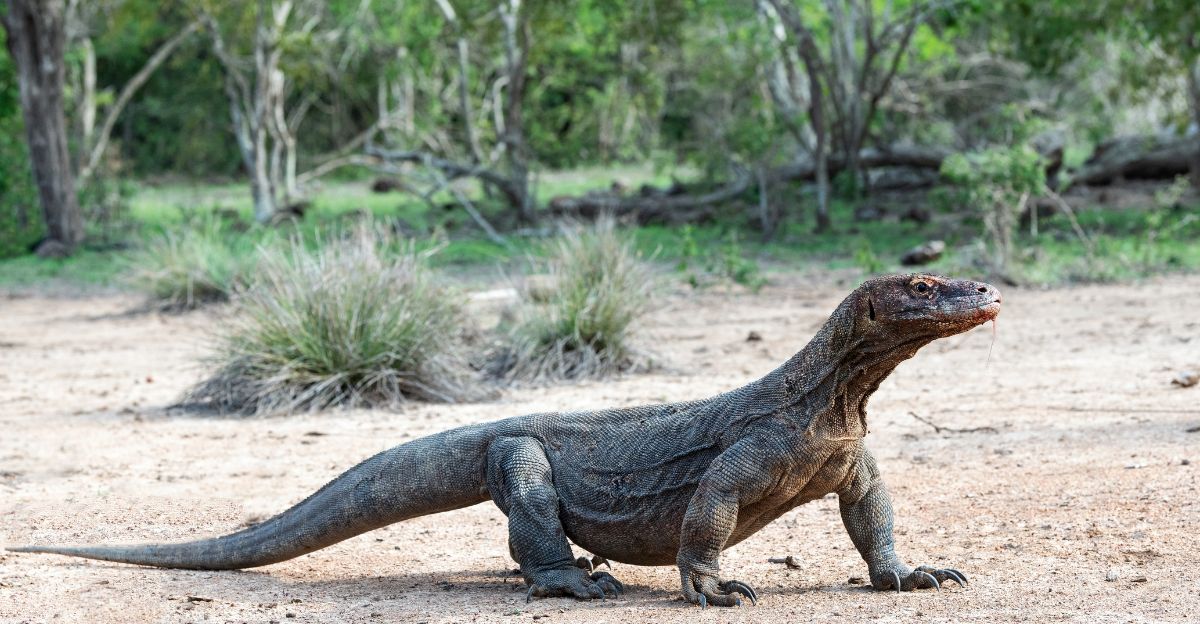
Once thought to kill with bacterial infections in its saliva, the Komodo dragon’s true method of killing was discovered in 2009: venom. It produces toxic proteins that stop blood clotting and induce massive blood loss in prey.
These lizards can consume up to 80% of their body weight in one meal. Their immense size and strength make them formidable survivors in the wild.
7. Nautilus: Ancient Survivor
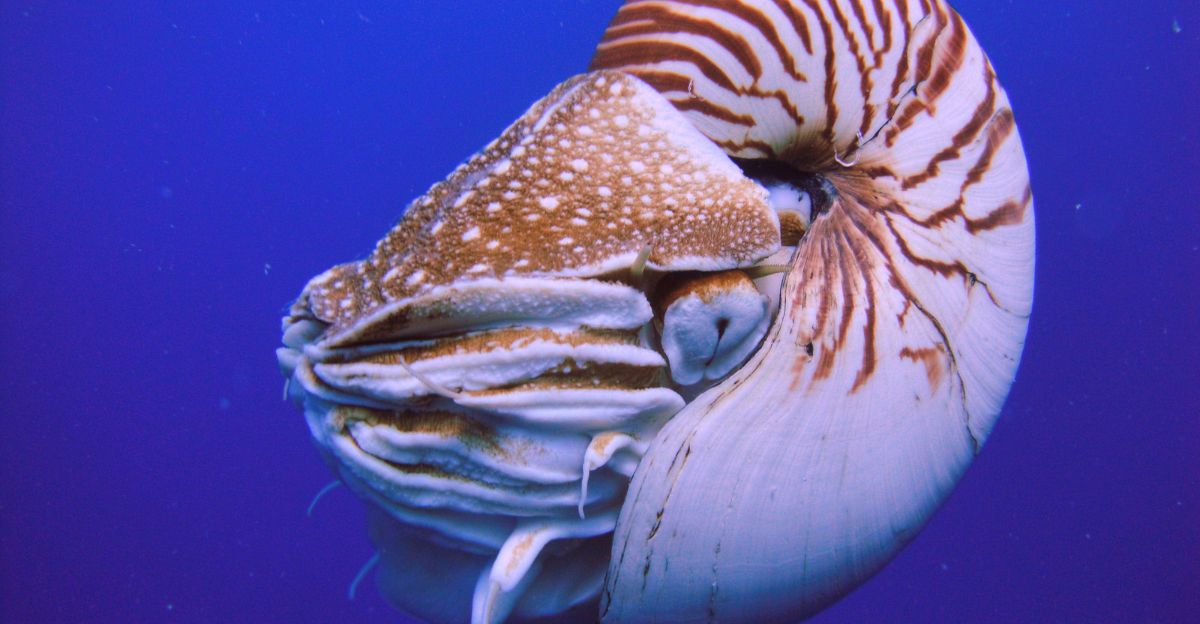
The nautilus, with its spiral shell and tentacle-lined head, has existed for over 500 million years. This cephalopod, a close relative of squid and octopuses, is often called the oldest living fossil.
Its spiral shell allows it to control buoyancy in the water, and it has survived through five mass extinctions by adapting to deep-sea conditions.
Nautilus: Nature’s Submarine
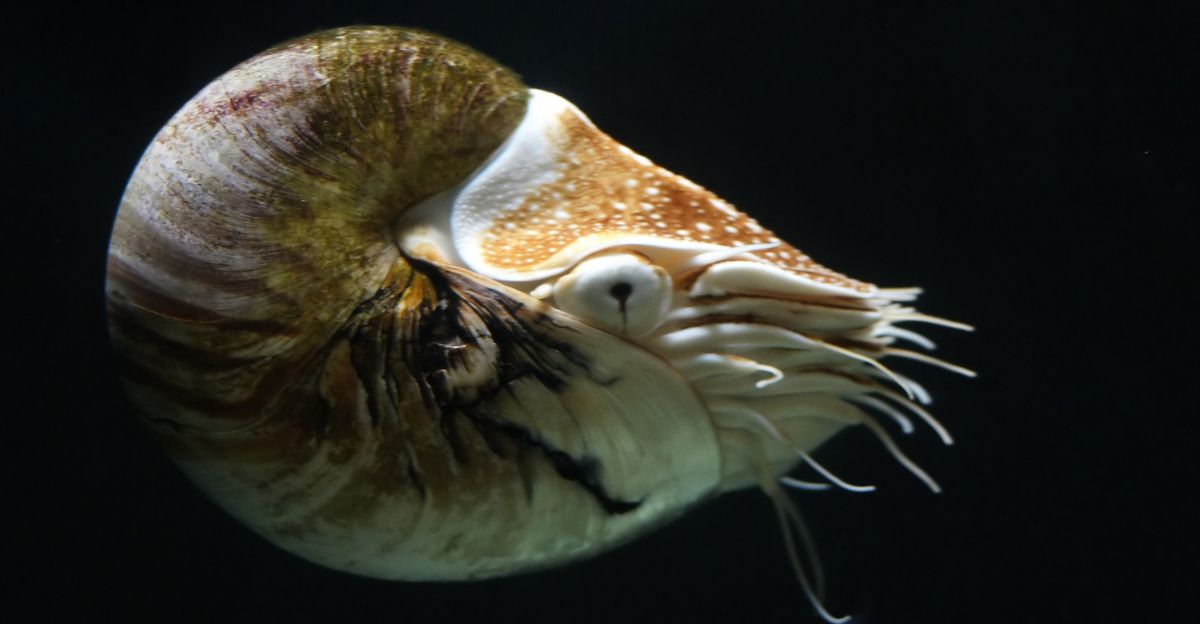
The nautilus uses its shell to regulate its buoyancy, enabling it to sink or float in the ocean. This living relic can live up to 100 years, an extraordinary lifespan for a cephalopod.
Its ability to adapt to deep-water environments, combined with its primitive features, has allowed it to survive countless geological upheavals over half a billion years.
8. Laotian Rock Rat: Prehistoric Discovery
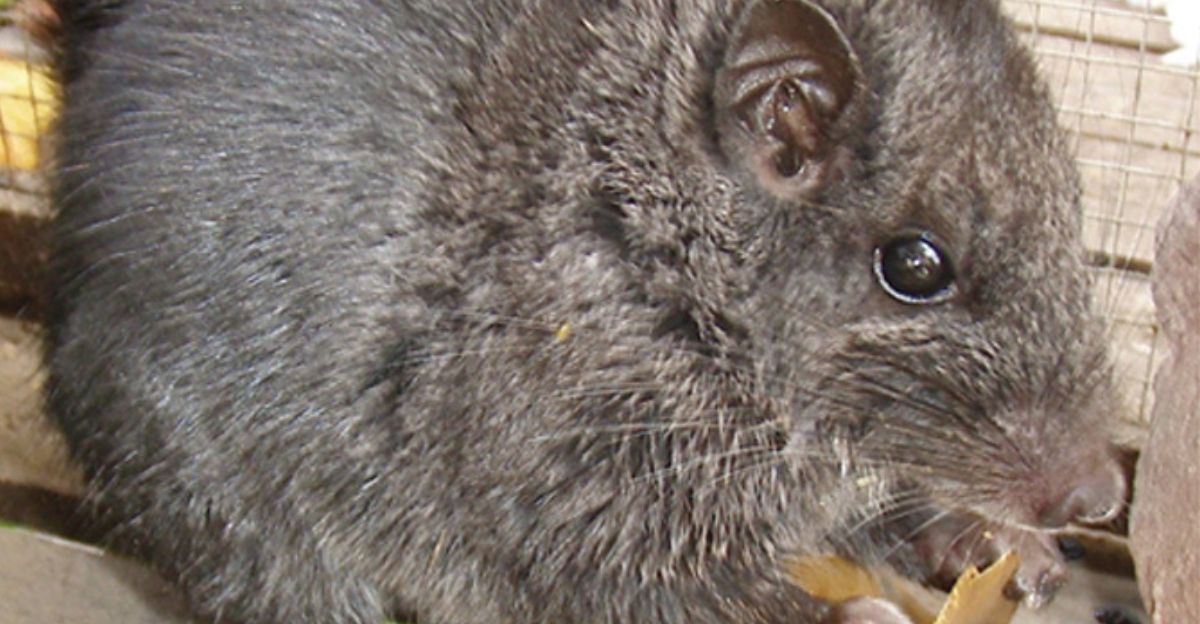
In 2005, the Laotian rock rat, a rodent thought to be extinct for over 11 million years, was discovered in a meat market in Laos.
This “rat-squirrel” has a thick, furry tail and a rat-like face, a feature that baffled paleontologists. Its discovery was a momentous find, revealing that ancient creatures can still hide in remote areas, defying extinction predictions.
Laotian Rock Rat: A Living Fossil
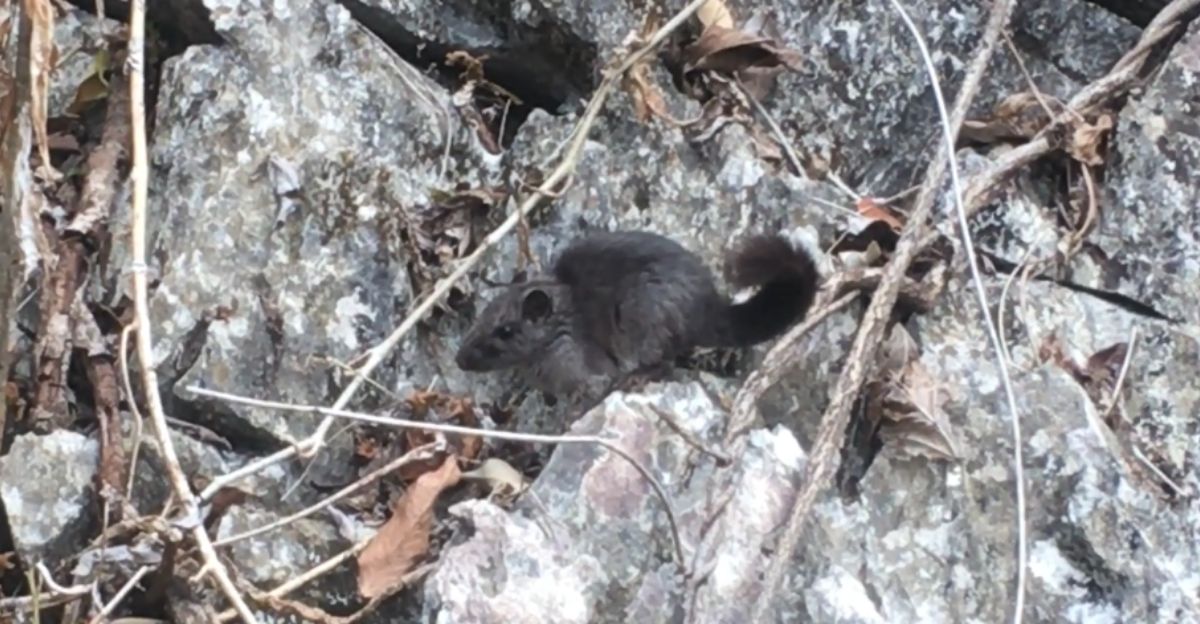
This nocturnal rodent, once thought extinct, lives in the limestone forests of Laos. The Laotian rock rat represents an ancient family, Diatomyidae, that lived over 11 million years ago.
Its discovery proves that prehistoric creatures can survive in isolated, unexplored regions. Its rare appearance shows how some species can remain hidden from science for millennia.
9. Amami Rabbit: The Last of Its Kind
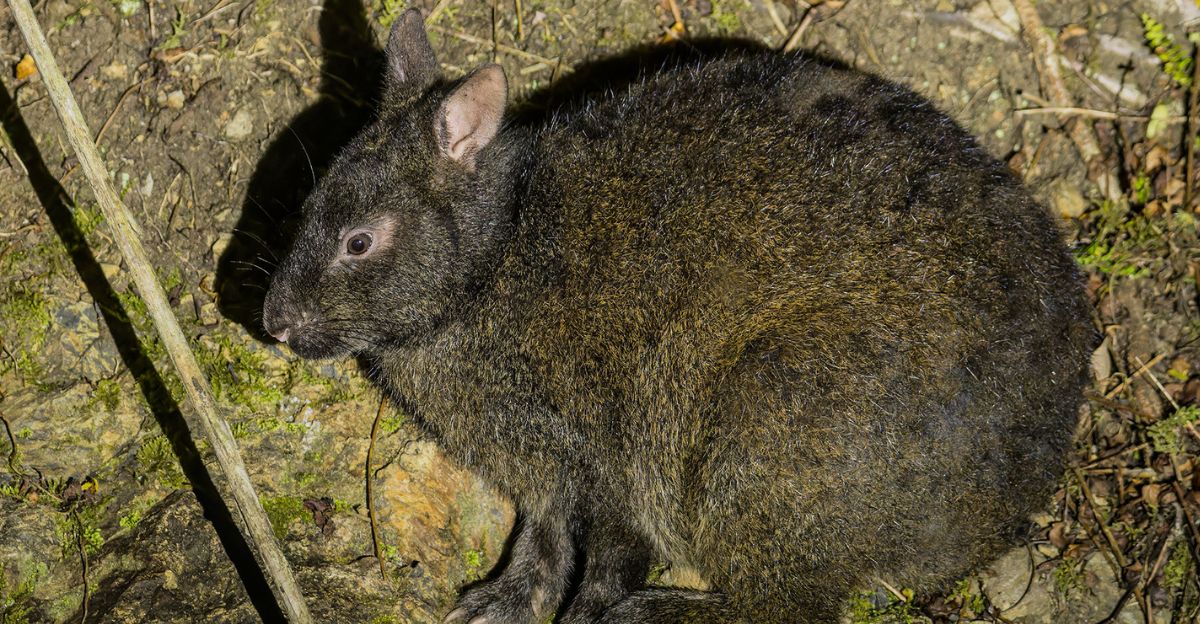
The Amami rabbit is the last surviving member of a primitive rabbit species that once lived across mainland Asia.
With a population of only about 5,000 individuals, this nocturnal rabbit lives on two small islands in Japan. The Amami rabbit is critically endangered, facing threats from habitat destruction and invasive predators.
Amami Rabbit: A Critical Endangered Species
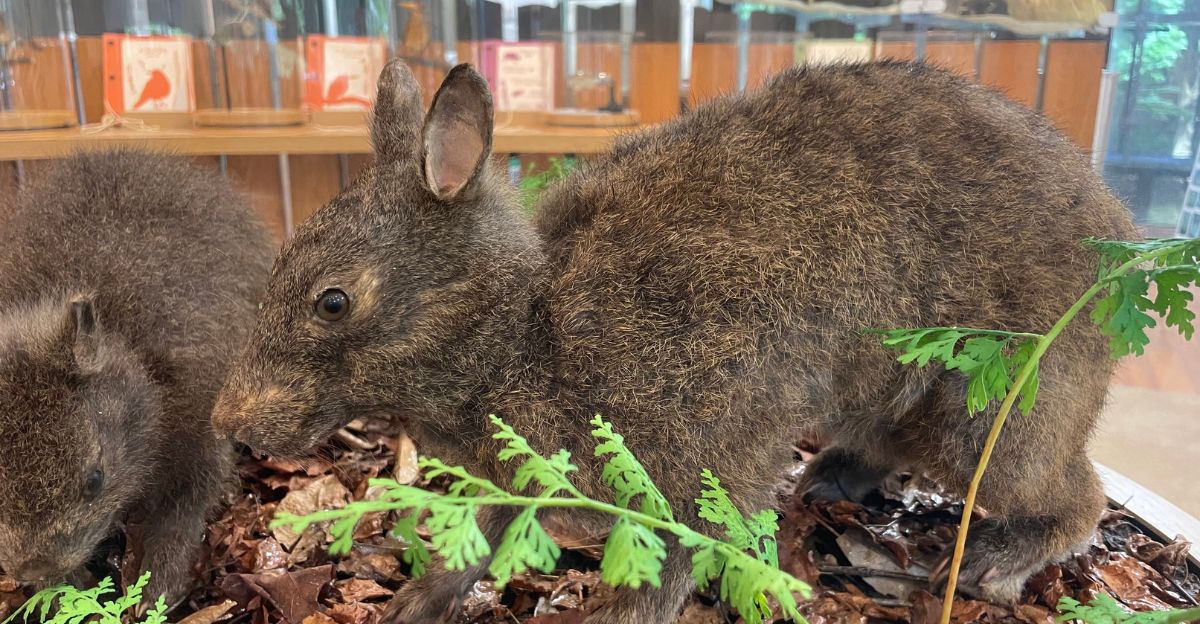
This rabbit, considered a natural monument in Japan, faces a precarious future. The population of Amami rabbits is dwindling due to habitat destruction and predation from non-native species.
Despite these threats, efforts to eradicate invasive species on Amami Island have given hope for the survival of this ancient creature, yet its survival remains uncertain.
The Evolutionary Paradox: Why Staying the Same Wins
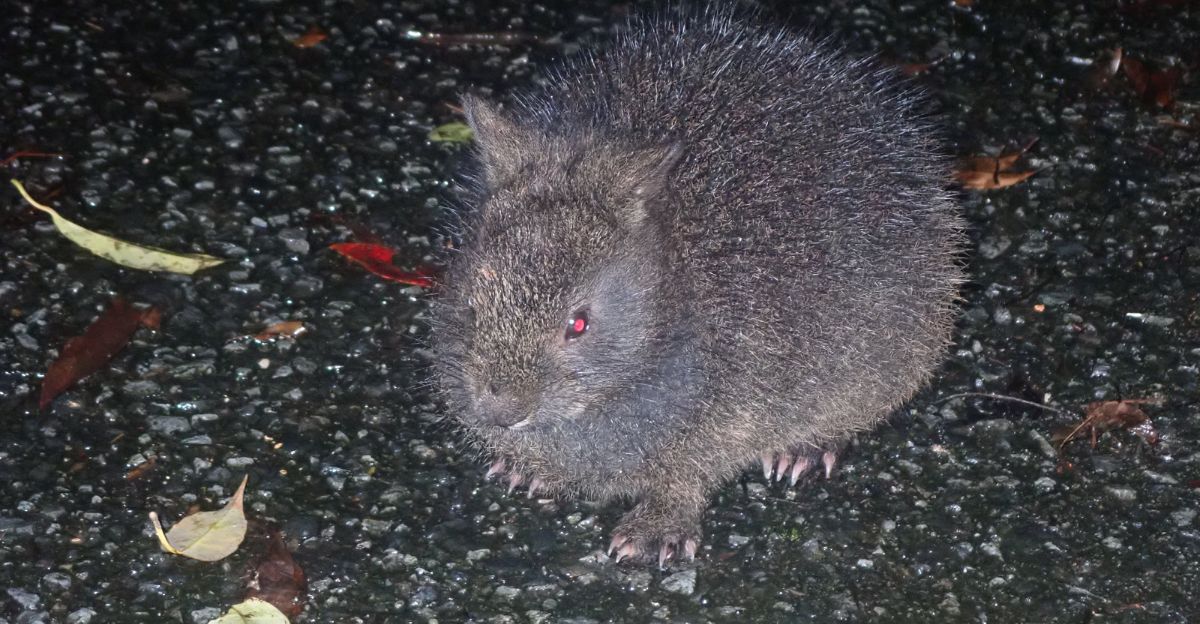
These nine species show an unexpected truth: sometimes, evolution’s greatest success is not evolving at all. While many species adapted and perished, these living fossils withstood asteroid strikes, ice ages, and mass extinctions. Yet, ironically, their greatest challenge today comes from humans.
These creatures have survived for millions of years, but now, their survival is at risk, facing habitat loss and human intervention.
Sources:
“Living fossils: 12 creatures that look the same now as they did millions of years ago.” Live Science, 28 Dec 2023.
“The Race for a Coronavirus Vaccine Runs on Horseshoe Crab Blood.” Smithsonian Magazine, 8 Jun 2020.
“These primitive, deep-sea fish live to 100, surprising scientists.” National Geographic, 17 Jun 2021.
“Platypus genome holds clues to mammals’ evolution.” Washington University in St. Louis, 7 May 2008.