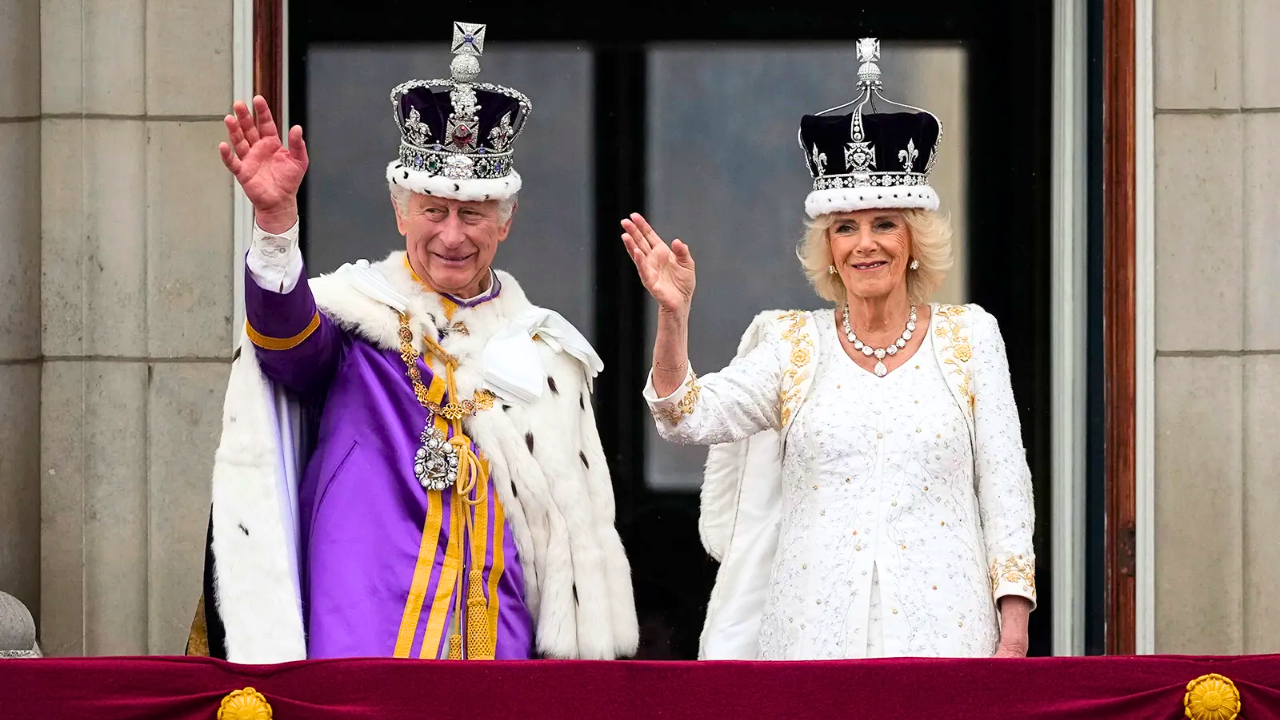
In 2025-26, the British royal family received a significant £45.8 million ($60 million) increase in funding, bringing their annual taxpayer-supported income to £132.1 million ($172 million). That’s a 53% boost in just one year.
While many UK citizens struggle with rising living costs, the royals’ financial empire grows, now totaling over $172 million annually from public funds alone. But how do they make their money?
1. The Sovereign Grant
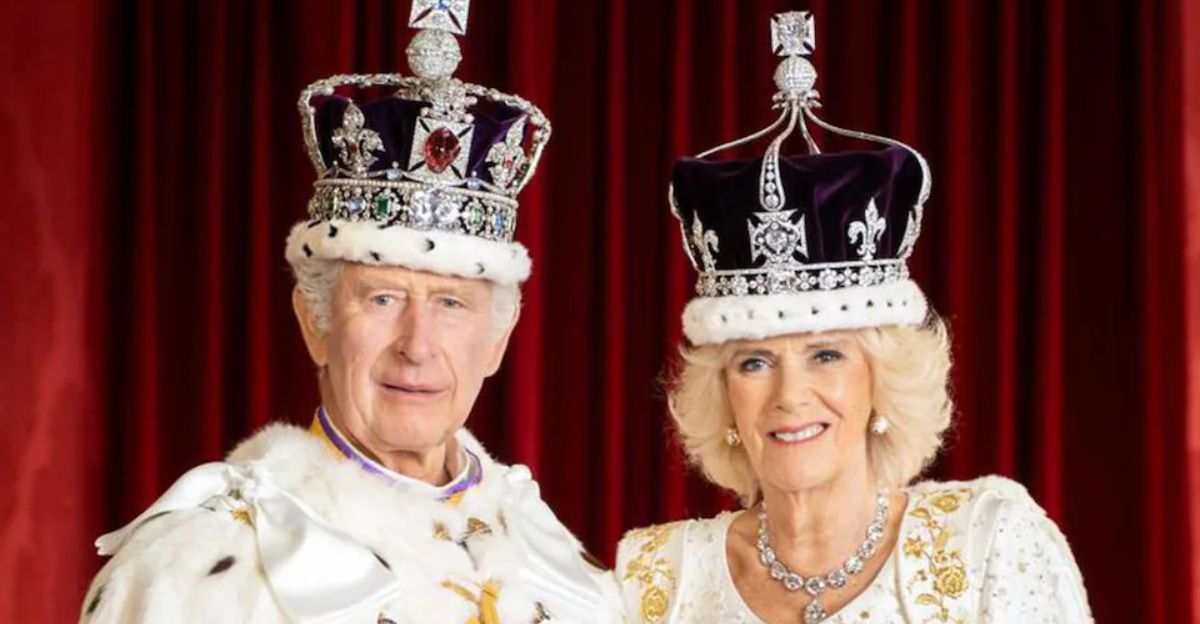
The Sovereign Grant is the main source of public funding for the royal family’s duties. It’s tied to Crown Estate profits, which soared due to booming offshore wind farm revenues.
The 2025-26 Grant rose to £132.1 million, covering royal staff salaries, travel, events, and palace maintenance. The Grant has increased by 326% since 2012, yet some question whether it’s sustainable in an era of austerity.
The Crown Estate: A $19.6 Billion Powerhouse
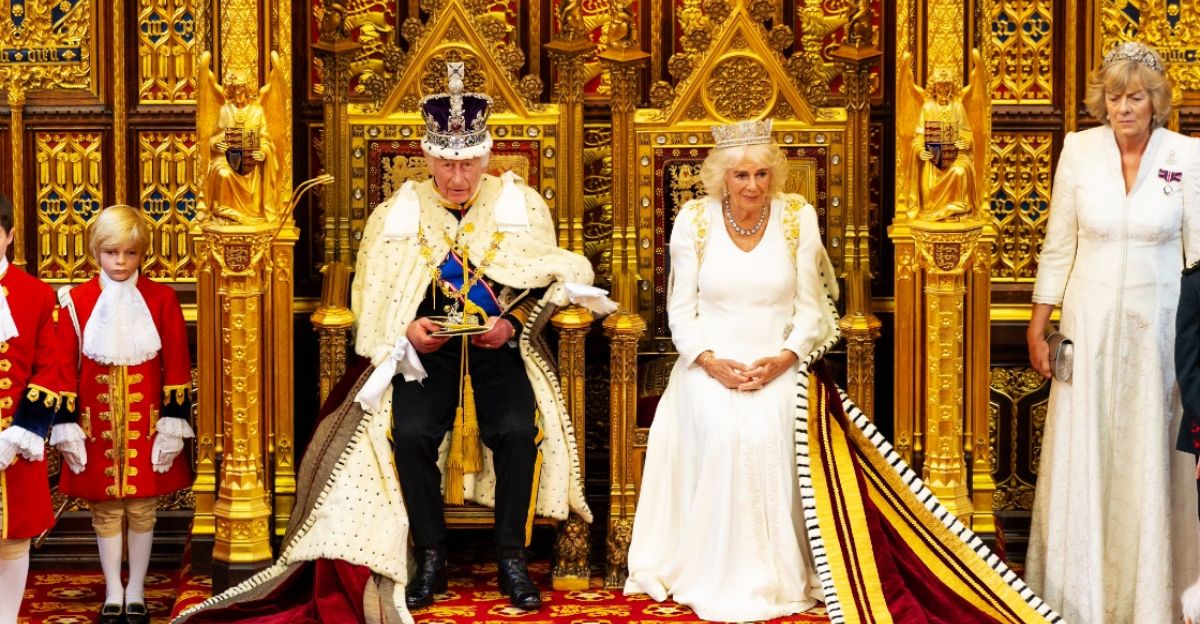
While not directly owned by the monarchy, the Crown Estate remains a key financial asset for the royals. It boasts assets valued at £15 billion ($19.6 billion), including vast land holdings and seabed rights for offshore wind farms.
In 2024-25, profits hit £1.1 billion ($1.4 billion), with the royal family receiving 12% of those profits. These public lands generate significant revenue that benefits the monarchy.
2. Wind Farms Fueling Royal Profits

Offshore wind farms, a critical renewable energy source, have become a key driver of Crown Estate profits, which directly benefit the monarchy.
Six new farms have propelled Crown Estate profits, pushing the Sovereign Grant skyward. These projects serve dual purposes: advancing climate goals while increasing royal income.
3. The Duchy of Lancaster: The King’s Personal Empire

Beyond public funding, King Charles enjoys significant personal income from the Duchy of Lancaster, a medieval estate worth £679 million ($886 million).
It includes agricultural, residential, and commercial properties across 18,000 hectares. In 2025, the Duchy generated £24.4 million ($32 million) in profits, making it a substantial personal revenue stream for the King.
Tax Advantages for the Duchy of Lancaster

The Duchy of Lancaster enjoys tax advantages unavailable to most citizens. It’s exempt from corporation tax, with the King voluntarily paying income tax on Duchy profits.
However, the lack of transparency over how much is paid raises concerns about the true tax contribution.
4. The Duchy of Cornwall: Prince William’s Wealth

When Prince William inherited the Duchy of Cornwall, he gained access to a portfolio worth £1.1 billion ($1.4 billion).
This property empire includes 52,000 hectares across England and Wales. In 2024-25, it generated approximately £23.6 million ($31 million) in annual profits for William, making him one of the wealthiest individuals in the UK.
Tax-Sheltered Wealth for Prince William

Just like King Charles, Prince William’s Duchy is exempt from corporation tax. The Duchy generates millions in private income, but exact tax figures remain undisclosed.
Combined, the Duchies of Lancaster and Cornwall generate roughly £48 million ($62 million) annually for King Charles and Prince William, providing significant financial advantages beyond typical wealth management.
5. Buckingham Palace Tourism: Revenue from Public Property
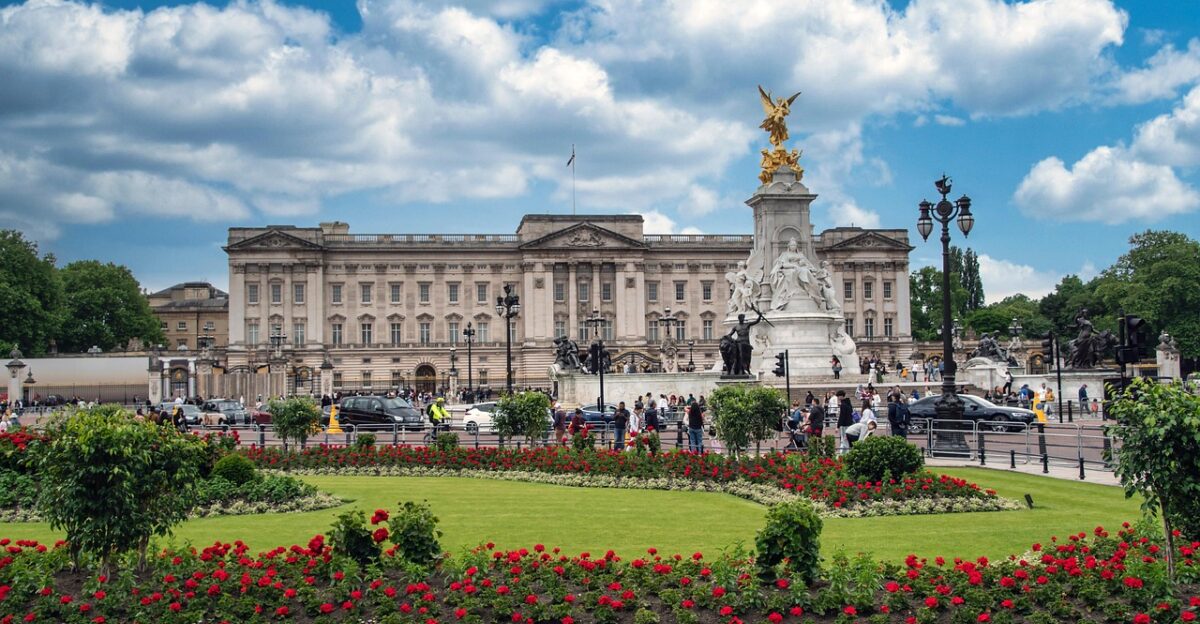
Buckingham Palace isn’t just a royal residence—it’s a revenue-generating tourist attraction. In 2024-25, it earned £21.5 million ($28 million) from visitors touring state rooms and royal treasures.
However, the Palace is owned by the nation, not the royal family, yet the royals retain the ticket sales while taxpayers fund its renovation.
Taxpayer-Funded Palace Renovation
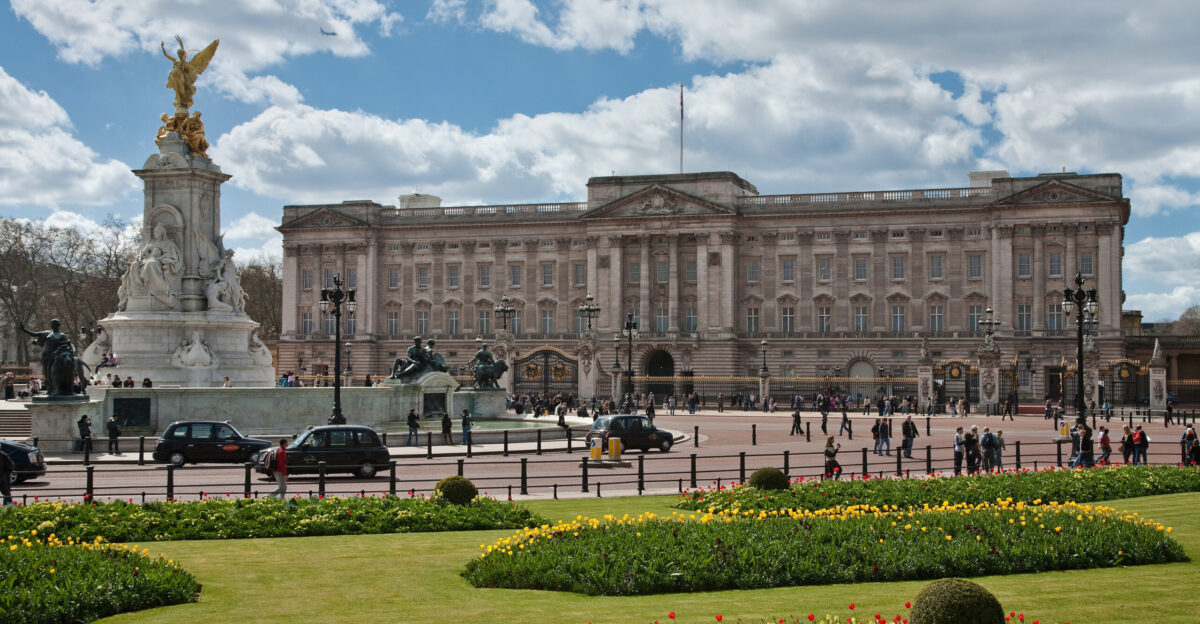
The royal family collects millions from Buckingham Palace tourism while taxpayers fund the renovation. The £369 million ($481 million) renovation is projected to take approximately 10 years.
While the royal family profits from tourism, ordinary Britons bear the cost of maintaining a historical building they collectively own.
6. Inheritance Tax Loopholes: A Royal Advantage
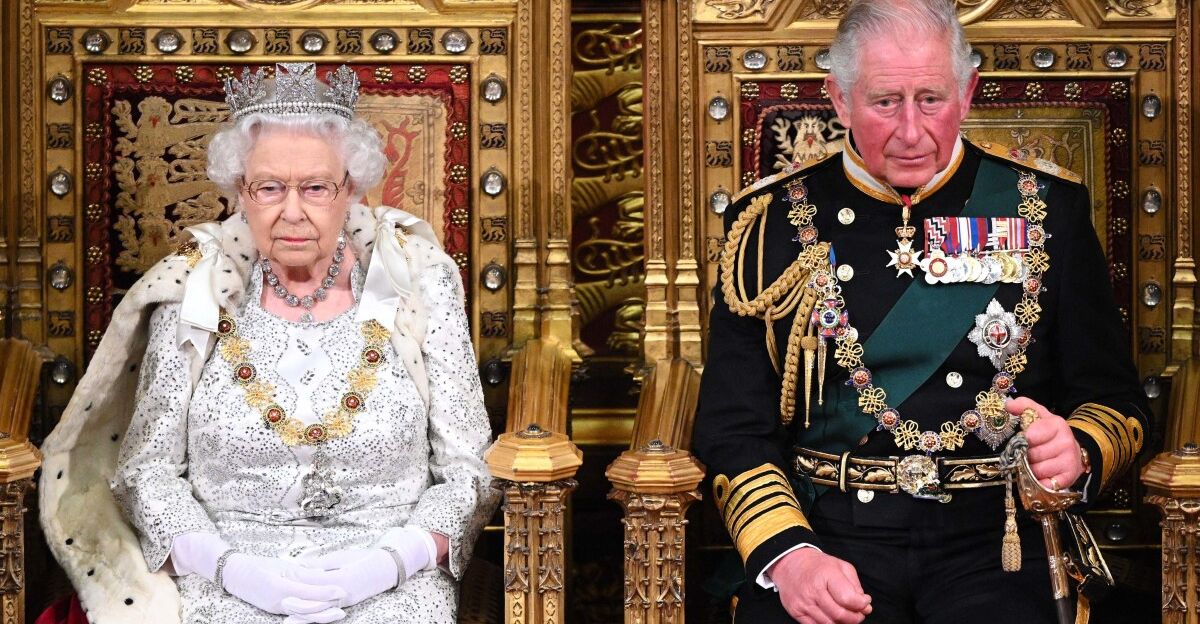
When Queen Elizabeth II died, King Charles inherited her entire estate without paying inheritance tax, thanks to a 1993 exemption.
This “sovereign to sovereign” loophole allows the monarchy to bypass the 40% inheritance tax that ordinary citizens would face. The Crown’s vast wealth remains untouched by taxes that affect everyday Britons.
Additional Tax Exemptions for the Royal Family

The royal family enjoys multiple tax exemptions, including one on the Duchies of Lancaster and Cornwall. While the King and Prince William state they voluntarily pay income tax, the amounts remain undisclosed.
This lack of transparency raises questions about how much of the royal family’s wealth is publicly accounted for.
7. Royal Engagements: Publicly Funded Appearances

In 2024-25, the royal family performed approximately 1,900 official engagements, including charity visits and state ceremonies.
These appearances are funded by the Sovereign Grant, meaning taxpayers cover travel, security, and related expenses. Some argue that the royals, with their substantial personal wealth, could contribute more to these ceremonial duties.
The Cost of Royal Engagements

While the royal family’s official engagements are presented as public service, critics question the expense. The 1,900 engagements in 2024-25 were funded through the £132.1 million Sovereign Grant, which covers multiple costs including staff salaries, property maintenance, and travel.
When considered across all activities the grant funds, the per-engagement cost reflects broader operational expenses rather than individual event pricing.
8. Hidden Costs of the Monarchy
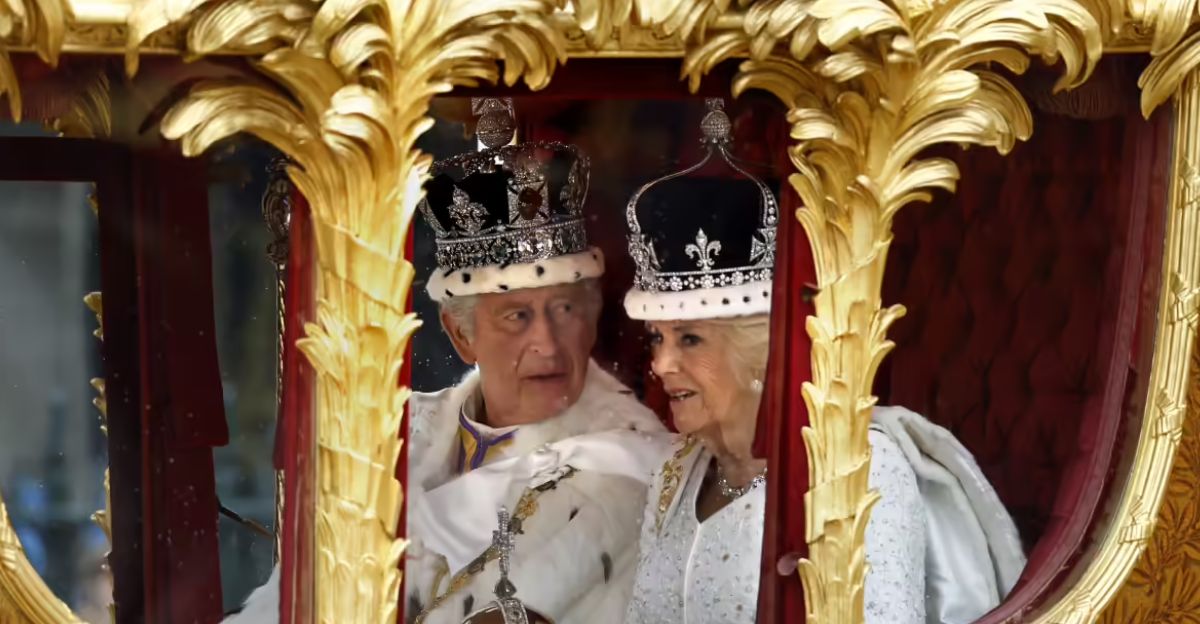
Anti-monarchy groups estimate the monarchy’s total annual cost at £510 million ($665 million), significantly above the official £132 million Sovereign Grant figure.
The biggest hidden costs include security and policing, not covered by the Sovereign Grant, as well as one-off expenses like state funerals and coronations. These unreported expenses make the monarchy’s true cost difficult to assess.
Royal Ceremonies: Significant Public Expenses
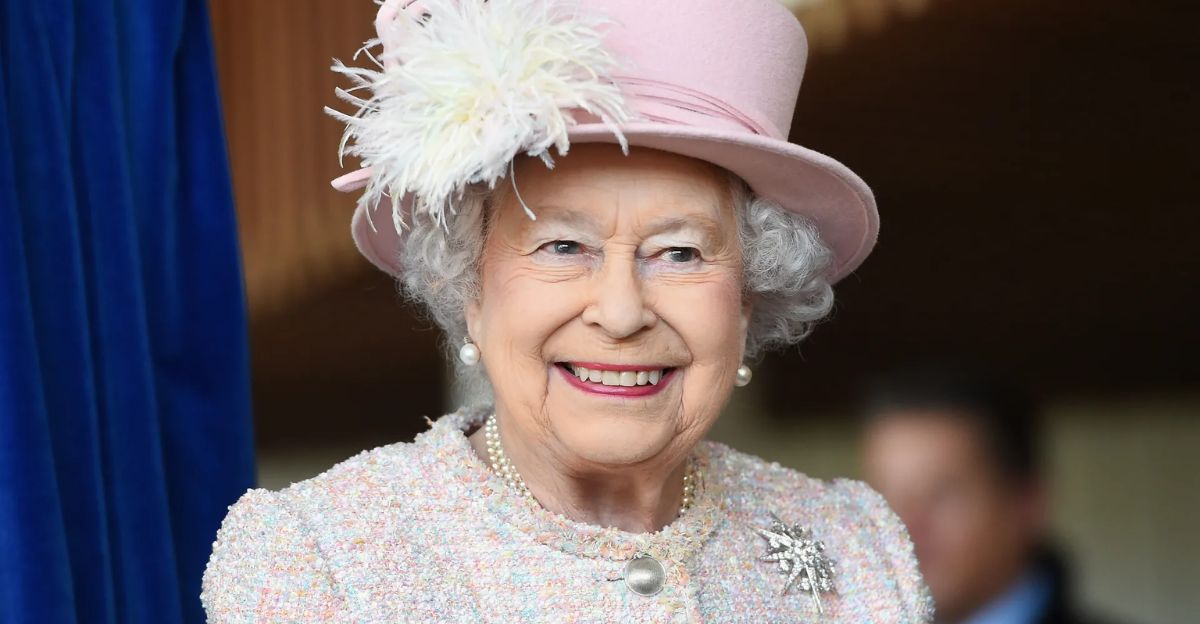
Royal ceremonies require substantial public investment. Queen Elizabeth II’s state funeral cost £162 million ($211 million), while King Charles’ coronation cost £72 million ($94 million).
These expenses were funded by taxpayers, occurring at a time when many Britons faced economic challenges. The scale of such ceremonial spending has become a point of public debate.
9. The Monarchy’s Medieval Wealth in a Modern World
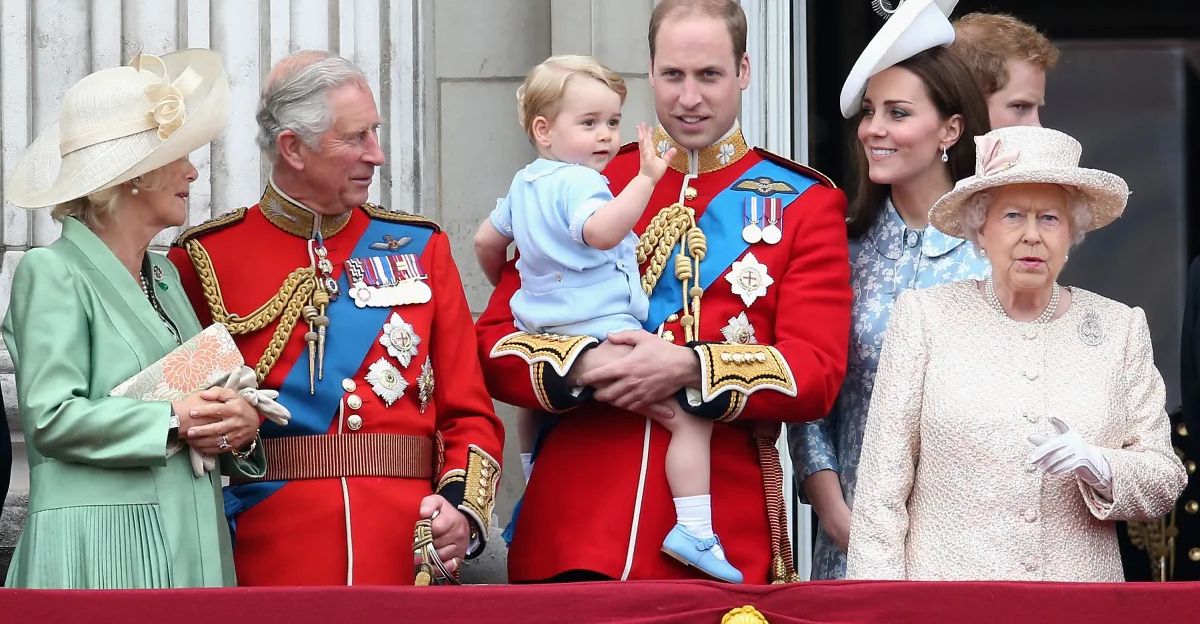
The royal family’s wealth is deeply rooted in centuries-old privileges, including inherited estates and tax exemptions. From the $172 million Sovereign Grant to the £28 million Buckingham Palace tourism income, the monarchy operates through multiple revenue streams unavailable to ordinary citizens.
As public scrutiny grows, questions persist about the compatibility of medieval financial structures with modern governance, particularly regarding figures like Prince Andrew whose financial arrangements remain complex and partially opaque following his fall from grace.
The Royal Family’s Financial System
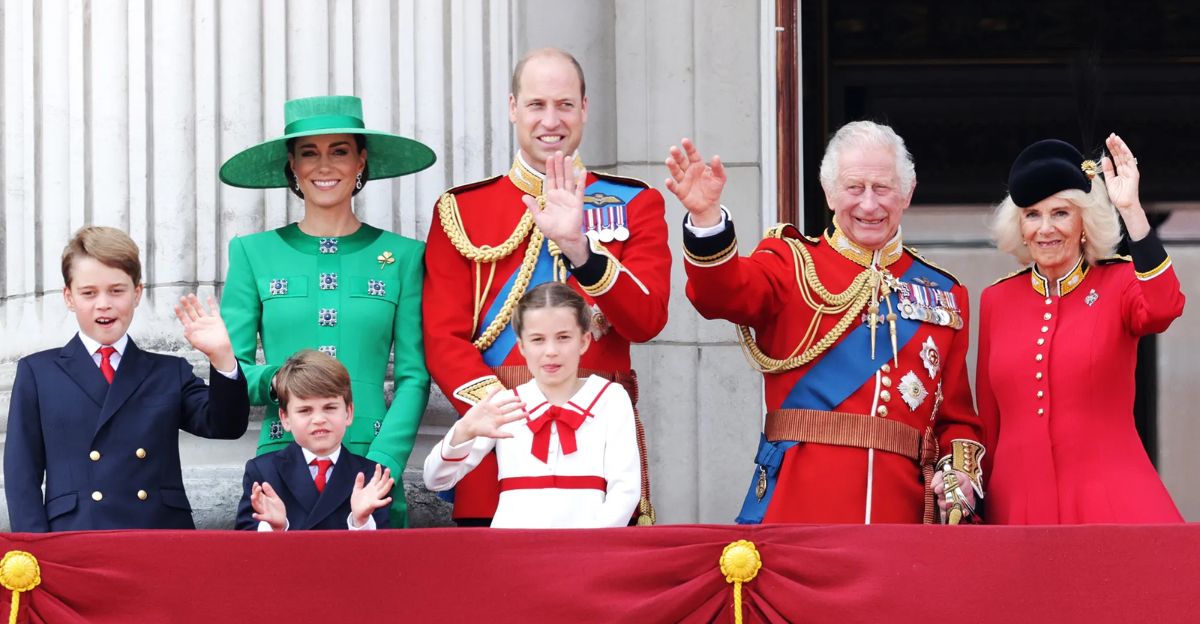
The British royal family’s wealth derives from both public funding and private estates, creating a financial structure that blends taxpayer support with inherited privileges.
From Crown Estate profits to Duchy revenues, the monarchy’s income remains substantial. With increasing public scrutiny over royal expenses and tax advantages, the financial future of the institution continues to generate debate.
Conclusion: Reassessing Royal Finances in the 21st Century
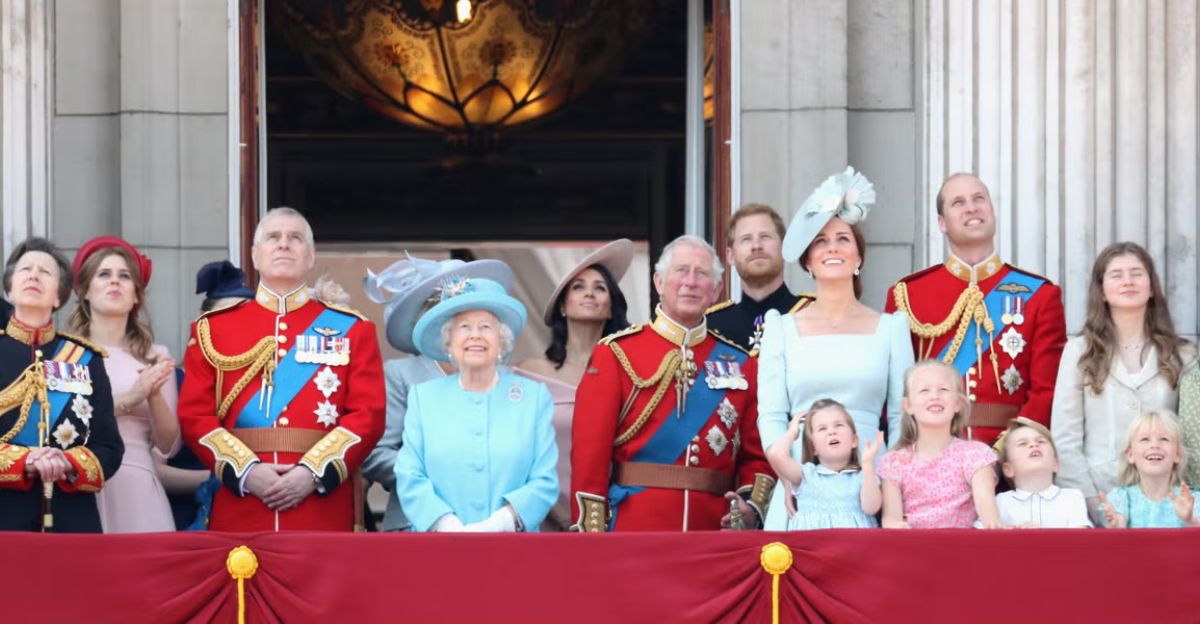
The British royal family’s financial model blends historical privilege with modern governance, generating over £200 million annually through public funding, private estates, and tourism. As cost-of-living crises affect millions of Britons, questions about royal finances intensify.
The lack of transparency surrounding tax contributions and true operational costs suggests reform may be necessary to align the monarchy with contemporary standards of accountability and public expectation.