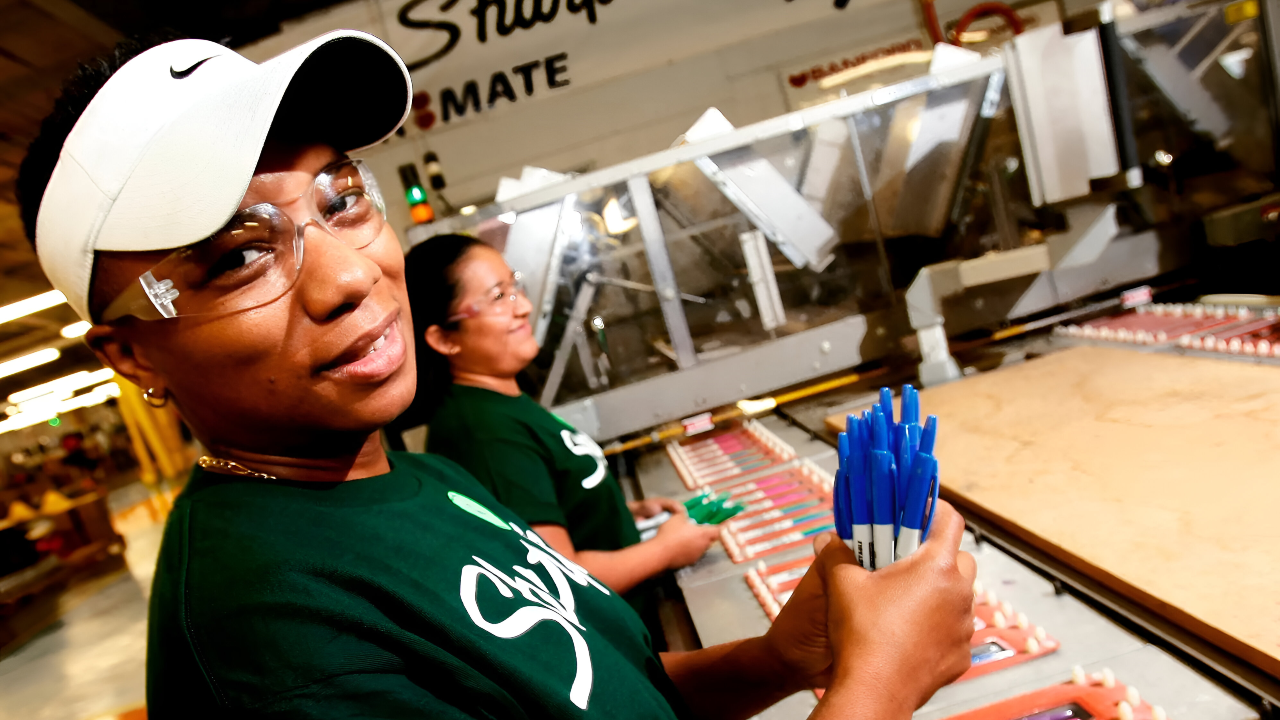
Newell Brands, the company behind Sharpie markers and Yankee Candle, just announced a sweeping restructuring that will cut 900 jobs and close 20 stores across the U.S. and Canada. The $75 million to $90 million pre-tax charge reflects mounting pressure from tariffs, inflation, and declining consumer demand. CEO Chris Peterson emphasized that the company is “strengthening Newell Brands,” but the human and financial stakes are high. Here’s what’s driving these sweeping changes.
Tariff Costs and Inflation Drive Painful Cuts
Rising tariffs, inflation, and weak demand prompted Newell’s second-year turnaround action. A $24 million one-time charge from 125% China tariffs hit early this quarter, with total Q3 tariff impact reaching $55 million ($0.11 per share). Full-year 2025 tariff costs now total $180 million. CEO Chris Peterson noted that automation and AI investments are part of the efficiency plan.
Consumers Face Fewer Yankee Candle Choices

Twenty Yankee Candle stores in the U.S. and Canada will close by January 2026, accounting for roughly 1% of brand sales. Shoppers will rely on remaining stores or online channels, while tariff-driven price increases discourage impulse purchases. The closures create shelf opportunities for rivals and reduce brand presence during peak gifting season, adding pressure to a heritage fragrance brand.
Professional and Clerical Jobs Targeted in Cuts

Newell will eliminate 900 professional and clerical roles, about 10% of that segment. Atlanta headquarters cuts start this month, with international reductions through 2026. CEO Peterson said the plan will “simplify processes and redirect resources” toward higher-value activities. Manufacturing roles are mostly spared. These cuts mark the second phase of a multi-year turnaround still challenged by tariffs and weak demand.
Competitors Poised to Capture Market Share

Analysts expect BIC and SC Johnson to gain from Newell’s reduced retail footprint and supply constraints. Third-quarter sales fell 7.4%, the steepest decline of the year, with home fragrance and professional supplies most affected. Fourth-quarter guidance projects 1% to 4% net sales decline. Rival advantages may solidify during holiday gifting season as consumers seek lower-cost alternatives and reliable availability.
Tariff Escalation Mirrors Wider Manufacturing Struggles

Newell’s Q3 tariffs included a $24 million one-time China charge, with full-year 2025 impact rising to $180 million from $155 million last month. Margins are compressed despite efficiency gains, reflecting widespread manufacturing pressures. U.S. importers face rising costs and supply chain rerouting. Companies with high China exposure, like Newell, remain vulnerable. Margin stress continues even with partial offsets.
Holiday Season Timing Intensifies Pain
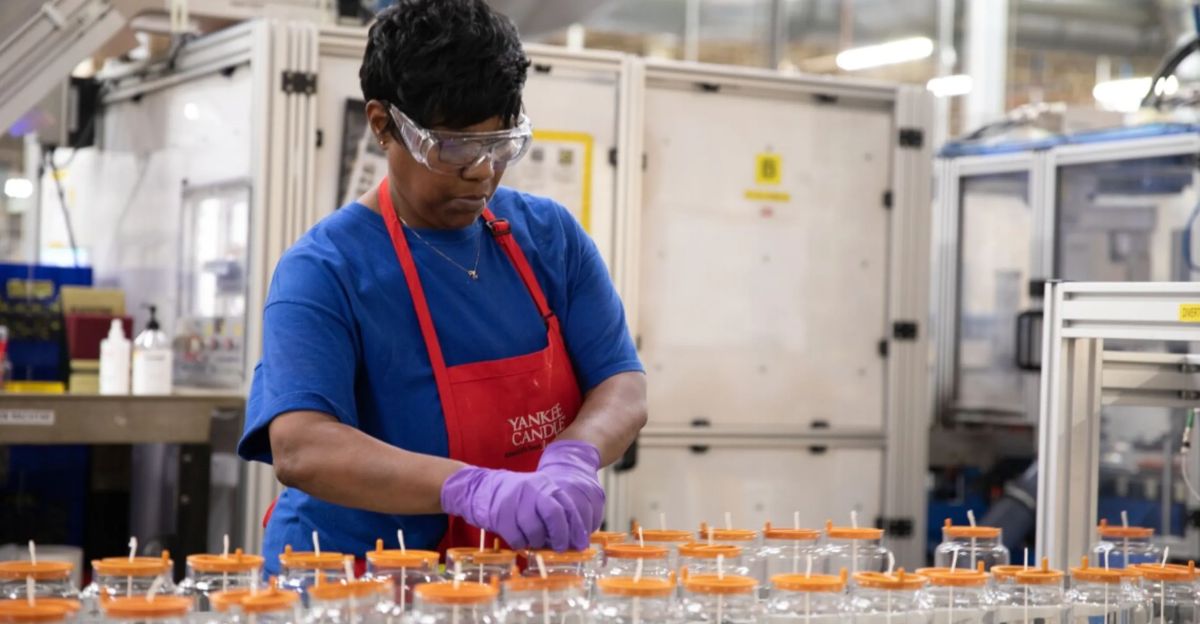
900 Newell employees face job cuts through 2026, with average severance costs of $83,000 to $100,000 per position. Atlanta headquarters reductions coincide with holiday spending pressures. Manufacturing roles are largely spared, while clerical staff face acute financial disruption. Cost savings accrue gradually, meaning 2026 earnings will experience near-term pressure. The timing highlights human and economic stress across professional roles.
Steel Tariffs Trigger Parallel Layoffs
Algoma Steel in Ontario announced 1,000 job cuts, roughly 40% of its workforce, effective late March due to U.S. 50% tariffs on Canadian steel. Emergency loans of C$500 million ($360 – $380 million USD) failed to prevent layoffs. The simultaneous announcements of Newell and Algoma cuts illustrate widespread distress as tariffs reshape competitive dynamics across consumer goods, metals, and manufacturing.
Inflation Magnifies Tariff Pressure Across Goods

Newell’s core sales fell 4% to 7% year-over-year through Q3, with $180 million in incremental tariff costs. The third-quarter decline of 7.4% represents the steepest drop this year. If Q4 sales reach the upper 1-4% guidance, revenue loss could total $1.4 to $2.5 billion annually. Inflation and tariffs squeeze affordable luxuries, forcing companies to restructure despite prior turnaround efforts.
Retailers Adjust to Store Closures and Margin Stress

Walmart, Target, and other retailers may expand private-label candle offerings as Newell closes 20 stores. Tariff-driven price increases push consumers toward value alternatives, while premium retail consolidation creates shelf opportunities for rivals like SC Johnson. Retailers may boost promotions before margins stabilize, reshaping consumer exposure during the holiday season. Shifts now may define next year’s gifting trends.
Hospitality Fragrance Markets Under Pressure

Hotels and commercial facilities relying on branded fragrances face supply and cost challenges. Newell’s Home & Commercial segment saw a 9.8% sales decline in Q3, reflecting tariff and inflation pressures. Operators are seeking local suppliers or cutting fragrance budgets. Tariffs affect both retail and commercial ecosystems, amplifying the ripple effect of restructuring. Cost pressures extend beyond consumer households into entire service industries.
Apparel Manufacturer Joins Layoff Wave

Renfro Brands will close its Fort Payne, Alabama facility in late December, eliminating 455 jobs. The move consolidates operations to Cleveland, Tennessee, with net job loss of 380. Like Newell and Algoma, the shift targets efficiency and automation to offset tariffs. Across a 72-hour period, these three companies alone eliminate approximately 2,280 North American jobs, signaling a cross-sector restructuring surge.
Global Consumers Face Higher Prices and Fewer Options
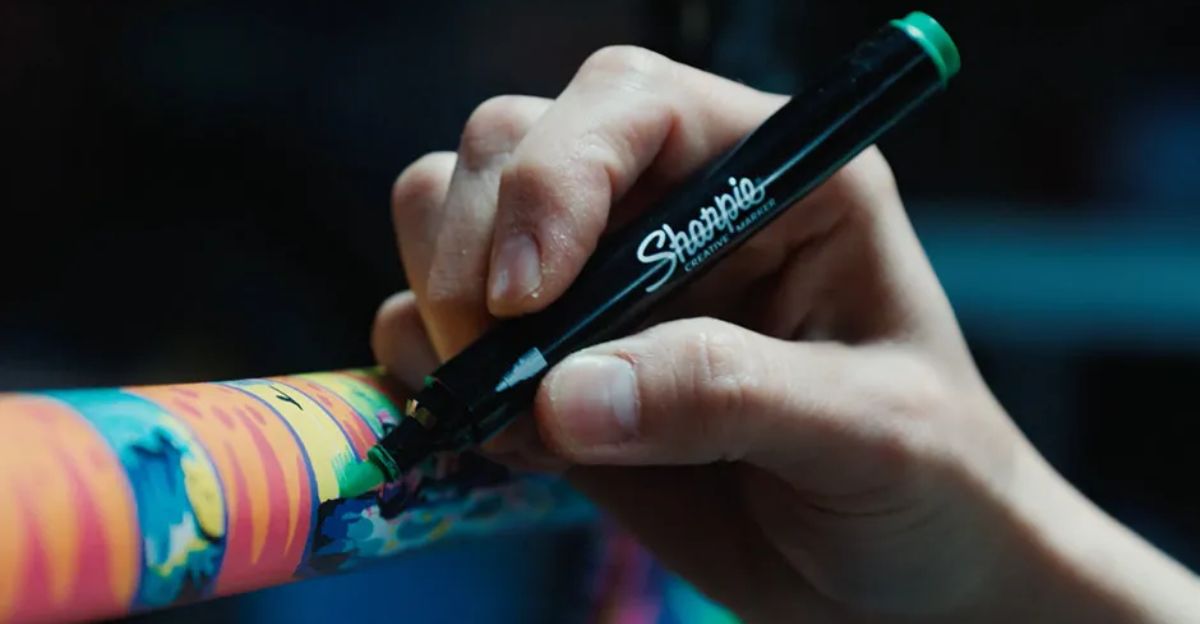
Newell’s Latin America sales lagged expectations, with Brazil showing particular weakness. Tariff-driven price increases forced households to prioritize essentials over candles and markers. Emerging markets are not insulated from global cost pressures. Reduced growth in these regions highlights systemic demand destruction, confirming management’s decision to restructure. Global consumers now face constrained access to affordable luxuries, not just U.S. shoppers.
Households Reduce Spending on Affordable Luxuries
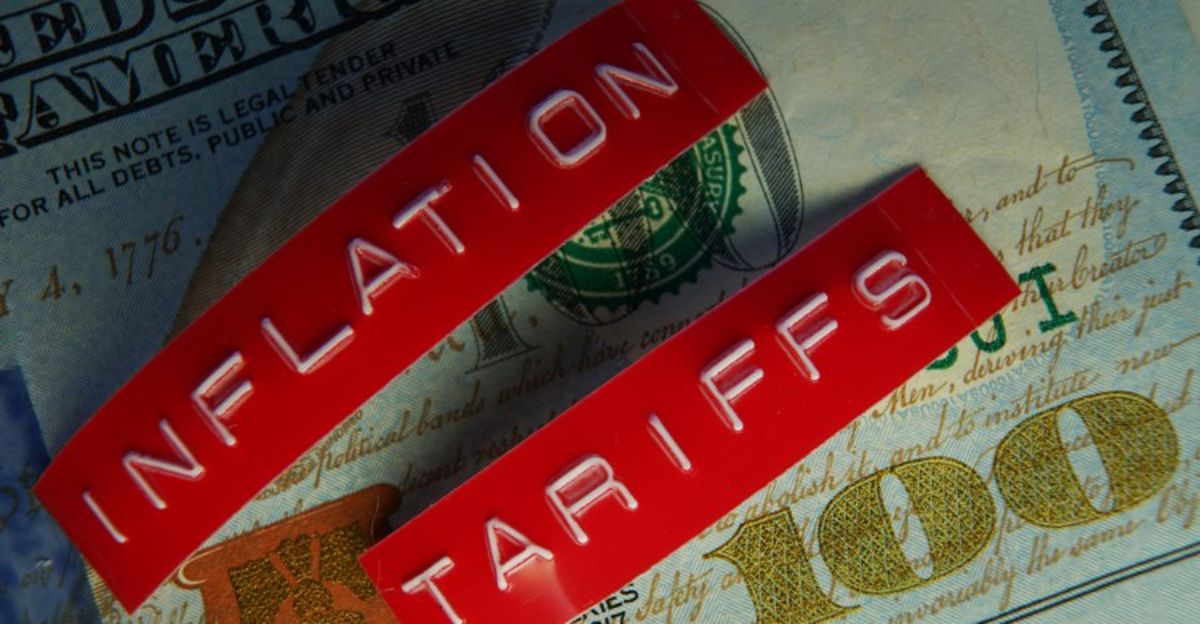
Consumers cut back on Sharpies and Yankee Candles due to tariffs and inflation. Newell’s projected $110 million to $130 million annual savings target cost reductions rather than revenue growth. Investor skepticism is reflected in the 63% stock decline this year. Demand destruction appears structural and persistent, leaving affordable-luxury categories vulnerable. Consumers’ tightening budgets signal ongoing challenges before trade policy shifts can provide relief.
Tariffs Accelerate Sustainability Shifts
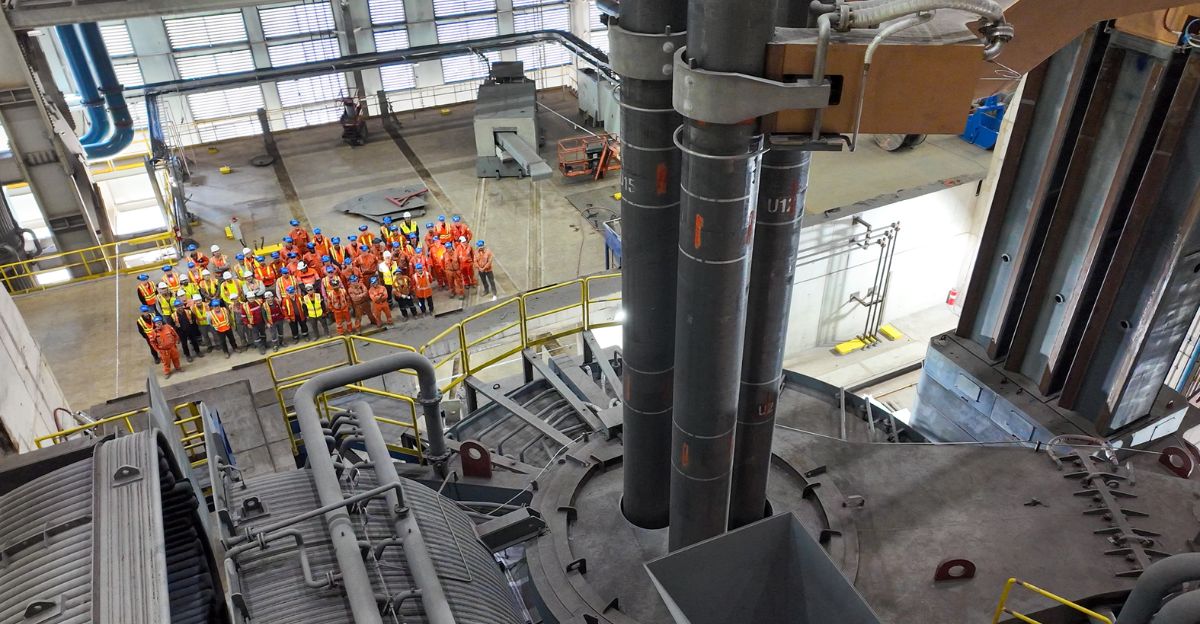
Newell’s automation investments echo Algoma Steel’s electric arc furnace pivot. Tariff pressures accelerate efficiency and low-emission transitions, but job displacement is severe. Green manufacturing trade-offs highlight tension between long-term sustainability and immediate worker welfare. Economic disruption, rather than voluntary environmental policy, is driving these shifts. Workers are bearing the cost of operational transformations triggered by tariffs and restructuring decisions.
AI and Competitors Gain From Restructuring

Automation and AI vendors benefit from Newell’s back-office investments. Competitors with lower costs or diversified supply chains—like BIC and SC Johnson—stand to capture market share. Clerical and professional workers face displacement, while tariff-exposed manufacturers remain vulnerable. The wave reshapes competitive advantage and income distribution, hollowing out middle-class white-collar roles. The restructuring highlights winners and losers in a tariff-driven economy.
Stock Plunge Raises Investor Concerns

Newell shares are down 63% this year, trading near $3.80–$3.90, down from a 52-week high of $11.78. Earnings misses and tariff uncertainties fuel investor caution. Analysts highlight ongoing volatility, questioning whether restructuring and AI investments will restore profitability. Current stock levels reflect weak demand and margin pressures extending into next year. Market pessimism underscores extended risk before turnaround gains materialize.
Consumers Seek Deals Amid Price Pressures
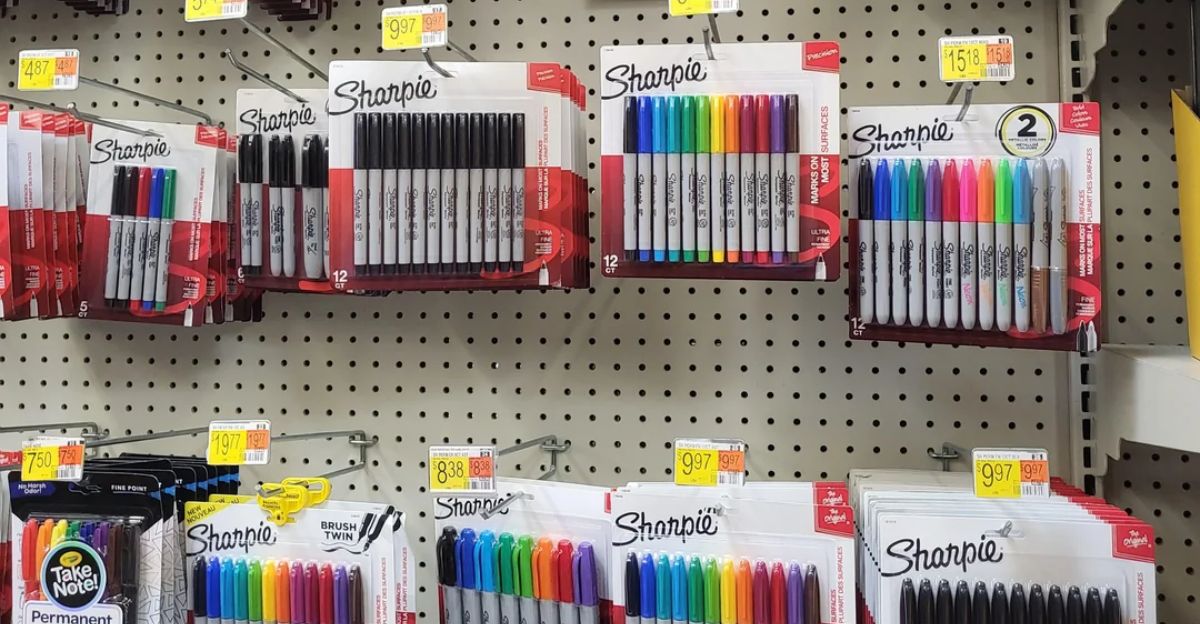
Shoppers may buy Sharpies and Yankee Candles ahead of early-2026 price increases. Walmart and Target could offer promotional pricing as inventory is cleared. Monitoring sales events and private-label alternatives provides options while tariffs continue affecting margins. Early purchasing protects household budgets from escalating costs. Strategic timing ensures access to affordable luxuries before Newell’s cost-cutting measures reduce inventory and further pressure prices.
2026 Marks Critical Year for Cost Savings
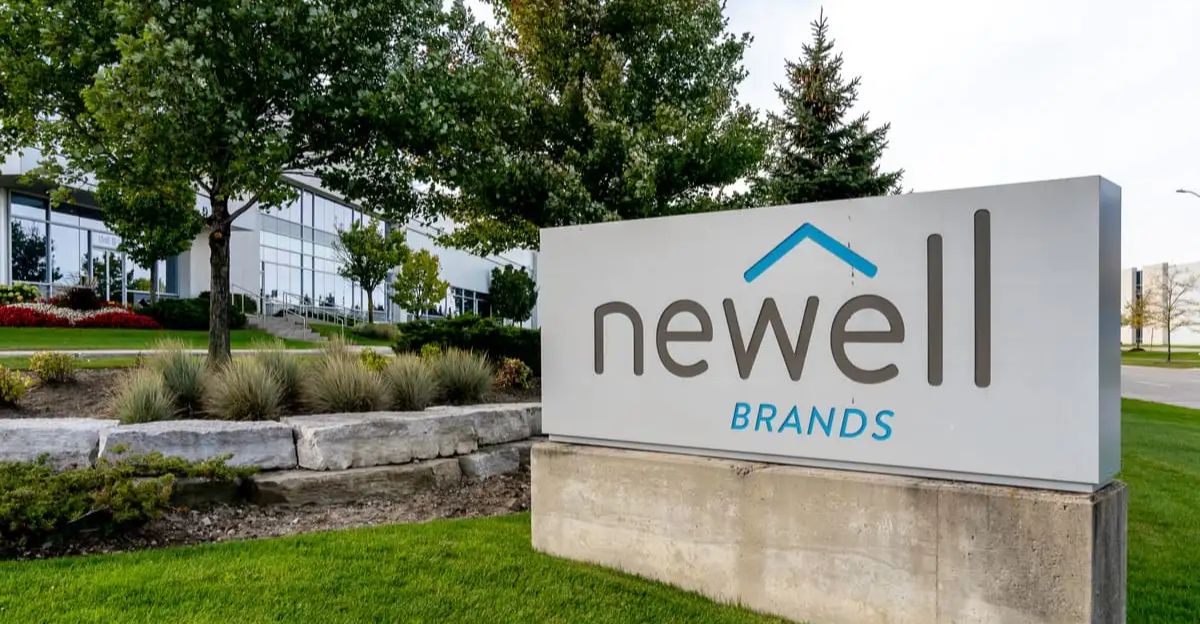
Newell projects $110 million to $130 million in annual savings by end of 2026, offsetting $75 million to $90 million in restructuring charges. Near-term earnings will feel pressure as benefits accrue gradually. Latin America weakness and fourth-quarter demand headwinds suggest a slow, uneven recovery. Investors and employees face uncertainty spanning at least 18 months before measurable turnaround results appear, making 2026 pivotal.
Tariffs Reshape Industries and Livelihoods
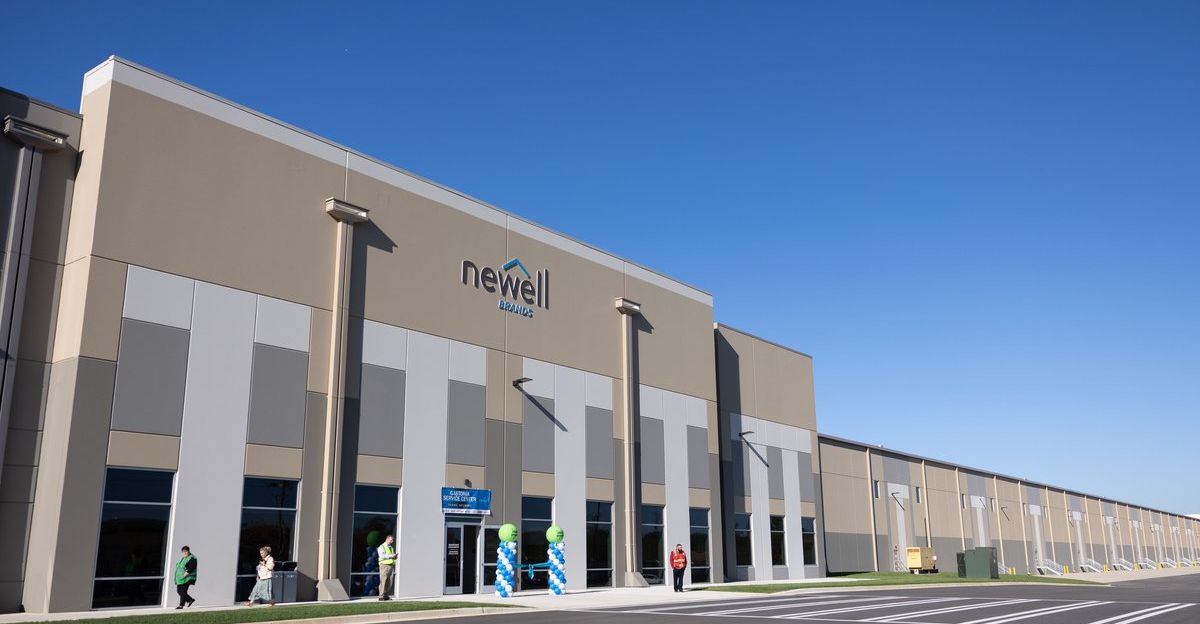
Newell’s cuts, combined with 200–500 retail job losses, total 1,100–1,400 affected employees. Parallel reductions at Algoma Steel (1,000 jobs) and Renfro Brands (380 net jobs) push total displacement to 2,480–2,780 within 72 hours. Tariffs force companies to absorb costs or reduce labor, hitting workers hardest. Across consumer goods, metals, and manufacturing, employment landscapes are reshaped, demanding resilience amid persistent trade uncertainty.
Sources
Newell Brands Announces Third Quarter 2025 Results. Newell Brands Corporate Statement, December 1, 2025.
Sharpie Maker Newell Brands to Cut 900 Jobs, Take Up $90 Million Charges. Reuters, December 1, 2025.
Sharpie Maker Newell Brands Among Recent Holiday Layoffs. Manufacturing Dive, December 4, 2025.
Algoma Steel to Cut 1,000 Workers Due to Tariffs. Wall Street Journal, December 1, 2025.
Newell Brands Q3 2025 Earnings: Tariff Shock & Margin Pressure Analysis. Yahoo Finance Earnings Analysis, October 31, 2025.
Algoma Steel Statement on Tariff Impact and Restructuring. Algoma Steel Official Statement, November 30 / December 1, 2025.