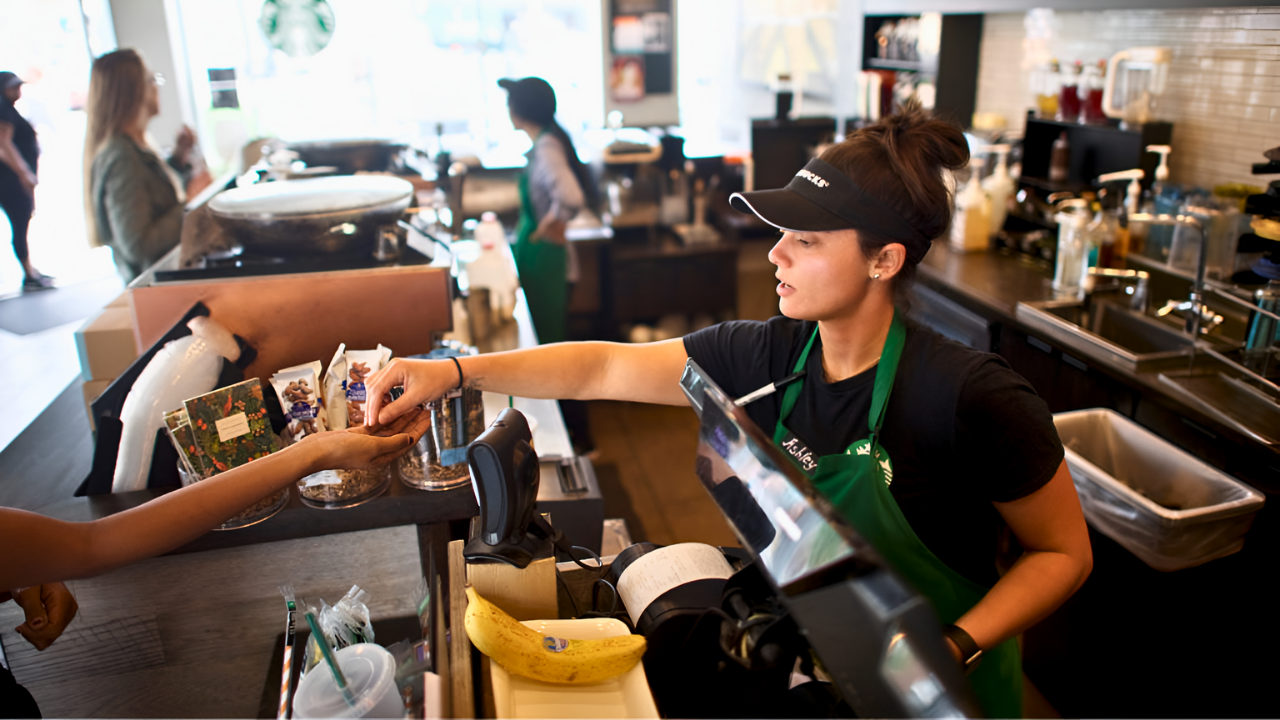
If you grabbed a latte in New York City anytime in the last three years, the barista handing it to you might have been dealing with a lot more than just a rush of orders. In a massive victory for labor rights, Starbucks has agreed to a $38.9 million settlement with the city—the largest of its kind in history.
It turns out the coffee giant wasn’t just struggling with supply chains; it was systematically breaking the laws designed to protect its own workers’ time and sanity.
15,000 Baristas Are Finally Getting Paid For Years Of Chaos
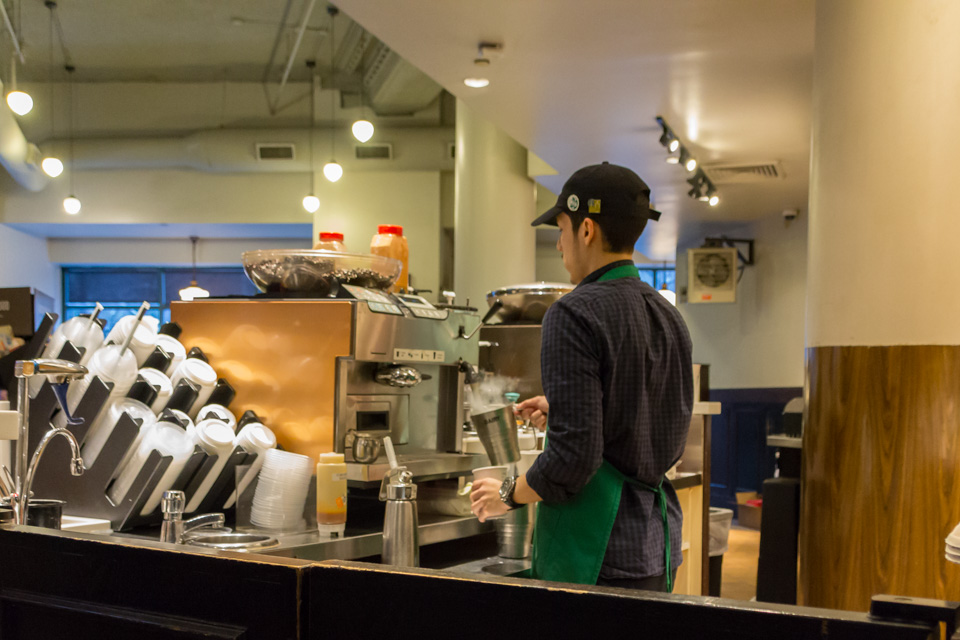
This isn’t just a fine that disappears into city coffers. The best part of this deal is that the money is going exactly where it belongs: to the people behind the counter. Officials confirmed that over 15,000 workers will share $35.5 million in direct restitution.
For the thousands of employees who juggled unpredictable shifts and scrambled to pay bills because their hours were cut on a whim, this settlement is a tangible acknowledgment that their time—and their stress—has a price tag.
How One Chain Broke The Rules On Repeat
The numbers uncovered by city investigators are staggering. Between July 2021 and July 2024, the Department of Consumer and Worker Protection logged over 500,000 violations of the Fair Workweek Law.
It wasn’t a case of a few bad managers making mistakes; it was a citywide operational failure that left employees unable to predict when they’d be working or how much they’d earn.
The ‘Fair Workweek’ Promise

New York City’s Fair Workweek Law was passed in 2017 to stop the retail nightmare of “on-call” scheduling. The rule is simple: large employers must provide workers with their schedules 14 days in advance, allowing them to plan their lives accordingly.
The investigation found that managers frequently failed to post regular schedules or obtain consent before changing shifts, essentially treating their workforce as on-call labor despite clear laws forbidding exactly that practice.
The Reality Of Part-Time Poverty
One of the most painful findings in the probe was how often workers saw their hours disappear overnight. Investigators found instances where managers cut scheduled hours by more than 15% without proper notice.
For a salaried executive, a schedule change is an annoyance; for an hourly barista, losing those hours means missing rent or skipping a utility payment.
Starbucks Hired New Staff While Cutting Current Hours
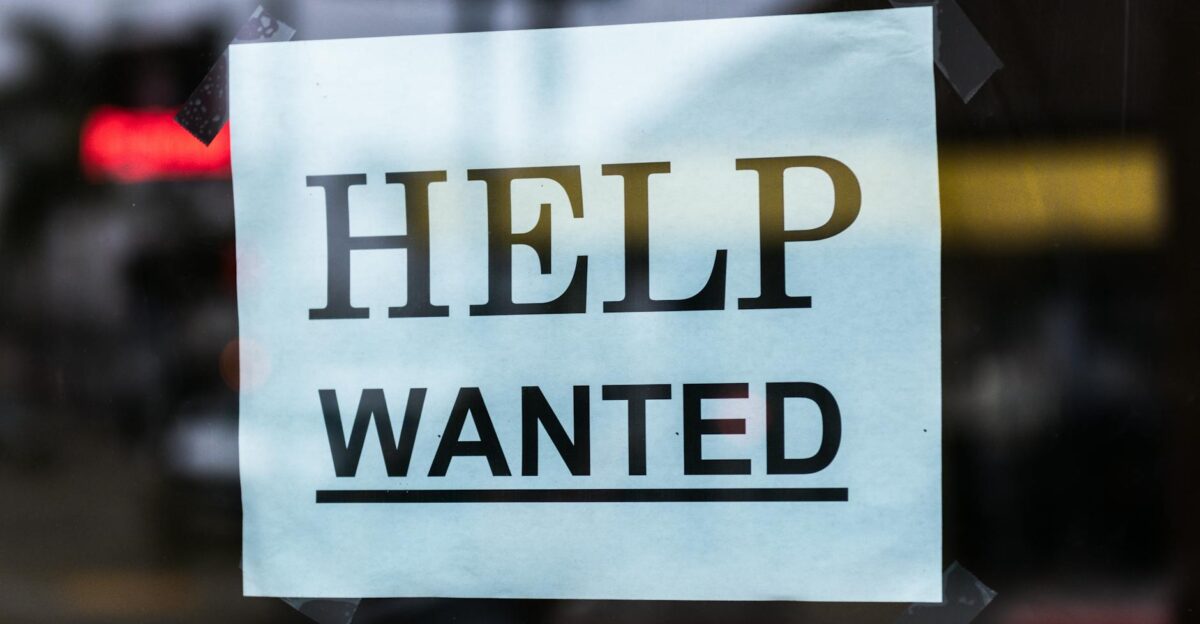
Nothing is more frustrating for a part-time worker wanting full-time pay than seeing a “Help Wanted” sign in the window. The investigation revealed that Starbucks often denied existing employees the chance to pick up extra shifts, opting instead to hire new staff.
This practice kept many veteran baristas in a state of involuntary part-time employment, limiting their earnings and eligibility for benefits.
The Dreaded “Clopening”

If you’ve ever worked retail, you know the dread of the “clopening”—closing the store late at night and returning a few hours later to open it. The Fair Workweek Law is supposed to prevent this exhaustion by requiring premium pay for such tight turnarounds.
The city found that Starbucks frequently ignored these protections, burning out staff without the required compensation.
Major Corporations Will Pay The Price
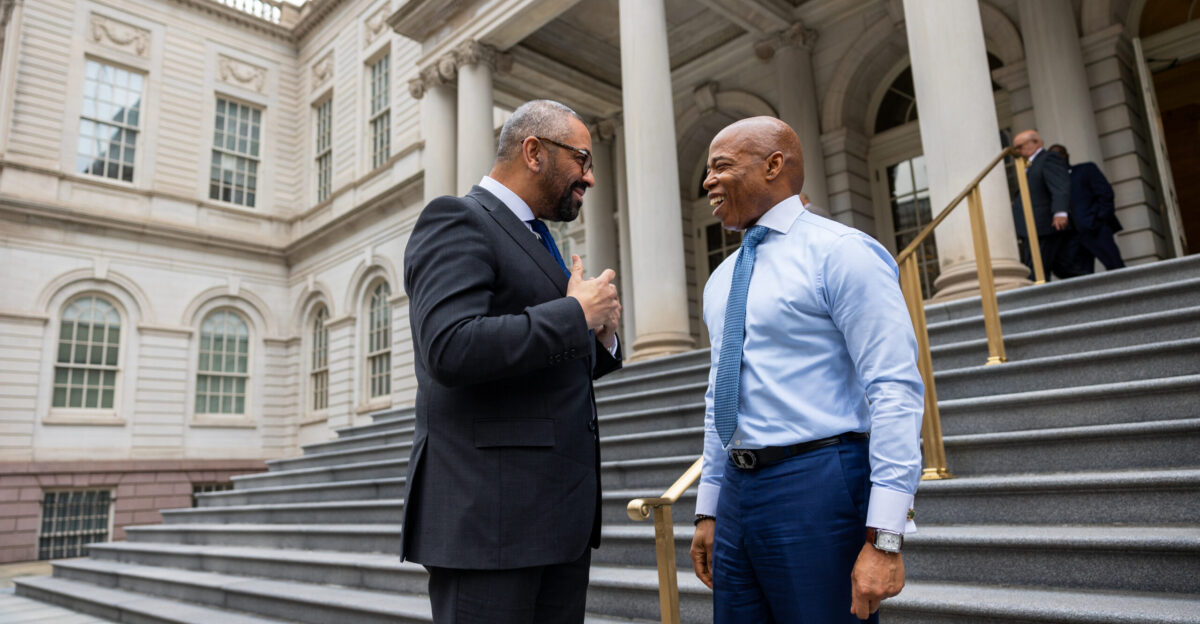
Mayor Eric Adams didn’t mince words when announcing the deal on December 1, 2025. Sending a sharp warning to other major corporations operating in the five boroughs, he declared, “It does not matter how big your business is… if you violate our workers’ rights, you will pay the price.”
The administration is framing this record-breaking payout as proof that New York is no longer a playground where massive companies can budget for fines as a cost of doing business.
$35.5 Million Straight To The Workers
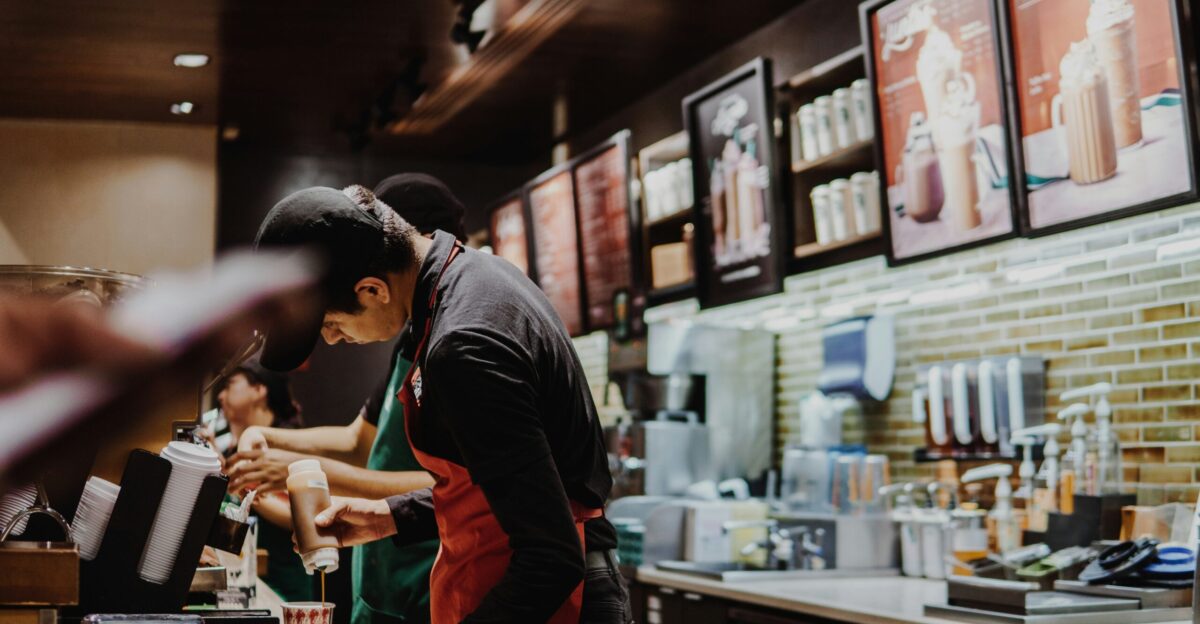
It’s rare to see a settlement where the victims get the lion’s share, but that’s precisely what is happening here. Out of the $38.9 million total, only $3.4 million is going to the city for penalties and administrative costs. The remaining $35.5 million is strictly for the workers.
This structure ensures that the settlement acts as actual restitution, putting cash back into the pockets of the people who actually worked the shifts, rather than just padding the city’s general budget.
How Your Payout Is Calculated
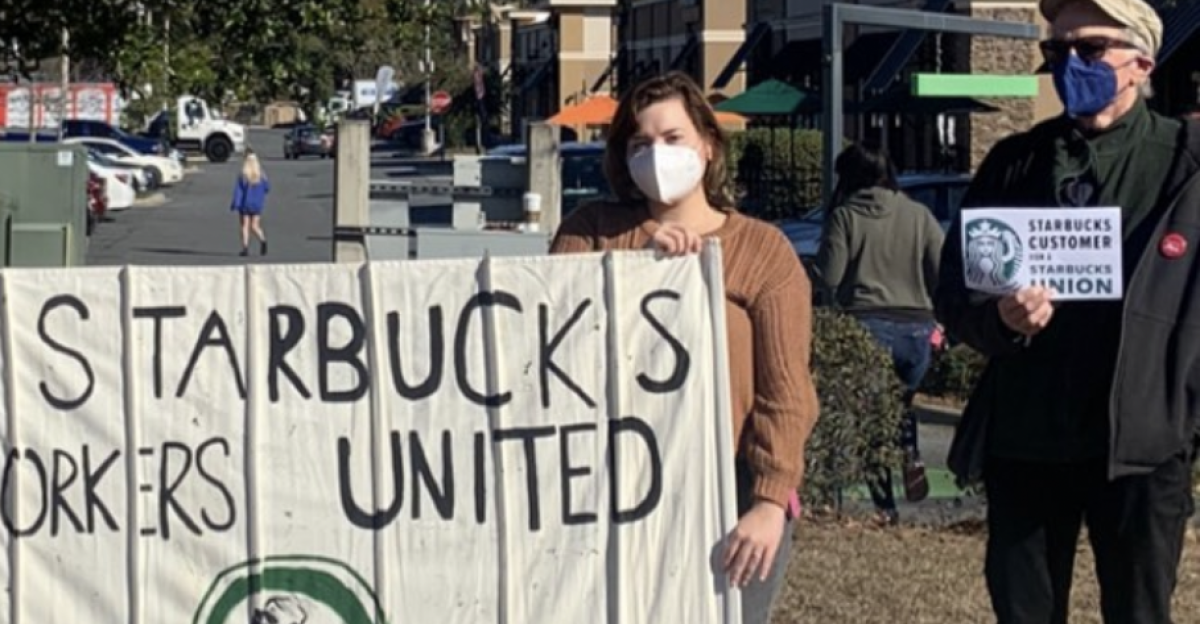
So, how much does a violation of your time cost? The settlement uses a straightforward formula: most eligible hourly employees will receive $50 for every single week they worked during the violation period (July 2021 to July 2024).
It’s a method that rewards longevity and acknowledges that the longer you stay in the chaotic environment, the more compensation you deserve.
Checks As High As $7,800
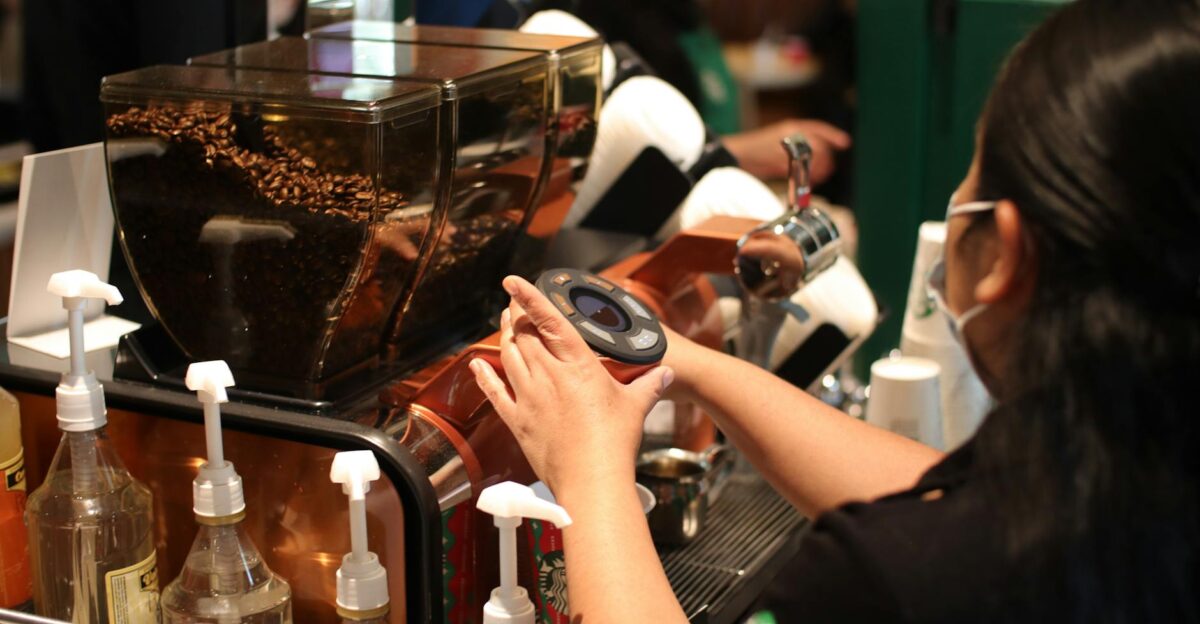
For the baristas who stuck it out for the long haul, the payday will be significant. A worker who was employed for the whole three-year investigation window could be looking at a check of nearly $7,800. Even those with shorter tenures—say, a year and a half—are set to receive around $3,900.
In a city as expensive as New York, receiving a surprise check of that magnitude just before the holidays is a life-changing event for many service industry workers.
Payments Are Arriving In December 2025

Officials have confirmed that checks will be mailed out this winter, meaning many workers are expected to receive their funds in December 2025. It’s a rare instance of government enforcement moving relatively quickly from settlement to payout.
For thousands of families, this money isn’t a theoretical promise for the future; it’s real cash arriving right in the middle of the holiday season, providing a sudden financial cushion that was earned shift by shift over the last three years.
Rules Too Complex To Follow
Starbucks isn’t admitting to being a villain; instead, they are pointing to the complexity of the law. A spokesperson noted that, under the strict city code, even well-intentioned moves—such as asking a barista to cover a colleague’s shift at the last minute—can technically be considered a violation if the paperwork isn’t perfect.
While they admit the regulations are “challenging” to navigate, the company has agreed to the settlement terms, signaling that it is ready to overhaul its scheduling software to avoid tripping over the rules.
A Citywide Failure Of Compliance
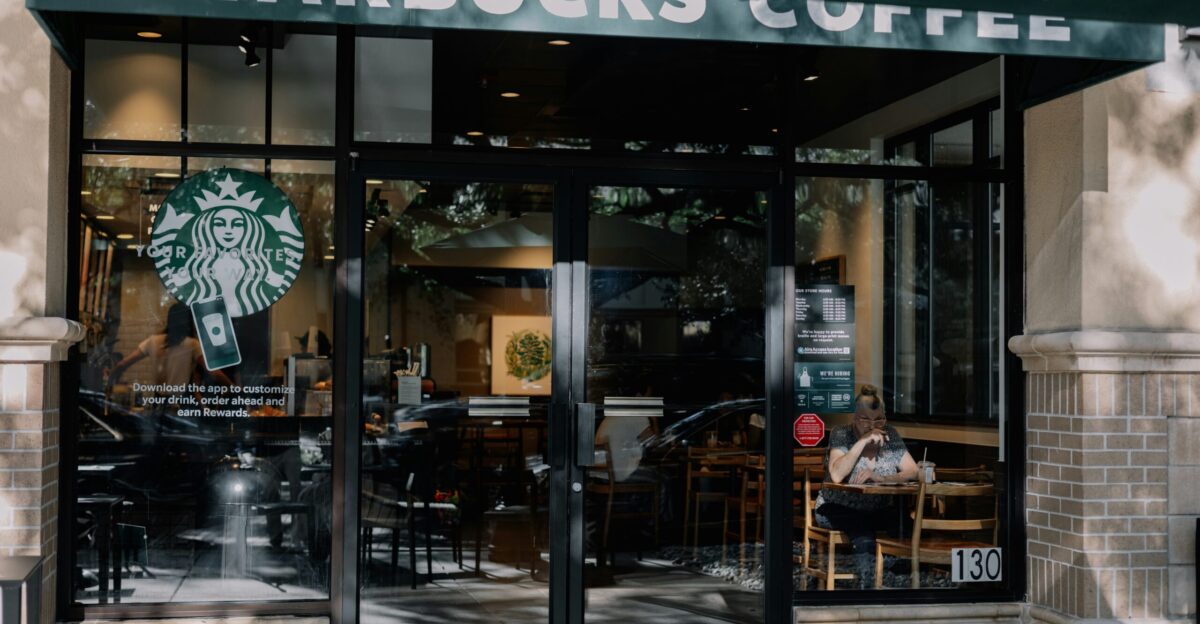
What makes this case so significant is its scope. This wasn’t happening in just one borough or at a handful of busy stores; it was happening at over 300 locations across the entire city. This suggests that the scheduling issues were baked into the company’s operational DNA.
Whether you were pouring coffee in Staten Island or Manhattan, the pressure to cut corners on scheduling was the same.
Largest Worker Protection Settlement NYC Has Ever Seen
We often hear about big lawsuits, but in the realm of local worker protection, this is a titan. At $38.9 million, this is officially the largest settlement of its kind in New York City history. It sets a massive precedent.
By securing such a high figure, the Department of Consumer and Worker Protection has effectively drawn a line in the sand, showing that the Fair Workweek Law isn’t just a suggestion—it’s a mandate with multi-million dollar consequences for those who ignore it.
A $90 Million Wake-Up Call For New York Employers

This Starbucks victory is the crown jewel in a much larger crown. The Adams administration revealed that, including this case, they have now secured nearly $90 million in relief for workers from various companies.
For years, retail and food service workers felt like they had no recourse against erratic scheduling; now, there is nearly $100 million in proof that the city is actually listening to their complaints.
Why This Isn’t The End Of The Story
Starbucks doesn’t just get to write a check and walk away. As part of the agreement, the company will be under a microscope. The Department of Consumer and Worker Protection will actively monitor the chain to ensure it doesn’t revert to old habits.
This ongoing oversight is critical; it ensures that the settlement changes behavior in the long term, forcing the company to build a scheduling system that actually respects the law, rather than just paying fines as the cost of doing business.
Worked At Starbucks Between 2021 And 2024?
If you donned the green apron anytime between July 4, 2021, and July 7, 2024, you are likely part of this settlement. While most checks are being sent automatically based on payroll records, former employees need to be proactive.
If you’ve moved since quitting, ensure the settlement administrator has your current address. Don’t let your hard-earned restitution get lost in the mail—this is money you earned by dealing with years of chaotic schedules.
Why “Predictability Pay” Is More Than Just Extra Cash
The concept behind these fines is “predictability pay”—money owed to workers when their lives are disrupted by their employer. It forces companies to internalize the cost of their own disorganization. If a manager creates a schedule chaos, the company pays for it, not the worker.
This settlement validates that philosophy on a massive scale. It tells every hourly worker in the city that their time outside of work is valuable, and disrupting it comes with a literal price.
Restoring Dignity To The Daily Grind
Ultimately, this $38.9 million payout is about dignity. It’s about having the right to know when you’re working, so you can pick up your kids, schedule a doctor’s appointment, or attend class. For three years, 15,000 Starbucks workers were denied that basic stability.
As these checks hit mailboxes this month, they represent more than just backpay; they are a reminder that in New York City, even the biggest brands on the planet have to treat the people who serve their coffee with respect.
Sources:
Mayor Adams & DCWP official settlement announcement (NYC Department of Consumer and Worker Protection press release)
Reuters report on Starbucks’ $38.9 million New York City Fair Workweek Law settlement and scheduling probe
Associated Press coverage of Starbucks’ agreement to pay about $35 million in backpay to NYC workers