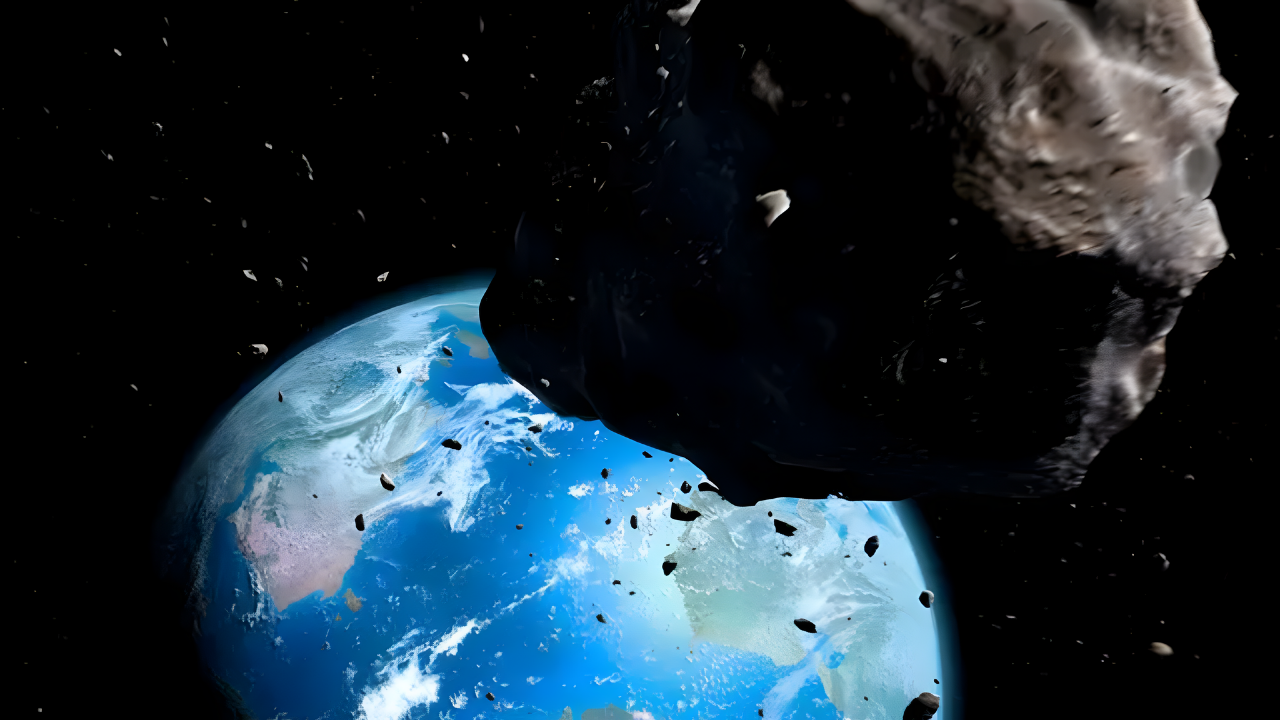
Asteroid 2025 XM sped toward Earth at 9,753 miles per hour, a plane-sized rock that cut across the cosmos. On December 9, 2025, it approached Earth from just 295,000 miles away—farther than the Moon’s orbit, which averages 239,000 miles.
As NASA tracks its every move, the asteroid poses no danger. While the world’s eyes are fixed on the sky, what does this close encounter really mean for our safety, and why are we tracking it at all?
Why Is NASA Tracking This Asteroid?
NASA’s tracking of 2025 XM may seem dramatic, but it’s all part of the mission to monitor space objects. Since 2005, NASA has been mandated to catalog near-Earth objects (NEOs) larger than 140 meters.
Despite the asteroid’s modest size of 84 feet, its tracking illuminates a growing industry of planetary defense, pushing the boundaries of space research and emergency preparedness.
Planetary Defense Budget Explosion
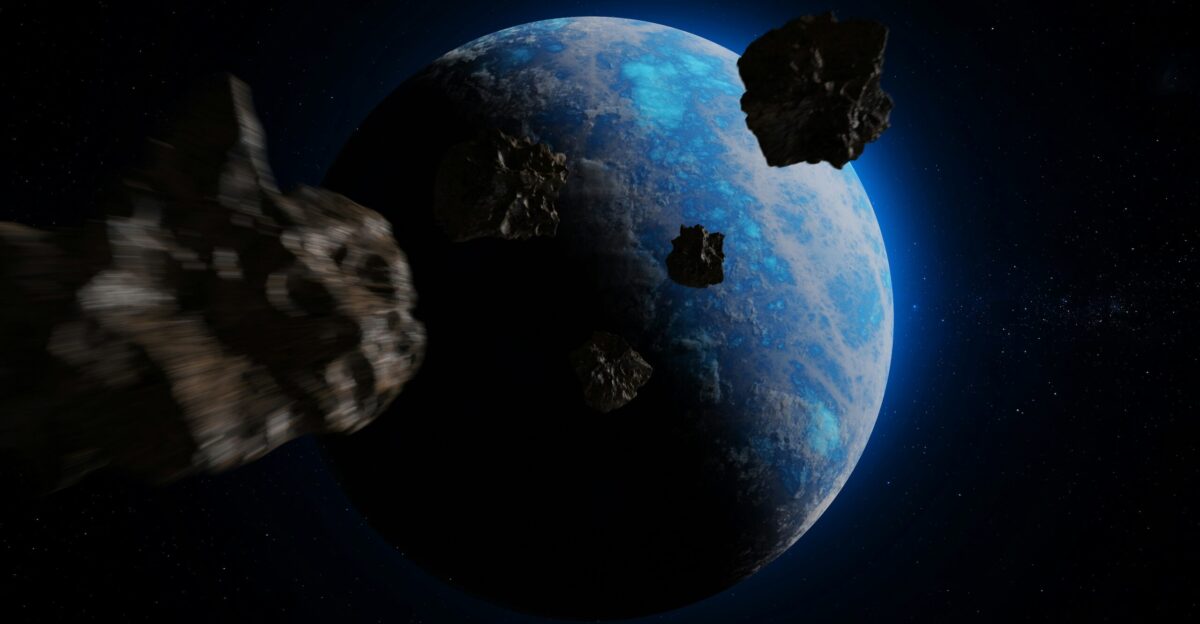
NASA’s budget for planetary defense has grown from approximately $3.8 million in 2009 to $304.2 million in 2026.
This increase demonstrates how seriously the U.S. government is taking asteroid threats. With these resources, NASA tracks thousands of near-Earth objects and invests in new technologies to prevent potential impacts.
DART Proves Humanity Can Deflect Asteroids
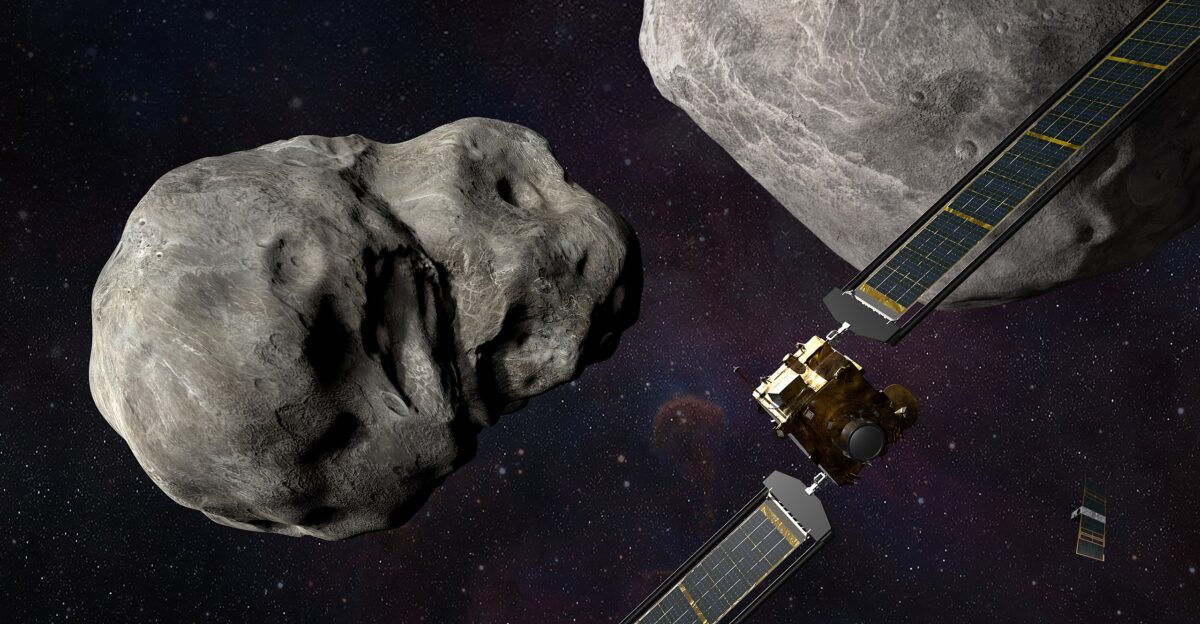
NASA’s Double Asteroid Redirection Test (DART) made history in September 2022 by deliberately crashing into an asteroid.
This $330 million mission demonstrated that we can alter the course of a space rock, paving the way for future planetary defense technologies. It showed that humanity can push back when a potential asteroid impact looms.
The Growing Space Insurance Market

Space insurers have begun addressing risks in the space industry, including coverage for space debris and collision avoidance.
As companies like SpaceX launch more satellites, insurance coverage has become essential. The booming space tourism industry is also factoring in space hazards, adjusting policies accordingly. Risk management in space is becoming an essential concern for insurers.
Global Cooperation in Planetary Defense

Asteroid tracking isn’t just a NASA project—over 25 nations representing 50+ signatories have joined forces through the International Asteroid Warning Network.
This unprecedented cooperation includes sharing data, coordinating asteroid deflection strategies, and even forming joint defense missions. The rise in global collaboration reflects how serious the threat of space rocks has become.
NEO Surveyor Will Spot Asteroids Early
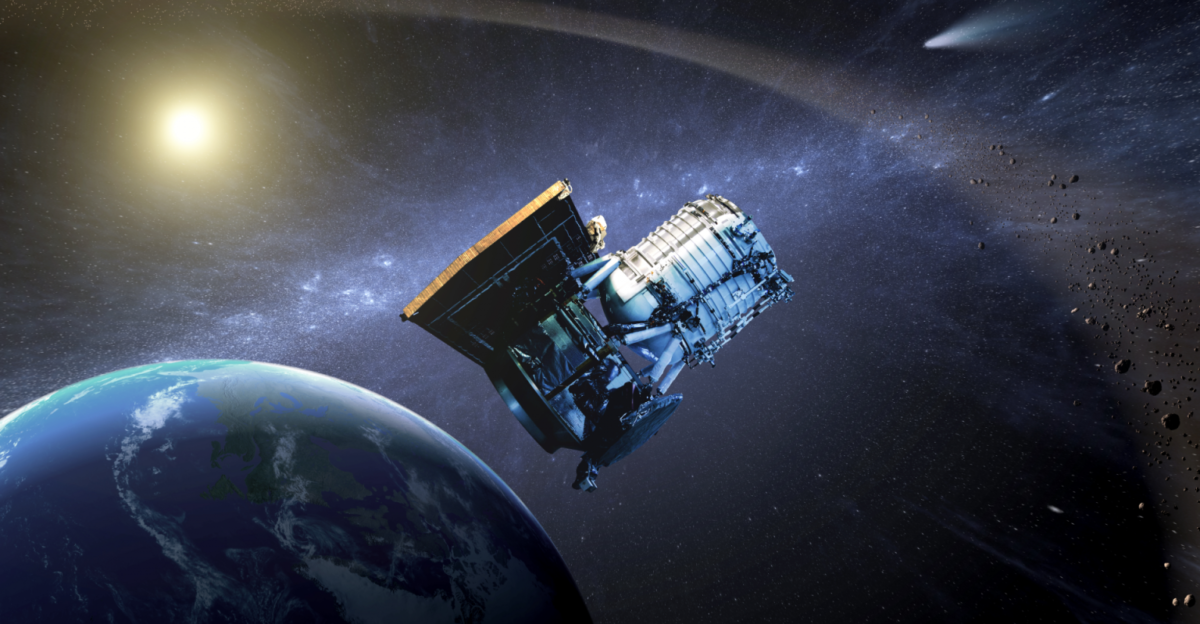
NASA’s upcoming NEO Surveyor mission, targeting launch in late 2027, will be a game-changer in asteroid detection. The spacecraft, stationed at the L1 Lagrange point, will spot asteroids within Earth’s orbit, tracking those that ground-based telescopes miss.
This breakthrough in early-warning technology could give us decades of advance notice in the case of a dangerous asteroid.
Asteroid Safety in Space Tourism
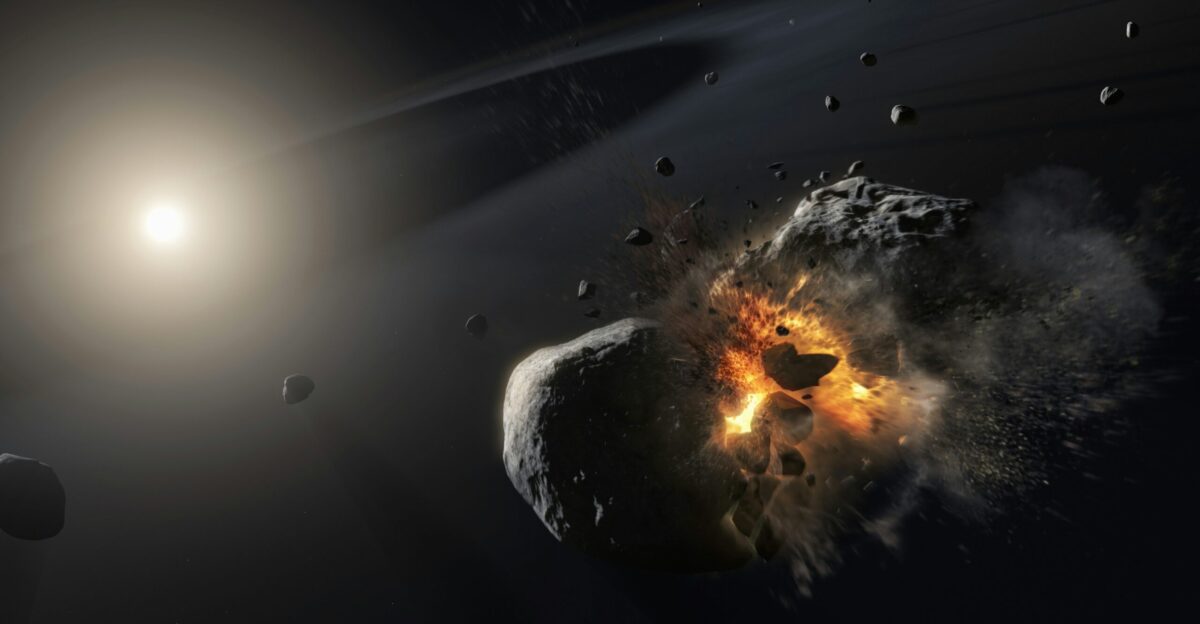
As space tourism rockets into reality, operators are prioritizing comprehensive safety protocols that address multiple space hazards.
Risk assessment frameworks now account for debris and cosmic hazards. The growing popularity of suborbital flights means that space safety planning is being taken more seriously than ever.
The Rise of Asteroid Mining
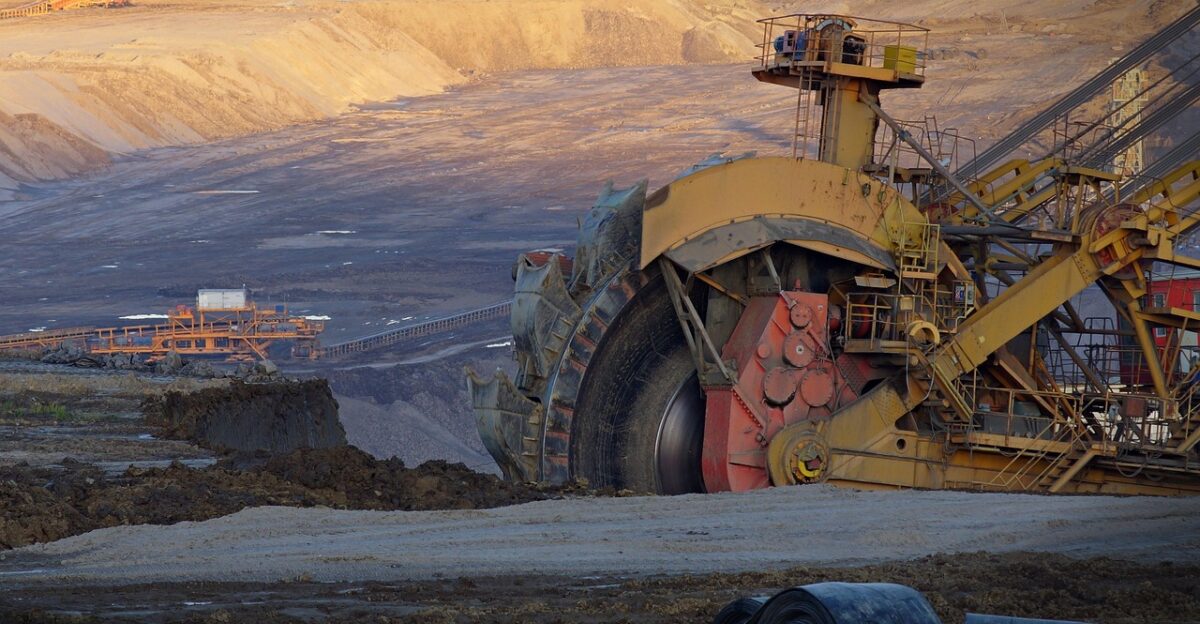
Asteroid mining is emerging as a significant industry opportunity. Companies are eyeing asteroids rich in water, metals, and rare earth elements.
Market projections for asteroid mining vary widely by analyst, with some projections reaching $17.5 billion by 2032, reflecting the potential scale of this emerging sector.
Satellite Operators Monitor Space Risks
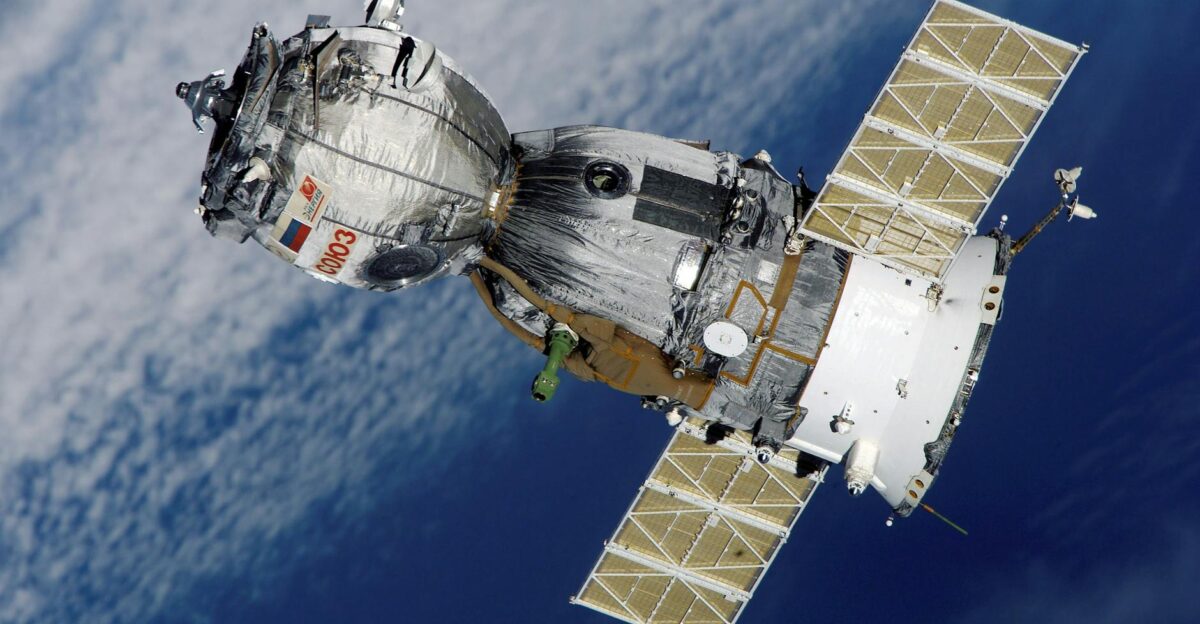
The growing presence of objects in orbit is making satellite operators more vigilant. Space situational awareness programs track space debris and high-risk events.
With thousands of objects in orbit, collision avoidance is a daily concern. NASA’s tracking systems play a crucial role in preventing satellite damage from space debris.
Hollywood’s Asteroid Blockbuster Boom

Asteroid disaster movies like “Armageddon” and “Deep Impact” have grossed approximately $900 million combined worldwide, proving that the public is fascinated by cosmic destruction.
While these films have boosted asteroid awareness, they’ve also fueled fear. Hollywood’s portrayal of asteroid apocalypses may influence how we think about real-world asteroid threats—but the truth is far less dramatic.
Social Media Sparks Asteroid Panic

Social media amplifies public anxiety about asteroids, with viral posts about near-Earth objects sparking concern. When asteroid 2024 YR4’s impact probability briefly rose to approximately 3% in February 2025, online speculation increased.
NASA’s Near-Earth Object program has had to devote resources to combating misinformation, as online rumors often spread faster than accurate scientific assessments.
NASA and FEMA Prepare for the Worst

Government agencies regularly conduct exercises to simulate asteroid impact scenarios. These drills test emergency response plans for large asteroid collision scenarios.
While the likelihood of a catastrophic impact is low, these exercises are crucial for preparing governments and agencies for potential future threats.
STEM Education Booms in Space Resources
The asteroid industry is creating exciting career opportunities. Graduate programs in planetary defense and asteroid mining are emerging, with universities offering specialized courses in space resources.
As the demand for space engineers and asteroid researchers grows, the job market is evolving—space-focused roles are becoming increasingly prominent in the tech industry.
The Ripple Effect of Asteroid Tracking
2025 XM’s close pass highlights a much broader shift in how we view and prepare for space hazards. With billions invested in tracking and deflection technologies, planetary defense is more than a science project—it’s reshaping industries from insurance to space tourism.
While 2025 XM is harmless, the infrastructure built to track it might one day save us from a true cosmic threat.
Sources:
“NEO Surveyor: Finding Asteroids Before They Find Us.” NASA Science, NASA Jet Propulsion Laboratory, December 2025.
“How We Track Near-Earth Asteroids.” Astronomy Magazine, 2025.
“Double Asteroid Redirection Test (DART).” Wikipedia, 2022-2025.
“In Win for Planetary Defense, NASA Mission Successfully Nudges Asteroid Orbit.” Science Magazine, October 10, 2022.