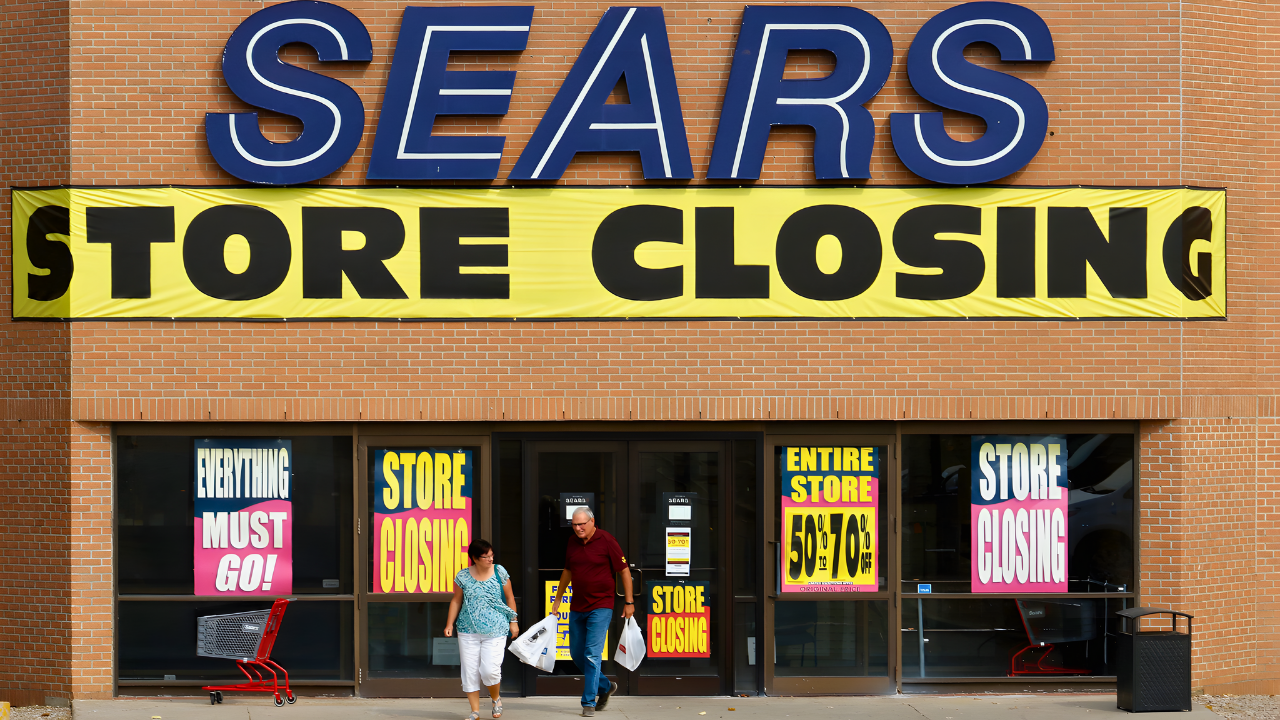
In 2024, American retail experienced an alarming trend, with 7,325 store closures nationwide. Analysts predict that 2025 will be even more dramatic, with projections of approximately 15,000 closures, more than double the number of closures in 2024.
This wave of closures marks the most severe downturn in retail since the pandemic, resulting in the loss of approximately 10,000 stores in 2020. Analysts are pointing toward systemic issues within the retail sector that extend beyond the effects of the COVID-19 pandemic, signaling that something profound is breaking in the retail landscape.
The Domino Effect
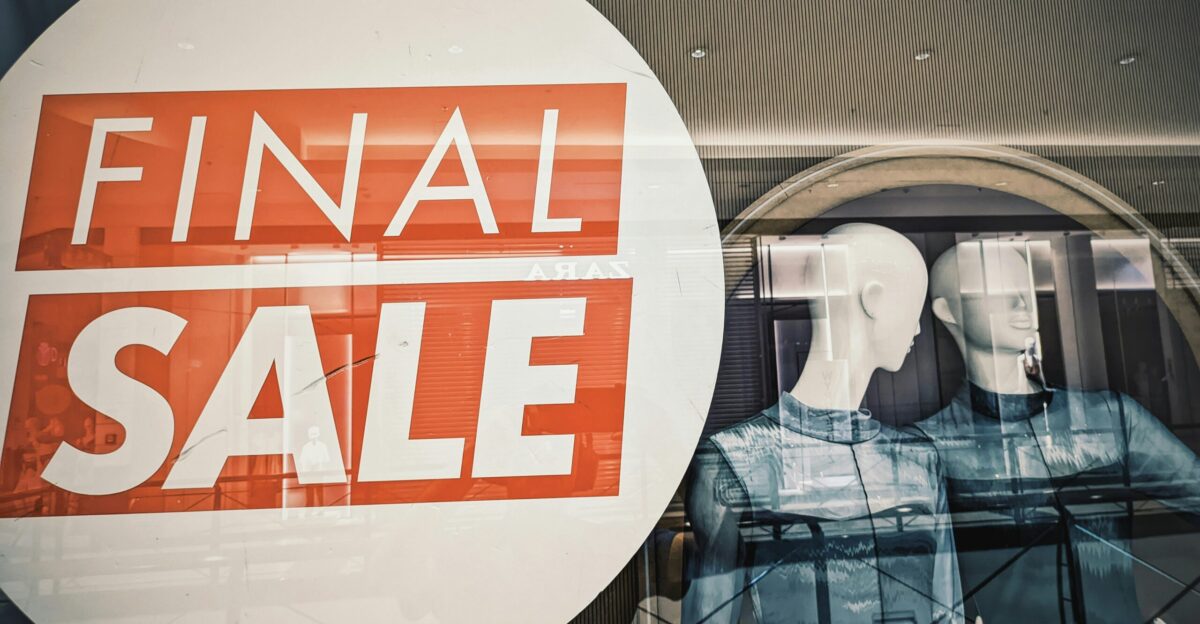
The impact of this retail crisis is evident as nine major chains plan to close thousands of locations. Stores like Macy’s, Kohl’s, Big Lots, CVS, Walgreens, Best Buy, Foot Locker, 7-Eleven, and Starbucks are shuttering simultaneously.
This unprecedented convergence indicates a widespread distress within the industry rather than isolated deficiencies. As each chain grapples with its challenges, consumers are left to wonder what the future holds for the retail landscape that once defined American shopping culture.
When Department Stores Ruled
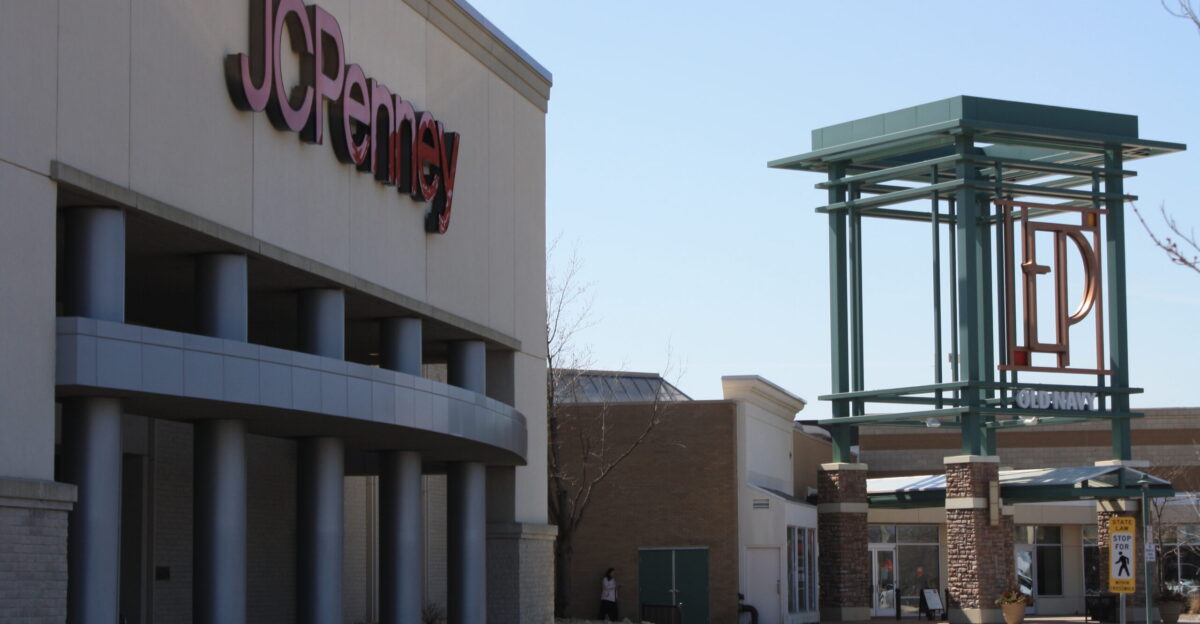
For decades, department stores such as Macy’s, Kohl’s, JCPenney, and Sears have served as anchors of American commerce. In the 1980s, the U.S. boasted around 3,000 department stores, providing a one-stop shopping experience for everything from clothing to cosmetics.
However, the landscape has drastically changed, with fewer than 400 department stores remaining today. This decline not only reflects shifts in consumer behavior but highlights a cultural transformation in how Americans shop and interact with retail.
The Squeeze Accelerates

Retailers face a convergence of pressures, leading to an increasingly hostile environment. E-commerce competition is growing rapidly, with online sales increasing at an annual rate of 8.3% compared to 3.3% for physical locations.
Meanwhile, inflation is driving consumers to seek lower prices, and discount platforms like Temu and Shein are aggressively expanding their reach. Compounding these pressures are soaring operational costs, including higher rent demands from landlords. Retailers find themselves in a precarious position, facing an uphill battle to remain viable.
The Macy’s Bombshell
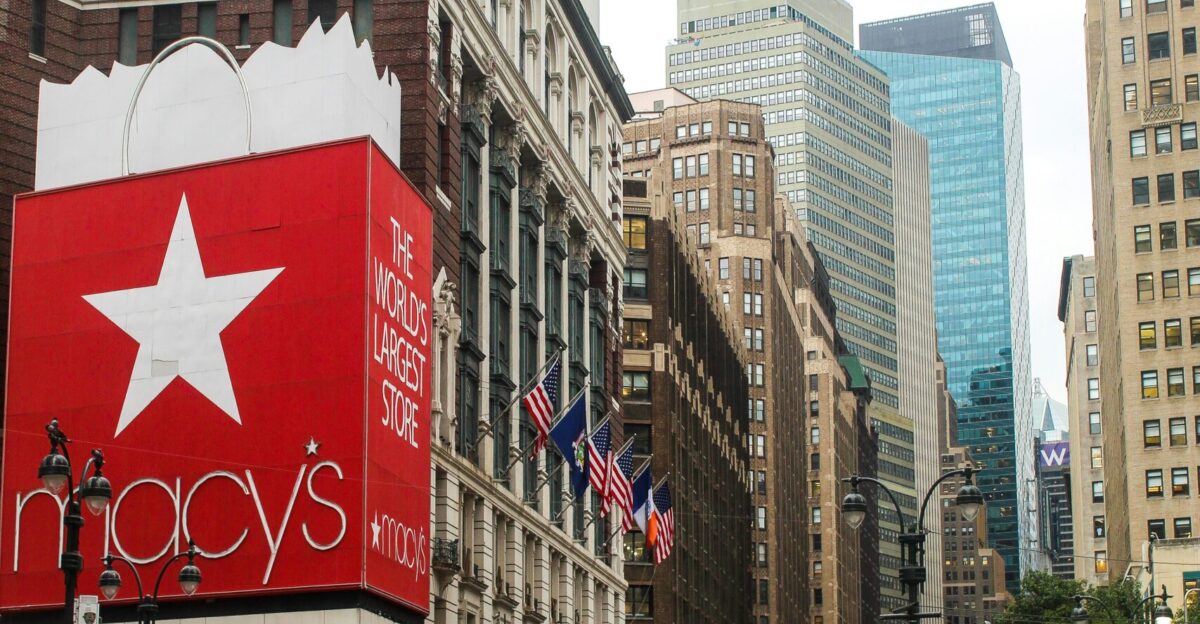
On January 9, 2025, Macy’s shocked the retail world by announcing plans to close 66 stores within the year as part of a broader plan to shutter 150 stores by 2026. This initiative, branded as “Bold New Chapter,” targets “non-go-forward” and “underproductive” locations across 15 states, including significant closures in California (9), Florida (7), New York (6), and Texas (6).
This represents the largest crisis for department stores in a generation, posing substantial implications for employees and the communities dependent on these retail landmarks.
Kohl’s Joins the Exodus
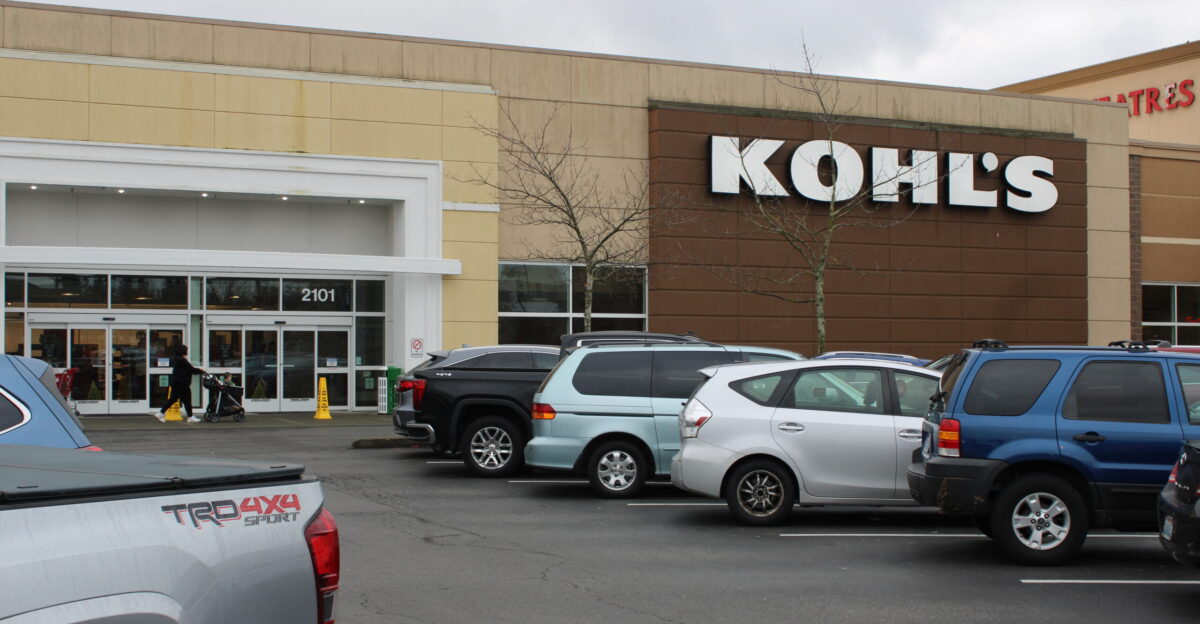
Following Macy’s announcement, Kohl’s revealed plans on January 8, 2025, to close 27 stores by April, underscoring the widespread turmoil in the industry.
The closures affect underperforming locations in 15 states, with California seeing the most significant impact (10 closures). Kohl’s has also decided to cut 10% of its corporate workforce, suggesting a more substantial restructuring initiative is underway.
The Human Cost
Each store closure represents not just a loss of retail spaces but the loss of jobs and livelihoods for countless individuals. Macy’s 66 closures could impact between 4,500 and 7,500 employees, reflecting similar trends across other affected retailers.
Walgreens, for instance, is set to close 333 stores, potentially resulting in job losses of 10,000 to 16,500.
Beyond Department Stores: The Pharmacy Crisis
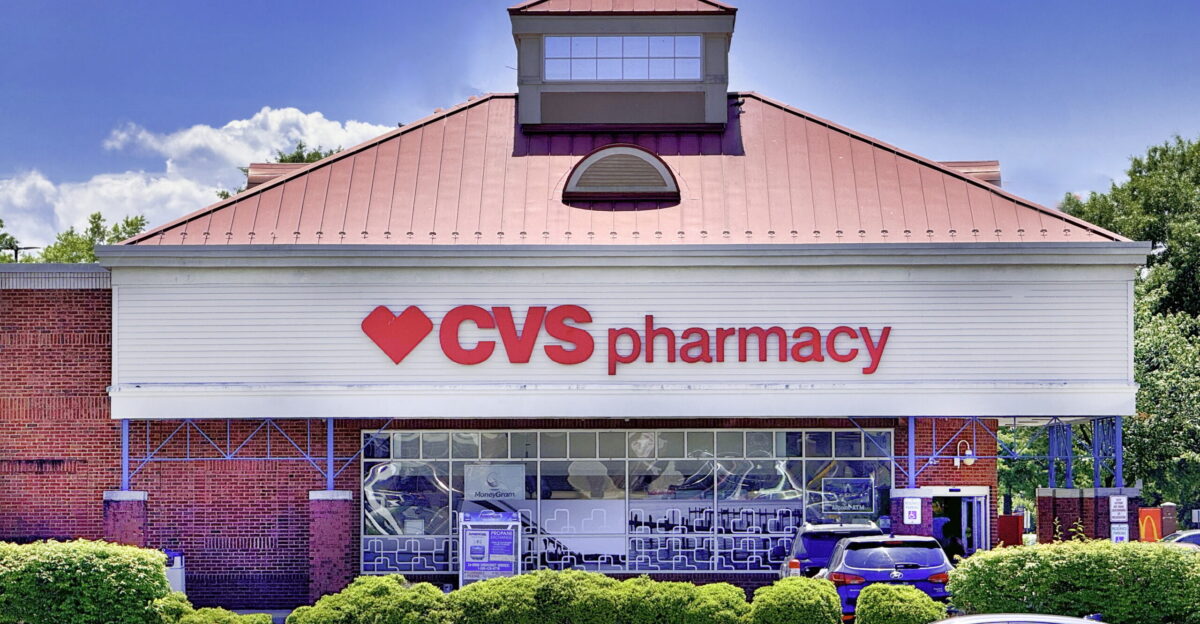
Retail threats extend to pharmacies as CVS and Walgreens announce substantial closures. CVS plans to shutter 270 stores as part of a multi-year initiative started in 2021. Walgreens follows suit, eliminating 333 locations and aiming to close 1,200 stores over the next three years.
CEO Tim Wentworth has indicated that roughly 25% of Walgreens’ stores are unprofitable, reinforcing a trend that historically considered pharmacies as essential retail spaces. The closing of these locations leaves communities less accessible.
The Specialty Store Reckoning
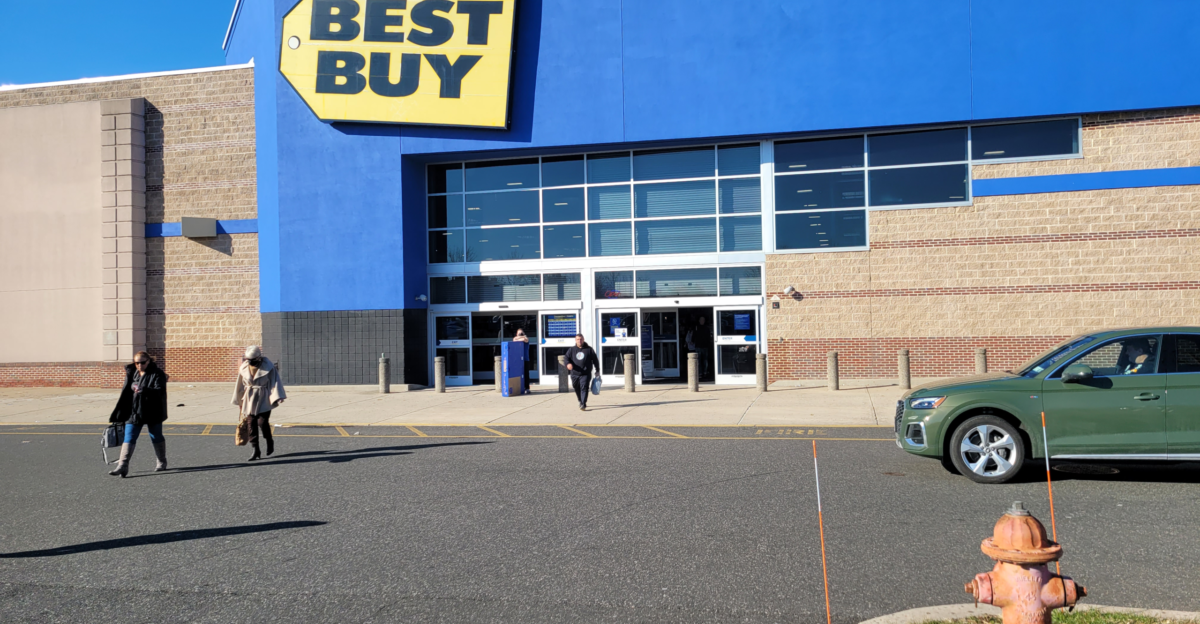
The crisis extends even to specialty retailers, as evidenced by the closures of Best Buy, Foot Locker, and 7-Eleven. Best Buy plans to shut up to 15 stores in 2025 as it shifts focus to online order fulfillment.
Foot Locker is set to close approximately 400 mall locations by 2026 due to declining sales at these locations. Meanwhile, 7-Eleven cites inflation and reduced sales in nicotine products as reasons for its decision to close 148 U.S. stores. Their struggles underline that even niche markets are not immune to the growing retail crisis.
A Cultural Shift
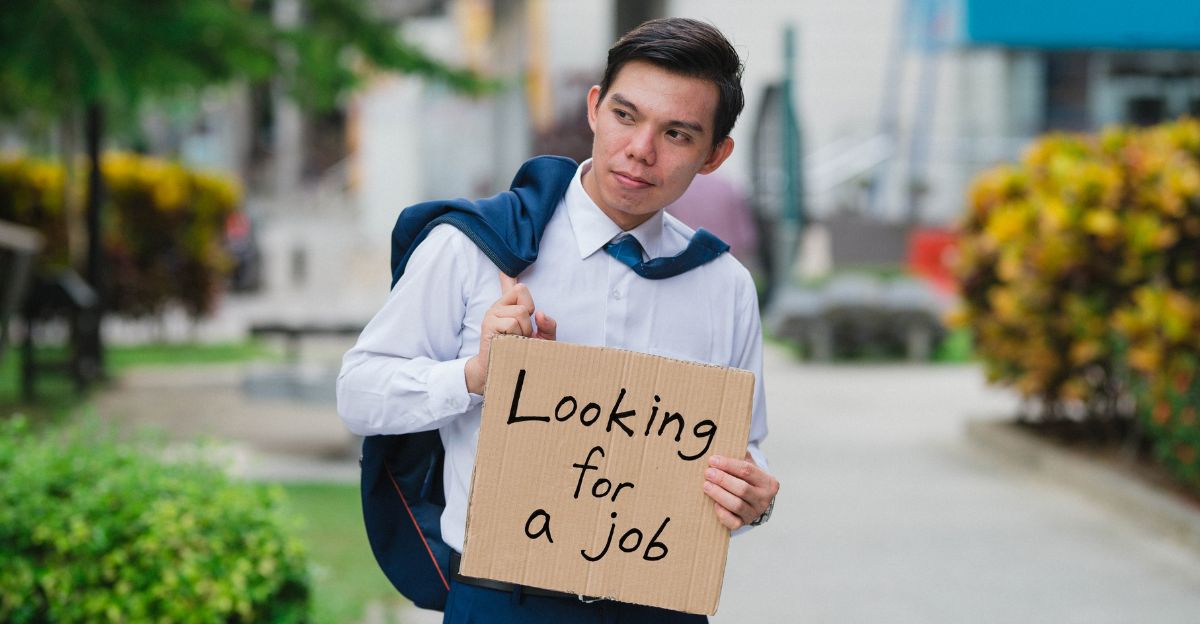
As retailers grapple with these closures, consumers are left navigating a rapidly changing landscape. With familiar anchors disappearing, communities feel the effects in terms of employment and local culture.
The restructuring and closures resonate deeply, illustrating a cultural shift in retail experiences and shopping habits across America.
The Impact on Downtowns
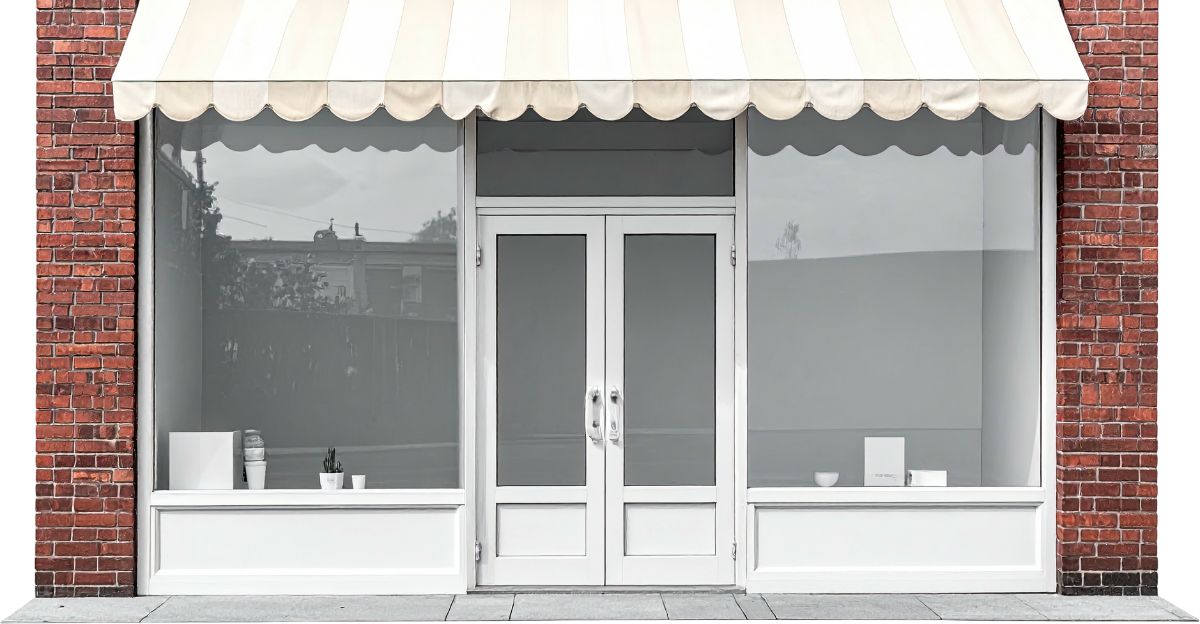
The wave of closures is not just a retail issue; it hits hard at the heart of many downtown districts in cities across the country. As stores close, foot traffic dwindles, pushing out other local businesses that rely on the influx of shoppers.
Cities like San Francisco and Detroit are beginning to see this impact firsthand, with vacant storefronts sprouting.
Shifting Consumer Behaviors
The consumer’s role in this crisis cannot be understated. New shopping habits, heavily influenced by convenience and accessibility, are reshaping the industry. Online shopping has surged, giving rise to entities like Amazon and discount platforms that cater to the evolving demands of shoppers, drawing them away from traditional retail.
Analysts assert that the behavioral shift toward digital shopping is now solidified, creating a landscape where many legacy retailers are struggling to keep pace.
Landlord Challenges
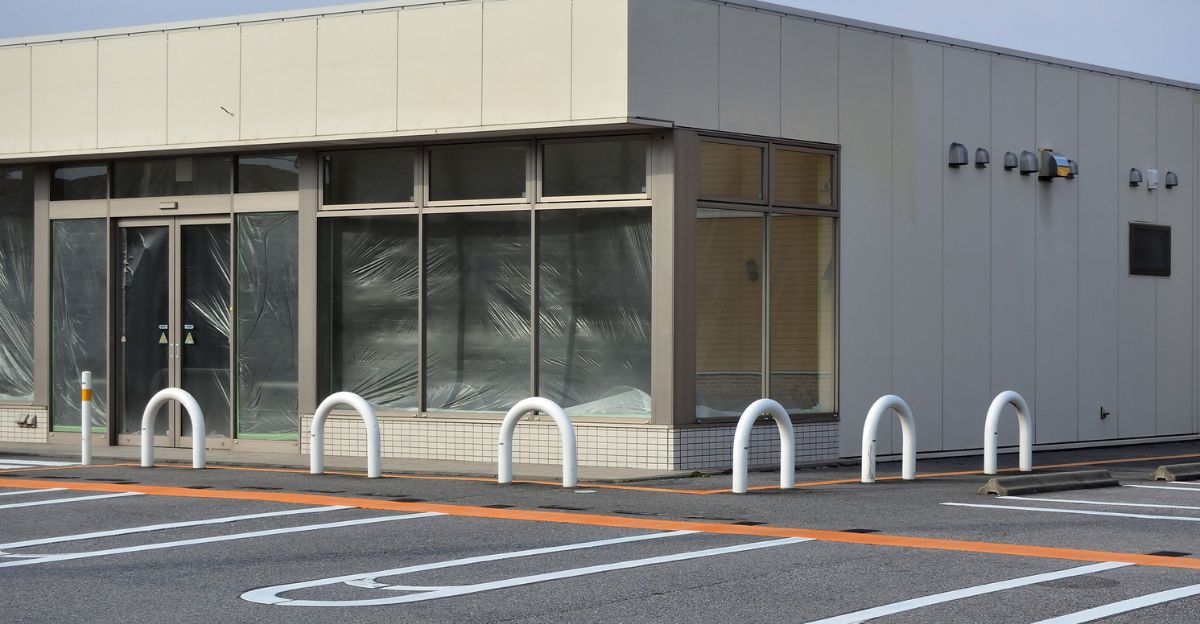
Landlords are also feeling the squeeze. Many have raised rents, believing that retail spaces still hold significant value despite the ongoing closures of stores.
This demand only exacerbates the problem for struggling retailers, who continue to see their ongoing operational costs rise.
The Future of Retail

As the dust settles from numerous closures, the retail landscape will need to adapt and redefine itself. Many predict that the future will feature a mix of smaller, more efficient retail formats alongside a larger e-commerce presence.
In this evolving landscape, shoppers may experience a new wave of innovative retail that is increasingly personalized and agile. Retail experts emphasize that resilience and adaptability will be critical for survival in this new era.
Lessons from Other Industries
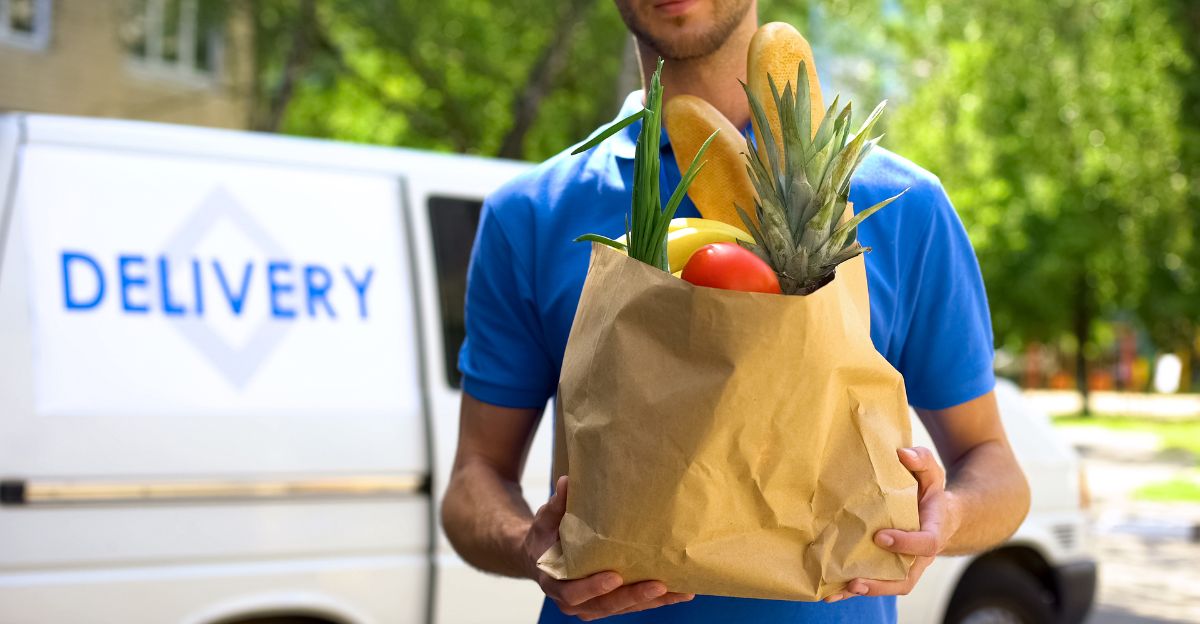
Other sectors are closely examining the retail trajectory as they face similar predicaments. Industries such as food service and entertainment are reevaluating their strategies to adapt or risk losing their footing as customer preferences shift.
These sectors often draw inspiration from retail’s struggles, seeking moments of innovation to stabilize their businesses amid uncertainty. The collective lessons indicate that flexibility and responsiveness are key to long-term viability.
Resilience and Recovery

Despite the current turmoil, a glimmer of hope exists as some retailers are beginning to adopt innovative business models.
Those with a keen eye for trends in consumer demands are finding opportunities within the chaos, exploring new products, and utilizing technology to enhance customer experiences.
Community Responses

Local communities are not merely passive observers; they are actively seeking solutions to their problems. Many are rallying around initiatives to support local businesses and re-imagine underused retail spaces.
Community-led efforts for revitalization are gaining momentum, encouraging collaboration between retailers, government, and regional organizations.
Innovation in Retail

Retail innovation remains a beacon of transformation. Brands that integrate technology into the shopping experience are emerging successfully from the current crisis.
Mobile apps are beginning to reshape consumer interactions with retailers by providing personalized shopping experiences and immersive technology in-store.
Future Shopping Experiences

The shopping experience of the future may look vastly different from that of the past. Analysts anticipate a greater integration between digital and in-store shopping, leading to seamless customer experiences.
Expect advancements in technology and enhanced personalization that cater to individual needs while maintaining community ties.
A New Era for Retail

As we move forward, the retail sector will continue to undergo dramatic transformations. Though current challenges seem daunting, they may catalyze significant reinvention within the industry. Staying adaptive, responsive, and community-focused may be the keys to a thriving future for retailers.
This wave of closures may signal the end of an era. Still, it also presents an opportunity for a new chapter in American retail, where innovation and consumer connection remain at the forefront.
Sources:
Coresight Research U.S. Store Tracker 2025
Fast Company Retail Apocalypse: 15,000 Stores Closing in 2025
Macy’s Inc. Planned Store Closures Announcement
USA Today Kohl’s and Macy’s Store Closure Analysis
Yahoo Finance CVS and Walgreens Store Closures Report
CNBC Store Closures Rise Report