The used car market is entering a turbulent year. Experts warn that some vehicles could drain your savings faster than expected, due to catastrophic battery failures, software glitches, and the disappearance of parts support.
Chris Pyle of JustAnswer and CarEdge’s Zach Shefska analyzed reliability records, recalls, and ownership costs to identify nine cars buyers should avoid in 2026. Understanding these pitfalls could save thousands and protect your financial future. Let’s look into this deeper.
The Perfect Storm Facing 2026 Buyers
New cars have increased in price by 45% since 2019, prompting buyers to opt for older, more affordable used vehicles. Pandemic-disrupted supply chains make affordable options scarce. Seven-point-eight million used cars are expected to sell in 2026, and desperation leaves buyers vulnerable to hidden defects and costly surprises.
Informed buyers hold the advantage—but only if they recognize which vehicles are financial traps.
Experts Who Flagged The Worst Vehicles
Chris Pyle, a mechanic at JustAnswer, earns $170,500 annually diagnosing issues. Zach Shefska, CarEdge CEO, has helped 800,000 drivers save $3,200 each on purchases. Combining Parade Magazine’s research with their own analysis, they examined reliability, recalls, and ownership costs. Their conclusion: these nine cars contain systematic problems that could devastate finances.
Recognizing these patterns highlights warning signs beyond the specific models listed.
Affordability Pressures Drive Risky Decisions
Most Americans want to spend $35,000 on a vehicle, yet new car prices are far higher. Rent and mortgage now consume 20% more of household budgets than five years ago. Consumers increasingly turn to older, cheaper used cars as survival strategy.
This affordability squeeze leaves 26.3% of buyers owing more than their vehicle’s worth, increasing vulnerability to hidden costs.
Why These Nine Vehicles Stood Out
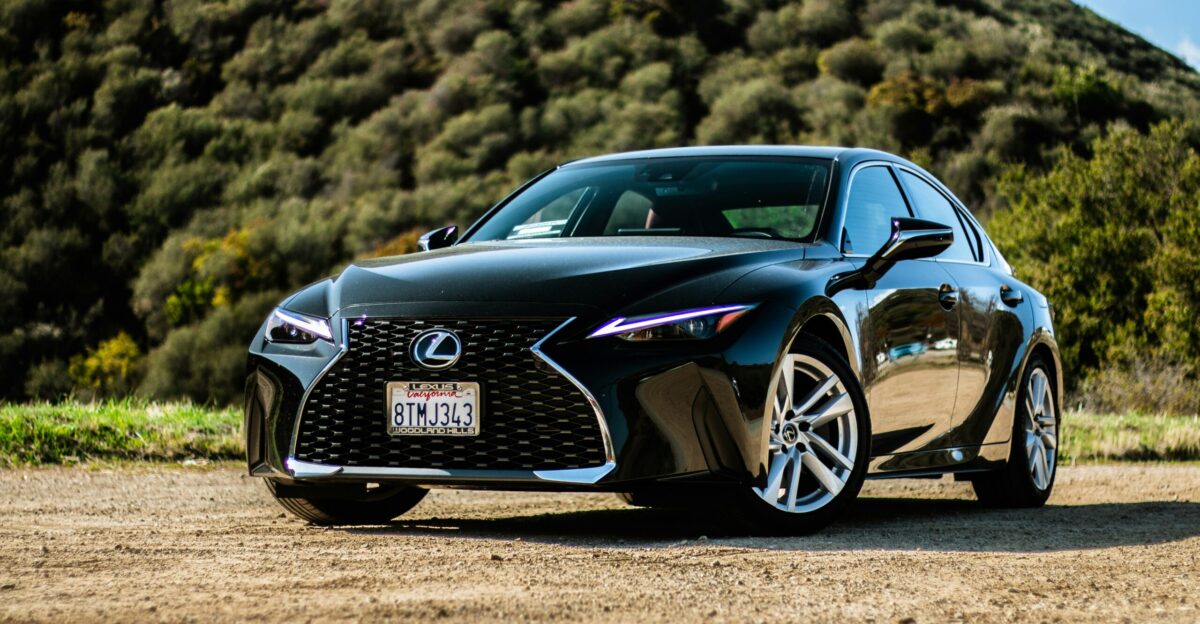
The list reflects repeated failure patterns: infrastructure gaps (Mirai), expensive batteries (Tesla), obsolete technology (LEAF), manufacturing defects (Jeep Renegade), early discontinuation (Nissan Ariya), high operating costs (Ram 2500), software failures (Wrangler 4xe), quality issues (Dodge Journey), and corporate abandonment (Altima).
Understanding these patterns helps identify red flags in other vehicles, not just the nine named here.
How Experts Organized The List
This lineup uses data from NHTSA, CarEdge, and analysts to rank vehicles by financial impact and severity. Some face widespread recalls; others experience rapid depreciation. The goal: avoid costly ownership surprises and minimize repair, maintenance, and resale headaches.
Knowing these models now could save tens of thousands over the life of your purchase.
#1 – Toyota Mirai
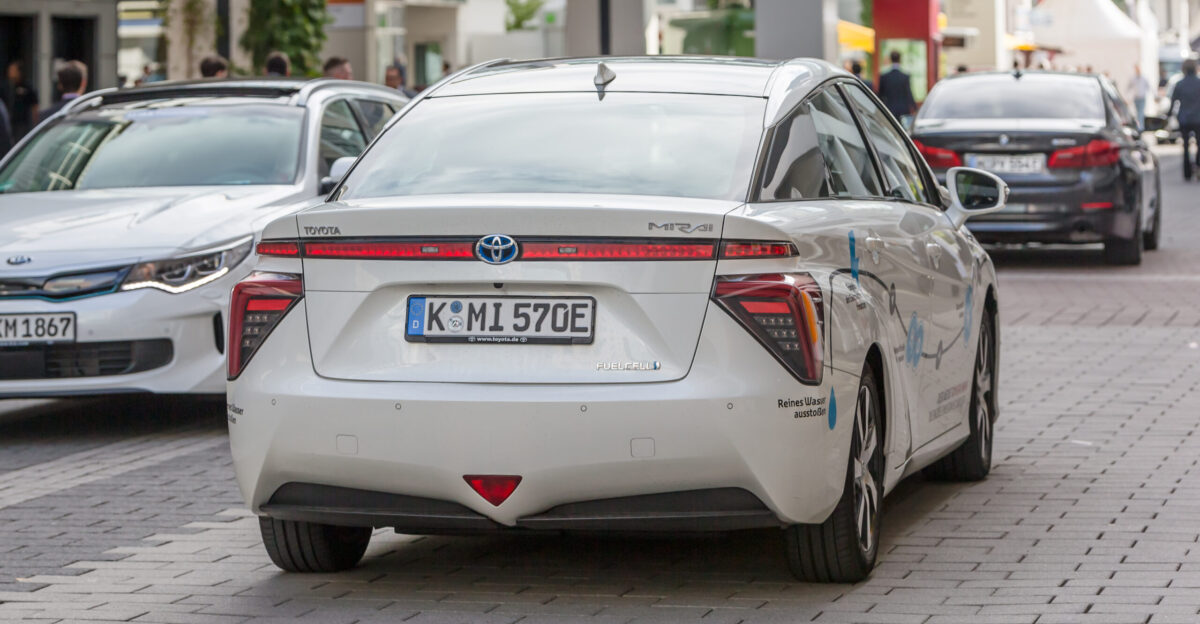
California has only 54 retail hydrogen stations, falling 60% short of the 200-station goals. Sixteen are offline on any given day, resulting in a 46% collapse in Mirai sales. Outside California, fueling infrastructure doesn’t exist.
A class-action lawsuit highlights inadequate access. Unless you live in LA or the Bay Area, this car is a stranded investment with no practical utility.
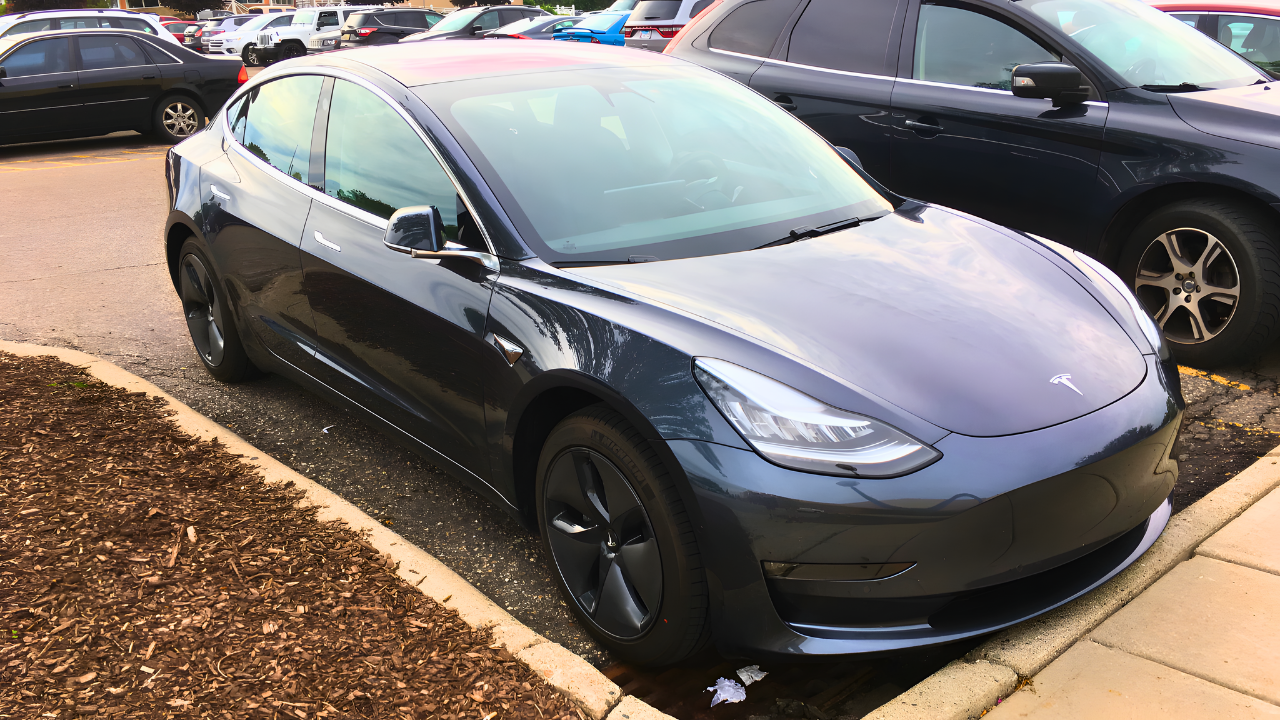
#2 – Tesla 8+ Years Old
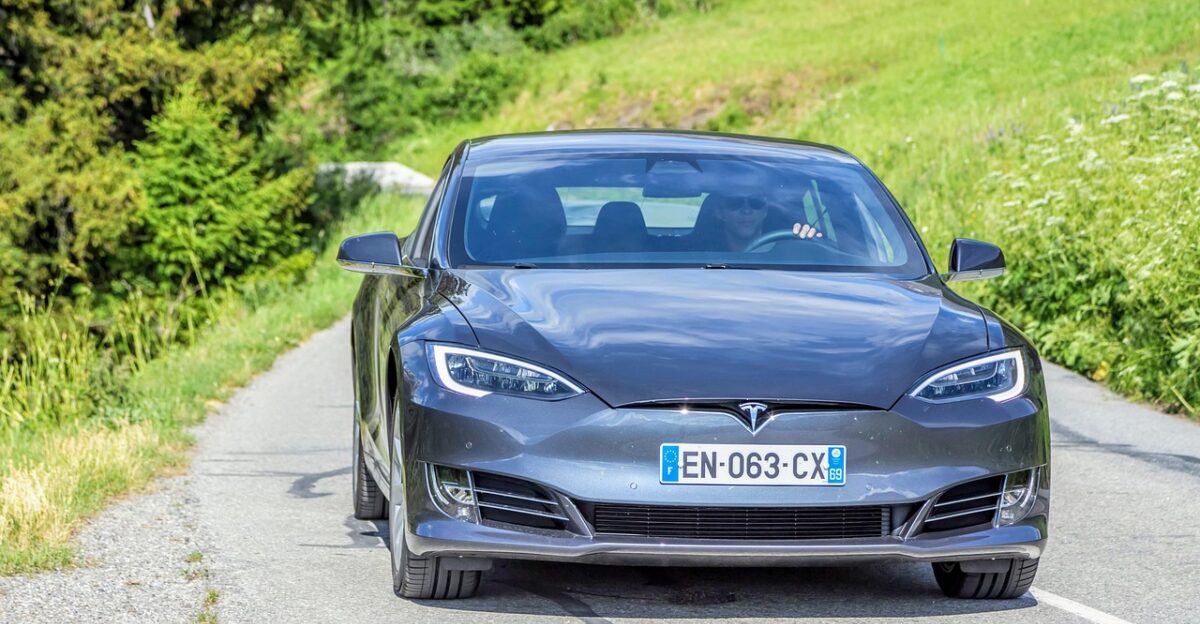
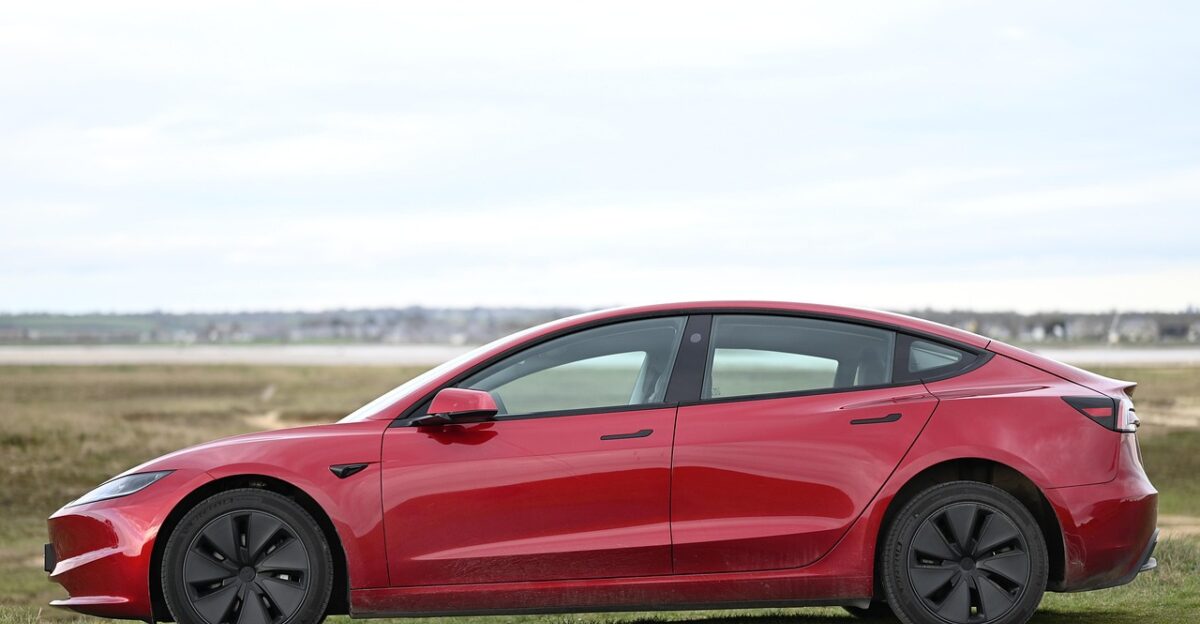
Tesla’s 8-year battery warranty guarantees 70% of the original capacity. Replacement costs $12,000–$25,000. Older used Teslas sell for $15,000–$25,000, making repair costs equal or exceed the purchase price.
Chris Pyle warns, “You’re likely facing new tires in a year.” Buyers face a financial trap: high purchase cost followed by major repairs.
#3 – Nissan LEAF 2011–2017
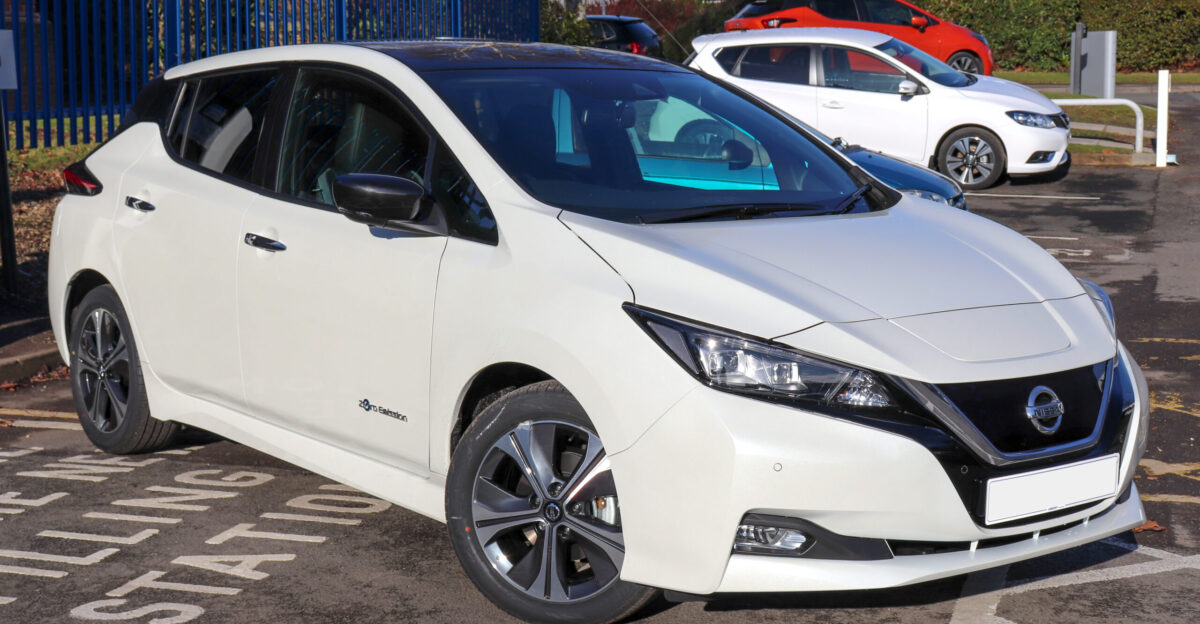
Older LEAFs use CHAdeMO connectors, which have been abandoned by the industry. Charging is limited to 50kW versus modern 150+ kW CCS standards. Adapters costing $200–$300 offer temporary fixes.
Pre-2025 LEAF owners face permanent technological obsolescence. The 2025 LEAF starts under $30,000, offering modern charging and avoiding these pitfalls.
#4 – Jeep Renegade 2015–2019
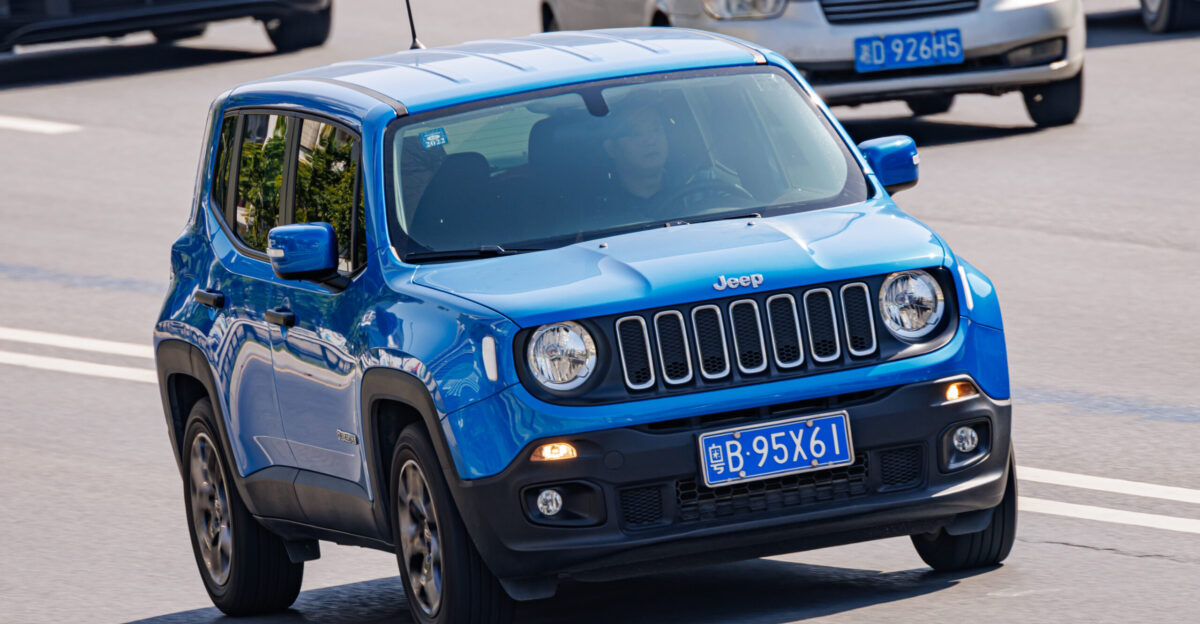
Built on the Fiat 500X platform, the 2.4L Tigershark engine consumes oil excessively. The nine-speed transmission frequently fails. Eleven recalls document systemic flaws.
Declining Fiat support in North America limits parts availability. Maintenance costs exceed those of competitors, creating a financially burdensome ownership experience for buyers.
#5 – Nissan Ariya 2023–2025
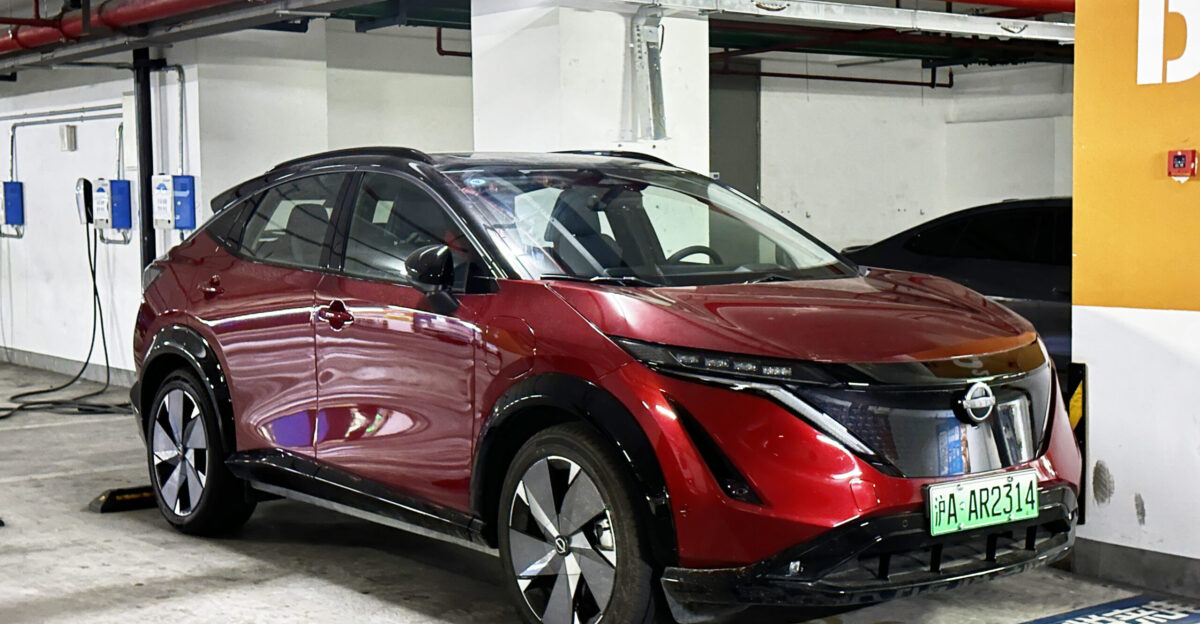
Discontinued in 2026 after just three years, the $41,265 Ariya suffers from poor resale. Driving dynamics lag behind those of competitors, and charging is slower.
Depreciation hits 50–70% in 2–3 years. Parts and dealer support vanish rapidly, making this early-discontinued EV a risky financial choice.
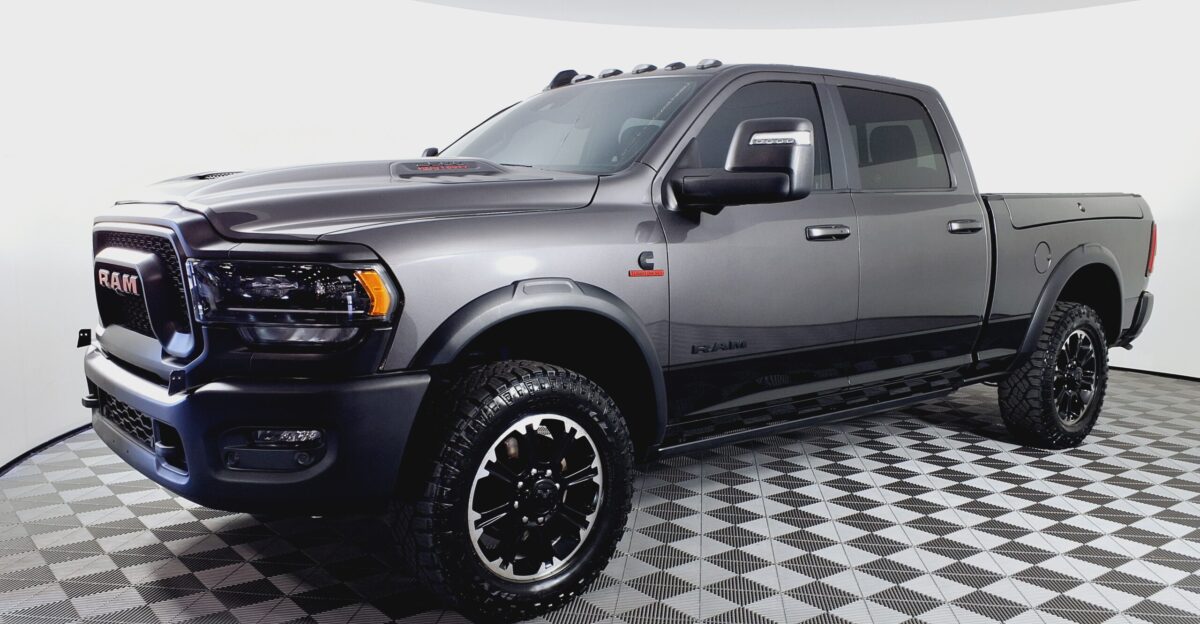
#6 – Ram 2500
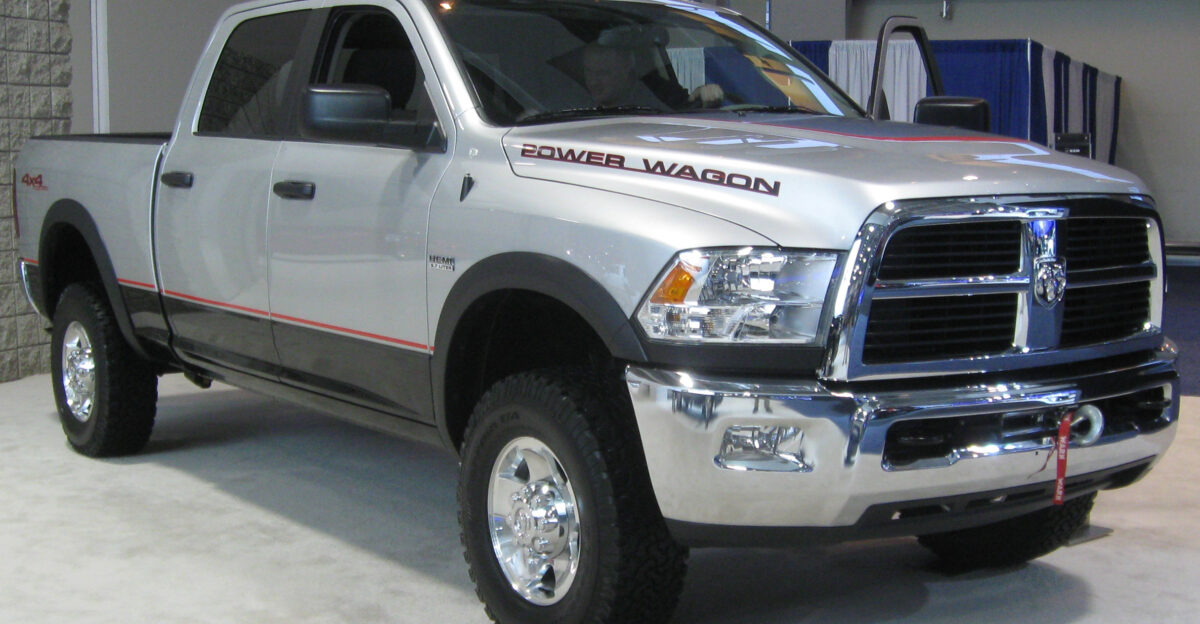
Annual maintenance averages $1,070, compared to $700 for the Ford F-150. Over the course of five years, owners pay $1,850 more than their competitors.
Electrical failures, transmission issues, and engine knocking plague this truck. High dealer labor rates exacerbate ownership costs, surpassing concerns about the purchase price.
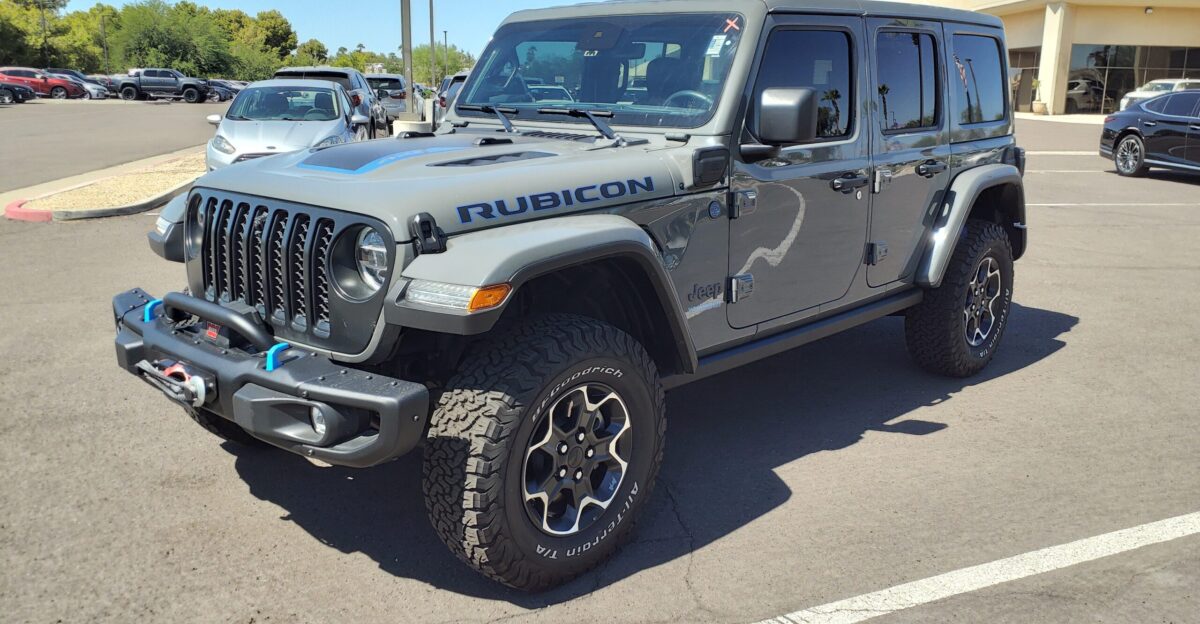
#7 – Jeep Wrangler 4xe 2023–2025

A 2025 over-the-air update corrupted hybrid communications, stranding 24,238 owners. Complete power loss occurred mid-drive; some reported losing power three times in one mile.
The recall was announced 12 days later, with fixes still in development. Dependence on buggy software makes this model unsafe for now.
#8 – Dodge Journey

The 2014 Journey had 396 NHTSA complaints and seven recalls. Electrical failures, engine shutdowns, broken brake calipers, and interior decay plague the SUV.
Towing capacity is just 1,000 pounds. Despite a 4.0/5.0 RepairPal rating, systemic design issues indicate foundational engineering compromises.
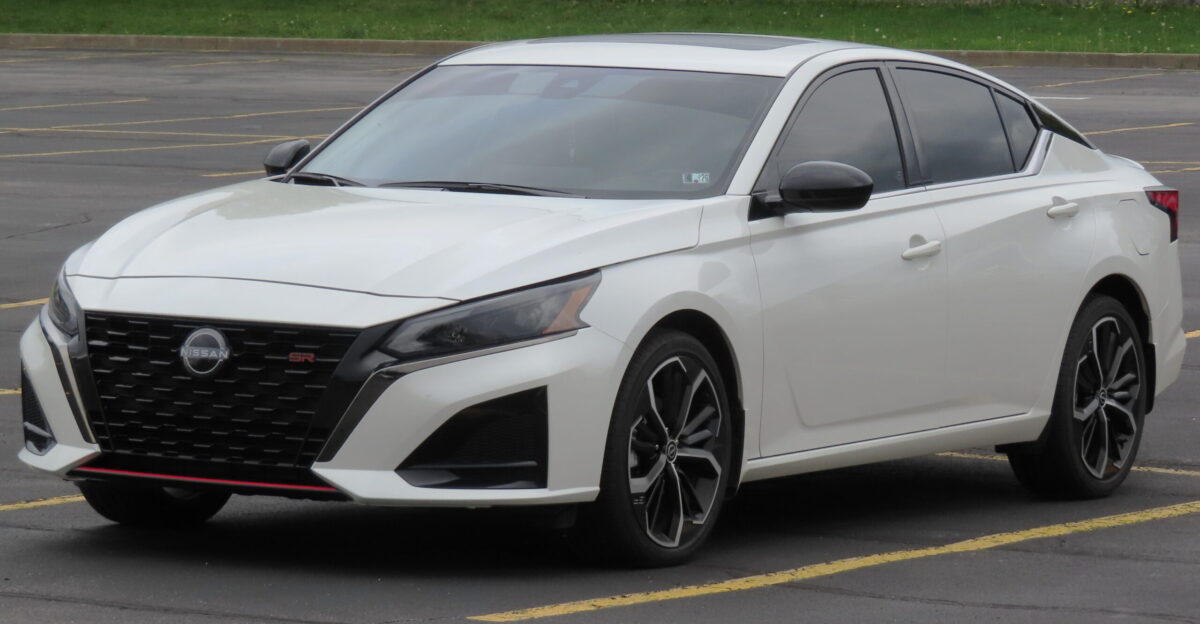
#9 – Nissan Altima 2025
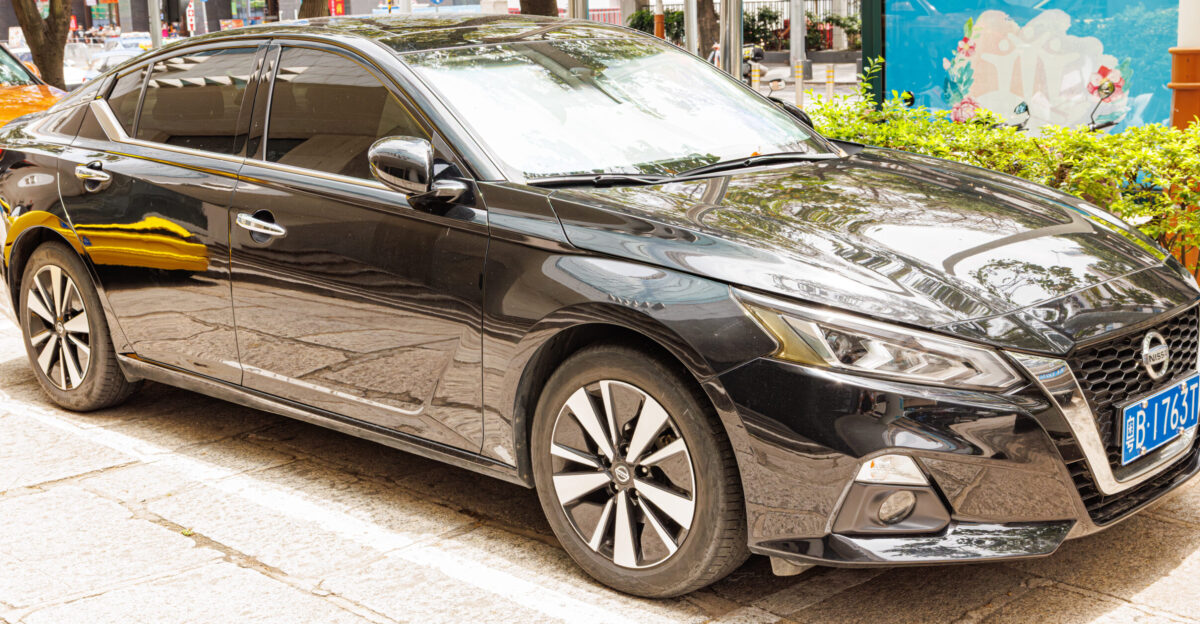
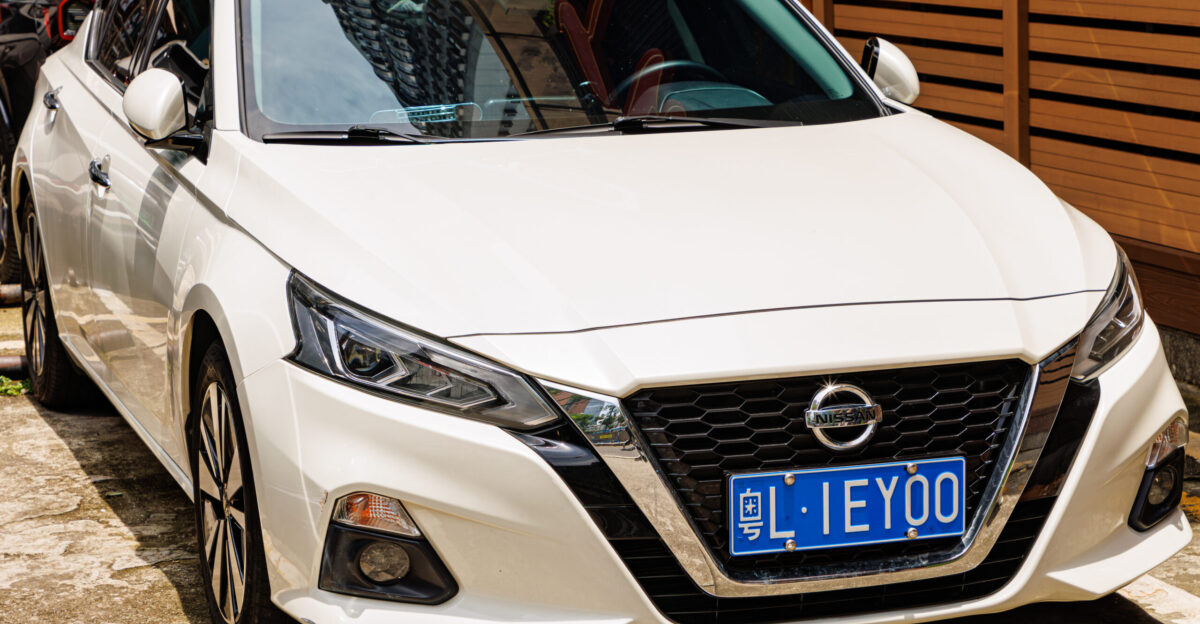
Nissan exited the sedan market this year. Profit fell 88%, and 20,000 jobs were cut. Parts support will decline, and dealership expertise vanishes.
Discontinued vehicles face uncertain resale value. Altima owners must navigate shrinking infrastructure, making ownership a long-term nightmare.
The Market Lessons Behind These Nine Cars
These vehicles exemplify systemic industry failures, including unbuilt infrastructure, costly battery economics, outdated standards, corporate financial crises, and software flaws.
Tariff uncertainty and supply chain issues compound risks. Recognizing these patterns allows buyers to avoid financial traps across multiple brands.
Expert Recommendations For Safer Choices
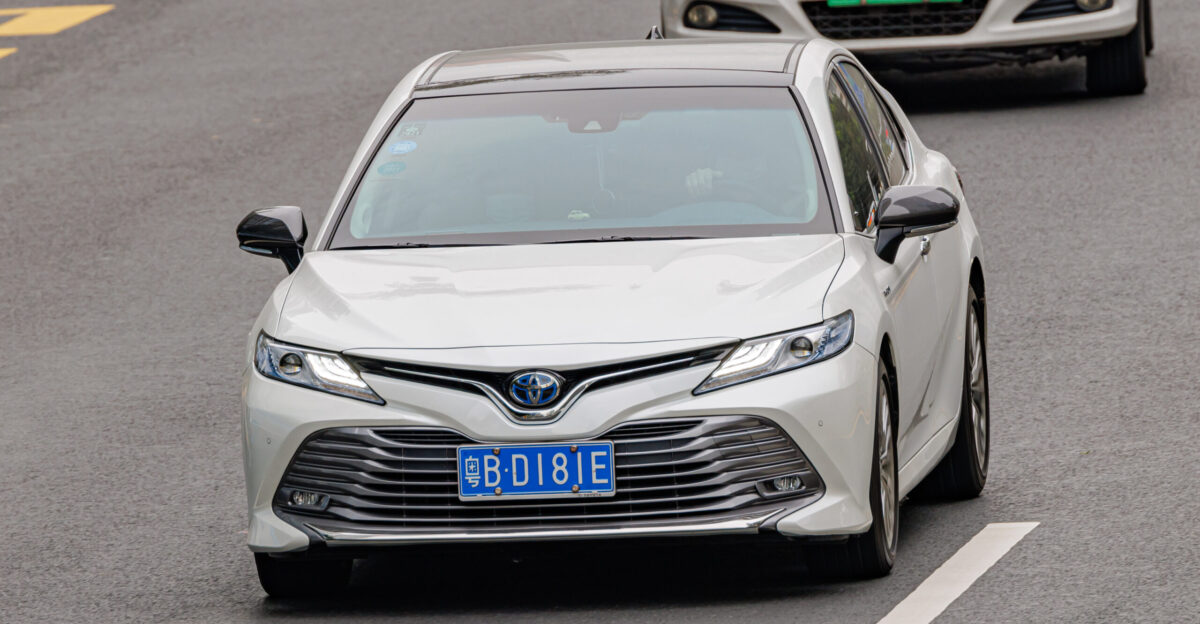
Instead of risky models, experts suggest: Toyota Camry Hybrid for Mirai; skip 8+ year EVs; 2025+ LEAF for charging access; Toyota RAV4/Honda CR-V instead of Renegade; Ford F-150 over Ram 2500; avoid PHEVs until software improves; Honda Pilot/Toyota 4Runner over Journey; sedans only if Camry/Accord.
These choices prioritize reliability, long-term support, and manufacturer stability over trendy but risky models.
Affordability Pressures Make Guidance Vital
CarEdge helped 800,000 drivers save $3,200 each, totaling $2.56 billion. Yet 26.3% of buyers owe more than their vehicle’s worth. Holiday season and tax refunds drive urgency, pushing buyers toward older, riskier inventory.
Expert guidance helps navigate these pressures and avoid costly mistakes during 2026’s affordability crisis.
Recognize Red Flags Beyond This List
Look for discontinued models, financially struggling manufacturers, unreliable software, aging batteries, and obsolete tech. Large recalls or multiple system failures signal foundational design problems rather than isolated incidents.
As EV adoption and tariffs shift markets, more models will face discontinuation. Informed buyers will protect themselves better than those chasing low prices blindly.
Protect Your Investment This 2026 Season
Check NHTSA complaints for any vehicle. Research the manufacturer’s strategy and EV infrastructure compatibility. Calculate total ownership costs, including maintenance. Utilize CarEdge and other transparency tools to facilitate expert negotiation.
Budget constraints and underwater equity amplify risks. Knowledge enables you to make informed choices and avoid costly pitfalls in this challenging market.
Sources
“9 Worst Used Cars You Can Buy in 2026, Experts Warn,” Parade Magazine, December 10, 2025
“Used Car Sales Tipped For Further Growth in 2026,” Body Shop Magazine, November 24, 2025
“How Much Does It Cost to Replace a Tesla Battery in 2025?,” EVDances.com, September 11, 2025
“The 2026 Used Car Market Will Challenge Franchise Dealers,” Dave Cantin Group, November 23, 2025
“Nissan Doubles Layoffs to Around 20,000,” CNN Business, May 13, 2025
“2025 Vehicle Depreciation Report: Key Trends and Insights,” Black Book & Fitch Ratings, July 15, 2025