Hobbies do more than provide enjoyment; they create social divides. The gap between social classes isn’t just about money; it’s about how time and investment are perceived.
In luxury hospitality, a decade of observation revealed that upper-middle-class families use leisure activities as tools for networking, signaling sophistication, and building long-term capital. Lower-middle-class families, on the other hand, often can’t afford hobbies that don’t show immediate returns. Let’s take a look at nine hobbies enjoyed by upper-middle-class individuals that lower-middle-class individuals tend to avoid.
1. Wine Appreciation – Beyond the Bottle

For upper-middle-class families, wine appreciation is more than just a taste—it’s a language. Weekend trips to Napa or Bordeaux are more about access to exclusive conversations than enjoying fine wine.
Wine cellars are investments, not just storage. These collections open doors to business deals, social circles, and networks that continue to pay dividends long after the last sip.
The Cost of Class
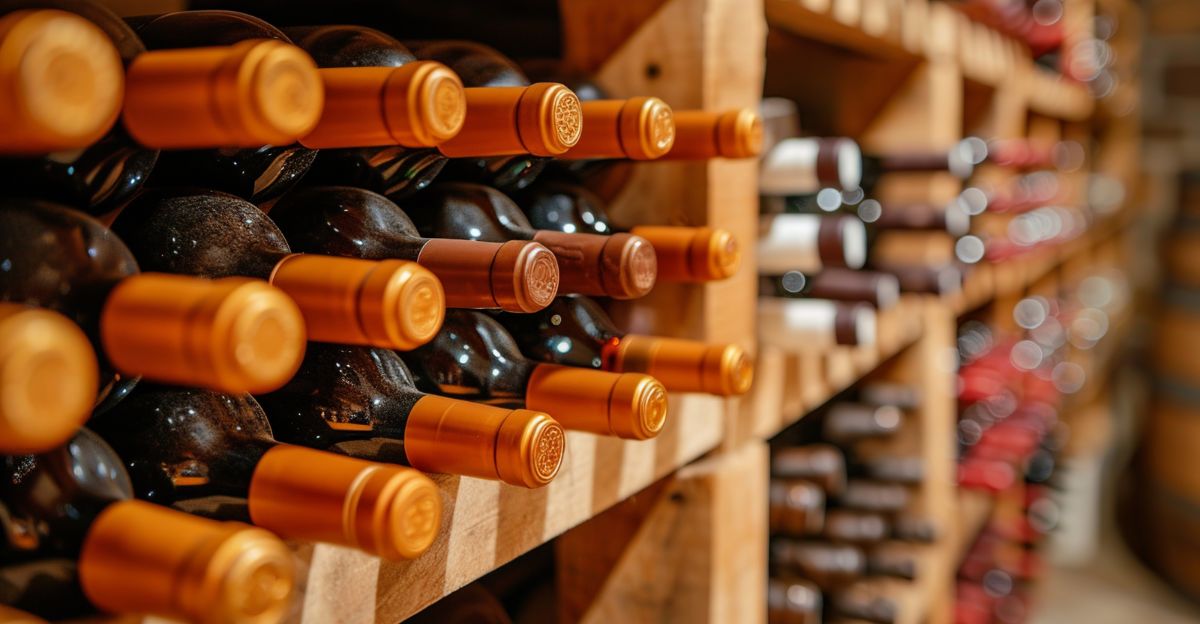
Wine collecting isn’t for the faint of heart. Bottles in upper-middle-class collections can range from $20 to $50 each, and cellars can cost thousands to maintain.
For many lower-middle-class families, spending on wine seems frivolous, especially when compared to the cost of groceries. The practical mindset locks them out of a world where wine knowledge is social currency.
2. Regular Therapy – Proactive Mental Health

In upper-middle-class families, therapy is treated like routine maintenance. It’s not about crisis management; it’s about mental health optimization.
From therapy for children dealing with stress to personal sessions to manage work-life balance, therapy is integrated into daily life. It’s seen as part of self-care, just like exercise or nutrition.
The Price of Prevention

Therapy costs are significant—$60 to $80 per session, totaling up to $1,500 to $3,000 annually for consistent mental health care. Lower-middle-class families may only seek therapy in times of crisis, making it difficult to invest in mental health proactively.
The difference isn’t awareness—it’s the financial cushion that allows for preventative care.
3. Golf and Country Clubs – The Ultimate Networking Tool
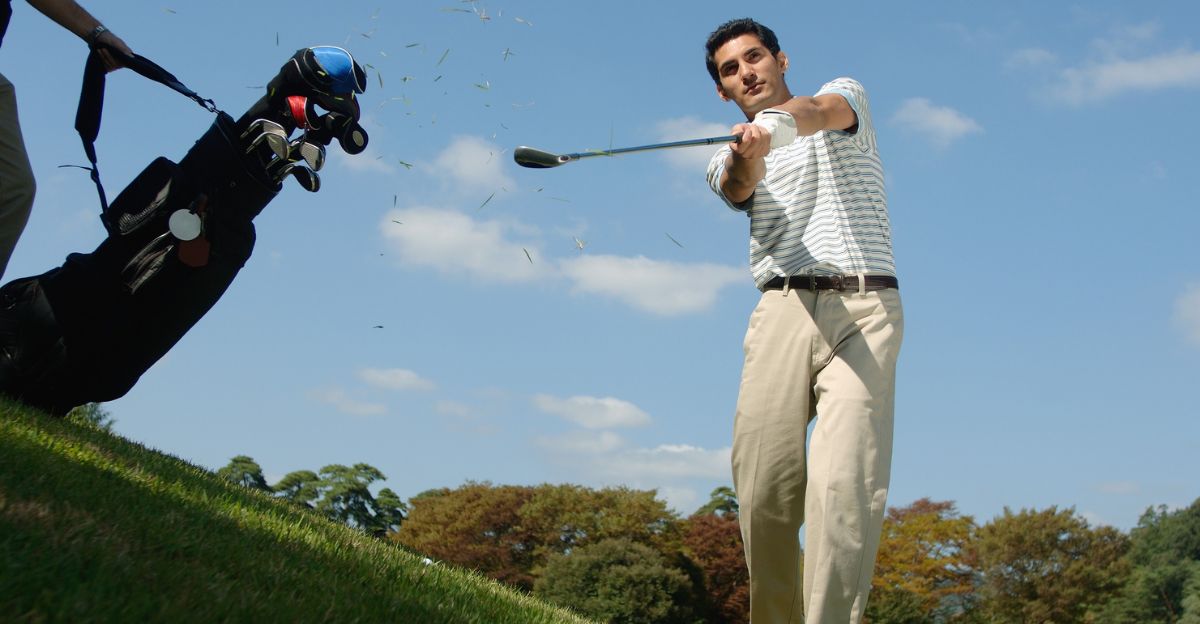
Golf is more than a game for the upper-middle class. It’s a business tool. Country club memberships and golf lessons introduce children to a world of professional networks and business deals.
Golf courses aren’t just playgrounds; they’re arenas for relationship-building that pays off throughout a lifetime.
The Cost of Entry
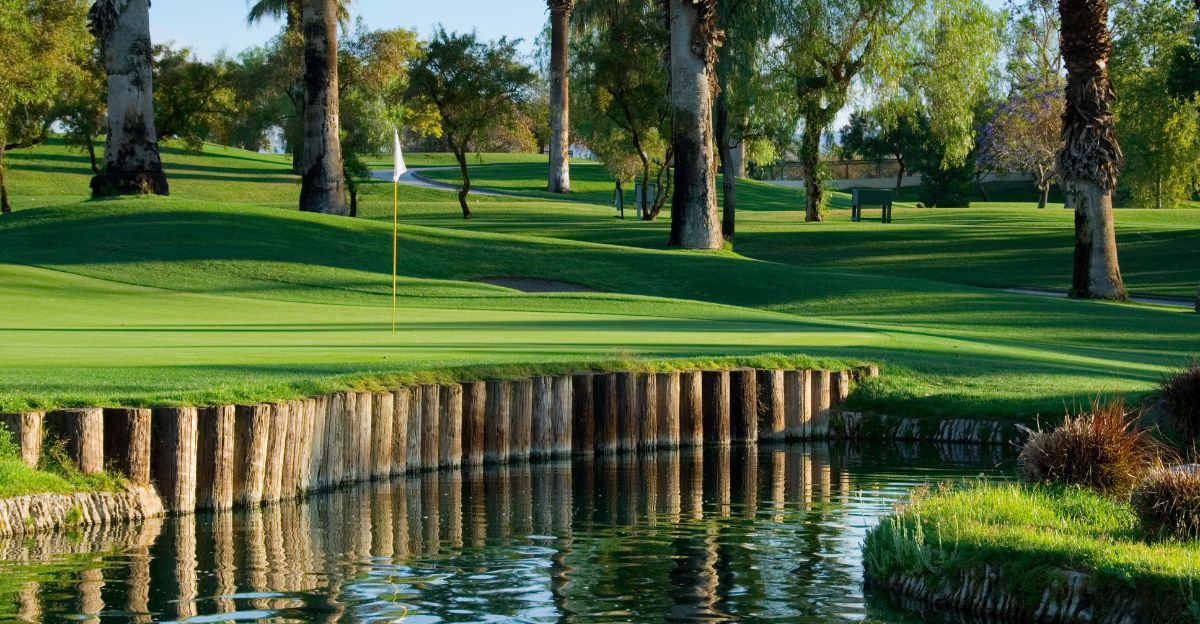
Country club memberships can cost upwards of $3,000 annually, plus equipment and lessons. This isn’t just for recreation; it’s an investment in future business opportunities.
Lower-middle-class families often perceive golf as an elitist pastime, something that’s out of reach. But for the wealthy, it’s an essential part of cultivating networks and personal connections.
4. Skiing – Family Traditions Built in Snow
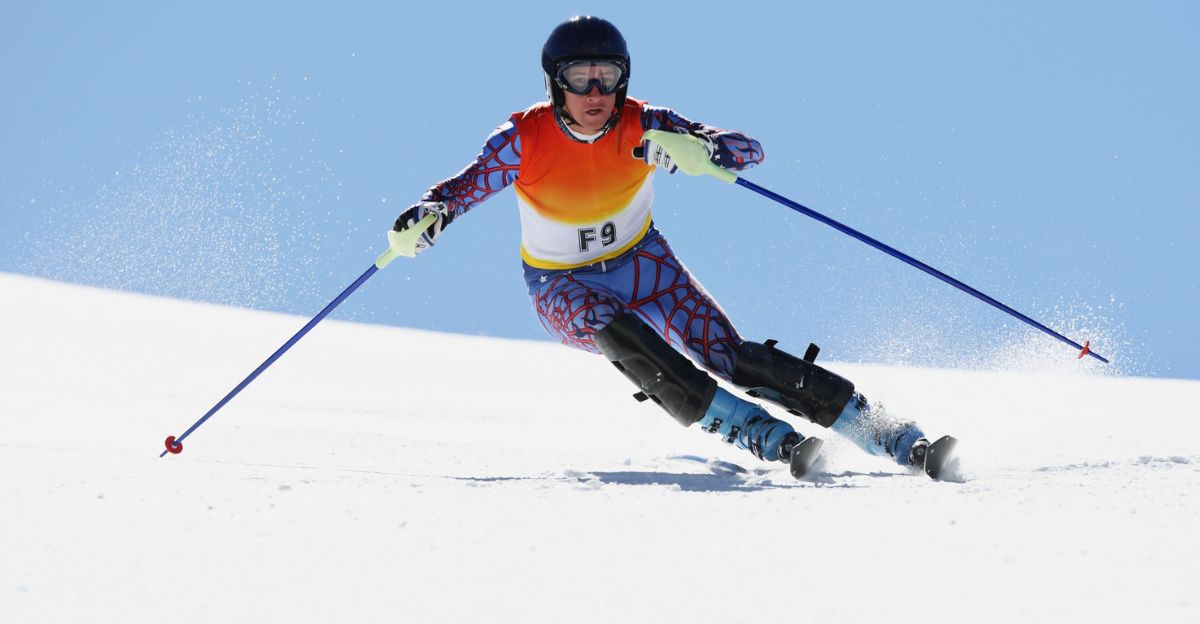
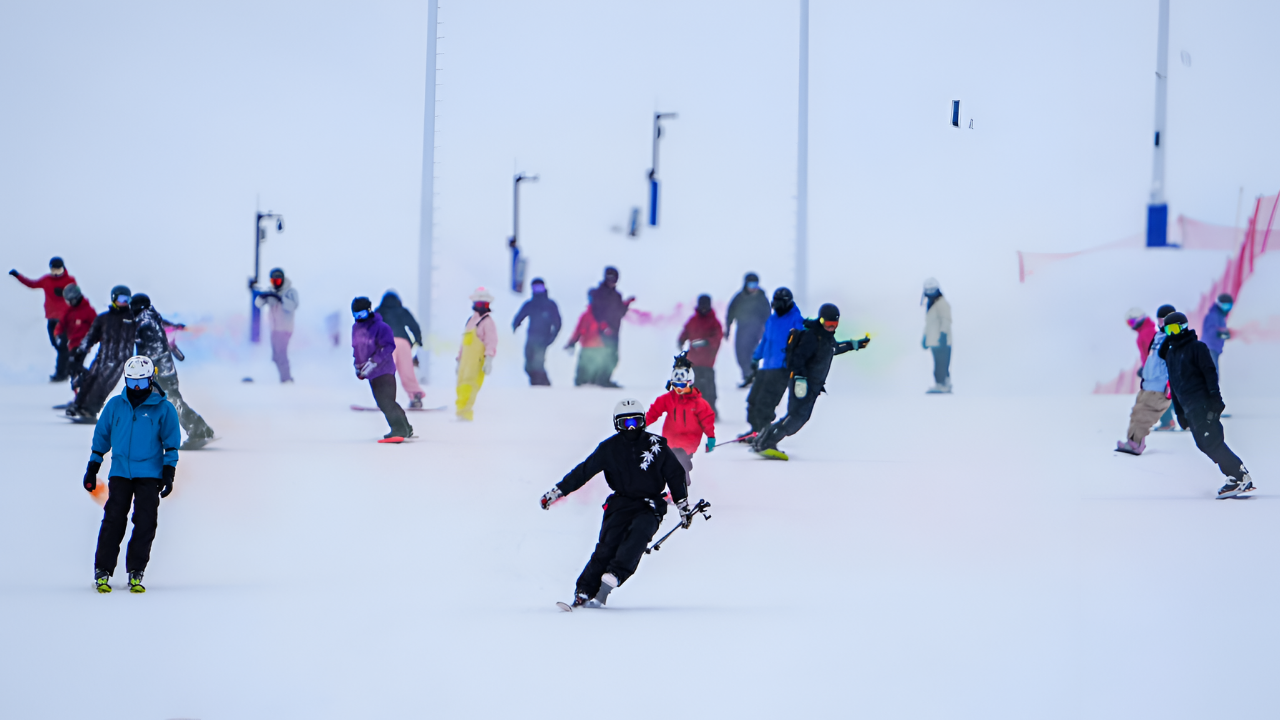
Skiing isn’t just about winter fun—it’s a way to bond with families who share similar resources. Annual ski trips to destinations like Colorado or the Swiss Alps aren’t vacations; they’re investments in shared cultural experiences.
These trips build lifelong connections with other families and signal cultural fluency in high-net-worth circles.
The True Cost of Winter Sports

A family of four can easily spend $2,000 to $5,000 on a ski trip, not including travel and gear. Lower-middle-class families can’t justify spending months of rent on one week of recreation.
Upper-middle-class families, however, view these trips as opportunities for their children to meet other children who may one day become their professional peers.
5. Classical Music – Building Cultural Literacy
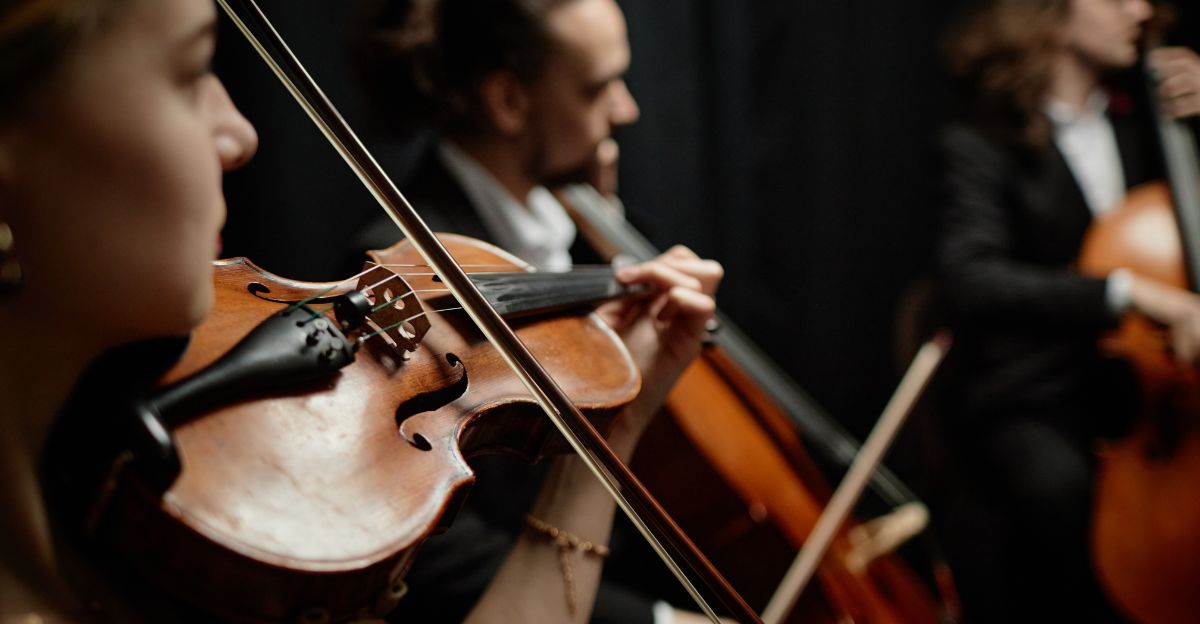
Classical music training is a cornerstone of upper-middle-class upbringing. Parents invest tens of thousands in piano and violin lessons, not with the expectation that their children will become professional musicians, but to provide them with cultural capital.
Being able to discuss Beethoven or Bach at a dinner party can open doors that money alone can’t.
The Investment of Culture
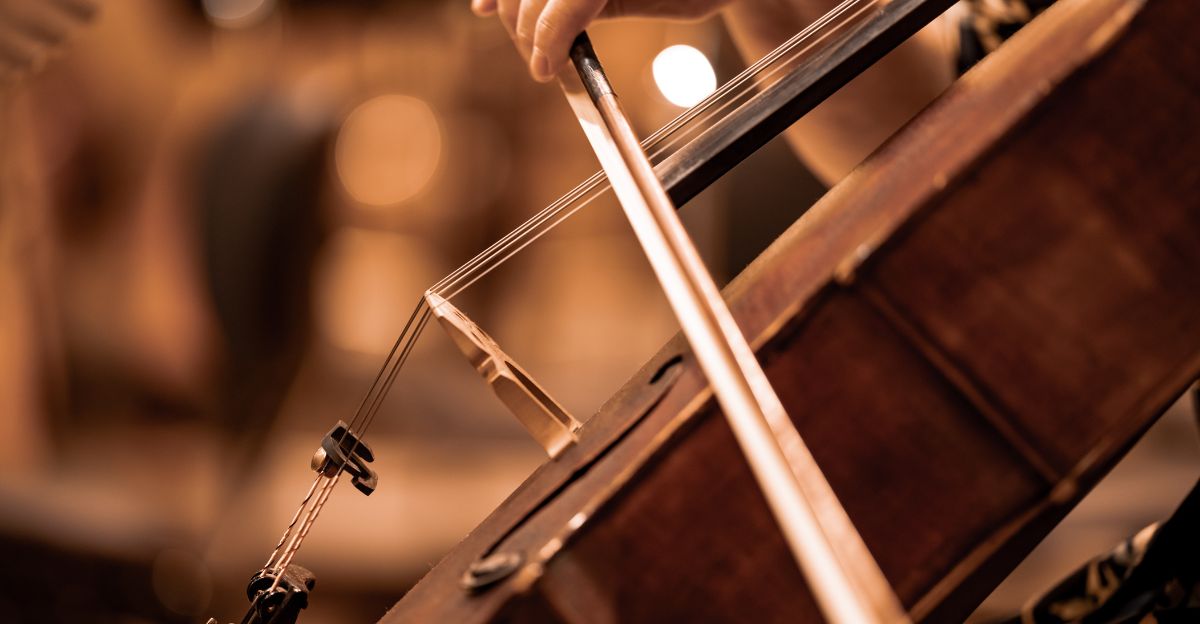
Private lessons can cost $25 to $35 per session, adding up to $7,000 to $10,000 annually. Over 10-15 years, the total investment for one child can be $70,000 to $150,000. Lower-middle-class families need immediate, practical returns.
They can’t gamble thousands on activities without tangible payoffs. Upper-middle-class families understand cultural sophistication compounds over decades, creating invisible but powerful advantages that open doors.
6. Hosting Elaborate Dinner Parties – Networking Through Food

Dinner parties for upper-middle-class families are meticulously planned affairs, not just for enjoyment, but for social capital.
Every detail—from the multi-course menu to the wine pairings and seating arrangements—is calculated to foster connections. These gatherings aren’t about food; they’re about cultivating relationships that may lead to valuable opportunities later.
The Price of Elegance

Hosting a dinner party can cost $150 to $350, considering premium ingredients, quality wines, and decorative touches. For lower-middle-class families, that amount could feed the family for two weeks.
But for the wealthy, this expenditure is a small price to pay for long-term relationship-building.
7. Fitness Memberships – The Non-Negotiable Infrastructure

Fitness is an essential part of upper-middle-class life. Gym memberships and personal training are viewed as infrastructure—non-negotiable parts of life, just like utilities or insurance.
They aren’t seen as indulgences but as investments in long-term health, both physically and socially.
A System for Success
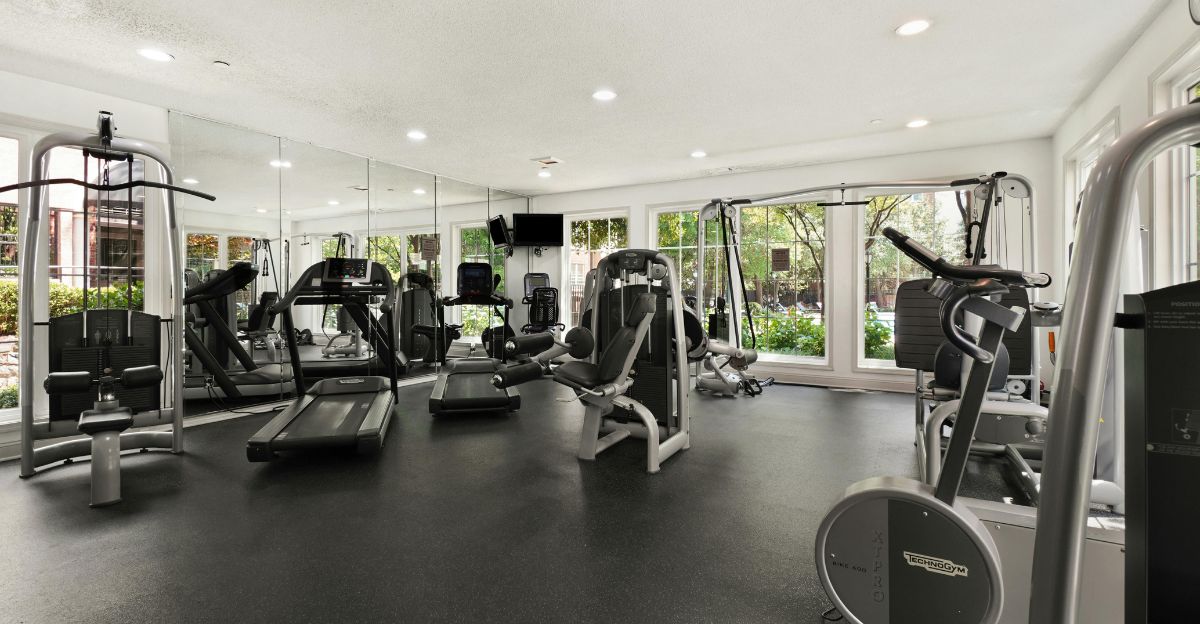
Personal training can cost $50 to $150 per session, and gym memberships add another $600 to $2,000 annually. But for the wealthy, these aren’t expenses—they’re investments in their lifestyle.
Lower-middle-class families often cancel memberships when money gets tight, missing out on the long-term health and networking benefits that come with consistent fitness.
8. Equipment-Intensive Hobbies – Building Commitment Through Gear

Photography, cycling, and woodworking require high-end equipment. A professional camera setup can cost $2,000+, and a good road bike starts at $1,200. Upper-middle-class families buy equipment immediately, understanding that having good tools increases likelihood of continuation.
They can afford gambling that kids might lose interest after six months. This willingness to invest upfront creates commitment advantages.
The Gamble of Investment

Lower-middle-class families don’t have the luxury of investing in expensive gear upfront. They’ll rent, borrow, or buy cheaper versions. But inferior equipment can make hobbies less enjoyable, decreasing the chances of long-term commitment.
The lack of initial investment can actually prevent children from developing skills they could have learned with better tools.
9. Art and Cultural Experiences – Building Cultural Capital
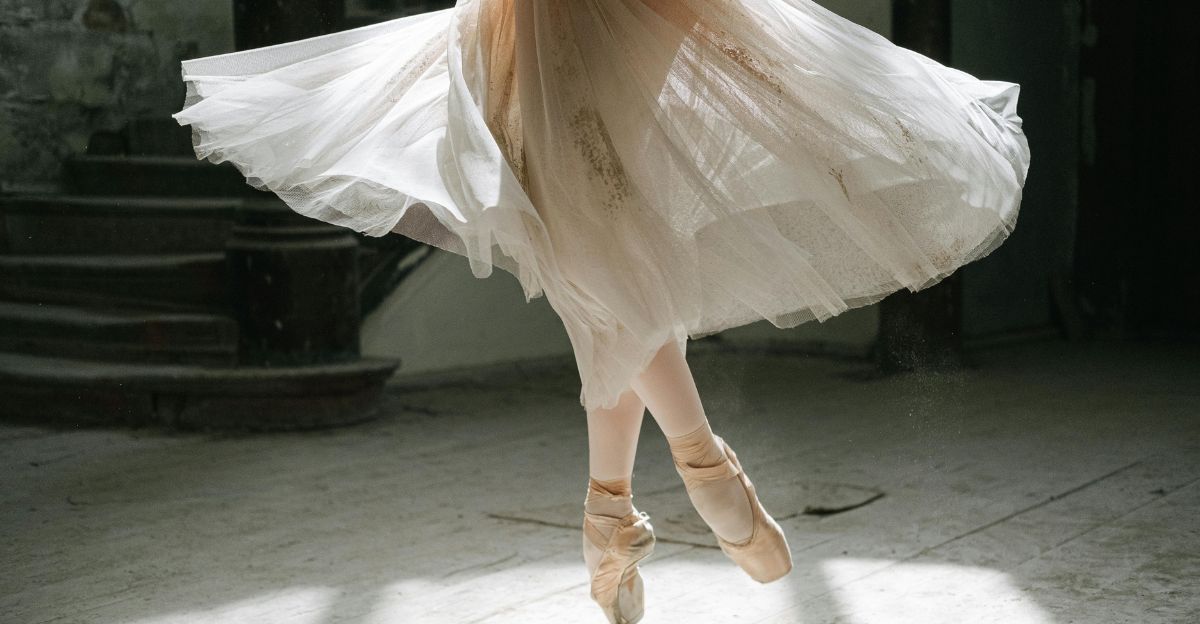
For upper-middle-class families, theater, ballet, opera, and art exhibitions are regular weekend activities. These experiences aren’t just for enjoyment—they’re investments in cultural literacy that signal sophistication.
Being able to discuss these cultural experiences at social events opens doors and fosters professional connections.
The High Price of Access
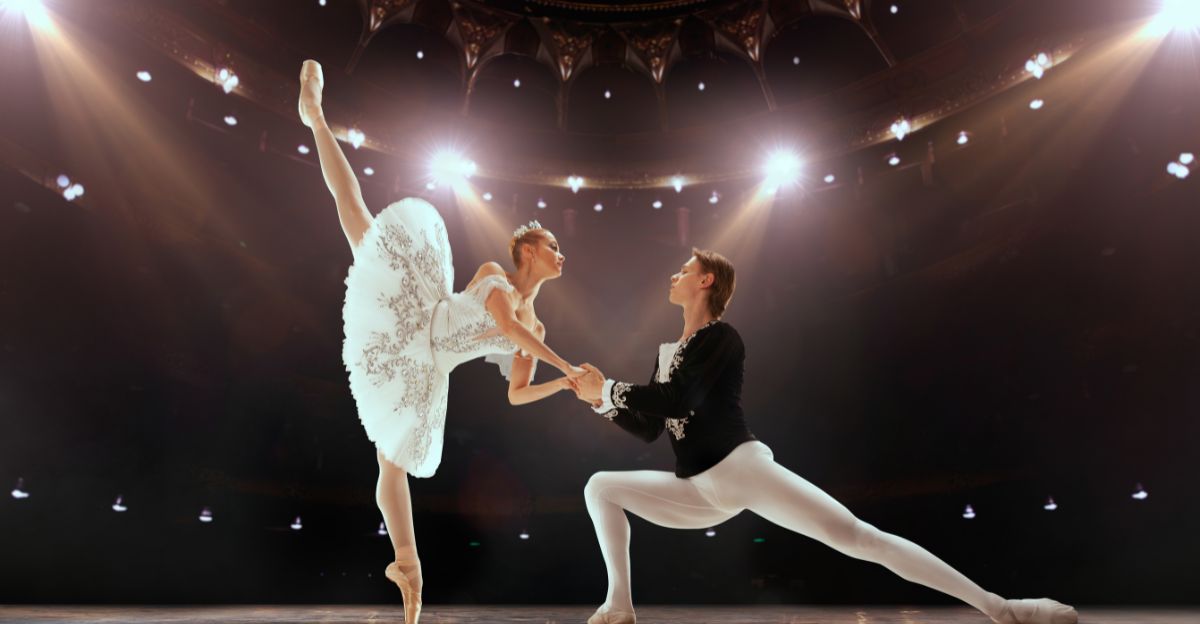
Tickets for premium cultural experiences can cost hundreds to thousands of dollars, and annual subscriptions run into the thousands.
For lower-middle-class families, these are luxuries they can’t afford regularly. Upper-middle-class families view cultural outings as investments in their children’s future social capital, something that will help them build relationships in their careers.
The Class Divide – A Framework of Time and Investment
The hobbies discussed here reveal a deep, uncomfortable truth: the divide between upper and lower-middle-class families isn’t just about income—it’s about how time and money are invested.
Upper-middle-class families play the long game, thinking generationally and building networks that will pay off decades later. Lower-middle-class families prioritize short-term needs, often missing out on the long-term advantages these hobbies can provide. This difference isn’t just financial—it’s about mindset.