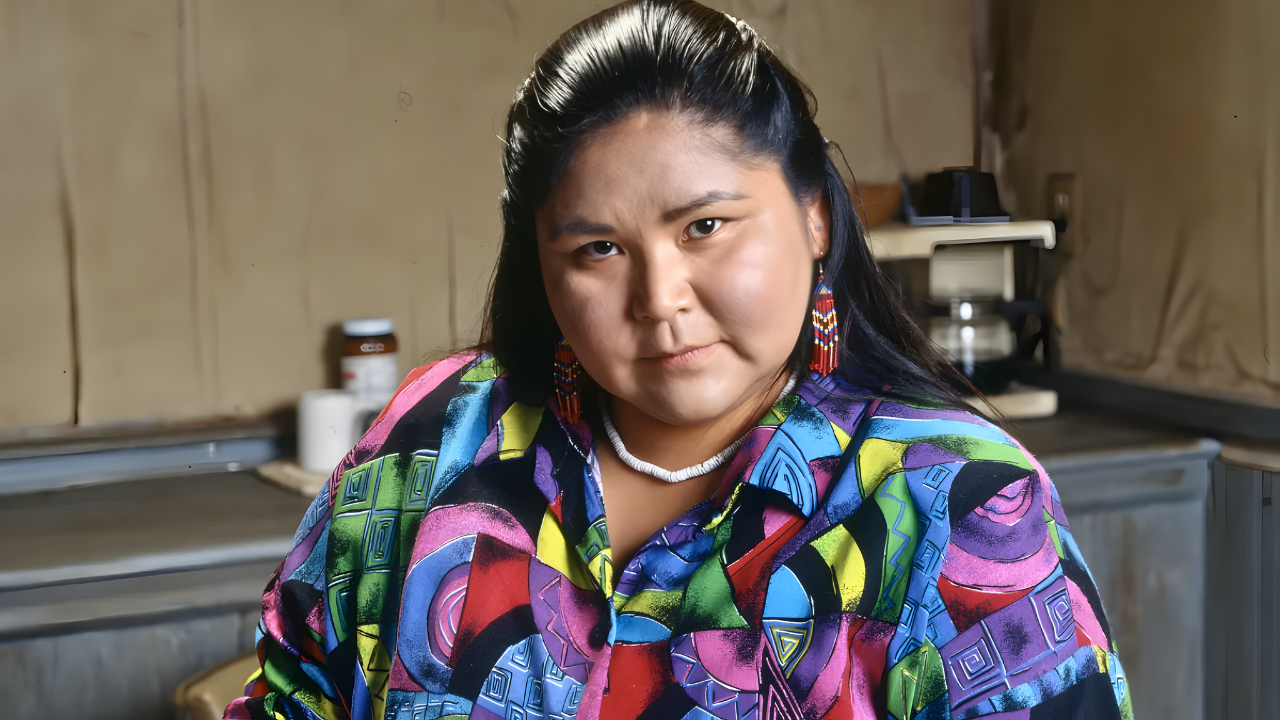
On a November evening in Redmond, Washington, four masked men in tactical gear exited unmarked SUVs and swiftly surrounded a woman waiting at a bus stop.
Their vests, emblazoned with “U.S. Immigration and Customs Enforcement,” identified them as federal agents. Without warning, they demanded identification, as nearby commuters watched in stunned silence.
At the time, the identity of the woman remained a mystery, but it would later be revealed that she was a prominent Indigenous actress—a detail that added another layer to the already charged situation. What happened next would leave both the community and the actress herself questioning the purpose behind the encounter.
Citizenship Questioned
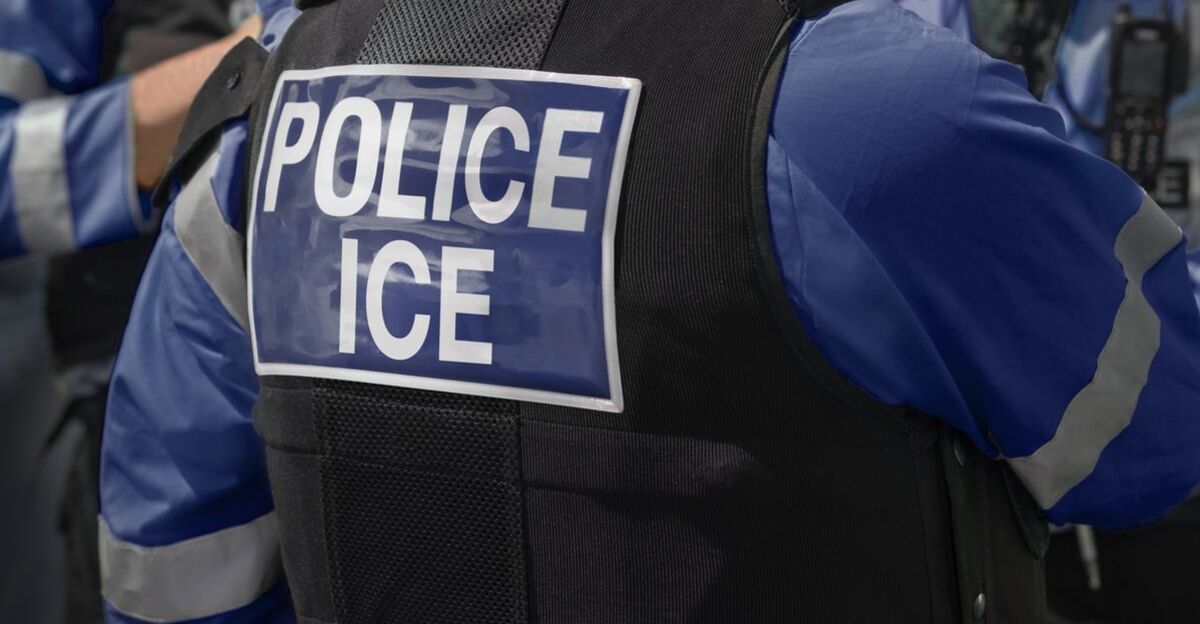
As the encounter unfolded, the armed men focused on one plastic card: a tribal identification issued by a federally recognized Native nation.
Instead of running the number printed on its back, they allegedly dismissed it outright, treating the U.S. citizen in front of them as a possible undocumented immigrant.
The clash raised unsettling questions about who gets believed when they say, “I belong here.”
A Familiar Face
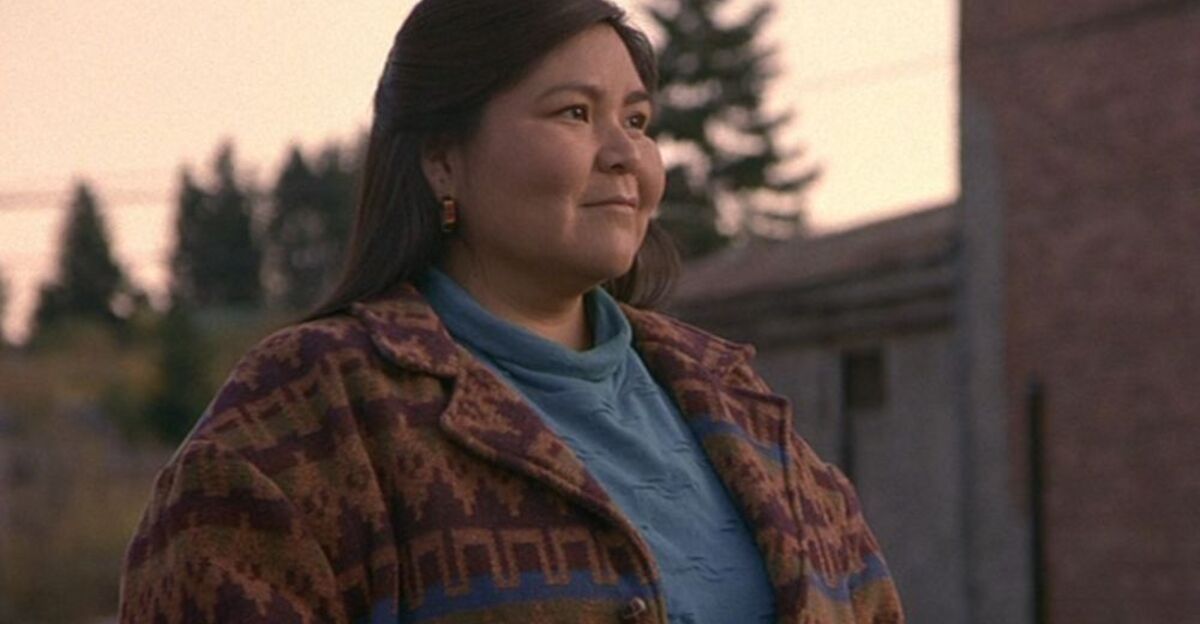
The woman at the center of the confrontation was Elaine Miles, a Native American actress best known for playing Marilyn Whirlwind on the 1990s television series “Northern Exposure.”
Miles, a citizen of the Confederated Tribes of the Umatilla Indian Reservation, has appeared in films including “Smoke Signals” and, more recently, “The Last of Us.” Her career made the story resonate far beyond Washington state.
Tribal IDs Under Scrutiny
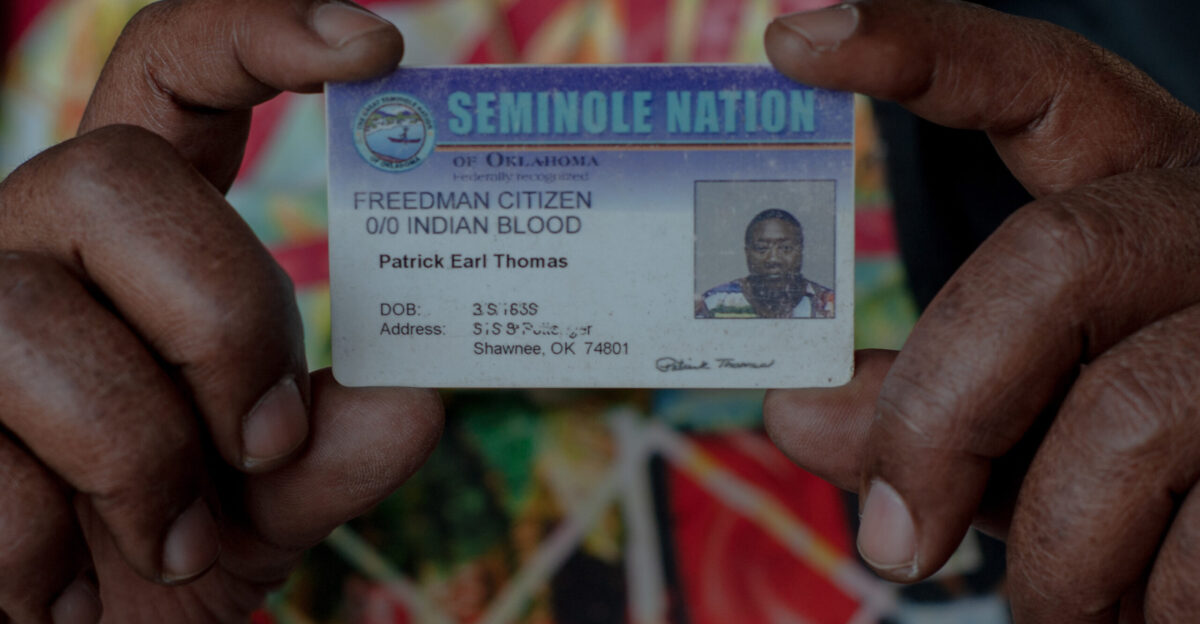
Tribal ID cards are government documents issued by federally recognized tribes to their enrolled citizens and are accepted by multiple federal agencies.
CTUIR, which represents the Umatilla, Cayuse, and Walla Walla peoples, has more than 3,000 enrolled members and operates an enrollment office that verifies cardholder status.
Yet advocates say these IDs are not consistently recognized in the field, particularly during immigration operations.
The Redmond Detention
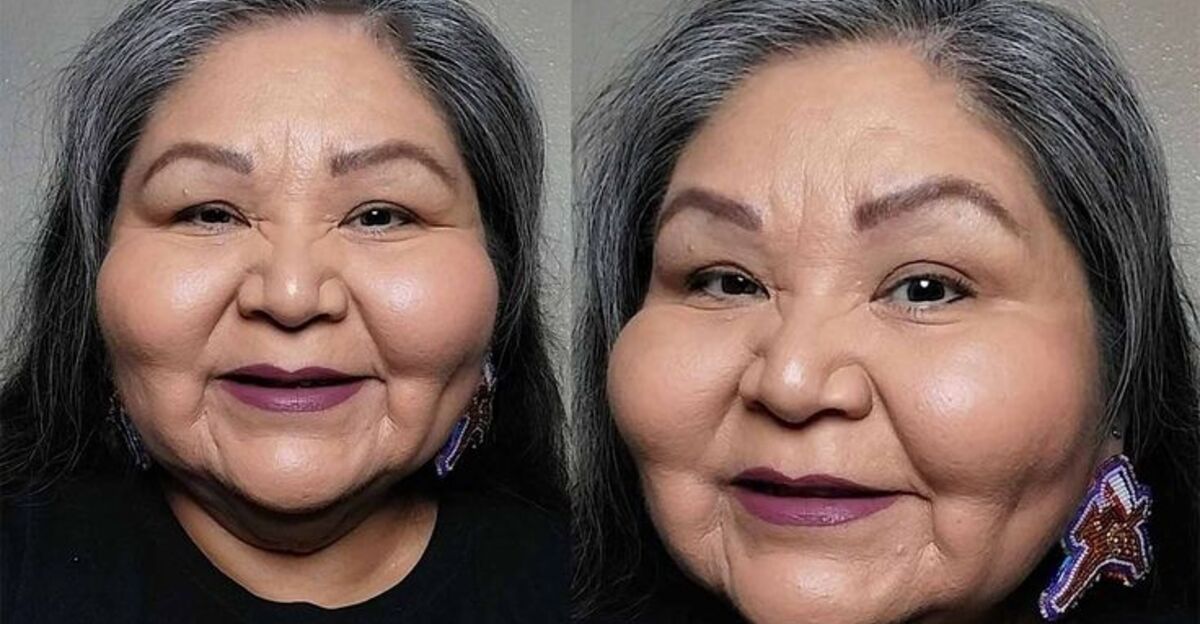
On November 3, 2025, four masked individuals wearing ICE vests stopped Elaine Miles near the Bear Creek Village shopping center in Redmond, Washington.
She says they questioned her, demanded ID, and prevented her from simply walking away before leaving without arresting her.
Multiple outlets described the encounter as a detention by ICE agents, distinguishing it from a formal arrest with booking.
“Anyone Can Make That”
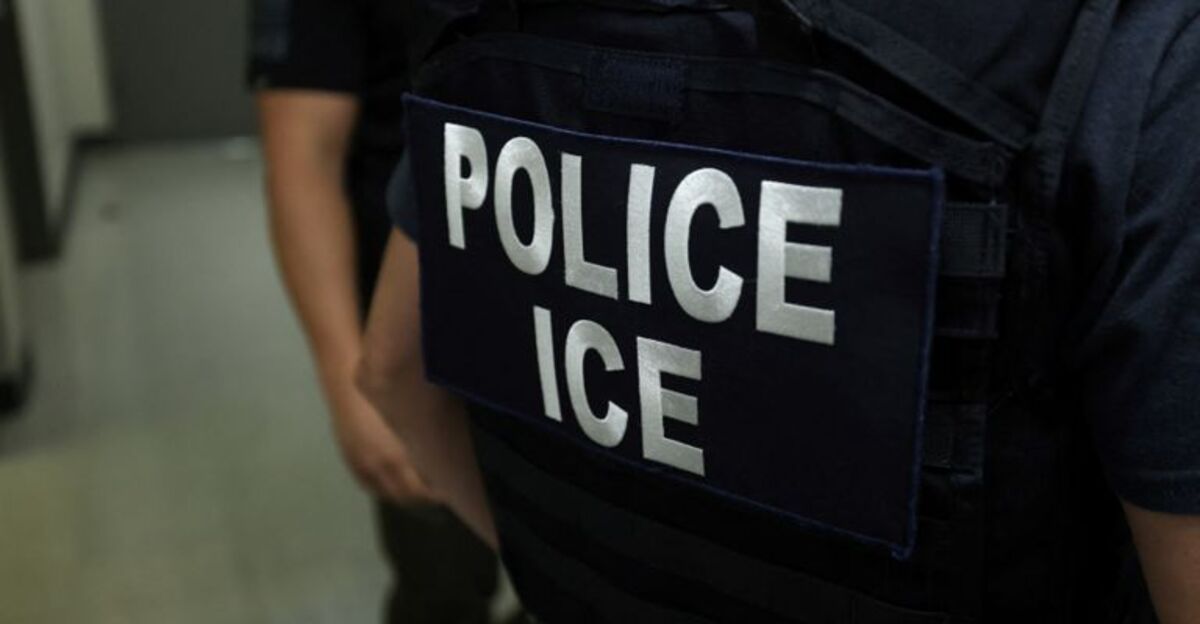
Miles says she presented her CTUIR tribal ID, which lists the tribe’s enrollment office phone number for verification.
According to her account, one agent said the card “looked fake,” while another remarked, “Anyone can make that,” and they refused to call the number on the back.
She alleges they tried to take her phone when she attempted to place the call herself, before a fifth agent signaled the group to leave.
Family Pattern of Stops
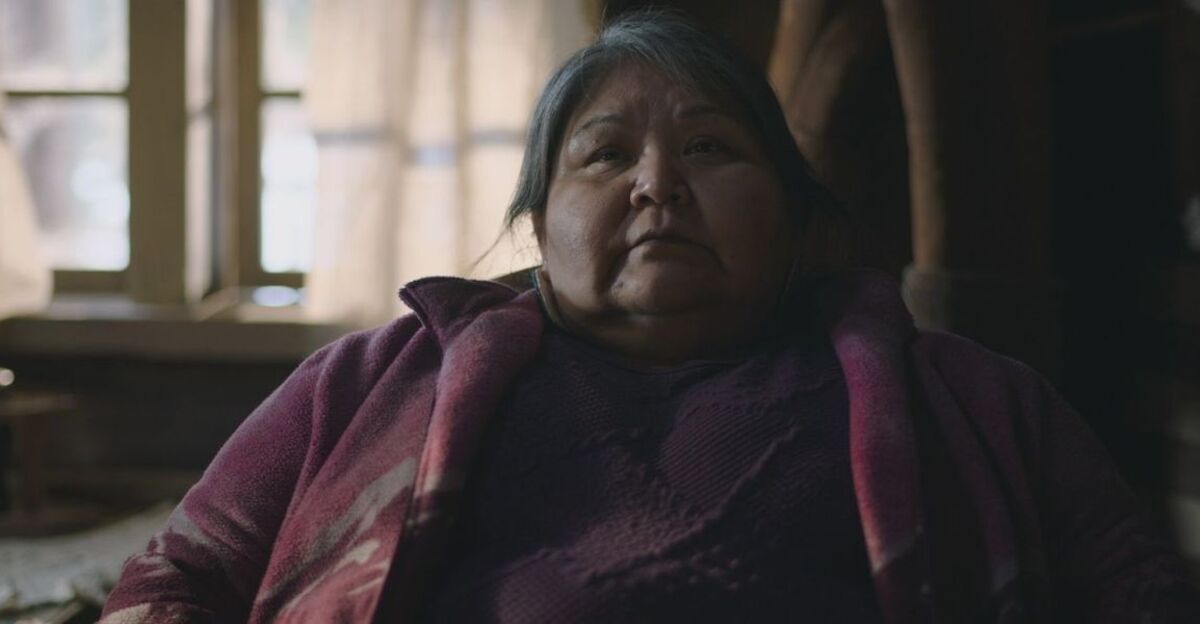
Miles also reported that both her son and her uncle had previously been stopped by immigration officers in the region while carrying tribal IDs.
In one case, her son was questioned at a higher‑education institution in Bellevue before being released. In another, her uncle’s ID was initially rejected.
All three family members were ultimately allowed to go, but the repeated scrutiny left them wary.
ICE Activity in Redmond
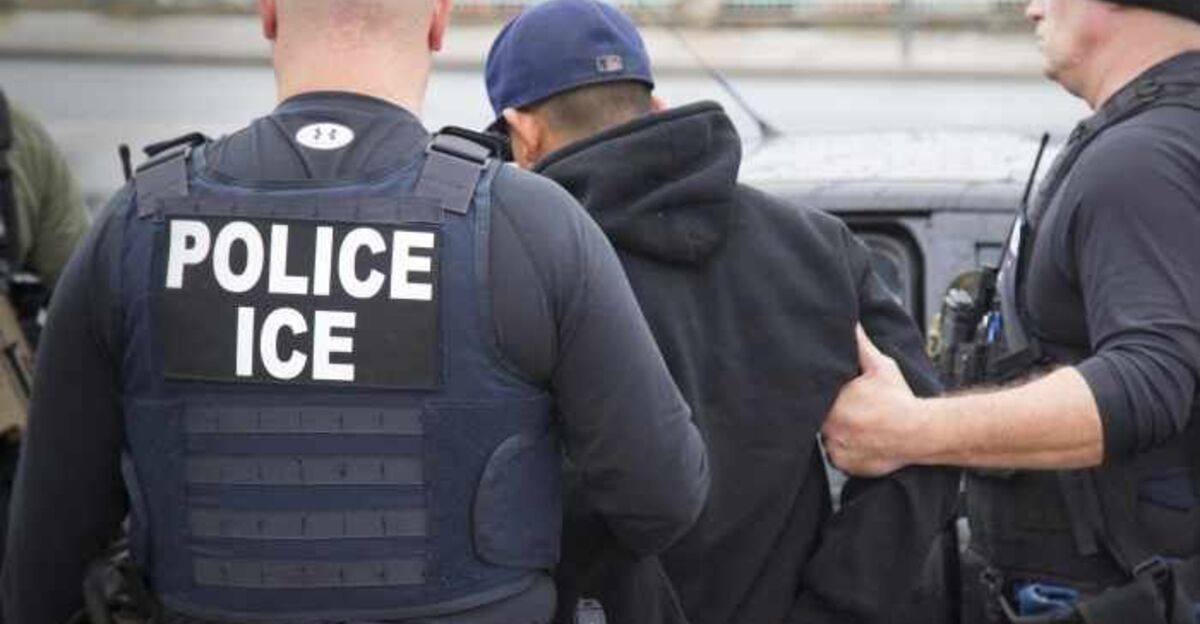
The stop occurred amid a surge in federal immigration enforcement on Seattle’s Eastside. The Redmond Police Department and city officials later confirmed that ICE carried out arrests in the city that week, including seven people detained on November 3 near the same shopping area.
Local leaders were concerned enough to consider deactivating automated license-plate cameras used in cooperation with federal agencies.
Citizenship and Tribal Nations
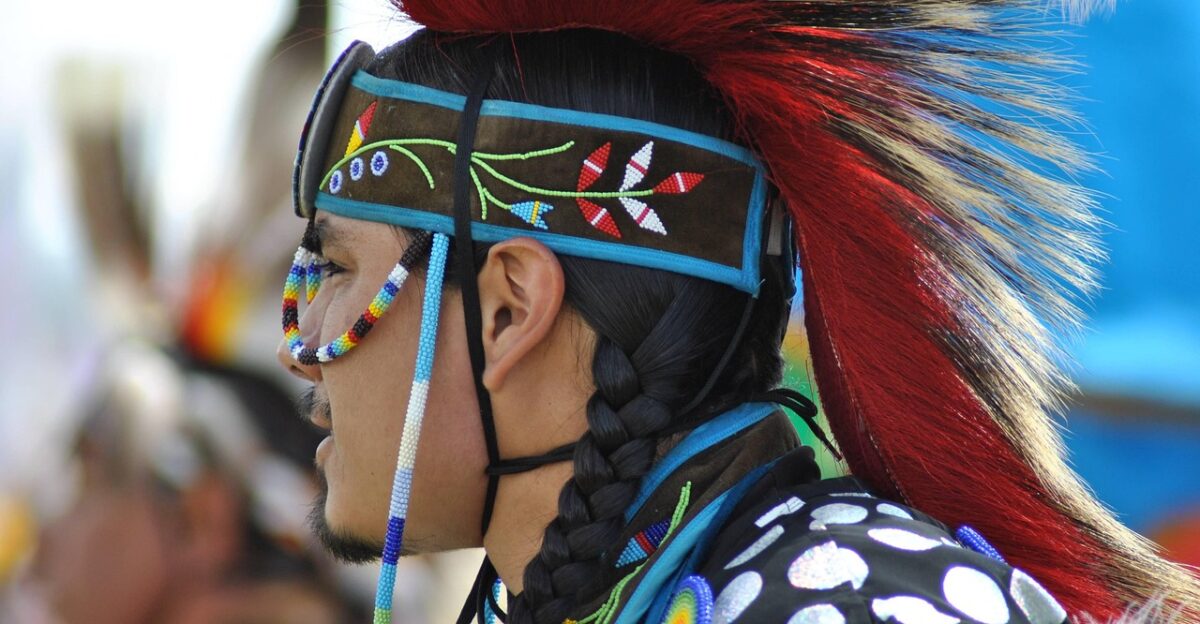
Under the Indian Citizenship Act of 1924, Native Americans born within U.S. borders are citizens of the United States while also holding tribal citizenship.
Today, roughly 5.2 million people identify as American Indian or Alaska Native, and 574 tribes are federally recognized.
Members enrolled in those tribes, such as CTUIR citizens, cannot be lawfully deported based solely on their immigration status, legal scholars note.
DHS Pushback
The Department of Homeland Security has pushed back on key parts of Miles’ account. Assistant Secretary Tricia McLaughlin said Miles “was never arrested” and called “false” any claim that agents questioned her tribal ID, adding that ICE personnel are “trained to recognize tribal IDs.”
That denial has sharpened a factual standoff: an Indigenous citizen’s detailed recollection versus an agency’s categorical rejection.
Senators Demand Answers
On December 14, a group of U.S. Senators led by Patty Murray sent a letter to DHS and ICE demanding explanations about Miles’ case and similar incidents.
They cited reports of “racial profiling of Tribal members” and “refusal to accept tribal IDs,” calling such conduct “disrespect and harassment of U.S.-born Tribal citizens.”
The lawmakers requested detailed responses regarding training, complaint tracking, and disciplinary procedures.
Tribal Leaders Respond
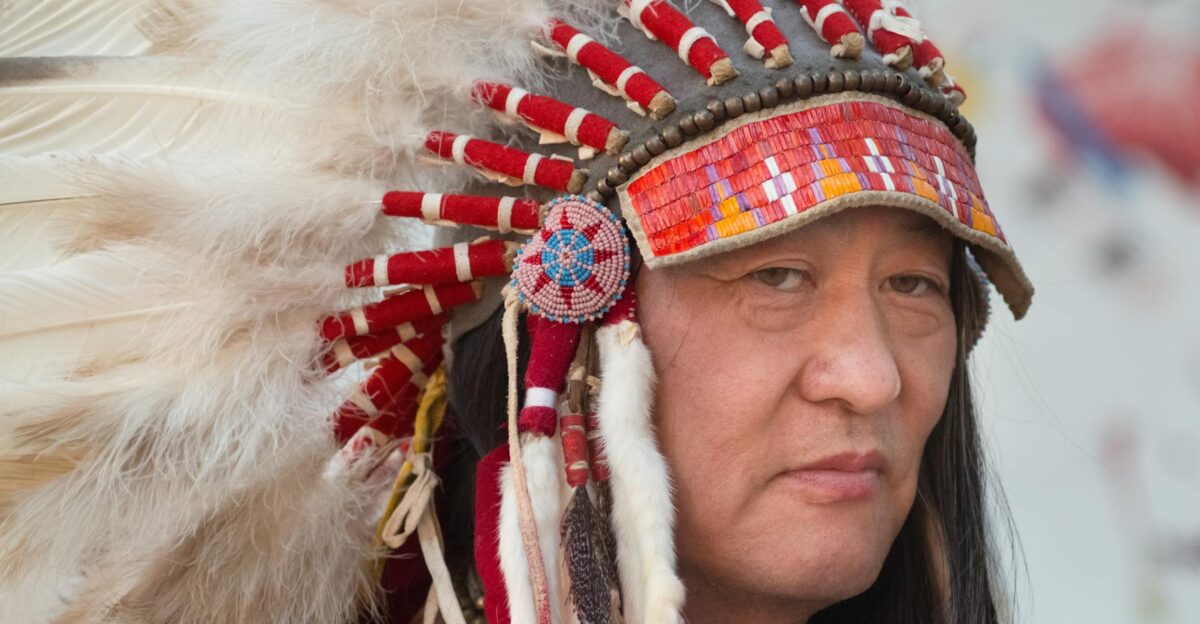
Leaders of the Confederated Tribes of the Umatilla Indian Reservation publicly supported Miles and urged federal agencies to clarify policies around tribal IDs.
CTUIR officials emphasized that their cards are government documents and said incidents like the Redmond stop undermine both tribal sovereignty and public safety.
When citizens fear calling for help, they warned, crimes go unreported, and trust in law enforcement erodes.
Community Fear and Fallout

In Native communities across Washington and Oregon, advocacy groups say the story has intensified long‑standing fears about being targeted despite citizenship.
Social media posts and interviews describe people changing travel routines, carrying passports along with tribal IDs, or avoiding bus stops after dark.
Washington’s attorney general called reports of masked officers stepping out of unmarked vehicles “becoming far too common” and vowed to investigate.
ICE Training Under the Microscope
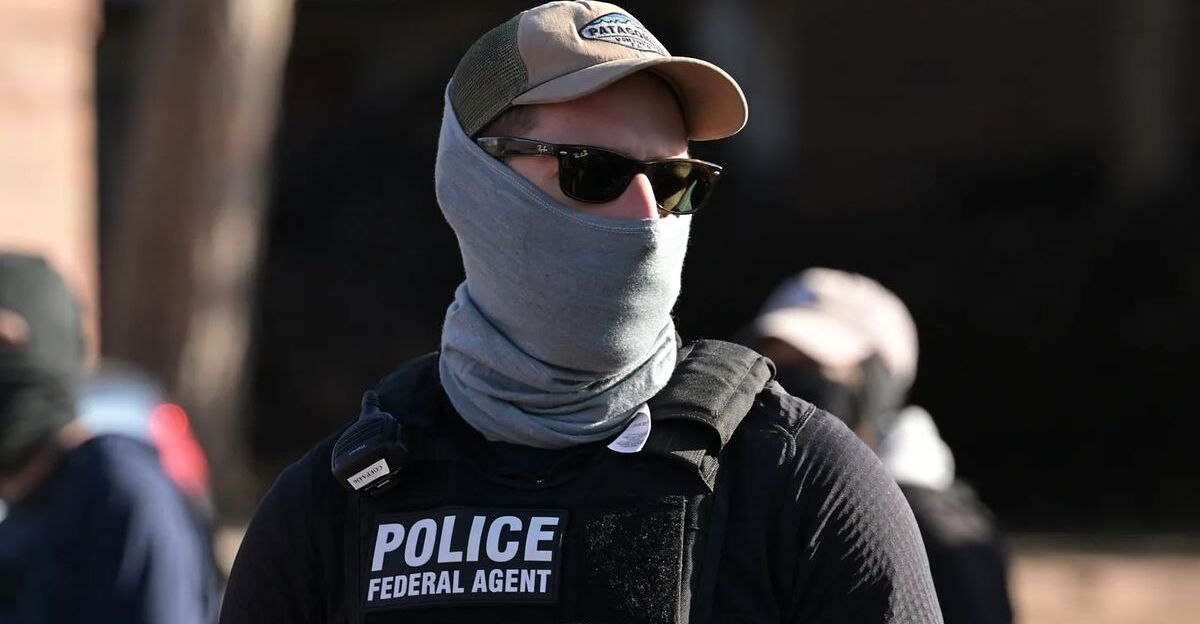
ICE says its agents receive training on recognizing a wide variety of identity documents, including tribal IDs, and that officers are expected to treat all U.S. citizens with respect.
Civil‑rights advocates counter that repeated reports of misidentified tribal members show a gap between policy and practice.
They argue that without transparent audits and meaningful consequences, written guidance alone cannot rebuild trust.
What Happens Next
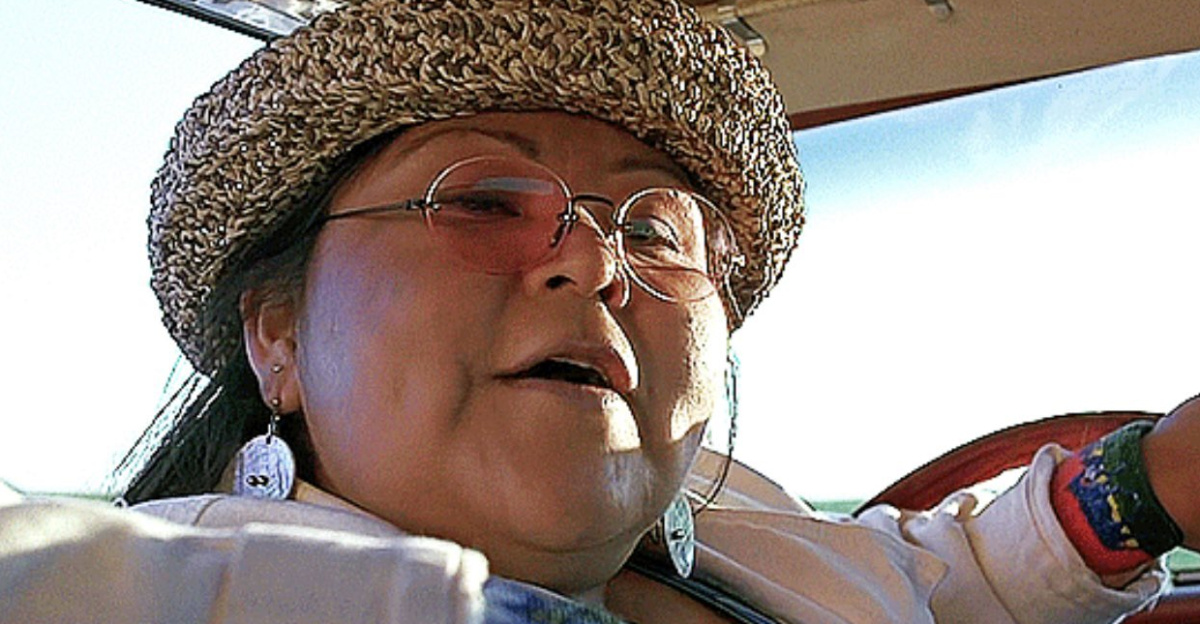
Elaine Miles has urged other Native people in the Seattle area to “watch your back,” even as she presses for answers about what happened to her at that Redmond bus stop.
Congressional inquiries, tribal advocacy, and local scrutiny of ICE tactics now converge on a simple question: will federal agents reliably recognize the IDs of the first peoples of this country the next time they stop someone?
Sources:
The Seattle Times, 27 Nov 2025
Native News Online, 30 Nov 2025
Wikipedia (Elaine Miles), accessed Dec 2025
U.S. Department of Interior, Indian Affairs FAQ
Indian Citizenship Act of 1924 (43 Stat. 253)
U.S. Census Bureau (American Indian/Alaska Native population data)