
At a Target in North Canton, Ohio, two shoppers stood virtually side by side in the digital aisles, selecting the exact same carton of eggs and loaf of bread. Yet when they reached the checkout screen, the numbers flashing back at them told two completely different stories.
One cart totaled $84.43, while the other, filled with identical items at the exact same moment, surged to $90.47. This markup of nearly $6 for a single trip was the first clue in a massive investigation that would uncover a billion-dollar pricing experiment hidden in plain sight.
Uncovering the $1,200 “Stealth Tax”

This incident was not an anomaly but part of a systematic operation exposed by a new study from Consumer Reports and the Groundwork Collaborative. Released in December 2024, the investigation revealed that Instacart has been using advanced artificial intelligence to charge different customers wildly different prices for identical goods.
Researchers estimate that these algorithmic adjustments could cost a typical household of four up to $1,200 annually, effectively levying a “stealth tax” on families simply for using the service.
Systematic Price Manipulation

The financial implications are staggering because the variances are not limited to a few pennies. The study found that Instacart’s AI technology was hiking prices by as much as 23% for the exact same products bought at the same time.
This variance meant that two neighbors ordering identical groceries from the same local supermarket could see final bills that differed dramatically, solely based on which pricing algorithm they were assigned by the black-box software.
The Scope of the Experiment
To expose these practices, the organizations deployed 437 volunteers across four major metropolitan areas, including Seattle and Washington, D.C., to conduct simultaneous shops. These volunteers logged into the Instacart app at the exact same times to purchase identical baskets of goods.
The results were consistent: roughly 75% of the products checked were offered at different price points to different volunteers, proving that price manipulation was the norm rather than the exception.
Real-World Price Discrepancies
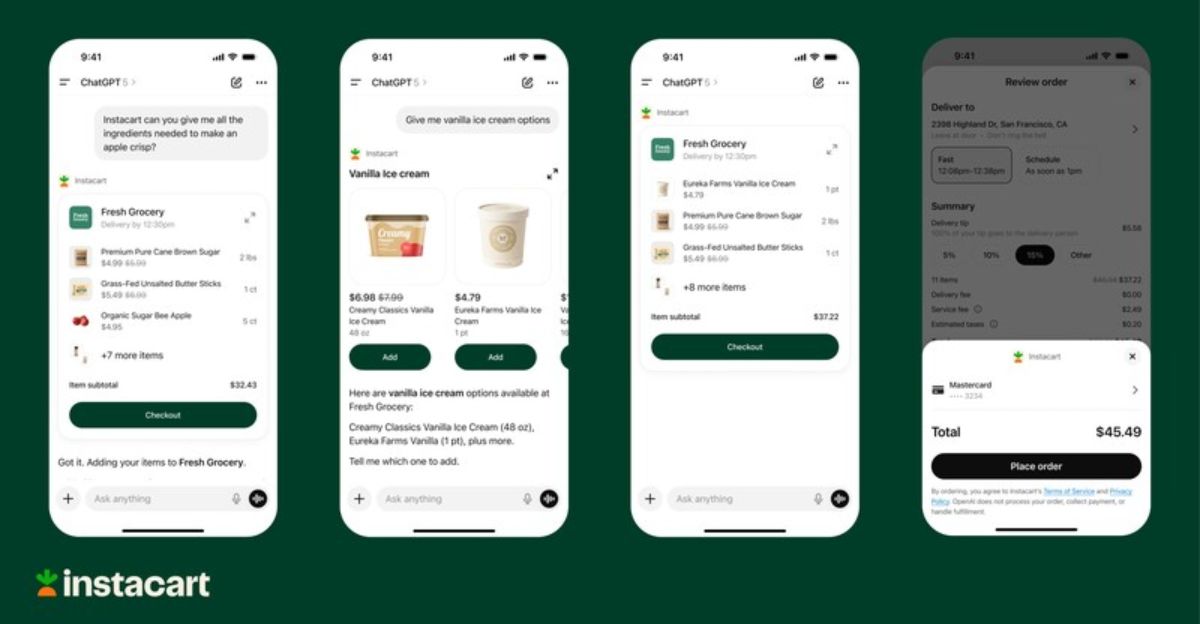
Specific examples from the study highlight the absurdity of the discrepancies encountered by everyday shoppers. In one instance involving Safeway, a standard box of Wheat Thins was priced at $2.99 for some users and $3.69 for others—a markup of nearly 24% for no discernible reason.
Similarly, a dozen eggs in Washington, D.C., ranged from $3.99 to $4.79, forcing some unlucky shoppers to pay a significant premium for a staple food item.
The AI Engine Behind the Curtain

The engine driving these price fluctuations is Eversight, an AI-powered pricing platform that Instacart acquired in 2022. This sophisticated software is designed to run continuous, large-scale experiments to determine consumer price sensitivity.
By analyzing vast amounts of data, the system identifies the maximum price point a shopper is willing to accept, allowing retailers to optimize their margins in ways that were previously impossible in physical brick-and-mortar stores.
The Logic of “Smart Rounding”

One particularly controversial aspect of this technology is a feature internally referred to as “smart rounding.” Documents uncovered during the investigation describe this as a machine learning tool that adjusts prices to improve “price perception” and drive sales.
While the company frames this as a benefit to retailers, critics argue it is a mechanism to manipulate consumer psychology and extract the highest possible price from unsuspecting shoppers without triggering cart abandonment.
Testing Limits, Not Markets
Unlike traditional dynamic pricing, which responds to real-time supply and demand shifts, such as Uber’s surge pricing, Instacart’s model is more experimental. The study indicates these price changes were not driven by inventory shortages or rush-hour delivery demand.
Instead, they appeared to be randomized tests aimed at gauging customer tolerance for higher costs, treating essential grocery shopping as a massive economic laboratory without the participants’ consent.
Major Retailers Implicated

The investigation implicated some of the largest grocery chains in the United States. Volunteers encountered these pricing anomalies while shopping at stores including Kroger, Costco, Safeway, and Sprouts Farmers Market.
While Instacart admitted that a “small subset” of ten retail partners were involved in these pricing tests, they declined to name the specific companies, leaving millions of shoppers to wonder if they were targeted during their weekly shop.
Target Denies Involvement
Target, one of the retailers highlighted in the study, vigorously denied any involvement in these pricing decisions. A spokesperson for the retail giant stated they have no partnership with Instacart regarding pricing and do not share their pricing data with the platform.
Instacart rebutted this by claiming they scrape Target’s public prices and apply their own markups to cover operational costs, further muddying the waters for consumers trying to find the best deal.
The Illusion of Discounts
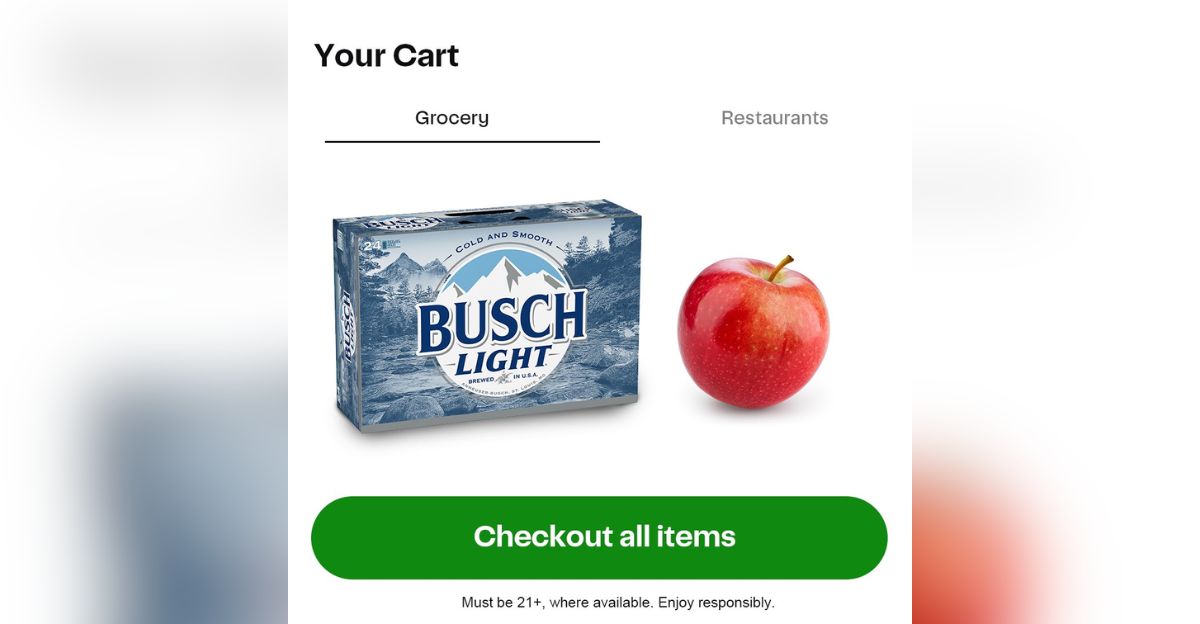
Researchers also flagged a deceptive practice known as “fictitious pricing.” In several cases, the app displayed “original” prices that were artificially inflated to make a current discount appear more generous than it actually was.
This tactic creates a false sense of urgency and value, manipulating shoppers into making purchases they might otherwise avoid. It is a tactic that borders on digital fraud and has drawn the ire of consumer protection agencies.
Exploiting an Affordability Crisis

Lindsay Owens, executive director of the Groundwork Collaborative, did not mince words regarding the findings. “Instacart is quietly running pricing experiments on millions of shoppers during the worst grocery affordability crisis in a generation,” she stated.
Her organization argues that treating essential food access as a laboratory for profit maximization fundamentally breaks the social contract between retailer and customer, transforming a utility into a casino where the house always wins.
A Breach of Consumer Trust

Justin Brookman, director of technology policy at Consumer Reports, emphasized the breach of trust involved in these experiments. “These tactics hurt families who are simply trying to purchase essential groceries,” Brookman explained.
He noted that at a time when inflation has already stretched budgets to the breaking point, it is particularly egregious for corporations to secretly conduct individual experiments to see just how much more they can extract from a struggling populace.
Instacart Defends Its Strategy

In response to the mounting backlash, Instacart issued a statement defending its use of pricing algorithms. The company argued that retailers have always tested prices in physical stores to understand consumer preferences and that their online tests are no different.
They emphasized that these are “limited, short-term, and randomized tests” intended to help their retail partners keep essential items affordable, though they stopped short of explaining the specific criteria used.
Violating Retail Norms

Retail analysts, such as Neil Saunders of GlobalData, warn that this defense overlooks the broader implications for consumer psychology. “In retail, especially grocery retail, people expect the price to be the price,” Saunders noted.
He argues that while dynamic pricing is accepted for airline tickets or ride shares, applying it to bread and milk violates a core consumer expectation of fairness. When shoppers cannot trust the price tag, they lose faith in the brand entirely.
The Volatility Tax

The economic context makes these revelations particularly volatile for American households. U.S. food prices have risen significantly over the last three years, and while inflation has cooled, costs remain historically high.
For Instacart to overlay an additional, unpredictable layer of algorithmic variance on top of already inflated grocery bills adds a “volatility tax” that makes budgeting impossible for low-and middle-income families who rely on delivery services.
Federal Regulators Step In
The revelations have caught the attention of federal regulators who are already scrutinizing “surveillance pricing.” The Federal Trade Commission (FTC) recently launched a wide-ranging probe into how companies use personal data to set individualized prices.
FTC Chair Lina Khan has expressed concern that harvesting personal data to charge higher prices could violate privacy rights and harm consumers, signaling a potential crackdown on these digital practices in the near future.
Legislative Crackdown Proposed
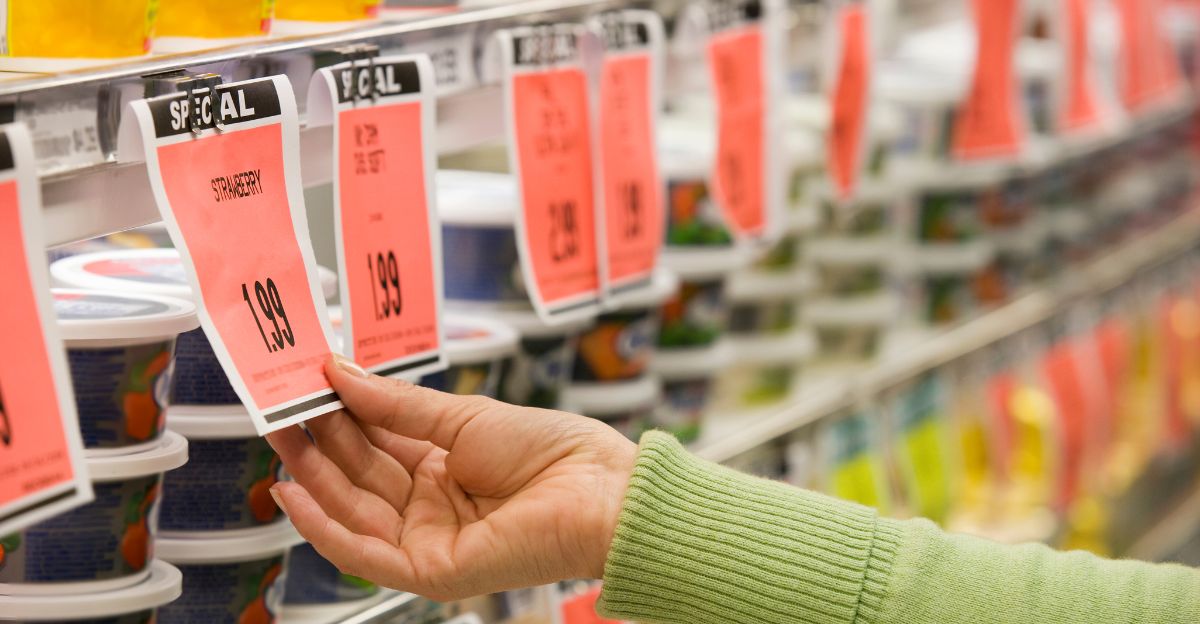
At the federal level, new legislation is being proposed to ban these practices entirely. The “Stop AI Price Gouging and Wage Fixing Act of 2025,” championed by Representative Greg Casar, seeks to prohibit the use of automated processes for customized pricing based on surveillance data.
Proponents argue that without such laws, the digital economy will devolve into a system where every transaction is a negotiation, with corporations holding all the cards.
New York Leads Transparency

State lawmakers are also taking swift action to curb these opaque pricing strategies. New York recently enacted the Algorithmic Pricing Disclosure Act, a first-of-its-kind law that requires companies to clearly notify consumers if a price has been set by an algorithm using their personal data.
This legislation aims to bring transparency to the digital marketplace and mandates a clear warning label that alerts shoppers when a machine is deciding their bill.
An Uncertain Future for AI Pricing

Following the public outcry, Instacart announced a strategic pause on these specific pricing experiments at Target and Costco. While this offers temporary relief for some shoppers, the underlying technology remains active, and the company has not ruled out future tests.
The “stealth tax” may be suspended, but the machinery that created it is still humming in the background, leaving consumers to wonder if the price they see is truly the price they should pay.
Sources:
“Instacart’s AI technology is hiking prices as much as 20% for the same item, new study reveals.” CNN, 10 Dec 2025.
“New Report Exposes Instacart’s Hidden Price Games.” Groundwork Collaborative, 8 Dec 2025.
“Instacart’s AI Pricing May Be Inflating Your Grocery Bill.” Consumer Reports, 8 Dec 2025.
“FTC Surveillance Pricing Study Indicates Wide Range of Personal Data Used.” Federal Trade Commission, 8 Apr 2025.
“Stop AI Price Gouging and Wage Fixing Act of 2025.” Congress.gov, 22 Jul 2025.